2027 Most Popular Human Resources Degree Programs Ranking in Connecticut

Co-Founder and Chief Data Scientist
Choosing the right human resources degree program is an important step toward a fulfilling career in Connecticut. This article introduces the 2027 Most Popular Human Resources Degree Programs Ranking in Connecticut, created by the Research.com team of data scientists to guide students in making informed decisions.
By exploring this ranking, you'll discover programs known for quality education and strong career prospects. Whether you're starting fresh or considering a change, earning a human resources degree can open doors to rewarding opportunities in today's workforce.
Key benefits of getting human resources degree in Connecticut
- Graduates with a human resources degree in Connecticut can expect competitive salaries, such as $76,060 annually for roles like Recruitment Coordinator, Employee Relations Specialist, Human Resources Assistant, and Human Resources Generalist.
- Career paths often include diverse roles in recruiting, training, and employee relations, making the degree versatile and opening doors to opportunities in well-known local institutions like the University of Connecticut.
- Online human resources degrees from reputable Connecticut schools offer flexible learning schedules and the ability to balance work and education, making it easier to gain skills without pausing your career.
- 2027 Most Popular Human Resources Degree Programs Ranking in Connecticut
- What can I expect from human resources degree in Connecticut?
- Where can I work with human resources degree in Connecticut?
What can I expect from human resources degree in Connecticut?
The average cost of pursuing a human resources degree in Connecticut varies depending on the institution and degree level. At state universities like the University of Connecticut, in-state tuition for HR-related business programs typically ranges from $15,000 to $20,000 annually. Out-of-state students often face higher tuition, averaging around $38,000 per year. Private colleges offering specialized HR coursework may charge between $30,000 and $45,000 annually, reflecting the added value of smaller class sizes and experiential learning opportunities.
Graduates from these programs frequently share how the investment feels worthwhile, citing strong connections with local businesses and government agencies that enable hands-on internships. For example, students at UConn describe gaining real-world experience through cooperative education programs that have directly contributed to their confidence and job readiness upon graduation. This combination of rigorous academics and practical training enhances their ability to navigate Connecticut's complex labor markets effectively.
Financial aid and scholarships specific to HR students also help offset costs, making these programs more accessible. Ultimately, the cost aligns with the robust career prospects and competitive median HR salaries-around $75,000 annually-that graduates enjoy statewide.
Where can I work with human resources degree in Connecticut?
Graduates with a human resources degree in Connecticut often find dynamic career paths across the state's varied industries. Many alumni from institutions like the University of Connecticut report securing positions within Hartford's thriving Finance and Insurance sector, home to major employers such as The Hartford and Aetna. These roles commonly involve recruitment, benefits administration, and labor compliance, offering a stimulating environment for applying HR expertise.
Healthcare employers like Yale New Haven Health also attract Connecticut HR graduates seeking to manage staffing and training in settings that demand sensitivity to regulatory requirements. Graduates express satisfaction working in patient-centered environments where HR strategies directly impact workforce morale and service quality.
In manufacturing hubs featuring companies like General Electric, HR professionals engage in workforce safety programs and labor negotiations, often balancing union and non-union employee needs. Similarly, graduates working in Connecticut's education sector contribute to hiring and benefits within public schools and colleges, finding rewarding challenges in regulatory compliance.
State government employment offers stable opportunities managing civil service hiring and employee development, which many Connecticut graduates value for long-term career growth and community impact.
Graduates with a human resources degree in Connecticut typically start their careers with competitive salaries, reflecting strong local demand. For example, recruitment coordinators in the state earn a mean annual wage of about $76,060, with an average hourly wage near $36.57. Similarly, human resources generalists and employee relations specialists report similar salary figures, underscoring the consistent earning potential across common HR roles.
Training and development coordinators, another key role for graduates, receive slightly lower but still attractive mean annual wages around $71,980. Many graduates from institutions such as the University of Connecticut or Central Connecticut State University find these salary ranges align well with their expectations, especially as urban centers like Hartford and Stamford offer higher entry-level pay.
Beyond starting salaries, positive experiences from alumni emphasize the value of combining a degree with industry certifications and internships available through Connecticut's diverse corporate sector. These opportunities help boost credentials and accelerate progression into specialized or managerial roles where salaries surpass $90,000 annually.
- Connecticut offers human resources degrees at public universities, private colleges, and community colleges with tuition typically ranging from $30,000 to $50,000 per year.
- Programs often cover employment law, organizational behavior, recruitment, and employee relations to prepare students for the local job market.
- The state employs thousands of HR specialists and managers in industries like finance, insurance, healthcare, and manufacturing, with steady demand expected to grow moderately.
- Entry-level HR salaries in Connecticut range from $50,000 to $60,000, increasing to $75,000-$100,000 for experienced professionals in managerial or specialist roles.
- Many institutions provide internships and cooperative education programs that improve job prospects and offer networking opportunities in business hubs like Hartford and Stamford.
Completing a human resources degree in Connecticut typically varies by degree level and school. Graduates from community colleges like Norwalk Community College report that an associate degree takes about two years of full-time study, offering foundational skills in recruitment and labor laws. Those pursuing a bachelor's degree at institutions such as the University of Connecticut or Central Connecticut State University usually spend around four years mastering HR management and organizational behavior, often balancing engaging coursework with internships.
Graduate students focusing on advanced HR careers or leadership roles at schools like the University of Hartford often invest an additional two years for a master's degree, gaining specialized expertise. Many students benefit from flexible options such as part-time or online study, which can extend their timeline but allow for work-study balance.
Connecticut HR students appreciate that these timelines align with robust career prospects, with median salaries near $68,000, making the commitment feel worthwhile and motivating them throughout their studies.
Online human resources degrees in Connecticut provide flexibility highly valued by students balancing work or family, especially those living far from campuses like the University of Connecticut or Central Connecticut State University. Graduates often appreciate the ability to study asynchronously, fitting lectures around busy schedules without commuting challenges.
In contrast, on-campus programs immerse students in campus life, offering direct access to resources such as career centers and networking events. For example, students attending on-campus classes at UConn enjoy immediate engagement with professors and peers, which can deepen understanding of complex topics like employment law through face-to-face discussions.
Cost differences also influence decisions: UConn's in-state on-campus tuition averages around $14,000 annually, while online programs sometimes offer reduced rates. Additionally, on-campus students benefit from experiential learning through internships and student organizations, which can enhance job prospects in Connecticut's competitive HR market.
Overall, online programs emphasize technology skills adaptable to digital HR environments, whereas campus-based studies focus more on interpersonal experiences and real-time collaboration.
The average cost of obtaining a human resources degree in Connecticut is influenced by whether a student attends a public or private institution. The median total cost for in-state students is around $18,685, reflecting the more affordable tuition rates available at public universities. Graduates from these programs often express satisfaction with the value and comprehensive training they received, appreciating how budget-conscious choices supported their career readiness.
Private colleges in Connecticut, popular for their personalized approach to human resources education, tend to have higher tuition, contributing to increased overall costs. The median total cost for out-of-state students rises significantly to approximately $43,898, a figure that aligns with the upper range of private institution expenses. Many graduates from these schools describe their investment as worthwhile due to extensive networking opportunities and access to specialized faculty.
Prospective students examining the average human resources degree cost Connecticut offers should consider specific expenses beyond tuition, including living costs and materials. Engaging with the admissions teams at well-known universities or colleges helps clarify these factors and uncovers options for financial aid. Those seeking the most affordable human resources education in the state can explore the cheapest human resources school in connecticut, which can significantly affect the total cost of HR degree programs in Connecticut.
Students pursuing a human resources degree in Connecticut benefit from multiple financial aid options that significantly ease the burden of tuition, which ranges from $12,000 to $23,000 annually at public universities and can exceed $40,000 at private institutions. For many, federal aid accessed through the FAFSA serves as a primary resource, offering grants like the Pell Grant that can provide up to $7,395 per year based on need.
Connecticut residents attending well-known schools such as the University of Connecticut often report relief from the Roberta B. Willis Scholarship Program, which rewards academic excellence and financial need. Merit-based scholarships at institutions like Central Connecticut State University further enhance affordability by recognizing strong GPA and test scores, sometimes factoring in related work experience.
Graduate students frequently benefit from assistantships providing tuition remission and stipends in exchange for research or teaching roles, a common pathway at universities with robust HR programs. Additionally, part-time work through federal and state work-study programs offers practical experience that graduates recall as instrumental both financially and professionally.
Private scholarships from organizations like the Society for Human Resource Management encourage leadership and community involvement, contributing to a positive, well-rounded student experience. Together, these aid options empower students to focus on their studies and career objectives without overwhelming financial stress.
To enroll in a human resources degree program in Connecticut, applicants must generally hold a high school diploma or equivalent, such as a GED, ensuring foundational skills essential for success. Many colleges, including popular institutions like the University of Connecticut and Central Connecticut State University, also ask for SAT or ACT scores, though some have adopted test-optional policies since the COVID-19 pandemic, easing entry for many hopeful students.
Beyond standardized tests, prerequisite coursework in English, social studies, or introductory business classes during high school often strengthens applications. Graduates from these programs frequently recall how advice from admissions counselors highlighted the importance of submitting compelling personal statements and letters of recommendation, which showcase motivation and relevant experiences.
For those pursuing graduate studies in human resources, a completed bachelor's degree is mandatory, with some programs requiring professional work experience or undergraduate courses in business-related fields. Accredited programs, such as those recognized by SHRM in Connecticut, provide graduates with confidence in their educational investment and competitive advantage in the job market.
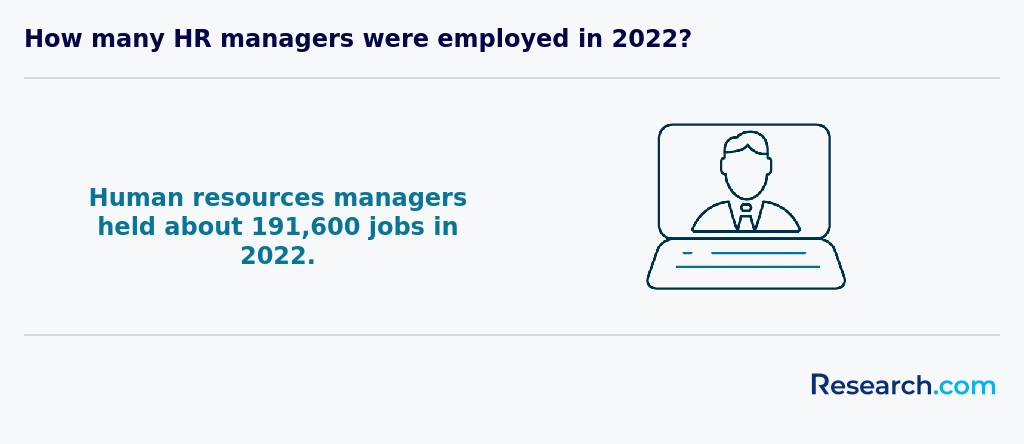
As the field of Human Resources evolves, Connecticut programs are adapting curricula to reflect key industry shifts. Artificial Intelligence and Machine Learning are streamlining talent acquisition and employee engagement, with predictive analytics enabling HR teams to forecast turnover and personalize training pathways. Remote and hybrid work models continue to redefine organizational culture, prompting degree programs to emphasize virtual leadership, digital collaboration tools, and cybersecurity awareness. Another significant trend is the integration of data-driven decision-making into everyday HR functions. Graduates learn to harness HRIS platforms and people-analytics dashboards to measure performance, track diversity metrics, and optimize compensation strategies in real time. With an emphasis on Diversity, Equity, and Inclusion (DEI), programs now offer specialized modules on unconscious bias training, equitable hiring practices, and inclusive leadership-preparing students to cultivate fair workplaces. Employee wellness and mental health support have become core responsibilities for HR professionals. Connecticut universities are partnering with counseling centers and local nonprofits to offer experiential coursework in wellness program design, resilience coaching, and work-life balance initiatives. This focus equips future HR leaders to implement holistic benefits packages that reduce burnout and boost retention. For prospective students comparing cost-effective degree options, the Affordable Human Resources Degree Programs Ranking in Ohio provides insights into budget-friendly alternatives. By staying abreast of these emerging trends-AI, remote workforce management, data analytics, DEI, and wellness-graduates will be poised to lead innovative HR functions and drive organizational success in the years ahead.
Human resources degrees in Connecticut commonly include a robust set of courses designed to bridge theory with practical application. Graduates from prominent universities and colleges in the state often highlight core classes such as Introduction to Human Resources Management, which clarifies HR's strategic roles in real organizations. Another essential course is Employment Law and Compliance, covering both federal and Connecticut-specific regulations like the Connecticut Fair Employment Practices Act, equipping students to navigate legal complexities confidently.
Other frequent courses are Organizational Behavior, illustrating how team dynamics and leadership impact workplace culture, and Recruitment and Staffing, focusing on hands-on hiring techniques. Graduates recall practical exposure in Compensation and Benefits, learning to design competitive wage systems that motivate employees. Courses like Training and Development and Performance Management further foster skills in employee growth and evaluation, critical in Connecticut's diverse industries.
Many programs also integrate general business topics, providing a well-rounded framework that former students affirm is invaluable for success in Connecticut's competitive labor market. Internships embedded in these curricula bolster confidence and readiness upon graduation.
Human resources degree specializations Connecticut students typically pursue include talent acquisition and recruitment, employee relations and labor management, compensation and benefits, organizational development and training, and diversity, equity, and inclusion (DEI). Graduates from the University of Connecticut emphasize the value of focusing on labor relations or compensation as these tracks directly prepare them for real-world challenges like workforce planning and navigating union negotiations.
At Central Connecticut State University, HR concentration options in Connecticut universities often incorporate labor studies and organizational behavior, enabling students to develop strong skills in conflict resolution and performance management. These practical concentrations help students feel confident entering Connecticut's competitive corporate sectors such as insurance and financial services.
Students report that specialized learning pathways enhance their enthusiasm and readiness for roles in recruitment, benefits management, and compliance. Those looking to evaluate cost-effectiveness may find the Affordable Human Resources Degree Programs Ranking in Ohio a useful resource for comparison.
Choosing the best human resources degree in Connecticut requires analyzing program credentials and practical opportunities. Graduates from popular programs at public universities appreciate the regional accreditation by NECHE, ensuring quality education aligned with industry standards. Several colleges offer BS or BA degrees with specialized HR tracks or concentrations, allowing students to tailor their education to specific career goals. Affordable human resources colleges in Connecticut often balance tuition costs with access to SHRM-affiliated networking groups, boosting real-world connections.
Students frequently highlight the value of internships facilitated by Connecticut's corporate and healthcare sectors, noting how hands-on experiences significantly enhance job readiness. For working professionals, flexible learning paths such as evening classes or online courses are essential, with some opting for an accelerated online bachelor's degree to expedite completion.
Reviewing post-graduation employment and salary trends is critical. Connecticut's HR specialists earn competitive wages, and programs with curricula emphasizing employment law, diversity, and HR analytics equip students with relevant skills for these well-paying roles. This data-driven approach helps identify the best human resources degree programs Connecticut offers.
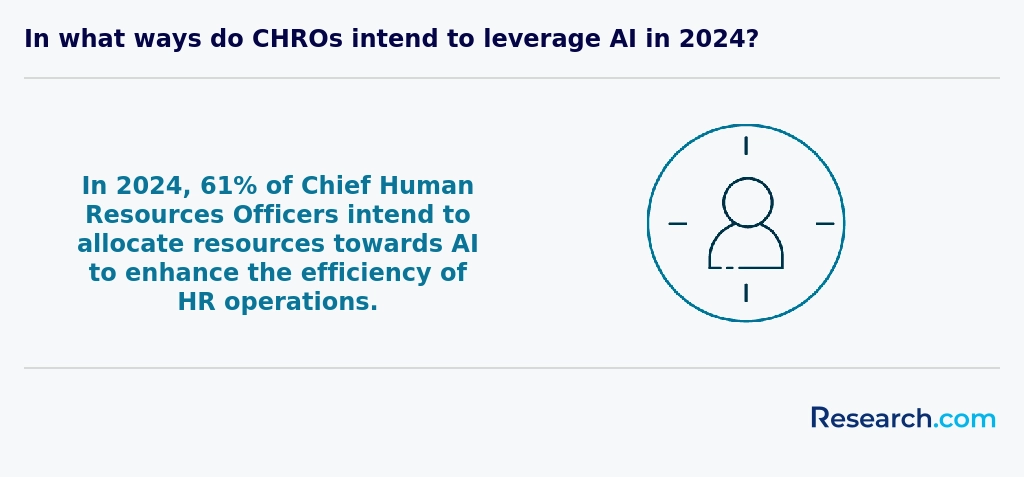
Graduates holding a human resources degree in Connecticut have access to diverse career paths within the state's dynamic market. Popular roles include Human Resources Specialist, focusing on recruitment and employee support, and HR Manager, who oversees department policies and strategic planning. Other viable positions are Talent Acquisition Coordinator, Compensation and Benefits Analyst, and Training and Development Manager-each addressing critical organizational needs. Those who studied at well-known Connecticut institutions often share experiences of successfully entering these roles backed by practical internships and connections fostered during their programs.
The availability of jobs with human resources degree Connecticut is enhanced by the state's strong industries such as finance, insurance, and healthcare, especially in urban hubs like Hartford and New Haven. Median wages for HR specialists around $66,000 in 2023 underscore the competitive career prospects. Students often choose to explore options at open admission colleges, balancing quality education with flexible enrollment policies suited to their career ambitions.
The human resources job outlook Connecticut presents steady growth fueled by the state's diverse economy, including key sectors like finance, healthcare, and manufacturing. Graduates from popular institutions such as the University of Connecticut often find themselves well-prepared to enter roles managing recruiting, employee relations, and compliance, particularly in Hartford's strong financial services industry and healthcare organizations statewide. This demand aligns with a projected 9% regional employment growth for HR specialists from 2022 to 2032, offering reassuring prospects for degree holders.
Recent Connecticut HR degree employment opportunities demonstrate competitive salaries, with entry-level HR specialists earning between $55,000 and $75,000 annually, and seasoned HR managers surpassing $90,000, especially in urban centers like Stamford and New Haven. Graduates frequently highlight how internships and connections provided by their programs foster confidence and smooth transitions into the workforce.
Students focusing on human resources in Connecticut benefit from considering program accreditation and practical experience, which are crucial for employability. The Society for Human Resource Management (SHRM) certification further enhances career prospects. Many graduates also explore most profitable major pathways to maximize return on investment while embracing rewarding HR careers.
2027 Most Popular Human Resources Degree Programs Ranking in Connecticut
Investing in your education is a significant decision that can shape your future, and the Research.com team understands the importance of making informed choices. To assist prospective students in Connecticut, we have meticulously crafted the "2027 Most Popular Human Resources Degree Programs Ranking in Connecticut." Our commitment to quality, credibility, and accuracy is reflected in the extensive research and analysis conducted to compile this ranking.
We utilized the following reputable data sources to ensure a comprehensive evaluation of human resources programs:
By exploring this ranking, readers will gain valuable insights into the most popular and trusted human resources degree programs in Connecticut, empowering them to make confident and informed decisions about their education. For more details on our methodology, please visit our Research.com methodology page.


Frequently Asked Questions About human resources
Students pursuing a human resources degree in Connecticut can maximize their learning by engaging with the state's strong network of business and nonprofit organizations. Connecticut hosts a growing job market in HR, with employment projected to increase by 7% from 2020 to 2030, according to the U.S. Bureau of Labor Statistics.
Internships and cooperative education programs offered through colleges like the University of Connecticut or Central Connecticut State University provide valuable real-world experience. Joining professional organizations such as the Connecticut chapter of SHRM (Society for Human Resource Management) offers networking, workshops, and certifications that enhance practical skills.
Additionally, leveraging online HR databases and state labor market reports helps students stay updated on Connecticut-specific labor laws and industry trends, ensuring their knowledge aligns with local employer needs. Proactive involvement in research projects or HR technology tools further enriches their expertise and employability.
Emerging niches within the human resources (HR) field in Connecticut reflect broader national trends, emphasizing specialization and technology integration. One notable area is HR analytics, where professionals use data to improve hiring, retention, and employee satisfaction. According to the Society for Human Resource Management (SHRM), demand for HR analysts has grown by over 20% in New England states, including Connecticut.
Another growing niche is diversity, equity, and inclusion (DEI) management. Connecticut employers increasingly seek HR experts who can design and implement DEI initiatives to foster workplace equity, driven by state legislation and corporate responsibility trends.
Additionally, remote workforce management has become critical. Connecticut HR programs now incorporate training on managing virtual teams and digital communication tools to meet post-pandemic workforce needs.
After earning a human resources degree in Connecticut, graduates should focus on developing both practical skills and professional networks to enter the job market effectively. Connecticut's economy supports a growing need for HR professionals, with industries like finance, manufacturing, and healthcare actively hiring. According to the U.S. Bureau of Labor Statistics, the state saw a steady 5% growth in HR employment from 2020 to 2023.
Internships and cooperative education programs offered by Connecticut colleges provide essential hands-on experience. Additionally, obtaining HR certifications such as SHRM-CP or PHR can significantly boost employment prospects. Networking through local HR associations, such as the Connecticut Society for Human Resource Management (CT SHRM), also proves invaluable for job seekers.
Employers in Connecticut seek human resources graduates who possess strong communication and interpersonal skills. These abilities are essential for managing employee relations and fostering a positive workplace. Critical thinking and problem-solving skills also rank highly, enabling HR professionals to navigate complex labor laws and resolve conflicts effectively.
Knowledge of state-specific regulations, including Connecticut's labor laws, is vital due to the state's unique workforce standards. According to the Connecticut Department of Labor, compliance expertise reduces legal risks for companies.
Additionally, proficiency in technology, such as using HR information systems (HRIS), is increasingly important. Data from the National Association of Colleges and Employers shows employers nationwide expect HR graduates to be digitally literate and adaptable.
Finding internships relevant to a human resources degree in Connecticut involves leveraging local resources and university partnerships. Many universities in Connecticut, such as the University of Connecticut and Central Connecticut State University, have dedicated career centers that connect students with internships at businesses and nonprofits.
Connecticut hosts numerous corporations in finance, healthcare, and insurance sectors, which often offer internships in HR departments. According to the Connecticut Department of Labor, the state's HR job market is projected to grow by 7% through 2028, indicating expanding internship opportunities.
Networking through professional groups like the Connecticut Chapter of the Society for Human Resource Management (SHRM) can also be valuable. Online platforms, including Handshake and state job boards, list updated HR internships available to students in the region.
Obtaining a human resources degree in Connecticut significantly enhances career mobility and advancement opportunities within the state's job market. According to the Connecticut Department of Labor, the demand for HR professionals is expected to grow by 8% through 2030, which is faster than the average for all occupations. Having a degree provides essential knowledge in employment law, organizational behavior, and talent management, skills highly valued by Connecticut employers.
A human resources degree also often serves as a prerequisite for advancement into mid- and senior-level roles, such as HR manager or director. Many companies in Connecticut prefer candidates with formal education to demonstrate expertise and commitment.
Additionally, degree holders benefit from professional networking opportunities available through universities and local HR associations like the Connecticut SHRM chapter, which can further support career growth.
Studying for a human resources degree in Connecticut equips students with a solid foundation in workforce management while emphasizing interdisciplinary skills. Programs often integrate courses in business law, psychology, and organizational behavior, reflecting the diverse demands of HR roles. Connecticut's strong corporate and manufacturing sectors encourage practical learning experiences, enhancing skills in communication, conflict resolution, and data analysis.
According to the Connecticut Department of Labor, HR professionals frequently collaborate across departments, requiring adaptability and broad knowledge. Universities in the state also provide opportunities for internships and networking with local businesses, which further prepare students for varied professional environments.
Choosing between a thesis and a non-thesis human resources degree in Connecticut depends on your career goals and learning preferences. A thesis option involves conducting original research and writing a detailed paper, ideal for students aiming for advanced research roles or doctoral studies.
Non-thesis programs focus on coursework and practical skills, suited for those who want to enter the workforce quickly or prefer applied learning. According to the U.S. Department of Education's National Center for Education Statistics, most Connecticut institutions offering HR degrees provide both tracks, with approximately 40% of students opting for non-thesis paths.
Consider your interest in research and your future plans when making this decision.
Students in Connecticut seeking to study human resources abroad have several pathways to consider. Many universities in Connecticut partner with international institutions through exchange programs, allowing students to spend a semester or year abroad while earning credits toward their degree. Options include countries with strong human resources programs such as the United Kingdom, Canada, and Australia. The Connecticut Office of Higher Education reports increasing interest in global study experiences, which can enhance cultural competence-an asset in HR careers.
Some Connecticut colleges offer dual degree or study-abroad programs integrating international HR perspectives. However, students should check accreditation and credit transferability to ensure their foreign coursework applies to their degree. Participation in programs affiliated with organizations like NAFSA can provide structured support for U.S. students studying overseas in human resources-related fields.
Students pursuing human resources degrees in Connecticut can enhance their education through various part-time job opportunities. Roles such as HR assistant, recruiting coordinator, or payroll clerk offer practical experience that complements academic learning. According to the Connecticut Department of Labor, employment for HR specialists in the state is projected to grow by 7% through 2030, highlighting demand for skilled workers.
Many local businesses, especially in Hartford and Stamford, seek part-time support in employee relations and benefits administration. Positions in staffing firms or nonprofit organizations also provide exposure to talent management and compliance tasks. These roles develop critical skills like communication, problem-solving, and database management, which are essential to HR professionals.
Human resources students in Connecticut benefit from a variety of networking opportunities due to the state's concentrated business hubs like Hartford and Stamford. The Connecticut chapter of the Society for Human Resource Management (CT SHRM) is a key resource, offering events, workshops, and professional meetups that connect students with HR professionals.
Colleges often collaborate with local businesses for internships and career fairs, providing practical networking experiences. According to CT SHRM, over 65% of HR professionals in Connecticut found jobs through networking and referrals, highlighting its importance. Additionally, students can attend regional conferences and webinars focused on HR trends, which help build valuable industry contacts.
Alumni networks provide valuable support to human resources degree students in Connecticut by offering professional connections that can lead to internships and job opportunities. According to the Society for Human Resource Management (SHRM), networking remains a key factor in successful HR career development nationwide.
In Connecticut, where industries like healthcare and finance demand skilled HR professionals, alumni often share insights about industry trends and local job markets. These connections help students navigate the competitive Connecticut employment landscape more effectively.
Furthermore, alumni events and mentorship programs foster skill development and guidance specific to human resources challenges faced within the state. This ongoing relationship also encourages knowledge exchange and professional growth beyond graduation.
Customizing a human resources degree program in Connecticut allows students to align their education with specific career goals. Many state colleges and universities offer elective courses that focus on areas like talent management, labor law, or organizational development. For instance, the University of Connecticut provides options in HR analytics and employee relations, helping students develop specialized skills.
Internships and cooperative education opportunities are prevalent in Connecticut, particularly due to the state's robust healthcare and finance sectors, which employ many HR professionals. Gaining hands-on experience can tailor your resume toward desired industries.
Additionally, some programs offer certificate tracks or partnerships with professional organizations such as SHRM (Society for Human Resource Management), which enhance networking and enhance professional credentials relevant to Connecticut's job market.
Human resources students in Connecticut often face challenges related to the evolving nature of workplace laws and diversity requirements. Connecticut has specific labor regulations that require students to stay updated on state and federal compliance, which can complicate coursework. Additionally, balancing theoretical knowledge with real-world application remains difficult, as internships and practical HR experience opportunities can be limited in some regions of the state. According to the Connecticut Department of Labor, competition for entry-level HR positions is growing, which pressures students to develop advanced skills in technology and communication. Navigating these demands while managing academic responsibilities poses a common hurdle for many learners.
With a human resources degree, graduates in Connecticut have access to several key professional certifications that can enhance their careers. The most recognized certification is the Professional in Human Resources (PHR), offered by the HR Certification Institute (HRCI). It validates foundational HR knowledge and skills and is highly regarded across the U.S.
Another popular option is the SHRM Certified Professional (SHRM-CP), provided by the Society for Human Resource Management. This certification focuses on practical and strategic HR management.
Connecticut's growing job market for HR professionals, as reported by the U.S. Bureau of Labor Statistics, makes these certifications valuable for career advancement and salary growth.
When applying to a human resources program in Connecticut, start by researching schools accredited by the Society for Human Resource Management (SHRM) or recognized regional accreditors. Strong applications typically showcase your understanding of HR fundamentals, such as labor law, employee relations, and talent management.
Highlight any relevant experience, including internships or jobs in HR or related fields. Admissions committees value practical exposure, which can differentiate candidates. Demonstrate your communication skills clearly in your personal statement, emphasizing why a career in human resources motivates you within Connecticut's growing business environment.
According to the Connecticut Department of Labor, HR roles are projected to grow by 6% through 2030, signaling strong industry demand. Incorporate this data to show awareness of future career opportunities. Finally, tailor each application to the specific program, addressing its unique strengths and your fit.
Human resources (HR) careers in Connecticut reflect broader global trends emphasizing strategic management of talent and organizational culture. Worldwide, HR professionals are increasingly key to aligning workforce capabilities with business goals in diverse, multicultural environments. According to the U.S. Bureau of Labor Statistics, Connecticut's HR job market is projected to grow by 7% from 2021 to 2031, comparable to the national outlook.
Globally, HR roles focus on compliance with international labor standards and adapting to digital transformation. Professionals with degrees in human resources gain skills applicable to multinational companies, which often have offices or partners in Connecticut's robust finance and manufacturing sectors. This connection offers graduates expanded career options shaped by global HR practices.
Gaining practical experience while studying for a human resources degree in Connecticut can significantly enhance job prospects. Many colleges in the state offer cooperative education (co-op) programs and internships that connect students with local businesses and organizations. For example, the University of Connecticut encourages internships in various industries, providing real-world exposure alongside academic learning. According to the Connecticut Department of Labor, the demand for HR professionals in the state is growing by 5% annually, making hands-on experience crucial. Additionally, joining student HR associations or attending networking events helps students build professional contacts within Connecticut's HR community.
Choosing the right concentration within a human resources degree program in Connecticut depends on your career goals and interests. Common concentrations include labor relations, talent management, compensation and benefits, and organizational development. Each offers specialized knowledge applicable in different HR roles.
Connecticut's labor market for HR professionals is robust, with a 2023 report from the Connecticut Department of Labor highlighting a 12% growth in HR-related jobs through 2030. This growth is especially strong in sectors like healthcare and finance.
Students should consider concentrations that align with these key industries. Additionally, research local industry demands and internship opportunities at Connecticut-based companies to enhance practical experience.
Consulting with academic advisors and reviewing course offerings at Connecticut institutions can also help identify concentrations that suit your skills and ambitions.
- 2027 Most Popular Human Resources Degree Programs Ranking in Rhode Island
- 2027 Most Popular Human Resources Degree Programs Ranking in Massachusetts
- 2027 Most Popular Human Resources Degree Programs Ranking in Pennsylvania
- 2027 Most Popular Human Resources Degree Programs Ranking in Delaware
- 2027 Most Popular Human Resources Degree Programs Ranking in Virginia
- 2027 Most Popular Human Resources Degree Programs Ranking in South Carolina
- 2027 Most Popular Human Resources Degree Programs Ranking in Tennessee
- 2027 Most Popular Human Resources Degree Programs Ranking in Indiana
- 2027 Most Popular Human Resources Degree Programs Ranking in Michigan
- 2027 Most Popular Human Resources Degree Programs Ranking in Georgia
See What Experts Have To Say About Studying Human Resources
Read our interview with Human Resources experts


Rick Hackett
Human Resources Expert
Professor, Human Resources & Management
McMaster University

Thomas Kochan
Human Resources Expert
Professor of Management
Massachusetts Institute of Technology

- Advice on gaining HR experience as a student https://community.cipd.co.uk/discussion-forums/careers-clinic/f/work-experience-internships-mentoring/26333/advice-on-gaining-hr-experience-as-a-student
- Traditional vs. Modern Human Resource Management: Typology, Transformation, and Industry 4.0 Implications https://srhformosapublisher.org/index.php/jambak/article/view/316
- What Qualifications Do You Need For HR? https://www.jarsolutions.co.uk/blog/2024/02/what-qualifications-do-you-need-for-hr
- HR networking: developing authentic relationships | Reed Learning https://www.reed.com/learning/article/hr-networking:-developing-authentic-relationships
- 2025 Most Affordable Online Human Resources Degrees https://www.onlineu.com/most-affordable-colleges/human-resources-degrees
- What Degree Might You Need to Pursue an HR Career Path? The Requirements to Know https://www.trident.edu/what-degree-do-you-need-for-hr-requirements-to-know/
- Best programs to become a human resources manager in Connecticut https://clema.ai/connecticut/occupations/human-resources-managers
- CourseCareers https://coursecareers.com/blog-posts/how-to-break-into-human-resources
- How to Become an HR Intern Without Experience - HR University https://hr.university/career/hr-intern/how-to-become-an-hr-intern/
- Degrees for Human Resources: A Guide to Starting or Switching Your Career https://www.aihr.com/blog/degrees-for-human-resources/