2027 Most Popular Human Resources Degree Programs Ranking in South Carolina

Co-Founder and Chief Data Scientist
Choosing the right human resources degree program in South Carolina is an important step toward a rewarding career. This article features the 2027 Most Popular Human Resources Degree Programs Ranking in South Carolina, created by the Research.com team of data scientists to guide you through your options.
By exploring this ranking, you'll discover programs that match your goals and interests, helping you make an informed decision. Earning a human resources degree opens doors to meaningful roles where you can support people and organizations.
Take a moment to explore the possibilities ahead and find the best fit for your future.
Key benefits of getting human resources degree in South Carolina
- Salary for human resources degree graduates: Graduates in South Carolina can expect competitive salaries, with roles like Recruitment Coordinator, Employee Relations Specialist, and Human Resources Generalist earning a mean annual wage of around $76,060, reflecting strong earning potential.
- Career paths: A human resources graduate from a popular South Carolina university may explore diverse roles such as Training and Development Coordinator or Human Resources Assistant, offering flexible career growth in various industries.
- Online degree benefits: Earning a human resources degree online from a recognized South Carolina college provides convenient scheduling, allowing you to balance work and study while gaining the same valuable skills as traditional programs.
- 2027 Most Popular Human Resources Degree Programs Ranking in South Carolina
- What can I expect from human resources degree in South Carolina?
- Where can I work with human resources degree in South Carolina?
What can I expect from human resources degree in South Carolina?
The average cost of pursuing a human resources degree in South Carolina generally varies depending on whether you attend a public or private institution. For example, graduates from Clemson University or the University of South Carolina have shared that in-state tuition typically falls between $10,000 and $15,000 per year, making it a manageable investment for many local students. Those attending private schools like Winthrop University might experience higher tuition fees, often around $20,000 annually, but with strong alumni networks and personalized support that many find worth the expense.
Many students appreciate that these programs not only focus on theory but also offer hands-on internships with local businesses in industries such as healthcare, manufacturing, and education. This real-world experience reinforces classroom learning and builds confidence. Graduates often highlight how being immersed in South Carolina's unique labor market prepares them for rewarding roles where they can truly make a difference.
Financial aid, scholarships, and in-state tuition benefits further soften the cost, helping you focus on gaining the skills and knowledge that will launch a fulfilling career in human resources right here in South Carolina.
Where can I work with human resources degree in South Carolina?
Graduates from human resources programs at universities like the University of South Carolina and Clemson often find themselves stepping confidently into diverse career paths right here in South Carolina. Picture working in healthcare settings-such as hospitals or long-term care facilities-where your skills in workforce planning and employee relations directly impact patient care quality and staff satisfaction. Many alumni share how rewarding it is to support large organizations navigating complex labor laws and benefits administration.
Others thrive in dynamic manufacturing environments, with companies like Boeing and BMW offering roles in union relations and safety compliance. Having studied locally, graduates feel proud to contribute to industries that form the backbone of South Carolina's economy. It's common to hear from fellow students who value the real-world HR projects included in their coursework that prepare them to meet these employer needs.
Urban centers such as Charleston and Greenville are growing hubs for tech companies where HR professionals fuel organizational growth by attracting and nurturing talent in competitive markets. Retail and hospitality sectors offer vibrant opportunities too, especially for those who enjoy working in fast-paced settings with seasonal staffing challenges. In essence, a human resources degree here opens doors to meaningful careers across sectors that shape the local community and economy.
Graduates with a human resources degree from institutions like the University of South Carolina or Clemson often find rewarding salary opportunities in the state. Entry-level roles such as Human Resources Assistants typically earn around $76,060 annually, reflecting the strong demand for skilled HR professionals in South Carolina's growing job market. Roles like Recruitment Coordinator and Employee Relations Specialist offer similar mean salaries near $76,060, demonstrating a solid starting point for new graduates.
Many HR graduates from popular colleges in Columbia or Charleston share how gaining practical experience and certifications helped them reach these salary levels quickly. For example, those starting in Training and Development Coordinator positions can expect mean wages of about $71,980. These real-life pathways show that with dedication and networking, South Carolina graduates can steadily increase their earning potential while contributing meaningfully to organizations.
By focusing on areas such as employee relations or recruitment, human resources degree holders in South Carolina position themselves well for competitive wages and fulfilling careers that grow alongside the state's dynamic industries.
- Tuition for HR bachelor's programs in South Carolina ranges from $9,000 to $15,000 per year at public universities for in-state students and $20,000 to $30,000 at private institutions.
- Entry-level HR professionals in South Carolina typically earn between $45,000 and $55,000 annually after graduation.
- Mid-career HR specialists can expect salaries between $65,000 and $80,000 per year in the state.
- Senior HR roles, such as managers or directors, often earn more than $90,000 annually in South Carolina.
- The job market for HR professionals is steady, with growth projected across various industries including manufacturing, healthcare, and services.
- Many programs in South Carolina offer internships to provide practical experience and improve job readiness.
Completing a human resources degree in South Carolina typically fits within a clear timeline, though it varies based on your chosen path and pace. Graduates from universities like Clemson or the University of South Carolina often finish their bachelor's degree in about four years of full-time study, balancing around 120 credit hours that combine core business skills with focused HR courses. Many find this timeframe perfect to deeply engage with the material while building networks on campus.
For those eager to jump into the workforce sooner, an associate degree from community colleges such as Trident Technical College offers a solid foundation in only about two years. This route helps you gain essential skills quickly, often leading to entry-level roles or a smooth transfer into a bachelor's program later on.
Graduate degrees, like a master's in HR or an MBA focused on human resources at South Carolina institutions, typically extend your study by one to two years. Many students appreciate the flexible part-time options offered, allowing them to balance work and life while advancing their careers.
Across the board, whether studying full-time or part-time, you'll find South Carolina provides supportive environments that turn your hard work into meaningful progress at a pace that suits your ambitions and lifestyle.
Accreditation is a critical benchmark for evaluating the quality of human resources programs. In South Carolina, prospective students should look for programs accredited by recognized bodies such as the Society for Human Resource Management (SHRM) and the Accreditation Council for Business Schools and Programs (ACBSP). Accredited programs ensure that curricula align with industry standards, covering essential topics like employment law, organizational behavior, and talent management. Employers often prefer graduates from accredited institutions, as this credential signals rigorous academic review and continuous quality improvement. Equally important is the program’s focus on professional certification preparation. Graduates who earn credentials such as the SHRM Certified Professional (SHRM-CP) or the Associate Professional in Human Resources (aPHR®) often enjoy accelerated career advancement and higher earning potential. Many South Carolina universities integrate certification exam preparation into core courses, offering practice exams, study groups, and guest lectures from certified professionals. This structured support not only boosts exam pass rates but also equips students with practical tools for real-world HR challenges. For students balancing quality and affordability, exploring accredited programs outside South Carolina can provide additional options. For instance, the Low Cost Human Resources Degree Programs Ranking in Utah highlights cost-effective, fully accredited programs that prepare graduates for national certification exams. By choosing an accredited program with dedicated certification resources, students can confidently pursue their HR careers knowing they have met both academic and professional benchmarks.
When deciding between online and on-campus human resources degrees in South Carolina, it helps to picture what your daily experience might be like. Graduates from the University of South Carolina often speak about the vibrant energy of campus life-engaging face-to-face with professors, participating in lively discussions, and tapping into on-site resources like career fairs and internship connections. This hands-on networking can boost your confidence and communication skills, essential for HR roles.
On the other hand, graduates from institutions offering flexible online programs appreciate fitting their studies around work and family commitments. For instance, many find that asynchronous classes allow them to learn at their own pace, making it easier to absorb challenging topics like labor laws or recruitment strategies without sacrificing daily responsibilities. While online formats might lack in-person networking, they deliver accredited education equal in quality to traditional programs.
In either case, South Carolina's growing business environment means both paths offer solid opportunities to launch or advance your HR career. Reflecting on your learning style and lifestyle will help you choose the route that feels empowering and practical for you.
In South Carolina, the average cost of a human resources degree can vary widely, but typically, students can expect a median total cost around $40,905. For those pursuing their education as in-state residents, costs are significantly lower, averaging about $22,041. Graduates from institutions like Clemson University and the University of South Carolina often recall balancing well-structured in-state tuition with vibrant campus life, which helped them stay motivated throughout their studies.
Understanding human resources degree tuition and fees in South Carolina means recognizing the difference between public and private schools. While public universities offer more affordable tuition, private colleges such as Charleston Southern University tend to have higher costs. However, many students find that investing in these programs provides access to specialized resources and smaller class sizes that enrich their learning experience.
Consider how past students navigated these costs by taking advantage of financial aid, scholarships, and part-time work opportunities, easing their financial burden and allowing focus on career goals. For those looking to wisely manage expenses while gaining a quality education, researching the most affordable human resources programs in south carolina is a valuable step that can save thousands.

If you're pursuing a human resources degree in South Carolina, there's strong financial support to help lighten the cost burden. Many students attending universities like Clemson or the University of South Carolina find that federal aid, especially Pell Grants, significantly offsets tuition expenses. These grants don't require repayment, making them a lifeline for those with financial need.
State scholarships such as the Palmetto Fellows and ECS Scholarships have been game changers for graduates, providing thousands of dollars annually based on academic merit. These awards often cover a large chunk of tuition, freeing up time to focus on studies and internships-key to landing that first HR role.
Additionally, institutional scholarships tailored for business and human resources students offer valuable financial relief. Many graduates share how these merit-based awards made attending their top-choice South Carolina schools affordable without drowning in debt.
Work-study programs on campus provide both income and practical experience, which builds confidence and resumes. Lastly, don't overlook employer tuition reimbursement programs, especially if you're already working in HR and aiming to advance-these can be a powerful boost to your education journey.
As technology reshapes the modern workplace, Human Resources professionals must evolve to meet emerging challenges and opportunities. Today’s HR landscape is increasingly driven by digital transformation, data analytics, and evolving employee expectations. Programs are now incorporating training on AI-driven recruitment, HR analytics, and digital communication tools, ensuring that graduates remain competitive and adaptable. For instance, many institutions are tailoring courses to address remote workforce management, diversity and inclusion, and cyber security considerations-all critical to the future success of HR departments. Students seeking a degree that prepares them for these future challenges can explore options like the most affordable human resources programs in south carolina, which integrate state-of-the-art curricula with cost-effective learning opportunities. By staying informed about the latest trends-such as the growing importance of HR data interpretation and the shift towards remote employee engagement-aspiring HR professionals can align their education with the rapidly evolving demands of the industry. This balanced approach of mastering technology while emphasizing people-centered leadership fosters well-rounded graduates poised to become strategic partners in driving organizational success in the ever-changing workforce landscape.
To enroll in a human resources degree program in South Carolina, you'll need to meet some clear academic milestones that pave the way for your success. Most universities, like those in Clemson or the University of South Carolina system, expect you to have a high school diploma with a solid transcript-graduates often mention maintaining a GPA around 2.5 to 3.0 to remain competitive.
Standardized tests such as the SAT or ACT have traditionally played a role, but many South Carolina schools now embrace test-optional policies, welcoming applicants who shine through recommendation letters and personal statements. Past students have found that showcasing their passion for HR through these documents truly helps their applications stand out.
If you're aiming for graduate studies, it's important to have a bachelor's degree with at least a 3.0 GPA. Some programs request GRE or GMAT scores, but real-world experience can sometimes substitute for these exams, which many graduates have appreciated.
Also, consider taking foundational courses like business or psychology, as these can enrich your understanding and readiness-something many successful students at institutions such as Coastal Carolina University have found invaluable.
Remember, financial planning is key in South Carolina. With tuition averaging $12,000 to $15,000 annually at public universities, tapping into scholarships and articulation agreements between community colleges and four-year institutions can ease the journey for many.
Ultimately, preparing well for these prerequisites sets you on a rewarding path in a field where your interpersonal skills and business sense will make a meaningful impact.

When you step into a human resources program at a South Carolina university, you'll dive into courses that truly prepare you for the dynamic workplace ahead. Graduates often share how classes like Organizational Behavior helped them understand team dynamics, making it easier to resolve conflicts in fast-paced business environments. At popular schools, foundational business courses such as management and marketing provide the essential backdrop, ensuring you grasp how different departments work together.
One unforgettable course for many is Employment Law, which covers the critical federal and South Carolina-specific labor regulations. This knowledge becomes a powerful tool for new HR professionals navigating real legal challenges on the job. Others found Talent Acquisition rewarding, as it taught practical skills in recruiting and interviewing, often practiced through interactive projects.
- Compensation and Benefits
- Performance Management
- Training and Development
- Human Resource Information Systems (HRIS)
Completing these courses not only builds confidence but also aligns with certifications many South Carolina grads pursue, giving them a strong edge when entering the workforce.
In South Carolina, human resources degree programs offer dynamic specializations designed to align perfectly with evolving workplace needs. Graduates from universities such as Clemson University and the University of South Carolina often focus on talent acquisition and workforce planning-skills essential for industries like healthcare and manufacturing that dominate the state's economy. These graduates share how mastering employee retention strategies made them confident contributors to their organizations' success.
Many also pursue concentrations in employee relations and labor law, navigating South Carolina's unique regulations confidently, just as alumni from Coastal Carolina University have done. This specialization sharpens conflict resolution abilities, equipping future HR professionals to thrive in diverse work environments. Another popular choice, training and development, prepares students to support continuous learning, a crucial need as digital workplaces grow across the state.
For those interested in innovative technology roles, HR Information Systems (HRIS) blends data management with HR expertise, a path embraced by forward-thinking students. Others hone skills in compensation and benefits management to design competitive reward programs. If you want to explore affordable options, check out the Low Cost Human Resources Degree Programs Ranking in Utah to see comparable strategies applied elsewhere. These varied HR degree concentration options in South Carolina empower you to build a career tailored to your passion and the local job market.
When choosing the best human resources degree in South Carolina, start by focusing on accredited programs at well-known universities like Clemson University or the University of South Carolina. Graduates often highlight how these programs balance theoretical knowledge with hands-on internships in healthcare or hospitality industries, providing real-world experience that builds confidence. Selecting a degree that aligns with your career goals, whether an associate for foundational skills or a bachelor's or master's for advanced expertise, makes a big difference in job readiness and salary potential.
Affordability is also key-many students appreciate that in-state tuition can be significantly lower, easing financial stress. With South Carolina's HR specialist median wage around $59,000, investing wisely in an affordable HR degree in South Carolina is essential. To expand options, consider exploring flexible pathways like 1 year masters online programs that have helped graduates accelerate their careers without pausing work or life commitments.
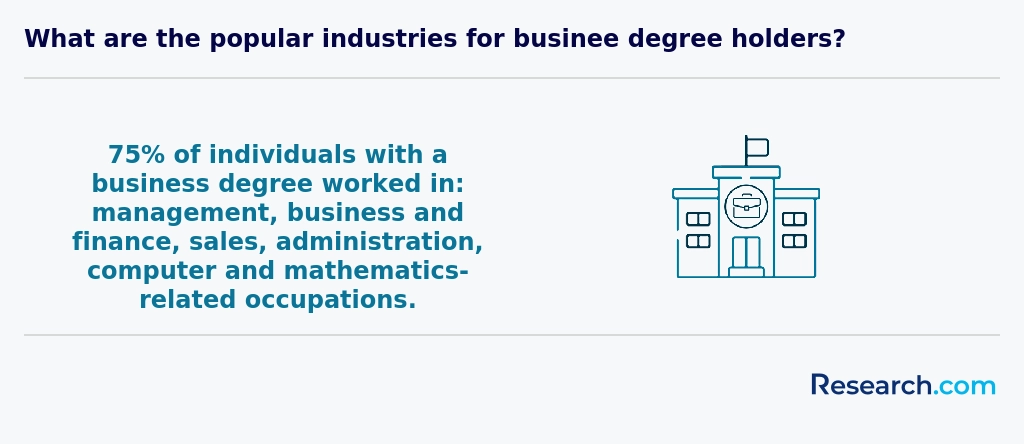
Graduates with a human resources degree in South Carolina find a variety of rewarding career paths where they can truly make an impact. Many alumni from institutions like the University of South Carolina and Clemson University have stepped confidently into roles such as Human Resources Specialist, Recruitment Coordinator, and Employee Relations Manager. Imagine working in Charleston's growing corporate hubs, helping businesses attract and retain the best talent while fostering positive workplace environments. These career opportunities offer more than just jobs-they deliver a chance to shape company culture and drive organizational success.
With South Carolina's diverse industries-from healthcare to manufacturing-HR graduates enjoy varied options, including Training and Development Manager or Compensation and Benefits Manager roles. The steady job market and practical experience gained at well-respected schools reinforce promising South Carolina HR degree job prospects. For those wondering what to expect, exploring options at local universities can clarify pathways, and learning more about what is the best open enrollment college to attend may also help when planning your education journey.
The human resources job outlook South Carolina graduates face is promising and reflects steady growth seen nationally. Graduates from institutions like the University of South Carolina and Clemson University find themselves well-positioned in cities such as Charleston and Greenville, where expanding industries continuously seek skilled HR professionals. Many HR graduates share how their education, coupled with internships in local businesses, helped them transition quickly into roles like HR specialists or benefits coordinators.
South Carolina HR degree employment opportunities range from recruitment to employee relations. While median salaries for HR specialists hover around $55,000, slightly below the national average, the lower cost of living in the state offers a valuable advantage. Graduates often appreciate how this balance provides both financial stability and career growth.
Enhancing credentials with certifications like SHRM-CP can boost employability and open doors to management positions. When planning your path, consider how the comparatively affordable tuition in South Carolina supports your investment in education. For those curious about career earnings, exploring the major that makes the most money can provide additional perspective.
2027 Most Popular Human Resources Degree Programs Ranking in South Carolina
Investing in your education is a significant decision that can shape your future, and the Research.com team understands the importance of making informed choices. To assist prospective students in South Carolina, we have meticulously crafted the "2027 Most Popular Human Resources Degree Programs Ranking in South Carolina." Our commitment to quality, credibility, and accuracy is reflected in the extensive research and analysis conducted to compile this ranking.
We utilized the following reputable data sources to ensure a comprehensive evaluation of human resources degree programs:
By exploring this ranking, readers will gain valuable insights into the most popular and reputable human resources programs in South Carolina, empowering them to make well-informed decisions about their educational journeys. For more details on our methodology, please visit our Research.com methodology page.


Frequently Asked Questions About human resources
Human resources degree students in South Carolina can maximize their learning experience by engaging in internships offered by local businesses and government agencies. The state's growing industries, such as manufacturing and healthcare, provide valuable practical environments to apply classroom knowledge. According to the South Carolina Department of Employment and Workforce, HR professionals in the state earn an average annual wage of over $65,000, indicating strong career prospects.
Students should also seek membership in professional organizations like the South Carolina Human Resource Management Association. These groups offer networking events and workshops, enhancing both skills and job opportunities. Additionally, taking advantage of online resources and staying current with labor laws in South Carolina helps deepen understanding.
Emerging niches within the human resources field reflect the evolving needs of businesses, particularly in South Carolina's growing industries. One of the fastest-growing areas is HR analytics, where professionals use data to improve hiring and retention strategies. According to the U.S. Bureau of Labor Statistics, HR specialists are increasingly expected to understand workforce data, especially in manufacturing and healthcare sectors prominent in South Carolina.
Another niche is diversity, equity, and inclusion (DEI) management. Companies in South Carolina are expanding DEI roles to create more inclusive workplaces, responding to both legal requirements and social expectations. Additionally, talent acquisition for remote and hybrid work setups is becoming vital as businesses adjust post-pandemic. These focused areas offer promising paths for students pursuing a human resources degree in the state.
After earning a human resources degree in South Carolina, preparing for the job market involves several key steps. Graduates should gain practical experience through internships or part-time roles, as 70% of HR employers value relevant hands-on skills. Networking is crucial; joining organizations like the South Carolina Human Resources Association can connect candidates with local professionals and job openings.
Certification, such as the SHRM-CP or PHR, is highly regarded in South Carolina's competitive market and can boost employability. Staying informed about state labor laws and compliance issues is also essential since South Carolina employers prioritize HR professionals knowledgeable of regional regulations.
Finally, leveraging career services offered by SC universities can help graduates refine resumes and prepare for interviews, improving job placement success.
Employers in South Carolina highly value human resources graduates with strong communication and interpersonal skills. According to the Society for Human Resource Management (SHRM), these skills are essential for managing employee relations and fostering a positive workplace culture. Analytical abilities are also important, as HR professionals must interpret data related to hiring trends and benefits administration. Knowledge of employment laws and regulations specific to South Carolina is critical to ensure compliance and reduce legal risks, as reported by the South Carolina Department of Labor. Additionally, proficiency in HR information systems (HRIS) is increasingly sought after, reflecting the state's evolving technology use in workforce management.
Finding internships in South Carolina for human resources degrees involves utilizing both college resources and local industry connections. Many universities in South Carolina offer career centers that connect students with internships at businesses headquartered in the state. Additionally, the South Carolina Department of Employment and Workforce provides listings and support for internships and job placements.
Targeting employers in key industries such as manufacturing, healthcare, and finance can increase your chances, as these sectors often need HR interns. Networking through professional associations like the South Carolina Human Resources Association (SCHRA) is also beneficial. According to the U.S. Bureau of Labor Statistics, HR internships help students gain practical skills essential for future employment.
In South Carolina, earning a degree in human resources significantly enhances career mobility and advancement opportunities. According to the Bureau of Labor Statistics, the state's HR sector is expected to grow by about 7% from 2022 to 2032, aligning with the national average. Holding a human resources degree equips graduates with essential skills in employee relations, labor law, and organizational development, making them competitive for supervisory and managerial roles.
Employers in South Carolina increasingly prefer candidates with formal education, especially for senior HR positions, where knowledge of state labor regulations is crucial. Additionally, certifications combined with a degree often lead to higher salaries and promotions.
Studying for a human resources degree in South Carolina equips students with skills vital for interdisciplinary roles across various industries. Programs often include coursework in business law, organizational psychology, and communication, fostering a broad understanding beyond traditional HR functions.
According to the South Carolina Commission on Higher Education, many universities emphasize collaboration and real-world problem-solving, preparing graduates to work alongside finance, marketing, and operations teams effectively.
This interdisciplinary approach is essential as 63% of regional employers seek HR professionals skilled in multiple domains, reflecting trends found in the Society for Human Resource Management's 2023 report.
Such comprehensive training ensures graduates can adapt to diverse workplace challenges and contribute strategically at different organizational levels.
When choosing between a thesis and a non-thesis human resources degree program in South Carolina, consider your career goals and learning preferences. Thesis programs typically suit those aiming for research roles or further academic study, requiring a significant research project to develop analytical skills. Non-thesis options often appeal to professionals seeking practical knowledge and faster completion, focusing on coursework and applied projects.
South Carolina universities, such as the University of South Carolina and Clemson, offer both types, aligning with local HR industry needs. According to the South Carolina Department of Commerce, demand for HR specialists is expected to grow by 8% through 2030, favoring practical skills.
Review program curriculums carefully, and consider how each path enhances your career prospects in the region.
Students based in South Carolina seeking to study human resources (HR) abroad have several pathways facilitated by U.S. institutions' partnerships and exchange programs. Many South Carolina universities with HR programs, such as Clemson University and the University of South Carolina, offer study abroad opportunities in Europe, Asia, and Latin America. These programs typically last a semester or summer session, allowing the transfer of credits toward an HR degree.
According to the Institute of International Education, around 15% of South Carolinian undergraduates participate in foreign study, though specific HR-focused data is limited. Students should consult their university's international office for options tailored to HR or business disciplines.
Additionally, accredited online HR degrees allow students to combine international internships or practicums with coursework, providing a global perspective without relocating permanently. This flexibility benefits working professionals in South Carolina looking to enhance their global HR competencies.
Students pursuing human resources degrees in South Carolina can benefit from various part-time job opportunities that complement their education. Roles such as HR assistant, recruitment coordinator, or payroll clerk offer practical experience in staffing, employee relations, and benefits administration. According to the South Carolina Department of Employment and Workforce, positions in administrative support and office management are projected to grow by 5% through 2030, increasing opportunities for HR students.
Internships with local businesses or nonprofits are also valuable for gaining hands-on skills in compliance and labor law. Additionally, customer service roles enhance communication abilities essential for HR professionals. Balancing work and study helps students develop time management and organizational skills relevant in the HR field.
Human resources students in South Carolina benefit from several strong networking opportunities that connect them with professionals and potential employers. The South Carolina Human Resources Association (SCHRA) offers events, workshops, and local chapter meetings across the state, providing practical connections within the HR community.
Many universities in South Carolina, including the University of South Carolina and Clemson University, support HR-related student organizations and career fairs focused on human resources roles. These events are designed to help students meet industry experts and recruiters.
Additionally, the Charleston Metro Chamber of Commerce and similar regional groups often host seminars and networking mixers featuring HR trends and job prospects in South Carolina.
Alumni networks play a crucial role for human resources degree students in South Carolina by offering valuable career support and professional connections. Graduates from South Carolina universities often join active alumni groups that provide mentorship opportunities, internships, and job referrals in the region's growing HR sector.
South Carolina's HR industry, which aligns with the state's expanding manufacturing and healthcare markets, benefits greatly from these networks. According to the South Carolina Department of Commerce, nearly 15,000 HR professionals work statewide, increasing demand for well-connected graduates.
These networks also facilitate access to workshops and local certifications, which enhance students' credentials and employability within the state.
Customizing a human resources degree program in South Carolina involves selecting courses and experiences that align with your specific career goals. Many universities in the state offer electives in areas such as labor relations, compensation management, or organizational development, allowing students to tailor their studies. Internships and cooperative education opportunities with South Carolina companies can provide practical experience, which is valuable given the state's growing manufacturing and service sectors. Additionally, some programs offer certificates in specialized HR fields like diversity and inclusion or employee wellness, enhancing your resume.
National and state HR certifications, like SHRM, can be integrated into coursework or pursued alongside your degree to boost credentials. According to the Bureau of Labor Statistics, South Carolina's HR job market expects steady growth of about 7% through 2031, making specialized skills increasingly important.
Human resources students in South Carolina often face challenges related to staying current with rapidly changing labor laws and regulations. The state's unique economic landscape, including a mix of manufacturing, healthcare, and service industries, demands specialized knowledge, making coursework complex. Additionally, access to quality internships can be limited outside major cities like Charleston or Columbia, affecting practical experience.
Many students also struggle with mastering technology used in HR management, such as human capital management (HCM) software, which is increasingly important for career readiness. According to the South Carolina Department of Employment and Workforce, HR roles are projected to grow by 5% by 2030, intensifying competition for skilled graduates.
With a human resources degree in South Carolina, you can pursue several respected professional certifications to boost your career. The most recognized is the Professional in Human Resources (PHR) certification offered by the HR Certification Institute (HRCI). This credential validates your knowledge of HR operations and legal compliance.
Another popular certification is the Society for Human Resource Management Certified Professional (SHRM-CP), which emphasizes practical HR skills and strategic management. According to the South Carolina Department of Labor, demand for certified HR professionals is growing by approximately 5% annually in the state.
Other specialized certifications include the Certified Employee Benefits Specialist (CEBS) focusing on benefits administration, which is valuable in South Carolina's growing healthcare sector.
Applying to a human resources program in South Carolina requires careful preparation to stand out. Begin by thoroughly researching programs accredited by the Society for Human Resource Management (SHRM) or recognized by the South Carolina Commission on Higher Education. A well-written personal statement is crucial; highlight your passion for HR, leadership experiences, and understanding of workforce challenges in South Carolina's growing industries.
Include specific examples demonstrating teamwork and communication skills, valued in HR roles. South Carolina's HR job market grew by 4.5% in 2023, according to the U.S. Bureau of Labor Statistics, making relevant internships or work experience beneficial to mention. Be sure to submit all required documents before deadlines and maintain a professional tone throughout your application.
The global perspectives on a human resources career emphasize the growing importance of HR professionals in managing diverse workforces and navigating international labor laws. In the United States, including South Carolina, human resources roles increasingly require skills in cross-cultural communication and global talent management. This trend aligns with the rise of multinational companies and remote work environments.
According to the U.S. Bureau of Labor Statistics, employment of human resources specialists is projected to grow 9% from 2022 to 2032, reflecting a stable demand nationwide.
In South Carolina, HR careers often include opportunities in manufacturing, healthcare, and service industries that engage with global markets. Educational programs in the state prepare students for these challenges by integrating global HR practices and ethics into their curricula.
Gaining practical experience while studying for a human resources degree in South Carolina is essential for career readiness. Many universities in the state offer cooperative education (co-op) programs that combine classroom learning with paid work experience in HR departments.
Internships are another common way to build skills. Organizations in South Carolina's growing business sectors, such as healthcare and manufacturing, often seek HR interns. According to the South Carolina Department of Employment and Workforce, internships can increase employment prospects by over 30% for graduates.
Additionally, students can join campus HR clubs or participate in SHRM (Society for Human Resource Management) student chapters to network and attend workshops. These opportunities enhance both practical knowledge and professional connections.
Choosing the right concentration within a human resources degree program in South Carolina involves evaluating your career goals and the local job market. Popular tracks include talent management, labor relations, and organizational development. Each concentration targets different HR functions, from recruiting to managing employee relations.
South Carolina's economy features significant manufacturing, healthcare, and government sectors, making specialized knowledge in compliance and workforce development valuable here. According to the South Carolina Department of Employment and Workforce, HR specialists in the state earn a median annual wage slightly below the national average but with steady growth potential.
Consider programs that offer internships or partnerships with local employers, as practical experience boosts employability. Reviewing course content and graduation outcomes from South Carolina universities can also guide you to a focus that fits both your interests and the state's HR demands.
- 2027 Most Popular Human Resources Degree Programs Ranking in Georgia
- 2027 Most Popular Human Resources Degree Programs Ranking in Florida
- 2027 Most Popular Human Resources Degree Programs Ranking in Tennessee
- 2027 Most Popular Human Resources Degree Programs Ranking in Alabama
- 2027 Most Popular Human Resources Degree Programs Ranking in Virginia
- 2027 Most Popular Human Resources Degree Programs Ranking in Missouri
- 2027 Most Popular Human Resources Degree Programs Ranking in Indiana
- 2027 Most Popular Human Resources Degree Programs Ranking in Pennsylvania
- 2027 Most Popular Human Resources Degree Programs Ranking in Delaware
- 2027 Most Popular Human Resources Degree Programs Ranking in Illinois
See What Experts Have To Say About Studying Human Resources
Read our interview with Human Resources experts

Rick Hackett
Human Resources Expert
Professor, Human Resources & Management
McMaster University

Thomas Kochan
Human Resources Expert
Professor of Management
Massachusetts Institute of Technology


- The Top 5 HR Challenges Today https://www.apqc.org/blog/top-5-hr-challenges-today
- HR's Guide to Effective Career Development https://orangehrm.com/resources/learn-in-depth/hr-guide-to-effective-career-development
- What to do after a Bachelor's degree in HR https://www.ipag.edu/en/blog/what-do-after-bachelors-degree-hr
- What skills and competencies do you need for a career in HR? https://targetjobs.co.uk/careers-advice/hr-and-recruitment/what-skills-and-competencies-do-you-need-career-hr
- Human Resources Internships https://careers.slb.com/early-careers/internships/hr-intern
- How to Become an HR Intern Without Experience - HR University https://hr.university/career/hr-intern/how-to-become-an-hr-intern/
- HUMAN RESOURCE MANAGEMENT (THESIS / NON-THESIS) - Lisansüstü Eğitim Enstitüsü https://lee.nisantasi.edu.tr/en/human-resource-management-thesis-non-thesis/
- Salary Guide for Future HR Managers https://www.allbusinessschools.com/human-resources/salary/
- How to Maximize the Impact of Alumni Networks https://www.careeros.com/resources/how-to-maximize-the-impact-of-alumni-networks
- Redefining career development: Skills, mobility and retention https://hrexecutive.com/redefining-career-development-skills-mobility-and-retention/