2027 Best Human Resources Degree Programs Ranking in Minnesota

Co-Founder and Chief Data Scientist
Choosing the right human resources degree program can shape your future career and open doors to exciting opportunities in Minnesota. This article introduces the 2027 Best Human Resources Degree Programs Ranking in Minnesota, thoughtfully compiled by the Research.com team of data scientists.
Our goal is to help you make an informed decision by spotlighting programs that offer strong education and real-world prospects. Whether you're starting your academic journey or considering a change, this guide brings clarity and confidence to your path.
Investing in a human resources degree can be rewarding, empowering you to support people and organizations alike.
Key benefits of getting human resources degree in Minnesota
- Salary for human resources degree graduates: Graduates in Minnesota can expect competitive pay, with roles like Human Resources Generalist earning a mean annual wage of $76,060 and an hourly wage of $36.57, reflecting strong financial potential.
- Career paths: Human resources degree holders from Minnesota colleges enjoy diverse opportunities, including positions such as Recruitment Coordinator, Training and Development Coordinator, and Employee Relations Specialist, each offering stable growth and rewarding work environments.
- Benefits of online degrees: Completing a human resources degree online from a Minnesota university offers flexibility and convenience, enabling you to balance work and study while gaining the same valued credentials as traditional programs.
- 2027 Best Human Resources Degree Programs Ranking in Minnesota
- What can I expect from human resources degree in Minnesota?
- Where can I work with human resources degree in Minnesota?
What can I expect from human resources degree in Minnesota?
Contrary to popular belief, the average cost of a human resources degree in Minnesota isn't a fixed number-it varies widely depending on the institution, with many students finding value far beyond tuition alone. Graduates from the University of Minnesota often recall how the investment in their education, averaging around $15,000 per year for in-state tuition, felt justified through real-world internships and connections forged during their studies. Meanwhile, those attending Minnesota State University describe balancing moderately lower tuition costs, near $8,000 annually for in-state students, with practical experiences that enhanced their confidence and employability.
What many overlook is how this cost connects to profound personal growth-immersing in internships, mastering labor laws, or collaborating on diversity initiatives that spark lasting passion for the field. In Minnesota's competitive economy, these programs don't merely charge tuition; they catalyze career pathways with experiential learning integrated into the cost. Thinking beyond dollars, the expense reflects opportunity: a chance to engage deeply with the state's dynamic business landscape and to emerge ready for meaningful leadership roles.
Where can I work with human resources degree in Minnesota?
Graduates from human resources programs at well-known Minnesota institutions often find themselves navigating diverse career landscapes, far beyond the typical office desk. Many discover roles in healthcare settings like hospitals or clinics, where HR's influence directly impacts patient care through effective workforce planning and training. Imagine collaborating with medical staff to ensure seamless hiring and retention in fast-paced environments-this is where HR truly becomes vital.
Others land in Minnesota's robust manufacturing sector, tackling challenges unique to factories and production lines. Here, HR professionals balance labor relations with worker safety, a real-world test of leadership and problem-solving skills honed during college projects and internships.
City halls and state agencies in Minnesota offer another path, where HR graduates engage in public service, shaping policies that promote fairness and workforce diversity. These roles echo experiences from university service learning, connecting academic theories to community impact.
Corporate offices in Minneapolis and Saint Paul reward HR degrees with opportunities in talent acquisition and culture building, fostering environments where employees thrive. For those from tech-focused campuses, recruiting specialized talent within Minnesota's growing tech hubs turns HR into a dynamic, strategic career.
Graduates from Minnesota's universities specializing in human resources often find themselves entering roles like Recruitment Coordinator, Training and Development Coordinator, or Employee Relations Specialist with annual wages hovering around $72,000 to $76,000. Imagine completing your degree at a well-known institution such as the University of Minnesota or St. Cloud State University and stepping into a career where the mean annual wage for a Human Resources Generalist is approximately $76,060. This salary figure challenges the misconception that starting out in HR means settling for low pay.
Many graduates recall feeling a surge of confidence knowing their degree could unlock such earnings early on, especially within Minnesota's thriving business hubs like Minneapolis and St. Paul. This reflects not just figures on paper but a palpable sense of professional validation and economic stability, making the investment in education rewarding.
With seasoned experience or additional certifications, the pathway widens to roles offering even higher salaries. This reinforces the idea that a human resources degree in Minnesota doesn't just offer a job-it provides footholds into a sustainable and prosperous career.
- In Minnesota, annual tuition for in-state students at public universities ranges from about $9,000 to $13,000 for a bachelor's degree in human resources.
- Private institutions in Minnesota may charge over $30,000 per year for HR degree programs.
- Entry-level HR jobs in the state offer an average salary of around $52,000 annually.
- Experienced HR professionals with certifications can earn median salaries in the mid-$80,000 range after five to ten years.
- The employment of human resources specialists in Minnesota is projected to grow by 8% in the next decade, which is above the national average.
- Internships and networking opportunities through local partnerships are important for gaining practical experience and job contacts.
Completing a human resources degree in Minnesota typically takes two to four years for most students, but this timeframe can surprise those expecting a rigid path. For example, graduates from Minneapolis Community and Technical College often celebrate finishing their associate degrees in about two years, embracing the challenge with excitement as they launch entry-level careers without delay. On the other hand, students at the University of Minnesota Twin Cities frequently spend four years immersing themselves in a bachelor's program, balancing rigorous coursework with internships that ignite their passion for HR.
But what about those pursuing a master's? Graduates from the Carlson School of Management share how their 12-to-18-month full-time master's programs accelerated their rise into senior HR roles, blending demanding study with flexible formats. The journey isn't simply measured in years; it's shaped by personal drive, part-time commitments, or even credits for prior experience-making every path uniquely rewarding in Minnesota's vibrant HR education landscape.
Choosing between online and on-campus human resources degrees in Minnesota often means weighing tangible daily realities rather than just academic content. Graduates from the University of Minnesota recall how on-campus programs offered energizing face-to-face exchanges, spontaneous hallway chats, and direct access to local internships in the Twin Cities-connections that shaped their early career paths.
Meanwhile, alumni from online programs speak warmly of juggling work and family while progressing through fully digital courses. This flexibility, often at a lower cost than traditional tuition, gives students freedom many on-campus peers envy. Yet, they sometimes miss the serendipitous moments that come from shared physical spaces, which can spark unexpected networking opportunities.
In practice, Minnesota's vibrant HR job market rewards both paths differently. On-campus learners may tap more readily into local corporate pipelines, while online students develop discipline and time management critical for remote or hybrid roles. These firsthand experiences show that the essential question isn't which format is better, but which learning environment resonates with your life's rhythm and goals.
The average cost of a human resources degree in Minnesota often surprises many, with median total expenses around $17,214 for in-state students and rising to approximately $42,532 for those from out-of-state. Graduates from universities well-known for their human resources programs in Minnesota frequently reflect on the challenge of balancing these costs against the rewarding career opportunities the degree affords. One recent graduate shared how the investment felt significant at first but was quickly outweighed by the confidence and skills gained, leading to fulfilling HR roles in local companies.
Many students find value in attending community colleges or public universities in Minnesota, which generally offer more affordable tuition while maintaining quality education. This makes the overall average cost human resources degree Minnesota attainable for motivated individuals aiming to build a career without overwhelming debt. Others pursue private institutions, appreciating the smaller classes and networking despite higher price tags, which some feel is a worthwhile tradeoff.
Beyond tuition, it's important for prospective students to consider total expenses human resources degree Minnesota entails, including living costs and materials. Financial aid, scholarships, and grants tailored for business and human resources students often help ease this burden. For those seeking guidance on cost-efficient education paths, most affordable human resources schools in minnesota provide a valuable resource to explore options without compromising future prospects.
Many human resources students in Minnesota know firsthand that federal aid, like Pell Grants, can be a game changer. One graduate from a popular Minnesota state university recalls how the Pell Grant, which can award up to $7,395, significantly eased her financial burden, enabling her to focus on leadership development rather than juggling multiple jobs.
State-specific aid programs such as the Minnesota State Grant further deepen this support. A student attending a well-known public college in the Twin Cities shares how receiving up to $7,000 annually through the state grant made private university tuition suddenly feel within reach, highlighting how location and residency can unlock critical funding.
Institutional scholarships tailored to business and human resources majors at Minnesota's universities often reward not just financial need but merit and leadership-qualities many students build through campus involvement. Alumni describe the relief of applying for these targeted awards that recognize their unique ambitions in HR.
For working professionals pursuing HR degrees part-time, employer tuition assistance programs in Minnesota offer unexpected collaborative partnerships with local universities, turning career advancement aspirations into achievable realities without overwhelming debt.
Enrolling in a human resources degree program in Minnesota often feels like navigating a familiar yet challenging path. Many graduates from the University of Minnesota or Saint Cloud State share how meeting prerequisites such as a high school diploma or GED felt like the first significant hurdle. Academic performance in core subjects-English, math, and social sciences-is more than a box to check; it's the foundation that prepares you for HR's complex human dynamics.
Undergraduates often reflect on how even test-optional policies at Minnesota State colleges didn't reduce the need for strong preparation but instead emphasized readiness demonstrated through other parts of the application. For graduate hopefuls, having a bachelor's degree with relevant coursework or experience in business or social sciences isn't just a requirement-it shapes how they connect theory with real workplace challenges in HR roles.
Prospective students should visualize this journey not as a barrier but as a series of steps that sharpen critical skills and mindset, which Minnesota's HR programs value deeply for shaping empathetic yet strategic professionals.
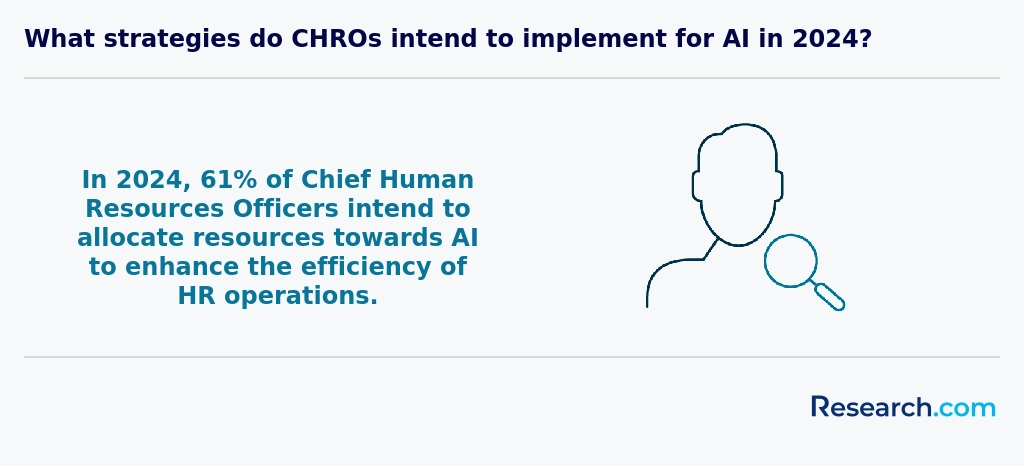
As the field of Human Resources evolves, staying ahead of emerging trends is crucial for graduates planning their careers and academic paths. One major shift is the integration of artificial intelligence and data analytics into talent acquisition and employee engagement. HR professionals increasingly rely on predictive analytics to forecast turnover, optimize recruitment funnels, and personalize learning development plans. Similarly, remote and hybrid work models demand new policies around digital collaboration, wellness, and cyber-security, making skills in virtual team management highly valuable. Diversity, equity, and inclusion (DEI) initiatives have also moved from optional to essential. Employers now expect HR specialists to design unbiased hiring processes and foster inclusive cultures, leveraging tools like anonymized resume screening and bias training modules. As a result, coursework in organizational psychology and ethics is more relevant than ever. Another trend is the use of employee experience platforms that centralize performance feedback, career progression, and benefits administration. Familiarity with human capital management (HCM) software-such as Workday or BambooHR-can set candidates apart. Programs offering hands-on labs or capstone projects in these systems give students a competitive advantage. Finally, sustainable HR practices that prioritize employee well-being, environmental responsibility, and social impact are gaining traction. Prospective students may explore flexible learning options; for example, our Inexpensive Online Human Resources Degree Programs Ranking in Maine highlights cost-effective pathways where working professionals can update their skills in line with these trends. By aligning academic choices with these future-focused developments, graduates will be well-positioned to lead innovative HR strategies in Minnesota and beyond.
Human resources degree programs in Minnesota challenge students to master more than just theory; they immerse them in courses that reflect the dynamic realities of workplaces across the state. Graduates from institutions like the University of Minnesota often recount how courses on Organizational Behavior helped them decode complex team dynamics, transforming abstract concepts into actionable strategies for improving workplace culture.
Programs uniquely tailor Employment Law classes to Minnesota's legal landscape, equipping students with knowledge essential for navigating state-specific regulations. This focus resonates deeply with learners who aspire to protect employees while aligning with local business practices.
Graduates also emphasize the value of Data Analytics for HR, an often underestimated course that turns raw employee data into compelling narratives, supporting smarter decisions in workforce planning. Meanwhile, hands-on courses in Labor Relations and Collective Bargaining simulate real negotiations, igniting students' confidence for future roles in unionized environments common in Minnesota's manufacturing sectors.
For many, these courses spark enthusiasm by connecting classroom learning to internships and projects with local companies, making the abstract intensely personal and relevant to Minnesota's diverse economy.
Human resources degree specializations in Minnesota reveal much more than just academic tracks; they represent pathways that graduates actively use to shape thriving workplaces. Consider how graduates from top Minnesota institutions naturally gravitate toward Talent Acquisition and Recruitment, especially given the state's leading corporations. These alumni often describe their excitement in mastering candidate sourcing strategies that directly contribute to companies like Target or 3M finding ideal hires.
Focus areas within Minnesota HR degree concentration options also prioritize Employee Relations and Labor Relations, reflecting the state's deep union history. Graduates express pride in navigating complex labor environments and fostering peaceful resolutions, demonstrating genuine impact on workforce harmony at local manufacturing plants.
Emerging fields like HR Information Systems (HRIS) captivate students at universities across Minnesota, as they relish the challenge of implementing digital tools that transform traditional HR workflows. Those who aim for competitive compensation structures or leadership roles pursue Compensation and Benefits or Organizational Development and Training, appreciating how these specializations open doors to personal and organizational growth.
Many students in Minnesota face the balancing act between tuition costs and quality education, often exploring financial aid options. For prospective students seeking affordable paths tailored to their needs, examining Inexpensive Online Human Resources Degree Programs Ranking in Maine can offer surprising alternatives beyond the local scene.
Choosing the best human resources degree in Minnesota means looking beyond surface details like tuition and duration. Graduates from well-known universities often recall how deeply immersive curricula-covering labor law, talent management, and organizational behavior-prepared them for real workplace challenges. Instead of chasing prestige alone, reflect on programs that tie classroom theory to local industries, as Minnesota's healthcare and manufacturing sectors offer fertile ground for internships and job placements.
Many students weigh cost heavily; affordable human resources degrees in Minnesota often come from community colleges or state universities where the price difference doesn't sacrifice quality. Real-world experience gained through these pathways sometimes eclipses the value of a pricier private institution. Some learners even pivot from an associate's to a bachelor's degree as they advance.
For those driven by convenience and speed without losing rigor, consider options like an accelerated bachelor's degree online texas. Thoughtful decisions like this empower future HR professionals to stand out in Minnesota's competitive job market where more than 16,000 specialists thrive.
Graduates with a human resources degree in Minnesota find themselves stepping into dynamic roles that challenge traditional notions of workplace management. Beyond basic hiring and firing, many are drawn to positions like Human Resources Specialist or Recruiter within the bustling metropolitan areas of Minneapolis and St. Paul, where large corporations and healthcare systems demand sophisticated talent management. Those who studied at institutions known for strong HR programs often describe the excitement of designing benefits packages as Compensation and Benefits Managers or enhancing employee productivity as Training and Development Specialists.
Considering human resources career opportunities Minnesota offers, these paths often lead to leadership roles such as HR managers or directors, where strategy and culture are shaped daily. Graduates attest that the combination of rigorous coursework and real-world experience at public universities prepares them to navigate complex labor relations. Many also explore certifications recognized by Minnesota employers to deepen their expertise.
Reflecting on job prospects with HR degree Minnesota, some turn to innovative options, sometimes balancing studies with work or exploring flexible options like easy online phd programs to further their qualifications while remaining grounded in local industry demands.
The human resources job outlook Minnesota offers is robust, yet it challenges aspiring professionals to think beyond the traditional. Graduates from well-regarded institutions like the University of Minnesota and Saint Cloud State find themselves stepping into a market where the demand for HR specialists keeps rising, with a steady 6% growth projected through 2031. This growth isn't just a number; it reflects real opportunities as major Minnesota employers such as Target, 3M, and Mayo Clinic consistently seek talent equipped to navigate evolving labor laws and foster workplace culture.
Many graduates describe the sense of pride and motivation in contributing to workforce development locally. However, understanding the Minnesota human resources career prospects means recognizing the value of practical experience paired with education. Entry-level roles start around $45,000, progressing to an average of $65,000 annually, with management positions offering even higher wages.
Students often weigh tuition costs, with public universities charging between $9,000 and $15,000 per year in-state. Still, this investment is often seen as worthwhile for the competitive advantage it provides in Minnesota's diverse economy. Aspiring HR professionals exploring further credentialing can benefit significantly from certifications like PHR or SHRM-CP.
For those considering long-term growth, it's worth exploring the top paying master degrees as a strategic path to enhance both earnings and career resilience in a dynamic job market.
2027 Best Human Resources Degree Programs Ranking in Minnesota
Investing in your education is a significant decision that can shape your future, and the Research.com team understands the importance of making informed choices. To assist prospective students, we have meticulously developed the "2027 Best Human Resources Degree Programs Ranking in Minnesota." Our commitment to quality, credibility, and accuracy is reflected in the rigorous research and analysis conducted to compile this list. We utilized the following reputable data sources to ensure a comprehensive evaluation of human resources programs:
By exploring this ranking, readers will gain valuable insights into the best human resources degree programs available in Minnesota, empowering them to make well-informed decisions about their educational and career paths. For more details on our methodology, please visit our Research.com methodology page.


# 6 position
Capella University
Doctor of Philosophy in Human Resource Management

# 7 position
Minnesota State University-Mankato
Bachelor of Science in Management, Human Resource Management


# 15 position
Capella University
Master of Science in Human Resource Management
# 17 position
Capella University
Bachelor of Science in Human Resource Management
# 18 position
Rasmussen University-Minnesota
Bachelor of Science in Human Resource Management

# 19 position
Walden University
MS in Human Resource Management

Frequently Asked Questions About human resources
Human resources degree students in Minnesota can maximize their learning experience by engaging in practical opportunities alongside their coursework. Internships with local companies, such as Target and 3M, allow students to apply theoretical knowledge in real-world settings. According to the Minnesota Department of Employment and Economic Development, internships improve job placement rates by up to 35% for graduates.
Students should also take advantage of professional HR organizations in Minnesota, like the Minnesota Human Resources Association, which offer networking events and workshops. These connections often lead to mentorships and career guidance.
Lastly, pursuing SHRM certification during or after the degree can enhance a student's credentials in this competitive field.
The human resources (HR) field in Minnesota is experiencing growth in several specialized areas. One emerging niche is HR analytics, where professionals use data to improve hiring, retention, and employee engagement. According to the Minnesota Department of Employment and Economic Development, demand for HR specialists skilled in analytics is expected to grow by over 10% by 2028.
Another fast-growing area is diversity, equity, and inclusion (DEI) management. Organizations in Minnesota increasingly prioritize DEI to build inclusive workplaces, driven by social and cultural shifts. This niche requires expertise in policy development and cultural competency.
Additionally, employee wellness and remote workforce management are becoming vital HR specialties, especially after changes in work environments spurred by the COVID-19 pandemic.
After completing a human resources degree in Minnesota, preparing for the job market involves targeted steps to increase employability. Start by gaining practical experience through internships or part-time roles offered by many universities in partnership with local businesses. The U.S. Bureau of Labor Statistics reports Minnesota has a growing demand for HR specialists, projected to grow 7% through 2031, slightly faster than the national average.
Networking within Minnesota's HR professional groups, such as the Minnesota Chapter of SHRM, provides valuable contacts and job leads. Earning certifications like SHRM-CP can enhance resumes and salary prospects. Additionally, tailoring applications to Minnesota's diverse industries, including healthcare and manufacturing, boosts opportunities in the local job market.
Employers in Minnesota prioritize several key skills when hiring human resources degree graduates. Strong communication abilities are essential, as HR professionals must effectively interact with employees and management. Analytical skills are also valued, allowing graduates to interpret workforce data and support strategic decisions.
Knowledge of employment law, including Minnesota-specific regulations, is critical to ensure compliance and avoid legal risks. Additionally, proficiency with HR information systems and payroll software is increasingly important in this digital age. According to the Minnesota Department of Employment and Economic Development, skills in conflict resolution and employee relations are particularly sought after due to the state's diverse workforce.
Finally, adaptability and cultural competence stand out as employers look for HR graduates who can manage evolving workplace dynamics and promote inclusive environments.
Finding internships in Minnesota relevant to a human resources degree involves leveraging both university resources and local business networks. Many Minnesota colleges, such as the University of Minnesota, offer dedicated career centers that list HR internship opportunities. Additionally, the Minnesota Private College Council provides internship listings across various fields, including human resources.
Students can also connect with organizations like the Minnesota HR Association, which hosts networking events and provides internship postings. According to the U.S. Bureau of Labor Statistics, Minnesota's HR sector has grown steadily, with many companies seeking interns to support talent management and employee relations.
Utilizing online platforms such as Handshake, targeted at college students, also helps locate relevant internships in Minnesota's Minneapolis-St. Paul metropolitan area, a hub for many corporate HR departments.
A human resources degree in Minnesota can significantly enhance career mobility and advancement opportunities. According to the U.S. Bureau of Labor Statistics (BLS), Minnesota's HR field is expected to grow by 7% from 2021 to 2031, slightly above the national average. Graduates with a degree gain foundational knowledge in employment law, talent management, and organizational behavior, which are highly valued by employers statewide.
Employers in Minnesota increasingly prefer candidates with formal HR education for leadership roles. Data from the Minnesota Department of Employment and Economic Development shows HR managers earn a median annual wage of over $100,000, reflecting the value of advanced credentials.
Holding a degree also supports certifications like SHRM-CP, improving eligibility for promotions. This education positions professionals to navigate diverse industries in the Twin Cities and beyond.
Studying for a human resources degree in Minnesota equips students with skills that extend beyond traditional HR functions. Programs emphasize interdisciplinary learning, integrating business strategy, labor law, psychology, and communication. This approach prepares graduates to work effectively across departments such as finance, marketing, and operations.
The University of Minnesota and other state institutions often highlight curricula that include organizational behavior and conflict resolution, vital for roles requiring collaborative problem-solving. According to the Minnesota Department of Employment and Economic Development (DEED), HR specialists in Minnesota have a median annual wage of $66,000, reflecting demand for versatile professionals.
This broad education supports careers in talent management, compliance, and employee relations, allowing graduates to adapt to varying workplace challenges. The local job market favors candidates who can bridge technical HR expertise with strategic business insights, a focus seen in Minnesota's top-degree programs.
When choosing between a thesis and a non-thesis human resources degree program in Minnesota, consider your career goals and learning preferences. A thesis option is research-focused, requiring original work that can benefit those aiming for academic or research roles. It develops critical thinking and advanced writing skills.
In contrast, non-thesis programs emphasize practical knowledge and may offer internships or project-based learning, appealing to professionals seeking to enter or advance in Minnesota's HR industry quickly. According to the Minnesota Department of Employment and Economic Development, the state expects a 7% growth in HR occupations by 2030, highlighting practical skills demand.
Assess program curriculum, faculty expertise, and available resources. Speak with advisors to align your choice with your professional ambitions and the competitive HR job market in Minnesota.
Students based in Minnesota who wish to study human resources abroad have several pathways through exchange programs and international partnerships offered by local universities. Institutions such as the University of Minnesota provide study abroad opportunities in countries like the United Kingdom and Ireland, where students can explore global HR practices.
These programs often include short-term coursework or semester exchanges focusing on international labor laws and cross-cultural management. According to NAFSA, approximately 8% of Minnesota students participate in study abroad annually, with business-related fields being popular choices.
Additionally, cooperative agreements between Minnesota colleges and European universities make earning dual credits possible, broadening exposure to diverse HR methodologies. Financial aid and scholarships are frequently available to support these international studies.
Students pursuing human resources degrees in Minnesota can benefit from various part-time job opportunities that complement their education. Positions such as HR assistants or coordinators offer valuable hands-on experience with recruitment, employee relations, and administrative tasks. Many businesses in Minnesota, especially in the Twin Cities metro area, actively seek entry-level HR support roles.
Additionally, internships within nonprofit organizations and government offices provide exposure to workforce diversity and compliance issues. According to the Minnesota Department of Employment and Economic Development, the demand for HR professionals in the state is expected to grow by 7% through 2030, highlighting opportunities for students to build relevant skills while studying.
Customer service roles and campus leadership positions also help develop communication and problem-solving abilities essential for HR careers.
Human resources students in Minnesota benefit from a variety of networking opportunities designed to connect them with industry professionals. The Society for Human Resource Management (SHRM) has a strong presence in the state, offering local events, workshops, and conferences that facilitate networking and skill development. Minnesota's business hubs, such as Minneapolis and St. Paul, host numerous career fairs where students can meet recruiters from leading companies.
Additionally, many universities with HR programs encourage involvement in student SHRM chapters and internships, providing practical experience and valuable contacts. According to the Minnesota Department of Employment and Economic Development, HR roles in the region are projected to grow by 7% through 2030, highlighting the importance of these networking opportunities.
Alumni networks offer significant benefits to human resources degree students in Minnesota by providing vital professional connections. These networks create opportunities for mentorship, where experienced graduates guide current students through career challenges and development. According to the Minnesota Private College Council, strong alumni engagement often leads to increased job placements within the Twin Cities area, a major employment hub.
Access to a broader network helps students learn about local HR trends, company cultures, and internship openings. For example, the Minnesota HR Conference regularly features alumni speakers who share insights on navigating the regional job market.
Furthermore, alumni networks can facilitate referrals and introductions that are critical in Minneapolis-St. Paul's competitive HR job environment.
Customizing a human resources degree program in Minnesota allows students to align their education with specific career goals. Many institutions offer elective courses in labor relations, diversity and inclusion, or organizational development. Focusing on these areas can prepare students for specialized roles.
Internship opportunities in Minnesota's diverse industries, such as healthcare and manufacturing, provide practical experience and networking. According to the Minnesota Department of Employment and Economic Development, HR jobs in the state are projected to grow by 7% through 2030, encouraging tailored skill development.
Additionally, some programs enable students to pursue certifications like SHRM-CP alongside their degree, enhancing professional credentials and employability.
Human resources students in Minnesota often face challenges related to balancing practical experience with academic learning. Many programs require internships or cooperative education, but securing quality placements can be competitive, especially in smaller metro areas outside Minneapolis-St. Paul. According to the Minnesota Department of Employment and Economic Development, HR roles in the state are growing steadily, increasing demand for hands-on skills.
Furthermore, students must navigate evolving labor laws and diversity standards, which can be complex given Minnesota's unique workforce demographics. Staying current with federal and state HR regulations requires continuous study.
Another common issue is mastering the use of HR technology and software, which is increasingly critical for efficiency in HR roles.
With a human resources degree in Minnesota, graduates can pursue several respected professional certifications that enhance career prospects. The most recognized is the Professional in Human Resources (PHR) certification offered by the HR Certification Institute. This credential validates expertise in HR operations and is valued by many Minnesota employers.
Another key certification is the Society for Human Resource Management Certified Professional (SHRM-CP), which focuses on strategic HR management skills. Both certifications require relevant work experience and passing an exam.
Additionally, certifications like the Certified Talent Acquisition Professional (CTAP) and the Certified Employee Benefits Specialist (CEBS) are available for those specializing in recruitment or benefits administration.
According to the Minnesota Department of Employment and Economic Development, HR roles in the state are expected to grow by 8% through 2030, increasing demand for certified professionals.
To write a winning application for a human resources program in Minnesota, start by highlighting your understanding of HR's role in workforce management. Emphasize any relevant experience, such as internships or jobs involving employee relations or recruitment. Admissions committees look for candidates with clear career goals aligned to Minnesota's growing HR sector, which is expected to see a 7% increase in jobs by 2030, according to the Minnesota Department of Employment and Economic Development.
Make sure to tailor your personal statement to the program's strengths, demonstrating knowledge of current HR trends like diversity and inclusion. Including specific reasons for choosing Minnesota schools shows genuine interest. Lastly, secure strong recommendations that speak to your interpersonal and organizational skills, which are crucial in HR careers.
Human resources (HR) careers in Minnesota align closely with global trends emphasizing strategic roles in workforce management. Worldwide, HR professionals are increasingly valued for their ability to navigate complex labor markets and culturally diverse workplaces. According to the U.S. Bureau of Labor Statistics, HR specialist opportunities in Minnesota are expected to grow by about 7% from 2022 to 2032, reflecting steady demand similar to national patterns.
Globally, HR emphasizes data-driven decision-making and the use of technology like AI for recruitment and employee engagement. Minnesota's HR degrees often incorporate these global competencies, preparing graduates for both local and multinational companies.
International HR standards influence U.S. programs, encouraging understanding of labor laws, ethics, and workforce diversity. This prepares students in Minnesota to work within global business environments successfully.
Gaining practical experience while studying for a human resources degree in Minnesota can significantly enhance your employability. Many universities partner with local businesses and organizations to offer internships, allowing students to apply HR theories in real workplace settings. According to the Minnesota Department of Employment and Economic Development, internships in HR roles in the state often pay between $15 and $20 per hour, helping students earn while they learn.
Additionally, students can join professional groups such as the Minnesota HR Association, which frequently hosts networking events, workshops, and mentorship programs. Volunteering for HR projects in nonprofit organizations is another valuable way to gain hands-on experience and build a professional network.
Some Minnesota colleges also provide cooperative education (co-op) programs, combining coursework with extended work placements. These opportunities are important for mastering skills like recruitment, employee relations, and compliance.
Choosing the right concentration within a human resources (HR) degree program in Minnesota requires understanding your career goals and local job market needs. Minnesota's HR field is diverse, with concentrations like employee relations, talent management, and compensation. According to the Minnesota Department of Employment and Economic Development, demand is strong for HR specialists who focus on strategic staffing and labor law compliance.
Evaluate which concentration aligns with your interests-do you prefer recruiting and training, or benefits and payroll administration? Look at program offerings from Minnesota institutions and local employers' preferences. Also, consider internships or cooperative education opportunities available, as hands-on experience is highly valued in the state's competitive HR sector.
Review national certifications such as SHRM-CP that some programs emphasize, which are recognized by many Minnesota employers. Finally, consult Minnesota-specific labor statistics and speak with academic advisors to find a concentration that suits both your ambitions and the regional job landscape.
- 2027 Best Human Resources Degree Programs Ranking in Iowa
- 2027 Best Human Resources Degree Programs Ranking in Nebraska
- 2027 Best Human Resources Degree Programs Ranking in Missouri
- 2027 Best Human Resources Degree Programs Ranking in Indiana
- 2027 Best Human Resources Degree Programs Ranking in Ohio
- 2027 Best Human Resources Degree Programs Ranking in Colorado
- 2027 Best Human Resources Degree Programs Ranking in Alabama
- 2027 Best Human Resources Degree Programs Ranking in Florida
- 2027 Best Human Resources Degree Programs Ranking in New Jersey
- 2027 Best Human Resources Degree Programs Ranking in Massachusetts
See What Experts Have To Say About Studying Human Resources
Read our interview with Human Resources experts

Rick Hackett
Human Resources Expert
Professor, Human Resources & Management
McMaster University


Thomas Kochan
Human Resources Expert
Professor of Management
Massachusetts Institute of Technology

- Human Resources - Alumni.space https://www.alumni.space/en/you-are/human-resources/
- International HR Perspectives (MHR104) https://www.uis.no/en/course/MHR104
- Degrees for Human Resources: A Guide to Starting or Switching Your Career https://www.aihr.com/blog/degrees-for-human-resources/
- 13+ Human Resources Cover Letter Examples (with In-Depth Guidance) https://www.tealhq.com/cover-letter-examples/human-resources
- Management BS Human Resource Management https://www.mnsu.edu/academic-catalog/undergraduate/management-bs-human-resource-management/
- SUSSEX-WARREN HUMAN RESOURCE MANAGEMENT ASSOCIATION https://studenthrcommunity.org/
- What Degree Might You Need to Pursue an HR Career Path? The Requirements to Know https://www.trident.edu/what-degree-do-you-need-for-hr-requirements-to-know/
- HR Exchange Network https://www.hrexchangenetwork.com/
- Human Resources Jobs | Minnesota Council of Nonprofits Career Center https://jobs.minnesotanonprofits.org/c-human-resources-jobs.html
- How to Maximize the Impact of Alumni Networks https://www.careeros.com/resources/how-to-maximize-the-impact-of-alumni-networks