2027 Choosing Public Health BS Coursework for Health Insurance Enrollment Outreach

Co-Founder and Chief Data Scientist
Health insurance enrollment outreach requires more than knowing that coverage exists. Workers must explain options accurately, earn community trust, protect personal information, and help people reach the right application channel. If you are choosing public health BS courses for this work, the most useful schedule may differ from one designed for laboratory or research careers. This guide identifies the courses and supervised experiences to prioritize, shows how to assess a program's practical fit, and explains when targeted training or experience could be a better investment than another degree.
Key Things You Should Know
- Prioritize health policy and insurance literacy, health communication, community engagement, and basic program evaluation; pair them with supervised enrollment-related practice.
- A public health BS commonly takes about four years of full-time undergraduate study, but it does not itself authorize someone to serve in every state or federal enrollment-assistance role.
- Compare the degree against the job you want: many outreach positions value trusted community experience and required role-specific training as much as a particular major.
What is a public health BS degree, and how does it support health insurance enrollment outreach?
A public health Bachelor of Science is an undergraduate degree focused on population health, prevention, health systems, and evidence-informed practice. In enrollment outreach, that perspective helps a worker see why someone might lack coverage - not just how to complete a form. Barriers may involve language, transportation, confusing eligibility rules, limited internet access, or distrust shaped by previous experiences.
The BS is preparation for understanding and responding to those barriers, not a credential to determine eligibility or give legal or financial advice beyond an assigned role. Programs differ in their science, statistics, and community-health requirements. When reviewing online public health bachelor's degrees and programs, examine the actual course catalog and fieldwork arrangements rather than assuming the degree title establishes outreach preparation.
What coursework prepares public health students for health insurance enrollment outreach?
Choose courses by the work an enrollment outreach employee actually performs. The comparison below distinguishes foundational classes from electives and practice opportunities; availability and prerequisites depend on the school.
| Course or experience | Contribution to enrollment outreach | What to look for |
| US health policy and health systems | Builds a framework for Medicaid, CHIP, Marketplace coverage, and the organizations involved in access to care. | Assignments that distinguish policy rules from an outreach worker's permitted responsibilities. |
| Health communication and health literacy | Develops plain-language explanations and ways to check understanding without pressuring applicants. | Practice adapting materials for different audiences and communication needs. |
| Community health and social determinants of health | Helps students identify barriers to coverage and work with trusted local partners. | Community-engaged work that emphasizes listening and respectful representation. |
| Program planning, evaluation, and introductory statistics | Supports tracking outreach activity, identifying gaps, and interpreting results responsibly. | Experience defining measures without treating contacts or applications as proof of improved coverage. |
| Approved internship or applied project | Provides supervised experience with outreach workflows, referrals, or educational materials. | A host site, supervisor, duties, and privacy rules approved before placement begins. |
A sensible sequence is to establish health-systems and communication fundamentals, then add community engagement and basic evaluation before an approved placement. If you already hold a bachelor's degree, compare employer training or a focused course with another undergraduate degree before considering advanced study. Even online MPH programs by admissions accessibility answer a different question from which undergraduate courses prepare someone for entry-level enrollment work.
How do you choose an accredited public health BS program?
First, confirm the institution's recognized accreditation. Then check whether the public health unit or specific bachelor's program has Council on Education for Public Health (CEPH) accreditation, and verify the scope rather than assuming every degree at a university is covered. Institution-level accreditation and CEPH accreditation answer different questions; neither establishes that enrollment outreach is a curricular strength.
Ask for the current degree plan, elective rotation, placement requirements, and examples of approved community partners. Check whether a student can complete policy, communication, and applied work before graduation without scheduling conflicts. If a school advertises graduate accreditation, compare the exact accreditation scope with the degree under consideration; listings of CEPH-accredited online MPH programs do not establish the status of that school's BS.
Effective outreach combines interpersonal judgment with accurate operational work. Graduates may explain where to find official coverage information, make referrals, document interactions, and notice recurring access barriers. They also need to know when to stop and consult a trained supervisor - for example, when an applicant asks for an eligibility determination or advice outside the worker's authorization.
For an internship or portfolio, seek evidence of plain-language writing, respectful conversations, accurate referrals, secure handling of information, and simple outreach reporting. A useful evaluation exercise might distinguish people contacted, appointments scheduled, and applications submitted; these are different measures, and none alone proves that someone obtained coverage. More advanced study may help with policy analysis or program leadership, but an online public health master's value guide should be weighed against the experience the immediate outreach job requires.
Online study can work well for the academic portion of a public health BS, especially if it lets a student keep a job or volunteer role in a community organization. It is suitable for enrollment outreach preparation only if the student can also practice communication and obtain appropriate supervision. An online program may still require live classes, group meetings, an on-site placement, or travel.
Before enrolling, ask who finds the internship, whether a local enrollment-assistance organization can serve as a site, when fieldwork occurs, and whether the school will approve remote duties. Check the weekly schedule rather than relying on the word "online." The same delivery-format caution applies across degree levels, including accessible online public health doctoral pathways; doctoral study, however, is not needed to start in enrollment outreach.
Requirements vary by institution and by whether you apply as a first-year, transfer, or returning student. Schools generally review prior academic records, while some admit students to the university before allowing them to declare or enter the public health major. A program may also require introductory courses or a minimum standing before upper-division work.
Transfer applicants should request a written degree audit showing not merely which credits are accepted, but which satisfy general education, major, prerequisite, and residency requirements. Ask when the outreach-relevant courses are offered and whether a prerequisite could delay the placement. Advice about public health graduate admission after academic setbacks concerns a separate admissions process; a BS applicant needs the specific undergraduate school's rules.
A public health BS typically follows a four-year full-time undergraduate pathway, but transfer credits, part-time enrollment, prerequisites, and course availability can change the time remaining. Compare schools using a degree audit and a term-by-term plan, not the number of credits a school initially agrees to accept.
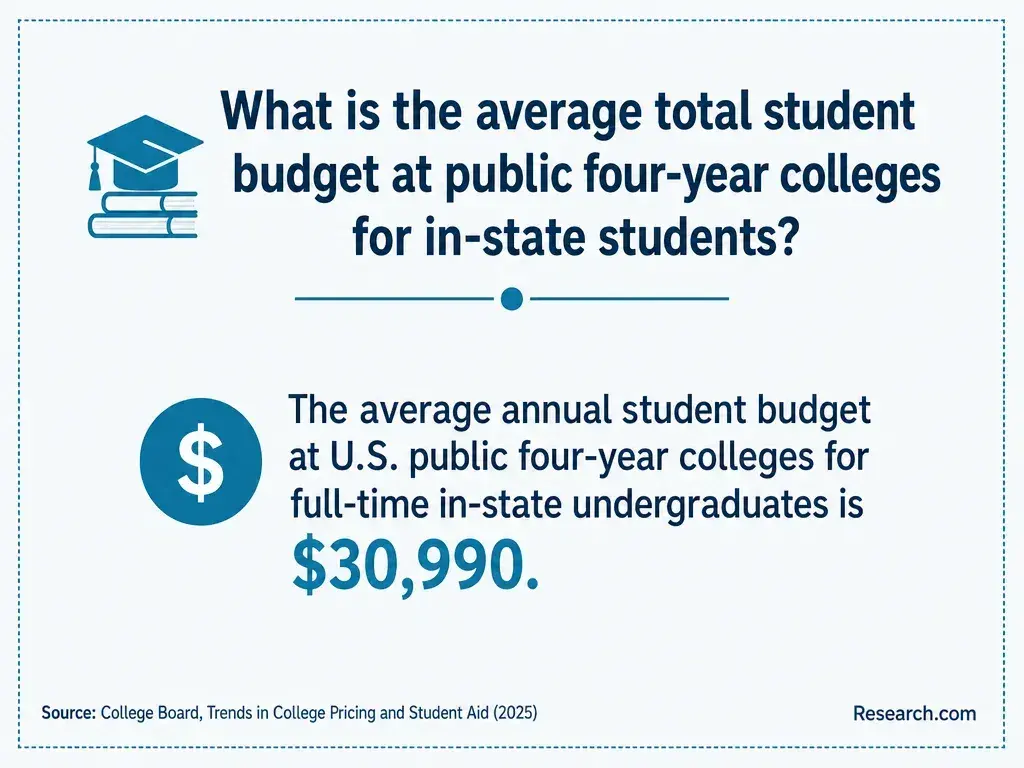
For cost, request an estimate that separates tuition, required fees, books, travel or technology, and any unpaid placement time. Confirm whether charges vary by residency status or online enrollment and ask how a lighter course load would affect financial aid. A lower advertised tuition rate may not save money if required courses are infrequent or fieldwork disrupts paid employment. Lower-cost Master of Public Health study online is a separate calculation for someone who already has a bachelor's degree, not a substitute price comparison for BS applicants.
Job titles vary among employers, so compare postings by duties and required training. The distinctions below help separate realistic entry points from roles that usually depend on broader responsibility.
| Role | Typical enrollment-related work | Preparation to check |
| Outreach assistant or community health worker | Builds relationships, shares approved information, and connects people with enrollment help. | Community experience, communication skills, and employer or program training. |
| Enrollment assister or navigator | Helps consumers understand options and complete applications within the applicable program's rules. | Authorization, training, and any state or program-specific requirements. |
| Health education or outreach coordinator | Develops materials, organizes events, supports partners, and monitors activities. | Relevant degree or experience, project skills, and demonstrated outreach work. |
| Program manager | Oversees staff, partnerships, budgets, and reporting. | Supervisory and operational experience beyond entry-level coursework. |
Search local nonprofits, health systems, government agencies, and enrollment-assistance organizations for the actual duties you want. A BS plus supervised practice can support entry, but it does not confer a managerial title. Even discussions of affordable public health doctorates and earning potential should not be mistaken for evidence that a doctorate improves the return on an entry-level outreach job.
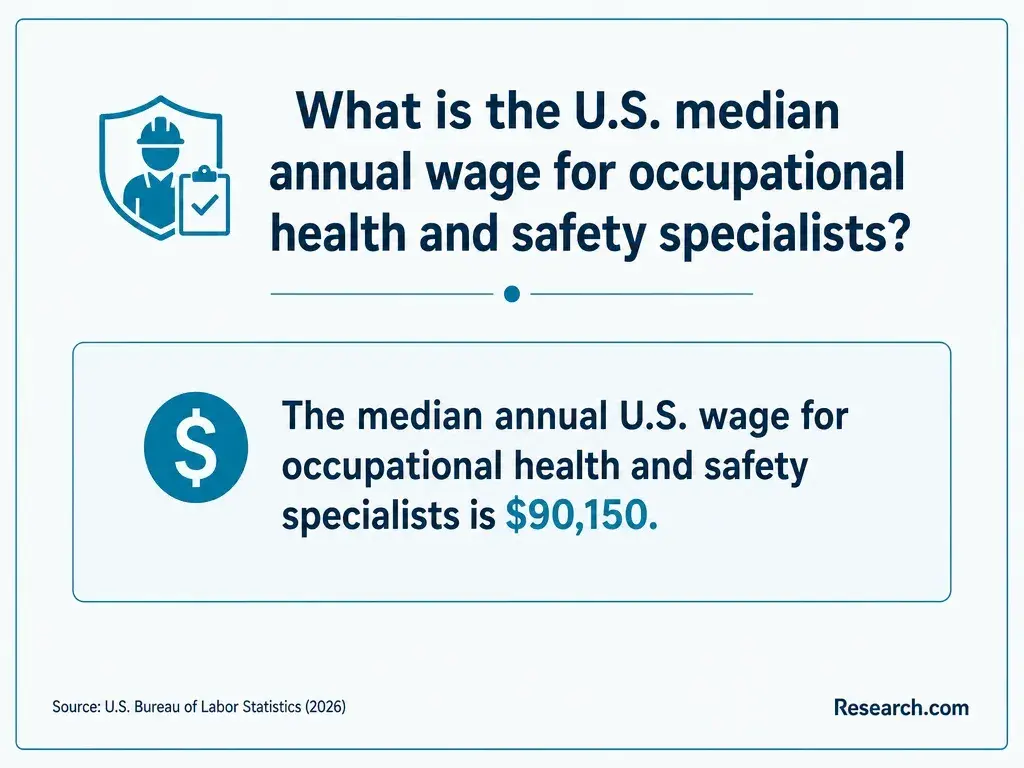
There is no single "public health BS outreach salary." Pay depends on the employer, location, responsibilities, funding, and whether a position involves direct assistance, education, or supervision. For a defensible benchmark, compare an actual posting with the US Bureau of Labor Statistics occupation that best matches its duties - often community health worker or health education specialist - rather than assigning one occupation's median wage to every graduate.
An occupational median covers workers with different experience and credentials; it is not a starting offer or a degree-specific outcome. Compare advertised pay with hours, benefits, travel requirements, and advancement opportunities. Figures used when comparing earnings across MPH career paths likewise should not be presented as expected earnings from a BS outreach position.
Do health insurance enrollment outreach professionals need licenses or certifications?
A public health BS does not itself provide a license to assist with insurance enrollment. Requirements depend on the position, program, and state. Someone serving as a Marketplace navigator, certified application counselor, Medicaid assister, licensed insurance producer, or broker may face different authorization, training, certification, or licensing rules. Do not assume those titles are interchangeable.
Before accepting a role or placement, ask the hiring organization which activities you may perform, who provides required training, how competency is documented, and where to refer questions outside your scope. General public health credentials are not substitutes for applicable enrollment rules. Likewise, financial support for online epidemiology doctoral study concerns a different professional pathway, not an enrollment-assistance qualification.
Other Things You Should Know About Public Health
Yes. A supervised role can show you whether you prefer direct conversations, event planning, or program reporting. Ask what training and boundaries apply before discussing coverage with community members.
Possibly. Obtain the instructor's and host organization's approval first. Agree on the deliverable, supervision, data access, and what can be shared publicly; do not include applicants' identifiable information in a portfolio.
Language skills can be valuable where they match community needs, but coursework alone does not establish professional fluency. Use qualified interpretation services when required, particularly for complex coverage information.
Look for assessed work such as revising plain-language materials, practicing referrals, or evaluating an outreach plan. Ask how feedback is provided and whether the course uses current, authoritative coverage resources.
- CHIP Eligibility & Enrollment | medicaid.gov https://www.medicaid.gov/chip/chip-eligibility-enrollment
- Tips about the Health Insurance Marketplace® | HealthCare.gov https://www.healthcare.gov/quick-guide/one-page-guide-to-the-marketplace/
- Culture and Language | Health Literacy https://www.cdc.gov/health-literacy/php/develop-materials/culture.html
- Integrating Literacy, Culture, and Language to Improve Health Care Quality for Diverse Populations - PMC https://pmc.ncbi.nlm.nih.gov/articles/PMC5091931/
- OCI Certified Application Counselor Registration | wi.gov https://oci.wi.gov/Pages/Agents/Certified-Application-Counselor-Registration.aspx
- Certified Application Counselor Designated Organization (CDO) program information | CMS https://www.cms.gov/marketplace/in-person-assisters/programs-procedures/certified-application-counselor-program
- Protecting Personal Information: A Guide for Business | Federal Trade Commission https://www.ftc.gov/business-guidance/resources/protecting-personal-information-guide-business
- What Is a Public Health Major, and Is Public Health for You? | Northwest Media Center https://www.nwmissouri.edu/media/news/2025/04/what-is-a-public-health-major-and-is-public-health-for-you.htm
- Department of Public Health | Advising and Career Development Center https://chhs.fresnostate.edu/public-health/undergraduate-programs/public-health.html
- Bachelor's Degree in Public Health | University of Kentucky https://academics.uky.edu/programs/bachelors/public-health