2027 Best Human Resources Degree Programs Ranking in Colorado

Co-Founder and Chief Data Scientist
Choosing the right human resources degree program can be exciting yet overwhelming, especially in Colorado's growing job market. This article introduces the 2027 Best Human Resources Degree Programs Ranking in Colorado, created by Research.com's team of data scientists. It's designed to help you navigate your options and find programs that truly match your goals and interests.
Exploring this ranking will empower you with clear, data-driven insights, making your decision easier and more confident. Earning a human resources degree can open doors to rewarding careers that focus on people and organizational success.
Key benefits of getting human resources degree in Colorado
- Salary for human resources degree graduates: Graduates in Colorado can expect competitive salaries with roles such as Recruitment Coordinator or Human Resources Generalist earning a mean annual wage of around $76,060.
- Potential career paths: Many human resources graduates from Colorado universities start in positions like Employee Relations Specialist or Training and Development Coordinator, enjoying diverse opportunities in recruitment, employee engagement, and organizational development.
- Benefits of online degrees: Earning a human resources degree online from a Colorado-based university offers flexibility and convenience, allowing students to balance work and study while gaining skills that employers value.
- 2027 Best Human Resources Degree Programs Ranking in Colorado
- What can I expect from human resources degree in Colorado?
- Where can I work with human resources degree in Colorado?
What can I expect from human resources degree in Colorado?
The average cost of a human resources degree in Colorado varies by institution and degree level, but students can expect to invest between $10,000 and $30,000 per year for in-state tuition at public universities like Colorado State University or the University of Colorado. Graduates often describe managing tuition alongside living expenses as a challenge, but many find value in scholarships and work-study programs that these schools offer, easing financial pressure.
Private institutions such as the University of Denver typically have higher tuition rates, sometimes exceeding $40,000 annually, yet graduates highlight access to extensive internships and strong employer networks as worth the investment. These real-world experiences often lead to job offers before graduation, bringing a sense of accomplishment and reducing post-degree financial stress.
Many students recommend applying early for financial aid and exploring employer tuition reimbursement options if working part-time in HR roles. Experienced graduates emphasize that balancing cost with quality education in Colorado's vibrant economy ultimately pays off by opening doors to competitive salaries in sectors like technology and healthcare.
Where can I work with human resources degree in Colorado?
Graduates with a human resources degree in Colorado find rewarding career paths across diverse industries. Many secure roles in the Denver metropolitan area, where large companies, hospitals, and tech firms actively seek HR professionals to manage talent acquisition and employee relations. For example, graduates from the University of Colorado Denver have landed positions at healthcare systems like UCHealth, gaining hands-on experience in benefits administration and workforce planning.
Additionally, those studying at Colorado State University-Pueblo or the University of Colorado Boulder often explore opportunities with startups, universities, and government agencies. In Colorado Springs, HR graduates support recruitment and compliance efforts for military and defense organizations, drawing on skills learned through internships at local companies.
Public sector roles also attract many HR students, with state and municipal governments hiring for civil service and labor relations positions. These varied options, combined with Colorado's strong job growth, encourage graduates to pursue flexible career plans tailored to their interests and strengths, helping them build fulfilling careers with clear advancement potential.
Graduates from human resources programs at Colorado State University or the University of Denver often start in roles like Human Resources Assistant or Recruitment Coordinator, where the mean annual wage is about $76,060. This reliable starting salary reflects the strong demand for well-prepared HR professionals across the state.
As career paths advance, graduates can move into specialized positions such as Training and Development Coordinator or Employee Relations Specialist, with average salaries around $71,980 to $76,060. These roles leverage both practical skills and theoretical knowledge gained during study, making graduates feel confident and equipped to handle workplace challenges.
Many Colorado HR graduates share how internships and networking opportunities through their universities helped them secure these positions with competitive pay. Schools like Metropolitan State University of Denver emphasize real-world experience, which boosts employability and earning potential.
To maximize income, students should consider certifications like SHRM-CP and continuing education. Choosing industries prevalent in Colorado, such as tech or healthcare, often offers higher salaries and career growth, turning a degree into a rewarding financial investment.
- In-state public universities in Colorado charge between $25,000 and $45,000 per year for a bachelor's degree in human resources.
- Private colleges may charge more than $50,000 annually for HR degrees.
- Entry-level HR specialists in Colorado earn between $52,000 and $58,000 per year, while experienced HR managers earn between $85,000 and $105,000.
- The job market for HR professionals in Colorado is growing at an estimated rate of 7% from 2022 to 2032, faster than the national average.
- Many HR programs prepare students for certifications such as SHRM-CP and PHR to improve employment prospects.
Completing a human resources degree in Colorado typically takes about four years for a bachelor's program, especially at well-known universities like the University of Colorado Boulder or Colorado State University. Graduates often share that attending full-time while engaging in internships helped them finish on schedule and gain valuable workplace experience.
For those seeking a faster route, community colleges such as Front Range Community College offer two-year associate degrees that prepare students efficiently for entry-level HR roles. Many graduates appreciate the affordability and shorter timeframe that fits well with their career goals.
Graduate degrees like a master's in human resource management often require two years, with options for part-time study to balance work and life commitments. Several Colorado institutions provide flexible schedules or accelerated tracks, allowing students to customize their pace.
Additionally, certificate programs available across the state enable students to upskill in as little as six months, which recent graduates have found ideal for quickly boosting their qualifications without disrupting their careers.
As Colorado’s business landscape evolves, Human Resources professionals must stay ahead of emerging trends to remain competitive and drive organizational success. One significant shift is the integration of artificial intelligence and HR analytics into everyday HR functions. By leveraging data-driven insights, HR teams can optimize talent acquisition, predict employee turnover, and personalize learning and development initiatives. Another key trend is the rise of remote and hybrid work models, prompting HR leaders to redesign onboarding processes and virtual engagement strategies to maintain company culture and employee well-being. Diversity, equity, and inclusion (DEI) continue to gain prominence, with organizations in Denver, Boulder, and Colorado Springs investing in bias-mitigation training and inclusive leadership programs. Sustainability and corporate social responsibility also influence HR policies, as employees increasingly seek employers with strong environmental and social commitments. Upskilling and reskilling programs are essential, equipping HR practitioners with competencies in digital literacy, change management, and people analytics to navigate rapid technological change. For students and professionals evaluating education pathways, affordable yet high-quality degree options can provide a solid foundation in these cutting-edge areas. Prospective learners may explore our Affordable Human Resources Degree Programs Ranking in the Midwest to identify cost-effective programs that deliver essential skills for the future of HR.
Online human resources degrees in Colorado offer unmatched flexibility, letting students balance coursework with jobs or family life. Graduates from online programs at institutions like Colorado State University reflect on the convenience of studying asynchronously, which allows them to fit classes around busy schedules without sacrificing quality. This format works well for those already working in Colorado's growing HR field, enabling them to immediately apply concepts learned.
In contrast, on-campus degrees at places such as the University of Colorado Boulder provide immersive, face-to-face experiences. Students often highlight the value of real-time discussions and networking opportunities that build strong industry connections locally. Access to campus career services and internships also gives a practical edge to those who thrive in structured, interactive environments.
Cost and accreditation are key considerations as well. While on-campus tuition averages around $10,000 per year for Colorado residents, online programs can reduce extra costs like housing and commuting. Both formats maintain respected accreditations like ACBSP and SHRM, ensuring you receive recognized and relevant education for Colorado's HR market.
As the human resources field evolves, HR degree programs in Colorado are increasingly integrating emerging technologies and future-focused strategies into their curricula. Graduates are now expected to navigate a rapidly changing landscape where artificial intelligence, data analytics, and remote work practices play a central role in talent management and organizational development. Institutions are updating course content to include digital HR tools, virtual collaboration platforms, and advanced analytics, ensuring that students are well-equipped for future challenges in workforce management. Additionally, many programs now offer specialized modules that examine the impact of global trends and technological disruptions on traditional HR practices. For students who are seeking both quality education and affordable options while preparing for these innovations, you may want to explore the cheapest human resources school in colorado. By embracing these trends, HR programs not only enhance the learning experience but also empower graduates to be proactive in driving organizational success in an ever-evolving market.
The average cost of a human resources degree in Colorado typically ranges around $41,342 for in-state students, while out-of-state students often face costs near $59,128. These totals include tuition, fees, and additional expenses, offering a practical benchmark for budgeting. Graduates from well-known institutions in Colorado often share how in-state tuition affordability paired with targeted scholarships helped ease financial pressures during their studies in human resources.
In popular universities like those in Denver or Boulder, the human resources degree tuition fees Colorado show that public institutions generally provide lower rates for residents, promoting access for local students. For example, many undergraduates find that manageable annual costs allow them to focus more on coursework and internships rather than financial concerns. Those pursuing graduate degrees in human resources or related fields often encounter higher tuition, but financial aid options and assistantships frequently offset these expenses.
Students aiming to maximize value often research the cheapest human resources school in colorado, balancing cost and program quality. This strategy reflects a smart approach to maintaining enthusiasm for the degree while staying within budget. Embracing such options encourages a positive and motivated mindset throughout the degree journey, ultimately leading to rewarding career opportunities.

Students pursuing a human resources degree in Colorado can access multiple financial aid sources to ease educational expenses. For example, graduates from the University of Colorado Denver often start by submitting the FAFSA to unlock federal aid like Pell Grants, which can offer up to $7,395 yearly without repayment. Many also leverage federal student loans with manageable repayment plans, ensuring they finance their education responsibly.
State programs matter too. The Colorado Graduate Grant routinely supports those in master's HR programs at institutions such as Colorado State University, making advanced study more affordable. Merit scholarships offered by local schools reward academic and leadership achievements, helping students funded through community colleges or private colleges.
Working students often tap into employer tuition assistance programs common among Colorado's business sectors, reflecting the real-world balance HR students maintain while upskilling. Networking with organizations like SHRM also uncovers exclusive scholarships that past students found incredibly encouraging, boosting their motivation and financial stability throughout their HR studies.
To enroll in a human resources degree program in Colorado, meeting academic prerequisites is essential. Most bachelor's degree applicants must have a high school diploma or GED, ensuring readiness for college-level work. For example, graduates from the University of Colorado found submitting SAT or ACT scores helpful, although test-optional policies are becoming more common, easing the admission process.
Applicants should showcase strong communication and organizational skills in their applications, reflecting the practical demands of HR roles. At Colorado State University, students emphasized how highlighting these skills during admission boosted their confidence and aligned perfectly with program expectations.
For graduate degrees, holding a bachelor's degree is mandatory, preferably with coursework in business, psychology, or social sciences. Many Colorado graduate programs also ask for GRE scores, recommendation letters, and relevant HR experience. Graduates shared how their prior HR internships offered valuable context, making coursework more engaging and relatable.
Some programs provide conditional admission for those needing to complete prerequisite courses, ensuring every student can progress successfully.
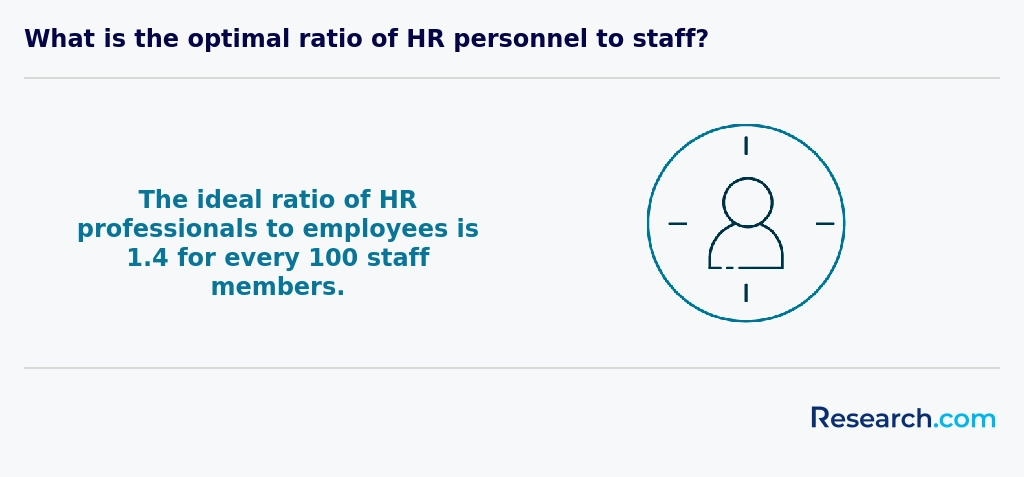
Students pursuing a human resources degree in Colorado typically engage with a well-rounded curriculum designed to prepare them for real-world HR challenges. Graduates from institutions like the University of Colorado Boulder often recall how courses such as Employment Law provided essential knowledge on labor regulations, helping them confidently manage compliance issues in their internships.
Core subjects also include Organizational Behavior, where learners explore workplace dynamics, often through interactive projects that simulate resolving conflict or boosting team morale in companies based in Denver.
Other key courses like Compensation and Benefits teach designing competitive employee packages, a crucial skill graduates use when negotiating talent retention strategies in Colorado's competitive markets.
Hands-on experience is emphasized through Recruitment and Selection and Performance Management classes, where students practice hiring and evaluating employees, often benefiting from local companies' partnerships that provide real recruitment scenarios.
Graduates highlight how these streams build confidence and practical skills, making them job-ready to navigate Colorado's evolving human resources landscape.
Human resources degree specializations Colorado students can pursue cover essential areas like Talent Acquisition and Recruitment, Employee Relations, Compensation and Benefits, Organizational Development and Training, and HR Analytics and Technology. Graduates from the University of Colorado often share how focusing on Talent Acquisition prepared them to expertly navigate Colorado's diverse job market, from tech startups to manufacturing firms. Others highlight how studying Employee Relations helped them confidently manage workplace conflicts, especially in industries with strong union presence such as aerospace.
Those concentrating on Compensation and Benefits learn to design pay and benefits packages tailored to Colorado's rising cost of living, a skill that impressed employers at Colorado State University. Meanwhile, Organizational Development students describe their hands-on experience leading training programs in fast-growing companies. HR Analytics specialization attracts students who want to leverage data and technology in decision-making, a growing trend in Colorado's HR field.
When exploring HR degree concentration options in Colorado, consider tuition costs and program fit-public universities here offer competitive rates. For insights on affordability, check the Affordable Human Resources Degree Programs Ranking in the Midwest.
To choose the best human resources degree in Colorado, start by verifying that the program is regionally accredited and aligned with key certifications like SHRM. Graduates from popular colleges in Denver and Boulder often praise the practical training through internships and capstone projects, which build confidence and real-world skills. Review the curriculum carefully to ensure it covers essential topics such as labor laws, talent management, and organizational development, all critical for local HR roles. When considering affordable HR degrees Colorado 2027 options, factor in tuition costs, which vary widely between public and private institutions, and explore financial aid opportunities to ease the investment.
Many students appreciate flexible formats, combining on-campus and online courses, which fit a busy lifestyle. Graduates commonly share that this balance helped them succeed while working. Employment data in Colorado shows promising prospects, with median wages around $70,000, motivating students to select programs with strong ties to regional employers. For those seeking faster completion, exploring fast degree programs can be a smart strategy.
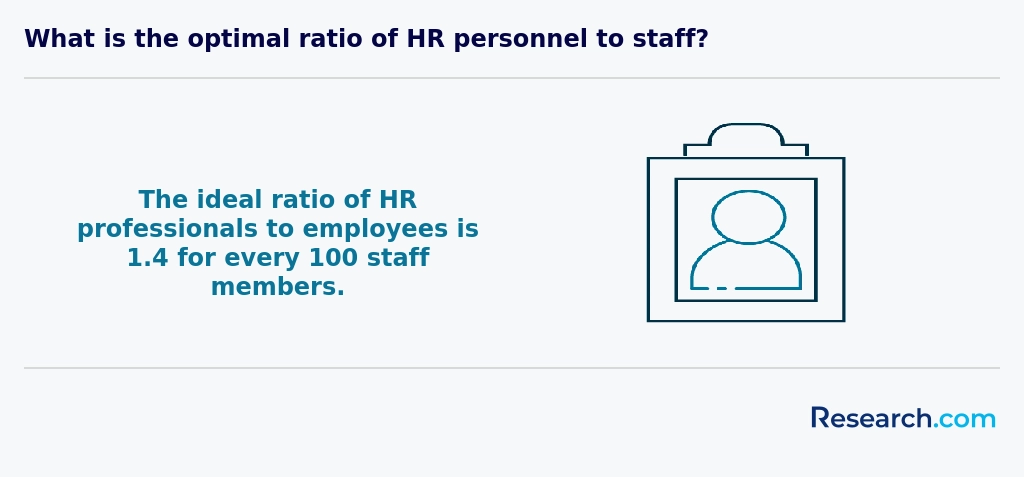
Graduates with a human resources degree in Colorado find a variety of career paths available, reflecting the state's diverse economy. Many step into roles as HR Specialists, managing recruitment and employee relations at companies in Denver or Boulder, while others advance to HR Manager positions, shaping workforce strategies in healthcare or manufacturing sectors. Talent Acquisition Specialists focus on hiring top talent, a vital role in Colorado's competitive job market. Training and Development Coordinators design employee growth programs, often partnering with local universities known for strong HR programs, giving graduates a practical edge.
Those exploring jobs with human resources degree Colorado often note how certification through SHRM boosts confidence and networking opportunities, which can turn their degree into real career momentum. Public and private colleges alike offer affordable education options, helping graduates feel positive about the balance of investment and reward. Some students even complement their studies with college courses for seniors online, expanding their skills portfolio to remain competitive across industries.
The human resources job outlook in Colorado is promising for graduates from well-known institutions such as the University of Colorado Denver and Colorado State University. Many graduates find opportunities in Denver's growing metropolitan area, where companies value skills in talent management and regulatory compliance. Entry-level salaries often start close to the national median of $58,000, with experienced HR specialists earning between $60,000 and $90,000. The diverse economy helps ensure steady demand across healthcare, technology, and professional services.
Students report positive career growth statistics, especially when combining their degree with certifications like SHRM-CP. These credentials increase competitiveness in a market with rising labor law complexities and expanding HR roles, especially due to COVID-19-driven changes such as remote work policies. Those interested in further education might consider an affordable masters degree to boost advancement prospects while staying connected to Colorado's dynamic job market.
2027 Best Human Resources Degree Programs Ranking in Colorado
Investing in your education is a significant decision that can shape your career, and the Research.com team is dedicated to helping you make well-informed choices. To support prospective students in Colorado, we have carefully developed the "2027 Best Human Resources Degree Programs Ranking in Colorado." Our commitment to quality, credibility, and accuracy is demonstrated through rigorous research and thorough analysis.
We utilized the following reputable data sources to ensure a comprehensive evaluation of human resources programs:
By exploring this ranking, readers will gain valuable insights into the top human resources degree programs in Colorado, enabling confident and informed decisions about their educational futures. For more details on our methodology, please visit our Research.com methodology page.

# 3 position
University of Colorado Denver/Anschutz Medical Campus
Master of Science in Human Resource Management

# 4 position
Colorado State University Global
Master of Science in Human Resource Management
# 5 position
Colorado State University Global
Bachelor of Science in Human Resource Management
Frequently Asked Questions About human resources
Human resources degree students in Colorado can maximize their learning experience by actively engaging with both academic and practical opportunities. Many Colorado institutions, like the University of Colorado and Colorado State University, offer access to internships that connect students to regional employers in Denver and Boulder, key hubs for HR careers.
Students should join professional organizations such as the Society for Human Resource Management (SHRM) Colorado chapter, which provides networking events, workshops, and certification preparation. According to the U.S. Bureau of Labor Statistics, Colorado's HR employment is projected to grow 9% through 2031, underscoring the importance of current industry knowledge.
Leveraging campus resources, including career services and faculty mentorship, can also enhance skills and job prospects.
The human resources field in Colorado is expanding into several emerging niches driven by technological and social changes. One prominent area is HR analytics, where professionals use data to improve hiring processes and employee retention. According to the Society for Human Resource Management (SHRM), demand for HR analysts is growing nationwide, including in Colorado's tech hubs like Denver and Boulder.
Another rising niche is diversity, equity, and inclusion (DEI) specialization. Colorado companies increasingly seek HR experts to develop inclusive workplace cultures. The Colorado Workforce Development Council notes that organizations with focused DEI initiatives report higher employee satisfaction and performance.
Additionally, remote workforce management has become critical due to the pandemic-driven shift to flexible work environments. Colorado's HR professionals are adapting policies to support remote teams effectively, which is now a key skill in job listings across the state.
After completing a human resources degree in Colorado, preparing for the job market involves developing both practical experience and professional credentials. Internships and cooperative education programs offered by many Colorado universities provide valuable real-world exposure while still enrolled.
Obtaining certifications such as the Professional in Human Resources (PHR) or SHRM Certified Professional (SHRM-CP) can significantly enhance job prospects. Colorado's growing economy fuels demand for HR professionals, with the U.S. Bureau of Labor Statistics projecting a 7% employment growth for HR specialists nationwide from 2021 to 2031.
Networking through Colorado SHRM chapters and attending regional job fairs help graduates connect with employers in Denver, Boulder, and Colorado Springs. Staying informed of local labor laws and workforce trends also strengthens market readiness.
Employers in Colorado highly value human resources graduates who demonstrate strong communication and interpersonal skills. These abilities are essential for managing workplace relationships and resolving conflicts effectively. According to the Colorado Department of Labor and Employment, HR professionals with skills in employment law and regulatory compliance are increasingly sought after due to evolving labor standards statewide.
Additionally, proficiency in HR technology systems, such as applicant tracking and payroll software, plays a critical role. Analytical skills enable graduates to interpret workforce data and support strategic decisions.
Colorado employers also emphasize adaptability and cultural competence, reflecting the state's growing and diverse workforce.
Finding internships in Colorado relevant to a human resources degree involves leveraging several local resources and networks. Many universities in Colorado, such as the University of Denver and Colorado State University, offer career services that connect students with HR internships across industries. According to the Colorado Department of Labor, the state's HR sector is expanding at a rate of 5.2% annually, creating diverse internship opportunities in companies ranging from tech firms to healthcare organizations.
Students should also explore listings on platforms like Handshake and the Colorado Workforce Center, which frequently post HR internship openings. Additionally, joining professional groups like the Colorado Human Resources Leadership Forum can provide valuable networking and mentorship connections. Internships are often competitive, so early application, tailored resumes, and informational interviews with local HR professionals can improve chances of securing placements.
A human resources degree significantly enhances career mobility and advancement opportunities in Colorado's growing job market. According to the U.S. Bureau of Labor Statistics, human resources specialists in Colorado earned a median annual wage of approximately $70,000 in 2023, highlighting strong demand in this field. Graduates with a degree in human resources are more competitive for roles requiring specialized knowledge in employment law, talent acquisition, and employee relations.
This degree equips professionals with skills that are transferable across industries prevalent in Colorado, such as technology, healthcare, and energy. As companies increasingly focus on workforce management and compliance, holding a formal HR credential improves prospects for promotion to managerial or director roles.
Data from the Colorado Department of Labor and Employment also indicates that HR roles are projected to grow by 10% over the next decade, faster than the average for all occupations. Thus, earning a human resources degree in Colorado not only supports upward mobility but also helps secure job stability amid evolving workplace trends.
Studying for a human resources degree in Colorado offers strong preparation for interdisciplinary roles by integrating diverse fields such as business, psychology, law, and communications. Many Colorado universities emphasize practical skills like conflict resolution, employment law, and organizational behavior, essential for collaborating across departments. According to the Bureau of Labor Statistics, Colorado's HR sector grew by over 8% from 2019 to 2023, reflecting a demand for professionals with broad skill sets.
Programs often include internships and real-world projects connecting students with industries like healthcare, technology, and government. This experiential learning sharpens adaptability and cross-functional teamwork.
Additionally, Colorado's focus on ethical leadership and diversity aligns with evolving workplace trends, equipping graduates to manage complex human capital challenges across multiple sectors.
Choosing between a thesis and a non-thesis human resources degree program in Colorado largely depends on your career goals and learning preferences. Thesis programs emphasize research skills and typically appeal to those aiming for doctoral studies or academic positions. These programs require completing original research under faculty supervision.
Non-thesis programs focus more on practical skills and coursework, making them popular among professionals seeking advancement in HR management or certification preparation. According to the Colorado Department of Labor and Employment, the HR job market is projected to grow by 10% through 2030, favoring candidates with applied knowledge.
Consider your long-term plans carefully. Thesis options may extend program length, while non-thesis tracks tend to be shorter and more flexible.
Students based in Colorado who want to study human resources abroad have several pathways through U.S. universities' international programs. Many Colorado institutions, such as the University of Colorado and Colorado State University, offer study abroad options integrating human resources courses with global business or management tracks. These programs often partner with universities in Europe, Asia, and Latin America.
The National Center for Education Statistics shows that about 1,600 Colorado students participated in study abroad programs in 2022, with business fields among the most popular.
Additionally, some students can enroll in dual-degree or exchange programs, earning credits recognized both in Colorado and overseas. This enables a practical international perspective for HR careers in an increasingly global market.
Part-time job opportunities in Colorado that complement a human resources degree include roles such as HR assistant, recruiting coordinator, and payroll clerk. These positions provide practical experience with employee relations, hiring processes, and benefits administration, skills essential in human resources management.
Colorado's growing economy, with a 3.5% increase in job openings for HR professionals from 2022 to 2023 according to the Colorado Department of Labor and Employment, makes these roles accessible to students. Additionally, intern roles in government agencies or nonprofits in cities like Denver and Boulder offer valuable exposure to public sector HR practices.
Working in customer service or administrative support can also enhance communication and organizational abilities, which are vital for human resources careers.
Human resources students in Colorado benefit from diverse networking opportunities supported by local professional organizations and academic institutions. The Denver and Colorado Springs chapters of the Society for Human Resource Management (SHRM) provide access to monthly meetings, workshops, and conferences that connect students with industry leaders. According to SHRM Colorado, these events often feature recruiters from major Colorado employers like Lockheed Martin and DaVita, enhancing internship and job placement possibilities.
Additionally, universities such as the University of Denver and Colorado State University organize career fairs and alumni networking events specific to HR fields. These events allow students to build professional contacts early in their careers within Colorado's growing labor market.
Alumni networks in Colorado provide valuable support for human resources degree students by creating opportunities for mentorship and professional connections. These networks often include graduates working in prominent Colorado companies, whose insights can help current students navigate the local HR job market.
According to the Colorado Workforce Development Council, employment in HR-related roles is expected to grow by 7% through 2030, making networking crucial. Alumni events and online platforms allow students to access this growing industry network efficiently.
Furthermore, alumni can offer advice on internships and job placements specific to Colorado's employment landscape, enhancing career readiness for graduates.
Customizing a human resources degree program in Colorado allows students to tailor their education to specific career goals within the field. Many Colorado universities offer electives and concentrations in areas such as employee relations, talent acquisition, or organizational development. By choosing targeted coursework, students can gain expertise aligned with job market demands.
Additionally, internships and cooperative education opportunities in Colorado's diverse industries provide practical experience. According to the Colorado Department of Labor and Employment, HR positions in the state are projected to grow 6% through 2030, emphasizing the value of relevant skills. Selecting programs with strong employer connections enhances networking and job placement prospects.
Some institutions also offer certificate programs in specialized HR areas, allowing degree-seekers to deepen knowledge in compliance, benefits, or labor law. Using academic advising services can help students design a balanced curriculum that matches their ambitions and the Colorado HR job market. These customization options help graduates enter roles that suit their strengths and goals.
Human resources students in Colorado often face challenges related to the evolving job market and regulatory environment. One common difficulty is keeping up with frequent changes in labor laws, including state-specific regulations on workplace safety and employee rights. The Colorado Department of Labor and Employment offers resources, but students must stay proactive to remain current.
Additionally, balancing theoretical knowledge with practical skills can be challenging. Many programs require internships or real-world experience, which can be competitive in Colorado's growing metropolitan areas like Denver and Boulder.
Another issue is the rising cost of education. According to the Colorado Department of Higher Education, the average tuition for in-state students has increased, impacting students' financial planning.
With a human resources degree in Colorado, you can pursue several professional certifications that enhance your career prospects. The most recognized certification is the Professional in Human Resources (PHR), offered by the HR Certification Institute. It validates foundational HR knowledge and skills.
The Senior Professional in Human Resources (SPHR) is another advanced certification for experienced professionals. Additionally, the SHRM Certified Professional (SHRM-CP) and SHRM Senior Certified Professional (SHRM-SCP) credentials from the Society for Human Resource Management are growing in popularity nationwide, including in Colorado.
According to the Colorado Department of Labor, HR jobs requiring certifications have increased by over 10% since 2020, showing strong demand for certified professionals.
Writing a winning application for a human resources degree program in Colorado requires clear focus and careful preparation. Start by thoroughly researching the specific program's admission requirements, as many Colorado schools emphasize relevant work experience and academic achievement in business or social sciences.
Highlight practical experience, such as internships or HR-related roles, which align with Colorado's growing employment market in industries like aerospace and technology, where HR skills are in demand (Colorado Department of Labor & Employment, 2023).
Craft a strong personal statement explaining your passion for HR and how the program fits your career goals. Use specific examples reflecting Colorado's workforce trends to demonstrate your awareness of local challenges and opportunities.
Ensure all academic transcripts and letters of recommendation emphasize leadership, communication, and organizational skills valued in HR professions nationally and regionally.
Human resources (HR) careers in Colorado reflect broader global trends emphasizing diversity, inclusion, and strategic workforce planning. According to the U.S. Bureau of Labor Statistics, HR specialists are expected to grow by 7% nationally from 2022 to 2032, with Colorado showing slightly stronger growth due to its expanding tech and service sectors. Globally, HR professionals are increasingly tasked with navigating multicultural environments and remote workforces, requiring cross-cultural communication skills and adaptable policies.
In Colorado, universities offering HR degrees often include global HR management courses to prepare students for international challenges. Professional organizations like SHRM highlight that understanding global labor laws and ethical standards is key to advancing in HR roles today.
Students pursuing a human resources degree in Colorado can gain valuable practical experience through internships offered by local companies and organizations. Many universities in the state have established partnerships with businesses in Denver, Boulder, and Colorado Springs, providing students real-world exposure while earning academic credit.
Additionally, participating in student-run HR clubs and attending networking events hosted by groups such as the Colorado SHRM (Society for Human Resource Management) chapter helps build professional connections and skills. Online platforms like Handshake also list internships specific to Colorado employers in HR fields.
According to the Colorado Department of Labor and Employment, internships and cooperative education programs significantly improve job placement rates for HR graduates statewide.
Choosing the right concentration within a human resources (HR) degree program in Colorado depends largely on your career goals and the regional job market. Popular concentrations include talent management, employee relations, and HR analytics. The Colorado Department of Labor projects a 9% growth in HR specialist jobs by 2030, with stronger demand in Denver and Boulder areas.
Consider whether you prefer working on recruitment, labor law compliance, or data-driven decision-making. Also, examine program offerings at Colorado universities to see if they align with these fields. Certifications like SHRM-CP complement academic concentrations and improve employability.
- 2027 Best Human Resources Degree Programs Ranking in Nebraska
- 2027 Best Human Resources Degree Programs Ranking in Arizona
- 2027 Best Human Resources Degree Programs Ranking in Missouri
- 2027 Best Human Resources Degree Programs Ranking in Iowa
- 2027 Best Human Resources Degree Programs Ranking in California
- 2027 Best Human Resources Degree Programs Ranking in Indiana
- 2027 Best Human Resources Degree Programs Ranking in Alabama
- 2027 Best Human Resources Degree Programs Ranking in Florida
- 2027 Best Human Resources Degree Programs Ranking in North Carolina
- 2027 Best Human Resources Degree Programs Ranking in Ohio
See What Experts Have To Say About Studying Human Resources
Read our interview with Human Resources experts

Rick Hackett
Human Resources Expert
Professor, Human Resources & Management
McMaster University


Thomas Kochan
Human Resources Expert
Professor of Management
Massachusetts Institute of Technology

- The Future of HR Careers: What Students Should Know https://hrcertification.com/blog/future-hr-careers-students-biid1000163
- How to maximize your education benefits and supercharge your career - Colorado State University Global https://csuglobal.edu/blog/how-maximize-your-education-benefits-and-supercharge-your-career
- 4 tips for leveraging alumni networks for recruitment https://www.eaie.org/resource/leveraging-alumni-networks-recruitment.html
- Human Resources - Alumni.space https://www.alumni.space/en/you-are/human-resources/
- What’s it like to study human resources management? https://www.murdoch.edu.au/news/articles/what-s-it-like-to-study-human-resources-management
- Degrees for Human Resources: A Guide to Starting or Switching Your Career https://www.aihr.com/blog/degrees-for-human-resources/
- International HR Perspectives (MHR104) https://www.uis.no/en/course/MHR104
- The Great Reinvention of Human Resources Has Begun JOSH BERSIN https://joshbersin.com/2026/01/the-great-reinvention-of-human-resources-has-begun/
- Unlocking Career Opportunities: How a Degree in Human Resources Can Propel Your Professional Journey https://www.euroeducation.net/articles/unlocking-career-opportunities-how-a-degree-in-human-resources-can-propel-your-professional-journey.htm
- Top 10 HR Networking Groups for Professionals https://www.myhubintranet.com/hr-networking-groups/