2027 Best Human Resources Degree Programs Ranking in North Carolina

Co-Founder and Chief Data Scientist
Choosing the right human resources degree program in North Carolina can shape your future career. To help you navigate this important decision, our article features the 2027 Best Human Resources Degree Programs Ranking in North Carolina.
This ranking was carefully created by the Research.com team of data scientists to guide students toward programs that offer solid education and career opportunities.
Reading this article will give you valuable insights and confidence, making it easier to find a program that fits your goals and passion for human resources.
Key benefits of getting human resources degree in North Carolina
- Graduates with a human resources degree in North Carolina can expect competitive salaries, such as $76,060 annually for roles like Recruitment Coordinator, Employee Relations Specialist, or Human Resources Generalist.
- Career paths are diverse, with opportunities in recruitment, training, employee relations, and generalist positions, exemplified by graduates from universities like the University of North Carolina.
- Online human resources degrees offer flexibility and convenience, allowing students from anywhere in North Carolina to balance work and study successfully, as seen with graduates from programs at East Carolina University.
- 2027 Best Human Resources Degree Programs Ranking in North Carolina
- What can I expect from human resources degree in North Carolina?
- Where can I work with human resources degree in North Carolina?
What can I expect from human resources degree in North Carolina?
The average cost of pursuing a human resources degree in North Carolina typically ranges from $9,000 to $10,000 per year for in-state undergraduate students at public universities. Graduates from schools like North Carolina State University or the University of North Carolina at Chapel Hill often reflect on how this affordability made accessing quality education more attainable without excessive financial strain. Many students appreciate the balance of cost and value, especially when tuition aligns with flexible learning formats such as online courses, which support those juggling work and study.
Future HR students in North Carolina can anticipate that this cost structure will continue evolving, potentially including more subsidized options or scholarships aimed at expanding access. It's common for current students to share positive experiences about gaining hands-on internship opportunities with major employers like Bank of America, enhancing both the practical value and overall return on investment of their degree choice. Such real-world exposure combined with affordable tuition creates a promising pathway toward a rewarding career in human resources.
Where can I work with human resources degree in North Carolina?
Graduates from human resources programs at well-known North Carolina institutions like North Carolina State University and the University of North Carolina often find themselves energized by the thriving job market in cities such as Charlotte and Raleigh. Many former students share how they secured positions in major banking companies and tech firms shortly after graduation, fueling their enthusiasm for dynamic roles in talent management and employee development.
With the expanding Research Triangle Park nearby, HR graduates are increasingly drawn to innovative biotech and research institutes, where they can help shape inclusive workplace cultures and support cutting-edge workforce strategies. The diversity of industries across the state means students can explore careers in public universities, healthcare systems, or even manufacturing plants, gaining valuable experience in compliance and labor relations.
Future HR professionals in North Carolina can expect opportunities that blend traditional HR duties with emerging trends like data-driven recruitment and remote employee engagement. Many graduates express excitement about contributing to companies' strategic growth while promoting diversity and technological adaptation.
Graduates with a human resources degree in North Carolina can anticipate strong starting salaries, particularly when entering roles like Human Resources Assistant or Recruitment Coordinator, where the mean annual wage is approximately $76,060 according to recent BLS data. Many alumni from universities across the state, such as those from UNC Chapel Hill or NC State, share stories of securing mid-level positions like Employee Relations Specialist or Human Resources Generalist shortly after graduation, both averaging similar salaries around $76,060. These roles often combine dynamic challenges with rewarding compensation, inspiring graduates to feel confident about their career prospects.
Looking ahead, as the state's corporate and tech sectors expand, especially around Raleigh and Charlotte, salaries could rise further. Training and Development Coordinators currently earn around $71,980 annually, and this specialization is gaining traction among recent grads who enjoy blending people skills with educational program design. Many envision their future growth, moving into management with the potential to surpass $85,000, fueled by increasing demand in healthcare and technology industries within the state.
- Tuition for a bachelor's degree in human resources at public universities in North Carolina ranges from $7,000 to $10,000 per year for in-state students.
- Private colleges may charge between $20,000 and $35,000 annually, while community colleges offer associate degrees and certificates at $3,000 to $5,000 per year.
- Starting salaries for graduates in human resources in North Carolina average between $50,000 and $55,000 per year, with higher wages in urban areas like Charlotte and Raleigh-Durham.
- Experienced HR professionals can earn $75,000 to $90,000 annually, especially in management or specialized roles.
- Employment in HR occupations in North Carolina is expected to grow by about 10% over the next decade, faster than the average for all jobs.
- Many programs include preparation for professional certification like SHRM-CP, which can improve job prospects and salary potential.
Completing a human resources degree in North Carolina typically ranges from two to four years, depending on your educational path and lifestyle. Many students at community colleges like Central Piedmont or Wake Technical appreciate the two-year associate programs, which offer a fast track to enter HR roles or transfer to a university. Graduates often share how this shorter timeline helped them balance work and family with their studies.
For those aiming for a bachelor's degree, a full-time commitment of about four years is common at institutions such as the University of North Carolina at Chapel Hill or North Carolina State University. Graduates there reflect positively on the immersive experience, which prepares them deeply for professional challenges.
Master's students experience more variation, with two years typical for full-time study, but many embrace part-time or online options to extend their education over three or more years. This flexibility, especially at schools like UNC Chapel Hill, allows working professionals to pursue advancement without sacrificing income, making the journey feel achievable and rewarding.
Graduates from North Carolina State University often recall their on-campus human resources programs as immersive experiences where face-to-face interactions fueled their passion and confidence in HR. They describe lively networking events and in-person mentoring that sparked a deeper understanding of workplace dynamics. In contrast, online students from institutions like the University of North Carolina at Chapel Hill appreciate the adaptability of studying human resources around their busy lives, often juggling jobs or family commitments. They highlight how accessing lectures anytime helped them grasp complex topics without the stress of commuting or rigid schedules.
As technology evolves, these differences may blur. Imagine hybrid models where virtual reality recreates the energy of UNC chapel Hill's campus, offering real-time collaboration with peers regardless of location in North Carolina-from bustling Charlotte to smaller rural towns. Future graduates might combine the flexibility of online learning with hands-on internships facilitated through strong local business ties, enriching their HR expertise in ways that reflect both traditional and innovative educational strengths.
The average cost of obtaining a human resources degree in North Carolina can vary widely, with the median total cost hovering around $56,297. For in-state students, this figure typically drops to approximately $27,366, reflecting the significant savings when attending a public university. Graduates from popular institutions like the University of North Carolina at Chapel Hill or North Carolina State University often share how choosing a public school helped them balance quality education with manageable expenses, especially considering living costs and fees.
Understanding human resources degree tuition and fees North Carolina is essential for planning your educational journey. While private colleges tend to command higher tuition, the value offered through personalized programs and networking opportunities can justify the investment for many students. Those who pursued private institutions often emphasize the role of scholarships and financial aid in making their degrees affordable, inspiring future students to explore all funding avenues fully.
Students today increasingly weigh the total financial commitment, including room and board, which can add $10,000 to $15,000 yearly. The evolving options for online and hybrid programs may soon reshape the average cost of human resources degree in North Carolina, offering flexible scheduling and potential savings on housing. Many graduates express excitement about these alternatives as they allow working professionals to advance their careers without large upfront costs.
For those researching the most affordable human resources programs in north carolina, exploring specific institutional aid and program features is crucial. You can begin your search by visiting most affordable human resources programs in north carolina to uncover opportunities that align with your budget and career goals.
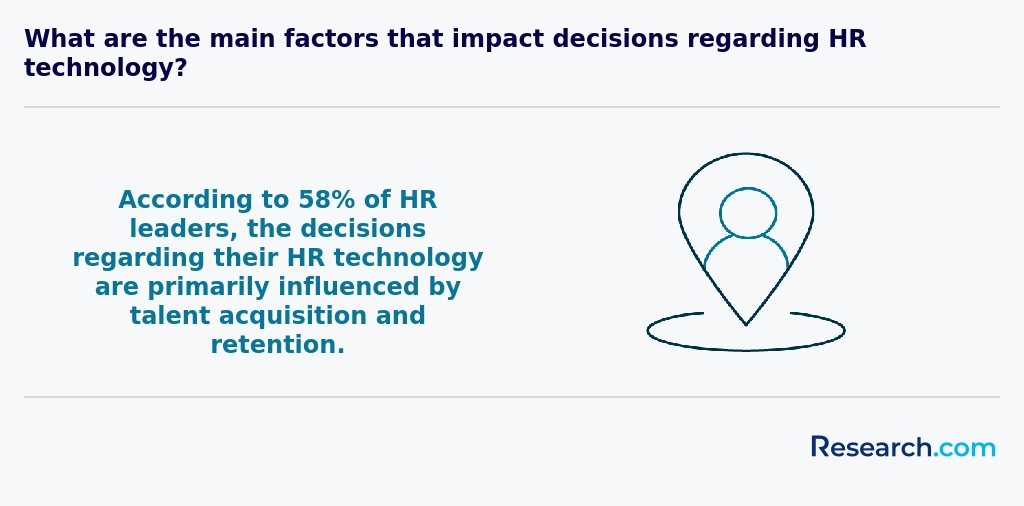
Students pursuing a human resources degree in North Carolina often find relief through a variety of evolving financial aid opportunities. Graduates from universities such as the University of North Carolina at Chapel Hill and North Carolina State University frequently share how Pell Grants, offering up to $7,395 annually, have made a tremendous difference in managing tuition costs, which average around $9,600 for in-state public colleges.
Many reflect on how completing the FAFSA unlocks access to federal student loans with relatively low interest rates and flexible repayment options, easing future financial stress. State-level programs like the North Carolina Need-Based Scholarship further boost affordability for residents attending public institutions, making the pursuit of an HR degree more achievable.
Looking ahead, institutional scholarships targeting business and human resources majors are becoming more specialized and competitive, rewarding students not just for academic merit but for leadership and community impact. Some graduates describe how employer tuition assistance programs helped them continue their education while working, blending real-world experience with academic growth.
Moreover, private foundation scholarships, such as those from the SHRM Foundation, are increasingly important, supporting aspiring HR professionals in North Carolina with meaningful financial aid that fuels their career ambitions.
As the field of Human Resources continues to evolve, staying ahead of industry trends and leveraging emerging technologies has never been more crucial. Today’s HR professionals are not only expected to manage traditional employee relations and compliance but also to harness data-driven insights, embrace remote work strategies, and foster inclusive, flexible workplace cultures. Recent advancements in HR technology, such as AI-powered recruitment tools and advanced HR analytics, are reshaping how organizations make decisions and engage with their talent. Moreover, many graduates are finding that strong industry connections and continuous professional development-through mentorship programs, networking events, and hands-on projects-play a pivotal role in accelerating their career growth. For example, institutions that offer practical experience and partnerships with local businesses tend to have higher job placement rates and more satisfied alumni. If you’re looking for budget-friendly pathways to enter this dynamic field, consider exploring most affordable human resources programs in north carolina, which provide not only competitive tuition rates but also robust career support services. Embracing these trends and opportunities will help you build a resilient, future-ready HR career that meets the evolving demands of the modern workplace.
Students aiming to enroll in human resources degree programs in North Carolina typically need to meet clear prerequisites that help ensure their success. For example, graduates from popular institutions like the University of North Carolina at Chapel Hill recall how having a solid high school diploma and maintaining a GPA of around 2.5 to 3.0 made their application stand out. Many found submitting transcripts alongside personal statements or recommendation letters gave admissions teams insight into their dedication and character, paving the way for a confident start.
At the graduate level, entering programs at schools such as North Carolina State University often requires holding a bachelor's degree, with some students sharing how prior coursework in business or management eased their transition into advanced human resources studies. Though standardized tests like the GRE may be requested, many find their professional experience or high GPA can waive this, reflecting trends toward flexibility.
Some future-focused students envision even more personalized admissions processes, blending AI-driven interviews with reflective portfolios to showcase real-world skills. Human resources hopefuls in North Carolina are encouraged to build polished applications emphasizing their unique backgrounds, ensuring their profiles resonate well with competitive programs.
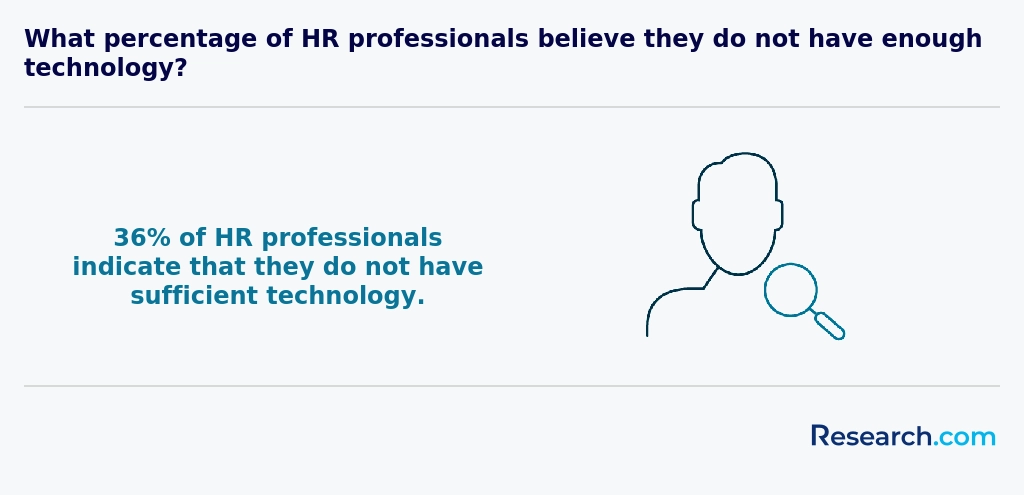
As the HR landscape evolves, students in North Carolina must stay ahead of key industry shifts to maximize their education investment. One major trend is the rise of digital HR platforms-applying AI-driven tools for talent acquisition, performance management, and employee engagement. Understanding how machine learning can streamline resume screening or predict turnover will set you apart in the job market. Similarly, HR analytics is no longer optional: programs that integrate data visualization and predictive modeling prepare you to translate workforce metrics into strategic decisions. Remote and hybrid work models have also redefined organizational culture. HR graduates need proficiency in virtual onboarding, wellness initiatives, and remote team dynamics. Coursework emphasizing virtual collaboration tools, digital communication strategies, and legal considerations of telework will be increasingly valuable. Diversity, equity, and inclusion (DEI) remains at the forefront as employers demand nuanced strategies to foster belonging across global and decentralized teams. A specialization in DEI not only enhances cultural competence but also boosts your appeal to socially responsible organizations. Cost-conscious students exploring online pathways may find it helpful to compare regional affordability benchmarks. For those balancing budget and quality, our Most Affordable Online Human Resources Degree Programs Ranking in Gorham, ME highlights programs offering robust digital curricula at competitive rates. By aligning your studies with these emerging trends-AI in HR, advanced analytics, remote workforce management, and DEI-you’ll graduate ready to lead transformative HR initiatives in North Carolina and beyond.
Human resources degree programs in North Carolina typically include courses like Employment Law, Organizational Behavior, and Talent Acquisition and Staffing, which prepare students for real challenges they'll face in the workforce. Graduates from popular institutions such as University of North Carolina Greensboro often share how the practical focus on state-specific labor laws made them confident navigating compliance issues from day one.
Courses on Training and Development and Performance Management are continuously evolving to incorporate new technologies like AI-driven employee analytics, reflecting the future landscape of HR. Many students at North Carolina State University express excitement about using hands-on projects to design effective training programs that improve workplace culture firsthand.
The inclusion of diversity and inclusion coursework in programs at schools like East Carolina University resonates deeply with students, fostering empathy and cultural competency in a rapidly diversifying North Carolina workforce. These topics inspire graduates to champion equity initiatives and create welcoming environments where all employees thrive.
Human resources degree specializations North Carolina students often encounter include Talent Management and Recruitment, Employee Relations and Labor Law, Compensation and Benefits Administration, and Organizational Development and Training. For example, graduates from well-known institutions across the state report feeling empowered by the practical knowledge gained in these areas, enabling them to handle real-world hiring challenges or navigate complex labor regulations confidently.
With the rise of technology, concentrations like Human Resources Information Systems (HRIS) are becoming increasingly relevant. Students at universities popular for HR programs in North Carolina appreciate learning to harness data analytics to improve workforce strategies, which prepares them for innovative roles in the evolving HR landscape. This focus also adds to the excitement of personal growth and future job security.
Many students find themselves exploring these HR management concentration options NC while balancing tuition and career goals, often referencing rankings like the Most Affordable Online Human Resources Degree Programs Ranking in Gorham, ME to guide their decisions and maximize their education investment.
Choosing the best human resources degree programs North Carolina offers often means envisioning how your education will fit into a dynamic and evolving workplace. Graduates from universities like North Carolina State and UNC frequently emphasize the value of programs that blend strategic workforce planning with experiential learning, such as internships or cooperative education. These experiences create moments of confidence and readiness as students step directly into real HR environments, navigating challenges with guidance from seasoned professionals.
Affordability is another crucial consideration. Many students pursuing affordable human resources degrees in NC share stories of balancing work and study thanks to flexible online or hybrid courses available at prominent state schools. This adaptability not only ease financial strain but also strengthens skills relevant to modern HR roles, such as digital communication and talent analytics. Looking ahead, students who evaluate both cost and quality alongside future workforce trends can better position themselves for success in this career path. It's wise to explore different options by reviewing college majors ranked and ensuring any chosen program offers strong professional connections and accreditation.
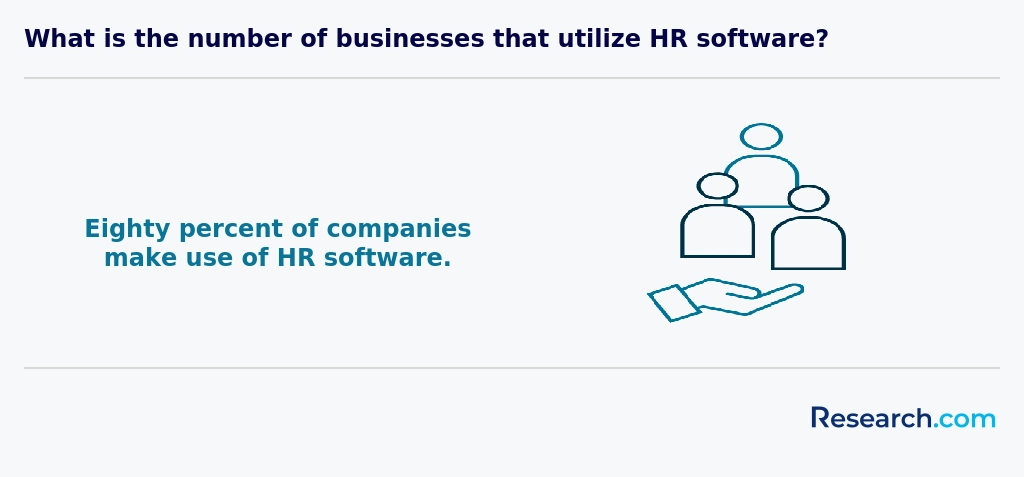
Graduates from well-regarded universities and colleges in North Carolina often find rewarding human resources career opportunities in North Carolina, spanning industries such as technology, finance, and healthcare. Recent alumni share how starting as HR specialists or recruitment coordinators provided hands-on experience in navigating talent acquisition and employee relations in dynamic workplaces, fueling their passion and boosting confidence. With North Carolina's expanding business landscape, many foresee roles evolving to include expertise in diversity, equity, and inclusion initiatives, as well as remote workforce management strategies.
Job prospects with HR degree North Carolina become even more promising when considering compliance with ever-changing labor laws and the strategic importance of organizational development. Graduates appreciate how actionable knowledge gained at institutions fosters adaptability in areas like benefits administration and employee wellness, leading to positions such as compensation analysts or training managers. By pursuing certifications alongside their degree, they advance professional growth efficiently.
For students seeking flexible study options, exploring cheap online master degree programs available within the state can open further doors in specialized HR fields, preparing them for future leadership roles and transforming workforce culture in North Carolina.
Graduates with a human resources degree in North Carolina are entering a vibrant job market fueled by the state's expanding technology, healthcare, and finance sectors. Many alumni from popular universities like the University of North Carolina find their comprehensive education in labor laws and organizational development makes them highly competitive candidates. This aligns well with the human resources job outlook in North Carolina, which predicts steady employment growth around 7% over the next decade. Students often share how the accessible tuition and strong local networks enhance their confidence when stepping into roles at key hubs such as Research Triangle Park.
North Carolina's HR career opportunities continue to diversify as industries evolve. Graduates commonly describe positive experiences working in dynamic environments like Charlotte's corporate headquarters, where competitive starting salaries provide solid financial stability early on. For prospective students, these real-life stories emphasize the practical value of enrolling in affordable degrees and tapping into professional organizations that smooth the path from campus to career.
affordable degrees
2027 Best Human Resources Degree Programs Ranking in North Carolina
Investing in your education is a significant decision that can shape your future, and the Research.com team understands the importance of making informed choices. To assist prospective students in North Carolina, we have meticulously crafted the "2027 Best Human Resources Degree Programs Ranking in North Carolina." Our commitment to quality, credibility, and accuracy is reflected in the extensive research and analysis conducted to compile this ranking.
We utilized the following reputable data sources to ensure a comprehensive evaluation of human resources programs:
By exploring this ranking, readers will gain valuable insights into the best human resources degree programs available in North Carolina, helping them make well-informed decisions about their educational paths. For more details on our methodology, please visit our Research.com methodology page.
# 1 position
University of North Carolina at Chapel Hill
Bachelor of Science in Human Resource Management


Frequently Asked Questions About human resources
Human resources degree students in North Carolina can maximize their learning by combining academic study with practical experience. Internships, available through many North Carolina universities, offer hands-on exposure to HR functions like recruitment and employee relations. According to the North Carolina Department of Commerce, the state's HR job market is growing faster than the national average, reflecting increasing demand for skilled professionals.
Engaging with professional organizations such as the Society for Human Resource Management (SHRM) local chapters provides networking and mentorship opportunities. Additionally, students should leverage online resources and certifications like the Professional in Human Resources (PHR), which enhances employment prospects.
Emerging niches within the human resources field reflect the evolving needs of organizations, especially in North Carolina's growing economy. One key area is HR analytics, where professionals use data to shape hiring and retention strategies. According to the North Carolina Department of Commerce, demand for HR specialists with data skills is increasing faster than average statewide.
Additionally, diversity, equity, and inclusion (DEI) roles have expanded. Companies in North Carolina emphasize DEI to foster inclusive workplaces, responding to both social and legal pressures.
Another developing niche is remote work management, born from shifts in workforce location trends, requiring new policies and technology expertise.
Specializations in employee wellness programs also gain importance as employers recognize well-being's impact on productivity. These emerging fields highlight the dynamic nature of HR careers in North Carolina.
Preparing for the job market after earning a human resources degree in North Carolina involves several strategic steps. First, gaining relevant experience through internships or cooperative education programs is vital. Many North Carolina universities have partnerships with local businesses, helping students build practical skills and professional networks.
Certifications, such as the Professional in Human Resources (PHR), are highly valued by employers in the state and can increase job prospects. According to the U.S. Bureau of Labor Statistics, the HR field in North Carolina is expected to grow by 7% from 2021 to 2031, signaling strong demand.
Networking matters too. Joining local chapters of organizations like SHRM North Carolina provides access to job fairs, workshops, and mentorship opportunities.
Employers in North Carolina seeking graduates with human resources degrees often prioritize a blend of technical and interpersonal skills. Key abilities include knowledge of employment law, talent management, and conflict resolution. According to the Society for Human Resource Management (SHRM), understanding compliance with state-specific labor laws is crucial, as North Carolina has unique regulations compared to other states.
Communication skills rank highly since HR professionals mediate between management and employees. Analytical skills are also valued for tasks such as workforce planning and benefits analysis. Data from the North Carolina Department of Commerce highlights that HR roles requiring these skills are growing 5% annually, reflecting their increasing importance in the local job market.
Finding internships in North Carolina relevant to a human resources degree involves leveraging both local resources and university career services. Many North Carolina universities with HR programs, such as UNC Chapel Hill and North Carolina State University, offer dedicated internship placement support. These institutions often maintain partnerships with regional companies actively seeking HR interns.
The North Carolina Department of Commerce reports that industries such as healthcare, technology, and manufacturing frequently offer HR internships due to their sizable workforce management needs. Websites like the North Carolina Works portal list numerous internship opportunities specifically in human resources and related fields.
Networking through local HR chapters, including the HR Association of the Triad or the Triangle Human Resources Association, can also expose students to internship openings. Professional events and job fairs organized by these groups provide direct access to employers hiring in North Carolina's evolving business environment.
Earning a human resources degree in North Carolina significantly enhances career mobility and advancement opportunities. According to the U.S. Bureau of Labor Statistics, the state's HR job market is expected to grow by 7% through 2032, faster than the national average. A degree provides graduates with foundational knowledge in labor laws, organizational behavior, and talent management, which employers highly value.
Human resources professionals with degrees often move more quickly into leadership roles, including HR managers and directors, positions that offer median salaries above $80,000 annually in North Carolina, per the North Carolina Department of Commerce. Additionally, many companies prefer candidates with formal education and certifications from accredited programs offered by regional universities.
Networking opportunities through degree programs also connect students with local businesses and industry experts, essential for career advancement in this competitive field.
Studying for a human resources degree in North Carolina equips students with skills that extend beyond traditional HR functions, fostering interdisciplinary expertise. Degree programs often integrate courses in business management, psychology, law, and communications, enabling graduates to adapt to various organizational roles. For example, North Carolina universities emphasize labor relations and strategic planning, which are vital for collaborating across departments.
Additionally, North Carolina's growing economy, with sectors like technology and healthcare rapidly expanding, demands HR professionals who understand diverse business environments. According to the U.S. Bureau of Labor Statistics, employment for HR specialists in North Carolina is projected to grow by 10% through 2031, reflecting the importance of versatile skills.
These interdisciplinary approaches prepare students to work effectively with leadership, legal teams, and IT departments, making them valuable assets in multifaceted roles.
When choosing between a thesis and a non-thesis human resources degree program in North Carolina, consider your career goals carefully. A thesis track emphasizes research and is suited for students planning to pursue doctoral studies or research-oriented roles. In contrast, a non-thesis option often focuses on practical skills and coursework, ideal for those seeking immediate employment in HR management or consulting.
North Carolina's employment data from the Bureau of Labor Statistics shows HR specialists and managers grow steadily, emphasizing practical experience. Programs like those at UNC Chapel Hill offer both tracks, reflecting diverse student needs. Your choice should align with your long-term ambitions and learning style.
Students based in North Carolina who want to study human resources abroad have several options through exchange programs and partnerships offered by North Carolina universities. Many institutions, such as the University of North Carolina system schools, collaborate with international universities, allowing students to earn credits overseas while pursuing their degree in human resources.
These study abroad opportunities often last a semester or a full academic year, providing cultural immersion alongside specialized HR coursework. According to data from the NC Department of Commerce, North Carolina employers seek professionals with global experience, making these programs valuable for career prospects. Additionally, third-party providers facilitate global HR internships, further enhancing practical skills for students.
The availability of scholarships and financial aid specifically for study abroad helps reduce costs. Students are encouraged to consult their home institution's study abroad office for tailored programs aligned with human resources studies.
Part-time job opportunities in North Carolina that complement a human resources degree include roles such as HR assistant, recruitment coordinator, and payroll clerk. These positions provide practical experience with employee relations, hiring processes, and benefits administration, which are fundamental skills in HR careers.
Many companies in North Carolina, especially in metropolitan areas like Charlotte and Raleigh, often offer internships or part-time work that allow students to engage with HR functions directly. According to the U.S. Bureau of Labor Statistics, North Carolina employs over 15,000 human resources specialists, reflecting a strong local demand that supports student work experience.
Additionally, engaging in campus HR offices or nonprofit organizations can help build communication and organizational skills vital for HR professionals. Such roles often provide exposure to employment law and workforce diversity management, enhancing academic knowledge with applied expertise.
Human resources students in North Carolina benefit from numerous networking opportunities through local professional organizations and university programs. The North Carolina Human Resources Association (NCHRA) is a prominent resource, hosting regular meetings, workshops, and conferences that connect students with experienced HR professionals statewide.
Many universities in North Carolina also offer active HR student chapters affiliated with the Society for Human Resource Management (SHRM). These chapters provide mentoring, internships, and job shadowing experiences, helping students build valuable local contacts.
According to the North Carolina Department of Commerce, the state had over 15,000 HR specialists employed in 2023, reflecting a strong demand for qualified graduates. This demand encourages active recruitment and networking at career fairs specifically geared toward human resources students.
Alumni networks play a crucial role in supporting human resources degree students in North Carolina. These networks provide valuable connections to HR professionals working in diverse industries across the state, from healthcare to manufacturing. Many universities in North Carolina, such as North Carolina State University and the University of North Carolina at Chapel Hill, maintain active alumni associations that facilitate mentoring and job placement assistance.
Through alumni events and online platforms, students can gain insights into industry trends and access exclusive internships. According to the North Carolina Department of Commerce, the demand for human resources specialists is expected to grow by 7% through 2030, making these connections particularly valuable for job seekers.
Engaging with alumni enhances networking opportunities, offering guidance on career development and helping students navigate the competitive job market in the state.
Customizing a human resources degree program in North Carolina allows students to align education with their specific career ambitions. Many universities offer concentration options such as talent management, labor relations, or HR analytics. Selecting relevant electives enhances skills targeted to industries prominent in North Carolina, like healthcare, technology, and manufacturing.
Students can also pursue internships or cooperative education experiences offered through many North Carolina institutions, providing practical exposure and networking opportunities. Additionally, some programs feature partnerships with professional bodies such as the Society for Human Resource Management (SHRM), enabling students to prepare for nationally recognized certifications.
According to the North Carolina Department of Commerce, the HR field is growing steadily, increasing the demand for specialized knowledge. Tailoring your degree with these options can better position graduates for competitive roles across the state's diverse economy.
Human resources students in North Carolina often face challenges related to balancing academic demands with practical experience. Many programs emphasize internships, but finding quality placements in a competitive job market can be difficult. According to the North Carolina Department of Commerce, the HR field is growing by approximately 9% annually, increasing competition among students for hands-on opportunities.
Another common challenge is staying up-to-date with evolving labor laws and diversity regulations, which require continual learning beyond classroom instruction. North Carolina's diverse economy, spanning manufacturing to tech, demands HR professionals who understand various industry-specific compliance issues.
Finally, networking can be a hurdle. While organizations like the Society for Human Resource Management (SHRM) offer valuable resources, building local industry connections often requires proactive effort, which can be daunting for new students.
With a human resources degree in North Carolina, you can pursue several widely recognized professional certifications that enhance career prospects. The Society for Human Resource Management (SHRM) offers the SHRM-CP and SHRM-SCP credentials, which are highly valued across industries. Another key certification is the Professional in Human Resources (PHR) from the HR Certification Institute (HRCI), focusing on operational HR management.
According to the North Carolina Department of Commerce, certified professionals tend to have better job security and higher salaries, with HR managers earning a median annual wage above $80,000. These certifications require a combination of education, experience, and passing an exam.
When applying to a human resources program in North Carolina, crafting a strong application is essential to stand out. Start by highlighting your understanding of HR principles, such as labor laws and employee relations, which are key in the state's growing workforce sector. North Carolina's unemployment rate was around 3.9% as of early 2024, reflecting a competitive job market that values skilled HR professionals (U.S. Bureau of Labor Statistics).
Include relevant work or internship experience, emphasizing any direct interaction with recruitment or employee management. Many programs seek applicants demonstrating leadership and communication skills, so detail examples of team projects or initiatives.
Finally, tailor your personal statement to explain why studying HR in North Carolina fits your career goals, referencing local economic factors or industry demands to show informed commitment.
The field of human resources (HR) is increasingly viewed through a global lens as businesses expand internationally. For students in North Carolina pursuing HR degrees, understanding global perspectives is essential. Human resources professionals must navigate diverse labor laws, cultural differences, and international employment standards.
According to the U.S. Bureau of Labor Statistics, HR specialist roles are expected to grow nationwide by 7% from 2021 to 2031, with North Carolina showing steady demand due to its growing manufacturing and tech sectors. Globally, HR is becoming more strategic, focusing on talent management across borders.
North Carolina universities offer curricula that incorporate global HR trends, preparing graduates for multinational corporations. Knowledge of international HR practices enhances job prospects in both domestic and global markets.
Gaining practical experience while studying for a human resources degree in North Carolina is essential for building job-ready skills. Many universities in the state offer internship programs in partnership with local businesses and government agencies. These internships provide hands-on exposure to areas like recruitment, employee relations, and benefits administration.
Additionally, students can participate in cooperative education (co-op) programs, which alternate periods of academic study with full-time work experience. Co-ops help students earn income while developing professional skills.
Joining campus organizations such as the Society for Human Resource Management (SHRM) student chapters also offers networking opportunities and access to workshops relevant to HR careers.
According to the North Carolina Department of Commerce, internships and co-ops in HR-related fields have grown by 12% over recent years, reflecting increased emphasis on experiential learning.
Choosing the right concentration within a human resources degree program in North Carolina depends on your career goals and the local job market. Popular concentrations include talent management, labor relations, and organizational development. In North Carolina, industries like healthcare, manufacturing, and technology heavily rely on human resources professionals, influencing demand for specialized skills.
It's important to consider the curriculum and how it aligns with certifications like SHRM-CP or PHR, which are valued by employers statewide. Consulting the North Carolina Department of Commerce and the Bureau of Labor Statistics can provide insight into regional HR employment trends and average salaries.
Hands-on internship opportunities and networking with local HR associations also help clarify which concentration suits your ambitions best.
- 2027 Best Human Resources Degree Programs Ranking in Florida
- 2027 Best Human Resources Degree Programs Ranking in Alabama
- 2027 Best Human Resources Degree Programs Ranking in Ohio
- 2027 Best Human Resources Degree Programs Ranking in New Jersey
- 2027 Best Human Resources Degree Programs Ranking in Indiana
- 2027 Best Human Resources Degree Programs Ranking in Missouri
- 2027 Best Human Resources Degree Programs Ranking in Massachusetts
- 2027 Best Human Resources Degree Programs Ranking in Iowa
- 2027 Best Human Resources Degree Programs Ranking in Nebraska
- 2027 Best Human Resources Degree Programs Ranking in Colorado
See What Experts Have To Say About Studying Human Resources
Read our interview with Human Resources experts

Thomas Kochan
Human Resources Expert
Professor of Management
Massachusetts Institute of Technology

Chester S. Spell
Human Resources Expert
Professor of Management
Rutgers University

Rick Hackett
Human Resources Expert
Professor, Human Resources & Management
McMaster University

- Occupations | NC Careers.org https://nccareers.org/occupation-profile
- Human Resource Management Certificate | NCWU https://ncwu.edu/academics/certificate-programs/human-resource-management-certificate/
- The Great Reinvention of Human Resources Has Begun JOSH BERSIN https://joshbersin.com/2026/01/the-great-reinvention-of-human-resources-has-begun/
- Online Education Vs. Traditional Education In HR - CFR Group https://www.cfr-group.com/online-education-vs-traditional-education-in-hr/
- What skills and competencies do you need for a career in HR? https://targetjobs.co.uk/careers-advice/hr-and-recruitment/what-skills-and-competencies-do-you-need-career-hr
- 4 tips for leveraging alumni networks for recruitment https://www.eaie.org/resource/leveraging-alumni-networks-recruitment.html
- Human Resources - Alumni.space https://www.alumni.space/en/you-are/human-resources/
- Top 10 HR Challenges and Their Solutions | HR Courses https://zoetalentsolutions.com/top-10-hr-challenges-and-their-solutions/
- 2025 Most Affordable Online Human Resources Degrees https://www.onlineu.com/most-affordable-colleges/human-resources-degrees
- HR's Guide to Effective Career Development https://orangehrm.com/resources/learn-in-depth/hr-guide-to-effective-career-development