2027 Explaining a Career Change in an MPH Personal Statement

Co-Founder and Chief Data Scientist
A career change can strengthen an MPH application, but only if your personal statement explains the move rather than leaving an admissions committee to infer it. This guide is for applicants bringing experience from another field who need to show why population-level work fits their goals now. You'll learn how to select evidence from your past, acknowledge what you still need to learn, and make a credible case for a particular program - without pretending your previous career was public health work.
Key Things You Should Know
- Explain the transition as a sequence: what you learned in your previous work, the public health problem you want to address, and why an MPH is the right next step.
- Use a specific project or responsibility to show transferable skills; distinguish those skills from public health methods you still need to learn.
- Name a plausible next role and connect it to verified program offerings, rather than assuming the MPH alone will qualify you for that job.
How should you explain a career change in an MPH personal statement?
State the change directly and give it a cause. An effective explanation connects an observation from your former work to a population-health question, then explains why graduate training - not simply a new job title - would help you act on it. An MPH is generally a professional degree focused on improving health across populations; it is not training for direct clinical practice.
For example, a logistics manager might describe coordinating deliveries during a service disruption, noticing how uneven access affected communities, and wanting to learn preparedness planning and program evaluation. The point is not to claim that logistics work was epidemiology. It is to show how that experience led to a specific, informed direction.
Keep other application concerns proportionate. If an academic record needs context, address it briefly and substantively; guidance on explaining a low GPA in public health graduate admissions can help you decide what belongs in the essay rather than letting grades displace the career-change narrative.
Why does a career change support your public health goals?
A change supports your goals when prior work gives you useful insight into a problem and you can identify the new capabilities needed to address it. A teacher may understand barriers to school-based health communication; a finance professional may bring budgeting experience to a community program. Neither should imply that professional proximity to a health issue is the same as training in population health, community engagement, or evaluation.
Be equally clear about why you need an MPH. If your immediate aim is to learn one technical skill, a short course or supervised project may be more direct. If you need an undergraduate degree before graduate study, online public health bachelor's accelerated class options belong to a different planning decision. Your statement is strongest when the degree follows logically from the work you hope to do.
What should a career-changing MPH applicant include in a personal statement?
Follow the program's prompt and word limit first. Within that space, give readers enough evidence to understand your motivation, preparation, and intended use of the degree. This sequence helps prevent the essay from becoming either a résumé in prose or a broad declaration that you want to help people:
- Open with a brief, relevant experience or observation that prompted the change.
- Explain what you did in your prior role and what it taught you about the problem.
- Identify the public health skills or perspective you need to develop.
- Connect those needs to a plausible career goal and specific program offerings.
Recommendations and essays serve different purposes: a recommender can attest to your work, while you must explain your direction. If obtaining recommendations is a separate application constraint, investigate online graduate public health options without letters, but verify each program's current requirements rather than using essay space to explain a missing letter.
Translate work into tasks and evidence, not just admirable traits. Describe the situation, your responsibility, and what you learned that carries into the proposed work. A customer-support lead who tracked recurring access problems might connect that experience to identifying service barriers, while acknowledging that designing a valid community needs assessment requires further training.
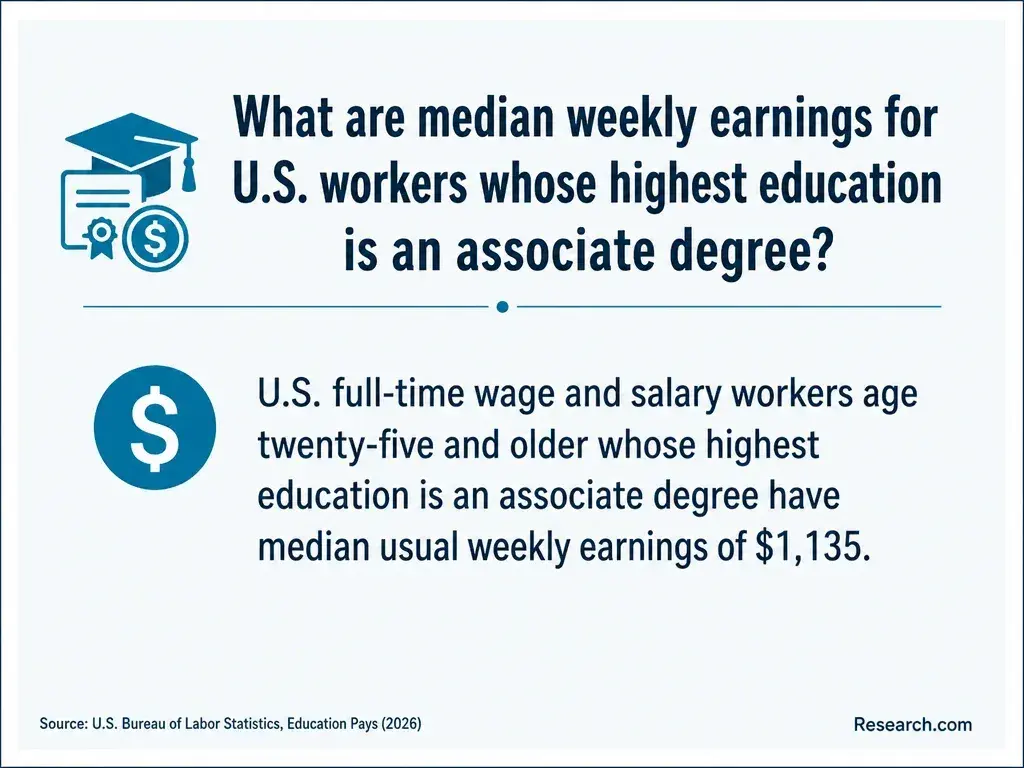
Use the target role to decide which experiences deserve space. For a prospective program coordinator, implementation, partnership, and reporting examples may matter more than an unrelated technical achievement. For an aspiring analyst, a carefully described data-cleaning or interpretation project may be more useful - but it should not be presented as advanced epidemiology if it was not. If earnings influence your decision, consider salary prospects with a Master of Public Health alongside actual job postings; occupation-wide pay figures are not a prediction of what a career-changing graduate will earn.
Acknowledge the gap once, then show what you have done to understand it. Relevant evidence might include an introductory methods course, a supervised community project, a conversation with practitioners that changed your assumptions, or volunteer work with clearly described duties. Do not relabel brief volunteering as professional practice or imply that observing a problem gives you authority to speak for a community.
Differentiate admission eligibility from competitiveness. A program may not require a public health job history, yet still expect a persuasive explanation of your preparation and goals. If you are comparing less competitive online MPH admission options, check each school's actual requirements and whether its learning opportunities fit the experience gap you need to close. An easier application is not a substitute for a workable career-transition plan.
Show that you can learn from evidence, handle complex work, and recognize the limits of your preparation. Select examples from coursework, employment, or service: interpreting data for a decision, assessing conflicting evidence, managing a project, or working responsibly with stakeholders. Then name the relevant skills you intend to build, such as epidemiologic reasoning, biostatistics, or program evaluation.
Check the requirements of each program before claiming a prerequisite is necessary or complete; expectations vary by school and concentration. If your goal is deeply quantitative work, compare the MPH curriculum with more specialized biostatistics graduate study while working. In the essay, distinguish demonstrated analytical ability from methods you have not yet studied.
Describe a near-term function, a setting, and the problem you hope to work on. "I want to help a local health department evaluate outreach programs" is more informative than "I want to lead public health." You can add a longer-term aim, but make clear that advanced research, management, or policy authority generally depends on experience and the requirements of a particular role - not the degree alone.
Test the goal against job descriptions. If the work you want is primarily healthcare operations, clinical care, or specialized research, ask whether an MPH offers the right preparation or whether another qualification and experience route fits better. Doctoral study may eventually suit an experienced practitioner pursuing advanced leadership, but it is not the default next step for a new career changer. Even cost-conscious public health doctoral advancement should be considered against the responsibilities you actually want to undertake.
Match a documented feature of the program to a specific learning need. You might explain how a named course would address a methods gap or how an available applied experience aligns with your goal. Check the current curriculum, format, and application instructions before naming a concentration, faculty member, placement, or partnership; availability and student access should not be assumed.
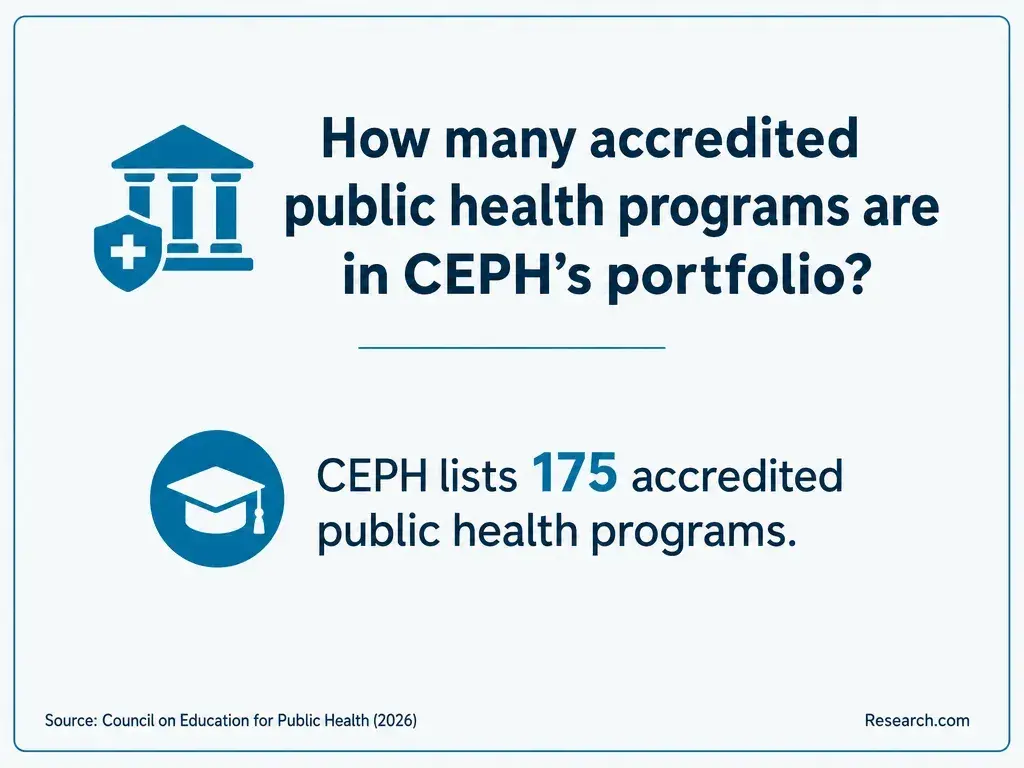
Program fit also involves verification outside the essay. If CEPH accreditation matters to your plans, check the accreditor's current listing for the exact school, unit, or program and the degree it covers; institution-level accreditation is a separate matter. A comparison of CEPH-accredited online MPH programs can help organize your search, but use authoritative program information to support any claim you put in the statement.
The most damaging mistakes make the transition seem unexamined: criticizing a former profession instead of explaining a new purpose, claiming expertise from limited exposure, listing program features without connecting them to a goal, or promising to solve a complex inequity single-handedly. Another is choosing an impressive degree label before identifying the work it prepares you to do.
Keep the application level straight. An MPH statement should establish readiness for master's-level professional study; it need not make the case for doctoral leadership or research. If you are also looking at public health doctoral programs with broader entry options, assess those programs separately rather than borrowing doctoral ambitions to make an MPH goal sound more substantial.
How should you revise and proofread an MPH personal statement?
Revise for reasoning before polishing sentences. After a break, read the draft as an unfamiliar admissions reader: can you identify the trigger for the change, evidence of transferable ability, a genuine learning gap, and a credible reason for this program? Ask a reviewer who knows your former work to flag vague claims, and someone unfamiliar with it to flag unexplained jargon.
Then verify every program name, course, credential, and application instruction; remove identifying details from workplace examples if you lack permission to share them. Proofread the final version after pasting it into the application system. If this review reveals that you have not yet earned an eligible undergraduate degree, pause the MPH application and investigate online bachelor's study in public health or another suitable bachelor's pathway instead of trying to resolve an eligibility issue through prose.
Other Things You Should Know About Public Health
Schools may use the terms differently. Read the prompt: a personal statement may invite more background and motivation, while a statement of purpose may emphasize academic and professional plans. Address every requested element regardless of the label.
Only if it is relevant to the prompt or leaves a significant question about your preparation. Keep the explanation factual and brief, then return to what you learned or did next.
Yes, if you can describe your responsibilities and learning without disclosing protected, proprietary, or identifying information. Use general descriptions when necessary and follow your employer's confidentiality obligations.
Check the program's application rules. If permitted, use tools to identify clarity or grammar issues, then verify every claim and retain your own voice. Do not submit invented experiences or text that misrepresents your work.
- Competencies for Public Health Professionals | cdc.gov https://www.cdc.gov/infrastructure/training-professional-development/competencies-for-public-health-professionals.html
- Steps to Apply for an MPH or MHSA | umich.edu https://sph.umich.edu/admissions/mph-mhsa-application-checklist.html
- Apply to MPH | ufl.edu https://phhp.ufl.edu/academics/masters-programs/mph/application-instructions/
- What Is the Difference Between an MPH and MSPH Degree? | Emory University https://sph.emory.edu/degrees-programs/faq/mph-msph
- Personal Statements & Statements of Purpose | Career Services https://careerservices.cns.utexas.edu/resources/graduate-school-preparation/personal-statements-statements-purpose
- Program Experience: COPHP MPH | Health Systems and Population Health https://hspop.uw.edu/cophpmph/program-experience/
- Section 2. MPH Practicum - Master of Public Health Practicum Manual - Academic Guides at Walden University https://academicguides.waldenu.edu/masters-public-health-practicum-manual/practicum-overview
- Statement of Purpose vs Personal Statement - USC Online https://online.usc.edu/news/statement-purpose-vs-personal-statement-what-is-difference/
- How to Apply & FAQ's | Yale School of Public Health https://ysph.yale.edu/admissions-financial-aid/master-in-public-health-admissions/apply-to-yale-school-of-public-health/
- Application Components | Columbia University Mailman School of Public Health https://www.publichealth.columbia.edu/become-student/how-apply/process/application-components