2027 Best Human Resources Degree Programs Ranking in New Jersey

Co-Founder and Chief Data Scientist
Exploring a career in human resources can open many doors, especially for students in New Jersey seeking meaningful and rewarding opportunities. This article features the 2027 Best Human Resources Degree Programs Ranking in New Jersey, created by the Research.com team of data scientists to guide you through the best educational choices available.
By reading this ranking, you'll gain valuable insights to help find programs that match your goals and set you up for success. Pursuing a human resources degree is a great step toward building a fulfilling career in a fast-growing field.
Key benefits of getting human resources degree in New Jersey
- Salary benefits: Graduates with a human resources degree in New Jersey can expect competitive salaries, such as $76,060 annually for roles like Human Resources Assistant, Recruitment Coordinator, and Employee Relations Specialist, offering strong financial stability.
- Career paths: A human resources degree opens doors to diverse roles, from HR Generalist to Training and Development Coordinator, allowing graduates from local colleges like Rutgers University to explore various exciting opportunities.
- Online degree advantages: Earning a human resources degree online provides flexibility and convenience without sacrificing quality, as demonstrated by online graduates from New Jersey's Rowan University who balance work and study successfully.
- 2027 Best Human Resources Degree Programs Ranking in New Jersey
- What can I expect from human resources degree in New Jersey?
- Where can I work with human resources degree in New Jersey?
What can I expect from human resources degree in New Jersey?
The average cost of earning a human resources degree in New Jersey varies widely, depending on the type of institution and the program level you choose. Many students beginning with associate degrees at community colleges find tuition to be quite affordable, often under $8,000 per year, making this a smart starting point for those mindful of expenses. Graduates from these programs frequently share how gaining practical HR skills early on set a solid foundation for their careers without overwhelming financial stress.
For those enrolling in bachelor's or master's degrees at well-known New Jersey universities, tuition can be significantly higher, sometimes ranging from $15,000 to $30,000 or more annually. However, these programs often include deeper specialization in HR topics like labor law and performance management, along with valuable networking opportunities through local SHRM chapters. Many students recall that financial aid and scholarships tailored to HR and business students made attending these institutions possible and rewarding.
Overall, investing in a human resources degree in New Jersey is about balancing cost with the strong educational resources and career connections available in this vibrant region.
Where can I work with human resources degree in New Jersey?
Graduates with a human resources degree from well-known New Jersey institutions like Rutgers University or Montclair State University find themselves stepping into dynamic career paths. Many quickly join corporate HR teams within pharmaceutical firms in Princeton or finance offices in Jersey City, where they manage talent and develop policies that shape company culture.
Others thrive in healthcare settings, working at hospitals or medical centers across the state, recruiting specialized staff and ensuring compliance with ever-changing regulations. These roles offer a sense of purpose and the satisfaction of directly impacting patient care through strong workforce management.
Public sector roles also attract HR graduates, who bring fresh perspectives to school districts or municipal offices, helping create fair labor contracts and improve workplace environments. Many emerging professionals credit internships at state agencies as pivotal experiences that boosted their confidence and employability.
Finally, consulting firms provide avenues for those who enjoy problem-solving and advising businesses on navigating complex labor laws. Studying human resources in New Jersey means access to diverse industries and a supportive network that encourages graduates to build rewarding careers within the state.
Graduates from human resources programs at well-known New Jersey institutions often find rewarding opportunities with strong starting salaries. For example, recent alumni working as Human Resources Assistants or Recruitment Coordinators typically earn around $76,060 annually, reflecting solid entry-level compensation that can support a comfortable lifestyle in the state.
Positions like Training and Development Coordinator, which graduates pursue after honing specialized skills, offer mean wages near $71,980 per year. Many graduates from colleges in Newark or Camden appreciate how these roles allow them to positively impact employee growth and company culture while earning competitive pay.
Human Resources Generalists and Employee Relations Specialists also command approximately $76,060 yearly, thanks to New Jersey's proximity to major business hubs. Graduates often share excitement about the higher wages here, especially compared to national averages, highlighting the value of earning a degree locally where the job market rewards your credentials.
Taking advantage of local certifications can boost earnings further. With New Jersey's vibrant economy, mastering these roles can lead to a financially and personally fulfilling career in HR.
- Human resources degrees in New Jersey are offered by both public and private colleges, including associate, bachelor's, and master's programs.
- In-state tuition at public colleges ranges from $8,000 to $15,000 per year, while private colleges often charge over $30,000 annually.
- Entry-level HR professionals in New Jersey earn between $50,000 and $60,000 annually after graduation.
- Mid-career HR salaries typically range from $75,000 to $90,000, with senior HR managers often earning above $100,000.
- The job market in New Jersey is strong for HR roles, driven by industries like finance, healthcare, technology, and manufacturing.
Completing a human resources degree in New Jersey depends largely on the type of degree and institution you choose. Many graduates from Rutgers University or Montclair State University recall their associate degree programs lasting around two years-perfect for building a strong foundation and stepping confidently into the workforce.
For those aiming higher, the bachelor's degree journey typically spans four years at New Jersey's renowned universities. Some driven students find ways to accelerate this by taking summer classes, finishing in as little as three years. Imagine balancing studies and internships, walking through campus on a bright spring day knowing you're closer to your goal-that's the inspiring reality for many.
Graduate-level degrees such as a Master of Science in Human Resource Management usually add one to two years, often tailored for working professionals through part-time or online options. Many alumni appreciate this flexibility, enabling them to advance careers without pausing their momentum.
Choosing between an online or on-campus human resources degree in New Jersey comes down to your lifestyle and learning preferences. Students attending Rutgers University or Montclair State University often share how on-campus programs offered vibrant, face-to-face interactions that sparked dynamic discussions and created lasting professional networks. Imagine joining student organizations or landing internships through campus career services-experiences that build confidence and real-world skills.
On the other hand, graduates from online programs at schools like Thomas Edison State University praise the flexibility to study after work or while managing family responsibilities. This mode uses digital tools that sharpen your tech skills, essential in today's HR field. Envision logging in from anywhere in New Jersey without the hassle of commuting, yet still connecting with peers through virtual forums and remote internships.
Both paths lead to valuable credentials recognized across the state's growing HR sector. Your choice depends on how you balance in-person engagement with flexible learning, ensuring your degree matches your career aspirations and personal life.
Earning an accredited Human Resources degree is just the beginning of a successful HR career. To enhance credibility and open doors to senior roles, many New Jersey graduates pursue industry-recognized certifications. Two of the most respected credentials are: • SHRM-CP and SHRM-SCP (Society for Human Resource Management) • PHR and SPHR (HR Certification Institute) These certifications validate expertise in strategic policy development, talent management, employee relations, and legal compliance. To qualify, candidates typically need 1–4 years of professional HR experience, depending on the credential level. Exam preparation can involve: – Self-paced online courses with interactive quizzes – Virtual boot camps led by certified instructors – Study groups hosted by New Jersey SHRM chapters Continuing education is essential for maintaining certification and staying current with evolving labor laws. Certified professionals must complete 60 professional development credits (PDCs) over three years, which can be earned through: – Attending local HR conferences and workshops – Participating in webinars on diversity, equity, and inclusion – Publishing articles or presenting case studies at industry events For graduates seeking to expand their skill set or reduce tuition costs, considering out-of-state online programs can be beneficial. Many New Jersey students explore highly ranked, affordable options-see the Cheapest Online Human Resources Degree Programs Ranking in Virginia for cost-effective pathways to advanced HR credentials. By combining a respected degree, professional certification, and ongoing education, HR professionals can accelerate career growth and become indispensable strategic partners within their organizations.
The average cost of a human resources degree in New Jersey depends heavily on whether you attend as an in-state or out-of-state student. For many local students, the median in-state total cost is approximately $17,929, which includes tuition, fees, and other expenses over the course of the degree. Graduates from public universities like Rutgers University often reflect on the value of their investment, noting that this cost balanced well with the quality of education and connections made during their studies.
Out-of-state students, however, face a median total cost close to $51,620. This higher figure is typical for private institutions such as Seton Hall University or Fairleigh Dickinson University, whose tuition rates are generally steeper but often come with broader financial aid opportunities. Many human resources graduates from these universities share how scholarships and flexible payment plans helped ease the financial burden, allowing them to focus on their passion for people management and organizational development.
When considering the human resources degree tuition and fees New Jersey, it's essential to factor in added costs like books, supplies, and living expenses, which can vary widely, especially in urban areas of the state. Many students recommend early budgeting and researching the most affordable human resources schools in New Jersey to find programs that fit their financial plans.
Ultimately, understanding the average cost of human resources degree in New Jersey helps you approach your education journey with confidence. Graduates often express pride in their ability to manage these costs while gaining the skills needed to thrive in this dynamic field.
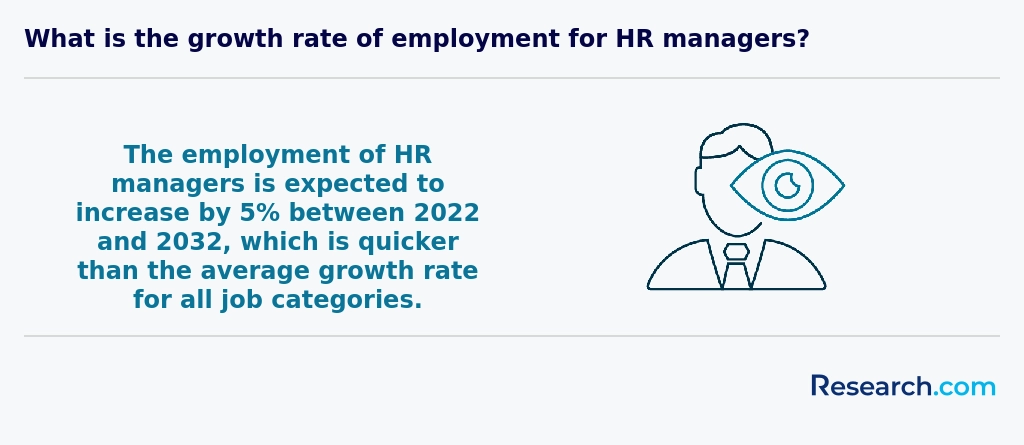
When pursuing a human resources degree in New Jersey, numerous financial aid options can make your journey smoother and more affordable. Many graduates from Rutgers University recall how applying for the Free Application for Federal Student Aid (FAFSA) unlocked federal Pell Grants, which provided crucial, no-repayment scholarships up to $7,395 for the 2023-2024 year. These grants often ease financial pressure while focusing on studies.
State programs like NJ STARS have been a game-changer for community college students starting their HR education, offering tuition assistance that helps build a strong foundation without overwhelming debt. Others attending Montclair State University have benefited from institutional merit scholarships, rewarding academic dedication and leadership potential in business and HR fields.
Private scholarships, such as those from the Society for Human Resource Management, inspire commitment by recognizing passion for the profession and reducing financial burdens. Some graduates juggling work and study also mention employer tuition reimbursement programs, a real blessing that lets them grow professionally without sacrificing income.
To enroll in a human resources degree program in New Jersey, you'll first need a high school diploma or a GED. Graduates from popular schools like Rutgers University or Montclair State often recall that meeting this basic requirement set the foundation for their rewarding HR journeys.
A solid GPA-usually around 2.5 to 3.0-is often recommended, reflecting a student's ability to handle the coursework. Many applicants find that sharing official transcripts and strong letters of recommendation helps their applications stand out, especially for competitive programs or graduate degrees like an MBA with an HR concentration.
Some universities in New Jersey still ask for SAT or ACT scores, but test-optional policies are becoming more common. One graduate mentioned appreciating this shift, as it allowed their passion and experience in business-related courses to shine instead of just test results.
Taking early classes in communications or social sciences also prepares you well. Many HR students at New Jersey colleges emphasize how these subjects helped them develop skills that are vital to human relations and organizational success.
If you're diving into a human resources degree in New Jersey, expect a rich blend of courses that prepare you for real-world challenges. Graduates from well-known schools like Rutgers or Montclair State often reflect on how courses such as Introduction to Human Resource Management gave them a solid foundation in workforce strategy, vital for leading teams effectively.
Organizational Behavior classes help you understand employee motivation and workplace culture firsthand-imagine walking into your first HR role equipped to boost morale through insights gained there. Employment Law is another cornerstone, teaching you the critical U.S. labor regulations you'll navigate daily to protect both the company and its people.
Hands-on electives like Talent Acquisition and Training & Development enable you to craft effective recruiting strategies or design impactful growth programs. Those who embraced these courses discovered how rewarding it is to shape careers and unlock potential. Many students mention how Performance Management classes tied everything together, showing how to evaluate productivity fairly and inspire improvement.
By choosing a New Jersey program, you're not only investing in top-tier knowledge but also positioning yourself to meet the state's specific HR needs with confidence and passion.
When pursuing a human resources degree in New Jersey, you'll find a variety of specializations that prepare you for real-world challenges. Graduates from institutions like Rutgers University often highlight how focusing on employee relations helped them master conflict resolution and promote a positive workplace culture. Others opt for talent acquisition and recruitment, sharpening their skills in identifying and securing the best candidates-an essential concentration for anyone passionate about shaping a company's future workforce. These hands-on experiences bring the theory to life, making the learning truly engaging and impactful.
In addition to these core paths, many students explore compensation and benefits or HR analytics, which leverage data to optimize organizational decisions. Montclair State University students have shared how these concentrations gave them a competitive edge. Embracing these specialized areas within HR management concentration options New Jersey opens doors to dynamic career opportunities that reflect current market demands.
For those looking to balance cost and quality, checking out rankings like the Cheapest Online Human Resources Degree Programs Ranking in Virginia might inspire strategies to fund your education while maximizing learning.
Choosing the best human resources degree in New Jersey starts with knowing what truly matters for your future. Graduates from well-known universities in the state often share how accreditation and curriculum quality made a big difference in their careers. Look for programs with regional accreditation and alignment with HR standards, ensuring your education is respected and relevant. Many students appreciate when courses cover hands-on topics like labor relations and HR technologies, which prepare them to navigate real workplace challenges confidently.
Cost is another key factor. Comparing human resources degree cost comparison NJ-wise helps you find affordable options without sacrificing quality. Public universities offer competitive tuition rates, but private schools might provide additional perks. Some learners balance work and study by choosing flexible formats, and many have benefited from programs close to major hubs like New York City for valuable internships.
Remember, multiple New Jersey graduates highlight how small class sizes and expert faculty created an inspiring environment for growth. For those seeking accelerated options, consider a bachelor's degree online fast to launch your career sooner without missing essential HR fundamentals.
Graduates with a human resources degree in New Jersey discover a wide range of career options within companies spanning healthcare, technology, and manufacturing. Many alumni from well-known institutions like Rutgers University and Montclair State University often find themselves thriving as HR Generalists, managing everyday HR tasks in bustling cities such as Newark. Others pursue roles as Recruitment Specialists, actively connecting top talent with fast-growing tech firms in the state, feeling the rewarding satisfaction of matching the right person to the right role. Exploring career options with HR degree New Jersey graduates reveal that positions like Compensation and Benefits Manager or Training and Development Manager offer pathways to leadership, where you shape company culture and employee growth.
These roles resonate with those eager to make a meaningful impact on workforce development, reflecting the region's dynamic job market. If you're wondering about advancement, graduates frequently consider high earning master's degrees to boost their expertise and earnings potential in this competitive field. For anyone navigating human resources job opportunities in New Jersey, the state offers not only diverse roles but also the reward of contributing directly to vibrant, evolving workplaces.
The job market for human resources degree holders in New Jersey is promising and diverse, perfectly suited for graduates eager to make an impact. Many students from popular institutions like Rutgers University and Montclair State University have found fulfilling roles as HR generalists, recruiters, and compensation analysts across thriving sectors such as pharmaceuticals and finance. These roles often involve managing recruitment strategies, improving employee engagement, or designing benefits programs - real-life tasks that translate classroom learning into rewarding careers.
With New Jersey's economy supporting a variety of industries, human resources job opportunities in New Jersey are steady and growing, reflecting national trends. Graduates often share how their local internships and networking opportunities gave them a strong start. Salary prospects are equally encouraging, with HR specialists earning around $70,000 annually and HR managers exceeding $120,000, making it an attractive path for those weighing career potential and cost of living.
For students concerned about affordability, New Jersey also offers community colleges and online college courses that accept fafsa, providing accessible education options under $8,000 per year, which many graduates have praised for balancing cost and quality.
2027 Best Human Resources Degree Programs Ranking in New Jersey
Investing in your education is a significant decision that can profoundly impact your career, and the Research.com team is committed to helping you make well-informed choices. To support those seeking top Human Resources degree programs in New Jersey, we have carefully developed the "2027 Best Human Resources Degree Programs Ranking in New Jersey." Our dedication to quality, credibility, and accuracy is demonstrated through rigorous research and thorough analysis.
We utilized the following reputable data sources to ensure a comprehensive evaluation of Human Resources programs:
By exploring this ranking, readers will gain valuable insights into the best Human Resources degree programs available in New Jersey, enabling them to choose programs that align with their career goals and aspirations. For more information on how this ranking was created, please visit our Research.com methodology page.


Frequently Asked Questions About human resources
Human resources degree students in New Jersey can maximize their learning experience by combining classroom knowledge with practical exposure. Internships with local companies or state government agencies provide valuable real-world skills and professional networking opportunities. According to the New Jersey Department of Labor, sectors like healthcare, finance, and technology continue to show strong HR job growth, making targeted internships especially beneficial.
Engaging with professional organizations such as the New Jersey SHRM (Society for Human Resource Management) chapter helps students stay updated on industry trends. Additionally, choosing programs accredited by the HR Certification Institute or the Society for Human Resource Management can enhance curriculum quality and job prospects.
Leveraging campus career services, attending HR workshops, and participating in case competitions further reinforce learning and employability. According to the U.S. Bureau of Labor Statistics, HR specialists in New Jersey earn an average annual wage above the national average, highlighting the value of comprehensive preparation.
The human resources (HR) field in New Jersey is expanding into several emerging niches that align with broader workplace trends. One notable area is HR analytics, which involves using data to improve hiring, retention, and employee satisfaction. According to the Society for Human Resource Management (SHRM), demand for HR professionals skilled in analytics is growing by over 11% annually.
Another specialized niche gaining traction is diversity, equity, and inclusion (DEI). Companies in New Jersey increasingly prioritize creating inclusive workplaces, driving demand for HR experts who design DEI programs and policies.
Additionally, remote workforce management has become vital due to the COVID-19 pandemic's lasting impact. HR professionals who can navigate remote work technologies and policies are highly sought after.
These niches present opportunities for students pursuing human resources degrees in New Jersey universities aiming to stay competitive in 2027 and beyond.
After completing a human resources degree in New Jersey, preparing for the job market involves several strategic steps. First, gaining practical experience through internships or cooperative education programs is essential. Many New Jersey universities partner with local businesses, offering valuable hands-on opportunities.
Networking plays a crucial role in securing HR positions. Joining professional organizations like the New Jersey SHRM Chapter provides access to industry events and job leads. According to the U.S. Bureau of Labor Statistics, New Jersey's HR employment is projected to grow by 7% through 2030, reflecting healthy demand.
Finally, obtaining certifications such as SHRM-CP can significantly improve marketability and salary potential in the competitive New Jersey job market.
Employers in New Jersey seek human resources degree graduates who demonstrate strong communication skills, both verbal and written. Clear communication is essential for managing employee relations and conducting training sessions. Analytical thinking is highly valued, supporting tasks like workforce planning and labor market analysis. Familiarity with employment laws specific to New Jersey, including compliant hiring practices, is also critical. According to the New Jersey Department of Labor, HR professionals with knowledge of state and federal regulations have better job prospects. Additionally, proficiency in HR information systems (HRIS) is increasingly important as many organizations digitize their HR functions.
Interpersonal skills and the ability to handle conflict effectively are crucial. Employers look for candidates who can foster a positive workplace environment and support diversity initiatives. Organizational skills are necessary to manage employee records, benefits, and recruitment processes efficiently. Overall, these skills help graduates meet the expectations of New Jersey's dynamic job market, which reported steady growth in human resources roles between 2020 and 2023.
Finding internships in New Jersey related to a human resources degree involves multiple strategic steps. Start by leveraging your college's career services, as New Jersey institutions often maintain partnerships with local companies seeking HR interns. According to the New Jersey Department of Labor, the state hosts over 90,000 business establishments, many requiring HR support, which increases internship availability.
Additionally, students should explore networking events offered by organizations like the New Jersey Human Resources Council. Online job platforms focusing on New Jersey, such as NJ.com's job portal, frequently list HR internships. Applying early and customizing resumes to highlight HR coursework is critical.
Finally, consider internships at diverse industries including healthcare, finance, and manufacturing, all booming sectors in New Jersey with active HR departments.
Obtaining a human resources degree in New Jersey significantly enhances career mobility and advancement opportunities within the state's competitive job market. According to the U.S. Bureau of Labor Statistics, New Jersey employers value candidates with formal HR education, especially as the state's HR specialist employment is projected to grow by 7% through 2031. A degree provides essential knowledge in labor laws, talent management, and organizational behavior, all critical for navigating New Jersey's diverse industries.
Graduates often qualify for higher-level positions such as HR manager or compensation analyst, roles which typically offer salaries above the state median. Additionally, many New Jersey companies prefer candidates with SHRM or HRCI certification eligibility, which often requires degree completion.
Studying for a human resources (HR) degree in New Jersey offers students a well-rounded education that emphasizes interdisciplinary skills. Programs often integrate courses from business, psychology, and law, reflecting the variety of challenges HR professionals face. This approach prepares graduates to handle workforce management, compliance, and organizational behavior effectively.
New Jersey's strong corporate environment, including sectors like pharmaceuticals and finance, provides practical learning opportunities through internships and cooperative education. According to the New Jersey Department of Labor, HR occupations in the state are projected to grow by 7% from 2020 to 2030, indicating rising demand for versatile professionals. This growth supports interdisciplinary training as essential for adapting to evolving workplace needs.
Additionally, many New Jersey colleges incorporate technology and data analysis courses into their HR curriculum. These skills are crucial for roles involving talent analytics and HR information systems, further broadening career pathways across industries. This interdisciplinary foundation enhances problem-solving and strategic planning capabilities, preparing students for diverse HR roles.
Choosing between a thesis and a non-thesis human resources degree program in New Jersey depends largely on your career goals and learning preferences. Thesis programs emphasize research, requiring students to conduct original studies and write a formal thesis, which can benefit those planning to pursue doctoral studies or academic careers. Non-thesis options typically focus more on practical skills through coursework, internships, or projects, appealing to students aiming for immediate employment in HR roles.
According to the New Jersey Department of Labor, HR jobs in the state are projected to grow 7% through 2030, highlighting the importance of practical experience for many employers. If you prefer direct application over research, non-thesis programs may be more suitable.
Many New Jersey universities offer both options, so consider your time availability, interest in research, and long-term plans when deciding.
Students based in New Jersey who wish to study human resources abroad have several options through U.S. university partnerships and study abroad programs. Many New Jersey colleges with accredited HR degrees offer exchange programs or short-term study opportunities in countries with strong business and HR practices, such as the United Kingdom, Canada, and Australia.
The advantage of these programs is that credits earned abroad typically transfer back to the New Jersey institution, allowing students to graduate on time. For example, Rutgers University offers various global study programs, including business-focused exchanges.
Students should also explore programs recognized by SHRM (Society for Human Resource Management), which maintains international standards that align with U.S. HR education requirements.
Students pursuing human resources degrees in New Jersey can benefit from various part-time job opportunities that enhance their academic experience and build practical skills. Popular roles include HR assistant positions, which offer exposure to recruitment, employee relations, and benefits administration. According to the U.S. Bureau of Labor Statistics, New Jersey's demand for HR specialists is expected to grow by 7% from 2022 to 2032, indicating steady opportunities.
Other valuable positions include administrative assistants in corporate offices or staffing agencies, providing insight into organizational operations. Internships with local government or nonprofit groups also help students gain experience in compliance and workforce development. These jobs cultivate essential communication and data-management skills crucial for HR careers.
Human resources students in New Jersey have access to various networking opportunities that can enhance their career prospects. Many universities in the state, such as Rutgers and Montclair State, host HR-focused events, workshops, and career fairs that connect students with local employers. The New Jersey HR Association (NJSHRM) offers student memberships, providing access to professional mixers, webinars, and conferences. These events enable students to meet practicing HR professionals, gain industry insights, and explore internships.
New Jersey's proximity to major employment hubs like New York City further expands networking possibilities for students pursuing HR degrees in the state.
Alumni networks play a crucial role for human resources degree students in New Jersey by offering valuable career connections and mentorship opportunities. Many universities in the state have active alumni groups that facilitate internships and job placements in local industries.
According to the New Jersey Department of Labor, human resources job openings in the state are expected to grow by 10% through 2030. Alumni networks help students tap into this growing market by providing access to seasoned professionals.
Networking events and online platforms hosted by alumni organizations enable students to build relationships, enhancing their job prospects and professional growth within New Jersey's diverse economy.
Customizing a human resources degree in New Jersey allows students to align their education with career goals through elective courses and specialization options. Many New Jersey colleges offer HR tracks focusing on talent management, labor relations, or organizational development. Students may also choose internships with local businesses, gaining practical experience in the state's diverse job market.
Additionally, students can pursue certifications like SHRM-CP alongside their degree, enhancing job prospects. According to the New Jersey Department of Labor, the HR field is expected to grow by 7% through 2030, making targeted skills in employee relations and regulatory compliance valuable.
Networking via university partnerships with New Jersey employers can further aid career customization.
Human resources students in New Jersey often face challenges related to balancing rigorous coursework with practical experience. Many programs emphasize both theory and application, requiring students to engage in internships or cooperative education placements. Securing these positions can be competitive, given New Jersey's proximity to New York City and Philadelphia, where many businesses also seek interns.
Additionally, staying updated with changing employment laws and regulations is crucial. New Jersey has specific labor laws, such as paid sick leave and anti-discrimination statutes, which affect HR practices. Understanding these local nuances can be demanding for students.
According to the New Jersey Department of Labor, the demand for skilled HR professionals is growing, but students must prepare to develop strong communication and conflict resolution skills alongside technical knowledge.
Graduates with a human resources degree in New Jersey have multiple professional certification options to enhance their career opportunities. The Society for Human Resource Management (SHRM) offers two widely recognized certifications: the SHRM Certified Professional (SHRM-CP) and SHRM Senior Certified Professional (SHRM-SCP). These certifications are valued nationwide, including within New Jersey's competitive job market.
The HR Certification Institute (HRCI) also provides notable credentials such as the Professional in Human Resources (PHR) and Senior Professional in Human Resources (SPHR). These certifications demonstrate expertise in HR practices and compliance.
Passing these exams typically requires relevant work experience alongside a human resources degree. According to the New Jersey Department of Labor, HR roles demand both education and certifications for career advancement.
Writing a winning application for a human resources program in New Jersey starts with thorough research. Understand the specific requirements of each college or university, as admission criteria can vary. Many top programs in New Jersey, such as those at Rutgers University and Montclair State University, emphasize GPA, personal statements, and relevant experience.
Highlight any prior work or volunteer experience related to human resources, as New Jersey employers value practical skills alongside academic knowledge. According to the New Jersey Department of Labor, the demand for HR professionals in the state is expected to grow by 7% through 2030, making relevant experience particularly important.
Craft a clear, focused personal statement that explains why you want to study human resources and how you plan to use the degree. Be sure to tailor your application to the school's culture and values, demonstrating your genuine interest.
Finally, secure strong letters of recommendation from professionals or professors familiar with your abilities and character. These supportive endorsements can differentiate your application in competitive programs.
The human resources (HR) field is increasingly viewed through a global lens, reflecting the interconnected business environment. Professionals with a human resources degree in New Jersey gain skills valuable across international borders, including talent management, compliance with labor laws, and cultural sensitivity. According to the U.S. Bureau of Labor Statistics, HR specialists in New Jersey earned a median wage of about $70,000 in 2023, highlighting strong local demand that aligns with global market trends.
HR careers now require understanding global workforce trends and labor standards, which helps organizations manage diverse teams effectively. This global perspective enhances job prospects for graduates, especially in multinational companies headquartered in New Jersey's economic hubs.
Universities in New Jersey often incorporate global HR practices in their curricula, preparing students for these challenges. This focus ensures graduates can address both local regulatory frameworks and international business needs, a crucial competence in today's economy.
Gaining practical experience while pursuing a human resources degree in New Jersey is essential for building relevant skills. Many colleges in the state offer internship programs that connect students with local businesses, nonprofits, and government agencies. These internships provide hands-on experience in recruitment, employee relations, and benefits administration.
Additionally, students can engage in cooperative education (co-op) programs, which integrate paid work experiences with academic study. According to the National Association of Colleges and Employers, nearly 65% of students who complete HR internships in New Jersey receive job offers from their internship employers.
Joining student chapters of professional organizations like SHRM (Society for Human Resource Management) also helps build networks and access workshops and local HR events.
Choosing the right concentration within a human resources degree program in New Jersey requires understanding your career goals and the local job market. Popular concentrations include talent management, labor relations, and organizational development. Each offers unique skills: for instance, labor relations focuses on union interactions, relevant in New Jersey's diverse manufacturing and service sectors.
The New Jersey Department of Labor reports steady growth in HR jobs, with emphasis on employee training and compliance. Selecting a concentration aligned with these demands can enhance employability. Additionally, consider programs offering internships or connections to New Jersey businesses, which provide valuable practical experience.
Researching course content and speaking with academic advisors can clarify how concentrations match your interests and the state's economic needs.
- 2027 Best Human Resources Degree Programs Ranking in Massachusetts
- 2027 Best Human Resources Degree Programs Ranking in Ohio
- 2027 Best Human Resources Degree Programs Ranking in North Carolina
- 2027 Best Human Resources Degree Programs Ranking in Indiana
- 2027 Best Human Resources Degree Programs Ranking in Florida
- 2027 Best Human Resources Degree Programs Ranking in Alabama
- 2027 Best Human Resources Degree Programs Ranking in Missouri
- 2027 Best Human Resources Degree Programs Ranking in Iowa
- 2027 Best Human Resources Degree Programs Ranking in Nebraska
- 2027 Best Human Resources Degree Programs Ranking in Colorado
See What Experts Have To Say About Studying Human Resources
Read our interview with Human Resources experts

Chester S. Spell
Human Resources Expert
Professor of Management
Rutgers University

Rick Hackett
Human Resources Expert
Professor, Human Resources & Management
McMaster University

Thomas Kochan
Human Resources Expert
Professor of Management
Massachusetts Institute of Technology

- Redefining career development: Skills, mobility and retention https://hrexecutive.com/redefining-career-development-skills-mobility-and-retention/
- HR's Guide to Effective Career Development https://orangehrm.com/resources/learn-in-depth/hr-guide-to-effective-career-development
- Sample letters in human resources https://www.mystudies.com/en-in/business-accountability-management/human-resources/letter-model/
- Top 10 HR Networking Groups for Professionals https://www.myhubintranet.com/hr-networking-groups/
- CourseCareers https://coursecareers.com/blog-posts/how-to-break-into-human-resources
- What skills and competencies do you need for a career in HR? https://targetjobs.co.uk/careers-advice/hr-and-recruitment/what-skills-and-competencies-do-you-need-career-hr
- Networking with Mile High SHRM https://www.milehighshrm.org/page/Networking
- A Guide to the Human Resources Career Path https://www.galwaybusinessschool.ie/blog/a-guide-to-the-human-resources-career-path/
- Strategic HR Management: Carving the Niche of Indispensability - KaizenBlitz https://kaizenblitz.org/strategic-hr-management-carving-the-niche-of-indispensability/
- HR networking: developing authentic relationships | Reed Learning https://www.reed.com/learning/article/hr-networking:-developing-authentic-relationships