2027 Most Valuable Human Resources Degree Programs Ranking in Colorado

Co-Founder and Chief Data Scientist
Exploring the right human resources degree program can shape your professional future in Colorado. This article introduces the 2027 Most Valuable Human Resources Degree Programs Ranking in Colorado, carefully crafted by a team of data scientists at Research.com.
It offers insight into which programs stand out, helping you make an informed decision about your education. Whether you're starting your journey or considering a change, discovering the best options can boost your confidence.
Pursuing a human resources degree opens doors to meaningful careers focused on people and organizational success.
Key benefits of getting human resources degree in Colorado
- The average annual salary for human resources degree graduates in Colorado is approximately $76,060 for roles like Recruitment Coordinator, Employee Relations Specialist, and Human Resources Generalist, reflecting strong earning potential.
- A graduate from a popular Colorado university can explore varied career paths such as Human Resources Assistant or Training and Development Coordinator, offering exciting opportunities to grow and make an impact in different industries.
- Completing a human resources degree online through a well-known Colorado college provides flexibility and convenience, allowing students to balance work and life while gaining the skills needed to succeed in today's HR landscape.
- 2027 Most Valuable Human Resources Degree Programs Ranking in Colorado
- What can I expect from human resources degree in Colorado?
- Where can I work with human resources degree in Colorado?
What can I expect from human resources degree in Colorado?
The average cost of pursuing a human resources degree in Colorado typically aligns with national rates for business-related programs, making it a smart investment in your future. At public institutions like the University of Colorado Denver or Colorado State University, tuition is often more affordable compared to private schools, yet students consistently report feeling supported and valued throughout their educational journey. Graduates recall how the blend of specialized courses and hands-on experiences justified every dollar spent, as the practical knowledge gained gave them confidence entering the workforce.
Many students find that the cost is balanced by unique opportunities such as internships with major employers right in the Denver-Aurora-Lakewood area, turning education into real career stepping stones. Additionally, programs accredited by the Society for Human Resource Management provide extra value that graduates appreciate when pursuing certifications like SHRM-CP. For students passionate about making a difference in human resources, Colorado's degree options deliver quality education with a cost that opens doors to fulfilling careers.
Where can I work with human resources degree in Colorado?
Graduates with a human resources degree in Colorado find themselves welcomed across vibrant industries, each offering a unique workplace experience. Many alumni from the University of Colorado system share their excitement about joining healthcare giants like HealthONE and UCHealth, where they help shape employee relations and benefits programs that directly enhance people's lives.
Others who studied at community colleges in Colorado praise how their HR skills translate seamlessly into the bustling tech hubs of Denver and Boulder. Here, they engage in recruiting top talent and fostering dynamic organizational cultures, often navigating the challenges of remote work with confidence and adaptability.
Public sector roles also attract these graduates. Those who value serving their communities appreciate working with Colorado's state and local governments, supporting workforce planning and employee training that strengthen public services.
Educational institutions, from large universities to smaller colleges, offer exciting HR careers focused on recruitment and policy development, ensuring faculty and staff thrive. Manufacturing employers, influenced by growing automation, call on HR professionals to lead safety and workforce development efforts, presenting innovative opportunities.
Each path highlights rewarding, impactful roles where HR graduates in Colorado truly make a difference every day.
Graduates with a human resources degree from universities like the University of Denver or Colorado State University often find themselves stepping into roles with promising salaries. For example, starting positions such as Human Resources Assistant or Human Resources Generalist offer a mean annual wage of about $76,060 in Colorado, providing a solid financial foundation right out of college. Many graduates share how securing these roles has fueled their confidence and passion for HR, especially in Denver's dynamic job market.
Positions like Recruitment Coordinator and Employee Relations Specialist, both offering mean wages near $76,060 annually, highlight the rewarding opportunities available to new professionals. Recent graduates report how working in these roles across various industries allows them to build meaningful career paths while earning competitive salaries.
Training and Development Coordinators also shine as career options, with mean earnings around $71,980 per year. Graduates from colleges such as Metropolitan State University of Denver appreciate these roles for combining their love of people and professional growth in thriving Colorado companies.
- Public universities in Colorado charge between $10,000 and $15,000 per year for a bachelor's degree in human resources for in-state students.
- Community colleges offer associate degrees in related fields at a lower cost, typically $4,000 to $6,000 annually for in-state students.
- Colorado's human resources job market is growing at an estimated 7% rate over the next decade, fueled by industries like technology and healthcare.
- Starting salaries for HR graduates in Colorado range from $50,000 to $60,000, with mid-career managers earning between $75,000 and $95,000 annually.
- Many programs include coursework in labor laws, recruitment, and employee relations, and offer internships to gain practical experience.
- Job availability and salaries vary by location, with urban areas like Denver offering more jobs and higher wages compared to rural regions.
Completing a human resources degree in Colorado is an exciting journey that fits your lifestyle and ambitions. For those starting at a community college, an associate degree typically takes about two years of focused full-time study, laying a solid foundation for entering the HR field or transferring to a four-year institution.
Many graduates from universities like the University of Colorado or Colorado State University share how their four-year bachelor's programs balanced coursework in labor relations and employment law with opportunities to grow through internships and campus activities. This immersive experience makes the four-year timeline feel rewarding and purposeful.
Graduate students pursuing a master's in human resource management or industrial-organizational psychology at Colorado universities often find that one to two years of advanced study open doors to leadership roles. Flexible options such as part-time or online courses empower busy professionals to achieve their goals without sacrificing work-life balance.
Colorado's diverse program formats, including credit for prior experience, enable students to progress confidently at their own pace, turning aspirations into reality.
Choosing between online and on-campus human resources degrees in Colorado opens exciting paths tailored to your lifestyle and ambitions. Graduates from institutions like the University of Colorado Boulder cherish the vibrant campus life, where face-to-face workshops and career fairs ignite confidence and build lasting professional networks. Imagine engaging in live role-playing exercises that sharpen your conflict resolution skills amid supportive peers and mentors.
Alternatively, online programs offered by schools such as Colorado State University Global provide unmatched flexibility, empowering students to excel while balancing work or family. Many found the virtual HR labs and interactive video discussions simulate real-world challenges, fostering collaboration even from home. This adaptability is perfect for adult learners eager to advance without relocating or pausing their careers.
Both paths in Colorado share rigorous, accredited curricula, ensuring you gain the SHRM-certifiable knowledge that employers value. Whether thriving in dynamic classrooms or mastering studies remotely, students grow confident, ready to make a meaningful impact in Colorado's thriving HR job market.
The average cost of a human resources degree in Colorado reflects a balance of opportunity and investment. Many students pursuing this career choose public universities such as the University of Colorado Boulder or Colorado State University, where in-state tuition typically amounts to a total of around $41,342 for completing the degree. Graduates often recall how manageable these costs allowed them to focus on learning the skills needed to thrive in HR roles without overwhelming financial stress.
For those attending private schools or coming from out of state, costs can be higher-median total expenses near $59,128. However, students often find value in the specialized programs and personalized attention offered by institutions like Colorado Christian University or Regis University. These experiences enrich their education, providing a strong foundation for future success in human resources.
Prospective students can explore scholarships, financial aid, and employer tuition reimbursement options to help bridge the gap between cost and ambition. Many graduates emphasize how such support, combined with smart budgeting, made achieving their human resources degree an inspiring and attainable goal in Colorado's vibrant academic community.
Understanding the total tuition and fees for HR degree Colorado students face helps you plan effectively and stay motivated. To discover more options, research affordable human resources schools in colorado for programs that fit your financial and educational goals.
Evaluating the return on investment (ROI) of a Human Resources degree in Colorado involves balancing tuition costs, potential earnings, and career growth. On average, bachelor’s programs in-state range from $10,000 to $15,000 per year, while out-of-state students may pay upwards of $30,000. When you contrast these figures with the mean annual salary of roughly $69,870 for roles like Training and Development Coordinator, the payback period can be as short as three to five years, depending on financial aid and living expenses. Beyond salary, consider long-term career progression. HR specialists in Colorado see a projected 7% job growth over the next decade, with manager-level positions commanding salaries well over $90,000. Factoring in cost of living and median student debt-often reduced by financial aid packages averaging $13,500 annually-graduates can anticipate a positive ROI within their first decade in the field. For students focused on minimizing debt while maximizing educational value, exploring affordable alternatives can be beneficial. For instance, our Inexpensive Human Resources Degree Programs Ranking in Texas showcases programs that deliver quality HR education at lower tuition rates, offering insights into comparative costs and outcomes. Ultimately, analyzing ROI helps prospective students choose programs that align with both their financial situation and career aspirations, ensuring that the investment in a Colorado Human Resources degree yields tangible professional and economic rewards.
Financial aid options for human resources students in Colorado open doors to exciting possibilities. Graduates from the University of Colorado and Colorado State University often recall how federal Pell Grants eased their tuition burdens, offering up to $7,395 without the stress of repayment. This support transformed their academic journey, allowing them to focus on mastering HR skills instead of worrying about costs.
State programs like the Colorado Opportunity Scholarship Initiative (COSI) reward timely progress, motivating many to complete their degrees faster while receiving valuable scholarships. These last-dollar awards have been game changers for students balancing school and life.
Institutional scholarships specifically for HR learners, based on merit and leadership, make the path brighter for business-focused students. Plus, many find encouragement from local employers and organizations providing tuition help and scholarships, making the dream of advancing in human resources achievable.
Work-study roles on campus or within local businesses build real-world experience while offsetting expenses, empowering students to grow both professionally and financially.
Enrolling in a human resources degree program in Colorado is an achievable and exciting journey for many. Graduates from institutions like the University of Colorado Denver share how meeting basic requirements-such as holding a high school diploma or GED-opened doors to their rewarding HR careers. Many local colleges celebrate applicants with strong academic records in English, math, and social sciences, which build a solid foundation for success.
For associate degrees, community colleges in Colorado often welcome students through open enrollment, making higher education in HR accessible to a wide range of learners. Bachelor's programs appreciate applicants who bring enthusiasm backed by coursework or experience in communication or business, emphasizing personal growth and readiness.
Graduate programs ask for a bachelor's degree and often value real-world experience or relevant coursework, encouraging applicants to showcase their unique strengths. Colorado's flexible admissions, including evolving GRE policies and supportive recommendations, reflect confidence in your potential to thrive in HR.
As the landscape of work continues to evolve, Human Resources education in Colorado is adapting to meet the demands of a rapidly changing industry. Staying informed about emerging trends is essential for prospective students seeking a competitive edge in their careers. In this section, we'll explore key industry shifts shaping HR, such as the growing emphasis on technology integration, the rise of remote work, and the increasing importance of data analytics in talent management. Future HR professionals are expected to master digital tools that streamline recruitment processes, employee engagement, and performance tracking. With artificial intelligence and advanced HRIS platforms on the rise, graduates are now equipped to analyze workforce data for strategic decision-making. These tools not only improve efficiency but also empower HR teams to predict trends and address challenges proactively. Moreover, the rapid shift towards hybrid work models has prompted organizations to reevaluate traditional HR practices. Institutions are integrating courses on virtual teamwork, digital communication, and remote leadership into their curricula. This adaptation ensures that graduates can navigate modern workplace dynamics while fostering inclusive and resilient organizational cultures. Additionally, regulatory changes and a global focus on diversity and inclusion are influencing how HR departments operate. Students are encouraged to develop expertise in compliance management and to champion initiatives that promote equitable work environments. Practical skills and real-world case studies in these areas are increasingly becoming a cornerstone of top-tier Human Resources programs. For those looking to balance quality education with cost-effectiveness, exploring options like affordable human resources schools in colorado can lead to smarter financial decisions without compromising learning outcomes. Embracing these trends prepares students not only to enter the current job market but also to drive innovation in the future of organizational management.
Human resources degree programs in Colorado offer an exciting mix of courses designed to build practical skills and inspire confidence. Graduates from universities like the University of Colorado Boulder often share how courses such as Introduction to Human Resource Management gave them a clear understanding of recruitment, training, and compliance-essentials for thriving in any HR role.
Courses in Organizational Behavior help students relate to real workplace challenges by studying how teams function, while Employment Law classes prepare them to navigate complex labor regulations with ease and fairness. Many students find the Compensation and Benefits course empowering because it teaches how to design pay structures that truly motivate employees.
Talent Acquisition and Staffing is another favorite, as it involves hands-on strategies to attract top talent in Colorado's competitive markets. Training and Development courses inspire creativity in helping employees grow, making the learning experience deeply rewarding for students from schools like Colorado State University.
Labor Relations and Strategic Human Resources Management round out the curriculum, equipping graduates to lead with wisdom and drive positive change across organizations.
Human resources degree specializations in Colorado open doors to vibrant career paths perfectly suited to the state's dynamic workforce. At institutions like the University of Colorado Boulder and Metropolitan State University of Denver, graduates have embraced focused tracks such as Talent Acquisition and Recruitment, equipping themselves to excel in Colorado's booming tech and healthcare sectors. These specializations empower students to create impactful hiring strategies and develop a workforce ready for innovation.
Other students thrive in Employee Relations and Labor Law programs, learning to navigate workplace challenges and labor agreements, crucial skills for Colorado's diverse industries. With Colorado HR degree program options including Compensation and Benefits, graduates confidently design rewarding salary and benefits structures that attract top talent, enhancing their organizations' success and ensuring compliance with evolving regulations.
Exploring human resources degree specializations in Colorado also means gaining expertise in Organizational Development and Training or Human Resources Information Systems (HRIS). Graduates share inspiring stories of leading transformative training initiatives and leveraging HR analytics to make data-driven decisions. For those seeking accessible education options, exploring the Inexpensive Human Resources Degree Programs Ranking in Texas can offer valuable insights.
Choosing the best human resources degree programs Colorado has to offer means focusing on what truly aligns with your ambitions and lifestyle. Graduates from popular Colorado institutions often recall how programs with SHRM accreditation gave them confidence during certification and job searches. Imagine studying at a university near Denver, where you can engage directly with thriving businesses, gaining valuable hands-on experience that graduates say profoundly boosted their career readiness.
Affordable HR degrees in Colorado can be found at public universities where tuition is around $11,500 for in-state students, making quality education accessible. Many graduates highlight the value of flexible class schedules and dynamic curricula covering labor relations and talent management, which prepare them to thrive in Colorado's growing job market.
For those eager to fast-track their career, exploring top paying 6 month certifications can complement a degree and open doors quickly. By choosing a program tailored to your goals in Colorado's vibrant HR field, you're investing in a rewarding future filled with opportunity and growth.
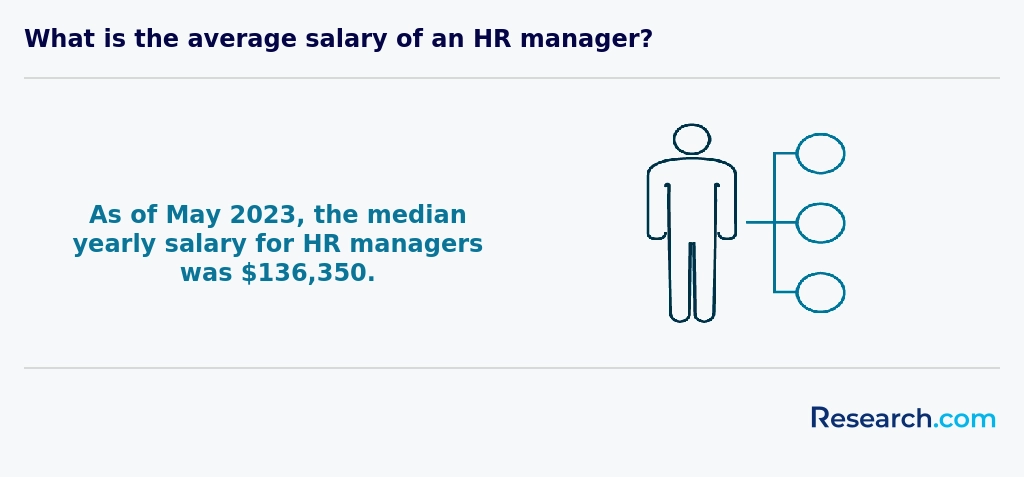
Graduates with a human resources degree in Colorado find a wealth of career paths that match the state's vibrant economy and growing industries. Whether stepping into roles as human resources specialists managing recruitment and employee relations or advancing to HR managers who shape strategic planning and company culture, the possibilities are inspiring. Popular universities in Colorado, known for strong HR programs, prepare students to thrive in these roles, connecting classroom learning with real-world HR challenges.
Many Colorado human resources degree job prospects also include specialized positions like recruitment coordinators or compensation and benefits managers, where graduates craft rewarding employee experiences. Others excel as training and development specialists or labor relations experts, creating positive workplace environments.
Within Colorado's progressive landscape, some graduates embrace technology-driven HR careers as HRIS analysts, blending HR expertise with data analytics. To jumpstart your path, consider exploring fast certificate programs that pay well that complement your degree and open additional doors.
Choosing a human resources career in Colorado offers exciting opportunities to impact businesses and communities positively, fueled by a network of supportive educational institutions and a promising job market.
Graduates with a human resources degree in Colorado are entering a thriving job market full of exciting opportunities. With Denver and Boulder among the fastest-growing metropolitan areas, the Colorado HR degree employment opportunities are expanding steadily, creating a welcoming environment for new professionals. Many students from well-known institutions find that their hands-on experiences during college give them confidence to navigate complex workplace issues and diversity initiatives, skills highly valued by Colorado employers.
For those exploring human resources job outlook Colorado, the state offers competitive salaries, with entry-level roles starting near $45,000 and seasoned HR managers earning over $100,000. The strong focus on certifications like SHRM-CP and PHR enhances these prospects even further, making Colorado a promising place to begin a fulfilling HR career. Graduates often share that their connections built at local universities open doors to roles in healthcare, tech, and government sectors.
Prospective students should also consider that the cost of HR degree programs here is quite reasonable, especially at public schools, balancing quality education with affordability. For those motivated by a career that blends people skills and strategic impact, exploring bachelor degrees that pay well can be a game-changer.
2027 Most Valuable Human Resources Degree Programs Ranking in Colorado
Investing in your education is a significant decision that can shape your future, and the Research.com team understands the importance of making informed choices. To assist prospective students in Colorado, we have meticulously crafted the "2027 Most Valuable Human Resources Degree Programs Ranking in Colorado." Our commitment to quality, credibility, and accuracy is reflected in the extensive research and analysis conducted to compile this ranking.
We utilized the following reputable data sources to ensure a comprehensive evaluation of human resources programs:
By exploring this ranking, readers will gain valuable insights into the most valuable human resources degree programs available in Colorado, enabling them to make well-informed decisions about their educational investments. For more details on our methodology, please visit our Research.com methodology page.
# 1 position
Colorado State University Global
Master of Science in Human Resource Management
# 2 position
Colorado State University Global
Bachelor of Science in Human Resource Management
# 3 position
Colorado Christian University
Bachelor of Science in Human Resource Management


# 5 position
University of Colorado Denver/Anschutz Medical Campus
Master of Science in Human Resource Management

Frequently Asked Questions About human resources
Human resources degree students in Colorado can maximize their learning experience by engaging in internships and cooperative education programs offered by many universities. These practical experiences allow students to apply classroom knowledge in real workplace settings, which is crucial given Colorado's growing HR market-forecast to expand by over 10% through 2030, according to the U.S. Bureau of Labor Statistics.
Networking with local HR professionals through Colorado SHRM (Society for Human Resource Management) chapters also provides valuable mentorship and job opportunities. Additionally, leveraging campus resources like career centers and participating in HR certificate workshops can improve practical skills and employability.
Colorado's diverse industries-from tech in Denver to energy in Boulder-offer a broad landscape for specialized HR study and experience, making localized engagement essential for students seeking competitive advantages in the workforce. Keeping current with state labor laws and regulations through continuing education further enhances expertise.
Emerging niches within the human resources (HR) field in Colorado reflect evolving workforce needs and technological advances. One growing area is HR analytics, which uses data to improve hiring, retention, and employee engagement. According to the Colorado Department of Labor and Employment, demand for HR professionals skilled in analytics is increasing faster than the average for all occupations.
Another niche is diversity, equity, and inclusion (DEI) management. Organizations in Colorado are investing more in DEI strategies to create fair workplaces. Specialized DEI roles require expertise in social justice, cultural awareness, and policy development.
Additionally, remote work coordination has emerged as a key focus, with HR professionals helping design policies and support systems for distributed teams. Cybersecurity and employee privacy management also offer new opportunities, as companies prioritize data protection in HR processes.
After earning a human resources degree in Colorado, preparing for the job market involves a combination of gaining practical experience and developing professional skills. Internships and cooperative education programs offered by many Colorado universities can provide valuable hands-on exposure to HR practices.
The Colorado Department of Labor and Employment reports that human resources specialists in the state earn a median annual wage of approximately $68,000 as of 2023, reflecting steady demand. Joining professional associations like the Society for Human Resource Management (SHRM) Colorado chapter can help build a network and stay updated on industry trends.
Additionally, many employers value certifications such as the SHRM Certified Professional (SHRM-CP) or Professional in Human Resources (PHR). These credentials complement a degree by verifying practical knowledge.
Strong communication, conflict resolution, and technological skills are also essential to stand out in Colorado's competitive HR job market.
Employers in Colorado increasingly seek human resources graduates with strong communication and interpersonal skills. These abilities are essential for managing employee relations, recruiting, and conflict resolution. According to the Colorado Department of Labor and Employment, knowledge of employment laws and compliance ranks high among desired skills to navigate local regulations effectively.
Technical proficiency, including familiarity with HR software and data analytics, is also critical as organizations adopt more digital tools to streamline HR functions. Moreover, problem-solving skills and adaptability are valuable due to the evolving workforce dynamics in industries like tech and healthcare, which dominate Colorado's economy.
Finding internships in Colorado relevant to a human resources degree involves several strategic steps. Many universities, such as the University of Colorado and Colorado State University, provide career services with strong connections to local businesses. These offices often list internship opportunities specifically tailored for HR students.
Colorado's diverse economy, including industries like technology, healthcare, and manufacturing, offers numerous potential HR internship placements. According to the Colorado Department of Labor and Employment, the HR sector is projected to grow by 6% from 2022 to 2032, highlighting plenty of entry-level opportunities.
Networking is essential; joining local chapters of professional organizations like SHRM (Society for Human Resource Management) Colorado can provide access to events and internship listings. Additionally, websites focusing on Colorado internships or university job portals can help identify available positions.
Obtaining a human resources (HR) degree in Colorado significantly enhances career mobility and advancement opportunities within the state's dynamic job market. According to the U.S. Bureau of Labor Statistics (BLS), Colorado's HR management jobs are projected to grow 10% from 2022 to 2032, faster than the national average of 7%. This growth increases demand for qualified professionals.
An HR degree provides essential skills in talent management, labor relations, and employment law, which are highly valued across industries in Colorado's diverse economy. Earning credentials can lead to higher-level roles like HR manager or director, with median salaries exceeding $90,000 annually as noted by Colorado Department of Labor and Employment.
Furthermore, many Colorado employers prefer candidates with formal education and certifications for leadership positions, making a degree crucial for upward mobility. Graduates also benefit from access to professional networks and local HR associations, which can facilitate job transitions and promotions within the region.
Studying for a human resources degree in Colorado equips students with interdisciplinary skills essential for today's dynamic workforce. Programs often combine courses in business management, psychology, labor law, and communication, offering a broad knowledge base. This integration prepares graduates to collaborate across departments, from finance to marketing, enhancing organizational effectiveness. According to the Colorado Department of Labor and Employment, HR professionals in the state increasingly require expertise in technology and analytics, which many degree programs now include. Additionally, partnerships with local industries provide real-world experience in diverse business settings, further strengthening interdisciplinary competence.
Choosing between a thesis and a non-thesis human resources degree program in Colorado depends on your career goals and learning preferences. A thesis option typically suits students interested in research, academic careers, or pursuing a PhD later. It requires conducting original research and writing a formal thesis, which can take additional time and resources.
Non-thesis programs focus more on practical skills and coursework, appealing to professionals aiming to enter or advance in HR leadership roles quickly. Given Colorado's growing business sectors, including tech and healthcare, practical experience is valuable. According to the Colorado Department of Labor, HR specialists are expected to grow 7% by 2030, reflecting strong job prospects.
Consider your interest in research, career plans, and available time when deciding. Both options are respected but serve different professional paths.
Students based in Colorado seeking to study human resources abroad have several pathways to consider. Many Colorado universities partner with international institutions, allowing students to participate in exchange programs while earning credits toward their degree. For example, the University of Colorado Boulder offers study abroad opportunities in countries like the United Kingdom and Ireland, where students can explore global HR practices.
Additionally, professional organizations such as the Society for Human Resource Management (SHRM) encourage internships and international workshops, which can enhance global HR understanding. According to the Colorado Department of Higher Education, approximately 25% of Colorado's HR students engage in study abroad or international experiences, reflecting growing interest in global HR education.
Part-time jobs in Colorado that complement a human resources (HR) degree are often found in administrative and support roles within various industries. Positions such as HR assistant, recruiting coordinator, or payroll clerk provide practical experience related to HR functions. Colorado's growing job market, especially in Denver and Boulder, offers opportunities to work with companies focusing on technology, healthcare, and education. According to the Colorado Department of Labor and Employment, HR roles in the state are expected to grow by 7% through 2030, which may increase part-time openings.
Additionally, internships or temp positions in staffing agencies give valuable exposure to recruitment and employee relations. Jobs in workforce development or nonprofit organizations also help build communication and organizational skills crucial for HR professionals.
Human resources students in Colorado benefit from numerous networking opportunities that connect them with industry professionals. The Colorado HR Exchange, a prominent resource, hosts regular events and conferences attracting hundreds of HR practitioners statewide. These gatherings offer students chances to learn about current trends and meet potential employers.
Many universities in Colorado partner with local businesses to provide internships, fostering direct connections in the HR field. Organizations like the Society for Human Resource Management (SHRM) Colorado Chapter also support students with workshops and mentoring programs.
According to the Colorado Department of Labor & Employment, the state's HR job market is growing steadily, increasing demand for networking as part of career development.
The alumni networks of human resources degree programs in Colorado offer significant benefits to current students. These networks connect students with experienced HR professionals across the state, enhancing career opportunities. According to the Society for Human Resource Management (SHRM), 70% of HR professionals find jobs through networking, highlighting the importance of these connections.
In Colorado, where companies prioritize HR expertise in industries like technology and healthcare, alumni networks can provide mentorship and job referrals. They also often share insights about local labor laws and market trends specific to Colorado, helping students navigate the state's unique employment landscape.
Furthermore, many universities in Colorado host alumni events and online platforms, encouraging continuous professional development and support beyond graduation.
Customizing a human resources degree program in Colorado allows students to align their education with specific career goals. Many Colorado colleges offer concentrations such as talent acquisition, employee relations, or compensation management. These specialized tracks help tailor skills for sectors like healthcare, technology, or manufacturing, which are significant employers in Colorado.
Additionally, students can benefit from internship opportunities unique to the state's labor market, gaining practical experience with local companies. According to the Colorado Department of Labor and Employment, HR roles in the state have grown by 8% over the past five years, emphasizing the need for adaptable skill sets.
Elective courses in labor law or organizational psychology further refine expertise, while networking events offered by institutions provide connections valuable in Colorado's competitive job market.
Human resources students in Colorado often face challenges balancing rigorous coursework with practical experience requirements. Many programs emphasize internships or cooperative education, which can be difficult to secure due to limited local placements in some regions. According to the Colorado Department of Labor and Employment, competition for HR internships is increasing as more students enter the field.
Another challenge includes keeping up with evolving labor laws and compliance standards in Colorado, which are frequently updated to reflect state and federal changes. Students must develop strong legal knowledge to remain competitive.
Additionally, the demand for technological proficiency, such as familiarity with HR information systems, adds complexity to the curriculum.
With a human resources degree, you can pursue a variety of professional certifications to enhance your career prospects in Colorado. The most recognized certification is the Professional in Human Resources (PHR), offered by the HR Certification Institute (HRCI). This credential validates your technical knowledge and practical experience.
Another popular option is the SHRM Certified Professional (SHRM-CP), provided by the Society for Human Resource Management. It focuses on strategic and operational HR skills.
According to the Colorado Workforce Development Council, demand for certified HR professionals is growing by over 5% annually in the state.
Other certifications include the Senior Professional in Human Resources (SPHR) for advanced practitioners and the Certified Compensation Professional (CCP) for specialists in pay structures.
Writing a winning application for a human resources program in Colorado requires careful preparation and attention to detail. Start by highlighting your relevant academic background, such as coursework in business, psychology, or communication, which aligns well with HR studies. Many Colorado institutions value applicants who demonstrate a clear understanding of HR functions and local labor laws. Including experience in internships, part-time jobs, or volunteer roles related to HR can strengthen your application.
Colorado's job market for HR professionals is growing steadily, with a 7% increase in HR employment expected by 2030 according to the U.S. Bureau of Labor Statistics. Mentioning your career goals aligned with this growth helps impress admissions committees. Also, tailor your personal statement to Colorado's diverse economy, emphasizing adaptability and cultural awareness.
Be sure to request strong recommendation letters from supervisors or professors who can vouch for your professionalism and leadership potential. Lastly, proofread every document meticulously, as attention to detail is critical in HR roles.
Human resources (HR) careers in Colorado reflect broader global trends emphasizing strategic workforce management and cultural competence. Worldwide, HR professionals are increasingly expected to support diverse workforces and navigate international labor laws. In the U.S., including Colorado, HR roles often extend beyond traditional administrative duties to focus on talent development and organizational leadership.
According to the U.S. Bureau of Labor Statistics, HR employment in Colorado is projected to grow by 7% from 2022 to 2032. This growth aligns with a global demand for skilled HR practitioners who understand both local and international workforce dynamics. Colorado's HR programs often integrate such global perspectives to prepare students for these challenges.
Gaining practical experience while studying for a human resources degree in Colorado is essential for enhancing career prospects. Many Colorado universities encourage internships, which provide hands-on experience in HR functions like recruiting and employee relations. According to the Colorado Department of Labor, internships in HR roles have grown by 15% over the past five years, reflecting increasing employer demand.
Students can also participate in cooperative education programs, blending classroom learning with paid work terms. Networking through campus career centers and local HR associations, such as the Colorado Chapter of SHRM, offers additional opportunities for mentorship and skill development. Volunteering for HR tasks in local nonprofits can further build practical knowledge while serving the community.
Choosing the right concentration within a human resources degree program in Colorado depends on your career goals and the local job market. Common concentrations include talent acquisition, employee relations, and compensation management. According to the Colorado Department of Labor & Employment, industries like healthcare, technology, and professional services are growing rapidly, requiring specialized HR skills.
Research programs that offer concentrations aligned with these industries to increase your employability. Check if the program includes certifications like SHRM-CP, valued by Colorado employers. Also, consider internships or partnerships with Colorado companies to gain practical experience.
- 2027 Most Valuable Human Resources Degree Programs Ranking in Kansas
- 2027 Most Valuable Human Resources Degree Programs Ranking in Arizona
- 2027 Most Valuable Human Resources Degree Programs Ranking in Missouri
- 2027 Most Valuable Human Resources Degree Programs Ranking in Iowa
- 2027 Most Valuable Human Resources Degree Programs Ranking in California
- 2027 Most Valuable Human Resources Degree Programs Ranking in Minnesota
- 2027 Most Valuable Human Resources Degree Programs Ranking in Illinois
- 2027 Most Valuable Human Resources Degree Programs Ranking in Indiana
- 2027 Most Valuable Human Resources Degree Programs Ranking in Alabama
- 2027 Most Valuable Human Resources Degree Programs Ranking in Georgia
See What Experts Have To Say About Studying Human Resources
Read our interview with Human Resources experts

Thomas Kochan
Human Resources Expert
Professor of Management
Massachusetts Institute of Technology


Rick Hackett
Human Resources Expert
Professor, Human Resources & Management
McMaster University

- How a Human Resources Management Degree Can Boost Your Career | BSBI https://www.berlinsbi.com/blog/how-a-degree-in-human-resources-can-boost-your-career-a-guide-for-aspiring-professionals
- What skills and competencies do you need for a career in HR? https://targetjobs.co.uk/careers-advice/hr-and-recruitment/what-skills-and-competencies-do-you-need-career-hr
- What’s it like to study human resources management? https://www.murdoch.edu.au/news/articles/what-s-it-like-to-study-human-resources-management
- Redefining career development: Skills, mobility and retention https://hrexecutive.com/redefining-career-development-skills-mobility-and-retention/
- Human Resources Events and Networking | Australian HR Institute https://www.ahri.com.au/events-and-networking
- Pardon Our Interruption https://www.coloradotech.edu/degrees/bachelors/business-administration/human-resource-management
- Human Resource Management, Business Administration (BBA) https://catalog.coloradomesa.edu/areas-study/business/human-resource-management-business-administration-bba/
- What to do after a Bachelor's degree in HR https://www.ipag.edu/en/blog/what-do-after-bachelors-degree-hr
- A Guide to the Human Resources Career Path https://www.galwaybusinessschool.ie/blog/a-guide-to-the-human-resources-career-path/
- Traditional vs. Modern Human Resource Management: Typology, Transformation, and Industry 4.0 Implications https://srhformosapublisher.org/index.php/jambak/article/view/316