2027 Most Valuable Human Resources Degree Programs Ranking in Missouri

Co-Founder and Chief Data Scientist
Choosing the right human resources degree program in Missouri can shape your future career and open doors to exciting opportunities. This article introduces the 2027 Most Valuable Human Resources Degree Programs Ranking in Missouri, created by the Research.com team of data scientists. It's designed to help you find programs that offer real value and strong career potential.
By exploring this ranking, you'll gain insights to make a confident, informed decision about your education. Earning a human resources degree can be a rewarding step toward building meaningful connections and advancing in a dynamic field.
Key benefits of getting human resources degree in Missouri
- Graduates with a human resources degree in Missouri can expect strong earnings, with roles like Human Resources Generalist and Recruitment Coordinator offering mean annual wages around $76,060.
- Career paths include becoming an Employee Relations Specialist or Training and Development Coordinator, showing diverse opportunities in companies across Missouri for HR graduates from institutions such as the University of Missouri.
- Online human resources degrees provide flexibility and convenience, allowing students to balance work and study effectively, as proven by graduates from Missouri State University's online programs.
- 2027 Most Valuable Human Resources Degree Programs Ranking in Missouri
- What can I expect from human resources degree in Missouri?
- Where can I work with human resources degree in Missouri?
What can I expect from human resources degree in Missouri?
The average cost of a human resources degree in Missouri typically ranges between $8,000 and $25,000 per year, depending on whether students attend public universities like the University of Missouri or enroll in private colleges. Graduates often share how the investment felt worthwhile because Missouri's programs blend affordable tuition with rich, hands-on experiences. One graduate recalls completing an internship in Kansas City that opened doors to exciting career opportunities in HR management.
Missouri's institutions are well-known for supporting students through financial aid and flexible class schedules, including evening and online options, making it easier for working professionals to pursue their goals without excessive financial strain. Many find comfort knowing that the cost aligns with the quality and reputation of programs, especially those incorporating SHRM certification prep, elevating both knowledge and career potential.
Ultimately, the financial commitment is balanced by the promise of rewarding careers in a growing job market, where graduates have stepped confidently into roles at leading companies throughout St. Louis, Columbia, and beyond.
Where can I work with human resources degree in Missouri?
With a human resources degree in Missouri, exciting career opportunities await you across diverse industries. Graduates from universities like the University of Missouri find themselves thriving in healthcare systems such as BJC HealthCare and Mercy Health, where they play vital roles in staffing and employee wellbeing. Imagine being the go-to person who helps shape a hospital's workforce or designs training programs that elevate workplace safety.
Many graduates also step into dynamic roles within education, supporting local school districts or colleges by managing recruitment and benefits, creating positive and supportive environments for teachers and staff. Visualize contributing to community growth by helping schools attract and retain talented professionals.
Manufacturing hubs in St. Louis and Kansas City eagerly welcome HR specialists who bring expertise in labor relations and safety compliance, making the workplace better for countless employees. State and local government agencies appreciate HR professionals who lead in workforce planning and policy development, offering you a chance to impact public service positively.
Graduates share how internships and entry-level roles in Missouri's evolving economy opened doors, fostering confidence and real-world skills. The surge in demand for talent management and diversity recruitment means your career can grow with purpose and impact.
Graduates with a human resources degree in Missouri can look forward to promising salary opportunities that reflect both their education and dedication. For example, many alumni from popular programs at the University of Missouri or Missouri State University start their careers in roles like Human Resources Generalist, Recruitment Coordinator, or Employee Relations Specialist, where salaries average around $76,000 annually.
These figures show that Missouri graduates are competitively positioned, especially when entering fields such as recruitment or employee relations. The practical training and local industry connections that colleges in Missouri offer help students confidently step into these active and rewarding roles.
Consider a graduate working as a Training and Development Coordinator earning approximately $71,980 per year, who feels proud helping companies grow their teams while advancing their own career. This experience often ignites enthusiasm and motivates graduates to pursue certifications or advanced degrees that can boost earnings even higher.
With Missouri's strong industrial base and growing businesses in cities like St. Louis and Kansas City, human resources professionals find both challenge and opportunity, making this degree a powerful foundation for a fulfilling career.
- In-state tuition for HR bachelor's programs at public universities in Missouri ranges from $9,000 to $12,000 per year, while private schools often charge over $25,000 annually.
- Entry-level HR specialists in Missouri earn an average salary of around $50,000 per year, depending on location and employer size.
- Experienced HR managers and directors can expect salaries between $75,000 and $100,000 or more, often requiring additional certifications or graduate degrees.
- The job market for HR professionals in Missouri is projected to grow by 5% to 8% over the next decade due to demand from corporate, healthcare, manufacturing, and educational sectors.
- Professional organizations like local chapters of the Society for Human Resource Management (SHRM) provide networking, internships, and mentoring opportunities for HR students and graduates.
Completing a human resources degree in Missouri is an achievable and rewarding journey that typically takes about four years for full-time students. Many graduates from universities like the University of Missouri and Missouri State University share that immersing themselves in their programs, which generally require around 120 credit hours, allowed them to grow both personally and professionally within this timeframe. For those balancing work or family commitments, part-time study options offer flexibility, extending the timeline but still moving steadily toward a valuable career.
For students aiming higher, pursuing a master's degree in human resources at institutions such as Saint Louis University usually takes about two years full-time. Graduates appreciate how hands-on experiences like internships enrich their learning in this period, propelling them confidently into leadership roles.
Accelerated combined bachelor's-to-master's programs in Missouri are perfect for motivated students ready to fast-track their education and impact, finishing in as little as five years. Certificate programs also offer a quick, focused path for professionals eager to upskill and shine in the HR field.
Choosing between online and on-campus human resources degrees in Missouri opens exciting paths tailored to your lifestyle. On-campus programs at universities like the University of Missouri or Missouri State University offer dynamic face-to-face interactions, creating vibrant communities where students thrive through real-time feedback and valuable networking. Graduates often praise the energy of campus life-the access to career centers, HR clubs, and internships in bustling areas such as Kansas City or St. Louis sparks practical growth and lasting connections.
Meanwhile, online degrees from institutions like Webster University or Saint Louis University bring inspiring flexibility. Many Missouri students juggling work or family find online formats empowering, seamlessly fitting studies into busy schedules without sacrificing quality. These digital classrooms connect learners to comprehensive, industry-aligned curricula wherever they are, making education accessible and motivating. Graduates celebrate the freedom to engage deeply with HR concepts while balancing life's demands, creating confidence and momentum for their careers.
The average cost of a human resources degree in Missouri is an important consideration for students planning their educational journey. For in-state students, the median total cost stands at about $27,166, which makes pursuing a human resources degree in Missouri a very attainable goal. Graduates from universities like the University of Missouri and Webster University often share how manageable this investment felt compared to the exciting career opportunities that followed. Choosing a public university in Missouri can significantly reduce expenses, allowing students to focus more on gaining practical experience and building connections in the HR field.
Human resources degree tuition fees Missouri reflect a variety of options, from cost-effective public programs to private institutions where the median total cost reaches approximately $41,600. Many students pursuing advanced degrees report that despite higher costs, the quality of education and personalized support at those institutions made every dollar worthwhile. They emphasize how the return on investment is felt through stronger networks and higher earning potential after graduation.
Along with tuition, students consider other expenses like fees and textbooks, but many find scholarships and financial aid helpful in easing these costs. Missouri's diverse offerings allow eager learners to find programs tailored to their needs and budgets. To explore and compare choices, students often turn to resources listing the most affordable human resources schools in Missouri, making it easier to plan a fulfilling and cost-effective educational path.
In addition to robust academic curricula, top Human Resources programs in Missouri emphasize comprehensive student life and career support services that pave the way for long-term success. Many universities offer dedicated career centers, internship placement assistance, and ongoing mentorship programs designed to connect students with industry leaders. These resources provide real-world insights through regular networking events, resume workshops, and career fairs that help bridge the gap between classroom learning and professional achievement. For example, several institutions maintain strong partnerships with leading organizations, ensuring students have early access to internships and job opportunities that boost their confidence upon graduation. As you evaluate potential programs, consider checking out the most affordable human resources schools in missouri to identify institutions that not only deliver a quality education but also offer outstanding support services geared toward career advancement. This holistic student experience is a key factor in developing skilled professionals who are well-equipped to thrive in an evolving HR landscape.
Pursuing a human resources degree in Missouri is made remarkably accessible thanks to a network of supportive financial aid options designed to uplift students. Graduates from the University of Missouri and Missouri State University often share how federal aid through FAFSA opened doors for them, providing Pell Grants that significantly lighten tuition costs without adding debt.
Beyond federal benefits, Missouri's own Access Missouri Financial Assistance Program offers need-based grants, helping students secure affordable education at public universities where in-state tuition averages $10,000 to $12,000 annually. Imagine managing your expenses while earning a valuable degree, just like many human resources students who balanced studies and work-study campus jobs, gaining experience and income simultaneously.
- Federal Direct Loans with low-interest rates and flexible repayment make any remaining expenses manageable.
- Institutional scholarships based on merit and leadership from Missouri's top schools reward dedication and potential.
- Scholarships from professional groups such as the Society for Human Resource Management boost opportunities for passionate students.
These resources combine to transform challenges into achievable milestones, turning your ambition to lead in human resources into a reality grounded in practical financial support.
Admissions often look for a GPA around 2.5 to 3.0, but applicants are encouraged to aim higher to stand out. Many Missouri programs appreciate standardized test scores, though some now embrace test-optional policies, reflecting a growing focus on your unique story and potential beyond numbers.
For those seeking a Master's, having a bachelor's degree-whether in business, social sciences, or HR-is key. Graduates often reflect on how letters of recommendation and relevant work experiences showcased their readiness and passion for HR, helping them secure their spot.
Internships and real-world placements, common in Missouri programs, not only fulfill prerequisites but also kindle enthusiasm, turning classroom lessons into empowering career stories.

In today’s dynamic business environment, Human Resources professionals must stay ahead of key industry developments to remain competitive and drive organizational success. Emerging trends are shaping the way HR teams recruit, retain, and develop talent: 1. Data-Driven HR and People Analytics • HR analytics tools enable professionals to make evidence-based decisions on recruitment, performance, and retention. • Programs that emphasize data literacy and analytics software prepare graduates to translate workforce metrics into strategic insights. 2. Artificial Intelligence and Automation • AI-powered chatbots streamline candidate screening and employee self-service, reducing administrative burden. • Training in AI ethics and automated HR workflows equips students to implement smart technologies responsibly. 3. Remote Work and Hybrid Models • The rise of distributed teams requires HR policies that foster engagement, inclusion, and virtual collaboration. • Coursework on virtual leadership and digital communication strategies ensures graduates can design effective remote-work programs. 4. Diversity, Equity, and Inclusion (DEI) • DEI initiatives have moved from compliance checklists to core business imperatives, driving innovation and employee satisfaction. • Specializations in cultural competence and bias mitigation teach future HR leaders how to cultivate truly inclusive workplaces. 5. Continuous Learning and Upskilling • Lifelong learning platforms and micro-credentials help employees adapt to changing roles and technologies. • HR curricula that integrate just-in-time learning modules ensure graduates can lead reskilling initiatives. By integrating these trends into your career roadmap, you’ll position yourself at the forefront of the HR profession. For students seeking cost-effective online pathways, explore our Affordable Online Human Resources Degree Programs Ranking in the West to discover programs that combine emerging-trend expertise with budget-friendly tuition.
The journey through a human resources degree in Missouri is filled with inspiring courses that shape confident, capable HR professionals. Graduates from prominent universities, such as the University of Missouri or Missouri State University, often recall how foundational classes like Human Resource Management and Organizational Behavior gave them practical insights into managing workplace dynamics and fostering positive employee relationships.
Missouri students find courses like Employment Law particularly empowering, as they learn to navigate legal frameworks that protect employee rights and ensure fair treatment. Imagine confidently guiding a local business through complex labor regulations-this is the kind of impact these classes enable.
Hands-on courses in Recruitment and Staffing and Training and Development prepare students to discover and nurture talent, transforming workplaces into thriving communities. Many graduates cherish how their studies in Performance Management and Labor Relations prepared them to support employees and balance organizational goals.
Incorporating data analytics and diversity training equips Missouri HR students to innovate and lead, reflecting the real needs of today's dynamic businesses across the state.
Human resources degrees in Missouri open doors to diverse and exciting specializations that empower students to build meaningful careers. Graduates from well-known institutions in Missouri often highlight how focusing on talent acquisition and recruitment gave them the confidence to master interviewing techniques and workforce planning, essential skills in booming industries like healthcare and manufacturing. Exploring employee relations and labor relations brings rewarding experiences negotiating and supporting productive work environments, especially in sectors influenced by Missouri's active labor unions.
Students passionate about fostering growth choose training and development, creating impactful programs that Fortune 500 companies in Missouri highly value for boosting employee skills. Others find joy in specializing in compensation and benefits, tailoring fair wages that match Missouri's cost of living to keep organizations competitive and employees inspired. Diversity and inclusion enthusiasts thrive in urban campuses like those in Kansas City or St. Louis, where they develop initiatives to create equitable workplaces.
With multiple HR degree concentration options in Missouri, you can align your passion with real-world needs and advance your career with programs highlighted in Affordable Online Human Resources Degree Programs Ranking in the West.
Choosing the best human resources degree in Missouri means focusing on programs that offer real-world experience and strong industry connections. Graduates from popular universities often reflect on the value of internships and cooperative education with top companies in St. Louis and Kansas City, which helped them build confidence and professional networks before graduation. Many students find that programs accredited by the Society for Human Resource Management provide a curriculum tailored to certifications like SHRM-CP, boosting career readiness.
Look for affordable human resources colleges Missouri offers that balance quality and cost, especially public institutions where tuition can range around $9,500 to $11,000 annually. Recent students frequently emphasize the importance of flexible learning options, including online or hybrid formats, allowing working adults to thrive without sacrificing their current jobs or family life. Exploring pathways through accelerated online associate degrees can also open doors quickly while maintaining strong academic rigor.

Graduates with a human resources degree in Missouri enjoy access to diverse and rewarding career paths that tap into the state's vibrant economy. Many find fulfilling roles as HR specialists, where they excel at recruitment and benefits administration, or step into leadership as HR managers, shaping policies and building strong workplace cultures. Alumni from popular Missouri universities frequently share how their education empowered them to thrive in positions like training and development coordinators or employee relations managers, helping organizations grow and resolve conflicts with confidence.
Exploring human resources career opportunities in Missouri reveals dynamic sectors such as healthcare, manufacturing, and government actively seeking skilled professionals. Graduates often thrive by leveraging the robust networks available in cities including St. Louis, Kansas City, and Springfield, turning internships into impactful career beginnings. To enhance employability and salary potential, many pursue certifications like SHRM-CP, further opening doors to exciting opportunities.
For students contemplating their next step, Missouri's affordable tuition combined with career-growth potential offers an inspiring foundation. Discover more about certs that pay well to boost your HR journey and maximize your success.
The human resources job outlook Missouri offers is bright and full of potential, particularly for graduates from well-regarded programs like those at the University of Missouri or Saint Louis University. Many graduates share inspiring stories of quickly finding rewarding roles in vibrant urban centers such as St. Louis or Kansas City, where companies actively seek skilled HR professionals to drive talent management and organizational success. With an average annual salary of about $66,000, slightly below the national average, new professionals feel motivated by clear pathways for growth and development within thriving industries like healthcare and finance.
Missouri HR degree employment prospects are strengthened by the affordable tuition rates at public institutions, keeping education costs manageable while opening doors to a thriving job market. Graduates often emphasize the advantage of certifications like the Professional in Human Resources (PHR), which employers in Missouri highly value. For those aiming to continue their education, exploring the cheapest doctoral programs can be a smart step toward advancing their career.
2027 Most Valuable Human Resources Degree Programs Ranking in Missouri
Investing in your education is a significant decision that can shape your future, and the Research.com team understands the importance of making informed choices. To assist prospective students in Missouri, we have meticulously developed the "2027 Most Valuable Human Resources Degree Programs Ranking in Missouri." Our commitment to quality, credibility, and accuracy is reflected in the thorough research and analysis undertaken to create this ranking.
We utilized the following reputable data sources to ensure a comprehensive evaluation of human resources degree programs:
By consulting this ranking, readers will gain valuable insights into the most valuable human resources degree programs available in Missouri, empowering them to make informed educational decisions. For a deeper understanding of how the ranking was created, please visit our Research.com methodology page.




Frequently Asked Questions About human resources
Human resources degree students in Missouri can maximize their learning by actively engaging in both academic and practical experiences. Participating in internships with local businesses or organizations helps bridge classroom theories with real-world application. According to the Missouri Department of Economic Development, industries like healthcare and manufacturing frequently require HR expertise, offering valuable internship opportunities.
Joining student HR associations or attending networking events hosted by the Society for Human Resource Management (SHRM) Missouri Chapter can expand professional connections. Additionally, focusing on emerging HR technologies, such as HR information systems (HRIS), aligns with industry trends and improves employability. Missouri universities often provide access to career services that support resume building and job placement.
As human resources evolves, several emerging niches are gaining prominence for HR professionals in Missouri. One notable area is HR analytics, which uses data to optimize workforce management. According to the Missouri Economic Research and Information Center, demand for data-savvy HR specialists is rising steadily statewide.
Another growing field is diversity, equity, and inclusion (DEI), where HR roles focus on fostering inclusive work environments. The State of Missouri has encouraged businesses to expand DEI initiatives, increasing related job opportunities.
Additionally, remote workforce management has become critical, with many organizations in Missouri adapting HR practices for hybrid work models.
These niches require specialized skills often supported by focused coursework in Missouri's human resources degree programs.
Graduates with a human resources degree in Missouri should focus on gaining practical experience to enhance their job prospects. Internships and cooperative education programs offered by many Missouri universities provide hands-on training that employers highly value. According to the Missouri Economic Research and Information Center, HR roles in the state are expected to grow by about 7% through 2028, slightly faster than the national average.
Networking is also crucial; joining local chapters of the Society for Human Resource Management (SHRM) can connect candidates with professionals and job leads. Additionally, obtaining certifications like the SHRM-CP or PHR can strengthen a resume and demonstrate expertise.
Developing skills in HR software and understanding Missouri labor laws further prepare graduates for competitive roles in areas such as recruitment, benefits management, and employee relations.
Employers in Missouri value several key skills in graduates holding human resources degrees. Strong communication abilities are essential, as HR professionals must effectively interact with employees and management.
Knowledge of employment laws and regulations in Missouri and at the federal level is critical to ensure compliance and avoid legal risks. Analytical skills help HR specialists assess workforce data to support strategic decisions.
Missouri employers also look for proficiency in conflict resolution and negotiation, which facilitate a positive workplace environment. According to the Missouri Department of Economic Development, adaptability and technological literacy, especially in HR information systems, are increasingly prioritized due to evolving workplace needs.
Overall, practical skills combined with a solid understanding of HR principles prepare graduates for success in Missouri's competitive job market.
Finding internships in Missouri for human resources students involves a strategic approach. Start by exploring local universities like the University of Missouri and Webster University, which often have career centers offering internship listings specific to human resources.
Additionally, the Missouri Chamber of Commerce and Industry provides resources and networking opportunities to connect students with HR internships. According to the Missouri Economic Research and Information Center, the state employs over 50,000 professionals in HR-related fields, creating a competitive but viable market for internships.
Students should also utilize online platforms such as Handshake and Missouri Job Center, which feature internships tailored to HR roles in the region.
Engaging with local professional bodies like the Missouri Human Resource Management Association can provide mentorship and exclusive internship postings.
Obtaining a human resources degree in Missouri significantly enhances career mobility and advancement opportunities. According to the U.S. Bureau of Labor Statistics (BLS), human resources specialists in Missouri earn a median annual wage of approximately $60,000, with higher wages linked to advanced education and certification.
A degree equips graduates with essential skills in labor relations, compliance, and talent management, making them competitive candidates for promotions and diverse roles across industries like healthcare, manufacturing, and education.
Employers in Missouri increasingly prefer candidates holding at least a bachelor's degree in human resources or related fields, which often serves as a minimum for management positions.
Furthermore, the Missouri Economic Research and Information Center (MERIC) projects a steady growth in HR roles, underscoring the value of formal education for long-term career development in this field.
Studying for a human resources degree in Missouri equips students with skills applicable across various fields, fostering interdisciplinary expertise. Programs often combine coursework in business management, psychology, and labor law, reflecting the multifaceted nature of HR roles. Missouri institutions emphasize practical experience, including internships and case studies, which help students understand organizational dynamics beyond HR.
The Missouri Economic Research and Information Center notes steady growth in HR-related jobs, highlighting demand for professionals capable of collaborating with finance, marketing, and operations teams. This integration prepares graduates to manage diverse employee needs and contribute strategically to overall business goals.
Moreover, Missouri's proximity to several major industries encourages exposure to varied workplace environments, enhancing adaptability in roles requiring cross-departmental cooperation.
Choosing between a thesis and a non-thesis human resources degree program in Missouri depends on your career goals and learning preferences. Thesis programs focus on research and writing, suitable for students aiming for academic or research roles. Non-thesis options emphasize coursework and practical skills, ideal for those seeking to enter the workforce quickly.
Missouri universities, such as the University of Missouri, offer both options. According to the Missouri Economic Research and Information Center (MERIC), human resources specialists in Missouri earn an average annual wage of about $60,000, highlighting the value of practical skills.
Consider your long-term plans and whether you prefer a research-intensive experience or more hands-on training when deciding between these paths.
Students based in Missouri interested in studying human resources abroad have several options through study abroad programs offered by Missouri universities. Many institutions, including the University of Missouri, provide partnerships with international universities where students can take specialized human resources courses or internships while earning credit toward their degree.
Additionally, programs like the Gilman Scholarship support undergraduates pursuing international educational experiences, which can include human resources study. According to the National Association of Colleges and Employers, global experience is highly valued in HR fields, making these programs beneficial.
Students should also explore exchange programs in countries with strong HR practices such as the United Kingdom, Australia, and Germany. Missouri's centralized education system helps facilitate these opportunities, ensuring students can gain global HR perspectives while completing their Missouri degrees.
Students pursuing human resources degrees in Missouri can enhance their education through various part-time job opportunities. Common roles include HR assistants, recruitment coordinators, and payroll clerks, which provide practical experience in talent management and organizational processes.
According to Missouri's Department of Labor, HR assistant jobs have grown 8% over recent years, reflecting steady demand. These roles often allow students to develop key skills such as employee relations, benefits administration, and compliance with labor laws.
Moreover, internships at local companies or state agencies offer valuable exposure to HR functions while maintaining flexible hours. Part-time positions in related areas like customer service or office administration also build transferable skills important for HR careers.
Engaging in these jobs not only complements academic learning but also strengthens resumes, increasing employability post-graduation.
Human resources students in Missouri have access to several valuable networking opportunities that can enhance their careers. Many universities in Missouri partner with local chapters of professional organizations such as the Society for Human Resource Management (SHRM). SHRM's Missouri chapters regularly host events, workshops, and conferences where students can meet HR professionals and potential employers.
Additionally, Missouri's major cities like St. Louis and Kansas City offer career fairs focused on business and HR sectors. These events often attract hundreds of recruiters from leading companies in healthcare, manufacturing, and finance, which are key industries in the state.
Internships arranged through college programs also provide real-world connections, with Missouri's Department of Labor reporting a steady increase in HR-related internships over the past five years. Overall, the state fosters strong professional communities that support student engagement and job placement.
Alumni networks provide valuable support for human resources degree students in Missouri by connecting them with experienced professionals in the field. These networks offer mentoring opportunities that can help students navigate career paths and develop essential HR skills.
Participation in alumni events often leads to internships and job placements, giving students a competitive edge in Missouri's job market. According to the Missouri Economic Research and Information Center (MERIC), networking plays a key role in securing employment in HR, especially within growing industries like healthcare and education.
Moreover, alumni can share insights on certifications relevant to the state, such as the SHRM-CP and PHR credentials, enhancing students' qualifications and employability.
In Missouri, you can customize your human resources degree program by selecting electives and concentrations that align with your career ambitions. Many universities offer options such as labor relations, organizational development, or talent management, helping tailor your education to specific HR fields.
Internships and cooperative education programs provide practical experience, allowing you to build skills relevant to Missouri's diverse industries, including healthcare, manufacturing, and agriculture.
Additionally, some schools incorporate certifications like SHRM-CP, valued by Missouri employers, into their curricula to enhance your job readiness.
Consult academic advisors at Missouri institutions to plan a personalized path that suits your goals and the state's workforce demands.
Human resources students in Missouri often face challenges related to balancing theoretical knowledge with practical experience. Many programs emphasize broad HR concepts, but students may find limited local internship opportunities to apply these skills in real-world settings. According to the Missouri Department of Higher Education, only about 60% of HR students secure internships before graduation, which can impact job readiness.
Additionally, navigating Missouri's diverse workforce regulations can be complex. Students must understand both federal laws and specific state labor requirements, which differ from other states. This adds a layer of difficulty in coursework and future employment preparation.
Finally, keeping pace with rapid changes in HR technology and analytics tools presents an ongoing challenge. Missouri students need continuous training to stay competitive in this evolving field.
With a human resources degree in Missouri, graduates can pursue several professional certifications to enhance their careers. The most recognized certification is the Professional in Human Resources (PHR) offered by the HR Certification Institute (HRCI). It verifies foundational HR knowledge and skills. Missouri professionals also often pursue the SHRM Certified Professional (SHRM-CP) credential from the Society for Human Resource Management, which emphasizes strategic and operational HR roles.
Both certifications are widely respected by Missouri employers and can increase job prospects and salary potential. According to the U.S. Bureau of Labor Statistics, Missouri's HR specialists earn a median annual wage of about $63,000, with certifications potentially boosting this figure.
Additional certifications include the Senior Professional in Human Resources (SPHR) for experienced practitioners aiming for leadership roles. Missouri's growing business sectors create demand for certified HR professionals who understand employment laws and workforce management specific to the region.
Applying to a human resources program in Missouri requires a clear and well-structured application emphasizing relevant skills and experiences. Start by highlighting any previous coursework or work related to business, communication, or psychology, as these form a strong foundation in HR studies. Missouri's Bureau of Labor Statistics reported over 14,000 HR specialists employed statewide in 2023, showing growing demand.
In your personal statement, demonstrate your understanding of HR's role in managing workplace culture and compliance with labor laws, which vary by state. Mention any familiarity with Missouri-specific regulations if possible. Strong communication skills and leadership experience stand out to admissions committees.
Be sure to provide accurate and up-to-date transcripts and secure recommendations from professionals who can attest to your teamwork and organizational abilities. Missouri colleges typically value practical experience alongside academic achievements.
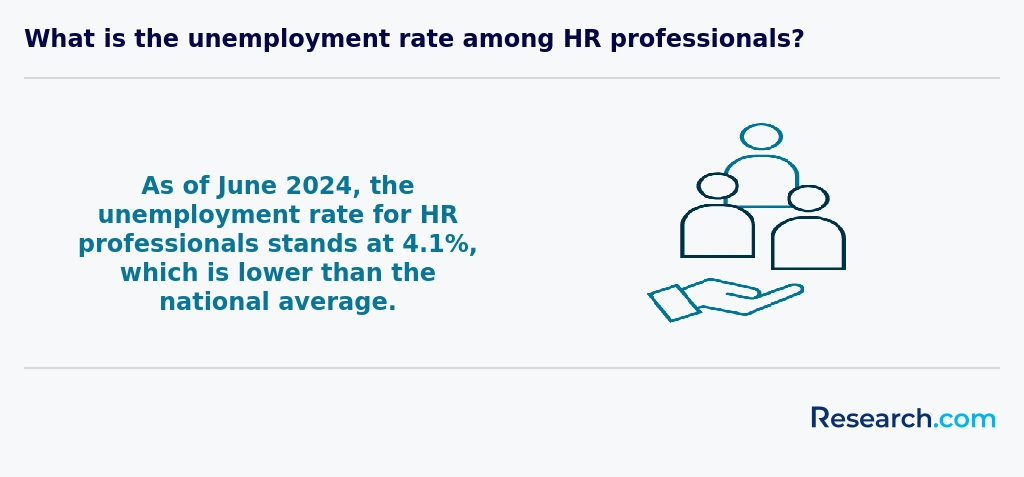
The global perspective on a human resources (HR) career highlights its critical role in managing diverse workforces and adapting to evolving labor markets. In Missouri, students pursuing HR degrees benefit from this global view by gaining skills relevant to international business practices and cultural awareness. According to the U.S. Bureau of Labor Statistics, employment of HR specialists is expected to grow 7% nationally from 2021 to 2031, reflecting increased demand worldwide.
Missouri's HR programs often include coursework in global employment laws, diversity, and strategic management, equipping graduates to navigate global talent landscapes. This global focus prepares Missouri students for careers in companies that operate across borders or with multinational teams.
Gaining practical experience while studying for a human resources degree in Missouri is essential for career readiness. Many Missouri colleges and universities offer internships with local companies, allowing students to apply HR concepts in real workplace settings. For example, the Missouri Economic Research and Information Center highlights the growing demand for HR professionals, which encourages schools to connect students with internships.
Students can also join campus HR clubs or societies, which often host networking events and workshops. Volunteering in HR-related roles with nonprofit organizations provides additional hands-on exposure. Additionally, some programs include cooperative education (co-op) options combining classroom learning with paid work experience.
Using Missouri's workforce development resources can further help students link with employers seeking HR interns. These practical opportunities build skills valued by prospective employers and enhance resumes before graduation.
Choosing the right concentration within a human resources degree program in Missouri involves understanding your career goals and the local job market. Popular concentrations include employee relations, talent acquisition, compensation and benefits, and HR analytics. According to the Missouri Economic Research and Information Center, jobs in human resources are expected to grow by 7% statewide through 2030, signaling strong demand for diverse HR skills.
Research the curriculum and faculty expertise of Missouri colleges offering HR programs to see which areas align with your interests. Also, consider certificate opportunities and internships available to gain practical experience.
Accreditation by the Society for Human Resource Management (SHRM) or the HR Certification Institute can add value to your degree. Missouri's large employers like Express Scripts and BJC HealthCare often seek HR professionals with specialized knowledge, so tailoring your concentration to industry needs can improve your employment prospects.
- 2027 Most Valuable Human Resources Degree Programs Ranking in Kansas
- 2027 Most Valuable Human Resources Degree Programs Ranking in Iowa
- 2027 Most Valuable Human Resources Degree Programs Ranking in Illinois
- 2027 Most Valuable Human Resources Degree Programs Ranking in Indiana
- 2027 Most Valuable Human Resources Degree Programs Ranking in Minnesota
- 2027 Most Valuable Human Resources Degree Programs Ranking in Colorado
- 2027 Most Valuable Human Resources Degree Programs Ranking in Alabama
- 2027 Most Valuable Human Resources Degree Programs Ranking in Georgia
- 2027 Most Valuable Human Resources Degree Programs Ranking in Florida
- 2027 Most Valuable Human Resources Degree Programs Ranking in Delaware
See What Experts Have To Say About Studying Human Resources
Read our interview with Human Resources experts

Thomas Kochan
Human Resources Expert
Professor of Management
Massachusetts Institute of Technology

Chester S. Spell
Human Resources Expert
Professor of Management
Rutgers University


- Choosing a bachelor's in human resource management | edX https://www.edx.org/resources/how-to-choose-a-bachelors-in-human-resource-management
- 13+ Human Resources Cover Letter Examples (with In-Depth Guidance) https://www.tealhq.com/cover-letter-examples/human-resources
- Online Human Resources Professional from University of Central Missouri https://careertraining.ucmo.edu/training-programs/human-resources-professional-course-online/
- CourseCareers https://coursecareers.com/blog-posts/how-to-break-into-human-resources
- What’s it like to study human resources management? https://www.murdoch.edu.au/news/articles/what-s-it-like-to-study-human-resources-management
- Salary Guide for Future HR Managers https://www.allbusinessschools.com/human-resources/salary/
- HR's Guide to Effective Career Development https://orangehrm.com/resources/learn-in-depth/hr-guide-to-effective-career-development
- The Top 5 HR Challenges Today https://www.apqc.org/blog/top-5-hr-challenges-today
- Networking with Mile High SHRM https://www.milehighshrm.org/page/Networking
- What skills and competencies do you need for a career in HR? https://targetjobs.co.uk/careers-advice/hr-and-recruitment/what-skills-and-competencies-do-you-need-career-hr