2027 Most Valuable Human Resources Degree Programs Ranking in Kansas

Co-Founder and Chief Data Scientist
Choosing the right human resources degree program can shape your future career and open doors to exciting opportunities in Kansas. This article presents the 2027 Most Valuable Human Resources Degree Programs Ranking in Kansas, created by the Research.com team of data scientists to help you make an informed and confident decision.
By exploring this ranking, you'll discover which programs offer the best value, quality education, and strong career prospects. Pursuing a human resources degree is a rewarding step toward building meaningful connections and making a positive impact in the workplace.
Key benefits of getting human resources degree in Kansas
- Salary for human resources degree graduates: Jobs like Recruitment Coordinator and Human Resources Generalist in Kansas offer mean annual wages around $76,060, reflecting strong earning potential in the field.
- Career paths: Graduates from popular Kansas universities often pursue roles such as Employee Relations Specialist or Training and Development Coordinator, enjoying diverse opportunities and steady growth.
- Online degree benefits: Earning a human resources degree online from a reputable Kansas institution provides flexibility for working students and faster entry into the workforce, without sacrificing quality education.
- 2027 Most Valuable Human Resources Degree Programs Ranking in Kansas
- What can I expect from human resources degree in Kansas?
- Where can I work with human resources degree in Kansas?
What can I expect from human resources degree in Kansas?
The average cost of pursuing a human resources degree in Kansas is generally more affordable compared to many other states, making it an attractive option for students focused on workforce management careers. Graduates from institutions like Wichita State University and the University of Kansas often share that tuition costs align well with state standards while delivering strong value through comprehensive HR curricula and experiential learning opportunities. These students frequently mention how affordable tuition allowed them to invest more in internships and certification preparation, boosting their employability.
Financial aid and state-specific scholarships designed for business and workforce development fields further ease the financial burden. Many HR students describe their experiences navigating these financial resources as encouraging, especially when coupled with practical training in employment law, diversity management, or organizational psychology. This supportive financial environment at Kansas schools enables students to focus on gaining real-world skills without overwhelming debt concerns, creating a positive and motivating educational journey.
Where can I work with human resources degree in Kansas?
Graduates with a human resources degree from institutions like the University of Kansas and Kansas State University commonly find dynamic career opportunities across the state's varied economy. Many enter the healthcare sector, joining organizations such as Kansas Health System, where they apply their knowledge to recruit top medical talent and navigate complex labor regulations. These roles often bring a rewarding sense of impact as they contribute to staff wellness and patient care support.
Others pursue careers in education, working within universities' HR departments to manage faculty hiring and benefits. This path offers graduates a collaborative environment focused on academic excellence and diverse workforce needs. Manufacturing employers, including Spirit AeroSystems and Garmin, also actively recruit HR professionals to lead training initiatives and ensure workplace safety, providing graduates with practical experience in large-scale operations.
State and local government agencies in cities like Topeka and Wichita offer stable, fulfilling roles managing civil service hiring and employee relations. Graduates frequently express satisfaction working in these sectors, valuing the blend of job security and community involvement that HR careers in Kansas provide.
Graduates with a human resources degree in Kansas can expect competitive earnings across several key roles. For example, entry-level graduates often secure positions as Human Resources Assistants or Generalists, where the mean annual wage is about $76,060, according to recent U.S. Bureau of Labor Statistics data. This figure reflects a strong starting point for new professionals, especially those from respected institutions like the University of Kansas or Wichita State University, where students frequently emphasize the value of practical internships enhancing their job readiness.
More specialized roles such as Recruitment Coordinators and Employee Relations Specialists also offer average salaries near $76,060 annually, indicating stable earning potential early in one's career. Training and Development Coordinators, another popular path for graduates, earn slightly less, with a mean annual wage of approximately $71,980, yet these positions often provide rewarding opportunities for personal growth and organizational impact.
Graduates report feeling confident entering the workforce in vibrant urban centers like Overland Park, where companies value the comprehensive education provided by Kansas universities. This strong alignment between academic preparation and industry demand contributes to a positive outlook on salary progression in the state.
- Public universities in Kansas charge about $8,000 to $12,000 per year for in-state undergraduate tuition, while private schools range from $20,000 to $35,000 annually.
- Employment for HR specialists in Kansas is expected to grow moderately due to the state's diverse economy including manufacturing, healthcare, education, and agriculture.
- Entry-level salaries for HR graduates start around $45,000 per year, with experienced professionals earning approximately $70,000 annually.
- Kansas offers accredited Bachelor's and Master's degree programs in HR management and related fields, often including internship or cooperative education options.
- Certifications like Professional in Human Resources (PHR) and SHRM Certified Professional (SHRM-CP) are available and valued for career advancement in Kansas.
Completing a human resources degree in Kansas typically requires commitment and varies by degree level. For instance, graduates from well-regarded institutions such as the University of Kansas or Wichita State University often report that an associate degree takes about two years of consistent full-time study. This path suits those eager to enter the workforce quickly or transfer into a bachelor's program.
Bachelor's degrees in human resources usually demand around four years of full-time attendance, encompassing approximately 120 to 130 credit hours. Graduates from these prominent Kansas universities describe a balanced curriculum featuring labor relations, employment law, and employee development, equipping them with skills for mid-level HR roles.
For those pursuing a master's degree or an MBA with an HR focus, study periods commonly extend one to two years beyond the bachelor's. Many students in Kansas appreciate flexible options, including evening or online formats, which allow integration of work and study but may lengthen completion time.
Personal experiences highlight that factors such as part-time enrollment, transfer credits, and required internships greatly influence duration, making the journey both manageable and rewarding.
Prospective students should consider not only tuition but also ancillary expenses when evaluating Human Resources degree programs in Kansas. In-state tuition at public universities such as the University of Kansas and Kansas State University typically ranges from $9,500 to $12,000 per year, while out-of-state students may pay between $25,000 and $30,000 annually. Community colleges offer more affordable options, with associate degree programs costing approximately $4,000 to $6,000 per year for in-state residents. Private institutions can range from $15,000 to over $35,000 annually, depending on program prestige and campus resources. Additional costs often include:
- Fees (technology, activity, lab): $500–$1,200 per semester
- Books and supplies: $1,200–$1,800 per year
- Living expenses (housing, meals, transportation): $10,000–$14,000 per year Many students offset these costs through work-study, part-time employment, and institutional scholarships. Comparing these figures to out-of-state benchmarks can provide broader context; for example, our Affordable Human Resources Degree Programs Ranking in California highlights programs with tuition as low as $6,000 per year for in-state California residents. By projecting a four-year bachelor’s degree, Kansas residents can expect total tuition and fees between $38,000 and $48,000, excluding living expenses. Factoring in financial aid and grants, many graduates report reducing their net cost by 25–40%. Understanding this investment upfront empowers students to evaluate return on investment accurately and choose the program that aligns with both career goals and budgetary requirements.
Online human resources degree programs in Kansas offer flexibility that appeals to working adults and those managing family responsibilities. Graduates from these programs often appreciate the ability to study at their own pace, accessing coursework anytime without the need to commute. This is especially beneficial for students living far from urban centers like Wichita or Lawrence, where popular universities offer on-campus options. For example, an online HR student balancing a full-time job has praised the convenience of logging into virtual classes late at night after work.
On the other hand, on-campus HR degree programs emphasize face-to-face interaction and networking. Students attending universities in cities such as Lawrence value immediate feedback from professors and the chance to participate in career fairs or HR student organizations. Graduates often highlight how these experiences helped them build local industry connections vital for internships and job placements.
Both formats cover core topics like labor relations and employment law, but online programs require self-discipline, while on-campus studies foster direct engagement. Kansas students choose based on their lifestyle and career goals, knowing both paths meet rigorous accreditation standards from SHRM.
The average cost of earning a human resources degree in Kansas varies considerably depending on residency status and the choice between public and private institutions. For in-state students attending public universities such as the University of Kansas or Kansas State University, the median total cost is approximately $9,684 annually for tuition and fees. Many graduates share how this affordability allowed them to pursue their education without excessive financial strain, making their investment feel both manageable and worthwhile.
Out-of-state students face a significantly higher median cost, close to $34,149. This stark difference emphasizes the importance of residency when planning for the total cost of HR degree programs Kansas residents generally consider. For those attending private universities like Baker University or Friends University, tuition often aligns with the out-of-state rates at public schools, creating an additional budget consideration for these students.
Beyond tuition, students should factor in expenses such as books, supplies, and living costs, which can add several thousand dollars annually. Many graduates express relief upon discovering financial aid options that help offset these costs, allowing them to focus on their studies and career preparation. Prospective students are encouraged to explore scholarship opportunities and contact schools directly for support.
For those seeking more information about the most cost-effective options, the most affordable human resources programs in kansas provide a helpful resource to identify institutions balancing quality and price.
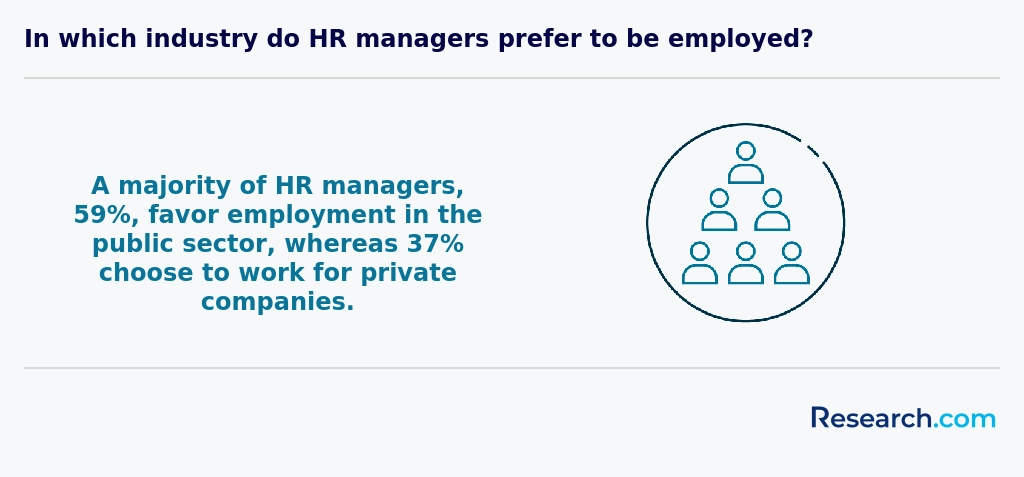
For prospective students, understanding the overall financial investment of an HR degree-from tuition and fees to additional costs such as textbooks and technology-is crucial when evaluating a program’s true value. In Kansas, tuition for HR degree programs can vary significantly based on the institution and the educational level pursued, ranging from affordable community college options to premium private universities. To assess the return on investment (ROI), students should not only consider the direct costs but also how the degree may influence long-term earning potential and career growth. Real-world data shows that graduates often experience a substantial salary boost within a few years of entering the workforce, making this investment rewarding despite the initial expenses. In addition, many institutions provide extensive support through scholarships, grants, and work-study opportunities, reducing the financial burden. If you’re looking to compare program costs and evaluate value, explore the most affordable human resources programs in kansas to find options that align with your budget and career objectives. This comprehensive cost analysis supports informed decisions that balance academic quality with financial feasibility, ensuring that your investment today paves the way for a prosperous tomorrow in the field of Human Resources.
Students pursuing human resources degrees in Kansas often rely on a combination of federal and state financial aid to manage their educational expenses. For instance, graduates from the University of Kansas have frequently benefited from Pell Grants, which provide need-based funds up to $7,500 annually without requiring repayment. These grants have relieved significant financial pressure during their studies, allowing them to focus more on academic success.
Additionally, federal student loans with fixed interest rates and flexible repayment plans are commonly utilized by students at Kansas State University, offering a practical solution for covering remaining costs beyond grants.
Kansas-specific scholarships and grants, such as those administered through the Kansas Board of Regents, also play a vital role. Many human resources students report that the Kansas Comprehensive Grant helped bridge funding gaps based on academic merit and financial need, making tuition affordable.
- Departmental scholarships at universities target business and HR students, rewarding leadership and community service.
- Private organizations like the Kansas Society for Human Resource Management provide local scholarships that foster a sense of professional belonging.
Work-study programs and part-time campus employment further alleviate financial burdens while providing valuable HR-related experience, a benefit frequently cited by recent alumni.
Moreover, employer-sponsored tuition assistance offers an important resource for working students, enhancing career growth while offsetting costs through tuition reimbursement programs.
Enrolling in human resources degree programs in Kansas requires meeting specific academic and administrative prerequisites. For undergraduate candidates, a high school diploma or equivalent such as a GED is essential. Universities like the University of Kansas and Kansas State University value strong performance in courses like English and social studies, reflecting the communication and analytical skills vital in HR. Many applicants recount how submitting letters of recommendation and a personal essay helped them stand out during admissions, showcasing genuine interest in the field.
Graduate programs in Kansas expect applicants to hold a bachelor's degree, often welcoming diverse academic backgrounds including business or social sciences. Some graduate students from local institutions highlight the importance of maintaining a minimum GPA near 3.0 and providing GRE or GMAT scores when required. Practical experience in HR, while not mandatory, is strongly encouraged-many graduates share that documenting internships or HR-related jobs significantly bolstered their applications.
Such prerequisites not only prepare students academically but also foster confidence and enthusiasm for pursuing a rewarding career in human resources within Kansas's dynamic professional environment.
Human resources degree programs in Kansas typically include core courses such as human resources management, employment law, compensation and benefits, talent acquisition, and organizational behavior. Graduates from well-regarded institutions like Wichita State University often recall how foundational courses in workforce planning and job analysis gave them practical skills to navigate real HR challenges in local industries.
Employment law classes are especially valued as they cover both federal and state regulations, helping students understand the regional labor laws that are crucial for effective HR management in Kansas. Many alumni share that this knowledge empowered them to confidently address workplace policies and compliance issues.
Courses on compensation strategies and benefits management teach students to design competitive pay structures-a vital skill given Kansas's median HR specialist wage of around $60,000. Graduates appreciate how these lessons prepared them to balance attracting talent with budget constraints in local businesses.
Additionally, hands-on talent acquisition and performance management courses at schools like Fort Hays State University allow students to simulate interviewing and training processes, making classroom lessons feel meaningful and applicable to growing sectors such as manufacturing and healthcare.
Technology integration and diversity inclusion also feature prominently, shaping well-rounded professionals ready to meet the evolving needs of Kansas employers.
Human resources degree specializations in Kansas cover several focused areas that prepare graduates for diverse career paths in HR management. Among these, Talent Acquisition and Recruitment stands out, with an emphasis on attracting and hiring top candidates-vital for Kansas employers in healthcare and manufacturing sectors. Graduates from prominent institutions in the state often describe how practical recruitment strategies acquired in their programs enable them to effectively support local businesses' staffing needs.
Another key area is Employee Relations and Labor Relations, which addresses workplace dynamics and compliance with labor laws. Kansas's blend of union and non-union workplaces makes this a critical concentration. Students specializing here typically appreciate how their coursework at well-known Kansas universities prepares them to navigate complex employee negotiations with confidence and empathy.
Other notable focuses in Kansas human resources management include Compensation and Benefits, vital for designing competitive pay structures, and Organizational Development and Training, which enhances workforce skills and company performance. Increasingly, programs incorporate HR Information Systems (HRIS) to meet growing digital demands in HR.
Prospective students looking for cost-effective options may consult the Affordable Human Resources Degree Programs Ranking in California as a benchmark, recognizing that Kansas offers even more affordable tuition ranging from $7,500 to $15,000 annually. These varied specialization opportunities reflect the comprehensive nature of human resources degree specializations in Kansas.
Choosing the best human resources degree programs Kansas offers requires evaluating several critical factors. Graduates from the University of Kansas and Wichita State University often emphasize the importance of regional accreditation, ensuring their credits transferred smoothly and qualified them for federal financial aid. Cost considerations notably influence decisions, with in-state tuition ranging from $8,000 to $12,000 annually, making affordable HR degrees Kansas students seek a practical necessity. Curriculum relevance is key: successful alumni highlight programs featuring comprehensive courses in employment law, talent management, and real-world internships that mirror Kansas's workforce environment.
Flexibility is another crucial aspect. Many working adults benefit from online or hybrid formats. Kansas students have expressed satisfaction enrolling in accelerated degree college options for working adults, balancing education with professional commitments effectively. Strong career support linked to local employers in Overland Park and Topeka enhances job placement opportunities, while programs aligned with certification standards like PHR or SHRM-CP bolster graduate confidence and employability in Kansas's labor market.

Graduates holding a human resources degree in Kansas find diverse career paths within the state's dynamic economy. Popular roles include HR specialists, recruiters, training and development coordinators, and compensation analysts. Many graduates from institutions such as Kansas State University or the University of Kansas report rewarding experiences entering these fields, enjoying the ability to contribute to employee well-being and organizational success. These roles often involve hands-on engagement with workforce planning, talent acquisition, and employee relations, which align closely with student training and internships.
Human resources careers in Kansas reflect a steady demand, especially in metropolitan areas like Wichita and Kansas City, where businesses range from healthcare to manufacturing. Graduates note the value of their degree in securing positions such as labor relations specialists or compensation and benefits managers, emphasizing how their education provided practical skills to navigate complex workplace environments.
Students exploring job opportunities with HR degree Kansas also recognize the importance of flexible educational paths; enrolling in programs praised for offering some of the easiest degrees to balance alongside part-time employment helps them launch careers more seamlessly.
The human resources job outlook in Kansas is promising, with steady growth driven by industries such as manufacturing, healthcare, education, and government agencies. Graduates from popular Kansas universities often find rewarding employment opportunities where they can apply skills in recruitment, employee training, and labor compliance. These institutions provide robust internship programs that help bridge classroom learning with practical workforce demands, enhancing graduates' job readiness and confidence.
Kansas HR degree employment opportunities typically include roles in staffing, benefits administration, and labor relations, offering diverse pathways for career development. Many graduates appreciate that the region's salary levels, while slightly below the national average, remain competitive and sufficient to support a comfortable lifestyle in Kansas. Students benefit from the relatively affordable tuition fees at public universities and community colleges, which is appealing to those pursuing in-state education.
For those interested in advancing their education, options such as pursuing a doctoral degree no dissertation are available, enabling further specialization without the added burden of dissertation research, thereby maintaining momentum in their careers.
2027 Most Valuable Human Resources Degree Programs Ranking in Kansas
Investing in your education is a significant decision that can shape your professional future, and the Research.com team recognizes the importance of making well-informed choices. To support prospective students in Kansas, we have carefully developed the "2027 Most Valuable Human Resources Degree Programs Ranking in Kansas." Our dedication to quality, credibility, and accuracy is evident in the thorough research and analysis behind this ranking.
We utilized the following reputable data sources to ensure a comprehensive evaluation of human resources degree programs:
By consulting this ranking, readers will gain valuable insights into the most worthwhile human resources programs in Kansas, empowering them to make confident educational decisions. For a detailed explanation of our approach, please visit our Research.com methodology page.
# 1 position
Wichita State University
Bachelor of Business Administration in Human Resource Management


# 4 position
Southwestern College
Bachelor of Science in Human Resource Management

# 5 position
Ottawa University-Online
Master of Science in Human Resource Management

Frequently Asked Questions About human resources
Human resources degree students in Kansas can maximize their learning experience by engaging in internships offered through local businesses and government agencies. According to the Kansas Department of Labor, Kansas hosts over 30,000 HR-related jobs, making practical experience highly valuable.
Students should also participate in professional organizations like the Kansas Society for Human Resource Management (SHRM). This offers networking, workshops, and certification resources that enhance classroom learning.
Additionally, taking advantage of courses with a strong focus on employment law, labor relations, and workforce analytics is recommended. Numerous Kansas universities incorporate these topics, which align with state and federal employment regulations, ensuring practical relevance.
Utilizing campus career services to connect with employers in Topeka and Wichita can also provide job placement opportunities post-graduation.
Emerging niches in human resources reflect significant changes in workforce demands, especially in Kansas. One growing area is HR analytics, where professionals use data to improve hiring and retention. According to the Kansas Department of Labor, companies increasingly seek HR specialists skilled in interpreting workforce metrics.
Another niche is diversity, equity, and inclusion (DEI). Many Kansas organizations prioritize creating inclusive workplaces, pushing demand for experts guiding DEI policies and training.
Additionally, HR technology management is rising as firms adopt advanced software for recruiting and employee management. Knowledge in digital HR platforms benefits graduates entering the Kansas job market.
These emerging areas offer promising career paths for those pursuing human resources degrees in Kansas.
After earning a human resources degree in Kansas, preparing for the job market involves practical steps to increase employability. Kansas has a growing demand for HR professionals, with the Bureau of Labor Statistics projecting a 7% job growth for HR specialists in the Midwest through 2031, slightly above the national average. Students should pursue internships or cooperative education programs offered by many Kansas universities to gain hands-on experience.
Networking is vital. Joining local chapters of professional organizations like SHRM Kansas Chapter can connect graduates with employers. Additionally, obtaining certifications such as the SHRM-CP or PHR can enhance credentials and salary potential. Staying current with Kansas labor laws and HR technology trends also helps stand out in job interviews.
Employers in Kansas highly value human resources graduates who possess strong communication and interpersonal skills. These abilities are essential for managing employee relations and fostering workplace collaboration. According to the Kansas Department of Labor, knowledge of employment law and compliance ranks among the top technical skills sought by local employers.
Analytical thinking is also critical, as HR professionals often handle employee data and performance metrics. Moreover, proficiency with HR information systems and software is increasingly important, reflecting national trends reported by the Society for Human Resource Management (SHRM).
Finally, adaptability and problem-solving skills help graduates navigate the evolving demands of Kansas's diverse industries.
Finding internships in Kansas relevant to a human resources degree starts with exploring opportunities through university career centers. Many Kansas institutions, including the University of Kansas and Kansas State University, maintain partnerships with local businesses seeking HR interns.
Online job boards such as Handshake and Indeed list numerous HR internships in Kansas cities like Wichita, Overland Park, and Topeka. The Kansas Department of Labor also provides resources and data on industries with growing HR needs, which can guide internship searches.
Networking is vital; joining local chapters of professional organizations like the Society for Human Resource Management (SHRM) Kansas Chapter often leads to internship leads.
A human resources degree significantly enhances career mobility and advancement opportunities within Kansas's workforce. According to the Kansas Department of Labor, employers increasingly seek candidates with formal HR education for roles such as HR specialists, recruiters, and managers. Graduates with a degree often qualify for higher starting salaries, with median annual wages for HR managers in Kansas reaching approximately $90,000 as of 2023.
Possessing a human resources degree also facilitates access to professional certifications like SHRM-CP and PHR, which are valued in Kansas's competitive job market. These certifications, supported by degree education, improve prospects for promotion and leadership positions within organizations.
Moreover, Kansas businesses in sectors like manufacturing, healthcare, and education show a persistent demand for skilled HR professionals, making the degree an important credential for career progression statewide.
Studying for a human resources degree in Kansas provides students with broad, interdisciplinary skills essential for today's diverse workplace. Kansas universities often integrate courses in business management, labor law, psychology, and communication. This blend equips graduates to navigate complex HR issues involving employee relations, organizational behavior, and regulatory compliance.
According to recent data from the Kansas Department of Labor, HR professionals in the state increasingly collaborate across departments such as finance and operations. Programs emphasize this interaction, fostering skills that extend beyond traditional HR functions.
Additionally, Kansas institutions frequently offer experiential learning through internships and partnerships with local industries including manufacturing and healthcare, where interdisciplinary teamwork is critical. This approach prepares students for versatile roles in HR and allied fields.
Choosing between a thesis and a non-thesis human resources degree program in Kansas depends largely on your career goals. A thesis option involves conducting original research and writing a substantial paper, which benefits students aiming for research roles or doctoral studies. Non-thesis programs focus more on practical coursework and internships, preparing graduates for leadership and management roles in Kansas's growing HR sector.
Data from the Kansas Department of Labor indicates a steady 5% annual growth in HR jobs statewide, emphasizing practical skills. Universities like the University of Kansas and Wichita State offer both options, often with similar credit requirements and tuition costs.
Consider your learning style and professional aims when making this decision.
Students in Kansas who wish to study human resources abroad have several pathways through US universities with international partnerships. Many Kansas institutions, such as the University of Kansas and Wichita State University, offer study abroad programs or exchange agreements with schools in Europe, Asia, and Australia. These programs often allow students to earn credits toward their human resources degree while gaining global experience.
Additionally, some programs incorporate internships with multinational companies, which is valuable given Kansas's growing HR job market projected to increase by 8% through 2030, per the Bureau of Labor Statistics.
Students may also explore virtual global classrooms, which have expanded access to international HR education without leaving Kansas.
Students pursuing human resources degrees in Kansas have various part-time job opportunities that can enhance their education. Positions such as HR assistants, recruiters, or administrative support in local businesses and nonprofit organizations provide practical experience. According to the Kansas Department of Labor, HR-related roles in the state are expected to grow by 9% between 2020 and 2030, reflecting increasing demand for skilled professionals.
Additionally, working in employee relations or payroll assistance can deepen understanding of HR processes. Many Kansas employers, including those in Wichita and the Kansas City metropolitan area, offer internships and part-time roles aimed at students. Engaging in these roles while studying helps develop essential skills such as communication, conflict resolution, and data management, complementing academic learning.
Human resources students in Kansas have several valuable networking opportunities to enhance their careers. Many universities, such as the University of Kansas and Kansas State University, host HR-specific events and career fairs that connect students with local employers. These events often feature workshops, guest speakers, and internship fairs tailored for HR roles.
The Kansas Society for Human Resource Management (SHRM) chapter actively supports students by offering membership discounts, mentoring programs, and regional conferences. According to SHRM, Kansas has over 1,000 HR professionals participating in local chapters, providing rich networking potential.
Additionally, employment data from the U.S. Bureau of Labor Statistics shows a growing demand for HR specialists in Kansas, encouraging robust community connections between students and industry leaders.
Alumni networks play a crucial role for human resources degree students in Kansas by providing valuable connections and career opportunities. Graduates from Kansas institutions often join these networks, which can include thousands of professionals working in HR roles across the state. According to the Society for Human Resource Management (SHRM), networking remains one of the top methods for job placement in human resources.
Through alumni events, mentoring programs, and online platforms, students gain insights into current HR trends and local job market demands. These networks also offer support during internships and job searches, which can be particularly impactful given Kansas's growing business sectors in Wichita and Overland Park.
Engagement with alumni increases access to exclusive job listings, workshops, and professional development resources. In Kansas, where localized professional connections help navigate the competitive HR field, the alumni network is an important asset for career advancement.
Customizing a human resources degree program in Kansas allows students to align their education with specific career goals. Many universities in Kansas offer elective courses in areas like employee relations, organizational development, and employment law. Selecting these electives helps tailor your expertise toward roles such as HR management or labor relations.
Internships and cooperative education opportunities within Kansas companies can provide practical experience, which is valuable for career advancement. According to the Kansas Department of Labor, HR-related jobs in the state are projected to grow by 8% from 2022 to 2032, emphasizing the importance of hands-on skills.
Additionally, some Kansas programs allow students to pursue certifications like SHRM-CP alongside their degree, enhancing professional credentials.
Human resources students in Kansas often face a variety of challenges as they pursue their degrees. One significant difficulty is balancing coursework with gaining practical experience, particularly in smaller cities where internships and entry-level opportunities in HR may be limited. According to the Kansas Department of Labor, while HR job growth is steady, competition remains intense, pushing students to seek additional certifications alongside their degrees.
Another challenge lies in adapting to evolving employment laws and diversity regulations, which require continuous learning. Students must stay updated on state-specific labor laws, including the Kansas Act Against Discrimination.
Finally, financial constraints also affect many students. Although public universities in Kansas often have lower tuition than national averages, the cost can still be a barrier without scholarships or financial aid.
Graduates with a human resources degree in Kansas have access to several respected professional certifications that can enhance career opportunities and earning potential. One of the most sought-after credentials is the Professional in Human Resources (PHR) certification, offered by the HR Certification Institute. It validates foundational HR knowledge and skills, which are highly valued by Kansas employers.
Another prominent certification is the Society for Human Resource Management Certified Professional (SHRM-CP). This credential focuses on practical and strategic HR management applicable across various industries in Kansas.
For those interested in specialized areas, the Certified Compensation Professional (CCP) certification targets expertise in pay structure and benefits design, a relevant field given Kansas's strong agricultural and manufacturing sectors.
According to the Kansas Department of Labor, HR roles requiring certifications tend to offer salaries 10-15% higher than those without. Pursuing these certifications can significantly boost career prospects in the region.
Writing a winning application for a human resources program in Kansas involves clear demonstration of your interest and qualifications. Highlight relevant work experience or internships in HR or related fields. Admissions committees value applicants who show understanding of local workforce trends; Kansas, with its growing service and manufacturing sectors, offers unique HR challenges worth noting.
Include strong letters of recommendation that speak to your interpersonal and organizational skills. According to the Kansas Department of Labor, the HR field in the state is expected to grow steadily, so emphasize your commitment to this career path. Additionally, tailor your personal statement to explain why studying human resources in Kansas aligns with your goals.
Make sure academic records reflect solid performance in courses such as business, psychology, or communications, as these are foundational to HR studies. Finally, proofread carefully to present a professional and polished application that stands out in a competitive pool.
The global perspective on a human resources career highlights the growing importance of HR professionals in managing diverse workforces and navigating international labor laws. In the United States, including Kansas, HR roles increasingly require cultural competence and knowledge of global compliance standards. According to the U.S. Bureau of Labor Statistics, human resources specialists can expect a 7% job growth from 2021 to 2031 nationwide, reflecting rising demand.
Kansas benefits from this trend, as several key industries such as manufacturing and healthcare expand their HR departments to address workforce globalization. Professionals with international experience or language skills may find competitive advantages.
Universities in Kansas, like Kansas State University, often incorporate global HR practices into their curricula, preparing students for cross-border challenges.
Gaining practical experience while studying for a human resources degree in Kansas is crucial for career success. Many Kansas universities offer internship programs that connect students with local businesses, nonprofit organizations, and government agencies. For example, the University of Kansas and Kansas State University both have cooperative education opportunities where students earn credit while working in HR roles.
Additionally, students can join campus HR or business clubs to develop leadership and networking skills. Kansas has a growing job market in HR, with the Kansas Department of Labor reporting a 7% increase in HR job openings between 2021 and 2023.
Attending local SHRM (Society for Human Resource Management) events in Kansas cities can also provide real-world insights and connections.
Choosing the right concentration within a human resources degree program in Kansas depends largely on your career goals and interests. Common concentrations include talent management, labor relations, and compensation and benefits. Kansas employers often value specializations in labor law and compliance due to the state's diverse industrial base.
Consider the demand for HR roles in Kansas. According to the U.S. Bureau of Labor Statistics, the state expects a steady growth of 9% in human resources positions through 2030. Concentrating in areas like employee training or organizational development can position you well for this growth.
Research specific Kansas schools' offerings and internship opportunities, ensuring alignment with your targeted industry such as agriculture, manufacturing, or healthcare, which dominate the region.
- 2027 Most Valuable Human Resources Degree Programs Ranking in Missouri
- 2027 Most Valuable Human Resources Degree Programs Ranking in Colorado
- 2027 Most Valuable Human Resources Degree Programs Ranking in Iowa
- 2027 Most Valuable Human Resources Degree Programs Ranking in Minnesota
- 2027 Most Valuable Human Resources Degree Programs Ranking in Illinois
- 2027 Most Valuable Human Resources Degree Programs Ranking in Alabama
- 2027 Most Valuable Human Resources Degree Programs Ranking in Indiana
- 2027 Most Valuable Human Resources Degree Programs Ranking in Georgia
- 2027 Most Valuable Human Resources Degree Programs Ranking in Florida
- 2027 Most Valuable Human Resources Degree Programs Ranking in Arizona
See What Experts Have To Say About Studying Human Resources
Read our interview with Human Resources experts

Thomas Kochan
Human Resources Expert
Professor of Management
Massachusetts Institute of Technology

Chester S. Spell
Human Resources Expert
Professor of Management
Rutgers University


- Human Resource Management and Development https://ps.sckans.edu/degrees-and-certificates/bachelors/human-resource-management-and-development/
- Redefining career development: Skills, mobility and retention https://hrexecutive.com/redefining-career-development-skills-mobility-and-retention/
- Want a Career in Human Resources? Your In-Depth (2025) Guide https://www.aihr.com/blog/career-in-human-resources/
- Human Resources - Alumni.space https://www.alumni.space/en/you-are/human-resources/
- How to Maximize the Impact of Alumni Networks https://www.careeros.com/resources/how-to-maximize-the-impact-of-alumni-networks
- HR's Guide to Effective Career Development https://orangehrm.com/resources/learn-in-depth/hr-guide-to-effective-career-development
- How to Become an HR Intern Without Experience - HR University https://hr.university/career/hr-intern/how-to-become-an-hr-intern/
- Unlocking Career Opportunities: How a Degree in Human Resources Can Propel Your Professional Journey https://www.euroeducation.net/articles/unlocking-career-opportunities-how-a-degree-in-human-resources-can-propel-your-professional-journey.htm
- Human Resources Salary in Kansas – KS | HR Manager and Specialist Salaries https://www.humanresourcesedu.org/kansas/kansas-salary/
- Human Resource Management Master's Program (without Thesis) | Eastern Mediterranean University Cyprus https://www.emu.edu.tr/en/programs/human-resource-management-masters-program-without-thesis/1544