2027 Most Valuable Human Resources Degree Programs Ranking in Milwaukee

Co-Founder and Chief Data Scientist
Are you considering a career in human resources and wondering which degree programs in Milwaukee offer the best value? This article introduces the 2027 Most Valuable Human Resources Degree Programs Ranking in Milwaukee, carefully developed by the Research.com team of data scientists. It is designed to guide students like you in making informed decisions about your education.
Exploring this ranking can help you find programs that open doors to rewarding careers. Pursuing a human resources degree brings opportunities for growth, meaningful work, and personal satisfaction. Let this guide be your first step toward a bright future.
Key benefits of getting human resources degree in Milwaukee
- Salary for human resources degree graduates: Graduates in Milwaukee can expect competitive salaries, such as $76,060 annually for roles like Human Resources Generalist and Recruitment Coordinator, providing financial stability and growth opportunities.
- Career paths: A human resources degree from a local university opens doors to diverse careers including Employee Relations Specialist and Training and Development Coordinator, allowing graduates to find fulfilling roles that match their interests.
- Online degree benefits: Earning a human resources degree online from a Milwaukee college offers flexibility and convenience, ideal for balancing work or family while still gaining credentials that employers value.
- 2027 Most Valuable Human Resources Degree Programs Ranking in Milwaukee
- What can I expect from human resources degree in Milwaukee?
- Where can I work with human resources degree in Milwaukee?
What can I expect from human resources degree in Milwaukee?
If you're wondering about the cost of getting a human resources degree in Milwaukee, here's the scoop: on average, tuition and fees at popular schools like the University of Wisconsin-Milwaukee and Marquette University usually fall somewhere between $10,000 and $15,000 per year for in-state students. Graduates often share how affordable these programs feel when compared to big-city schools, making it easier to focus on learning instead of stressing over sky-high bills.
Many students highlight the value they get from hands-on experiences, like internships with local companies, which these Milwaukee schools connect you with. This practical side not only boosts your resume but also feels like a win when you see your paycheck start coming from real HR work after graduation.
Plus, Milwaukee's universities often offer financial aid and scholarships tailored to human resources students, so it's worth checking out. That little help can really make a difference, turning the whole experience into something doable and rewarding.
Where can I work with human resources degree in Milwaukee?
If you're studying human resources in Milwaukee, you're in luck because the job options here are pretty diverse and exciting. Graduates from schools like the University of Wisconsin-Milwaukee often find themselves working in big manufacturing companies such as Harley-Davidson, where HR teams are busy hiring and training tons of employees every day. It's a hands-on experience that really shows how important good people management is in big factories.
Many grads also land HR roles in healthcare, with places like Aurora Health Care offering a chance to get into staff recruitment and benefits administration. It's rewarding work, especially knowing you're helping support those who care for others. Plus, students from local colleges love the real-world internships these health systems provide.
Education is another popular path. Milwaukee Public Schools and local universities need HR pros who understand public sector rules and can handle payroll and staff development. If you want variety, downtown's professional service firms and nonprofits also seek HR experts for recruitment and employee relations. Milwaukee's growing demand for HR roles means you'll find solid opportunities to start or grow your career right here.
If you're studying human resources in Milwaukee, you're probably wondering what kind of paycheck to expect after graduating. Well, grads from local schools often find themselves stepping into roles like Human Resources Assistant or Recruitment Coordinator, and according to recent data, these positions offer mean salaries around $76,060 a year. Not too shabby for starting out!
Many graduates share how landing these jobs feels like a great win-getting to apply what they learned at well-known Milwaukee colleges right away. For example, those working as Training and Development Coordinators make about $71,980 annually, which is solid when you're just starting your career.
Then there are roles like Employee Relations Specialists or Human Resources Generalists, with similar average salaries hovering near $76,060. It's the kind of money that makes those late-night study sessions worth it.
So whether you're fresh out of school or climbing the ladder in Milwaukee's HR scene, the paycheck outlook is encouraging and keeps plenty of grads feeling excited about their career paths.
- In-state undergraduate tuition at public universities in Milwaukee ranges from $6,000 to $10,000 per year; private schools may charge over $25,000 annually.
- Graduate programs usually cost more, with public universities charging upwards of $15,000 per year for HR degrees.
- Entry-level HR professionals in Milwaukee earn about $50,000 to $55,000 per year on average.
- Mid-career HR managers and senior specialists can earn between $75,000 and $90,000 annually.
- The local job market includes sectors like manufacturing, healthcare, education, and financial services, all needing HR support.
- Many graduates pursue certifications such as SHRM-CP or PHR to improve their job prospects and professional network.
If you're thinking about getting a human resources degree in Milwaukee, most folks start with a bachelor's, which usually takes about four years if you're studying full-time. It's the standard route, covering everything from organizational behavior to employment law. Plenty of graduates from schools like the University of Wisconsin-Milwaukee mention how balancing general education and HR classes kept things interesting but manageable.
But maybe you want to jump in faster? An associate degree from Milwaukee Area Technical College can get you going in about two years, perfect if you're eager to start working or want a solid foundation before transferring later on.
For those aiming higher, a master's can take one to two years full-time, though many pros take evening or part-time courses to fit around their jobs. Graduates often say this flexibility really helps when juggling work and study.
Then there are certificate programs that can wrap up in just a few months. They're great if you want to boost specific HR skills pretty quickly without committing to a full degree.
What really changes your timeline? Whether you're full-time or part-time, online or in-person, and how many transfer credits you bring to the table. Milwaukee's options are set up to fit different lifestyles, making it easier to find a rhythm that works for you.
In today's rapidly evolving workplace, staying ahead requires more than just a solid academic foundation-it demands a continual pulse on industry innovations and emerging trends. Prospective and current HR professionals are increasingly benefiting from curricula that integrate digital transformation, data analytics, and innovative people management practices. For example, many top programs now include courses on HR technology, artificial intelligence applications in recruitment, and remote workforce management, preparing graduates to navigate challenges in a globalized market. These modern insights not only enhance classroom learning but also lead to stronger industry partnerships and internship opportunities, where real-world experiences bridge the gap between theory and practice. As you consider your educational journey, exploring programs at valuable human resources schools in wisconsin can provide a competitive edge by offering exposure to cutting-edge HR strategies and advanced digital tools. Embracing these emerging trends is key to maximizing your degree's value and ensuring long-term career success in an industry that is continually redefining itself.
If you're eyeing a human resources degree in Milwaukee, the biggest difference between online and on-campus programs usually comes down to how you learn and interact. On-campus gigs at local schools give you that buzz of walking through campus, chatting face-to-face with professors, and hooking up with classmates for group projects or study sessions. Plus, you get easy access to career services and can score internships with local Milwaukee businesses, making it simpler to build a network right where you want to work.
Online programs, on the other hand, fit nicely if you're juggling work or family. You can dive into coursework anytime, anywhere-perfect for those busy days when a 9-to-5 clash makes a commute impossible. Graduates from Milwaukee's well-regarded online HR programs often mention how flexible schedules helped them keep their jobs while studying.
Both paths cover the same core topics like employment law and talent management, but on-campus students often enjoy hands-on activities like in-person workshops that really boost people skills. Meanwhile, online learners appreciate saving on commute and housing costs, even if tuition can sometimes rival on-campus prices.
If you're curious about the average cost of a human resources degree in Milwaukee, expect to spend around $65,250 total for the full program. Students who are residents here usually have a bit of a break, spending closer to $51,170 overall. This figure includes tuition, fees, and those everyday expenses like books and supplies that add up faster than you might think. Graduates from popular local spots like the University of Wisconsin-Milwaukee often share how manageable public university costs made balancing school and life a bit easier.
Private colleges in Milwaukee can lean on the higher side in costs, which is something worth keeping in mind. For example, students at Marquette University invest more upfront but feel good about the specialized business education with HR insights they're getting. When you're budgeting, it's smart to think about all expenses together-tuition, fees, supplies, and living costs. This is especially important since living in Milwaukee is more affordable compared to many big cities, giving you more wiggle room in your budget.
Many folks exploring human resources degree tuition and fees Milwaukee find that these average expenses fit well within their plans, especially when they consider the return on investment after graduation. If you want a clearer picture of what to expect, try checking out the detailed info on the https://research.com/degrees/human-resources-degree page-it helped a lot of local students plan ahead and feel confident about their choices.
If you're aiming for a human resources degree in Milwaukee, you've got a bunch of financial aid options to make things easier on your wallet. For starters, many local students talk about how filling out the FAFSA opened doors to federal aid like Pell Grants, which are like free money you don't have to pay back. It's a total lifesaver when you're juggling books and bills.
On top of that, Wisconsin's Higher Education Aids Board offers the Wisconsin Grant, which helped some graduates at the University of Wisconsin-Milwaukee cover a big chunk of their tuition. It's a great boost if you're staying local since it's specifically for residents attending schools like UW-Milwaukee or Milwaukee School of Engineering.
Also, loads of Milwaukee colleges dish out their own scholarships-merit or need-based. A lot of students in the Zilber School of Public Health have scored scholarships that support workforce development, which often ties into HR studies. Plus, private scholarships from groups like the SHRM Foundation can really brighten your budget.
If you're already working, don't forget to check if your employer offers tuition help. Plenty of Milwaukee businesses love investing in their employees' education, offering partial or full tuition reimbursement. It's like getting paid to learn!
Investing in a Human Resources degree in Milwaukee, WI, involves balancing tuition costs against the long-term earnings potential of graduates. On average, in-state tuition at public universities ranges from $10,000 to $30,000 per year, leading to a total cost of $40,000–$120,000 for a four-year bachelor’s program. With graduates reporting starting salaries between $50,000 and $60,000-and mid-career earnings climbing to $70,000–$80,000-students can expect a payback period of roughly 2 to 3 years post-graduation. Factoring in financial aid (averaging $13,500 per year) can reduce this timeframe, often resulting in a net investment that pays for itself in under two years. Beyond salary figures, consider career advancement and salary growth. HR professionals who earn certifications such as SHRM-CP or pursue a master’s degree often see their median salaries increase by 15–25% within five years. Internships and networking-facilitated by Milwaukee’s robust business community-also accelerate career progression, further shortening the ROI horizon. For students exploring cost-effective alternatives or graduate options, comparing programs regionally can be informative. For example, the Cheapest Human Resources Degree Programs Ranking in Pennsylvania highlights institutions where tuition may be 20–30% lower, offering additional pathways to maximize educational value. By strategically selecting accredited programs, leveraging financial aid, and planning for post-graduation certifications, Milwaukee students can achieve a compelling ROI on their Human Resources education.
If you're thinking about enrolling in a human resources degree program in Milwaukee, the basics usually start with having a high school diploma or GED. Graduates from local schools like University of Wisconsin-Milwaukee or Marquette University often say getting that minimum GPA around 2.5 on a 4.0 scale is a practical goal to aim for. Some folks recall prepping for the SAT or ACT, but lots of schools here have test-optional policies now, which takes a bit of pressure off.
Another thing many students mention is showing strong English skills. Whether it's through high school classes or other tests, being able to communicate clearly is huge since HR is all about people and writing. For those going after a master's, having a bachelor's degree is the must. A lot of graduates found that degrees in business or psychology made tackling HR graduate courses a lot smoother. Some programs ask for GRE scores or relevant work experience, so it's smart to check with your school.
Getting letters of recommendation and writing a personal statement also come up as key steps. Many grads say these parts helped them share their passion for HR and stand out during admissions.

If you're thinking about a human resources degree in Milwaukee, expect to dive into courses like Introduction to Human Resource Management where you'll learn how to bring great people into a company and keep them happy. Graduates from schools like the University of Wisconsin-Milwaukee often say these classes made real-world hiring and staffing challenges feel way less intimidating.
Other must-take courses include Employment Law, which breaks down what's legal (and what's not) at work-super important when you want to do things the right way. You'll also get into Organizational Behavior, which helps you understand why people act the way they do in teams, something alumni mention helped them manage workplace conflicts smoothly.
Milwaukee programs don't stop there. You'll study Compensation and Benefits to figure out how to set fair pay and rewards. Training and Development classes will have you designing ways to help employees grow their skills. Plus, with Milwaukee's big manufacturing and healthcare scenes, your coursework often touches on unique challenges local businesses face, giving you an edge when job hunting nearby.

If you're diving into human resources degree specializations Milwaukee offers, you'll find programs that really fit the city's vibe. For example, many grads from popular Milwaukee colleges rave about focusing on talent acquisition and recruitment-perfect for tapping into the city's booming manufacturing and healthcare jobs. It's one thing to learn recruitment theory, but leading hiring drives in a local company brings the lessons to life.
Another go-to path is employee relations and labor relations, which is huge here because union jobs are still a big deal around Milwaukee. Graduates often share how awesome it feels to help solve real workplace conflicts or negotiate unions, making a tangible difference in their communities.
Those curious about the techy side often explore HR analytics and technology, a newer but growing specialization that's becoming hot as businesses adopt smart HR tools. Whether balancing benefits or training staff, students nearby at different colleges appreciate how these HR management concentration programs Milwaukee locals swear by offer practical skills for real-world success. If you want to see a rundown of the options you might face, check out the top MBA programs acceptance rates page for tips on navigating degrees like these.
When choosing the best human resources degree in Milwaukee, you'll want to make sure the program is fully accredited-graduates from local colleges often say it made job hunting way easier, since employers recognize those credentials. It's also smart to look for a degree that covers real-world HR skills, like labor law and HR technology, since Milwaukee's job market values hands-on experience with data and recruitment tools. Many who've studied here share how smaller class sizes at community colleges helped them get personalized attention, which was a big boost.
Cost matters too! Milwaukee offers lots of options, from tech colleges with lower tuition to universities charging around $10,000 a year for in-state students. That flexibility really helped some grads balance school and work without stressing finances. Plus, Milwaukee's strong local economy means getting internships through campus connections is a huge perk.
If you want to speed things up, you might check out a 1 year master's program that fits busy schedules perfectly. Overall, focusing on curriculum, cost, and local opportunities can help you nail the best human resources degree programs Milwaukee has to offer.
If you're diving into human resources in Milwaukee, the career options are pretty exciting. Graduates from local schools like the University of Wisconsin-Milwaukee often land roles as Human Resources Specialists, handling everything from recruiting to screening candidates. It's a real way to get your foot in the door and make an impact on the workforce. Plus, jobs with human resources degree Milwaukee grads snag usually have solid starting salaries around $65,000, so it feels great to see your effort paying off.
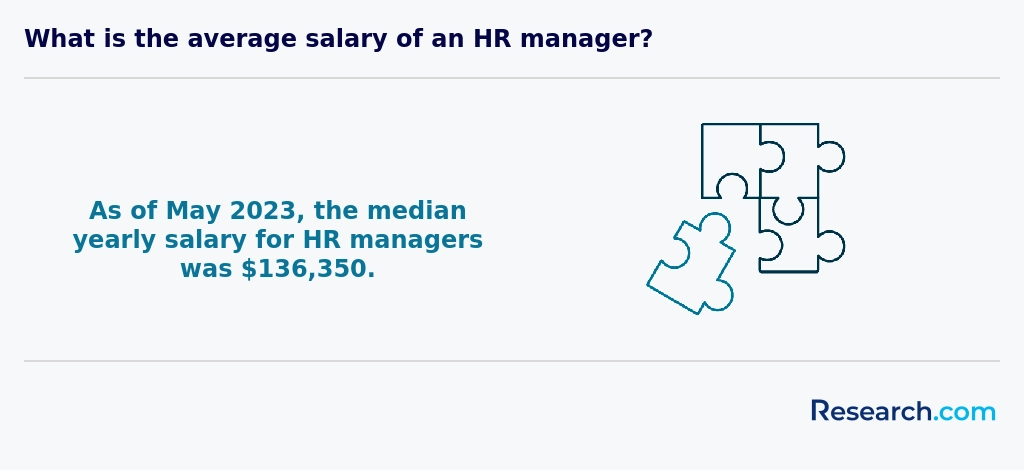
Another popular path is becoming an HR Manager, where you guide entire departments and shape company culture. Milwaukee's growing economy means more demand for this role, with salaries close to $100,000, which definitely motivates grads who want leadership opportunities. You'll also find roles like Benefits Coordinator or Labor Relations Specialist. These jobs let you connect with employees on a personal level, like handling wellness programs or negotiations-a perfect fit if you enjoy problem-solving and helping people.
Students love Milwaukee not just for its diverse industries but also because it's a solid place to study before jumping into these roles. If you want to explore business studies too, check out the top business colleges in Virginia; it might spark some ideas to broaden your career options.
If you're thinking about jumping into the human resources world in Milwaukee, the job market looks pretty steady and promising. With the city's mix of industries like manufacturing, healthcare, and finance, there's a solid demand for people holding an HR degree. Graduates from popular Milwaukee colleges often share how internships and real-world projects helped them land roles in recruitment and employee relations right after finishing school.
Milwaukee's diverse economy means you're not stuck in just one niche-whether it's benefits administration or organizational development, there's room to grow. Salaries here average around $60,000, and those who level up with HR certifications or higher education can see even bigger paychecks. Many students from local programs tell stories about how combining classroom learning with internships made their resumes stand out.
For those weighing their options, tuition varies but expect to pay anywhere from $20,000 to over $40,000 a year. Financial aid and scholarships often ease that burden. To get a better idea of where to study, check out this ranking of valuable human resources schools in wisconsin. It's a great resource if you want to compare programs before diving in.
All in all, the Milwaukee HR degree career opportunities are solid, and the city's steady growth in HR jobs keeps things exciting for new grads ready to make a difference.
2027 Most Valuable Human Resources Degree Programs Ranking in Milwaukee
Investing in your education is a significant decision that can shape your future, and the Research.com team understands the importance of making informed choices. To assist prospective students in Milwaukee, we have meticulously crafted the "2027 Most Valuable Human Resources Degree Programs Ranking in Milwaukee." Our commitment to quality, credibility, and accuracy is reflected in the extensive research and analysis conducted to compile this ranking.
We utilized the following reputable data sources to ensure a comprehensive evaluation of human resources programs:
By exploring this ranking, readers will gain valuable insights into the most valuable human resources degree programs in Milwaukee, empowering them to make well-informed decisions about their educational paths. For more details on our methodology, please visit our Research.com methodology page.


Frequently Asked Questions About human resources
Human resources degree students in Milwaukee can maximize their learning experience by combining classroom knowledge with practical exposure. Engaging in internships at local companies allows students to apply HR theories in real-world settings, which is crucial since Milwaukee hosts diverse industries such as manufacturing and healthcare. According to the Milwaukee Workforce Investment Board, internships improve job placement rates by nearly 60% in this region.
Students should also take advantage of networking opportunities through the Southeast Wisconsin chapter of the Society for Human Resource Management (SHRM). Attending workshops and conferences helps them stay updated on industry trends and regulatory changes relevant to Wisconsin employers.
Furthermore, participating in university-sponsored mentoring programs connects students with experienced HR professionals who offer guidance and career advice. Milwaukee's emphasis on practical learning pathways aligns with national data indicating that experiential learning boosts student retention and post-graduate employment in HR fields.
The field of human resources is evolving rapidly, with emerging niches gaining importance in Milwaukee's dynamic job market. One key area is HR analytics, which uses data to improve hiring and retention strategies. According to the Bureau of Labor Statistics, HR analyst roles are expected to grow faster than average nationally, reflecting local demand for data-driven decisions.
Another growing niche is diversity, equity, and inclusion (DEI) management. Milwaukee's diverse workforce increases the need for specialists who can develop inclusive policies that support organizational culture.
Additionally, remote workforce management has become essential, with many Milwaukee companies adjusting work practices post-pandemic.
After earning a human resources degree in Milwaukee, graduates should focus on building practical experience to stand out in the competitive job market. Milwaukee's strong manufacturing and healthcare sectors often seek HR professionals familiar with labor laws and employee relations. Internships and cooperative education programs offered by local colleges provide valuable networking opportunities and hands-on skills.
Certifications like the Professional in Human Resources (PHR) credential can enhance job prospects, as 70% of HR employers in Wisconsin prefer certified candidates, according to the Society for Human Resource Management (SHRM).
Joining local HR associations, such as the Milwaukee Society for Human Resource Management (MSHRM), helps graduates stay updated on industry trends and expand professional connections.
Employers in Milwaukee seeking human resources degree graduates emphasize several key skills crucial for success in the field. Strong communication abilities top the list, enabling HR professionals to effectively mediate employee relations and clearly convey policies. Additionally, knowledge of employment law and compliance is critical due to evolving regulations impacting Milwaukee-area businesses, according to the Wisconsin Department of Workforce Development.
Analytical skills are equally valued, helping HR specialists use data to improve hiring and retention strategies. Furthermore, proficiency in technology, especially HR information systems like Workday or ADP, increasingly distinguishes candidates. Milwaukee employers also prioritize cultural competence and adaptability, reflecting the city's diverse workforce and dynamic economic environment.
Finding internships in Milwaukee related to a human resources degree involves leveraging local resources and connections. Start by exploring internship programs at Milwaukee-area universities such as the University of Wisconsin-Milwaukee, which often partner with local businesses for HR internships. The Wisconsin Department of Workforce Development reports that Milwaukee hosts over 13,000 human resources jobs, indicating strong demand and opportunities.
Utilize online job platforms like Handshake or LinkedIn, filtering for Milwaukee-based HR internships. Networking events hosted by organizations like the Milwaukee Human Resources Management Association provide valuable contacts in the field. Additionally, reaching out directly to companies in sectors with large HR departments-such as healthcare, manufacturing, and finance-can uncover hidden internship opportunities.
In Milwaukee, earning a human resources (HR) degree significantly enhances career mobility and advancement opportunities. The city's growing business sector, including manufacturing and healthcare, increasingly demands skilled HR professionals to manage workforce needs. According to the U.S. Bureau of Labor Statistics, the Milwaukee metropolitan area expects about 7% growth for HR specialists between 2021 and 2031, higher than the national average.
Having a degree in HR equips graduates with essential skills like labor law, recruitment, and employee relations, which local employers highly value. This academic foundation often leads to faster promotion into managerial roles or specialized HR functions.
Moreover, Milwaukee's networking events and professional organizations, such as the Wisconsin Society for Human Resource Management (WSHRM), provide degree holders with platforms to connect and access job openings.
Studying for a human resources degree in Milwaukee equips students with skills that extend beyond traditional HR functions. Local programs often integrate coursework in business management, labor law, and organizational psychology, fostering a well-rounded understanding of workplace dynamics.
Milwaukee's diverse economy, with strong manufacturing, healthcare, and service sectors, provides students with practical insights into varied interdisciplinary environments. According to the Wisconsin Department of Workforce Development, HR specialists in the region frequently collaborate with IT, finance, and compliance departments, making cross-functional knowledge essential.
Additionally, partnerships between Milwaukee universities and local businesses offer internships that expose students to real-world, interdisciplinary challenges, preparing them for multifaceted roles post-graduation.
Choosing between a thesis and a non-thesis human resources degree program in Milwaukee depends largely on your career goals and learning preferences. Thesis programs generally involve conducting original research, which can enhance critical thinking and may benefit those considering doctoral studies or research roles.
Non-thesis programs focus more on practical coursework and internships, ideal for students aiming for immediate employment in HR management or certification such as SHRM-CP.
According to the National Center for Education Statistics, Milwaukee institutions offering HR degrees provide both tracks, with about 40% of students opting for thesis tracks nationwide, highlighting strong interest in research paths.
Consider also that local employers in Milwaukee value practical experience, so non-thesis programs with internship opportunities often align well with regional job markets. Your choice should reflect your long-term professional goals.
Students in Milwaukee interested in studying human resources abroad have several options through U.S. universities that offer study abroad programs. Many Milwaukee-area schools, including the University of Wisconsin-Milwaukee, collaborate with partner institutions worldwide, providing semester-long or summer programs focused on business and human resources.
These programs often include coursework in international labor laws, cross-cultural management, and global HR strategy, enhancing students' understanding of the global workforce. According to NAFSA, approximately 1.5% of U.S. college students participate in study abroad, and business-related fields, including HR, remain popular choices.
Students should explore exchange opportunities in countries like Canada, the UK, and Australia, where programs align closely with U.S. HR practices, ensuring transferability of credits.
Part-time job opportunities in Milwaukee that complement human resources (HR) degree education often involve roles in administration, recruiting, and employee relations. Positions such as HR assistant, recruitment coordinator, or payroll clerk provide practical experience valuable for HR students. According to the U.S. Bureau of Labor Statistics, Milwaukee's HR sector is growing steadily, with more than 5,000 local HR jobs reported in recent years.
Many businesses in Milwaukee's manufacturing and healthcare industries seek part-time HR support, offering flexible schedules. Gaining skills in applicant tracking systems and benefits administration during part-time roles helps students apply classroom knowledge to real-world settings. Local job boards and university career centers frequently list such opportunities.
Human resources students in Milwaukee have access to various networking opportunities that can enhance their educational and career prospects. Local chapters of national organizations, such as the Society for Human Resource Management (SHRM) Milwaukee Area Chapter, regularly host events, workshops, and meetups tailored to HR professionals and students.
Milwaukee also boasts proximity to numerous corporations and nonprofit organizations, providing students with internship and mentorship possibilities. Universities often collaborate with these businesses to organize career fairs and speaker series focusing on HR topics.
According to SHRM Milwaukee, their membership includes over 2,000 members from the region, offering a broad professional network for emerging HR practitioners. Additionally, students can attend conferences and seminars hosted by nearby institutions like the University of Wisconsin-Milwaukee, which support practical learning and connections within the HR field.
Alumni networks offer significant advantages to human resources degree students in Milwaukee by providing access to experienced professionals in the local job market. Graduates from Milwaukee institutions like the University of Wisconsin-Milwaukee and Marquette University maintain active connections, enhancing mentorship and career opportunities.
According to the Milwaukee Area Technical College Workforce Development Report 2023, 65% of human resources students found internships or jobs through alumni referrals. These networks also facilitate industry events and workshops, keeping students updated on regional HR trends and best practices.
Overall, a strong alumni network can be a crucial resource for career advancement and professional growth in Milwaukee's competitive human resources field.
Customizing a human resources degree program in Milwaukee allows students to align their education with specific career goals. Many Milwaukee-area institutions offer electives focusing on labor relations, talent management, or employment law, which can help students specialize.
Internships with local companies or organizations can provide practical experience and build networks in Milwaukee's job market. Additionally, some programs incorporate certifications like SHRM-CP, valuable for HR professionals nationwide.
According to the Wisconsin Department of Workforce Development, HR-related jobs in Milwaukee County are projected to grow by 7% through 2030, encouraging tailored skill development. Consulting academic advisors and reviewing local labor trends can further optimize program choices.
Human resources students in Milwaukee often face challenges related to balancing practical experience with academic demands. Many programs emphasize internships and real-world projects, which can be difficult to secure in a competitive local market. According to the Milwaukee Workforce Investment Board, HR internship opportunities grew by just 3% annually, making placements a challenge for some students.
Another issue involves staying updated with evolving employment laws, particularly Wisconsin's unique regulations. Students must adapt quickly to changes in state compliance and labor standards.
Financial constraints also impact many, as tuition and living costs in Milwaukee area schools continue to rise, increasing student debt burdens.
With a human resources degree in Milwaukee, professionals can enhance their careers by pursuing recognized certifications. The most sought-after credentials include the Professional in Human Resources (PHR) and the Senior Professional in Human Resources (SPHR), both offered by the HR Certification Institute (HRCI). These certifications demonstrate advanced knowledge and are valued by employers across Wisconsin.
Another key certification is the Society for Human Resource Management Certified Professional (SHRM-CP), which is popular among HR practitioners nationwide. According to the Milwaukee Workforce Investment Board, HR roles in Milwaukee have grown by 7% over the past five years, increasing demand for certified professionals.
Additional options include specialized certificates in talent acquisition, compensation, and employee relations, which can complement a general HR degree. Pursuing these certifications can improve job prospects and earning potential in Milwaukee's evolving labor market.
Applying to a human resources program in Milwaukee requires a focused and well-prepared application. Start by researching local schools such as the University of Wisconsin-Milwaukee and Marquette University, which offer relevant degree options. Highlight your understanding of HR trends specific to the Milwaukee job market, where human resources roles have grown by 7% over the last five years, according to the Bureau of Labor Statistics.
Craft a strong personal statement explaining why you want to study HR and how it matches your career goals. Emphasize any prior experience with employee relations, recruitment, or organizational behavior. Include clear examples of leadership or teamwork skills.
Be sure to meet all admission requirements, including transcripts, letters of recommendation, and standardized test scores if required. Finally, tailor your resume to human resources competencies and Milwaukee's business environment.
Human resources (HR) careers are increasingly influenced by global trends, emphasizing cultural competence and international labor standards. For Milwaukee students pursuing an HR degree, understanding these global perspectives is vital. The U.S. Bureau of Labor Statistics projects HR specialist employment growth at 7% from 2021 to 2031, reflecting steady demand nationally, including in Milwaukee's diverse economy.
Globalization means HR professionals must navigate cross-border regulations and diverse workforce needs. Milwaukee's international trade links add relevance to these skills locally. According to Milwaukee 7, the region hosts several multinational firms requiring HR expertise in global compliance and talent management.
Degrees often include courses in international HR practices, preparing graduates for this complexity. Awareness of global HR trends enhances job prospects both locally and beyond.
Gaining practical experience while studying for a human resources degree in Milwaukee is crucial for career readiness. Many local universities, such as the University of Wisconsin-Milwaukee, offer internships through partnerships with regional companies. These internships provide hands-on experience in HR functions like recruiting and employee relations.
Additionally, Milwaukee's diverse economy, including manufacturing and healthcare sectors, offers numerous opportunities for cooperative education (co-op) programs. According to the Wisconsin Department of Workforce Development, HR roles in Milwaukee are projected to grow by 7% through 2030, increasing internship availability.
Students can also join professional organizations like the Society for Human Resource Management (SHRM) Milwaukee Chapter to network and access mentorship programs.
Choosing the right concentration within a human resources degree in Milwaukee depends on your career goals and the local job market. Common concentrations include talent management, labor relations, and HR analytics. Milwaukee's diverse economy, with strengths in manufacturing and healthcare, often values expertise in labor relations and compliance.
Research from the Milwaukee Workforce Development Board highlights increasing demand for HR professionals skilled in employee relations and diversity management. Salaries in Milwaukee for HR specialists average around $65,000 annually, but roles requiring analytics skills tend to offer higher pay.
Evaluate programs based on their alignment with these sectors and whether they offer internships or connections to local employers. Consider concentrations that emphasize practical skills and certifications recognized nationally, such as SHRM.
- 2027 Most Valuable Human Resources Degree Programs Ranking in Chicago
- 2027 Most Valuable Human Resources Degree Programs Ranking in Lisle
- 2027 Most Valuable Human Resources Degree Programs Ranking in Grand Rapids
- 2027 Most Valuable Human Resources Degree Programs Ranking in Winona
- 2027 Most Valuable Human Resources Degree Programs Ranking in Saint Paul
- 2027 Most Valuable Human Resources Degree Programs Ranking in Minneapolis
- 2027 Most Valuable Human Resources Degree Programs Ranking in Cincinnati
- 2027 Most Valuable Human Resources Degree Programs Ranking in Saint Louis
- 2027 Most Valuable Human Resources Degree Programs Ranking in Duluth
- 2027 Most Valuable Human Resources Degree Programs Ranking in Columbus
See What Experts Have To Say About Studying Human Resources
Read our interview with Human Resources experts


Thomas Kochan
Human Resources Expert
Professor of Management
Massachusetts Institute of Technology

Rick Hackett
Human Resources Expert
Professor, Human Resources & Management
McMaster University

- Advice on gaining HR experience as a student https://community.cipd.co.uk/discussion-forums/careers-clinic/f/work-experience-internships-mentoring/26333/advice-on-gaining-hr-experience-as-a-student
- What’s it like to study human resources management? https://www.murdoch.edu.au/news/articles/what-s-it-like-to-study-human-resources-management
- 2025 Most Affordable Online Human Resources Degrees https://www.onlineu.com/most-affordable-colleges/human-resources-degrees
- HR's Guide to Effective Career Development https://orangehrm.com/resources/learn-in-depth/hr-guide-to-effective-career-development
- Human Resources Associate Degree | Northcentral Technical College https://www.ntc.edu/academics-training/programs/all/associate-degree/human-resources
- 4 tips for leveraging alumni networks for recruitment https://www.eaie.org/resource/leveraging-alumni-networks-recruitment.html
- What do you learn in a bachelor's in human resource management? | edX https://www.edx.org/resources/what-do-you-learn-in-a-bachelors-in-human-resource-management
- Degrees for Human Resources: A Guide to Starting or Switching Your Career https://www.aihr.com/blog/degrees-for-human-resources/
- Navigating Your Options: Which HR Career Path Is Right for You? https://online.law.tulane.edu/blog/finding-your-hr-career-path
- How to Become an HR Intern Without Experience - HR University https://hr.university/career/hr-intern/how-to-become-an-hr-intern/