2027 Most Valuable Human Resources Degree Programs Ranking in Saint Paul

Co-Founder and Chief Data Scientist
Choosing the right human resources degree program in Saint Paul is a big step toward building a fulfilling career. This article introduces the 2027 Most Valuable Human Resources Degree Programs Ranking in Saint Paul, carefully crafted by the Research.com team of data scientists. It aims to guide you through the best programs that align with your goals and interests.
Exploring these rankings helps you make an informed decision about where to invest your time and effort. Earning a human resources degree opens doors to rewarding opportunities and personal growth in a supportive field.
Key benefits of getting human resources degree in Saint Paul
- Salary Benefits: Graduates with a human resources degree in Saint Paul can expect competitive salaries, such as $76,060 annually for roles like Human Resources Generalist or Recruitment Coordinator, offering strong financial stability.
- Career Paths: Human resources graduates from local colleges can pursue diverse roles including Employee Relations Specialist and Training and Development Coordinator, opening many doors in various industries.
- Online Degree Advantages: Earning a human resources degree online from Saint Paul institutions offers flexibility and convenience, allowing students to balance work and study while accessing quality education.
- 2027 Most Valuable Human Resources Degree Programs Ranking in Saint Paul
- What can I expect from human resources degree in Saint Paul?
- Where can I work with human resources degree in Saint Paul?
What can I expect from human resources degree in Saint Paul?
In Saint Paul, chasing a human resources degree feels like investing in your personal and professional future without breaking the bank. Graduates from Metropolitan State University share how tuition and fees hover around a competitive range, often between $7,000 and $10,000 per year for in-state public programs. This affordability opens doors, making the dream of mastering employment law, talent acquisition, and performance management tangible without drowning in debt.
A typical day for these students might include an energizing internship with a Twin Cities healthcare giant or a spirited workshop on compensation strategies, funded partly through scholarships aimed specifically at business and HR majors. Hamline University grads often highlight the joy of learning alongside peers driven by community-focused ambitions, knowing their investment today pays off in networking perks via local SHRM chapters.
Such immersive, affordable education in a city buzzing with corporate activity turns academic endeavors into confident career launches, where students not only gain knowledge but build lasting ties to Minnesota's vibrant HR landscape.
Where can I work with human resources degree in Saint Paul?
Graduates from Saint Paul's well-regarded human resources programs step into a world brimming with possibilities, from bustling hospital corridors to the polished offices of financial giants. Picture a recent graduate from the University of St. Thomas navigating recruitment for the sprawling teams at Regions Hospital, where every hire feels like a puzzle piece snapping into place within a vibrant healthcare machine. Another might find themselves crafting engaging training sessions for Ecolab's global workforce, blending HR expertise with creativity and strategy.
Government roles in Saint Paul add a unique flavor-imagine managing workforce planning at the state capital, shaping employee development programs that ripple through Minnesota's public services. Education sectors, like Saint Paul College, offer fresh grads opportunities to champion staff growth in schools, ensuring policies not only comply but inspire.
These career paths fuel pride and purpose, rewarding those with sharp communication skills and a passion for people. Competitive salaries and steady demand mean graduates can thrive, confident their HR degree from Saint Paul connects them to communities and companies that truly matter.
Imagine launching your career in human resources right in the heart of Saint Paul, where graduates from local institutions like the University of St. Thomas often find themselves stepping into roles with a mean annual wage around $76,060. Whether starting as a Human Resources Assistant or diving into specialized paths like Recruitment Coordinator or Employee Relations Specialist, the numbers tell a promising story.
One recent graduate, fresh from campus, shared how their role as a Training and Development Coordinator brought in about $71,980 annually, transforming academic theory into real influence on employee growth. Local companies value the blend of education and the metropolitan area's dynamic industries, boosting salary prospects above national averages.
With an average hourly wage near $36.57 for many HR roles, Saint Paul's vibrant economy paints a canvas where human resources graduates don't just earn-they thrive, building rewarding careers fueled by connection and expertise nurtured right here in town.
- Saint Paul offers HR programs from associate to graduate levels, focusing on topics like employment law and talent management.
- Tuition for a bachelor's degree in HR or related fields ranges from $10,000 to $15,000 per year for in-state students, while associate degrees cost between $4,000 and $6,000 annually.
- Entry-level HR specialists in Saint Paul earn about $50,000 per year, with experienced HR managers reaching $90,000 or more.
- The job market for HR professionals in Saint Paul is growing at about 7%, reflecting national trends over the next decade.
- HR roles are available across various industries including education, finance, manufacturing, and health services.
- Accreditation like SHRM and local internships can improve job prospects for HR graduates.
In Saint Paul, diving into a human resources degree feels like embarking on a tailored journey through time. Graduates who took the typical path at Saint Paul College often reminisce about two full years packed with foundational HR skills-enough to turn passion into job-ready expertise swiftly. Meanwhile, those aiming for a bachelor's degree through Minnesota State Universities usually brace for around four years, weaving together knowledge, internships, and campus life into a fulfilling tapestry.
Imagine a dedicated student balancing work and classes, stretching their degree over part-time study, savoring each moment while extending their timeline. Many find this flexible approach energizing rather than exhausting, turning Saint Paul's vibrant academic scene into a personal playground. Some astute learners even fast-track their bachelor's in three years through accelerated options, though this swift pace is less common here.
For those climbing higher, a Master's degree or an MBA with an HR twist typically unfolds over one to two years. Graduates from local universities recall this phase as both intense and exhilarating-deep dives into leadership, strategy, and the human side of business.
Imagine juggling your job and family in Saint Paul, while earning your human resources degree from the comfort of your living room via an online program offered by one of the local colleges. You sip coffee, pause a video lecture, and dive into virtual discussions when it suits your schedule. Graduates describe this flexibility as a lifeline-opening doors to education without uprooting their busy lives. Yet, others who opted for the on-campus route at a popular Saint Paul university recall the palpable buzz of classroom debates, spontaneous hallway chats, and instant feedback from professors that sparked their passion for HR.
Tuition-wise, online learners often find a slightly lighter bill, hovering between $300 and $600 per credit, thanks to reduced campus resource use. On-campus students relish access to Minnesota's vibrant HR community-attending local networking events or snagging internships through university connections that cement their career paths.
One graduate reflected how online courses demand sharp self-discipline, with no fixed schedules nudging you along-perfect for the self-driven but daunting for others craving structured rhythms. Both experiences converge on quality accreditation, ensuring employers across Saint Paul value these degrees equally, whether earned beside a campus coffee pot or a home study nook.
Picture yourself walking the vibrant campuses of Saint Paul, where the journey to a human resources degree typically carries a median total cost of about $48,844, a figure that blends tuition, fees, and other expenses like books and housing. For in-state residents, this amount dips to approximately $34,913, making local public universities a financially wise choice for many who want to keep their dreams grounded without soaring debt.
Graduates from popular schools in the area often recall balancing their budgets carefully, sometimes stretching every dollar but feeling the rewarding pride of investing in a future where people strategy meets business savvy. The human resources degree tuition and fees Saint Paul demands may initially seem substantial, yet many find comfort in the scholarships and work-study programs offered by colleges here, easing the load and illuminating a path forward.
Those stepping into Saint Paul's educational world often compare costs with national averages and find their local options competitive. Some have turned to private institutions for their specialized programs, noting tuition can climb beyond $40,000, but the stories of success and career launch pads echo just as loudly. When choosing where to commit, students consider not just dollars but the value-a sentiment captured well among the valuable human resources schools in minnesota, where cost meets opportunity in rewarding ways.

Imagine unlocking the door to your HR dreams at Hamline University without the crushing weight of tuition fees-thanks to federal Pell Grants that can chip away up to $7,395 annually. Many human resources students in Saint Paul start their journey here, supported by this lifeline as they juggle studies and life.
Then there's the Minnesota State Grant Program, a financial guardian for local dreamers, awarding up to $13,000 based on need. Graduates recall how this aid softened the blow of tuition from pricey private institutions, turning daunting bills into manageable steps.
Saint Paul's unique charm lies in its local scholarships, especially from Metropolitan State University's College of Management, where countless HR students snag awards that feel like personalized cheers acknowledging their hustle.
Working professionals often tap into employer tuition reimbursement-an invisible partner cheering them on, turning work experience into dollars off their degree. Plus, private scholarships from SHRM Foundation and local groups sprinkle extra support, creating a mosaic of financial aid that feels like a community rallying behind your success.
Navigating the admissions process for a Human Resources degree program in Saint Paul, MN, can be as transformative as the program itself. Prospective students should start by researching each institution’s unique application requirements and deadlines. Craft a compelling personal statement that highlights your passion for HR and any relevant work or volunteer experiences. It is also helpful to secure strong letters of recommendation from professionals or educators who can speak to your potential in the field. In addition, consider attending virtual or in-person campus events to gain firsthand insights into the program culture-a practice that can set you apart during the selection process. Utilizing available resources like career counseling and admissions webinars will provide further clarity on what each institution values in its applicants. For an in-depth look at top-tier programs, prospective students can explore valuable human resources schools in minnesota to better understand how different schools support applicants through personalized recruitment strategies and networking opportunities. By adopting these insider tips and leveraging every available resource, you can craft an application that not only meets the standard prerequisites but also demonstrates your commitment and readiness to thrive in the dynamic world of Human Resources.
Diving into human resources studies in Saint Paul means stepping through a gateway built on solid academic ground. Graduates from places like Hamline University often recall their first hurdle: a high school diploma and proof of consistent effort, typically reflected in transcripts with a GPA around 2.0 or higher. This simple credential acts like a key unlocking the door to HR's dynamic world. For bachelor's hopefuls, Saint Paul colleges expect a bit more muscle-strong English and math foundations and, sometimes, SAT or ACT scores that nod to analytical sharpness and communication finesse.
Graduate aspirants spark excitement by showcasing a bachelor's degree, not necessarily in HR but paired with work experience or leadership roles. Many stories from St. Catherine University graduates celebrate how sharing real workplace challenges in recommendation letters transformed their applications into compelling narratives. Admissions officers here cherish these glimpses of readiness and drive, blending academic proofs with vibrant personal growth.
Saint Paul's approach feels like a warm handshake: clear, supportive, and open to those who prepare themselves thoughtfully, inviting you to join an evolving conversation in human resources.
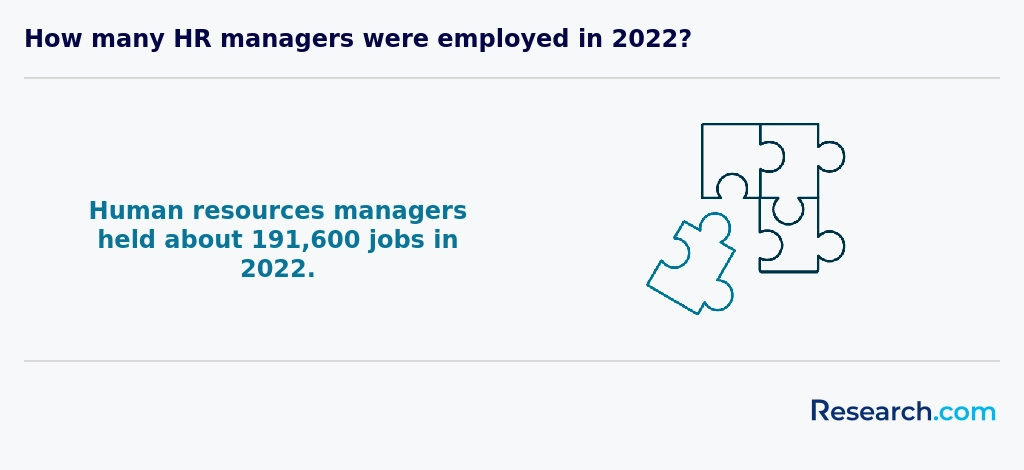
The journey to earning a Human Resources degree in Saint Paul, MN begins with a clear understanding of each program’s admissions process and key deadlines. Most institutions offer both fall and spring start dates, with application deadlines typically falling six months before the term begins (for example, October 1 for spring and February 1 for fall). To ensure timely submission, follow these steps: 1. Prepare Your Application Materials • Official transcripts: Request sealed transcripts from all post-secondary institutions at least eight weeks before deadlines. • Personal statement: Craft a 500–750-word essay highlighting your passion for workforce management, previous HR experience, and career goals. • Letters of recommendation: Secure two to three letters from academic advisors or supervisors who can attest to your leadership and communication skills. 2. Complete Standardized Tests and Prerequisites • While many programs waive GRE/GMAT requirements for applicants with a GPA above 3.0, confirm each school’s policy in advance. • Submit proof of prerequisite coursework in business, psychology, or communication (if required). 3. Utilize Support Resources • Attend virtual or on-campus information sessions hosted by institutions like the University of St. Thomas and Hamline University for personalized guidance. • Meet with an admissions advisor to verify your checklist and discuss financial aid options. 4. Explore Affordability and Alternatives • If cost is a primary concern, review the Low Cost Human Resources Degree Programs Ranking in District of Columbia for additional budget-friendly perspectives. By adhering to this timeline and leveraging available resources, you’ll position yourself for a smooth application experience and increase your chances of admission into a top Human Resources program in Saint Paul.
Imagine diving into an HR degree in Saint Paul where your classroom discussions echo the buzz of real workplaces. Graduates from Metropolitan State University often recount courses like Introduction to Human Resources Management as their gateway, unveiling the art of recruiting and nurturing talent-skills they immediately connect to local businesses searching for fresh energy.
Picture yourself debating workplace dynamics in Organizational Behavior, feeling the pulse of how teams thrive or clash within Minnesota's diverse companies. Employment Law classes bring a tangible edge as you dissect real-world cases, mastering state and federal regulations that protect both employees and employers around Saint Paul's corporate hubs.
The thrill heightens in Compensation and Benefits, where you craft pay structures that could transform a startup's future. Internships recommended by city colleges plunge you into Human Resource Information Systems, making complex software feel intuitive, as if you're managing employee data in an actual Saint Paul firm.
- Introduction to Human Resources Management
- Organizational Behavior
- Employment Law
- Compensation and Benefits
- Training and Development
- Performance Management
- Labor Relations
- Strategic Human Resource Planning
Imagine walking through campus at a top Saint Paul university, where students dive deep into human resources degree specializations Saint Paul uniquely demands. Graduates often recount their journeys mastering talent acquisition, navigating the bustling healthcare and tech scenes to discover how to trap the best minds like a skillful recruiter casting a net. Others find passion in employee relations, learning conflict resolution amidst Minnesota's strong labor union culture, making every negotiation feel like unlocking a human puzzle.
At popular colleges, some specialize in compensation and benefits, crafting pay structures that feel fair and sustain families through rising living costs and healthcare dilemmas. Those drawn to training and development cherish designing programs that spark transformation-watching classmates bloom as they bridge skill gaps for tomorrow's workforce. Labor law compliance aficionados embrace the complex dance of Minnesota's employment laws like seasoned choreographers, minimizing risks with a steady grace.
For those searching for budget-friendly options, the Low Cost Human Resources Degree Programs Ranking in District of Columbia offers valuable local insights to complement your Saint Paul-based experience.
Imagine stepping into a vibrant classroom at Metropolitan State University, where affordability meets quality-this is the kind of experience graduates rave about when discussing the best human resources degree programs Saint Paul offers. Picking the right program here means more than just ticking off accreditation or curriculum boxes; it's about envisioning how courses, like labor relations or HR technology, translate into real-world internships that unlock doors to Twin Cities employers.
Affordability often sparks anxiety, but local public universities offer relief with tuition costs hovering around $7,000 to $9,000 annually for residents-practical budgets that past students appreciated deeply. They combined work and study without breaking the bank, chasing their goals with programs flexible enough for busy lives. If you're looking for shorter routes, exploring the best paying 6 month certificate programs might open unexpected career doors.
Graduates often highlight the emotional boost from programs that link classroom theory to the Saint Paul job market, supported by career services tuned to regional HR hiring trends. Choosing a human resources path here means embracing programs that don't just teach but connect, making your future career feel tangibly within reach.
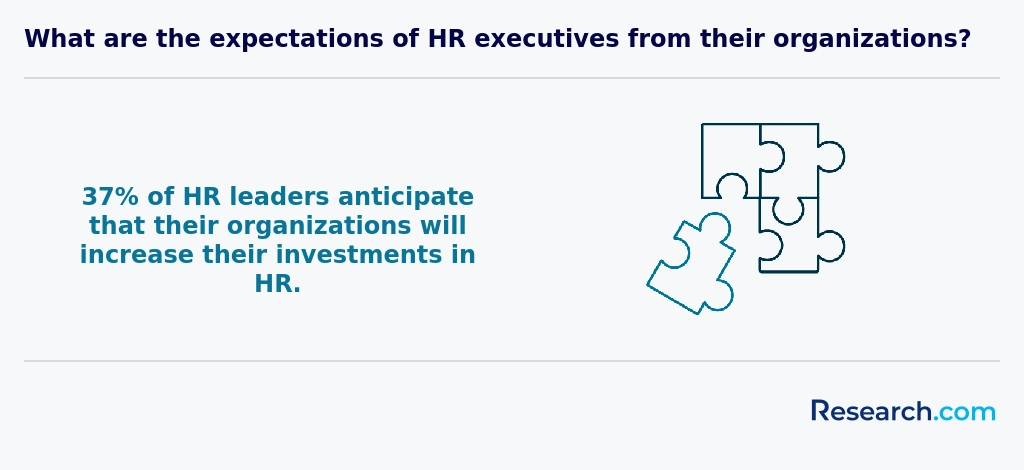
Graduates from human resources programs in Saint Paul often find themselves stepping into dynamic roles that blend strategy with empathy. Imagine starting as a Human Resources Specialist at a bustling Twin Cities healthcare company, orchestrating recruitment drives while helping new hires settle into their roles with confidence. Or envision becoming an HR Manager, steering teams at one of Saint Paul's public universities, crafting policies that foster inclusive workplace cultures. These career paths tap into the city's vibrant industries, turning classroom theory into impactful employee relations or compensation design.
For those intrigued by resolving workplace conflicts or sparking employee growth, becoming an Employee Relations Specialist or a Training and Development Coordinator offers rewarding avenues. Graduates from well-known local colleges appreciate how their education opens doors into sectors like finance and government agencies, reflecting the diverse human resources career opportunities in Saint Paul. Plus, many students explore supplemental certification programs that pay well without a degree, enhancing their skillsets and marketability in this evolving field.
Graduates stepping out of Saint Paul's universities with human resources degrees find themselves in a dynamic landscape where opportunity pulses through sectors like healthcare, education, and government. Imagine a recent graduate navigating the halls of the University of St. Thomas, landing a role at Regions Hospital, using their fresh skills to shape workforce culture-this is the tangible reality for many. The human resources job outlook Saint Paul paints a picture of stability and growth, fueled by a vibrant mix of industries that all rely on savvy HR professionals to manage recruitment and compliance challenges.
With annual tuition costs varying widely, students weigh the financial investment against a median salary near $65,000, a figure that continues to motivate many hopefuls. Stories from campus corridors reveal graduates feeling empowered, knowing their degree unlocks access to diverse career pathways within Saint Paul's inclusive economy. For those curious about balancing cost against outcome, consulting the list of highest paying bachelor degrees entry-level can provide clarity and confidence in their choices.
Saint Paul human resources career opportunities extend beyond traditional offices, touching innovation centers and local government hubs alike. Internships and job placements often come from collaborations between colleges and these thriving sectors, making each diploma a passport to living, breathing workplaces. The community's pulse ensures that HR graduates don't just fill roles-they become essential players in shaping how organizations evolve and grow in this bustling metropolis.
2027 Most Valuable Human Resources Degree Programs Ranking in Saint Paul
Investing in your education is a significant decision that can shape your future, and the Research.com team understands the importance of making informed choices. To assist prospective students in Saint Paul, we have meticulously crafted the "2027 Most Valuable Human Resources Degree Programs Ranking in Saint Paul." Our commitment to quality, credibility, and accuracy is reflected in the extensive research and analysis conducted to compile this ranking.
We utilized the following reputable data sources to ensure a comprehensive evaluation of human resources degree programs:
By exploring this ranking, readers will gain valuable insights into the most valuable human resources degree programs available in Saint Paul, empowering them to make well-informed decisions about their educational and professional paths. For more details on our methodology, please visit our Research.com methodology page.


Frequently Asked Questions About human resources
Human resources degree students in Saint Paul can enhance their education by combining academic coursework with practical experiences. Local universities often provide access to internships with prominent employers like Ecolab and 3M, allowing students to apply theories in real-world settings. According to the Minnesota Department of Employment and Economic Development, the Twin Cities metro area is projected to grow HR jobs by 7% through 2030, highlighting strong local demand.
Engaging with professional organizations such as the Society for Human Resource Management (SHRM) Minnesota chapter offers networking and certification opportunities. Additionally, attending workshops on Minnesota labor laws and diversity management sharpens skills specific to the regional workforce environment, making students more competitive post-graduation.
The human resources field in Saint Paul is evolving with several emerging niches gaining attention. One key area is HR analytics, where professionals use data to improve hiring and employee engagement. According to the Society for Human Resource Management (SHRM), organizations using analytics report 20% higher employee retention rates.
Diversity, equity, and inclusion (DEI) roles are also expanding rapidly due to growing awareness and regulatory focus. Local companies in Minnesota increasingly seek experts to develop inclusive workplace strategies. Additionally, HR technology specialists who manage digital platforms and applicant tracking systems are in demand as more firms adopt remote work.
These niches offer promising career paths for students pursuing human resources degrees in Saint Paul.
Graduates with a human resources degree in Saint Paul should focus on practical experience to strengthen their job prospects. Internships and cooperative education programs offered by local employers provide crucial hands-on exposure. According to the Minnesota Department of Employment and Economic Development (DEED), the Twin Cities metro area, including Saint Paul, is expected to see a 7% growth in human resources jobs through 2030. Networking with professionals via industry groups such as the Society for Human Resource Management (SHRM) Minnesota chapter can open doors to opportunities.
Additionally, acquiring certifications like the SHRM Certified Professional (SHRM-CP) enhances credibility. Tailoring resumes to emphasize HR technology skills, such as familiarity with HRIS systems, aligns with employer demands. Saint Paul's diverse economy, including healthcare and education sectors, offers a variety of entry points for HR graduates aiming to build versatile careers.
Employers in Saint Paul often seek human resources graduates who demonstrate strong communication and interpersonal skills. These are essential for managing employee relations and fostering a positive workplace culture. Additionally, knowledge of employment laws and compliance is highly valued, ensuring graduates can help organizations navigate complex regulations.
Analytical abilities are critical for HR roles, as professionals analyze workforce data to improve recruitment and retention strategies. According to the Minnesota Department of Employment and Economic Development, HR specialists in the area are expected to grow by 7% through 2030, highlighting the demand for these skills. Proficiency with HR software systems and organizational skills are also frequently cited by local employers.
Finding internships in Saint Paul for human resources students involves leveraging local resources and networks. Start by exploring opportunities through Saint Paul's community colleges and universities, which often have dedicated career centers connecting students with HR internships.
The Saint Paul Area Chamber of Commerce and Minnesota Workforce Centers regularly post internship openings in human resources, offering practical experience in management, recruitment, and employee relations.
Local companies such as 3M and Ecolab, headquartered nearby, frequently offer internships aligned with HR degrees. According to the Minnesota Department of Employment and Economic Development, the Twin Cities metro area, including Saint Paul, saw a 7% rise in HR-related roles in 2023, highlighting growing internship availability.
Networking events, university job fairs, and professional groups like SHRM's Minnesota chapter are also valuable for securing internships and gaining mentors in the field.
In Saint Paul, earning a human resources degree significantly enhances career mobility and advancement opportunities. According to the U.S. Bureau of Labor Statistics, the Twin Cities metropolitan area, including Saint Paul, shows consistent growth in HR roles, with a projected 7% increase in employment through 2031. A formal HR education provides essential knowledge in labor laws, recruitment strategies, and employee relations, making graduates attractive to local employers.
Many organizations in Saint Paul prioritize candidates with degrees for HR manager and specialist roles, often correlating with higher salaries and faster promotion paths. Credentials like SHRM certification, often supported by degree programs, further boost advancement.
Studying for a human resources degree in Saint Paul offers a strong foundation for interdisciplinary roles by blending core HR concepts with business, psychology, and legal studies. Local universities often include coursework in organizational behavior, employment law, and strategic management, preparing students to collaborate across departments. According to the Minnesota Department of Employment and Economic Development, Saint Paul's diverse economy requires HR professionals to understand multiple sectors, from healthcare to technology.
Programs frequently emphasize communication, data analysis, and ethical leadership skills, essential for navigating complex workplace environments. Internships and partnerships with local businesses provide practical experience, enhancing adaptability and problem-solving in varied professional settings.
When choosing between a thesis and a non-thesis human resources degree program in Saint Paul, students should consider their career goals and learning preferences. A thesis program focuses on original research, ideal for those interested in HR theory, consulting, or pursuing advanced degrees. Non-thesis options emphasize practical skills through coursework and internships, often preferred by professionals aiming for immediate HR management roles.
Saint Paul's job market for HR professionals is growing, with the Bureau of Labor Statistics projecting a 9% increase in HR specialist roles statewide by 2030, making practical experience valuable. Universities like the University of St. Thomas offer both paths, allowing flexibility.
Ultimately, students should weigh their interest in research against their need for hands-on experience when deciding between these degree types.
Students based in Saint Paul who wish to study human resources abroad have several pathways available within the U.S. higher education framework. Although studying fully overseas is less common, many U.S. institutions, including those in Minnesota, offer exchange programs with international universities, allowing students to gain global perspectives while earning credits applicable to their degrees.
Saint Paul students can explore programs such as semester-long study abroad arrangements, often coordinated through universities like the University of Minnesota, which consistently ranks among top U.S. HR programs.
The National Center for Education Statistics highlights that over 20% of U.S. students participating in study abroad programs choose business-related fields, including human resources.
Options also include international internships facilitated by U.S. schools, which provide practical experience in HR within different cultural contexts.
Part-time job opportunities in Saint Paul that complement human resources degree education often focus on gaining practical experience in employee relations, recruitment, and administrative support. Positions such as HR assistant, recruitment coordinator, or payroll clerk provide foundational skills that align with HR studies.
Saint Paul's diverse economy includes healthcare, education, and government sectors, all of which frequently hire part-time HR workers. For example, the City of Saint Paul and educational institutions often seek part-time HR clerks to manage training and hiring processes.
According to the U.S. Bureau of Labor Statistics, the Twin Cities metropolitan area, including Saint Paul, expects HR-related jobs to grow by 8% through 2030, making practical experience even more valuable.
Human resources students in Saint Paul have access to a variety of valuable networking opportunities. The city is home to several professional organizations, such as the Minnesota Chapter of the Society for Human Resource Management (SHRM), which offers regular meetings, workshops, and conferences. These events provide students with chances to connect with HR professionals and potential employers.
Local colleges often host career fairs and speaker series featuring industry leaders. According to the Minneapolis Regional Chamber of Commerce, Saint Paul has over 1,200 HR-related businesses, increasing chances for internships and job placements through networking.
Additionally, online platforms like LinkedIn groups specific to Twin Cities HR professionals support active engagement beyond in-person events.
Alumni networks play a significant role for human resources degree students in Saint Paul by offering valuable professional connections. These networks often provide access to local HR leaders and organizations, facilitating internships and job placements in a competitive Minnesota job market. According to the Society for Human Resource Management (SHRM), about 70% of jobs are found through networking, showing the importance of these connections.
In Saint Paul, alumni groups often host events and workshops, helping students stay updated on industry trends and enhance their skills. This engagement can improve career prospects and salary potential upon graduation. Local universities maintain active alumni databases, which serve as a resource for mentorship and guidance in workplace challenges.
Customizing a human resources degree program in Saint Paul starts with selecting relevant electives that align with your career ambitions, such as labor relations, recruitment strategies, or compensation management. Many local colleges offer flexible course options and certificate add-ons to deepen your expertise in niche HR areas.
Saint Paul's thriving job market in industries like healthcare and manufacturing often influences degree focus. According to the Minnesota Department of Employment and Economic Development, HR-related roles are projected to grow by 10% statewide through 2030, emphasizing skills in employee development and compliance.
Internships with nearby businesses and nonprofits provide practical experience and networking opportunities, helping tailor your education toward your desired HR career path.
Human resources students in Saint Paul often encounter challenges balancing practical experience with academic theory. Many programs emphasize both, but finding local internships or co-op opportunities at competitive organizations can be limited. According to the Minnesota Department of Employment and Economic Development, HR positions in the Twin Cities metro area, including Saint Paul, are projected to grow by 7% through 2030, underscoring the need for strong, hands-on skills.
Additionally, students must navigate evolving labor laws and diversity regulations, a critical area in Minnesota's progressive business environment. Keeping current with these changes requires continuous study and professional development.
Financial pressures also affect many learners, especially those attending part-time while working. Tuition costs can be significant, and scholarships specific to HR studies remain scarce locally.
Understanding local employment trends and networking in Saint Paul's HR community are essential but sometimes challenging tasks for newcomers to the field.
Graduates with a human resources degree in Saint Paul can pursue several key professional certifications to enhance their career prospects. The most recognized credential is the Professional in Human Resources (PHR), which validates fundamental HR knowledge and strategic expertise. Another common option is the SHRM Certified Professional (SHRM-CP), offered by the Society for Human Resource Management.
Local HR professionals often pursue the SHRM-SCP for senior roles, demonstrating advanced leadership skills. Additionally, certifications in talent acquisition and compensation management are increasingly valuable in Saint Paul's competitive job market, according to the Minnesota Department of Employment and Economic Development.
These certifications typically require a combination of education, experience, and passing an exam, helping graduates stand out to employers in the Twin Cities area.
To write a winning application for a human resources program in Saint Paul, start by researching the specific requirements of local institutions such as the University of St. Thomas or Hamline University. Emphasize relevant academic achievements, including coursework in business, psychology, or management, as these form a solid foundation for HR studies.
Highlight any practical experience, such as internships or part-time roles in HR or related fields. Data from the Bureau of Labor Statistics shows that HR roles in Minnesota grew 5% from 2021 to 2023, indicating strong local demand for qualified professionals.
Craft a clear personal statement explaining your motivation for studying HR, connecting it to Saint Paul's business environment and workforce trends noted by the Minnesota Department of Employment and Economic Development. Finally, ensure your application materials are error-free and tailored to each program's values and mission.
The field of human resources (HR) is increasingly shaped by global trends, even for professionals based in Saint Paul. As businesses expand internationally, HR roles now demand a solid understanding of diverse workforce cultures, legal frameworks, and global talent management.
According to the U.S. Bureau of Labor Statistics, HR specialists are expected to grow 7% nationally through 2031, reflecting rising demand for skills that support global operations.
Graduates from Saint Paul's HR programs benefit from coursework emphasizing multicultural communication, international labor laws, and strategic management practices, preparing them for opportunities at multinational companies or organizations engaged in global trade.
Industry reports highlight that HR professionals with global expertise often command higher salaries and more leadership roles, reflecting the value of international awareness in today's labor markets.
Gaining practical experience while studying for a human resources degree in Saint Paul is crucial for career readiness. Many local colleges and universities, such as Metropolitan State University, offer internships or cooperative education programs with area employers. These opportunities allow students to apply classroom knowledge in real-world settings.
Additionally, Saint Paul's robust business community, including companies in healthcare and manufacturing, provides numerous venues for student internships. According to the Minnesota Department of Employment and Economic Development, Saint Paul's demand for HR professionals is projected to grow 10% by 2030, highlighting the value of hands-on experience.
Students are also encouraged to join HR-focused student organizations and attend networking events hosted by groups like the Minnesota Human Resources Association to connect with professionals and mentors locally.
Choosing the right concentration within a human resources (HR) degree program in Saint Paul involves aligning your interests with local industry demands. Common concentrations include talent acquisition, employee relations, compensation and benefits, and organizational development. Saint Paul's growing sectors, such as healthcare, education, and government, often prioritize skills in conflict resolution and labor law compliance, according to the Minnesota Department of Employment and Economic Development (DEED) 2023 report.
Researching job placement rates and employer connections at Saint Paul institutions can guide your decision. For example, a focus on HR analytics is rising in demand as companies rely more on data-driven decisions. Understanding Saint Paul's labor market and consulting resources like DEED labor market data helps evaluate which concentration offers the best career prospects locally.
- 2027 Most Valuable Human Resources Degree Programs Ranking in Minneapolis
- 2027 Most Valuable Human Resources Degree Programs Ranking in Winona
- 2027 Most Valuable Human Resources Degree Programs Ranking in Duluth
- 2027 Most Valuable Human Resources Degree Programs Ranking in Milwaukee
- 2027 Most Valuable Human Resources Degree Programs Ranking in Bellevue
- 2027 Most Valuable Human Resources Degree Programs Ranking in Lisle
- 2027 Most Valuable Human Resources Degree Programs Ranking in Chicago
- 2027 Most Valuable Human Resources Degree Programs Ranking in Grand Rapids
- 2027 Most Valuable Human Resources Degree Programs Ranking in Saint Louis
- 2027 Most Valuable Human Resources Degree Programs Ranking in Wichita
See What Experts Have To Say About Studying Human Resources
Read our interview with Human Resources experts


Rick Hackett
Human Resources Expert
Professor, Human Resources & Management
McMaster University

Thomas Kochan
Human Resources Expert
Professor of Management
Massachusetts Institute of Technology

- How a Human Resources Management Degree Can Boost Your Career | BSBI https://www.berlinsbi.com/blog/how-a-degree-in-human-resources-can-boost-your-career-a-guide-for-aspiring-professionals
- What Qualifications Do You Need For HR? https://www.jarsolutions.co.uk/blog/2024/02/what-qualifications-do-you-need-for-hr
- Best HR Certifications for Beginners https://hrcertification.com/blog/best-hr-certifications-beginners-biid1000209
- Strategic HR Management: Carving the Niche of Indispensability - KaizenBlitz https://kaizenblitz.org/strategic-hr-management-carving-the-niche-of-indispensability/
- Degrees for Human Resources: A Guide to Starting or Switching Your Career https://www.aihr.com/blog/degrees-for-human-resources/
- What to do after a Bachelor's degree in HR https://www.ipag.edu/en/blog/what-do-after-bachelors-degree-hr
- Online Education Vs. Traditional Education In HR - CFR Group https://www.cfr-group.com/online-education-vs-traditional-education-in-hr/
- 306 Human Resources Jobs in Saint Paul, MN | iHireHR https://www.ihirehr.com/t-human-resources-s-minnesota-c-saint-paul-jobs.html
- What do you learn in a bachelor's in human resource management? | edX https://www.edx.org/resources/what-do-you-learn-in-a-bachelors-in-human-resource-management
- Human Resource Management Master's Program (without Thesis) | Eastern Mediterranean University Cyprus https://www.emu.edu.tr/en/programs/human-resource-management-masters-program-without-thesis/1544