2027 Most Affordable Human Resources Degree Programs Ranking in District of Columbia

Co-Founder and Chief Data Scientist
Are you considering a future in human resources and want to find the best degree programs without breaking the bank? This article introduces the 2027 Most Affordable Human Resources Degree Programs Ranking in District of Columbia, carefully compiled by the Research.com team of data scientists.
Our ranking helps you explore affordable options so you can make an informed decision about your education. Pursuing a human resources degree opens doors to rewarding careers in a field that values people and innovation.
Read on to discover programs that fit your budget and career goals, setting you on a path to success.
Key benefits of getting human resources degree in District of Columbia
- Salary for human resources degree graduates: Graduates in District of Columbia can expect strong earnings, with roles like Recruitment Coordinator and Human Resources Generalist offering a mean annual wage of $76,060 and hourly wages around $36.57.
- Career paths: A human resources degree opens doors to diverse roles such as Employee Relations Specialist or Training and Development Coordinator, providing flexibility and growth opportunities in local businesses and government agencies.
- Online degree benefits: Earning a human resources degree online from a well-known District of Columbia university allows for scheduling flexibility and practical experience without pausing a career, making education more accessible and convenient.
- 2027 Most Affordable Human Resources Degree Programs Ranking in District of Columbia
- What can I expect from human resources degree in District of Columbia?
- Where can I work with human resources degree in District of Columbia?
What can I expect from human resources degree in District of Columbia?
The average cost of pursuing a human resources degree in the District of Columbia tends to be higher than in many other regions, reflecting the area's competitive educational market and living expenses. Graduates from well-known institutions in DC report that tuition for HR programs, whether bachelor's or master's, often ranges from $30,000 to $60,000 annually, depending on factors such as full-time versus part-time enrollment and program format.
Many students appreciate the availability of flexible learning options, including evening and online classes, which helps working professionals manage tuition costs alongside employment. For example, graduates often share how balancing internships at federal agencies or private firms while attending part-time classes at local universities offered them practical experience without overwhelming financial strain.
This financial investment is commonly seen as worthwhile, given the strong local job market and higher median salaries for HR professionals in DC. Access to networking opportunities and hands-on learning in this vibrant metropolitan area enhances graduates' confidence and career readiness, making the cost a valuable stepping stone toward long-term success.
Where can I work with human resources degree in District of Columbia?
Graduates with a human resources degree in District of Columbia find diverse employment opportunities across multiple thriving sectors. Many begin their careers within federal agencies, such as the Department of Veterans Affairs or the Department of Homeland Security, where they manage recruitment, employee relations, and compliance with complex government regulations. The proximity to these agencies offers students from universities like the University of the District of Columbia valuable internship experiences that often lead to full-time roles.
Private sector companies, major law firms, and consulting firms located in D.C. also actively recruit HR graduates. These roles typically focus on talent acquisition, benefits administration, and navigating regulatory challenges, providing exciting challenges for recent graduates eager to apply their skills in dynamic business environments.
Students from local colleges often share how nonprofit organizations and institutions such as the World Bank provide rewarding opportunities to contribute to global workforce strategies. Meanwhile, healthcare facilities and tech companies in the area offer stimulating positions focused on organizational development and employee engagement, reflecting the city's innovation-driven economy.
Graduates with a human resources degree in the District of Columbia can expect competitive earnings, reflecting the region's high demand for skilled HR professionals. Entry-level roles such as Recruitment Coordinator, Employee Relations Specialist, Human Resources Assistant, and Human Resources Generalist offer mean annual wages around $76,060, according to the latest Bureau of Labor Statistics data.
For example, a recent graduate from a well-known D.C. university pursuing a Human Resources degree found their starting salary near this range, appreciating the advantage of the area's robust federal and private sector job market. These salaries are notably higher than the national average, which enhances overall career satisfaction.
Professionals working as Training and Development Coordinators typically earn slightly less, with mean annual wages of approximately $71,980. Graduates often highlight that the educational programs at institutions like George Washington University and American University prepare them well for these roles, fostering confidence and readiness for complex HR responsibilities.
The financial rewards, combined with opportunities for professional growth and certification, make studying human resources in the District a promising path for those seeking both a fulfilling and financially secure career.
- In the District of Columbia, in-state tuition for public universities ranges from $10,000 to $15,000 per year for a bachelor's in human resources, while private colleges can cost over $35,000 annually.
- Master's programs in Human Resource Management typically have total tuition fees between $20,000 and $40,000 at local universities.
- Entry-level HR salaries in D.C. start around $55,000 to $65,000 annually, with experienced HR managers earning between $85,000 and $110,000.
- The local job market is strong, supported by government, healthcare, education, and professional services sectors with steady growth projected.
- Internship and co-op programs in D.C. universities provide students with experience and connections to government and non-profit organizations.
Completing a human resources degree in the District of Columbia typically spans four years for most undergraduates pursuing a bachelor's degree. Graduates from well-regarded institutions such as George Washington University and Howard University often reflect positively on the structured, full-time schedules that allowed them to balance academic rigor with campus involvement. These familiar timelines mirror the national standard but are enriched by D.C.'s unique blend of professional networking and internship opportunities that many students find highly motivating.
For those advancing to master's programs in human resources or human resource management, the typical duration ranges from one to two years. Many graduate students, especially those enrolled at universities like American University, appreciate part-time or accelerated cohort options that accommodate ongoing professional commitments, offering a flexible pathway without sacrificing educational quality.
Certificate courses and associate degrees, available through community colleges in the area, provide faster routes-often completed within months to two years-which many early-career students choose to quickly enhance specific HR skills while working.
Online and on-campus human resources degree programs in the District of Columbia offer distinct experiences tailored to different student needs. Graduates from the University of the District of Columbia often praise on-campus programs for their immersive environment, where face-to-face interaction with professors and peers fosters robust networking and access to local federal agencies for internships. This direct engagement is invaluable for students eager to establish professional connections within D.C.'s competitive HR industry.
Conversely, online programs appeal to working professionals balancing career and personal commitments, offering the flexibility to study remotely while maintaining employment. These programs, commonly utilized by busy adult learners, provide convenience through digital lectures and assignments without sacrificing curriculum quality, aligning with accreditation standards like those recognized by SHRM.
Financially, on-campus students might encounter higher tuition and additional costs like commuting, whereas online students often save on these expenses despite occasional technology fees. Both routes require approximately 120 credit hours, but choosing between them depends on whether a student values flexible pacing or the enriched social and professional interactions found on campus.
The average cost of obtaining a human resources degree in the District of Columbia varies significantly based on the type of institution and degree level pursued. For in-state students, the total cost generally averages around $67,710, while out-of-state students might expect to pay approximately $82,593. These figures encompass tuition, fees, and additional costs that are often part of the educational journey.
Many graduates from prominent institutions such as the University of the District of Columbia and George Washington University highlight how the quality of education and access to extensive networking opportunities justify the investment. While some students find community colleges offering affordable associate degrees around $8,000 annually as a practical entry point, bachelor's and graduate programs at private universities command higher tuition, often in the range of $30,000 to $50,000 per year. This reflects the tailored HR curricula and specialized resources these universities provide.
Students focused on affordable HR degree programs DC tuition fees often consider flexible learning options, including part-time and online courses, which some District schools offer to better accommodate financial and scheduling needs. The presence of scholarships, federal aid, and school-specific funding initiatives further lightens the financial load, enabling many aspiring HR professionals to pursue their degrees with confidence.
Those seeking in-depth rankings and details on specific programs may explore the best human resources schools in district of columbia to align cost considerations with educational quality and career goals.
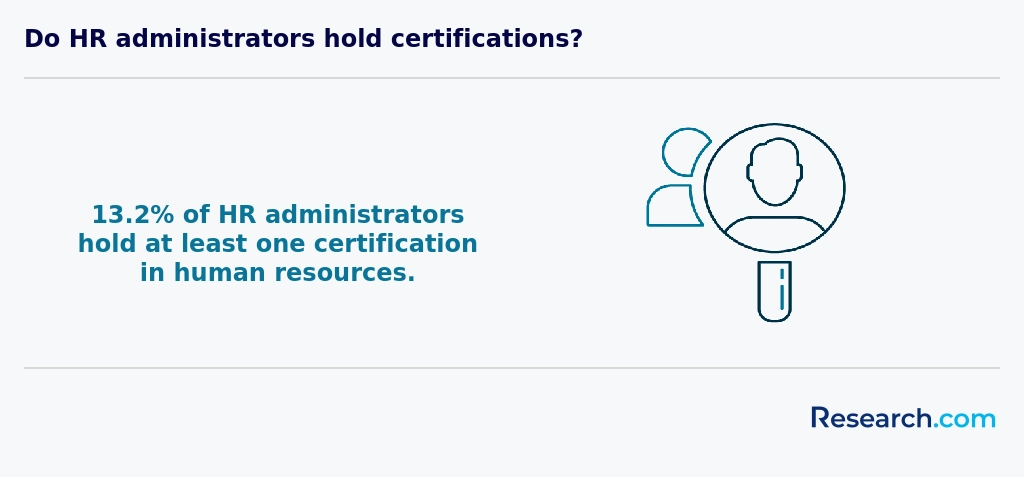
Accreditation is a critical indicator of program quality and employer recognition for any Human Resources degree in the District of Columbia. Look for institutions accredited by bodies such as AACSB, ACBSP or regional accreditors, and programs officially aligned with SHRM’s HR Curriculum Guidebook. These endorsements ensure your curriculum meets industry standards and prepares you for certifications like SHRM-CP, SHRM-SCP, HRCI’s PHR and SPHR. Graduates from accredited programs report higher exam pass rates and faster career entry. Beyond institutional accreditation, prioritize degrees that integrate certification prep directly into coursework. This seamless approach reduces study time and exam fees, while career services and partnerships with local SHRM chapters (e.g., SHRM of DC) bolster networking and job placement. To compare accreditation models and support offerings, you can also explore rankings in other regions, such as the Affordable Human Resources Degree Programs Ranking in Colorado, which highlights how accreditation and certification alignment shape affordability and ROI. Ultimately, combining a fully accredited HR curriculum with professional credential pathways empowers you to stand out in a competitive job market, achieve career milestones faster, and maximize the return on your educational investment.
Students pursuing a human resources degree in the District of Columbia benefit from a variety of financial aid opportunities tailored to make education more affordable. Graduates from institutions like the University of the District of Columbia (UDC) often recall how completing the Free Application for Federal Student Aid (FAFSA) enabled them to receive Pell Grants, which significantly reduced their tuition burden without the stress of repayment. Additionally, many utilize federal student loans that offer manageable interest rates, easing financial pressure throughout their studies.
Local scholarships and grants available exclusively to DC residents also play a crucial role. For example, the DC Tuition Assistance Grant frequently helps students attending in-state public colleges by lowering tuition costs. Institutional scholarships, often merit- or need-based, provide further relief-with many recipients at UDC affirming that these awards made pursuing human resources degrees truly attainable.
Moreover, working professionals in the metropolitan area frequently leverage employer tuition reimbursement programs, creating a practical pathway to advance their HR careers while managing expenses. Graduates highlight how combining these resources paved the way for their academic success and professional growth in the competitive DC job market.
Whether you are just starting your HR journey or are already enrolled in a program, setting a clear career roadmap can make all the difference. In this section, we share actionable strategies that blend academic success with real-world insights to empower you for a bright future in human resources. Begin by staying informed about industry trends through webinars, industry journals, and networking events. Leverage mentorship opportunities by connecting with seasoned professionals who can offer guidance and share personal experiences. Additionally, participate in internships and volunteer programs to build hands-on experience, which not only enhances your resume but also deepens your understanding of day-to-day HR challenges. Take advantage of career services offered by your institution, which often include resume workshops, interview preparation sessions, and exclusive networking events. Engaging with these resources can provide a significant edge over your peers. Educate yourself on the digital tools and human resource information systems (HRIS) that are rapidly transforming the field. Staying current with these technologies will make you more competitive and ready to adapt to the evolving needs of modern workplaces. Moreover, consider exploring our resources on best human resources schools in district of columbia to get a comprehensive view of institutions that not only offer robust curriculum but also foster enduring career growth. By following these strategies and continuously refining your skills, you will be well-equipped to navigate the competitive HR landscape and achieve long-term success.
Enrolling in human resources degree programs in the District of Columbia typically requires a high school diploma or equivalent, with a strong foundation in core subjects such as English, mathematics, and social studies. Graduates from local institutions often recall how solid communication skills were emphasized early on, preparing them for the collaborative nature of HR roles.
Applicants are usually expected to submit standardized test scores like the SAT or ACT, although several universities in D.C. have adopted test-optional policies, reflecting a more holistic admissions approach. Many students found that including letters of recommendation and personal statements strengthened their applications by showcasing their interpersonal skills and genuine interest in HR.
For master's level admission, a completed bachelor's degree with a minimum GPA around 3.0 is generally required, along with relevant coursework or experience in business or social sciences. Graduates frequently share how internships or volunteer work in D.C.'s dynamic workforce environment reinforced their application and fueled their enthusiasm for human resources careers.

Human resources degree programs in the District of Columbia typically include courses that provide a comprehensive understanding of workforce management tailored to the region's unique legal and business environment. Graduates from well-known local universities often highlight foundational classes such as Introduction to Human Resources Management, which offers practical insights into HR roles within diverse organizations in Washington, D.C.
Key courses often include Employment Law, addressing federal and district-specific regulations that shape workplace policies, a critical element given D.C.'s governmental landscape. Recruitment and Selection modules teach students how to navigate the competitive hiring processes common in the capital's dynamic job market.
Students frequently appreciate courses in Training and Development and Compensation and Benefits, which connect theory with hands-on strategies for employee growth and retention at local agencies and corporations. Organizational Behavior and Labor Relations classes provide real-world scenarios on managing workplace dynamics and union negotiations, experiences valuable in D.C.'s public and private sectors.
Many students report that Human Resources Information Systems coursework equips them with the tech skills needed for modern HR roles, emphasizing the importance of data-driven decisions in today's workforce.
Human resources degree specializations in District of Columbia typically include Talent Acquisition and Recruitment, Employee Relations and Labor Law, Compensation and Benefits, and Organizational Development and Training. Graduates from well-known local institutions appreciate how Talent Acquisition prepares them to meet the competitive demands of both federal agencies and private sector employers in D.C., sharpening skills like workforce planning and interview expertise.
Those focusing on Employee Relations and Labor Law benefit from courses emphasizing compliance with federal regulations, a crucial advantage given the city's regulatory environment. This specialization helps students confidently handle complex labor issues and foster constructive workplace dynamics. Compensation and Benefits specialization teaches students to design pay structures that accommodate the high cost of living and government pay scales unique to the District.
Organizational Development and Training equips students with change management and leadership development abilities vital for D.C.'s dynamic organizations. Prospective students seeking affordable pathways might explore the Affordable Human Resources Degree Programs Ranking in Colorado as a comparative resource for program options.
Choosing the best human resources degree in District of Columbia involves prioritizing program accreditation and practical curriculum. Graduates from popular institutions in D.C. often emphasize the value of attending schools with recognized accreditation, such as ACBSP or AACSB, which employers in the region highly regard. This ensures the program meets rigorous academic standards and boosts employability in the competitive local job market.
Students frequently highlight the importance of curriculum that integrates key HR competencies like labor relations and talent management, alongside opportunities to pursue industry certifications such as SHRM-CP. This alignment equips graduates with in-demand skills applicable within local government or private firms.
For those seeking affordable human resources degree programs District of Columbia offers options balancing tuition costs with financial aid. Graduates appreciate institutions that provide flexible learning schedules-including evening and online classes-to accommodate working professionals. Exploring 1 year masters degree programs can also benefit those aiming to accelerate their education while maintaining commitments.
Employment outcomes are a decisive factor; students favor programs with strong internship connections and proven job placement rates in D.C.'s expanding HR sector.
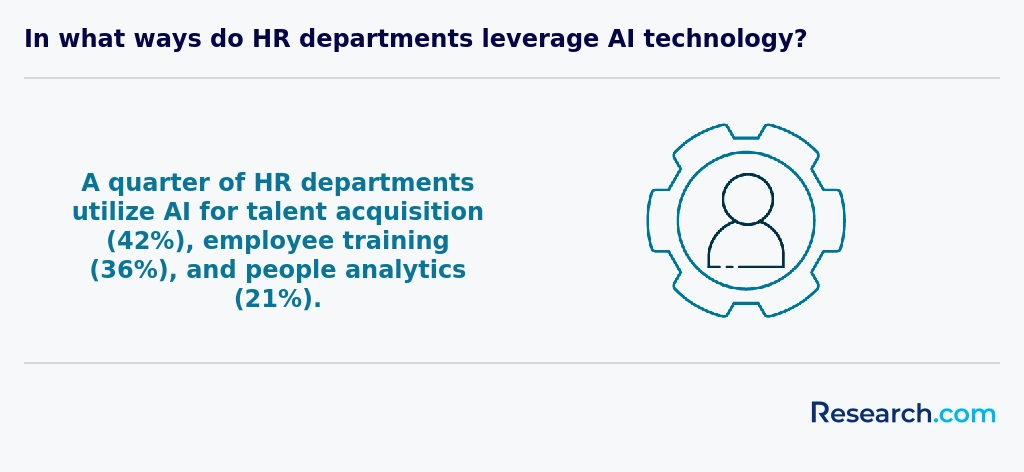
Graduates holding a human resources degree in the District of Columbia encounter a wide spectrum of career paths due to the city's unique ecosystem of federal agencies, non-profits, and private sector firms. Common roles include Human Resources Specialist, where professionals engage in recruitment and benefits administration, and HR Manager, responsible for directing entire departments. Others find opportunities as HR Analysts, employing data-driven techniques to enhance workforce efficiency, or as Talent Acquisition Specialists focusing on strategic hiring across diverse industries.
Many students from popular institutions in D.C. feel empowered by hands-on experiences in government internships, preparing them for specialized positions such as Training and Development Coordinators or Compensation and Benefits Managers. The city's emphasis on compliance and diversity management fosters additional roles in labor relations and promoting inclusive work environments. Those exploring easy bachelors degree options often appreciate how these career opportunities align with their goals.
Access to federal and international organizations creates a highly competitive yet rewarding job market, ensuring that those pursuing human resources careers in District of Columbia benefit from robust demand and professional growth.
The human resources job outlook District of Columbia remains strong due to the city's diverse economy and concentration of federal agencies, nonprofits, and private firms. Graduates from local universities often find entry-level roles with competitive salaries, given the median annual wage of around $78,000 for HR specialists in Washington, DC. These positions frequently involve managing large government workforces, supporting nonprofit growth, or contributing to talent development in consulting and technology sectors.
Many graduates from popular human resources programs in DC report a smooth transition into the workforce, benefiting from connections made through internships and networking events hosted by area schools. The employment opportunities for HR graduates in District of Columbia reflect both stability and variety, with roles in compliance, employee relations, and organizational development. Students weighing educational expenses appreciate options like in-state tuition and scholarships unique to DC institutions.
Those considering further education might explore an online masters degree cheap available to expand their qualifications while balancing work and study. This flexibility enhances career prospects within the region's expanding HR field.
2027 Most Affordable Human Resources Degree Programs Ranking in District of Columbia
Investing in your education is a significant decision that can shape your career, and the Research.com team is committed to helping you make well-informed choices. To support those interested in human resources studies, we have carefully developed the "2027 Most Affordable Human Resources Degree Programs Ranking in District of Columbia." Our dedication to quality, credibility, and accuracy is demonstrated through rigorous research and thorough analysis.
We utilized the following reputable data sources to ensure a comprehensive and trustworthy ranking:
By reviewing this ranking, readers will obtain valuable insights into affordable and credible human resources degree programs in the District of Columbia, enabling them to confidently plan their educational journey. For a deeper understanding of how this ranking was created, please visit our Research.com methodology page.


Frequently Asked Questions About human resources
Human resources degree students in District of Columbia can maximize their learning by engaging with local industry resources. The D.C. metropolitan area is a hub for federal agencies and nonprofits, offering excellent internship opportunities that provide practical experience. According to the U.S. Bureau of Labor Statistics, the D.C. area employs one of the highest concentrations of HR professionals nationwide, highlighting strong networking possibilities.
Students should seek programs that incorporate experiential learning, such as case studies or cooperative education. Joining local chapters of professional associations like the Society for Human Resource Management (SHRM) can connect students with mentors and job prospects.
Utilizing campus career services and attending workshops focused on emerging HR technology and labor laws is also beneficial for staying current in the field. Continuous involvement in these activities enhances both skills and employability in the competitive D.C. market.
The human resources (HR) field in the District of Columbia is evolving with several emerging niches attracting growing attention. One notable area is HR analytics, which uses data to improve hiring processes and employee retention. According to a 2023 report by the Society for Human Resource Management (SHRM), 62% of DC employers are investing in data-driven HR strategies.
Another rising niche is diversity, equity, and inclusion (DEI). Organizations in the capital increasingly prioritize DEI roles to foster workplace fairness and compliance with federal guidelines. The DC Office of Human Rights highlights this as critical for local employers.
Additionally, remote workforce management has become vital, especially after the COVID-19 pandemic changed traditional work environments. HR professionals skilled in virtual team coordination and digital communication tools are in demand.
These niches reflect broader trends in US HR education, making specialized training valuable for District residents seeking advanced degrees.
After earning a human resources degree in the District of Columbia, graduates should focus on building practical experience. The local job market values internships and cooperative education, which enhance resumes and ease entry into positions within government agencies, nonprofits, and private companies common in the area.
Networking is crucial in D.C., where many HR jobs are found through professional connections. Joining organizations like the Society for Human Resource Management (SHRM) - which has a strong presence here - helps graduates access workshops and job fairs tailored to the region's needs.
According to the U.S. Bureau of Labor Statistics, median salaries for HR specialists in D.C. exceed the national average, reflecting a competitive market. Research from D.C. government career resources also highlights the importance of certifications such as SHRM-CP or PHR to improve job prospects locally.
Employers in the District of Columbia highly value human resources graduates who demonstrate strong communication and interpersonal skills. These are essential for managing employee relations and fostering a positive workplace culture. Analytical skills are also critical, as HR professionals must interpret data on workforce trends and compliance.
Additionally, knowledge of labor laws and regulations is vital because D.C. has unique employment statutes. According to the U.S. Bureau of Labor Statistics and D.C. Department of Employment Services, familiarity with federal and local employment policies improves job prospects. Employers also seek proficiency in HR technologies for recruiting and payroll management.
Leadership and problem-solving skills further enhance a graduate's appeal by enabling effective conflict resolution and team collaboration.
Finding internships in the District of Columbia related to a human resources degree involves a strategic approach. Start by exploring local government agencies, as DC hosts numerous federal departments with established internship programs in HR and organizational management. Universities often have career centers with partnerships that can connect students to opportunities in private and nonprofit sectors.
Additionally, check listings on platforms like Handshake and the Society for Human Resource Management (SHRM) website, which features internships specifically for HR students. According to the DC Department of Employment Services, the region's HR sector grows steadily, offering diverse roles in compliance, benefits, and talent acquisition.
Networking is crucial-attend local HR events and meet professionals through DC SHRM chapters to discover hidden internship options.
A human resources degree significantly enhances career mobility and advancement opportunities in the District of Columbia. Given the city's dense concentration of federal agencies, nonprofits, and private firms, professionals with formal HR education are in strong demand. According to the U.S. Bureau of Labor Statistics, HR specialists in D.C. earn a median annual wage higher than the national average, reflecting the competitive job market.
The degree provides foundational knowledge in labor law, talent management, and organizational psychology, which are highly valued in complex regulatory environments like D.C. Graduates often qualify faster for roles such as HR managers or training specialists.
Networking opportunities and internships through local institutions also support career progression. Many employers prioritize candidates with accredited degrees for promotions, reinforcing education's role in upward mobility.
Studying for a human resources degree in the District of Columbia offers students a strong foundation for interdisciplinary roles. Many local programs emphasize the integration of HR with business management, labor relations, and organizational psychology, reflecting the area's diverse workforce and federal agency presence.
DC's unique job market often requires HR professionals to navigate complex legal regulations, employee relations, and public policy. Coursework typically includes training in conflict resolution, employment law, and data analytics, preparing graduates to collaborate across departments such as finance, legal, and operations.
According to the Bureau of Labor Statistics, the Washington metropolitan area expects a 7% growth in HR specialist jobs through 2030, highlighting demand for versatile professionals capable of managing multiple organizational functions.
Choosing between a thesis and a non-thesis human resources degree program in District of Columbia depends on your career goals and academic preferences. Thesis programs typically require original research and are ideal for students interested in pursuing advanced research roles or doctoral studies. They also help develop strong analytical skills.
Non-thesis programs focus more on practical knowledge and coursework, making them suitable for professionals aiming to enter HR management or consulting roles quickly. In D.C., where human resources specialists earn a median annual wage of $70,000 according to the U.S. Bureau of Labor Statistics, practical experience is highly valued.
Consider your long-term plans, workload capacity, and interest in research when deciding.
Students based in District of Columbia interested in studying human resources abroad can explore several U.S.-based programs offering international study options. Many universities in the region, including Georgetown University and American University, provide study abroad or exchange programs focused on global business and HR management. These opportunities allow students to gain international perspectives while earning credits toward their degrees.
The U.S. Department of Education reports that about 10% of students nationally participate in study abroad programs, with many aiming to enhance their global HR competencies. District of Columbia students benefit from established partnerships with institutions worldwide, especially in Europe and Asia, where HR practices differ significantly.
Additionally, online HR degrees with international case studies and internships abroad are increasingly popular, allowing flexibility. Resources like the Institute for Human Resources Development and SHRM provide guidance on programs aligned with global HR standards.
In the District of Columbia, part-time jobs that complement a human resources (HR) degree often involve roles focused on recruitment, employee relations, and administrative support. Popular positions include HR assistant, recruitment coordinator, and payroll clerk, which provide valuable hands-on experience.
According to the U.S. Bureau of Labor Statistics (2023), the D.C. metro area employs a significant number of HR specialists, with rapid growth projected through 2030. Local nonprofits, government agencies, and private firms actively seek part-time HR support to manage hiring and compliance tasks.
Internships and temp agencies also offer flexible opportunities to develop skills in benefits administration and labor law compliance, essential for HR careers. Such roles help students apply theoretical knowledge from their studies in real-world settings, increasing their job market competitiveness upon graduation.
Human resources students in the District of Columbia benefit from strong networking opportunities due to the city's dense concentration of federal agencies, nonprofits, and private firms. Local universities often host career fairs and HR-specific workshops, connecting students with industry professionals. Organizations like the Society for Human Resource Management (SHRM) have active DC chapters offering regular events, seminars, and mentorship programs.
Networking is further enhanced by proximity to national HR conferences and government HR offices. According to SHRM, the DC metro area hosts more than 30 HR-related events annually, providing valuable platforms for students to build connections and learn about workforce trends.
Alumni networks play a crucial role for human resources degree students in the District of Columbia by providing valuable connections in a competitive job market. These networks often include graduates working in local government agencies, private companies, and nonprofits, offering students access to internships, mentorships, and job opportunities.
According to the U.S. Bureau of Labor Statistics, the DC metropolitan area has a strong demand for human resources professionals, with growth projected at 7% through 2030. Alumni connections can help students tap into this expanding market.
Additionally, alumni collaborations facilitate professional development events and workshops tailored to local HR practices, supporting students' career readiness.
Customizing a human resources degree program in District of Columbia allows students to align their education with specific career goals. Many universities offer electives and concentrations such as labor relations, organizational development, or compensation management. Students can choose internships or cooperative education programs with D.C.-based government agencies or private firms, gaining practical experience in diverse sectors.
Additionally, some programs include opportunities for certification preparation, like the SHRM-CP or PHR, which are highly regarded in the HR field. According to the U.S. Bureau of Labor Statistics, HR specialists in D.C. earn a median annual wage above the national average, emphasizing the value of targeted skills.
Human resources students in District of Columbia often face the challenge of balancing demanding coursework with the area's high cost of living. D.C. ranks among the top metropolitan areas for student expenses, which can strain budgets, especially for those without substantial financial aid. Additionally, the competitive job market in D.C.'s federal and private sectors places pressure on students to gain practical experience through internships, which can be unpaid or low-paid.
A significant challenge is mastering the evolving legal and regulatory environment specific to D.C., including compliance with local labor laws and equal employment opportunity statutes. Staying updated is essential but can be complex for new students.
Networking is another hurdle, as building connections in a diverse professional landscape requires time and effort outside academic demands. According to the Bureau of Labor Statistics, demand for HR professionals in D.C. is growing, emphasizing the need for strong practical skills alongside academic achievement.
With a human resources degree in the District of Columbia, many professional certification options are available to enhance your career prospects. The most recognized certification is the Professional in Human Resources (PHR) offered by the HR Certification Institute (HRCI). It validates knowledge of technical and operational HR roles.
The Society for Human Resource Management Certified Professional (SHRM-CP) is also highly respected nationwide and focuses on behavioral competencies and HR knowledge.
Locally, DC's thriving government and nonprofit sectors often prefer candidates with certifications like Certified Employee Benefits Specialist (CEBS) for benefits expertise, making it a valuable credential.
According to the U.S. Bureau of Labor Statistics, HR specialists in DC earned a mean annual wage of about $77,000 in 2023, with certifications often boosting job opportunities and salaries.
Writing a winning application for a human resources program in District of Columbia requires clear attention to both academic credentials and professional goals. Start by highlighting your educational background, focusing on any coursework or experience related to business, management, or social sciences. Include specific achievements that demonstrate leadership or teamwork skills.
Clearly express your career goals within human resources, aligning them with the program's focus. District of Columbia's proximity to federal institutions makes specialization in labor relations or public sector HR particularly valuable. According to the U.S. Bureau of Labor Statistics, HR employment in the area is expected to grow by 7% through 2031, reflecting demand for qualified professionals.
Strong recommendation letters and relevant internships or work experience in HR will enhance your application. Lastly, tailor your personal statement to reflect how enrolling in a DC-based program will help you contribute effectively to the evolving workforce landscape.
The human resources (HR) field is increasingly viewed through a global lens, reflecting the interconnectedness of today's workforce. Professionals with HR degrees in the District of Columbia gain skills relevant to multinational organizations operating across borders. According to the U.S. Bureau of Labor Statistics, HR specialists in D.C. earn an average annual wage significantly above the national mean, highlighting the region's competitive market.
Globally, HR roles emphasize cultural competence, compliance with international labor laws, and strategic talent management. Programs in the District often incorporate these elements, preparing graduates to navigate diverse work environments. This global perspective enhances career opportunities, especially in firms with offices in Europe, Asia, or Latin America.
Moreover, HR is critical to fostering inclusive workplaces that respect global diversity. For students in D.C., understanding these trends supports long-term career growth in the expanding field of international human resource management.
Students pursuing a human resources degree in the District of Columbia can gain practical experience through internships, cooperative education programs, and part-time work. Many local universities have connections with government agencies and private firms offering internships specifically in HR functions. According to the District's Office of Economic Development, internships enhance student employability by developing skills such as talent acquisition, employee relations, and compliance with employment laws.
Additionally, students may join student-run HR organizations or attend local networking events hosted by the DC chapter of the Society for Human Resource Management (SHRM). These opportunities provide real-world exposure and professional contacts essential for career advancement.
Many programs encourage experiential learning by integrating case studies and simulations aligned with DC's public and private sector workforce needs, reflecting the area's strong demand for HR professionals with practical knowledge.
Choosing the right concentration within a human resources degree program in District of Columbia depends on your career goals and local job market trends. Popular concentrations include talent management, labor relations, and organizational development. According to the U.S. Bureau of Labor Statistics, Washington, D.C. employs a high number of HR specialists in federal agencies and nonprofits, favoring skills in government compliance and employee relations.
Consider concentrations that offer practical experience with D.C.'s regulatory environment. Some programs also focus on data analytics for human resources, reflecting the growing demand for HR technology skills in the area.
Research each program's curriculum and connect with alumni or advisors to ensure the concentration aligns with your interests and the region's employment opportunities.
- 2027 Most Affordable Human Resources Degree Programs Ranking in California
- 2027 Most Affordable Human Resources Degree Programs Ranking in Arizona
- 2027 Most Affordable Human Resources Degree Programs Ranking in Colorado
- 2027 Most Affordable Human Resources Degree Programs Ranking in Nebraska
- 2027 Most Affordable Human Resources Degree Programs Ranking in Minnesota
- 2027 Most Affordable Human Resources Degree Programs Ranking in Missouri
- 2027 Most Affordable Human Resources Degree Programs Ranking in Michigan
- 2027 Most Affordable Human Resources Degree Programs Ranking in Alabama
- 2027 Most Affordable Human Resources Degree Programs Ranking in Florida
- 2027 Most Affordable Human Resources Degree Programs Ranking in Delaware
See What Experts Have To Say About Studying Human Resources
Read our interview with Human Resources experts


Rick Hackett
Human Resources Expert
Professor, Human Resources & Management
McMaster University

Thomas Kochan
Human Resources Expert
Professor of Management
Massachusetts Institute of Technology

- HR's Guide to Effective Career Development https://orangehrm.com/resources/learn-in-depth/hr-guide-to-effective-career-development
- Human Resource Development in Education Non-Thesis Master's Program https://eds.metu.edu.tr/en/human-resource-development-education-non-thesis-masters-program
- HUMAN RESOURCE MANAGEMENT (THESIS / NON-THESIS) - Lisansüstü Eğitim Enstitüsü https://lee.nisantasi.edu.tr/en/human-resource-management-thesis-non-thesis/
- HR Exchange Network https://www.hrexchangenetwork.com/
- Top 10 HR Networking Groups for Professionals https://www.myhubintranet.com/hr-networking-groups/
- SUSSEX-WARREN HUMAN RESOURCE MANAGEMENT ASSOCIATION https://studenthrcommunity.org/
- What Qualifications Do You Need For HR? https://www.jarsolutions.co.uk/blog/2024/02/what-qualifications-do-you-need-for-hr
- Human Resources Internships https://careers.slb.com/early-careers/internships/hr-intern
- Human Resources - Alumni.space https://www.alumni.space/en/you-are/human-resources/
- A Guide to the Human Resources Career Path https://www.galwaybusinessschool.ie/blog/a-guide-to-the-human-resources-career-path/