2027 Most Affordable Human Resources Degree Programs Ranking in Nebraska

Co-Founder and Chief Data Scientist
Choosing the right human resources degree program is a big step toward a rewarding career. For students in Nebraska, making an informed decision is crucial to finding a program that fits both goals and budget.
This article features the 2027 Most Affordable Human Resources Degree Programs Ranking in Nebraska, developed by the Research.com team of data scientists. It offers clear insights to help you compare programs based on affordability and quality.
By exploring this ranking, you'll discover options that make earning your degree accessible and worthwhile. A human resources degree opens doors to many exciting career paths, and this guide supports you every step of the way.
Key benefits of getting human resources degree in Nebraska
- Graduates with a human resources degree in Nebraska can expect solid salaries, with roles like Human Resources Generalist and Recruitment Coordinator earning around $76,060 annually, offering financial stability and growth.
- Career paths are diverse, including positions such as Employee Relations Specialist and Training and Development Coordinator, allowing graduates from Nebraska universities to find fulfilling roles that match their skills and interests.
- Online degrees from Nebraska colleges provide flexibility and convenience, helping students balance work and study while gaining the same valuable knowledge and career opportunities as traditional programs.
- 2027 Most Affordable Human Resources Degree Programs Ranking in Nebraska
- What can I expect from human resources degree in Nebraska?
- Where can I work with human resources degree in Nebraska?
What can I expect from human resources degree in Nebraska?
The average cost of earning a human resources degree in Nebraska varies depending on the type of school you choose. Public universities like the University of Nebraska offer in-state tuition, making the cost more affordable for residents, often ranging between $7,000 and $10,000 per year. Graduates from these programs frequently share how this affordable pricing allowed them to focus on internships and networking instead of worrying about debt. Private colleges, on the other hand, can charge significantly higher tuition, sometimes upwards of $20,000 annually, but often provide more personalized support and smaller class sizes.
Many students successfully balance costs by applying for scholarships targeted at HR majors or enrolling in schools with robust financial aid programs. For example, some graduates from Nebraska Methodist College report that financial aid packages made their degrees manageable despite initially high sticker prices. Additionally, the availability of cooperative education and internship programs at institutions like Bellevue University helps students gain paid experience while reducing debt.
Overall, planning your education budget with attention to in-state options and financial aid can make pursuing an HR degree in Nebraska financially feasible and rewarding.
Where can I work with human resources degree in Nebraska?
Graduates from human resources programs at Nebraska colleges such as the University of Nebraska-Lincoln and Bellevue University often find themselves working in Omaha or Lincoln, where large employers need HR expertise. These cities host hospitals, corporate offices, and universities that offer roles in employee relations, recruitment, and labor law compliance. For instance, many grads report stepping into HR positions at Nebraska Medicine or CHI Health, managing staffing and benefits while gaining valuable hands-on experience.
Others enter industries like manufacturing or agriculture, with companies like Valmont Industries and Cargill providing opportunities to oversee workforce safety and training programs. Nebraska's government agencies also employ HR specialists, appealing to graduates interested in public sector roles with stable benefits. Real-world experience from internships during study often leads directly to jobs in these areas.
By focusing on sectors thriving in Nebraska and leveraging connections through local universities, students feel confident launching careers that balance growth with job security. This practical approach reflects the diverse economy and keeps Nebraska HR professionals in demand.
Graduates with a human resources degree from Nebraska colleges often begin their careers earning around $45,000, especially if they enter entry-level roles such as Human Resources Assistant. According to the latest data, roles like Human Resources Generalist and Recruitment Coordinator typically have mean annual wages near $76,000, offering a solid income right out of school. For those pursuing programs at well-known institutions in Nebraska, such salary ranges reflect both the education quality and the local job market's strength.
With experience, graduates working as Employee Relations Specialists or Training and Development Coordinators can expect salaries between $71,000 and $76,000 annually. Graduates from urban areas like Omaha or Lincoln find enhanced opportunities, often benefiting from higher pay due to bigger employers and increased demand.
Adding professional certifications or gaining specialized skills can help Nebraska grads access mid-career salaries exceeding $85,000. Many alumni share how advancing in HR roles brought not just financial rewards but also fulfilling leadership experiences within regional companies.
- Tuition for human resources programs in Nebraska ranges from about $7,000 to $12,000 per year at public schools, with private colleges charging over $15,000 annually.
- Community colleges offer affordable associate degrees that can transfer to bachelor's programs.
- Starting salaries for human resources graduates average around $48,000 per year, increasing to about $70,000 with experience.
- Senior HR roles, especially in Omaha and Lincoln, often pay salaries above the state average.
- Nebraska's HR job market is stable and expected to grow by about 7% nationwide from 2022 to 2032.
- Employers prefer candidates from accredited programs with practical experience and value internships for improving job prospects.
Completing a human resources degree in Nebraska typically depends on the program level and format you choose. For example, graduates from Metropolitan Community College often finish their associate degrees in about two years, gaining essential skills like employment law and workforce management. This faster pace suits those eager to enter the workforce quickly or balance school with other commitments.
At universities like the University of Nebraska at Omaha, bachelor's degree students usually take around four years of full-time study. Many graduates appreciate how the program blends HR courses with business fundamentals, preparing them well for certifications like SHRM-CP. If you need more flexibility, part-time students at Creighton University may extend this timeline to six years, making it manageable alongside jobs or family life.
For advanced study, master's programs such as those at the University of Nebraska-Lincoln take one to two years and appeal to working professionals looking to deepen their expertise without a long gap in their careers.
Graduates with a Human Resources degree in Nebraska can expect competitive salaries that reflect both regional demand and the level of education attained. According to the U.S. Bureau of Labor Statistics (BLS) and state labor market data, typical annual earnings include:
- HR Specialist: $ Fifty-Seven Thousand to Seventy-Five Thousand (Median: $74,530)
- Training and Development Coordinator: $65,000 to $80,000 (Mean: $69,870)
- Compensation and Benefits Manager: $ Ninety Thousand to One Twenty-Five Thousand (Median: $121,220)
- HR Manager: $ Ninety-Five Thousand to One Thirty Thousand (Median: $121,220) Salary progression often correlates with experience, certifications (e.g., SHRM-CP, PHR), and advanced degrees. Entry-level roles typically start near the lower end of these ranges, with potential increases of 10–20% upon achieving professional credentials or a master’s degree. For a broader perspective on graduate-level ROI, explore the Most Affordable Online Master's in Human Resources Degree Programs Ranking in the South, which highlights cost-effective master’s options and their associated salary outcomes. Nebraska’s cost of living is roughly 10% below the national average, meaning these salary figures often translate to greater purchasing power. Professionals in Omaha and Lincoln may see slight uplifts-typically 5–10% above state medians-due to higher local demand. Overall, investing in a Human Resources degree in Nebraska offers a strong return, with median salaries exceeding many other entry-level business roles and clear pathways for advancement through continued education and certification.
Choosing between online and on-campus human resources degrees in Nebraska mainly depends on your lifestyle and learning preferences. Online programs offer flexibility-the kind appreciated by working professionals balancing jobs or family. For example, graduates from Bellevue University's online program often mention how studying on their own schedule helped them manage busy days without sacrificing progress.
However, if you thrive on direct interaction, on-campus options like the University of Nebraska-Lincoln provide face-to-face networking, access to campus career services, and internship connections. Graduates highlight how in-person discussions and campus involvement built stronger professional relationships and boosted confidence in interpersonal skills.
Cost-wise, online degrees typically run between $25,000 and $35,000, making them more affordable than many on-campus options, especially for out-of-state students where tuition can exceed $40,000. Online learners should be ready for self-motivation, as digital classes rely heavily on independent study and virtual engagement.
Both routes qualify for state and federal aid, but some scholarships favor on-campus participants. Ultimately, Nebraska students must weigh flexibility and cost against hands-on experience to choose what fits their goals best.
As the Human Resources field evolves rapidly, staying ahead of emerging trends is essential for both aspiring professionals and seasoned experts. In today’s fast-paced digital era, HR programs are increasingly integrating courses on HR analytics, artificial intelligence, and remote workforce management to prepare students for future challenges. This emerging focus not only enhances traditional HR practices but also emphasizes strategic decision-making and adaptive leadership necessary for navigating complex organizational landscapes. Recent industry insights suggest that technology-driven solutions, such as automated talent management systems and advanced data analytics, are reshaping the way companies manage employee lifecycles. Furthermore, demand for skills in change management and digital transformation is expected to rise, positioning graduates to play pivotal roles in organizational success. Prospective students are encouraged to look for programs that blend conventional HR strategies with modern innovations. Such curricula often feature experiential learning opportunities, including capstone projects and internships that simulate real-world HR challenges. For those seeking a comprehensive education that addresses both current industry demands and future trends, exploring the best human resources program in nebraska could be a crucial step toward a successful career in Human Resources.
The average cost of obtaining a human resources degree in Nebraska typically totals around $23,467. This figure reflects both in-state and out-of-state expenses, though residents generally pay closer to $8,679 for their entire degree. Graduates who studied at institutions like the University of Nebraska at Omaha often share how budgeting carefully for tuition alongside additional costs like books and fees-usually $1,200 to $1,500 per year-made a significant difference in managing their education expenses.
Tuition rates around Nebraska fluctuate depending on residency status and institution type. Public universities offer more affordable rates for in-state students, while private schools tend to charge higher tuition, averaging about $30,000 a year. Many human resources programs are part of business departments, and students commonly find that following in-state public university plans stretches their dollars further without compromising educational quality.
For those considering the average cost of human resources degree Nebraska programs, it helps to explore financial aid options. Scholarships, grants, and state-sponsored programs frequently ease the burden and allow students to focus more on their studies and career preparation. Numerous human resources graduates emphasize the relief provided by such aid in making their college experience more manageable and rewarding.
To better understand specific tuition rates and possibilities for financial assistance, it's advisable to look at schools recognized for human resources education in the state. You can find further details on the best human resources program in Nebraska, which highlights top options and updated costs tailored to your goals.

When planning to study human resources in Nebraska, start by exploring federal financial aid options like Pell Grants, which helped many University of Nebraska-Lincoln graduates cover part of their tuition without repayment. For the 2023-2024 year, the maximum award was $7,395, making a real difference for students managing tight budgets.
Next, apply for federal student loans cautiously-these offer low-interest rates and flexible payments, but graduates often recommend borrowing only what you need to avoid long-term debt.
State-level aid is another valuable resource. Scholarships like the Access College Early and Nebraska Opportunity Grant programs helped Creighton University students reduce tuition costs significantly by targeting financial need and residency.
Most Nebraska campuses offering human resources programs also have institutional scholarships; several graduates recall receiving awards based on academic merit or demonstrated need, easing their out-of-pocket expenses.
Outside scholarships, such as those from the SHRM Foundation, can provide awards between $1,000 and $5,000, a boost especially appreciated by those balancing work and study.
Additionally, many employers in Nebraska offer tuition assistance, an option that past students working in business services highly recommend exploring early.
Finally, consider work-study programs that allow you to earn while gaining practical experience, a favorite among graduates from Nebraska's public colleges for blending income with career growth.
To enroll in a human resources degree program in Nebraska, start by ensuring you have a high school diploma or GED, which is a universal baseline. Many programs at institutions like the University of Nebraska-Lincoln or Creighton University expect a minimum GPA between 2.5 and 3.0. One graduate recalled how maintaining a solid GPA boosted their confidence during application reviews. While standardized tests like the SAT or ACT may not always be required due to test-optional policies in Nebraska, it's smart to verify each school's current stance.
Completing foundational courses in business, communication, or social sciences before applying can also ease your transition into the major. For example, graduates mention how these classes helped them grasp human resources concepts quickly once the program began.
For master's programs, applicants typically need a bachelor's degree-even if not specifically in human resources, related fields like business or psychology often work. Letters of recommendation and relevant work experience could make your application stand out, especially at competitive schools such as the University of Nebraska Omaha.

Human resources degree programs in Nebraska typically include a blend of foundational business and specialized HR courses designed to prepare you for the workforce. Graduates from universities like the University of Nebraska often highlight how core classes such as recruitment, staffing, and employee retention gave them confidence to handle real-world hiring scenarios effectively.
Key courses you'll find include Organizational Behavior, which helps you understand team dynamics, and Compensation and Benefits, teaching you how to create competitive pay structures. Many students at popular colleges also appreciate Labor Relations and Employment Law classes, which directly relate to navigating Nebraska's regulatory landscape.
Training and Development classes show practical ways to boost employee skills, while Performance Management courses focus on fair and motivating evaluations. Strategic HR Management ties it all together by aligning these practices with company goals, a skill many graduates say made their job transitions smoother.
Overall, hands-on learning and relevant coursework make Nebraska's HR programs especially useful for students eager to start strong in the state's diverse job market.
Human resources specializations in Nebraska typically include areas like Talent Acquisition and Staffing, where students master recruitment strategies and workforce planning. Graduates from universities such as the University of Nebraska-Lincoln share how this specialization helped them confidently manage hiring processes in competitive local job markets. Another key specialization is Employee Relations and Labor Relations, which focuses on handling workplace conflicts and understanding employment law-skills praised by alumni working in Nebraska's respected labor environments.
Compensation and Benefits is also a popular option, preparing students to design pay structures crucial for Nebraska's agriculture and manufacturing industries. Human resources analytics is gaining ground, teaching students to use data for workforce decision-making, a skill highly valued in modern Nebraska companies.
Students often combine these specializations with organizational leadership or business administration to boost career opportunities. For Nebraska HR degree program options with affordable tuition, see the Most Affordable Online Master's in Human Resources Degree Programs Ranking in the South. Graduates consistently express satisfaction with how these programs balance specialization and practical skills.
Start by verifying the accreditation of Nebraska institutions offering human resources programs, focusing on those recognized by the Higher Learning Commission and aligned with the Society for Human Resource Management standards. Graduates from the University of Nebraska often praise the program's rigor and strong SHRM alignment, which helped them pass certification exams confidently. Cost is also vital: community colleges in Nebraska provide more affordable HR degrees, often between $4,000 and $6,000 annually, making them a practical choice for budget-conscious students seeking affordable HR degrees in Nebraska.
Look closely at the curriculum to ensure it includes relevant courses such as labor laws, recruitment, and HR technology. Many students at Metropolitan Community College report gaining hands-on experience with digital HR tools, a crucial skill as Nebraska's job market for HR specialists grows steadily. For flexibility, explore campuses in Omaha or Lincoln that offer both in-person and online options.
Internships in Nebraska's agriculture or healthcare sectors often give students invaluable real-world experience. Graduates emphasize how internships and career support services at these schools gave them a jumpstart into local HR roles. For those eager to accelerate their learning, consider exploring accelerated degrees that can shorten the time to enter the workforce.
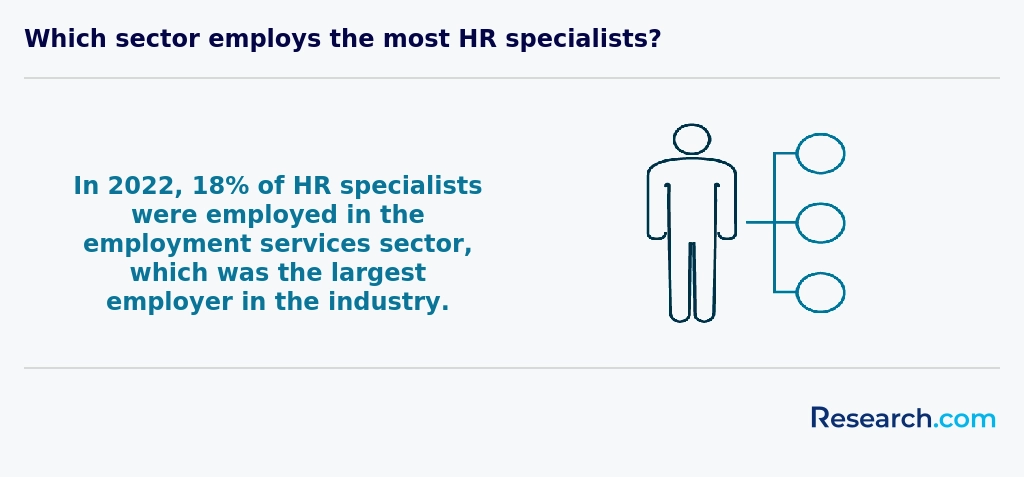
Graduates with a human resources degree in Nebraska can pursue a variety of practical and rewarding career paths that align with the state's diverse economy. Many find roles as Human Resources Specialists, managing recruitment and employee relations at companies throughout Omaha and Lincoln. Others take on leadership positions like HR Manager, shaping workplace policies in sectors such as healthcare or agriculture. Some graduates work as Recruitment Coordinators, where they focus on attracting local talent, while others specialize as Compensation and Benefits Analysts, designing competitive employee packages that boost retention.
Students from popular Nebraska universities often share how hands-on internships and cooperative education helped them secure roles that match their interests. For those weighing options, exploring hybrid or remote HR roles is also realistic given the state's evolving workforce trends. With job opportunities with HR degree Nebraska, many find meaningful work supporting businesses and their employees.
If you're considering advanced credentials or looking for easy phd programs to get into after your degree, these paths can elevate your career prospects and salary potential in Nebraska's HR field.
The human resources job opportunities Nebraska graduates face are promising, especially for those earning their degrees from institutions like the University of Nebraska-Lincoln or Creighton University. Graduates often find roles in diverse sectors such as healthcare, agriculture, and finance, where demand for HR professionals continues to grow steadily. Entry-level positions typically offer median wages between $50,000 and $60,000 annually, providing a solid starting point for new professionals.
Nebraska human resources degree employment outlook is favorable, with many graduates securing competitive jobs in the Omaha-Council Bluffs metro area, known for its concentration of businesses seeking skilled HR talent. Students appreciate that continuing education and certifications like SHRM-CP often open doors to higher salaries beyond $80,000 and leadership roles. Real-life experiences show that combining academic knowledge with practical skills in compliance and organizational behavior is key to success.
Students pursuing human resources degrees in Nebraska find the cost of attending public universities manageable, typically ranging from $7,000 to $10,000 per year. This affordability, alongside practical career outcomes, makes it a smart investment compared to more expensive programs. For those considering their options, exploring high paying 4 year degrees can provide additional insights to align career goals with financial expectations.
2027 Most Affordable Human Resources Degree Programs Ranking in Nebraska
Investing in your education is a significant decision that can shape your future, and the Research.com team understands the importance of making informed choices. To support prospective students in Nebraska, we have meticulously developed the "2027 Most Affordable Human Resources Degree Programs Ranking in Nebraska." Our dedication to quality, credibility, and accuracy is demonstrated through thorough research and careful analysis.
We utilized the following reputable data sources to ensure a comprehensive evaluation of human resources degree programs:
By exploring this ranking, readers will gain valuable insights into the most affordable and reputable human resources degree programs in Nebraska, enabling informed and confident decisions about their educational investment. For more details on our methodology, please visit our Research.com methodology page.

# 2 position
Wayne State College
Master of Science in Human Resource Management


# 4 position
Peru State College
Master of Science in Human Resource Management

Frequently Asked Questions About human resources
Human resources degree students in Nebraska can maximize their learning experience by engaging with both academic and practical opportunities. Nebraska's public universities often encourage internships; for example, the University of Nebraska system collaborates with local businesses and nonprofits to provide hands-on HR experience. Gaining real-world insight through internships is critical, as the Nebraska Department of Labor projects steady growth in HR jobs statewide, emphasizing practical skills.
Students should also take advantage of workshops and seminars offered by Nebraska's SHRM chapters, which provide professional networking and up-to-date industry practices. Additionally, incorporating courses on Nebraska labor laws and workforce demographics enhances regional expertise, important for future employment within the state.
Emerging niches within the human resources (HR) field reflect shifts in technology, workforce diversity, and workplace culture. In Nebraska, HR professionals increasingly focus on talent analytics, which uses data to optimize hiring and retention strategies. According to the Society for Human Resource Management (SHRM), organizations leveraging analytics improve employee engagement by up to 20%.
Another growing area is diversity, equity, and inclusion (DEI) management. Nebraska companies are expanding their DEI efforts to align with national trends, creating specialized roles to foster inclusive workplaces. This reflects broader demographics and evolving labor laws.
Additionally, remote workforce management and HR technology implementation are fast-growing specialties. These areas require HR professionals to adapt policies for virtual environments and integrate new software.
After completing a human resources degree in Nebraska, graduates should focus on gaining practical experience through internships or entry-level positions. Nebraska has a growing job market for HR professionals, with industries like healthcare, agriculture, and manufacturing driving demand. According to the Nebraska Department of Labor, employment for human resources specialists is expected to grow 7% through 2030, which is faster than average.
Networking is critical-joining local HR associations such as the Nebraska Human Resources Institute can connect new graduates with employers and mentors. Obtaining professional certifications like the SHRM-CP or PHR enhances job prospects, as Nebraska employers often prefer certified candidates. Continuing education and skill development in areas like labor law and HR technology also improve competitiveness in the job market.
Employers in Nebraska seek several key skills in graduates holding human resources degrees. According to the Nebraska Department of Labor, strong communication abilities remain essential, enabling HR professionals to handle employee relations and conflict resolution effectively. Analytical skills are also highly valued, as HR specialists use data to support workforce planning and compliance with labor laws.
In addition, Nebraska employers prioritize knowledge of local and federal employment regulations, including Nebraska's unique labor statutes. Adaptability and proficiency with HR technology platforms, such as applicant tracking systems, are increasingly important in this region.
Leadership and ethical judgment rank highly among desirable skills, helping graduates navigate sensitive workplace issues while promoting a positive organizational culture.
Finding internships in Nebraska relevant to a human resources degree involves a mix of online research, networking, and utilizing local resources. Start by exploring internship listings on Nebraska-based job boards such as the Nebraska Department of Labor's website, which offers regional opportunities tailored to HR students. Additionally, check with universities like the University of Nebraska Omaha and Creighton University that often partner with local businesses to offer HR internships.
Professional organizations like the Nebraska Society for Human Resource Management (NE SHRM) provide networking events and job postings that can connect students to internships. According to NE SHRM, over 60% of HR professionals in Nebraska began their career through internships, highlighting their importance.
Leveraging LinkedIn and reaching out to HR departments directly at mid-sized Nebraska companies-especially in Omaha and Lincoln, major business hubs-can yield valuable leads. Local chambers of commerce also post internship opportunities with member organizations.
A human resources degree in Nebraska significantly enhances career mobility and advancement opportunities within the state's growing workforce sector. According to the U.S. Bureau of Labor Statistics (BLS, 2023), Nebraska's HR-related occupations are expected to grow by 8% through 2031, faster than the national average. This growth reflects expanding demand in industries such as healthcare, manufacturing, and agriculture, which all require skilled HR professionals.
Graduates with HR degrees gain essential skills in labor laws, recruitment, and employee relations, making them competitive candidates for promotions and managerial roles.
Many Nebraska employers prioritize candidates with formal HR education, often linked to higher salaries and leadership roles, as reported by Nebraska Department of Labor statistics.
Studying for a human resources degree in Nebraska equips students with skills that extend beyond traditional HR tasks, preparing them for interdisciplinary roles in diverse workplaces. Nebraska institutions incorporate coursework in business management, psychology, and labor law, reflecting the interconnected nature of HR functions.
Many programs emphasize communication, conflict resolution, and strategic planning, essential for collaborating across departments like finance, operations, and compliance. According to the Nebraska Department of Labor, HR specialists in the state saw a 6% growth between 2020 and 2030, highlighting rising demand for versatile professionals.
These degrees also often include internships, offering real-world exposure to multiple organizational areas. This broad approach builds adaptability, a necessity in evolving work environments.
When choosing between a thesis and a non-thesis human resources degree program in Nebraska, consider your career goals and learning preferences. Thesis programs involve conducting original research and writing a comprehensive paper, which is ideal if you plan to pursue a PhD or work in research-heavy roles.
Non-thesis options typically focus on coursework and practical skills, appealing to students aiming for immediate HR positions in business or government. According to the Nebraska Department of Labor, HR jobs are growing steadily, emphasizing applied skills over research.
Cost and time commitment differ too: thesis programs may take longer due to research requirements. Review specific university offerings and discuss options with academic advisors.
Students in Nebraska seeking to study human resources abroad have several pathways through U.S. higher education institutions that offer international study opportunities. Many Nebraska universities with human resources programs participate in exchange programs or provider partnerships with universities overseas. These programs allow students to complete part of their degree abroad while earning credits toward their Nebraska degree.
Additionally, online human resource degrees from Nebraska institutions sometimes include optional study abroad components in countries with strong HR practices, aiding global experience. Data from the Nebraska Department of Education highlights that approximately 20% of students in state public universities engage in some form of international education.
While Nebraska-specific statistics on HR study abroad are limited, students are encouraged to explore programs supported by organizations such as NAFSA, which facilitates U.S. student international mobility.
Part-time job opportunities in Nebraska that complement a human resources degree often include roles such as HR assistant, recruiting coordinator, and payroll clerk. These positions provide valuable hands-on experience in areas like employee relations, talent acquisition, and compensation management. According to Nebraska Department of Labor data, HR support roles in the state are projected to grow by 9% through 2030, indicating strong future demand.
Working in local businesses or nonprofit organizations allows students to apply theoretical knowledge in real-world settings. Additionally, internships offered by companies in Omaha and Lincoln commonly accommodate part-time schedules, offering networking benefits.
Such roles help students develop critical skills in communication and organizational behavior, enhancing their employability after graduation.
Human resources students in Nebraska have access to several valuable networking opportunities that can enhance their career prospects. One key resource is the Nebraska Human Resources Association (NHRA), which hosts regular events, workshops, and conferences tailored for HR professionals and students. These events provide a platform to connect with industry leaders and local employers.
Additionally, universities such as the University of Nebraska offer career fairs and internship programs that foster direct contact with businesses across diverse sectors. Joining national groups like the Society for Human Resource Management (SHRM) via campus chapters also broadens networking beyond the state. Networking through these organizations is essential in Nebraska's growing HR job market, which is projected to increase by 10% through 2030 per the U.S. Bureau of Labor Statistics.
Alumni networks provide valuable support for human resources degree students in Nebraska by offering access to industry professionals and job opportunities. Many Nebraska universities maintain active alumni communities that host networking events, workshops, and mentoring programs. These connections are crucial because Nebraska's HR job market is competitive, with around 4,000 HR specialist positions statewide as reported by the Nebraska Department of Labor in 2023.
Through alumni networks, students gain insights into local employment trends and company cultures, improving their readiness for internships and career placement. Additionally, alumni often share job leads and internship openings with current students, facilitating smoother transitions into Nebraska's workforce.
Customizing a human resources degree program in Nebraska allows students to align their education with specific career goals. Many Nebraska universities offer electives focusing on labor relations, organizational development, or employment law, enabling specialization within human resources. Students can also choose internship opportunities in industries prominent in Nebraska, such as agriculture, manufacturing, or healthcare, to gain relevant practical experience.
Degree programs often provide options for certification preparation, such as the SHRM-CP, which enhances employability in Nebraska's competitive job market. According to the Nebraska Department of Labor, HR roles grew 8% between 2019 and 2023, showing strong demand for specialized skills in the state.
Human resources students in Nebraska often face challenges related to balancing practical experience with academic theory. Many programs emphasize understanding complex labor laws and federal regulations, which can be overwhelming for students new to the field. Additionally, Nebraska's labor market presents unique demands, such as a strong focus on agricultural and manufacturing sectors, requiring specialized HR knowledge.
Access to internships may be limited outside urban centers like Omaha and Lincoln, making it harder for students in rural areas to gain hands-on experience. According to the Nebraska Department of Labor, this impacts approximately 25% of students seeking placements.
Furthermore, staying current with evolving diversity and inclusion practices is a growing concern, as employers increasingly expect HR graduates to manage these priorities effectively.
With a human resources degree in Nebraska, graduates can pursue several respected professional certifications that enhance career prospects. The most recognized is the Professional in Human Resources (PHR) credential, offered by the HR Certification Institute (HRCI). It requires one to two years of relevant experience alongside a degree.
The Society for Human Resource Management offers the SHRM Certified Professional (SHRM-CP) credential, which is also popular among Nebraska HR professionals and focuses on operational HR roles.
Other certifications include the Certified Employee Benefits Specialist (CEBS) and Global Professional in Human Resources (GPHR) for advanced international HR management.
Obtaining these certifications can increase salary potential, with Nebraska HR specialists earning an average of $67,000 annually, per the U.S. Bureau of Labor Statistics (2023).
Applying for a human resources program in Nebraska requires a clear, well-organized application that highlights your relevant skills and experiences. Start with a strong personal statement explaining your interest in human resources and how Nebraska's economic landscape-where HR professionals support key industries like agriculture and manufacturing-aligns with your career goals.
Emphasize any prior work, internships, or volunteer experiences related to HR or business, even if informal. Nebraska institutions often appreciate candidates who demonstrate community engagement and practical knowledge.
Include accurate academic records, noting courses relevant to communication, management, or labor relations. According to the Nebraska Department of Labor, HR employment is projected to grow 7% through 2030, indicating strong future prospects.
Finally, tailor your application to each school's program focus and deadlines, and solicit recommendations from professionals acquainted with your leadership or organizational skills.
Human resources (HR) careers are increasingly viewed through a global lens, reflecting the interconnected nature of today's workforce. Professionals with HR degrees in Nebraska can expect to engage with diverse cultural practices and international labor laws as companies expand globally. According to the U.S. Bureau of Labor Statistics, HR specialists and managers often need skills in cross-cultural communication and global compliance, which are incorporated into many US higher education programs.
Moreover, Nebraska's growing industries, such as manufacturing and agriculture, emphasize workforce diversity and international recruitment. Earning an HR degree here prepares students to navigate these global challenges effectively.
Gaining practical experience while studying for a human resources degree in Nebraska is crucial for career readiness. Many universities, including the University of Nebraska system, offer internship opportunities that connect students with local businesses and nonprofits. These internships provide hands-on experience in recruitment, employee relations, and compliance.
Additionally, students can participate in cooperative education (co-op) programs that alternate classroom study with work in HR roles. According to the Nebraska Department of Labor, sectors like healthcare and manufacturing actively seek interns with HR skills.
Joining student chapters of professional organizations such as SHRM (Society for Human Resource Management) also helps build networks and gain real-world insight.
When choosing a concentration within a human resources degree program in Nebraska, consider your career goals and the local job market. Nebraska's economy, driven by sectors like agriculture, manufacturing, and healthcare, influences HR demands. For instance, concentrations in labor relations or organizational development may be valuable in larger corporations or unions prominent in Omaha and Lincoln.
Look for programs offering practical experiences, such as internships or partnerships with Nebraska's top employers. According to the Nebraska Department of Labor, HR specialists earn a median annual wage of about $64,000, and specialized skills in employee relations or compliance can increase opportunities.
Research the curriculum to see if it aligns with certifications like SHRM-CP, valued nationally and by Nebraska employers. Finally, verify that faculty have expertise in Nebraska labor laws and regional employment trends to maximize your learning and job prospects.
- 2027 Most Affordable Human Resources Degree Programs Ranking in Colorado
- 2027 Most Affordable Human Resources Degree Programs Ranking in Missouri
- 2027 Most Affordable Human Resources Degree Programs Ranking in Minnesota
- 2027 Most Affordable Human Resources Degree Programs Ranking in Michigan
- 2027 Most Affordable Human Resources Degree Programs Ranking in Alabama
- 2027 Most Affordable Human Resources Degree Programs Ranking in Florida
- 2027 Most Affordable Human Resources Degree Programs Ranking in Arizona
- 2027 Most Affordable Human Resources Degree Programs Ranking in New Jersey
- 2027 Most Affordable Human Resources Degree Programs Ranking in Delaware
- 2027 Most Affordable Human Resources Degree Programs Ranking in Connecticut
See What Experts Have To Say About Studying Human Resources
Read our interview with Human Resources experts

Thomas Kochan
Human Resources Expert
Professor of Management
Massachusetts Institute of Technology

Chester S. Spell
Human Resources Expert
Professor of Management
Rutgers University

Rick Hackett
Human Resources Expert
Professor, Human Resources & Management
McMaster University

- What to do after a Bachelor's degree in HR https://www.ipag.edu/en/blog/what-do-after-bachelors-degree-hr
- The Great Reinvention of Human Resources Has Begun JOSH BERSIN https://joshbersin.com/2026/01/the-great-reinvention-of-human-resources-has-begun/
- Top 10 HR Challenges and Their Solutions | HR Courses https://zoetalentsolutions.com/top-10-hr-challenges-and-their-solutions/
- What Degree Might You Need to Pursue an HR Career Path? The Requirements to Know https://www.trident.edu/what-degree-do-you-need-for-hr-requirements-to-know/
- Human Resources - Alumni.space https://www.alumni.space/en/you-are/human-resources/
- 18 HR Skills Every HR Professional Needs [2025 Guide] - AIHR https://www.aihr.com/blog/hr-skills/
- Top 10 HR Networking Groups for Professionals https://www.myhubintranet.com/hr-networking-groups/
- How to Become an HR Specialist https://teach.com/careers/business/human-resources-hr/
- Best programs to become a human resources manager in Nebraska https://clema.ai/nebraska/occupations/human-resources-managers
- What’s it like to study human resources management? https://www.murdoch.edu.au/news/articles/what-s-it-like-to-study-human-resources-management