2027 Best Human Resources Degree Programs Ranking in Grand Rapids

Co-Founder and Chief Data Scientist
Choosing the right human resources degree program is an important step toward a fulfilling career. For students in Grand Rapids, this article offers a clear guide to help simplify that decision-making process.
The 2027 Best Human Resources Degree Programs Ranking in Grand Rapids was carefully developed by the Research.com team of data scientists to provide reliable information on top programs. This ranking highlights schools that offer quality education and great opportunities.
By exploring this article, you'll discover valuable insights to confidently select the program that fits your goals and sets you up for success in human resources.
Key benefits of getting human resources degree in Grand Rapids
- Graduates with a human resources degree in Grand Rapids can expect competitive salaries, such as $76,060 annually for roles like Human Resources Generalist, Employee Relations Specialist, and Recruitment Coordinator, reflecting strong earning potential.
- Career paths are diverse, including positions in recruitment, employee relations, and training; local graduates from institutions like Grand Valley State University have successfully entered various HR fields.
- Online degrees offer flexible learning and allow working students in Grand Rapids to balance job and study, as shown by successful online graduates who quickly advanced in HR roles due to practical scheduling benefits.
- 2027 Best Human Resources Degree Programs Ranking in Grand Rapids
- What can I expect from human resources degree in Grand Rapids?
- Where can I work with human resources degree in Grand Rapids?
What can I expect from human resources degree in Grand Rapids?
The average cost of obtaining a human resources degree in Grand Rapids typically ranges between $20,000 and $40,000 for a bachelor's program at well-regarded institutions such as local universities and colleges. Graduates often recall balancing the tuition investment with valuable hands-on experiences like internships integrated into the curriculum, which made the financial commitment feel worthwhile. Many students appreciate how these programs provide a practical edge, preparing them for specific HR functions in thriving Grand Rapids industries such as manufacturing and healthcare.
Students also share positive feedback about support services that help navigate financial aid options, scholarships, and flexible scheduling. For example, graduates from programs offering SHRM-CP or PHR certification prep found these additional resources enhanced their career readiness without substantially increasing overall costs. This approach allows students to gain tangible skills and professional credentials while managing expenses effectively, contributing to both confidence and career advancement in Grand Rapids' competitive HR job market.
Where can I work with human resources degree in Grand Rapids?
Graduates with a human resources degree in Grand Rapids find diverse employment opportunities across industries such as healthcare, manufacturing, education, and public administration. Local healthcare systems like Spectrum Health and Metro Health consistently hire HR professionals to manage recruitment, employee relations, and compliance, offering roles that range from HR coordinators to benefits administrators. Students from Grand Rapids Community College and Lake Michigan College often secure internships or entry-level positions in these settings, gaining practical experience that bolsters career growth.
Manufacturing giants like Steelcase and Amway provide HR career paths specializing in labor relations and workforce planning, appealing to graduates eager to contribute to organizational development within large companies. Similarly, public sector employment through Grand Rapids Public Schools or city government positions attracts graduates interested in policy compliance and staff development, often with competitive benefits and advancement potential.
Many graduates also find rewarding roles in small businesses and nonprofits, utilizing their HR skills to support organizational growth. The region's expanding economy and steady workforce demand help instill confidence and optimism among students embarking on HR careers in Grand Rapids.
Graduates with a human resources degree from respected institutions in Grand Rapids, such as Grand Valley State University, can expect competitive starting salaries in local HR roles. Positions like Human Resources Assistant or Human Resources Generalist generally offer mean annual wages around $76,060, according to U.S. Bureau of Labor Statistics data. This figure reflects the strong demand for HR professionals equipped with relevant skills and practical training gained through degree programs in the region.
Many recent graduates find rewarding opportunities as Recruitment Coordinators or Employee Relations Specialists, both roles paying on average $76,060 annually. These wages provide a solid foundation for early-career financial stability while graduates build experience. Those involved in training and development can anticipate mean wages near $71,980, showcasing the value employers place on talent cultivation within companies.
Students from Grand Rapids colleges typically report that their HR degrees prepare them well for the realities of the local job market, offering exposure to sectors like healthcare and manufacturing where HR expertise is essential. This preparation, combined with the region's steady growth, creates positive enthusiasm among graduates excited for long-term career prospects and salary progression in human resources.
- Tuition for human resources degrees in Grand Rapids ranges from $10,000 to $20,000 per year, varying between public and private institutions.
- Job growth for HR specialists and managers is steady in Grand Rapids, supported by a diverse economy with manufacturing, healthcare, and service sectors.
- Starting salaries typically range from $45,000 to $55,000 annually, with experienced professionals earning between $75,000 and $85,000 per year.
- Many local colleges offer HR degrees or concentrations within business or leadership programs, providing internship and networking opportunities.
- Certifications such as the Professional in Human Resources (PHR) and SHRM credentials are highly valued and can enhance job prospects and salary potential.
Completing a human resources degree in Grand Rapids typically takes about four years for a standard bachelor's program at institutions like Ferris State University or Grand Valley State University. Graduates often reflect on balancing full-time coursework and gaining practical experience through internships, which enrich their understanding and readiness for the workforce. Some students have successfully shortened this timeline by enrolling in accelerated tracks, finishing their degree in approximately three years by taking additional courses or summer sessions.
For those pursuing advanced expertise, a master's degree in human resource management usually requires one to two years of full-time study. Many graduate students appreciate the flexibility of part-time options offered at local programs, which extend completion to three or four years while accommodating work commitments. These pathways allow aspiring HR professionals in Grand Rapids to tailor their education to personal schedules without sacrificing career progress.
The blend of rigorous academics and hands-on experience found in Grand Rapids HR programs helps graduates feel confident and well-prepared to enter a competitive job market.
Online human resources degree programs in Grand Rapids offer unmatched flexibility, allowing students to balance coursework with jobs or family responsibilities. Graduates from these programs often share how accessing lectures and assignments at any hour helped them maintain steady progress without sacrificing work commitments. For example, those attending Ferris State University online appreciate the ability to revisit recorded sessions to fully grasp complex HR concepts.
Conversely, traditional on-campus programs at institutions like Grand Valley State University deliver vibrant in-person interactions. Students value the immediate feedback from professors and dynamic group discussions that simulate real-world HR scenarios. These face-to-face experiences foster strong professional networks early on, a key benefit noted by many alumni who found local internship placements through campus connections.
Both formats maintain accredited curriculums, but on-campus environments cultivate social engagement and practical collaboration more intensely due to regular workshops and networking events held on site. Ultimately, whether online or on-campus, Grand Rapids HR students develop skills aligned with evolving industry standards while tailoring their education to personal lifestyles.
The average cost of a human resources degree in Grand Rapids varies based on the type of institution and residency status, with the median total cost around $30,454. For in-state students, costs are generally lower, averaging approximately $24,466. Many graduates from local institutions such as Grand Rapids Community College and Grand Valley State University reflect on the affordability and value of their education, often highlighting how manageable tuition fees paired with financial aid helped them pursue their goals without overwhelming debt.
Human resources degree tuition fees in Grand Rapids demonstrate notable differences, from reasonably priced associate degrees at community colleges to more substantial investments at private universities. For example, community colleges often charge tuition near $130 per credit hour, making them an appealing pathway for budget-conscious students. Meanwhile, bachelor's degree programs at public universities might reach $600 to $700 per credit hour, corresponding with the median costs described.
Beyond tuition, students frequently consider additional costs like fees, textbooks, and housing. Many who enrolled in the region's programs mention financial aid, scholarships, and employer tuition assistance as critical supports in reducing their overall expenses. For students eager to advance quickly, certain pathways like an online MBA in 18 months offer efficient progress while keeping costs manageable.
Students pursuing a human resources degree in Grand Rapids often benefit from a blend of federal, state, local, and institutional financial aid that makes higher education more accessible. Many graduates from institutions like Grand Valley State University and Davenport University recall how completing the FAFSA opened doors to Pell Grants, which for low-income students can provide up to $7,395 annually. These grants alleviate the pressure of tuition costs that typically range between $10,000 and $25,000 per year at public schools.
State programs such as the Michigan Competitive Scholarship and Michigan Tuition Grant also play a crucial role. Local students attending private or public human resources programs frequently receive merit-based scholarships or institutional grants that reward academic excellence or financial need, often shared enthusiastically by graduates grateful for such support.
Work-study opportunities and employer tuition assistance further enhance affordability, allowing students to gain hands-on experience while advancing their careers. Many working students express relief and motivation knowing their employers assist with tuition reimbursement, creating a practical pathway for career advancement throughout their studies.
Enrolling in a human resources degree program in Grand Rapids typically requires a high school diploma or equivalent, such as a GED. Graduates from local universities often recall that strong performance in English, social studies, and communication classes was essential to succeed during admissions. These subjects build the foundational skills crucial for human resources roles, where clear interaction and understanding of workplace dynamics are daily essentials.
Many colleges in Grand Rapids follow test-optional policies, yet submitting SAT or ACT scores can still strengthen an application. Applicants also prepare transcripts that highlight coursework in mathematics and communication, reflecting the analytical and interpersonal demands of HR professions. Personal statements or letters of recommendation are often part of the process, giving candidates a chance to express their genuine passion for human resources and their career goals.
For those pursuing graduate studies, such as a Master's in Human Resource Management at institutions known in Grand Rapids, a completed undergraduate degree is mandatory. Graduates emphasize that relevant work experience or internships often bring confidence and a competitive edge during admission. Some programs may require standardized tests like the GRE or GMAT, although these are increasingly waived under specific circumstances. This combination of academic qualifications and practical background prepares students to thrive in Grand Rapids' expanding HR job market.
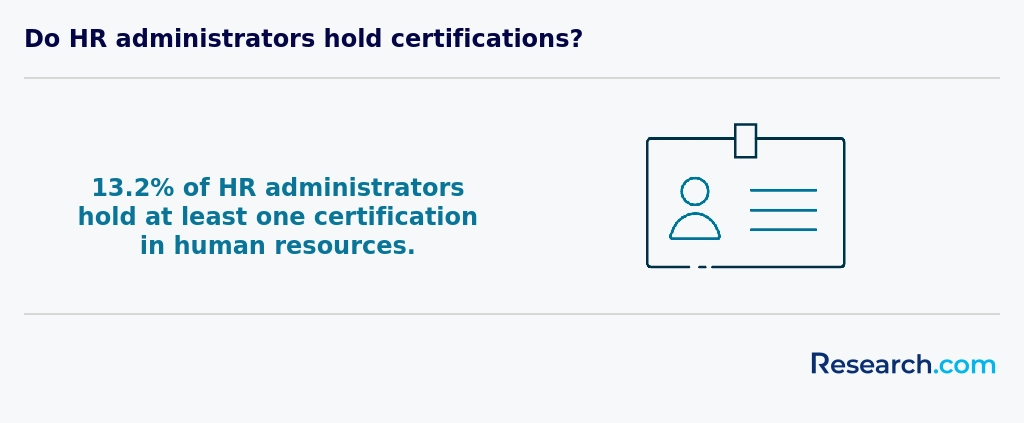
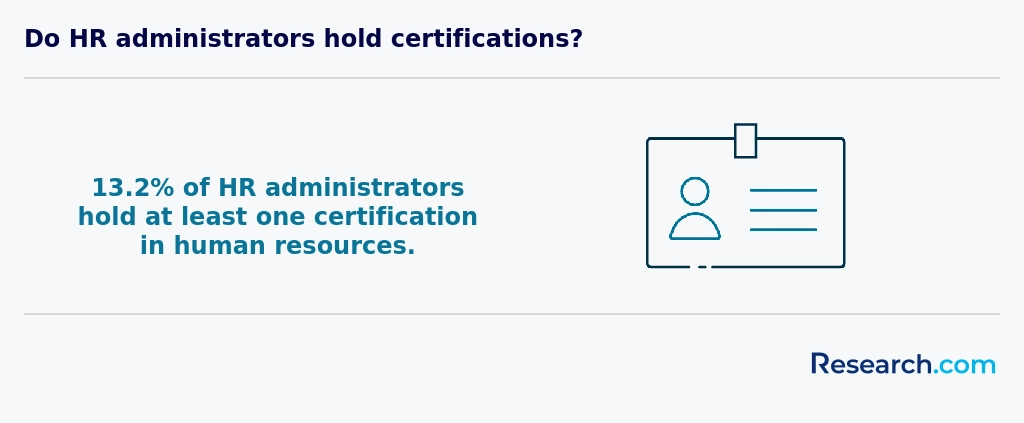
Earning a competitive Human Resources degree is just the beginning of your professional journey-complementing academic credentials with recognized certifications like SHRM-CP (Society for Human Resource Management – Certified Professional), PHR (Professional in Human Resources), or GPHR (Global Professional in Human Resources) can significantly boost your credibility and marketability. These certifications validate specialized expertise in areas such as talent acquisition, employee relations, and HR analytics, aligning your skills with industry standards and demonstrating your commitment to continuous growth. Many HR degree programs integrate certification-prep coursework or offer dedicated workshops to help students master the body of knowledge required for these exams. For example, training modules often cover: • Behavioral competencies (e.g., ethical practice, relationship management) • Technical knowledge domains (e.g., compensation and benefits, employment law, organizational development) • Exam-strategies and practice case studies to simulate real-world scenarios Beyond initial certification, maintaining credentials requires ongoing professional development units (PDUs) or recertification credits-an opportunity to stay abreast of evolving trends such as remote workforce management, people analytics, and AI-driven recruitment. Many graduates leverage online certificate programs or advanced degrees to meet these requirements efficiently. For those seeking an affordable pathway to a master’s level credential and deeper HR specialization, our Most Affordable Online Master's in Human Resources Degree Programs Ranking in Georgia highlights cost-effective options that can support your certification maintenance and career advancement goals.
Students pursuing human resources degrees in Grand Rapids typically engage in a comprehensive curriculum that blends theory with practical application, preparing them effectively for real-world HR challenges. Graduates from local universities often reflect on core courses such as Introduction to Human Resource Management, which introduces essential topics like recruitment and labor law compliance, helping them feel confident in managing workplace dynamics from day one.
Courses like Organizational Behavior allow students to understand team motivation and leadership, skills graduates emphasize as invaluable during internships at Grand Rapids businesses. The Employment Law course equips learners with a strong grasp of legal regulations, often cited by alumni as key to navigating compliance confidently in diverse workplaces.
In practice, courses such as Compensation and Benefits and Performance Management are praised for their hands-on approach, illustrating how to design salary structures and evaluate employee performance-skills highly relevant to area employers. Many also appreciate electives that address modern challenges like diversity and HR technology, reflecting the evolving demands of the Grand Rapids job market.
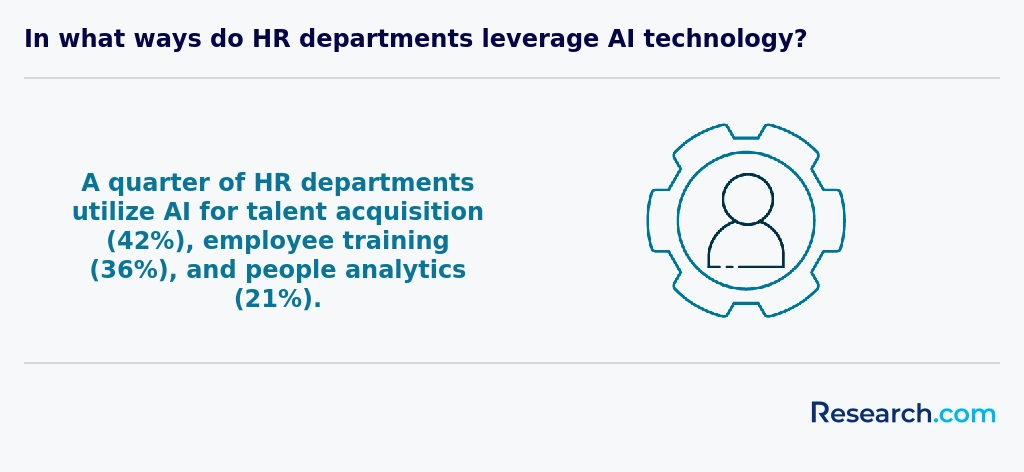
Students enrolled in human resources degree specializations in Grand Rapids often choose areas that directly enhance their career prospects within the local job market. Popular options include Talent Acquisition and Recruitment, where graduates gain hands-on experience in sourcing and selecting candidates, a skill highly valued by the region's manufacturing and healthcare sectors. Employee Relations and Labor Relations specialization equips learners to manage workplace conflicts and understand labor laws, preparing them to foster positive employer-employee dynamics in Grand Rapids' diverse organizations.
Graduates from local universities often highlight the practical benefits of specializing in Compensation and Benefits Administration or Human Resource Information Systems (HRIS), as these skill sets align with evolving industry demands. Meanwhile, a Training and Development focus allows students to design impactful employee growth programs, an area increasingly prioritized by companies in the city. Diversity, Equity, and Inclusion (DEI) is another vital concentration, reflecting Grand Rapids' commitment to inclusive workplace cultures and equitable policies.
The availability of internships and cooperative education in these programs further enhances the appeal, enabling students to apply their knowledge practically. Many aspiring professionals also explore options like an online communication master's no GRE to complement their HR expertise.
Overall, human resources degree specializations in Grand Rapids provide focused pathways that align well with local industry needs, offering students both professional fulfillment and competitive advantage.
Choosing the best human resources degree in Grand Rapids involves prioritizing accredited programs at reputable institutions known for strong HR curricula. Graduates from local colleges often highlight how comprehensive courses in employment law and labor relations, combined with hands-on internships, provided a seamless transition into the workforce. For example, students attending universities with tight community and employer connections in Grand Rapids benefit from robust alumni networks and job placement support. This real-world exposure enhances confidence and readiness for HR roles.
Another key aspect is reviewing the degree type-whether associate, bachelor's, or graduate-that aligns with your career goals. Affordable HR degrees in Grand Rapids typically reflect in-state public tuition rates, making quality education accessible without excessive debt. Many students also look for programs integrating preparation for SHRM certifications, which greatly improve job prospects. Exploring options that blend theoretical study with practical experience remains crucial.
To stay competitive, consider curriculum details and opportunities such as cooperative education or internships with local businesses. Some students find success by supplementing their education with relevant coursework from online mba programs curriculum, broadening managerial skills alongside HR expertise.

Graduates pursuing a human resources degree in Grand Rapids often enter diverse career paths reflecting the city's dynamic economy. Many find roles as Human Resources Generalists, managing everything from recruitment to employee relations in local companies. Others specialize as Talent Acquisition Specialists or Compensation and Benefits Analysts, supporting industries like healthcare and manufacturing, which are prominent in the region. Notably, graduates from institutions such as Grand Valley State University report positive experiences preparing for roles like Training and Development Coordinator, where they design impactful professional growth initiatives.
Jobs with human resources degree Grand Rapids graduates choose frequently include positions like Employee Relations Manager or HR Information Systems Analyst, addressing compliance, conflict resolution, and HR data management. These careers align with the expanding needs of small and medium businesses. Those interested in balancing work with continuing education might explore a part-time hospitality and tourism degree, which complements the interpersonal skills developed in HR programs and broadens career flexibility.

The human resources job outlook Grand Rapids presents a favorable landscape for graduates with HR degrees. Employment opportunities span healthcare, manufacturing, and educational institutions, where HR professionals manage critical functions such as employee relations and compliance. Graduates from local colleges often share positive experiences about securing entry-level roles like HR assistants or recruiters, with starting salaries in the mid-$40,000 range reflecting the steady demand in the region.
Mid-career HR specialists and managers find rewarding positions earning between $70,000 and $90,000 annually, benefiting from Grand Rapids' diverse and growing economy. Institutions in the area provide quality education, blending theory with practical application through internships and networking, which enhances job readiness. Students often complement their undergraduate HR training with additional credentials; pursuing online advanced accounting certificate programs is one example that broadens career pathways.
Understanding HR career opportunities in Grand Rapids helps aspiring professionals align their education with market needs, making human resources a compelling and stable choice for long-term career growth.
2027 Best Human Resources Degree Programs Ranking in Grand Rapids
Investing in your education is a significant decision that can shape your future, and the Research.com team understands the importance of making informed choices. To assist prospective students in Grand Rapids, we have meticulously crafted the "2027 Best Human Resources Degree Programs Ranking in Grand Rapids." Our commitment to quality, credibility, and accuracy is reflected in the extensive research and analysis conducted to compile this ranking.
We utilized the following reputable data sources to ensure a comprehensive evaluation of human resources programs:
By exploring this ranking, readers will gain valuable insights into the best human resources degree programs available in Grand Rapids, helping them make well-informed decisions about their educational futures. For more details on our methodology, please visit our Research.com methodology page.

Frequently Asked Questions About human resources
Human resources degree students in Grand Rapids can maximize their learning experience by engaging deeply with local business communities. The city hosts a growing range of industries, including manufacturing, healthcare, and technology, which provide valuable internship opportunities. Gaining hands-on experience through internships or cooperative education programs allows students to apply theoretical knowledge in real-world settings.
Attending networking events organized by local HR professional groups, such as the West Michigan Human Resources Association, can help students build important professional connections. Additionally, leveraging resources offered by nearby universities, including career services and workshops, enhances learning and job readiness.
According to the U.S. Bureau of Labor Statistics, Grand Rapids has seen a steady demand for HR specialists, making practical experience critical for employment success.
The human resources field is evolving rapidly, with new specialties gaining importance in recent years. One emerging niche is HR analytics, which uses data to improve hiring, employee retention, and workforce planning. Grand Rapids companies increasingly seek HR professionals skilled in data interpretation to guide strategic decisions.
Another growing area is diversity, equity, and inclusion (DEI). Employers in Grand Rapids are focusing more on creating equitable workplaces, and HR degrees now often emphasize training in DEI policies and cultural competence.
Remote work management is also becoming a vital skill, reflecting national trends. HR roles now include developing policies and supporting virtual teams, skills highly relevant in the Grand Rapids job market, according to the latest reports from Michigan's Department of Labor and Economic Opportunity.
To prepare for the job market after earning a human resources degree in Grand Rapids, students should focus on building relevant skills and gaining practical experience. Local employers value candidates familiar with HR software and labor law compliance specific to Michigan.
Internships or part-time roles with Grand Rapids-based companies, such as steel manufacturers or healthcare providers, can provide valuable industry exposure. Networking through local chapters of organizations like the Society for Human Resource Management (SHRM) helps graduates connect with professionals in the region.
Additionally, obtaining HR certifications, like the SHRM-CP, can enhance job prospects. According to the Bureau of Labor Statistics, HR specialists in Michigan earned a median salary of around $63,000 in 2023, showing strong demand in the area.
Employers in Grand Rapids seek human resources graduates with strong communication and interpersonal skills. These are essential for managing employee relations and conflict resolution effectively. Additionally, knowledge of employment law and compliance is highly valued, given the complex regulatory environment. Analytical skills are crucial for interpreting workforce data to support recruitment and retention strategies.
Proficiency in HR information systems (HRIS) is increasingly important as local businesses adopt digital tools. According to the Michigan Department of Labor, HR specialists in Grand Rapids often utilize platforms like Workday and SAP. Adaptability and problem-solving capabilities rank high, especially in this region's diverse economic landscape.
Finding internships in Grand Rapids for human resources students involves tapping into local networks and institutions. Many universities in the area, such as Grand Valley State University and Aquinas College, offer career services that connect students with nearby businesses seeking HR interns. According to the Grand Rapids Chamber of Commerce, the city hosts over 100 HR-related companies, increasing internship opportunities.
Students should also explore the West Michigan Human Resources Association (WMIHRA), which frequently shares internship postings and networking events. Additionally, websites like Handshake and the Michigan Talent Bank feature local openings specifically for HR roles.
Reaching out to HR departments at major employers like Spectrum Health and Steelcase can also lead to internships that provide hands-on experience in staff management, recruitment, and compliance.
A human resources degree significantly enhances career mobility and advancement opportunities in Grand Rapids. According to the U.S. Bureau of Labor Statistics, the demand for HR specialists and managers in Michigan is expected to grow by 7% through 2031, reflecting regional employment trends relevant to Grand Rapids.
Graduates with HR degrees gain essential skills such as talent management, labor law, and organizational development, which employers in Grand Rapids highly value. Local companies, including those in healthcare and manufacturing sectors, often prioritize candidates with formal HR education for managerial roles.
Networking opportunities and internships available through Grand Rapids educational institutions also improve career prospects. These connections often lead to job placements and promotions, helping graduates move quickly up the career ladder within the regional job market.
Studying for a human resources degree in Grand Rapids equips students with skills applicable across various business areas. Programs often integrate coursework in business management, labor law, and organizational psychology, emphasizing practical collaboration. This interdisciplinary approach prepares graduates to manage workforce challenges alongside finance, marketing, and operations teams.
Local institutions leverage Grand Rapids' diverse economy, including healthcare, manufacturing, and tech sectors, offering internships that foster cross-functional experience. According to the Michigan Department of Labor, HR employment in the Grand Rapids metro area grew by 5% from 2019 to 2023, reflecting rising demand for versatile HR professionals.
Such programs focus on communication, conflict resolution, and data analysis, crucial for roles that intersect with legal, financial, and strategic departments. This foundation enables graduates to adapt in multifaceted organizational contexts.
Choosing between a thesis and a non-thesis human resources degree program in Grand Rapids depends on your career goals and learning preferences. Thesis options usually suit students aiming for research roles or further academic studies, requiring original research and a substantial written document. Non-thesis programs focus more on practical skills and coursework, ideal for professionals targeting immediate HR positions in industries common to Grand Rapids, like healthcare and manufacturing.
Local universities often provide both formats. According to the Bureau of Labor Statistics, HR employment in the Grand Rapids area is growing steadily, making practical skills valuable. Consulting program curricula and faculty expertise can help refine your choice.
Students based in Grand Rapids seeking to study human resources abroad have several pathways through U.S. universities offering international exchange programs. Many institutions in Michigan partner with universities overseas, allowing students to earn credits while gaining global HR perspectives. For example, Grand Valley State University, a leading local school, promotes study abroad options in countries with strong business hubs.
Additionally, U.S. higher education accreditation facilitates credit transfers for HR degrees, making it easier to combine local coursework with international experiences. Students can choose semester exchanges, summer programs, or dual-degree opportunities.
According to NACE (2023), global HR competencies are increasingly valued in the U.S. job market, making abroad study a strategic advantage for Grand Rapids students aiming to enter competitive human resources fields.
Students pursuing a human resources degree in Grand Rapids can find valuable part-time opportunities that align with their academic goals. Roles such as HR assistant, recruiting coordinator, or payroll clerk are common in local businesses and nonprofits. These positions provide practical experience in HR processes and employee management.
In Grand Rapids, the healthcare and manufacturing sectors are significant employers, often offering part-time HR roles. According to the Michigan Talent Investment Agency, jobs in human resources support services are expected to grow by 5% locally through 2028, highlighting demand for skilled workers.
Additionally, many companies partner with area colleges for internships or part-time work-study positions, allowing students to apply coursework in real-world settings. Such experience can enhance resumes and professional networks significantly.
Human resources students in Grand Rapids have access to a variety of networking opportunities that can enhance their professional growth. Local chapters of national organizations, such as the Society for Human Resource Management (SHRM) Grand Rapids chapter, regularly host events, workshops, and conferences. These gatherings allow students to connect with seasoned HR professionals and potential employers.
Additionally, Grand Rapids hosts career fairs and seminars through institutions like Grand Valley State University, where students can engage directly with local businesses. According to SHRM, Michigan's HR employment is expected to grow by 7% through 2029, highlighting the importance of these connections.
Internships and cooperative education programs with nearby companies also provide valuable hands-on experience and networking in real-world settings for HR students in the region.
Alumni networks provide significant benefits to human resources degree students in Grand Rapids by offering access to professional connections within the local HR community. These networks often include graduates working in various industries throughout West Michigan, facilitating mentorship and job placement opportunities. According to the Society for Human Resource Management (SHRM), networking strongly influences career advancement for HR professionals.
In a city like Grand Rapids, where the unemployment rate hovers around 3.4%, these connections help students navigate the competitive job market. Alumni can share insights about local HR trends and direct students to internships or entry-level positions in organizations such as Steelcase or Meijer.
Moreover, active alumni networks organize workshops, seminars, and career fairs, which enhance professional development and keep students updated on certification requirements like PHR or SHRM-CP. Involving students early in these communities can increase graduation-to-employment rates reported by local institutions.
Customizing a human resources degree program in Grand Rapids allows students to align their education with specific career goals. Many local colleges and universities offer elective courses in areas like labor relations, talent acquisition, or organizational development. This flexibility helps students develop expertise relevant to HR roles in industries prominent in Grand Rapids, such as manufacturing and healthcare.
Internships and cooperative education opportunities with regional employers provide practical experience, enhancing employability. Grand Rapids' strong business community, including companies like Steelcase and Spectrum Health, often partners with schools to support hands-on learning.
Additionally, students can pursue certifications such as SHRM-CP alongside their degree to increase professional credentials within the HR field.
Human resources students in Grand Rapids often face challenges related to balancing practical experience with academic demands. Many local programs emphasize internships or cooperative education, but limited placement opportunities in smaller firms can make securing these positions competitive. According to the Michigan Department of Labor and Economic Opportunity, Grand Rapids has seen a steady increase in HR roles, yet the market favors candidates with diverse skills beyond just theory.
Additionally, students must navigate evolving labor laws and diversity regulations, which require continuous learning beyond textbooks. Access to networking events is growing but still less frequent than in larger metropolitan areas, potentially impacting career development. Those pursuing online or part-time studies may also struggle with reduced interaction and mentorship.
Graduates with a human resources degree in Grand Rapids have several professional certification options to enhance their careers. The most recognized certification is the Professional in Human Resources (PHR), offered by the HR Certification Institute. It demonstrates mastery of technical and operational HR management.
Another valuable credential is the SHRM Certified Professional (SHRM-CP), provided by the Society for Human Resource Management. It focuses on both behavioral competencies and HR knowledge.
Local HR professionals in Grand Rapids often pursue the Senior Professional in Human Resources (SPHR) for advanced leadership roles. According to the Michigan HR Association, certified HR specialists report higher salary averages compared to non-certified peers in the region.
To write a winning application for a human resources program in Grand Rapids, start by clearly demonstrating your understanding of HR's role in local industries. Highlight any relevant work experience or volunteer activities related to talent management, employee relations, or organizational development. According to the U.S. Bureau of Labor Statistics, Grand Rapids is a growing business hub, so emphasizing skills like communication and conflict resolution can strengthen your case.
Use your personal statement to show genuine enthusiasm for contributing to Grand Rapids's workforce. Tailor your resume to highlight achievements that align with HR competencies. Finally, ensure all application materials are error-free and follow each school's specific submission guidelines carefully.
Human resources (HR) careers in Grand Rapids reflect a growing global trend toward recognizing HR as a strategic partner in business. According to the U.S. Bureau of Labor Statistics, HR specialists' employment is expected to grow 7% from 2021 to 2031 nationally, with Grand Rapids showing steady local demand. Globally, HR professionals must understand diverse labor laws, cultural differences, and international workforce management.
In the U.S., degrees in HR emphasize knowledge in organizational behavior, employment law, and global business practices. Grand Rapids, home to multiple universities offering HR programs, benefits from connections to international companies operating in the Midwest.
This global outlook increases HR roles' complexity and importance, requiring graduates to be adaptable and culturally aware in an interconnected world economy.
Gaining practical experience while studying for a human resources degree in Grand Rapids is essential for building job-ready skills. Many local colleges and universities offer internship opportunities with well-known employers in the region, such as Spectrum Health and Steelcase. These internships provide real-world experience in recruitment, employee relations, and HR compliance.
Students can also participate in cooperative education (co-op) programs, which alternate classroom study with paid work terms. According to the Grand Rapids Area Chamber of Commerce, nearly 40% of HR students engage in internships before graduation, significantly boosting employment prospects.
Additionally, joining student chapters of professional associations like SHRM can expand networks and offer hands-on workshops.
Choosing the right concentration within a human resources degree program in Grand Rapids begins with understanding your career goals. Common concentrations include talent management, labor relations, and compensation and benefits. Each one targets different aspects of HR, so consider which aligns best with your interests and the local job market.
Grand Rapids hosts a diverse business environment with growing healthcare and manufacturing sectors, which often seek HR professionals skilled in employee relations and training. According to the U.S. Bureau of Labor Statistics, HR specialist employment in Michigan is projected to grow by 7% through 2030, slightly above the national average.
Research programs offered by Grand Rapids' colleges to compare curriculum depth and internship opportunities, as hands-on experience is crucial in this field. Networking prospects within local companies can also influence your choice of concentration.
- 2027 Best Human Resources Degree Programs Ranking in Milwaukee
- 2027 Best Human Resources Degree Programs Ranking in Chicago
- 2027 Best Human Resources Degree Programs Ranking in Lisle
- 2027 Best Human Resources Degree Programs Ranking in Cleveland
- 2027 Best Human Resources Degree Programs Ranking in Columbus
- 2027 Best Human Resources Degree Programs Ranking in Cincinnati
- 2027 Best Human Resources Degree Programs Ranking in Winona
- 2027 Best Human Resources Degree Programs Ranking in Pittsburgh
- 2027 Best Human Resources Degree Programs Ranking in Saint Louis
- 2027 Best Human Resources Degree Programs Ranking in Saint Paul
See What Experts Have To Say About Studying Human Resources
Read our interview with Human Resources experts


Thomas Kochan
Human Resources Expert
Professor of Management
Massachusetts Institute of Technology

Rick Hackett
Human Resources Expert
Professor, Human Resources & Management
McMaster University

- CourseCareers https://coursecareers.com/blog-posts/learning-human-resources-with-coursecareers
- HR or Marketing: Where Should An Alumni Association Live? https://enterprisealumni.com/blog/alumni-association-hr-marketing
- Degrees for Human Resources: A Guide to Starting or Switching Your Career https://www.aihr.com/blog/degrees-for-human-resources/
- Sample letters in human resources https://www.mystudies.com/en-in/business-accountability-management/human-resources/letter-model/
- HR Exchange Network https://www.hrexchangenetwork.com/
- Human Resources Internships https://careers.slb.com/early-careers/internships/hr-intern
- How to Become an HR Intern Without Experience - HR University https://hr.university/career/hr-intern/how-to-become-an-hr-intern/
- How a Human Resources Management Degree Can Boost Your Career | BSBI https://www.berlinsbi.com/blog/how-a-degree-in-human-resources-can-boost-your-career-a-guide-for-aspiring-professionals
- A Guide to the Human Resources Career Path https://www.galwaybusinessschool.ie/blog/a-guide-to-the-human-resources-career-path/
- Top 10 HR Networking Groups for Professionals https://www.myhubintranet.com/hr-networking-groups/