2027 Most Affordable Human Resources Degree Programs Ranking in Tennessee

Co-Founder and Chief Data Scientist
Choosing the right human resources degree program can feel overwhelming, especially when budgeting matters. That's why this article presents the 2027 Most Affordable Human Resources Degree Programs Ranking in Tennessee, carefully developed by the Research.com team of data scientists. It's designed to help you make a smart, informed decision about which programs offer great value without compromising quality.
Exploring affordable options opens doors to a rewarding career in human resources, where you can make a meaningful impact. Whether you're starting fresh or seeking advancement, this ranking supports your educational journey with clear, trustworthy information.
Key benefits of getting human resources degree in Tennessee
- Graduates with a human resources degree in Tennessee can expect strong earning potential, with jobs like Recruitment Coordinator or Human Resources Generalist earning a mean annual wage of around $76,060 and hourly wages near $36.57.
- Potential career paths include roles such as Employee Relations Specialist and Training and Development Coordinator, showcasing diverse opportunities for growth and success after graduation from popular local schools like the University of Tennessee.
- Completing a human resources degree online offers flexibility and convenience, allowing students to balance work and study effectively, as seen with many graduates from Tennessee's online programs who value accessible education without sacrificing quality.
- 2027 Most Affordable Human Resources Degree Programs Ranking in Tennessee
- What can I expect from human resources degree in Tennessee?
- Where can I work with human resources degree in Tennessee?
What can I expect from human resources degree in Tennessee?
The average cost of earning a human resources degree in Tennessee varies depending on whether you choose a community college, a public university, or a private institution. For many students, starting at a community college like Nashville State or Chattanooga State can cost around $3,500 to $5,500 per year, making it a budget-friendly option to begin your HR education. Graduates from these colleges often share how affordable tuition allowed them to focus more on gaining real-world HR experience through local internships.
At public universities like Middle Tennessee State University or the University of Memphis, annual tuition often ranges from $8,000 to $12,000 for in-state students. Many graduates recall how this investment in specialized HR coursework and networking events opened doors to strong career opportunities across Tennessee's diverse economy.
Private institutions tend to have higher tuition fees, sometimes reaching $20,000 or more annually. However, the dedicated support, smaller classes, and flexible program options motivate many students to take this step with confidence. Exploring financial aid and scholarships tailored to HR students can significantly ease the financial burden in all these settings, helping you focus on mastering labor laws and talent management unique to Tennessee's workforce.
Where can I work with human resources degree in Tennessee?
Graduates with a human resources degree in Tennessee find themselves stepping into a vibrant job market filled with opportunities across many thriving industries. Imagine working in Nashville's healthcare scene, supporting a major hospital like Vanderbilt University Medical Center, or joining the bustling corporate offices of finance and insurance firms where HR expertise drives company growth. Many human resources students from institutions like Middle Tennessee State University share how internships in these cities opened doors to rewarding roles in talent acquisition and employee relations.
Others have found rewarding careers in Tennessee's robust manufacturing sector. Picture yourself at an automotive plant in Smyrna or Spring Hill, ensuring workforce training and safety standards are met. These roles call for strong knowledge of labor laws and employee engagement, skills sharpened through your degree program.
Don't overlook public education and state government roles, either. Graduates from the University of Tennessee often secure positions managing faculty recruitment or overseeing personnel administration in state agencies, combining their passion for people with steady, impactful career growth. With certifications like SHRM-CP, your path in Tennessee's diverse HR job market becomes even clearer and more promising.
Graduates with a human resources degree in Tennessee can expect promising salary opportunities right out of college. For instance, many recent graduates from institutions like Middle Tennessee State University or the University of Memphis have found entry-level roles as Human Resources Assistants, earning a mean annual wage of $76,060 according to the latest Bureau of Labor Statistics data. This solid starting point reflects the growing demand for skilled professionals in the state.
Other common career paths, such as Recruitment Coordinators or Employee Relations Specialists, also offer attractive salaries near $76,060 annually, allowing new graduates to quickly gain financial independence while contributing meaningfully to organizations.
Training and Development Coordinators, another typical role for HR grads, earn a bit less but still a competitive $71,980 per year, which makes it an appealing option for those passionate about employee growth and education.
Many Tennessee graduates share how landing these roles at regional companies or healthcare networks feels both empowering and rewarding, knowing their skills directly impact workplace culture and employee success.
- Tuition for a human resources bachelor's degree in Tennessee ranges from $9,000 to $12,000 per year at public schools and often exceeds $20,000 at private institutions.
- The HR job market in Tennessee is expected to grow by about 7% over the next decade, aligned with the national average.
- Starting salaries for HR graduates in Tennessee typically range from $45,000 to $50,000 annually.
- Experienced HR managers and specialists can earn between $65,000 and $80,000 per year, especially with certifications like SHRM-CP or PHR.
- Tennessee universities offer flexible learning options, including part-time and online courses, suitable for working professionals.
- HR programs often include courses in labor relations, employment law, and personnel management, with access to internships and professional networks.
Completing a human resources degree in Tennessee often takes about four years for full-time students, especially at well-known institutions like the University of Tennessee or Middle Tennessee State University. Many graduates share that this timeframe felt just right to fully grasp the essential skills and knowledge needed in HR while also balancing campus life and part-time jobs.
For those juggling work or family, part-time study options can extend this to five or six years. However, some students find accelerated programs rewarding, allowing them to finish in as little as three years by taking summer courses and extra classes each semester. This flexibility gives you the freedom to tailor your journey based on your lifestyle.
Associate degrees take about two years and serve as a strong foundation, ideal if you want to enter the workforce quickly or build credits toward a bachelor's. Graduate options, like a Master's in HR or an MBA focusing on HR, typically require around two years, with online and part-time schedules available to fit diverse needs.
Becoming a well-rounded HR professional in Tennessee often means pairing your degree with industry-recognized certifications and a commitment to lifelong learning. Earning credentials such as the SHRM Certified Professional (SHRM-CP), SHRM Senior Certified Professional (SHRM-SCP), or HRCI’s Professional in Human Resources (PHR) not only validates your expertise in talent acquisition, employee relations, and strategic management but also elevates your candidacy for competitive roles. Key certification and continuing education pathways: • SHRM-CP / SHRM-SCP – Ideal for early-career and senior HR practitioners; requires a blend of education and work experience plus a comprehensive exam. • PHR / SPHR (HRCI) – Focuses on technical and operational aspects of HR; recognized widely across public and private sectors. • Certified Compensation Professional (CCP) – Specialization in compensation structures, pay equity, and benefits design. • Talent Management Institute (TMI) Certifications – Covers talent acquisition, leadership development, and workforce planning. Beyond initial certification, maintaining credentials involves completing continuing education units (CEUs) through: • University-sponsored workshops and executive education programs on topics like HR analytics, DEI strategies, and HRIS implementation. • Professional conferences and seminars hosted by SHRM Tennessee State Council or local HRS chapters. • Online micro-credentials and webinars that align with emerging trends, such as remote work policies and AI in recruitment. For those exploring affordable yet high-quality HR education in neighboring states, you may also find the Most Affordable Human Resources Degree Programs Ranking in New York a valuable reference. By strategically integrating certifications and ongoing professional development with your Tennessee degree, you’ll enhance your expertise, expand your network, and secure a competitive edge in today’s dynamic HR landscape.
Choosing between online and on-campus human resources degrees in Tennessee often comes down to your lifestyle and learning style. Graduates from universities like the University of Tennessee value on-campus programs for the hands-on experiences they gained through group projects and direct interaction with peers and professors-moments that built their confidence in managing real HR situations. This setting also offers easy access to career counseling and networking events, key for launching a successful HR career.
On the other hand, many working adults who completed their degrees through online programs at schools such as Middle Tennessee State University appreciate the flexibility of studying where and when it suits them best. They found that digital tools like video lectures and virtual simulations effectively prepared them for modern HR roles, especially in remote teamwork. Costs also tend to be lower or comparable online, which helped them balance education with other responsibilities. Both paths cover the essential HR knowledge needed in Tennessee's job market, so consider what environment inspires you most.
The average cost of a human resources degree in Tennessee varies based on residency and institution type, but for many in-state students attending a public university, the total investment often centers around $13,812. This figure reflects the cumulative expenses over the entire program, making it much more approachable than out-of-state or private options. Graduates from well-known universities in Tennessee frequently share how careful budgeting and exploring in-state tuition benefits helped them navigate college finances without overwhelming debt. By aiming for an in-state public school, many found a balance between quality education and affordability.
For students pursuing affordable human resources degree programs Tennessee offers community colleges and universities with tuition significantly lower than private institutions. Annual expenses for associate degrees can be as little as $4,000 to $6,000 for residents, totaling roughly $8,000 to $12,000 for the full program. Those who enrolled in these programs often highlighted the value of gaining practical skills while maintaining a manageable financial commitment.
When considering bachelor's or master's degrees, it's important to remember that additional costs like books and living expenses add up. However, many incoming students feel encouraged knowing programs in Tennessee participate in the Tennessee Promise and Tennessee Reconnect initiatives, which can substantially ease the tuition burden. Exploring options at popular schools for human resources, and consulting resources like the top human resources schools in Tennessee, helps students take confident steps toward completing their degree without financial strain.

A vibrant campus life and abundant networking opportunities are essential components that can dramatically enhance your HR education experience. Many Tennessee institutions not only provide top-notch classroom instruction but also offer dynamic environments where students build lifelong professional connections. On-campus career fairs, student-run HR clubs, mentorship programs, and partnerships with local businesses allow students to gain real-world insights and access exclusive internships. These interactions often pave the way for job placements and career advancement by bridging the gap between academic theories and industry practices. Engaging in campus events and networking sessions can also help you explore specialized interests and emerging trends in human resources. For instance, attending industry seminars and workshops can expose you to cutting-edge HR technologies and strategic practices. Moreover, peer-to-peer learning and discussions with experienced professors enrich the educational journey, preparing you for the complexities of today’s competitive job market. For more detailed insights into the academic quality and networking opportunities offered by distinguished institutions, consider exploring the resources provided by the top human resources schools in tennessee. Embracing both academic excellence and vibrant campus life can empower you to shape a successful and fulfilling career in human resources.
When pursuing a human resources degree in Tennessee, financial aid is your best ally to ease the burden of tuition, which typically ranges from $9,000 to $12,000 annually at public universities like the University of Tennessee or Middle Tennessee State University. Many graduates recall relying on the Pell Grant, a federal need-based award covering up to $7,395, which helped them focus more on their studies rather than financial stress. Federal student loans, especially Direct Subsidized Loans with low interest rates, also offer flexible repayment, making them a practical choice for many HR students.
State aid plays a huge role too. For instance, the Tennessee HOPE Scholarship, offering up to $4,500 a year, is a game changer for in-state students maintaining good grades. Alumni from these schools often highlight how this merit-based award reduced their tuition dramatically, allowing them to invest in valuable internships without financial strain.
Private scholarships targeted at HR majors, such as those from the Society for Human Resource Management, open more doors. Many students have combined these scholarships with work-study jobs on campuses like Tennessee State University, gaining both income and real-world experience. These opportunities blend financial relief with professional growth, a win-win for aspiring HR professionals in Tennessee.
To enroll in a human resources degree program in Tennessee, you'll first need to have completed high school or obtained a GED. This foundational step opens the door to institutions like the University of Tennessee or Middle Tennessee State University, where graduates often recall how their strong English and social science backgrounds helped them excel in HR coursework.
Standardized test scores such as the ACT or SAT can boost your application, especially for competitive programs, though many schools now offer test-optional paths. For example, some community college students shared stories of how focusing on their GPA and relevant coursework at schools like Volunteer State Community College made admission smoother without standardized tests.
Letters of recommendation and personal statements can set you apart, conveying your passion for people and workplace dynamics-key traits for success in human resources.
The journey may sound rigorous, but graduates often describe the process as empowering, knowing each requirement equips them for a fulfilling career in Tennessee's diverse HR field.

When you study human resources in Tennessee, expect a curriculum built around core courses that truly prepare you for the workforce. Graduates from well-known institutions like the University of Tennessee often highlight how courses such as Recruitment and Selection teach them to spot and attract the best talent-skills they use immediately in internships and entry-level roles.
Other crucial classes include Employee Training and Development, where students learn how to boost career growth for others, and Compensation and Benefits, which covers designing fair pay structures. Employment Law and Compliance is especially vital here in Tennessee, as understanding state and federal labor laws keeps you and your future employer protected.
Courses in Organizational Behavior and Performance Management bring classroom lessons to life by showing how to motivate teams and improve productivity effectively. Many students appreciate how these topics connect theory with real Tennessee workplaces, from bustling Nashville healthcare firms to growing manufacturing plants.
Human resources degree specializations Tennessee students pursue are thoughtfully designed to fit the dynamic needs of today's workplaces. For example, graduates from well-regarded colleges in Tennessee often choose Talent Acquisition and Recruitment, mastering the art of identifying the best talent and navigating legal hiring requirements with confidence. Others dive into Employee Relations, gaining skills to thoughtfully resolve conflicts and boost team morale, a focus highly valued in businesses across the state.
Popular institutions emphasize specializations like Compensation and Benefits, where students learn to design competitive and fair pay structures that truly motivate employees. Meanwhile, Organizational Development prepares students to become agents of positive change, an exciting path embraced by many ambitious graduates at Tennessee colleges. For tech-savvy students, specializing in HR Information Systems (HRIS) opens doors to managing critical HR data and payroll with cutting-edge tools.
Choosing the right focus is crucial. Many students find it helpful to explore options through practical experiences offered by Tennessee programs, aligning their career passions with thriving HR career focus areas Tennessee colleges provide. If cost is a concern, don't miss the Most Affordable Human Resources Degree Programs Ranking in New York for additional inspiration in planning your educational journey.
Start by prioritizing accredited institutions in Tennessee that offer comprehensive curricula covering employment law, organizational behavior, and labor relations-key subjects that graduates found essential in their careers. Programs aligned with SHRM standards enhance your readiness for certification and boost employer appeal. Many graduates from popular Tennessee universities appreciate how these programs blend theory with hands-on learning, making the material feel both relevant and exciting.
Cost matters significantly, so seek out affordable human resources degree programs Tennessee offers that won't overwhelm you with debt. Graduates often share how financial prudence allowed them to focus more on learning than worrying about expenses. Location and flexibility also come into play; some students thrive in campus settings, while others favor online options that fit their schedules. For those balancing work and study, the best accelerated adult degree programs online offer invaluable convenience without sacrificing quality.
Lastly, consider schools with strong connections to local employers, because career support through internships and networking can transform potential into opportunity. Successful alumni often highlight how local ties helped them launch fulfilling HR careers within Tennessee's growing job market.
Graduates with a human resources degree in Tennessee find themselves stepping into a dynamic field with diverse career paths. Many start as HR Specialists, managing recruiting and labor law compliance within growing industries in cities like Nashville and Knoxville. Others quickly move into roles as HR Managers, where they shape company culture and guide workplace policies. Training and Development Coordinators design impactful programs that uplift employee skills, often drawing on insights gained at popular institutions such as the University of Tennessee. Compensation and Benefits Analysts thrive by structuring competitive salary packages that keep local businesses thriving.
From my experience mentoring students who've completed HR programs at Tennessee colleges, those entering this field feel empowered to become Employee Relations Specialists or Talent Acquisition Coordinators, actively improving workplace engagement and sourcing top talent. It's encouraging to see how earning a degree here opens doors across healthcare, manufacturing, and corporate sectors. For those wondering about further education, exploring easy masters programs to get into can make advancing your skills accessible and affordable while enhancing your human resources career opportunities Tennessee offers.
The human resources job outlook Tennessee offers is bright and encouraging for graduates who pursue degrees in this field, especially at well-known universities such as the University of Tennessee or Belmont University. Graduates often find themselves stepping confidently into demanding roles at healthcare organizations or corporate headquarters in Nashville, where HR expertise is highly valued. One graduate shared how their education prepared them to navigate complex employee relations, making them a critical asset to their employer's team during periods of rapid growth.
Employers in Tennessee increasingly seek HR professionals skilled in compliance and workforce management, reflecting regional economic development and competitive labor markets. This demand is what fuels positive Tennessee human resources career opportunities. The steady salary growth-starting around $53,000 and increasing with experience-reinforces the value of obtaining certifications like PHR or SHRM-CP, which many successful graduates recommend.
Students should also consider tuition costs and long-term earning potential carefully; typical public university tuition ranges from $8,000 to $12,000 annually for in-state students. Those aiming for higher returns often explore how these investments align with career aspirations by researching top money making majors.
2027 Most Affordable Human Resources Degree Programs Ranking in Tennessee
Investing in your education is a significant decision that can shape your future, and the Research.com team understands the importance of making informed choices. To assist prospective students in Tennessee, we have meticulously crafted the "2027 Most Affordable Human Resources Degree Programs Ranking in Tennessee." Our commitment to quality, credibility, and accuracy is reflected in the extensive research and analysis conducted to compile this ranking.
We utilized the following reputable data sources to ensure a comprehensive evaluation of human resources degree programs:
By exploring this ranking, readers will gain valuable insights into the most affordable human resources degree programs available in Tennessee, helping them make well-informed decisions about their educational and financial futures. For more details on our methodology, please visit our Research.com methodology page.

# 2 position
The University of Tennessee-Chattanooga
Bachelor of Science in Human Resource Management



Frequently Asked Questions About human resources
Students pursuing human resources degrees in Tennessee can maximize their learning by engaging deeply with both coursework and practical experiences. Many Tennessee universities offer internship opportunities that connect students with local businesses, providing valuable hands-on exposure to HR functions. According to the Tennessee Department of Labor and Workforce Development, HR-related jobs in the state are projected to grow by 7% through 2030, emphasizing the importance of relevant experience.
Additionally, joining professional organizations such as the Tennessee Human Resource Council can broaden networking opportunities. Participating in workshops and seminars keeps students informed about state labor laws and best practices. Utilizing campus career services and attending job fairs also enhances employment prospects after graduation.
Emerging niches within the human resources (HR) field in Tennessee reflect broader national trends emphasizing technology and inclusivity. One significant growth area is HR analytics, where professionals use data to improve hiring, retention, and employee engagement. According to the Society for Human Resource Management, companies investing in HR analytics report 20% higher revenue per employee.
Diversity, equity, and inclusion (DEI) roles are also expanding, responding to increasing demands for equitable workplace cultures. Tennessee employers are progressively seeking HR specialists skilled in developing and implementing DEI strategies. Additionally, remote workforce management is growing, driven by changes in work patterns accelerated by the COVID-19 pandemic.
After earning a human resources degree in Tennessee, preparing for the job market involves several key steps. Graduates should seek internships or entry-level positions to gain practical experience, which greatly enhances employability. According to the Tennessee Department of Labor, HR roles are expected to grow by 7% through 2030, reflecting increasing demand.
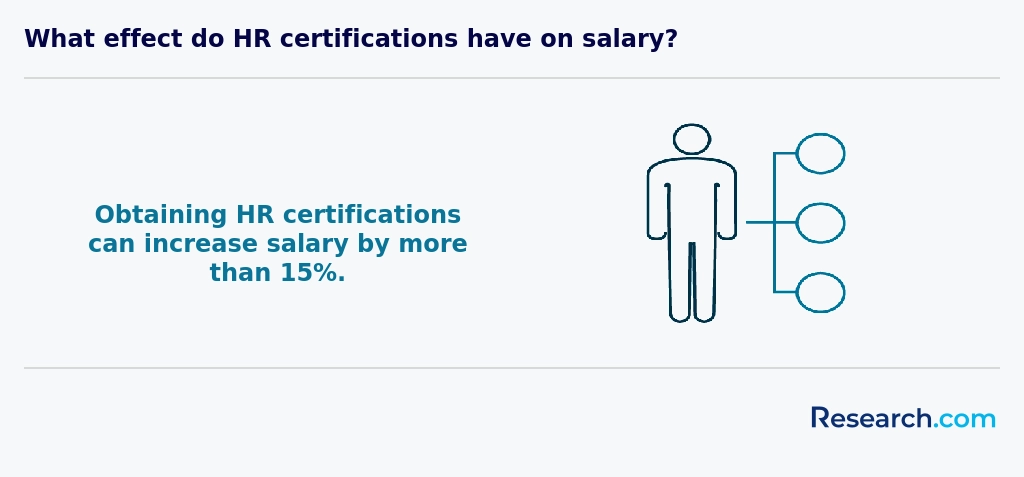
Networking is crucial; joining local chapters of professional organizations like SHRM Tennessee can connect graduates with employers and mentors. Additionally, pursuing HR certifications such as SHRM-CP or PHR can improve job prospects and salary potential.
Leveraging the state's diverse business sectors-healthcare, manufacturing, and education-can also open various career pathways for new graduates.
Employers in Tennessee highly value human resources graduates who demonstrate strong communication and interpersonal skills. These abilities are essential for managing employee relations and fostering a positive workplace culture. According to the Tennessee Department of Labor and Workforce Development, skills in conflict resolution and negotiation are also frequently sought after.
Additionally, proficiency in HR technology, including applicant tracking systems and human resources information systems (HRIS), is increasingly important as Tennessee companies adopt digital tools to streamline HR functions. Knowledge of federal and state employment laws, such as those enforced by the Tennessee Human Rights Commission, is critical to ensure compliance and reduce legal risks.
Analytical skills are another key area; employers want graduates capable of interpreting workforce data and contributing to strategic decision-making. Overall, these skills prepare students for competitive roles in Tennessee's growing and diverse job market.
Finding internships in Tennessee related to a human resources degree involves leveraging local resources and industry connections. Many universities such as the University of Tennessee and Middle Tennessee State University offer career services that list internships with HR departments and partner organizations. The Tennessee Department of Labor and Workforce Development provides an online job and internship portal where students can search for HR-specific opportunities. Additionally, networking through Tennessee SHRM (Society for Human Resource Management) chapters can connect students with employers seeking HR interns. Research from the U.S. Bureau of Labor Statistics shows that HR internships in Tennessee often lead to full-time roles due to strong employer demand in Nashville's business hubs.
A human resources degree in Tennessee significantly enhances career mobility and advancement opportunities within the state's growing job market. According to the Bureau of Labor Statistics, Tennessee's HR sector is expected to grow by 10% from 2022 to 2032, faster than the national average. Earning a degree in human resources provides foundational knowledge in employment law, talent management, and organizational behavior, key skills valued by Tennessee employers. Graduates often find improved access to roles in recruitment, benefits administration, and employee relations.
Additionally, professional HR certifications paired with a degree can further increase earning potential and leadership opportunities. Institutions like the Society for Human Resource Management (SHRM) support Tennessee professionals through resources and credentialing. For those advancing in the state's healthcare, manufacturing, or education sectors, a human resources degree is a strategic asset for career progression.
Studying for a human resources degree in Tennessee equips students with skills that extend beyond traditional HR tasks. Programs often combine coursework in business management, communication, labor law, and organizational psychology, fostering a broad understanding applicable across various industries.
According to the Tennessee Higher Education Commission, many universities emphasize practical experience through internships and collaborative projects, preparing students for complex workplace challenges. This interdisciplinary approach encourages adaptability in roles such as talent management, compliance, and employee relations.
Moreover, Tennessee's growing job market, including sectors like healthcare and manufacturing, values HR graduates who can integrate knowledge from multiple disciplines to support diverse organizational needs.
Choosing between a thesis and a non-thesis human resources degree program in Tennessee depends on your career goals and learning preferences. A thesis program usually requires conducting original research and writing a comprehensive paper, which can be ideal if you plan to pursue a PhD or a research-focused role.
Non-thesis programs often emphasize practical skills through coursework and internships, making them suitable for those aiming to enter the HR workforce directly. According to the Tennessee Higher Education Commission, many state universities offer both options with similar curricula but different emphases.
Consider your long-term plans, time availability, and interest in research when deciding.
Students in Tennessee interested in studying human resources abroad have several options through partnerships between local institutions and international universities. While Tennessee itself does not offer direct foreign campuses for human resources, many universities, including the University of Tennessee system, provide study abroad programs that allow students to earn credits internationally.
Popular destinations for HR studies include Europe, Australia, and parts of Asia, where students can experience global business practices firsthand. According to the Institute of International Education, about 10% of Tennessee students participate in study abroad programs, often during summer or semester-long terms.
These opportunities are valuable for gaining cross-cultural skills essential in today's HR field. Moreover, some Tennessee schools help students secure internships abroad, enhancing practical experience alongside academic learning.
Part-time job opportunities in Tennessee that complement human resources degree education often include roles such as HR assistant, recruitment coordinator, and payroll clerk. These positions help students develop practical skills in employee relations, talent acquisition, and compensation management.
According to the Tennessee Department of Labor, entry-level HR roles are growing in urban centers like Nashville and Memphis, where numerous companies seek flexible staffing solutions.
Additionally, working as an administrative assistant within a company's HR department allows students to gain firsthand experience with HR software and compliance regulations, which are vital for career advancement.
Temporary staffing agencies in Tennessee also offer job placements that align with HR studies, providing networking opportunities and real-world exposure to workforce management.
Human resources students in Tennessee have access to a variety of networking opportunities that can enhance their educational experience and career prospects. Professional organizations such as the Tennessee State Society for Human Resource Management (TNSHRM) offer local events, workshops, and conferences. These gatherings allow students to connect with industry professionals and potential employers in cities like Nashville and Memphis.
Many Tennessee universities also host career fairs and alumni networking events specifically for business and HR students. According to the U.S. Bureau of Labor Statistics, Tennessee's HR job market is growing steadily, making networking a valuable activity for students pursuing internships and jobs.
Alumni networks play a significant role for human resources degree students in Tennessee by offering valuable professional connections. Graduates from institutions like Middle Tennessee State University and the University of Tennessee join extensive alumni communities that facilitate mentorship and career guidance. These networks often provide access to job listings and internships within Tennessee's growing HR sector, where demand for skilled professionals continues to rise at an estimated 7% growth rate through 2030 (Bureau of Labor Statistics).
Through alumni events and online platforms, students gain exposure to industry trends and hiring practices specific to the region. Strong networks can also enhance employment prospects in major cities like Nashville, where many HR roles are concentrated due to the thriving healthcare and tech industries.
Customizing a human resources degree program in Tennessee allows students to align their education with specific career goals. Many Tennessee colleges offer elective courses in areas such as labor relations, employment law, and organizational development, enabling students to tailor their curriculum based on interests and industry demands.
Internships play a critical role in gaining hands-on experience. Programs often partner with local businesses in cities like Nashville and Knoxville, which have growing HR job markets. The Tennessee Department of Labor reports a projected 6% growth in HR employment through 2030, highlighting opportunities in the state.
Additionally, students can pursue certifications such as SHRM-CP or PHR alongside their degree to improve employability. Flexible program formats, including online and evening classes, support working professionals aiming to specialize while balancing other responsibilities.
Human resources students in Tennessee often face challenges related to the competitive job market and evolving workplace laws. According to the Tennessee Department of Labor and Workforce Development, HR roles in the state are expected to grow by about 7% through 2030, creating demand but also competition. Students must stay current with federal and state labor regulations, including Tennessee's unique employment laws.
Many also struggle with gaining practical experience. Internships are limited, especially outside major cities like Nashville and Memphis, which can hinder skill development. Additionally, balancing coursework with part-time work is common, as tuition and living costs can be significant obstacles for many.
With a human resources degree in Tennessee, you can pursue several professional certifications to enhance your career prospects. The most recognized certification is the Professional in Human Resources (PHR), offered by the HR Certification Institute (HRCI). This certification validates knowledge in workforce planning, employee relations, and compliance.
Another valuable credential is the SHRM Certified Professional (SHRM-CP), provided by the Society for Human Resource Management. It focuses on both behavioral competencies and HR technical knowledge.
According to the Tennessee Department of Labor and Workforce Development, HR professionals with certifications tend to earn higher salaries and have better job security.
When applying for a human resources degree program in Tennessee, start by highlighting your understanding of the field's importance in organizations. Clearly state your career goals and how the program aligns with them. Tennessee's labor market shows steady demand for HR professionals, with the Bureau of Labor Statistics projecting a 7% growth in related jobs statewide through 2030.
Emphasize any relevant experience, such as internships or roles involving teamwork and communication. Include strong letters of recommendation from professionals familiar with your skills. Finally, follow each school's specific application guidelines carefully, as many Tennessee universities value clear, well-organized submissions. Using concise, professional language can also strengthen your application.
A career in human resources (HR) offers a broad global perspective, emphasizing workforce diversity, labor laws, and cultural awareness. In Tennessee, HR professionals increasingly engage with multinational companies and international employment standards. According to the U.S. Bureau of Labor Statistics, HR specialists in the U.S. have a projected 9% growth rate between 2022 and 2032, reflecting strong demand worldwide.
Globally, HR careers require adapting to varied labor regulations and managing cross-cultural teams. Tennessee's HR programs incorporate global business practices, preparing students for careers that connect local knowledge with international trends. This makes a human resources degree in Tennessee valuable for students aiming to work in diverse, global environments.
Gaining practical experience while studying for a human resources degree in Tennessee is essential for career readiness. Many universities in the state encourage students to pursue internships with local businesses and state agencies. For example, the Tennessee Department of Human Resources often provides internship opportunities that allow students to apply classroom knowledge in real-world settings.
Additionally, students can join campus clubs or student chapters of professional organizations like the Society for Human Resource Management (SHRM). According to Tennessee Higher Education Commission data, over 40% of HR students participate in internships or cooperative education programs before graduating.
Volunteering in HR-related roles and attending career fairs also help build relevant skills and professional networks.
Choosing the right concentration within a human resources degree program in Tennessee depends on your career goals and the local job market. Common concentrations include talent acquisition, employee relations, compensation and benefits, and organizational development. According to the Tennessee Department of Labor, areas like talent acquisition and employee relations show steady demand in the state's growing business sectors.
Consider programs that offer internships or partnerships with Tennessee employers, as practical experience is highly valued. Look for concentrations aligned with certifications such as SHRM or HRCI, which Tennessee employers often prefer. Analyzing job postings in major cities like Nashville and Memphis can help identify the skills in demand.
Each concentration focuses on different HR practices, so choosing one that matches your interests and the state's economic landscape will improve your employment chances.
- 2027 Most Affordable Human Resources Degree Programs Ranking in Alabama
- 2027 Most Affordable Human Resources Degree Programs Ranking in Missouri
- 2027 Most Affordable Human Resources Degree Programs Ranking in Florida
- 2027 Most Affordable Human Resources Degree Programs Ranking in Michigan
- 2027 Most Affordable Human Resources Degree Programs Ranking in Delaware
- 2027 Most Affordable Human Resources Degree Programs Ranking in New Jersey
- 2027 Most Affordable Human Resources Degree Programs Ranking in Minnesota
- 2027 Most Affordable Human Resources Degree Programs Ranking in Nebraska
- 2027 Most Affordable Human Resources Degree Programs Ranking in Connecticut
- 2027 Most Affordable Human Resources Degree Programs Ranking in Colorado
See What Experts Have To Say About Studying Human Resources
Read our interview with Human Resources experts

Rick Hackett
Human Resources Expert
Professor, Human Resources & Management
McMaster University

Chester S. Spell
Human Resources Expert
Professor of Management
Rutgers University


- How a Human Resources Management Degree Can Boost Your Career | BSBI https://www.berlinsbi.com/blog/how-a-degree-in-human-resources-can-boost-your-career-a-guide-for-aspiring-professionals
- HR's Guide to Effective Career Development https://orangehrm.com/resources/learn-in-depth/hr-guide-to-effective-career-development
- Human Resources Internships https://careers.slb.com/early-careers/internships/hr-intern
- Choosing a bachelor's in human resource management | edX https://www.edx.org/resources/how-to-choose-a-bachelors-in-human-resource-management
- What to do after a Bachelor's degree in HR https://www.ipag.edu/en/blog/what-do-after-bachelors-degree-hr
- 13+ Human Resources Cover Letter Examples (with In-Depth Guidance) https://www.tealhq.com/cover-letter-examples/human-resources
- Top 10 HR Networking Groups for Professionals https://www.myhubintranet.com/hr-networking-groups/
- Navigating Your Options: Which HR Career Path Is Right for You? https://online.law.tulane.edu/blog/finding-your-hr-career-path
- Want a Career in Human Resources? Your In-Depth (2025) Guide https://www.aihr.com/blog/career-in-human-resources/
- Human Resources - Alumni.space https://www.alumni.space/en/you-are/human-resources/