2027 Most Popular Human Resources Degree Programs Ranking in Chicago

Co-Founder and Chief Data Scientist
Choosing the right human resources degree program can shape your future career in Chicago's dynamic job market. This article presents the 2027 Most Popular Human Resources Degree Programs Ranking in Chicago, developed by Research.com's team of data scientists. It offers clear insights to help you find programs that fit your goals and aspirations.
Exploring these top programs can open doors to rewarding opportunities in HR. Whether you're starting out or advancing your skills, this guide supports your journey toward success and growth in a meaningful field.
Key benefits of getting human resources degree in Chicago
- Salary: Graduates with a human resources degree in Chicago can expect competitive salaries, such as $76,060 annually for positions like Human Resources Generalist or Recruitment Coordinator, reflecting strong earning potential in the field.
- Career Paths: A human resources degree opens doors to varied roles including Employee Relations Specialist and Training and Development Coordinator, with options to grow within Chicago's dynamic job market.
- Online Degree Benefits: Pursuing a human resources degree online offers flexibility and accessibility, allowing students in Chicago to balance work and study while gaining the same valuable skills and credentials as traditional programs.
- 2027 Most Popular Human Resources Degree Programs Ranking in Chicago
- What can I expect from human resources degree in Chicago?
- Where can I work with human resources degree in Chicago?
What can I expect from human resources degree in Chicago?
The average cost of earning a human resources degree in Chicago varies depending on the institution and program level, but aspiring students typically invest between $15,000 and $35,000 annually for tuition. Many graduates from respected universities like DePaul University or Roosevelt University share how this investment opened doors to invaluable learning experiences and meaningful internships with top local companies.
Students often describe the rewarding process of applying classroom knowledge to real-life HR challenges, from navigating employee relations to mastering recruitment strategies. The hands-on internships in Chicago's vibrant business environment make the cost worthwhile, as they provide practical skills and professional networks that elevate career prospects.
Financial aid and scholarships are commonly available, making these programs accessible and encouraging students to pursue their passion without feeling overwhelmed. Graduates express pride in their ability to step confidently into diverse HR roles, equipped with both theory and applied experience nurtured by Chicago's dynamic academic community.
Where can I work with human resources degree in Chicago?
Graduates with a human resources degree from institutions like DePaul University or Loyola University Chicago find themselves stepping into dynamic career paths full of exciting possibilities. Many quickly join Fortune 500 companies such as McDonald's or Walgreens Boots Alliance, where their skills in talent acquisition and employee development make a real impact on large, vibrant workforces.
Others discover rewarding roles in healthcare organizations like Northwestern Memorial HealthCare, supporting staff through complex regulations while fostering a positive workplace. The tech sector in Chicago also welcomes HR graduates eager to design creative recruitment strategies for specialized technical roles, turning challenges into opportunities.
Nonprofit and government positions offer a unique chance to contribute to community welfare and public service, often emphasizing compliance and workforce growth. Graduates cherish the chance to shape organizational culture and help employees thrive in diverse environments. With Chicago's booming industries and supportive networks, human resources graduates feel empowered to build meaningful careers that truly matter.
Graduates from human resources programs at institutions like DePaul University and the University of Illinois at Chicago find encouraging salary prospects awaiting them in the vibrant Chicago job market. Entry roles such as Human Resources Assistant offer a mean annual wage of about $76,060, providing a strong financial foundation right out of college.
Many graduates quickly advance to specialized positions; for example, Training and Development Coordinators earn around $71,980 annually, while Recruitment Coordinators and Employee Relations Specialists enjoy mean salaries near $76,060. These figures reflect Chicago's competitive market, where skills gained through academic programs and real-world internships translate into rewarding opportunities.
Imagine starting your career helping a major Chicago-based company attract top talent or supporting employee growth initiatives that directly impact workplace culture and success. Graduates speak of the excitement and pride in shaping such roles, inspired by the city's dynamic economy and diverse industries eager for talented HR professionals.
With this strong earning potential and career momentum, pursuing a human resources degree in Chicago can be a transformative step toward a fulfilling, prosperous future.
- Human resources degrees in Chicago are offered at associate to graduate levels, focusing on skills like HR law, labor relations, and organizational behavior.
- Tuition costs range from $10,000 to $20,000 per year for in-state public colleges, and $25,000 to $40,000 annually for private institutions.
- Programs typically take 2-4 years for undergraduate degrees and 1-2 years for master's degrees.
- Chicago employs over 20,000 HR specialists and managers, with entry-level salaries around $55,000 and experienced roles paying above $90,000 annually.
- Many degree programs include SHRM-aligned curricula, improving certification and job prospects.
- Internships and networking opportunities in Chicago help students achieve placement rates above 85% within six months of graduation.
Completing a human resources degree in Chicago typically takes about four years for a bachelor's, making it an achievable and rewarding journey. Many graduates from places like DePaul University and Loyola University Chicago share how immersive and supportive their programs were, balancing rigorous coursework with hands-on experiences that prepared them for the workforce.
For those starting with an associate degree, community colleges such as City Colleges of Chicago offer a focused two-year path that quickly builds essential HR skills and opens doors to entry-level roles or seamless transfer to a bachelor's program.
Graduate students often find themselves finishing a master's in human resource management or an MBA with an HR focus in just one to two years. Many working professionals appreciate the flexible part-time options available, allowing them to advance their careers while studying.
Chicago's universities also offer accelerated tracks, letting motivated students complete a bachelor's in as little as three years by attending summer sessions. This pathway inspires many to push forward with confidence, knowing their goals are within reach.
Whether full-time, part-time, or accelerated, the vibrant educational community in Chicago supports every student's unique journey toward success in human resources.
Chicago’s Human Resources degree programs emphasize hands-on experience through internships, practicum courses, and industry partnerships. These opportunities not only enhance your résumé but also help you build a professional network before graduation.
- Dedicated Internship Offices: Universities such as DePaul University and Loyola University Chicago maintain Career Centers that connect students with HR internships at local corporations, nonprofits, and government agencies. Typical placements include talent acquisition roles at United Airlines or employee relations projects with the City of Chicago’s Department of Human Resources.
- Practicum Courses: Many programs integrate practicum courses where students work on real-world HR challenges. For example, at UIC, students collaborate with Chicago‐area businesses to develop recruitment strategies, conduct workplace culture assessments, and present findings to senior HR leaders.
- Industry Mentorships: Partnering with professional associations like the Society for Human Resource Management (SHRM) Chicago, students gain mentors who guide them through ethical dilemmas, legal compliance issues, and organizational change projects.
- Virtual Internships: With the rise of remote work, several institutions now offer virtual internships, allowing students to support HRIS implementations, data analysis, and employee engagement initiatives from anywhere. For those exploring flexible program formats, consider reviewing the Most Affordable Online Human Resources Degree Programs Ranking in New York, which highlights programs that balance cost-effectiveness with robust experiential learning. By integrating classroom theory with practical assignments, these experiential learning pathways ensure graduates enter the workforce with confidence, having already tackled the complexities of modern human resources management.
Choosing between an online and on-campus human resources degree in Chicago opens exciting pathways tailored to your lifestyle and ambitions. Online programs provide incredible flexibility, perfect for working professionals or busy parents who study through virtual classrooms and video lectures. Many graduates appreciate how these programs balance education with life, often saving money with annual tuition between $12,000 and $18,000, making progress toward goals without sacrificing commitments.
On the other hand, on-campus degrees at schools like DePaul University or Loyola University Chicago offer a vibrant community experience. Graduates often share how lively classroom discussions, networking events, and local internships build real connections that boost confidence and career growth. Though tuition ranges higher, from $25,000 to $40,000 yearly, students value the direct access to professors and career services that energize their journey.
Both formats prepare you to succeed in Chicago's dynamic HR market with accredited curricula aligned to SHRM standards. Your choice shapes a fulfilling path filled with opportunity and personal growth.
On average, the cost of obtaining a human resources degree in Chicago hovers around $39,483, which includes both tuition and additional fees. This figure reflects the overall investment many students from popular institutions like the University of Illinois at Chicago or Loyola University Chicago make to earn their degree. For in-state students, the cost is typically closer to $17,826, making it an accessible option for many local residents eager to advance their careers.
Graduates from Chicago's well-regarded programs often highlight how this investment opened doors to energetic workplace cultures and rewarding positions in various industries. Balancing the tuition and fees with the vibrant life in Chicago, students at private and public schools alike experience a well-rounded education that prepares them for growth. The cost is an important consideration, but passionate students find joy in how their education propels their professional journey forward, often supported by scholarships and financial aid.
For anyone exploring the human resources degree tuition and fees Chicago offers, it helps to view these expenses as an investment in a promising future. The city's leading universities not only provide quality education but also foster community connections and practical experiences that enrich learning. Discovering the best popular human resources colleges in Chicago can guide you toward the program that fits your goals and budget perfectly.
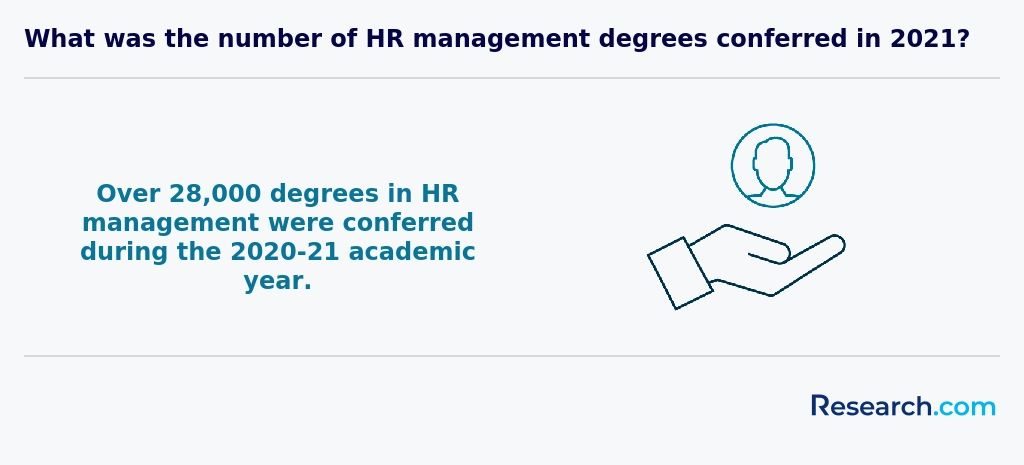
One key element often overlooked is how robust industry connections and internship initiatives can propel students into successful Human Resources careers. Establishing relationships with local businesses, HR consulting firms, and professional organizations is essential in bridging classroom learning with real-world application. Many of Chicago's top programs frequently host career fairs, offer exclusive internships, and organize networking events that allow students to build meaningful professional relationships early in their academic journey. By participating in these initiatives, students gain critical insights, hands-on experience, and confident communication skills that enhance their employability. In fact, exploring the offerings of the best popular human resources colleges can reveal additional industry-driven programs that put a spotlight on internships and partnerships. Such collaborations not only facilitate smoother transitions into the workforce but also provide ongoing career support, ensuring that graduates are well-prepared to meet the dynamic challenges of the HR field.
Students pursuing human resources degrees in Chicago often find strong financial support that makes their educational journey more attainable. Graduates from well-known local institutions like Loyola University Chicago or DePaul University frequently share how federal aid, such as Pell Grants through FAFSA, covered significant portions of their tuition, easing stress and allowing them to focus on their studies.
State funding through the Illinois Monetary Award Program (MAP) Grant provides invaluable assistance, especially for Illinois residents attending these universities. Many have praised how this support, sometimes up to $5,000 annually, brought their goals into clearer reach.
Scholarships from Chicago-based universities and organizations like the SHRM Foundation offer merit-based awards that motivated students to excel academically and professionally. Working students often tap into employer tuition assistance programs, blending work experience with education without financial strain.
Work-study opportunities create meaningful on-campus jobs or partnerships with local businesses, enabling students to gain real HR experience while earning. These layered options inspire many Chicago human resources students to confidently pursue their dreams.
To embark on a human resources degree in Chicago, you'll first need a high school diploma or equivalent, like the GED. Many Chicago universities select students who have shown strong academic performance, especially in subjects such as English and social sciences, which lay a solid foundation for HR studies. Picture a recent graduate from a well-known Chicago college who shared how preparing a personal essay expressing their passion for people and workplaces helped unlock their acceptance into the program-this step showcases your communication skills and genuine motivation.
Letters of recommendation also play a key role, often reflecting your dedication and potential as future HR leaders. Some top institutions encourage or require coursework in business, psychology, or communication, helping you build confidence and relevant knowledge before diving deep into the field.
If you're aiming for graduate studies in Chicago, a bachelor's degree from an accredited school is essential. Many graduates recall how their prior HR-related work experience made their applications stand out, boosting their confidence for more advanced challenges.

Students pursuing human resources degrees in Chicago immerse themselves in courses designed to build practical expertise. Graduates from well-known local universities often recall how Introduction to Human Resource Management prepared them to tackle real-world challenges like workforce planning and employee engagement in fast-paced Chicago companies. Courses on Organizational Behavior help students understand team dynamics, invaluable when collaborating across diverse industries throughout the city.
Recruitment and Selection classes provide hands-on experience with attracting and hiring talent, echoing the vibrant job market across Chicago's business districts. Many students feel empowered after mastering Compensation and Benefits, learning how to design competitive salary packages that retain top employees in major corporations or startups alike.
Understanding Employment Law and Labor Relations builds confidence by covering essential regulations like the Fair Labor Standards Act, ensuring future HR leaders create fair and compliant workplaces. Specialized electives in Training and Development and Diversity Management inspire students to foster inclusive environments, reflecting Chicago's rich cultural fabric and ethical leadership values taught in classrooms throughout the city.
Human resources specializations in Chicago offer an inspiring variety for students eager to shape their career paths. Graduates from well-known universities in the city find that focusing on Talent Acquisition and Recruitment equips them with the skills to confidently attract top talent in Chicago's thriving industries like healthcare and technology. This hands-on experience builds enthusiasm as they see direct results from their efforts in a competitive job market.
Many students pursue the rewarding path of Compensation and Benefits, learning to create fair pay systems and perks that genuinely improve employee satisfaction. Chicago's strong business community provides real-world challenges that graduates are proud to tackle, enhancing their confidence and career readiness.
Other graduates emphasize the value of specializations such as Employee Relations and Labor Relations, aligning closely with Chicago's rich union history, or Organizational Development and Change Management, which inspires students to lead dynamic, positive workplace transformations.
For those passionate about inclusivity, focusing on Diversity, Equity, and Inclusion (DEI) sparks a genuine commitment to fostering respectful environments. Meanwhile, HR Analytics offers enthusiastic learners the chance to master data-driven decisions that propel organizations forward.
The strong choices in HR degree focus areas Chicago universities offer ensure every student finds their ideal path, and many endorse the value of programs featured in the Most Affordable Online Human Resources Degree Programs Ranking in New York to support their educational journey.
Choosing the best human resources degree in Chicago means focusing on programs that blend strong academic credentials with real-world opportunities. Graduates from well-known universities here often speak of how SHRM-aligned courses helped them confidently earn certifications like SHRM-CP, giving them a genuine career boost. Many appreciate Chicago's diverse campus environments, where classes fit around work schedules through evening or online options-key for busy professionals. Affordable human resources colleges near Chicago provide flexible paths without sacrificing quality, letting students pursue their passion without overwhelming debt.
Imagine learning HR principles while connecting with local Fortune 500 companies through internships, just like Chicago graduates who landed their dream roles thanks to networking events hosted by top schools. Tuition varies, but many discover scholarships and assistantships that ease the journey. For those eager to excel quickly, exploring a 6-month certification program that pays well is a smart step toward advancing a rewarding HR career right in the heart of Chicago's vibrant business landscape.

Students from Chicago's top universities often describe their experience balancing studies with part-time work, gaining hands-on knowledge that propels them into roles such as Training and Development Coordinators, where they create impactful programs that help employees grow. For many pursuing these paths, the promise of becoming an Employee Relations Manager in a major organization is a powerful motivator. The range of human resources career opportunities in Chicago offers a meaningful, rewarding future for anyone passionate about workforce excellence.
For those looking to expand their options further, exploring a selection of the top online degrees for seniors can provide flexibility and continued growth alongside local opportunities.
The human resources job outlook Chicago graduates enjoy is vibrant and full of opportunity. Many students from renowned Chicago universities and colleges find themselves quickly stepping into dynamic roles within the city's diverse economy. From bustling finance firms to expanding healthcare providers, Chicago's workforce demands HR professionals skilled in talent management and organizational development. Graduates often share how internships secured through their campus career centers open doors to impactful first jobs, turning academic knowledge into real-world success.
Chicago HR degree employment opportunities are especially promising in industries emphasizing diversity and inclusion, where HR expertise makes a tangible difference. Entry-level salaries typically start between $50,000 and $60,000, with growth potential well into six figures for those who advance. Students appreciate the competitive yet welcoming environment where credentials like SHRM-CP or PHR certifications can accelerate careers.
Considering the investment in education, students at Chicago institutions often weigh costs against rewards. Public universities provide affordable pathways to earning a human resources degree, making it accessible without overwhelming debt. For those exploring options, reviewing the highest paying bachelors degrees helps clarify long-term potential.
2027 Most Popular Human Resources Degree Programs Ranking in Chicago
Investing in your education is a significant decision that can shape your career, and the Research.com team understands how crucial it is to make well-informed choices. To support prospective students in Chicago, we have carefully developed the "2027 Most Popular Human Resources Degree Programs Ranking in Chicago." Our dedication to quality, credibility, and accuracy is demonstrated through rigorous research and analysis underlying this ranking. We utilized the following reputable data sources to ensure a thorough evaluation of human resources programs:
By consulting this ranking, readers will obtain valuable insights into the most respected human resources degree programs in Chicago, empowering them to make confident educational decisions. For an in-depth explanation of our approach, please visit our Research.com methodology page.


Frequently Asked Questions About human resources
Human resources degree students in Chicago can greatly enhance their learning by engaging directly with the city's diverse business community. Chicago hosts over 400,000 businesses, offering abundant internship and networking opportunities essential for practical HR experience (U.S. Bureau of Labor Statistics, 2023). Enrolling in programs that emphasize experiential learning, such as internships or cooperative education, helps students apply theory to real-world challenges.
Joining local HR organizations like the Chicago Human Resources Management Association provides access to workshops and seminars, fostering professional growth. Additionally, leveraging Chicago's strong corporate presence, students should seek mentorship from HR professionals to gain insight into industry trends and labor market demands.
Emerging niches in human resources reflect the evolving needs of modern workplaces, especially in dynamic cities like Chicago. One growing area is HR analytics, where professionals use data to improve hiring, retention, and employee engagement. According to the Society for Human Resource Management (SHRM), 71% of HR professionals now rely on data analysis to shape decisions.
Another expanding field is diversity, equity, and inclusion (DEI). Chicago's diverse workforce has driven local companies to prioritize inclusive cultures, creating demand for HR specialists focused on DEI strategies and training programs.
Remote workforce management is also rising, as hybrid work becomes commonplace post-pandemic. HR experts skilled in virtual team coordination and digital communication tools are increasingly sought after locally.
After completing a human resources degree in Chicago, preparing for the job market involves strategic steps tailored to the local employment landscape. According to the U.S. Bureau of Labor Statistics, Chicago's metropolitan area shows steady demand for HR professionals, with over 15,000 employed in 2023.
Start by gaining practical experience through internships or cooperative education programs offered by Chicago universities. Networking is key; join local chapters of professional bodies like the Society for Human Resource Management (SHRM) Chicago, which regularly hosts events and workshops.
Consider obtaining certification such as the Professional in Human Resources (PHR), recognized nationally and valued by Chicago employers. Familiarity with Illinois labor laws and diversity initiatives can also give graduates an edge in this competitive market.
Employers in Chicago seek several key skills from human resources degree graduates. According to the Society for Human Resource Management (SHRM), strong communication abilities are essential, enabling HR professionals to effectively manage employee relations and facilitate training sessions. Analytical skills are also critical, as many HR roles require data-driven decision-making related to workforce planning and compensation.
Local Chicago reports highlight the importance of cultural competency due to the city's diverse workforce. Employers value graduates who can navigate and support inclusive workplace environments. Additionally, proficiency in HR software, such as ADP and Workday, is increasingly requested, reflecting the digital transformation in HR management.
Finally, negotiation and conflict resolution skills remain a priority, helping HR professionals mediate disputes and support organizational goals efficiently.
Finding internships in Chicago relevant to a human resources degree involves strategic planning and resource use. Many universities around Chicago, such as DePaul University and Loyola University Chicago, offer career services that connect students with local businesses seeking HR interns. Additionally, platforms like Handshake and LinkedIn provide targeted internship listings in the Chicago area.
Chicago hosts numerous companies with strong HR departments, including multinational corporations and healthcare organizations. According to the Illinois Department of Employment Security, the metropolitan area employs over 10,000 HR specialists, indicating steady demand for internships and entry-level roles.
Networking is crucial-joining Chicago-area HR professional groups, such as the Chicagoland Human Resources Association, can provide internship leads and mentorship opportunities.
A human resources degree significantly enhances career mobility and advancement opportunities in Chicago's competitive job market. According to the U.S. Bureau of Labor Statistics, the Chicago metropolitan area employs over 30,000 HR specialists, with a projected growth rate of 7% through 2030.
Possessing a degree in human resources equips candidates with essential skills in talent management, labor relations, and employment law, which Chicago employers highly value. Data from the Illinois Department of Employment Security shows that HR professionals with formal education have a 15% higher chance of promotion within five years.
Moreover, many Chicago companies prefer candidates with accredited degrees for senior and managerial roles, making such qualifications vital for advancement.
Studying for a human resources degree in Chicago equips students with skills that extend beyond traditional HR functions, preparing them for interdisciplinary roles in various business areas. Programs typically include coursework in employment law, organizational behavior, business management, and data analytics, reflecting the demands of modern workplaces.
Chicago's diverse economy and strong corporate presence provide practical experiences through internships and networking opportunities in sectors like healthcare, finance, and technology. According to the U.S. Bureau of Labor Statistics, the Chicago metropolitan area employs over 50,000 HR specialists, highlighting significant industry demand.
Such exposure helps students develop communication, strategic planning, and problem-solving abilities, essential for collaborating across departments. This interdisciplinary approach readies graduates to contribute effectively in complex organizational environments.
Choosing between a thesis and a non-thesis human resources degree program in Chicago depends largely on your career goals and learning preferences. Thesis programs typically emphasize research skills and require an original project, preparing students for roles in academia, consulting, or data-driven HR analytics.
Non-thesis options focus more on practical knowledge through coursework, which can appeal to professionals aiming for leadership or operational HR roles. According to the National Center for Education Statistics, about 60% of Chicago's HR graduate students choose non-thesis tracks for faster completion and applied skill-building.
Consider also your interest in research and time commitment; thesis programs usually take longer to complete due to extensive writing requirements.
Students in Chicago interested in studying human resources abroad have several options through US higher education institutions with international partnerships. Many universities in Chicago, such as DePaul University and Loyola University Chicago, offer study abroad programs or exchange opportunities with global universities specializing in human resources management. These programs often include placements in Europe, Asia, and Australia, allowing students to gain international experience while earning credits transferably.
According to NAFSA: Association of International Educators, nearly 30% of US students participate in study abroad programs focused on business disciplines like HR. Chicago's strong business network supports such global initiatives, helping human resources students enhance cross-cultural competencies sought by employers.
In Chicago, part-time job opportunities that complement human resources (HR) degree education are plentiful and diverse. Positions such as HR assistant, recruitment coordinator, and payroll clerk offer practical experience directly related to the field. These roles help students develop crucial skills like interviewing, employee relations, and benefits administration.
According to the U.S. Bureau of Labor Statistics, the Chicago metropolitan area employed over 45,000 HR specialists as of 2023, indicating a healthy local market for HR work experience. Working part-time in these roles allows students to build professional networks and apply classroom knowledge in real-world settings.
Additionally, many nonprofit organizations and small businesses in Chicago seek part-time HR support, providing flexible schedules suited for students. Internships or temporary roles through Chicago's Workforce Partnership program also offer valuable exposure to HR functions while earning income.
Human resources students in Chicago have access to a variety of networking opportunities that can significantly enhance their career prospects. The city hosts local chapters of major professional organizations like the Society for Human Resource Management (SHRM), where students can attend events, workshops, and conferences tailored to HR professionals. These gatherings provide chances to connect with recruiters and experienced practitioners in one of the nation's largest employment markets.
Additionally, many Chicago universities offering HR programs organize career fairs and alumni networking events. The city's strong business presence, including Fortune 500 companies, creates internship opportunities that foster real-world connections. According to the Illinois Department of Employment Security, Chicago's HR job sector grew by about 5% between 2019 and 2023, indicating a robust demand for skilled professionals and valuable networking prospects in the region.
Alumni networks in Chicago play a crucial role for human resources degree students by providing valuable professional connections. These networks connect current students with graduates experienced in the local job market, enhancing mentorship opportunities. According to the Chicago Workforce Development Council, 72% of HR professionals find job placements through personal contacts, highlighting the importance of networking.
Engaging with alumni can offer insight into Chicago's diverse industries, such as finance, healthcare, and manufacturing, which are key employers of HR graduates. Additionally, alumni often share information about internships and job openings not widely advertised.
Such networks support skill development through workshops and events, helping students stay updated with HR compliance and technology trends prevalent in Chicago workplaces.
Customizing a human resources degree program in Chicago allows students to align their studies with specific career objectives. Many local universities offer flexible coursework options, including concentrations in talent management, labor relations, or organizational development. Students can select electives that address their interests, such as employment law or diversity and inclusion.
Internships and cooperative education placements in Chicago's diverse business sectors provide valuable hands-on experience. Institutions often collaborate with top employers like Boeing and McDonald's, helping students build relevant skills.
Additionally, some programs encourage professional certifications integration, such as SHRM-CP, enhancing job market readiness. According to the Illinois Department of Employment Security, the demand for HR specialists in Chicago is projected to grow by 7% through 2028, highlighting the benefits of a tailored education.
Human resources students in Chicago face several common challenges during their studies. One major issue is balancing coursework with the city's competitive internship market, where gaining practical experience is crucial for future employment. According to the Chicago Cook Workforce Partnership, internship availability for HR roles remains limited compared to demand, complicating students' efforts to build relevant skills.
Another challenge is navigating the evolving legal and regulatory environment specific to Illinois. HR students must stay updated on state labor laws, such as workplace safety mandates and diversity requirements, which can be complex and frequently change. This adds pressure to master not only theory but also state-specific compliance.
Additionally, students often report difficulty accessing affordable educational resources and networking opportunities in Chicago, especially given the high cost of living. Universities and local organizations are working to provide more affordable workshops and connections, but gaps still exist, as highlighted by recent surveys from the Society for Human Resource Management (SHRM) Chicago chapter.
With a human resources degree, you can pursue several professional certifications that enhance your career prospects in Chicago's competitive job market. The most recognized credential is the Professional in Human Resources (PHR), offered by the HR Certification Institute (HRCI). It validates your expertise in HR operations and regulations.
Another popular option is the Society for Human Resource Management (SHRM) Certified Professional (SHRM-CP), which focuses on strategic HR skills and leadership.
According to the Chicago Cook Workforce Partnership, certified HR professionals can expect higher salaries and better job opportunities in the city. Earning certifications like PHR or SHRM-CP often leads to advancement in HR management roles.
To write a winning application for a human resources program in Chicago, start by highlighting your relevant academic achievements and work experience. Many programs in Chicago receive hundreds of applications annually, so it is crucial to show how your background aligns with the field. According to the National Center for Education Statistics, emphasizing coursework in business, psychology, or communication can strengthen your profile.
Chicago-based programs often value clear career goals. Applicants should explain why they want to study HR and how they plan to contribute locally, given Chicago's growing business sector. Including knowledge of labor laws or diversity initiatives relevant to the city can help.
Strong letters of recommendation and a well-crafted personal statement showcasing interpersonal skills are also important. Finally, meet all deadlines and provide complete application materials to increase your chances.
The global perspective on a human resources career highlights the growing need for professionals who understand diverse workplace cultures and international labor laws. HR specialists today often manage talent across borders, requiring knowledge of global employment trends. According to the U.S. Bureau of Labor Statistics, HR employment in Chicago is projected to grow by 7% through 2031, reflecting increased demand for skilled HR managers. Additionally, organizations in Chicago benefit from HR professionals adept in diversity, equity, and inclusion (DEI), aligning with global business ethics. Students pursuing HR degrees in Chicago gain valuable skills relevant both locally and internationally.
Gaining practical experience while studying for a human resources degree in Chicago is essential to enhance employability. Many local universities and colleges offer internship programs connected with Chicago-based companies, providing hands-on learning opportunities. According to the Chicago Cook Workforce Partnership, internships in HR roles have increased by 15% over the past three years, reflecting growing industry demand. Additionally, students can join the Society for Human Resource Management (SHRM) Chicago Chapter, which facilitates networking events, mentorships, and workshops. Volunteering with nonprofit organizations or university HR departments also builds real-world skills. These experiences complement academic knowledge and prepare students for the evolving HR job market.
Choosing the right concentration within a human resources degree program in Chicago begins with understanding your career goals and the local job market. Popular concentrations include talent acquisition, labor relations, and compensation and benefits management. According to the U.S. Bureau of Labor Statistics, Chicago has a growing demand for HR specialists, particularly in employee training and development.
Researching Chicago-based employers and reviewing job postings can help identify which specialization matches market needs. For example, organizations in Chicago's finance and healthcare sectors often seek HR professionals skilled in compliance and benefits administration. Consulting programs' curricula and internship opportunities also supports informed decision-making.
Finally, consider programs accredited by the Society for Human Resource Management (SHRM), as this enhances employer recognition nationally and within Chicago's competitive HR field.
- 2027 Most Popular Human Resources Degree Programs Ranking in Lisle
- 2027 Most Popular Human Resources Degree Programs Ranking in Milwaukee
- 2027 Most Popular Human Resources Degree Programs Ranking in Grand Rapids
- 2027 Most Popular Human Resources Degree Programs Ranking in Cincinnati
- 2027 Most Popular Human Resources Degree Programs Ranking in Winona
- 2027 Most Popular Human Resources Degree Programs Ranking in Saint Louis
- 2027 Most Popular Human Resources Degree Programs Ranking in Columbus
- 2027 Most Popular Human Resources Degree Programs Ranking in Cleveland
- 2027 Most Popular Human Resources Degree Programs Ranking in Saint Paul
- 2027 Most Popular Human Resources Degree Programs Ranking in Minneapolis
See What Experts Have To Say About Studying Human Resources
Read our interview with Human Resources experts


Thomas Kochan
Human Resources Expert
Professor of Management
Massachusetts Institute of Technology

Rick Hackett
Human Resources Expert
Professor, Human Resources & Management
McMaster University

- Human Resources - Alumni.space https://www.alumni.space/en/you-are/human-resources/
- Sample letters in human resources https://www.mystudies.com/en-in/business-accountability-management/human-resources/letter-model/
- Human Resource Development in Education Non-Thesis Master's Program https://eds.metu.edu.tr/en/human-resource-development-education-non-thesis-masters-program
- Human Resources Management | Illinois College https://www.ic.edu/human-resources-mgmt
- What Degree Might You Need to Pursue an HR Career Path? The Requirements to Know https://www.trident.edu/what-degree-do-you-need-for-hr-requirements-to-know/
- Study abroad in Chicago, United States: Most popular universities for Human Resource Management. https://englishtestportal.com/studyabroad/united-states/chicago/human-resource-management
- 4 tips for leveraging alumni networks for recruitment https://www.eaie.org/resource/leveraging-alumni-networks-recruitment.html
- Academic Catalog https://catalog.ccc.edu/academic-program-requirements/human-resources-basic-certificate/
- Unlocking Career Opportunities: How a Degree in Human Resources Can Propel Your Professional Journey https://www.euroeducation.net/articles/unlocking-career-opportunities-how-a-degree-in-human-resources-can-propel-your-professional-journey.htm
- What to do after a Bachelor's degree in HR https://www.ipag.edu/en/blog/what-do-after-bachelors-degree-hr