2027 Most Popular Human Resources Degree Programs Ranking in Columbus

Co-Founder and Chief Data Scientist
Exploring the right human resources degree program can feel overwhelming, but you're not alone. This article presents the 2027 Most Popular Human Resources Degree Programs Ranking in Columbus, created by the Research.com team of data scientists. It's designed to help you navigate your options with clear, reliable information.
Knowing which programs are most valued can guide you toward a path that fits your goals. A human resources degree opens doors to meaningful careers focused on people and growth. Dive in to discover programs worth considering and take confident steps toward your future.
Key benefits of getting human resources degree in Columbus
- Salary for human resources degree graduates: Jobs like Human Resources Generalist, Recruitment Coordinator, and Employee Relations Specialist in Columbus offer a mean annual wage around $76,060, bringing strong earning potential early in your career.
- Career paths: Graduates from Ohio State University in Columbus have diverse opportunities, including roles in recruitment, training, and employee relations, making the degree versatile and empowering for career growth.
- Online degree benefits: Completing an online HR degree through Franklin University in Columbus offers flexibility and convenience, allowing you to balance work and study while still opening doors to rewarding HR positions.
- 2027 Most Popular Human Resources Degree Programs Ranking in Columbus
- What can I expect from human resources degree in Columbus?
- Where can I work with human resources degree in Columbus?
What can I expect from human resources degree in Columbus?
When budgeting for a human resources degree in Columbus, expect tuition to vary widely depending on your choice of school. Public institutions like Ohio State University offer more affordable in-state rates, which many graduates highlight as a key factor in managing their finances without excessive debt. One graduate shared that attending a public university allowed them to work part-time while studying, making the costs manageable and their degree attainable.
Private colleges and out-of-state options tend to have higher tuition but may provide smaller class sizes and personalized support, which some students find worth the investment. Many programs also offer part-time or online courses, ideal for working professionals who want to upskill without quitting their job or sacrificing income. This flexibility often eases financial pressure and keeps education within reach.
Keep in mind additional costs like books, certification prep, and commuting, but local proximity to major employers in Columbus enables valuable internships, often unpaid, that add experience without extra cost. Planning around these factors can help future students balance quality education with expense.
Where can I work with human resources degree in Columbus?
Graduates with a human resources degree in Columbus find solid job prospects across several key sectors. Many secure positions in healthcare organizations like OhioHealth or Nationwide Children's Hospital, where they handle recruitment and employee relations for large workforces. These roles offer real-world experience in managing diverse teams and navigating complex compliance issues.
Others start their careers at higher education institutions such as Ohio State University, gaining practical skills in benefits administration and labor relations. Working at a large university provides opportunities for growth and professional development in a stable environment.
Manufacturing companies like Honda also value HR graduates who can improve staffing and training processes, directly impacting operational efficiency. Some graduates enjoy working with smaller, local startups, where hands-on experience across multiple HR functions builds a well-rounded resume.
By focusing on industry-specific HR needs in Columbus, graduates feel confident entering a job market expected to grow steadily, knowing their degree opens doors in healthcare, education, manufacturing, or entrepreneurial settings.
Graduates from human resources programs at Columbus institutions often start in roles like Human Resources Assistant, earning a mean annual wage of $76,060 based on recent Bureau of Labor Statistics data. This initial salary beats many national entry-level averages and provides a solid foundation for career growth locally.
Common next steps include positions such as Recruitment Coordinator or Employee Relations Specialist, both also averaging around $76,060 per year. These roles offer hands-on experience and help graduates build skills that employers highly value in Columbus' diverse job market.
Training and Development Coordinators, another typical career path, earn slightly less on average at $71,980 annually. However, graduates from popular Columbus colleges find this role rewarding as it combines employee mentoring with organizational development, creating strong career momentum.
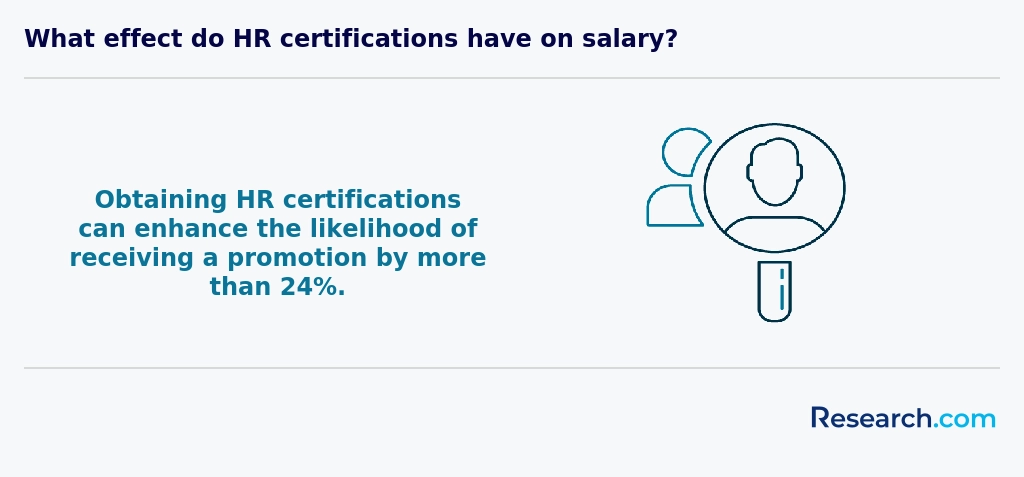
HR graduates who pursue relevant certifications alongside their degree often see quicker financial advancement, with salaries rising as they take on more complex responsibilities. Practical experience gained through internships or cooperative education programs at Columbus universities greatly enhances employability and salary prospects.
- Human resources degrees in Columbus are offered at associate, bachelor's, and sometimes graduate levels covering labor relations, recruitment, training, and organizational behavior.
- The total cost for a bachelor's degree in human resources ranges from $20,000 to $40,000 for in-state public colleges, with private colleges charging over $40,000.
- Entry-level HR specialists in Columbus typically earn between $45,000 and $55,000 annually, depending on the employer and role.
- Experienced HR managers or directors can earn salaries ranging from $80,000 to more than $110,000 per year with additional certifications like SHRM-CP or PHR.
- Many Columbus programs offer internships and prepare students for professional certification exams to help improve employability and earning potential.
Completing a human resources degree in Columbus typically takes about four years for full-time students pursuing a bachelor's degree, which aligns with the experience of many graduates from well-known Columbus institutions. These students often appreciate the structured timeline, which allows them to balance coursework with internships or practicum opportunities that enhance their real-world understanding.
For those opting to advance with a master's degree, expect an additional one to two years, especially when enrolled full-time in programs like a Master of Human Resource Management or an MBA focusing on HR. Graduates often find this timeframe manageable and worthwhile as it deepens their expertise and career prospects.
Part-time and online programs offer flexibility but can extend the duration to five or six years, a route chosen by students juggling work or family commitments. Many report feeling relief knowing they can progress at their own pace while still accessing strong academic support at Columbus-area colleges.
Practical experiences embedded in local programs provide confidence and tangible skills, often offsetting the longer completion times by boosting job readiness immediately after graduation.
Choosing between online and on-campus human resources degrees in Columbus depends largely on your lifestyle and learning preferences. Graduates from Ohio State University often recall the value of face-to-face classes, where direct interaction with professors and peers sharpened their communication skills and expanded their professional network through local internships and career events.
In contrast, online students appreciate the flexibility to study around work or family commitments, accessing the same accredited curriculum, including labor relations and employment law, without commuting. For example, graduates from regional online programs highlight how asynchronous classes allowed them to balance full-time jobs with completing coursework efficiently.
Cost is another practical factor. On-campus programs in Columbus might range up to $30,000 annually, while online options often reduce tuition by about 15-25%, sometimes falling below $9,000 per year. Both formats effectively prepare for certifications like SHRM-CP or PHR, crucial for advancing in Columbus's competitive HR job market.
Earning a Human Resources degree in Columbus, OH, lays a strong foundation, but supplementing your education with industry-recognized certifications and ongoing training can significantly boost your employability and career trajectory. Key certifications include:
- SHRM-CP and SHRM-SCP (Society for Human Resource Management): Demonstrate mastery of HR principles and strategic leadership. Eligible candidates typically need a combination of education and professional experience.
- PHR and SPHR (HRCI’s Professional in Human Resources): Focus on operational HR management and policy implementation, valued by employers seeking compliance expertise.
- CPTD (Certified Professional in Talent Development): Offered by ATD, this certification highlights skills in training design and delivery, ideal for those pursuing roles in Learning and Development. Continuing education opportunities also help you stay current on best practices and labor law updates:
- Local Workshops and Webinars: Columbus SHRM hosts monthly sessions on topics like diversity, equity, and inclusion (DEI) strategies and HR analytics.
- Online Micro-Credentials: Platforms like Coursera and LinkedIn Learning offer short courses in HRIS, compensation analysis, and conflict resolution.
- Annual Conferences: Attending events such as the Ohio HR Conference provides networking and insights into emerging trends, from AI in recruitment to employee well-being initiatives. For those planning a deeper academic commitment, pursuing a graduate degree can align seamlessly with certification goals. Consider exploring affordable, accredited programs such as the Low Cost Online Master's in Human Resources Degree Programs Ranking in the West, which can strengthen strategic leadership capabilities and fulfill education requirements for advanced certifications. By combining your HR degree with targeted certifications and continuous learning, you position yourself as a versatile, forward-thinking professional ready to excel in today’s dynamic workplace.
The average cost of a human resources degree in Columbus varies depending on the type of institution and residency status. For students attending public universities like Ohio State University, the in-state tuition and fees typically total around $11,410 for the entire degree, making it a solid value for those seeking affordable education in this field. Graduates from these programs often share how their manageable tuition costs allowed them to focus more on gaining practical experience rather than financial stress, enhancing their overall satisfaction with their education.
Those considering private colleges should expect higher tuition, often significantly above public rates. This is why prospective students exploring human resources degree tuition and fees Columbus often weigh the benefits of private versus public education carefully. Many find that private institutions offer robust scholarship opportunities, which can ease the financial burden substantially.
Another budget-friendly option is community colleges in Columbus, where associate degrees related to human resources cost roughly $4,000 to $5,000. These programs provide a practical stepping stone into the workforce or a foundation to transfer into a four-year college. Community college graduates frequently describe a sense of accomplishment from balancing affordability with acquiring key skills needed for entry-level human resources roles.
Budget planning should also consider additional expenses such as books, supplies, and living costs, which can add a few thousand dollars annually. Exploring federal aid, employer tuition reimbursement, and targeted scholarships can significantly reduce net expenses. For those seeking guidance on selecting pathways with strong outcomes, consulting in demand human resources schools in Ohio may be especially helpful to align costs with career ambitions.

Students pursuing a human resources degree in Columbus should start by completing the Free Application for Federal Student Aid (FAFSA) to unlock federal grants, loans, and work-study options. For example, a graduate from Ohio State University recalls how the Pell Grant significantly reduced their tuition, offering up to $7,395 annually. Federal loans with manageable interest rates also helped them confidently plan repayment after graduation.
Many Columbus schools, like Ohio State's Fisher College of Business, offer targeted scholarships and grants based on merit or financial need. These awards often go to students who demonstrate leadership or academic excellence, making tuition more affordable. Another practical step is applying for scholarships from professional bodies such as the Society for Human Resource Management (SHRM), which supports HR students involved in the field.
Work-study and internship opportunities abound in Columbus, thanks to major employers like Nationwide and Huntington Bank. Graduates often share how paid internships eased expenses while building valuable experience. Employed students may also benefit from employer-sponsored tuition assistance programs, allowing them to advance their HR education without compromising income.
To enroll in a human resources degree program in Columbus, start by ensuring you have a high school diploma or GED, as this is the fundamental requirement at universities like Ohio State and Columbus State Community College. Graduates often recall that maintaining a strong GPA around 2.5 to 3.0 made navigating the admissions process smoother and helped build their confidence early on.
Standardized tests such as the SAT or ACT may be optional at many Columbus institutions now, but it's smart to confirm the current policy on each college's website. For example, some programs encourage submitting test scores to strengthen your application, especially if other parts of your record need support.
Many Columbus schools suggest or require foundational courses in English, math, and social sciences. Former students say these classes boosted their communication and analytical skills, directly benefiting their HR studies and job readiness. Additionally, submitting letters of recommendation or a personal statement showcasing your passion for human resources can make your application stand out, reflecting a genuine interest that admission committees appreciate.
Finally, keep in mind that flexible study options like part-time or online classes at Columbus colleges help working adults balance education and life, making the path to your HR degree more accessible and encouraging an enthusiastic approach to your career goals.
As you embark on your journey toward an HR degree in Columbus, OH, preparing effectively can set the stage for academic and career success. Start by researching program specifics, such as faculty expertise, course flexibility, and available internships. Recognize the value of networking by attending local HR events and seminars, and consider exploring resources like in demand human resources schools to gain insights into program reputations and rankings. Additionally, developing strong soft skills-including communication, analytical thinking, and conflict resolution-will not only complement your academic studies but also enhance your employability once you graduate. Finally, make sure to stay updated on industry trends and emerging technologies in HR, as these areas continue to shape the job market. These practical steps combined with strategic guidance from academic advisors will help you maximize your education investment and thrive in the competitive field of Human Resources.
Students pursuing human resources degrees in Columbus typically engage with a mix of foundational and specialized courses designed to build both practical skills and industry knowledge. At popular institutions like Columbus State Community College and Ohio State University, graduates often highlight how starting with principles of management and organizational behavior gave them a strong grasp of real workplace dynamics, setting a solid base for HR success.
Core HR courses include recruitment and talent acquisition, where students learn strategies to identify and attract the best candidates-essential when managing real hiring processes. Employee relations courses prepare students to navigate communication and conflict resolution, a skill graduates find invaluable when handling workplace disputes during internships or entry-level jobs.
- Compensation and benefits, teaching how to create fair and motivating pay structures
- Training and development, focused on designing programs to boost employee growth
- Labor and employment law, clarifying legal boundaries critical for compliance
- Performance management, training students to assess and enhance staff productivity
Columbus graduates often praise the practical components of these programs, such as internships and capstone projects, which allow them to apply classroom lessons directly in businesses across the city. This hands-on experience not only reinforces their learning but also builds confidence as they transition into HR careers locally.
Human resources degree specializations in Columbus cater to practical career goals by focusing on key HR areas. Graduates from Ohio State University often choose Talent Acquisition and Recruitment, gaining skills in evaluating candidates and mastering interviewing-ideal for Columbus's expanding job markets in healthcare and finance. Those who picked Employee Relations and Labor Relations from Columbus State Community College describe how managing workplace dynamics and union interactions directly prepared them for local manufacturing and public sector roles. This specialization is crucial given Columbus's notable union presence.
Another common focus is Compensation and Benefits, where students learn to balance competitive salaries and cost efficiency, a skill sought after in this competitive labor market. Some also pursue Human Resources Information Systems (HRIS) to align with the growing demand for tech-savvy HR professionals. Others explore Organizational Development and Leadership, developing strategies to improve workplace culture and lead change effectively.
Considering costs, local graduates appreciate the accessibility of public colleges charging between $8,000 and $15,000 annually. For detailed options on affordable study paths, refer to the Low Cost Online Master's in Human Resources Degree Programs Ranking in the West.
Start by checking accreditation and curriculum details of the HR programs offered by Columbus colleges. Graduates from local universities often praise programs with comprehensive courses covering recruitment, labor law, and compensation management, which prepare them well for roles in Columbus' diverse job market. Many also value schools that provide specialized tracks or practical internships with local companies, giving hands-on experience that builds confidence and real-world skills.
Affordability is key when weighing your options. For those seeking affordable HR degrees Columbus Ohio offers, Columbus State Community College stands out with associate and bachelor's programs frequently under $5,000 per year for in-district students. Graduates from this college often highlight how manageable tuition allowed them to focus on gaining valuable experience rather than worrying about debt.
Career growth prospects matter too. Local HR graduates note that Columbus' strong healthcare, finance, and manufacturing sectors create steady demand for HR specialists earning competitive salaries. For students balancing work and study, exploring flexible options, including one year masters degrees, can be a strategic move to accelerate their careers while maintaining financial stability.

Graduates with a human resources degree in Columbus can pursue multiple career paths tailored to the city's strong economic sectors. Many begin as Human Resources Specialists, focusing on recruiting, screening, and employee relations-roles that benefit from the proximity to major employers like Nationwide and OhioHealth. This practical start provides solid experience and a median salary near $59,000.
Others aim for leadership positions as HR Managers, overseeing departments and shaping policy in Columbus's corporate and public sectors. Graduates from Ohio State University and similar institutions often find these roles rewarding, earning up to $100,000 annually. Additional specialized paths include Compensation and Benefits Analyst, Training and Development Coordinator, Labor Relations Specialist, and HR Information Systems Analyst. Each role offers a chance to apply skills learned in college directly to the workplace.
Many grads also explore careers in public administration and education, supported by Columbus's government offices and universities. For those seeking to boost their qualifications, exploring certificate programs online that pay well is a practical next step to advance in these competitive job markets focused on human resources career opportunities in Columbus.
The human resources job market in Columbus offers a stable and growing environment for graduates with HR degrees. Local universities and colleges known for their HR programs arm students with practical skills and internships at major employers like Huntington Bancshares and Nationwide. Graduates regularly share how hands-on experience during their studies led to mid-level roles quickly after graduation.
Employment outlook for Columbus HR degree holders shows about 7% growth over the next decade, aligning well with national trends. This steady demand spans industries from healthcare to startups and nonprofits, providing varied career paths. Entry-level salaries generally start between $45,000 and $55,000, with skilled professionals reaching $80,000 as they advance. These figures contribute to a positive feeling of financial security among recent grads.
Lower educational costs at local public institutions, ranging from $10,000 to $20,000 annually, mean students can enter this rewarding field without excessive debt. For those planning ahead, exploring the best paying 4 year degrees in HR can help identify programs offering the strongest return on investment in Columbus.
2027 Most Popular Human Resources Degree Programs Ranking in Columbus
Investing in your education is a significant decision that can shape your professional future, and the Research.com team understands the importance of making well-informed choices. To support prospective students in Columbus, we have carefully developed the "2027 Most Popular Human Resources Degree Programs Ranking in Columbus." Our dedication to quality, credibility, and accuracy is evident in the thorough research and analysis behind this ranking.
We utilized the following reputable data sources to ensure a comprehensive evaluation of human resources degree programs:
By exploring this ranking, readers will gain valuable insights into the most sought-after human resources programs in Columbus, helping them choose the best educational path for their career goals. For more information about how this ranking was created, please visit our Research.com methodology page.

# 3 position
Franklin University
Bachelor of Human Resource Management

# 4 position
Franklin University
Master of Science in Human Resource Management
Frequently Asked Questions About human resources
Human resources degree students in Columbus can maximize their learning by engaging in internships with local businesses, government agencies, or nonprofit organizations. The Columbus metropolitan area, home to major employers like Nationwide and Cardinal Health, provides rich opportunities for practical experience.
Participating in on-campus clubs such as the Society for Human Resource Management (SHRM) chapters enhances networking and professional skills. Additionally, students should leverage Columbus' workforce development programs that frequently update HR practices aligned with current labor market trends reported by the Ohio Department of Job and Family Services.
Taking advantage of workshops and certifications offered by local HR associations also strengthens resumes and career readiness in this competitive field.
The human resources (HR) field is rapidly evolving, with new specialized areas emerging, especially in cities like Columbus. One prominent niche is HR analytics, which uses data to improve hiring practices and employee retention. Employers increasingly value professionals skilled in data interpretation, reflecting a nationwide trend.
Another growing area is diversity, equity, and inclusion (DEI) management. Columbus companies are expanding DEI initiatives to foster more inclusive workplaces, making this a key focus for HR degrees. According to the U.S. Bureau of Labor Statistics, HR specialist roles related to DEI have increased by over 10% in Ohio since 2020.
Additionally, technology management in HR, including proficiency with HR information systems (HRIS), is becoming essential. Students pursuing HR degrees in Columbus benefit from programs integrating these emerging skills, aligning education with employer demands.
After earning a human resources degree in Columbus, preparing for the job market involves strategic steps tailored to the local employment landscape. Columbus boasts a growing business sector, including major companies like Nationwide and Cardinal Health, which often seek skilled HR professionals. According to the U.S. Bureau of Labor Statistics, demand for human resources specialists in Ohio is projected to grow by 7% through 2030, slightly above the national average.
Graduates should focus on gaining practical experience through internships or co-op programs with local firms. Networking within Columbus's vibrant professional groups, such as the Columbus Society for Human Resource Management, can open doors. Additionally, obtaining HR certifications like SHRM-CP or PHR enhances employability and is valued by Ohio employers.
Strong communication and technological skills, particularly familiarity with HR software, are critical. Staying updated on regional labor laws and employment trends can further improve job prospects in the competitive Columbus market.
Employers in Columbus seek human resources graduates with strong communication skills, essential for managing employee relations effectively. According to the Ohio Department of Job and Family Services, teamwork and conflict resolution are also top priorities in the local labor market. Analytical abilities are important, enabling HR professionals to interpret workforce data and contribute to strategic planning.
Knowledge of employment law and compliance is critical, especially given Columbus's diverse business environment. Additionally, proficiency in HR software, like Applicant Tracking Systems (ATS), is increasingly valued. A 2023 survey by the Columbus Chamber of Commerce highlighted adaptability and cultural awareness as key traits for HR graduates entering the city's job market.
Finding internships in Columbus related to a human resources (HR) degree involves several key steps. Start by exploring opportunities at local organizations such as Nationwide, Cardinal Health, and OhioHealth, which frequently offer HR internships. According to the Columbus Chamber of Commerce, the city hosts over 200 HR-related businesses, increasing chances for relevant positions.
Utilize Ohio State University's Career Services and local job boards like Handshake for listings targeted at HR students. Networking through professional groups like the Society for Human Resource Management (SHRM) Columbus chapter can also provide valuable connections.
Finally, check government and nonprofit internships via the Columbus Public Health department and the United Way of Central Ohio.
A human resources degree significantly enhances career mobility and advancement opportunities in Columbus. Graduates with this degree are well-prepared for various HR roles, such as recruitment, employee relations, and organizational development. According to the U.S. Bureau of Labor Statistics, Columbus hosts numerous corporate headquarters and growing industries, increasing HR job availability by approximately 7% through 2030.
Local employers often prefer candidates with formal HR education due to their understanding of labor laws, compliance, and talent management. Additionally, professional certifications like SHRM-CP, which many human resources programs prepare students for, further improve hiring prospects in the Columbus job market.
Overall, obtaining a human resources degree in Columbus opens pathways to both entry-level positions and managerial roles within a competitive regional economy.
Studying for a human resources degree in Columbus equips students with knowledge that spans multiple disciplines such as business management, psychology, and labor law. This interdisciplinary approach prepares graduates to handle complex workplace challenges effectively. Courses often include organizational behavior, employment law, and strategic management, which are essential for roles involving collaboration across departments.
The Columbus job market reflects a demand for HR professionals skilled in data analysis and communication, as reported by the Columbus Chamber of Commerce. This makes interdisciplinary skills crucial for success in areas like talent acquisition and employee relations.
Local universities also emphasize internships and real-world projects, providing hands-on experience in diverse business environments. These opportunities enhance graduates' ability to adapt and perform in various interdisciplinary settings within both private and public sectors.
When choosing between a thesis and a non-thesis human resources degree program in Columbus, students should consider their career goals and learning preferences. Thesis programs typically require original research and a substantial written document, which is ideal for those interested in academia, research roles, or advancing to doctoral studies. Non-thesis programs often focus on practical skills and coursework, suited for professionals seeking to enter or advance in HR positions quickly.
Columbus hosts several accredited institutions offering both options, with programs aligning to the Society for Human Resource Management (SHRM) standards. According to the U.S. Bureau of Labor Statistics, HR specialist jobs in Columbus are projected to grow 8% through 2030, underscoring the value of practical experience.
Cost and program length also differ: thesis options might extend study duration due to research requirements. Students should evaluate faculty expertise, available resources, and their readiness to commit to extensive research before deciding.
Students based in Columbus seeking to study human resources abroad have several structured opportunities through U.S. higher education pathways. Many Columbus universities, such as Ohio State University, offer study abroad programs that partner with international institutions, providing credit toward human resources degrees while gaining global experience.
Participants can explore programs in countries like the United Kingdom, Australia, or Ireland, where human resources management aligns with U.S. curricula. These programs often last a semester or a summer term and focus on global HR practices, labor laws, and cross-cultural management.
Additionally, students may pursue dual-degree options or internships facilitated by Columbus colleges, enhancing professional and academic credentials internationally. According to the Institute of International Education, over 10,000 U.S. students studied abroad in 2022 with many focusing on business and management fields, reflecting growing interest in global human resources education.
Part-time job opportunities in Columbus that complement a human resources degree can enhance practical skills and improve employability. Roles such as HR assistant, recruitment coordinator, or payroll clerk are common part-time positions that provide valuable experience in essential HR functions.
Additionally, internships with local companies or government agencies allow students to engage directly with workforce management, compliance, and employee relations. According to the Columbus Chamber of Commerce, the city's growing business sector offers numerous part-time roles in midsize and large firms with active HR departments.
Other relevant roles include customer service or administrative support, which help sharpen communication and organizational skills important in HR careers. These positions also offer networking opportunities within the local labor market and can serve as stepping stones to full-time HR employment after graduation.
Human resources students in Columbus have access to numerous networking opportunities that can enhance their career prospects. The city hosts local chapters of professional organizations such as the Society for Human Resource Management (SHRM) Columbus Chapter, which offers regular meetings, workshops, and networking events specifically designed for HR students and professionals. Participation in these events allows students to connect with experienced HR practitioners and potential employers.
Columbus is home to several universities with active HR clubs and career centers that facilitate connections with industry professionals. For example, Ohio State University's Max M. Fisher College of Business frequently organizes career fairs and networking sessions tailored to HR students.
Moreover, Columbus' growing business environment, with major employers like Nationwide and L Brands, provides internships that serve as practical networking platforms. According to the Columbus Chamber of Commerce, internships and co-op programs significantly increase job placement rates for HR students.
Alumni networks play a crucial role for human resources degree students in Columbus by providing valuable professional connections. Graduates who join these networks can access mentorship opportunities, which help them navigate the local job market more effectively. According to the Columbus Chamber of Commerce, networking is a key factor in securing HR positions within the region's diverse industries.
These networks often organize events and workshops tailored to HR trends in Columbus, fostering continuous learning. Additionally, members benefit from job leads shared exclusively within alumni groups. The Ohio State University, among other institutions, emphasizes alumni engagement as a resource for career advancement in human resources.
Customizing a human resources degree program in Columbus allows students to align their education with specific career goals. Many Columbus colleges offer electives focused on labor relations, organizational development, or talent acquisition. Students can choose concentrations that suit roles in recruitment, compensation, or employee training.
Internships and cooperative education opportunities available locally help apply classroom theory to real-world HR challenges. Columbus's diverse economy, including sectors like healthcare and technology, provides internships that develop specialized HR skills.
Additionally, some programs incorporate certification preparation, such as for the SHRM-CP, enhancing employability in the Columbus job market. Tailoring course choices supports focused expertise crucial for HR professionals.
Human resources students in Columbus often encounter challenges related to balancing academic demands with practical experience. Many programs emphasize internship opportunities, but students may struggle to secure placements due to high competition within the local job market. According to the Ohio Department of Higher Education, HR program enrollment in Columbus has grown, increasing demand but also intensifying competition for hands-on learning.
Additionally, staying updated with constantly evolving employment laws is a significant hurdle. Students must grasp complex federal and Ohio-specific regulations, which require ongoing study beyond classroom time.
Financial strain is another concern, as tuition costs in Columbus have risen by approximately 4% annually, impacting students from diverse backgrounds.
A human resources degree in Columbus opens pathways to several respected professional certifications that boost career prospects. The most recognized is the Professional in Human Resources (PHR) credential, offered by the HR Certification Institute, which validates mastery of technical and operational aspects of HR management.
Another key certification is the Society for Human Resource Management Certified Professional (SHRM-CP), popular among Columbus HR professionals for its focus on strategic and policy issues. Both certifications typically require candidates to have a degree and professional experience.
Additionally, the Certified Compensation Professional (CCP) and Certified Benefits Professional (CBP) credentials are valuable for specialization within HR.
According to the U.S. Bureau of Labor Statistics, Columbus's HR job market is expected to grow by 7% through 2031, making these certifications valuable investments for career growth.
Writing a successful application for a human resources degree program in Columbus requires clear communication of your interests and goals. Start with a personalized statement that explains why human resources appeals to you and how studying in Columbus fits your career plans.
Highlight relevant experience, such as internships or jobs involving personnel management, even if informal. Columbus employers value practical skills alongside academic achievements. According to the U.S. Bureau of Labor Statistics, human resources specialists in Ohio earn a median salary of about $63,000, showcasing solid career potential.
Ensure your application includes strong letters of recommendation from academic or professional sources familiar with your abilities. Finally, proofread carefully to avoid errors and show attention to detail, a key trait for HR professionals.
The field of human resources (HR) is increasingly global, requiring professionals to understand diverse labor markets, cultural differences, and international employment laws. For students in Columbus pursuing HR degrees, this global viewpoint shapes curriculum and career prospects. According to the Society for Human Resource Management (SHRM), American HR professionals are now expected to manage workforce diversity and navigate global compliance issues.
In Columbus, growing multinational companies emphasize HR skills that cross borders, making knowledge of global HR practices valuable. The U.S. Bureau of Labor Statistics projects a 7% growth in HR manager jobs through 2031, often involving international responsibilities.
This global perspective encourages Columbus students to develop cross-cultural communication and adapt to dynamic business environments worldwide.
Gaining practical experience while studying for a human resources degree in Columbus is vital for career readiness. Many local colleges and universities offer internship programs that connect students with HR departments in businesses, nonprofits, and government agencies. These internships provide hands-on experience in recruiting, employee relations, and compliance. Additionally, Columbus is home to several HR professional organizations, such as the Central Ohio Society for Human Resource Management (COSHRM), which often host networking events and workshops for students.
Job shadowing and part-time roles within the city's diverse industries can also enhance learning. According to the Bureau of Labor Statistics, Columbus has a growing HR sector, driven by large employers like Nationwide and L Brands, providing ample opportunities for practical exposure.
Choosing the right concentration within a human resources degree program in Columbus involves assessing your career goals and local job market demands. Columbus hosts a growing business hub, with sectors like healthcare, education, and technology driving HR needs, according to the Columbus Chamber of Commerce. Popular concentrations include talent management, labor relations, and organizational development.
Consider concentrations that align with industries thriving in Columbus, such as healthcare HR, given the city's significant hospital systems. Reviewing program curricula and internship opportunities at Columbus-area universities can also help identify practical experience options.
Additionally, consulting resources like the U.S. Bureau of Labor Statistics can provide insight into in-demand HR skills nationally and locally.
- 2027 Most Popular Human Resources Degree Programs Ranking in Cincinnati
- 2027 Most Popular Human Resources Degree Programs Ranking in Cleveland
- 2027 Most Popular Human Resources Degree Programs Ranking in Pittsburgh
- 2027 Most Popular Human Resources Degree Programs Ranking in Grand Rapids
- 2027 Most Popular Human Resources Degree Programs Ranking in Chicago
- 2027 Most Popular Human Resources Degree Programs Ranking in Lisle
- 2027 Most Popular Human Resources Degree Programs Ranking in Washington
- 2027 Most Popular Human Resources Degree Programs Ranking in Milwaukee
- 2027 Most Popular Human Resources Degree Programs Ranking in Saint Louis
- 2027 Most Popular Human Resources Degree Programs Ranking in University Park
See What Experts Have To Say About Studying Human Resources
Read our interview with Human Resources experts


Thomas Kochan
Human Resources Expert
Professor of Management
Massachusetts Institute of Technology

Chester S. Spell
Human Resources Expert
Professor of Management
Rutgers University

- Navigating Your Options: Which HR Career Path Is Right for You? https://online.law.tulane.edu/blog/finding-your-hr-career-path
- 5 Specializations in the Field of Human Resources https://www.greatvaluecolleges.net/lists/5-specializations-in-the-field-of-human-resources/
- How to Become an HR Specialist https://teach.com/careers/business/human-resources-hr/
- Human Resource Management | UNOH https://www.unoh.edu/academics/college-of-business/human-resource-management.html
- Advice on gaining HR experience as a student https://community.cipd.co.uk/discussion-forums/careers-clinic/f/work-experience-internships-mentoring/26333/advice-on-gaining-hr-experience-as-a-student
- Unlocking Career Opportunities: How a Degree in Human Resources Can Propel Your Professional Journey https://www.euroeducation.net/articles/unlocking-career-opportunities-how-a-degree-in-human-resources-can-propel-your-professional-journey.htm
- Networking with Mile High SHRM https://www.milehighshrm.org/page/Networking
- 4 tips for leveraging alumni networks for recruitment https://www.eaie.org/resource/leveraging-alumni-networks-recruitment.html
- Human Resource Management https://www.heidelberg.edu/academics/programs/human-resource-management
- The Great Reinvention of Human Resources Has Begun JOSH BERSIN https://joshbersin.com/2026/01/the-great-reinvention-of-human-resources-has-begun/