2027 Most Affordable Human Resources Degree Programs Ranking in Arizona

Co-Founder and Chief Data Scientist
Are you considering a career in human resources and want to find the best value programs in Arizona? This article introduces the 2027 Most Affordable Human Resources Degree Programs Ranking in Arizona, created by the Research.com team of data scientists. It's designed to help you make an informed choice about which degree programs are worth your time and investment.
Getting a human resources degree opens doors to rewarding opportunities that blend people skills with business know-how. Dive into this ranking to explore affordable options that fit your goals and budget. Your future in HR starts here.
Key benefits of getting human resources degree in Arizona
- Salary for human resources degree graduates: Jobs like Human Resources Generalist and Recruitment Coordinator in Arizona offer a mean annual wage of around $76,060, reflecting a rewarding salary potential.
- Career paths: Graduates from Arizona State University's HR program often pursue roles such as Employee Relations Specialist or Training and Development Coordinator, showcasing versatile opportunities.
- Online degree benefits: Earning a human resources degree online from the University of Arizona allows flexible scheduling and balancing work-life demands, making education accessible without sacrificing quality.
- 2027 Most Affordable Human Resources Degree Programs Ranking in Arizona
- What can I expect from human resources degree in Arizona?
- Where can I work with human resources degree in Arizona?
What can I expect from human resources degree in Arizona?
The average cost of pursuing a human resources degree in Arizona varies based on the institution and level of study. Public universities like Arizona State University or the University of Arizona offer more affordable tuition rates for in-state residents, making it a practical choice for many students. Graduates often share how balancing tuition with part-time work and financial aid opportunities helped them stay motivated through their studies. For example, many found Maricopa Community Colleges' associate degrees to be a budget-friendly stepping stone, allowing them to transfer credits later to a four-year university without breaking the bank.
Tuition at public universities can range widely, but most students appreciate the value of the education relative to their investment, especially when factoring in scholarships available for workforce development and business programs. Graduates often recall how internships embedded in their programs boosted their confidence and employability, turning classroom lessons into real-world success in Arizona's growing job market. This practical experience helped them maximize opportunities without excessive financial strain.
Where can I work with human resources degree in Arizona?
Graduates from Arizona's well-regarded programs, such as those at Arizona State University, quickly discover a world of opportunity awaiting with their human resources degree. Many find rewarding careers in Phoenix's bustling healthcare sector, joining large systems like Banner Health where they play key roles in managing talent and enhancing employee well-being. Others step into dynamic tech companies, supporting teams at firms like Intel, where HR experts shape recruitment strategies that drive innovation.
HR students often share how internships and networking through their colleges open doors to manufacturing companies in cities like Mesa, where they apply their skills in labor relations and workforce compliance. Local government roles also attract graduates who want to make a direct impact by improving public sector employee services and benefits.
Whether in education-with universities or school districts-or consulting, the versatility of an HR degree in Arizona excites students. Knowing that your efforts help build thriving organizations across these varied fields inspires many graduates to pursue advanced roles and certifications, confident they're contributing to a stronger workforce in their home state.
Graduates with a human resources degree in Arizona can expect rewarding salary opportunities right from the start. Many recent alumni from reputable schools like Arizona State University or the University of Arizona step into roles such as Human Resources Generalist or Recruitment Coordinator, earning a mean annual wage of about $76,060. This figure illustrates a strong foundation for anyone beginning their HR career in Arizona.
Some graduates have shared how landing positions as Training and Development Coordinators brought an average salary of $71,980, allowing them to support their families while growing professionally. Roles like Employee Relations Specialist also offer similar pay, around $76,060 annually, demonstrating consistent earning potential across core HR careers in the state.
For those studying in urban hubs such as Phoenix or Tucson, these salaries can feel even more encouraging due to the vibrant job markets there. With dedication and practical experience gained through internships at local businesses, graduates find themselves well-prepared to command these competitive wages early on. Investing in your HR degree in Arizona truly opens doors to a stable and fulfilling career path.
- The average annual cost for a bachelor's degree in human resources at Arizona public universities ranges from $10,000 to $14,000 for in-state students.
- Human resources programs in Arizona include courses in business management, employment law, and organizational psychology, often with internship opportunities.
- Entry-level HR specialists in Arizona earn about $50,000 per year, with median salaries rising to around $70,000 as experience grows.
- HR jobs in Arizona are expected to increase by approximately 10% through 2030, driven by growth in healthcare, technology, and manufacturing sectors.
- Professional certifications like SHRM-CP can enhance job prospects and salary potential and are often part of degree curricula.
Completing a human resources degree in Arizona typically depends on the level of study and your personal pace. For example, many graduates from Arizona State University find that an associate degree takes about two years when attending full-time at a community college, giving them a solid entry point into the workforce. If you're aiming higher, a bachelor's degree usually requires four years of full-time study at institutions like the University of Arizona or ASU. Many students balance work and classes, so it's common to see some extend their timeline to five years without losing momentum.
For those eager to dive deeper, a master's degree often adds about two years beyond the bachelor's, but flexible programs and part-time options can let you finish in 12 to 18 months if you bring relevant experience. Imagine juggling projects at work while advancing your education online-many Arizona students appreciate this balance. Internships incorporated in these programs may add time but boost your confidence and career readiness significantly.
Choosing between an online and on-campus human resources degree in Arizona boils down to your lifestyle and career goals. Imagine a graduate from Arizona State University who juggled work and family by taking advantage of the flexibility online programs offer. They could study anywhere, fitting lessons around a busy schedule without commuting. This convenience often comes with lower indirect costs, making education more affordable.
On the other hand, a graduate who attended the University of Arizona on campus highlights the energy of face-to-face connections. They built lasting relationships through in-person workshops, group projects, and career fairs-experiences that shaped their confidence and expanded their professional network in ways online settings can rarely match.
Both paths follow accredited curricula ensuring employers respect your degree. However, if you thrive in a community environment and want hands-on experiences to enhance your learning in Arizona's bustling HR market, traditional campus life might inspire and prepare you best.
The average cost of a human resources degree in Arizona typically falls around $21,400, with in-state students paying closer to $12,400. Many graduates share how attending schools like Arizona State University made their investment feel worthwhile, thanks to quality education paired with manageable tuition rates. While public universities offer more affordable options for residents, private institutions or out-of-state students may experience higher expenses, making it vital to explore all schooling options carefully.
Many students seeking an affordable human resources degree programs Arizona often start at community colleges, where tuition costs are significantly lower, sometimes around $3,500 to $4,000 annually. These programs provide a stepping stone for transferring into bachelor's degrees without taking on excessive debt. Graduates frequently describe their educational journey as empowering, knowing that their strategic approach to cost saved them money while opening career doors in the human resources field.
Understanding the full picture of costs-including fees, textbooks, and living expenses-is crucial. Students at public universities often budget around $26,000 yearly for all expenses combined. The good news is many available scholarships, grants, and work-study programs can make these numbers more manageable. To find the best fit financially and academically, consider exploring the best human resources program in arizona and their financial aid options early in your planning.

As the field of Human Resources evolves, professionals must adapt to several key trends reshaping talent management and organizational culture. Understanding these developments can inform your choice of degree program and prepare you for a future-ready career. 1. HR Analytics and Data-Driven Decision-Making Modern HR teams leverage predictive analytics and people-data dashboards to forecast turnover, optimize workforce planning, and measure employee engagement. Coursework that integrates statistics and HRIS (Human Resources Information Systems) will be invaluable. 2. Artificial Intelligence and Automation From chatbots handling candidate inquiries to AI-powered resume screening, automation streamlines routine tasks and frees HR professionals to focus on strategic initiatives. Programs offering exposure to HR tech platforms will give you a competitive edge. 3. Remote and Hybrid Work Models The rise of distributed teams demands expertise in virtual onboarding, digital collaboration tools, and maintaining inclusive remote cultures. Look for programs with case studies or practicums in remote workforce management. 4. Diversity, Equity, and Inclusion (DEI) Initiatives Organizations increasingly prioritize DEI strategies to foster innovation and employee well-being. Courses covering bias mitigation, inclusive leadership, and equitable talent pipelines will strengthen your ability to drive meaningful change. 5. Continuous Learning and Upskilling Rapid business shifts require HR leaders to champion lifelong learning-curating micro-learning solutions, coaching programs, and digital credentials. Seek degrees that partner with industry or offer stackable certificates. For comparative insights on affordable online options beyond Arizona, explore our Affordable Online Human Resources Degree Programs Ranking in Pennsylvania.
When pursuing a human resources degree in Arizona, numerous financial aid options can make your journey more affordable and less stressful. Imagine a student attending Arizona State University who secured a Pell Grant, covering a significant portion of their tuition without the burden of repayment. Pell Grants can offer up to $7,395 annually, which helps tremendously with the $10,000 to $15,000 average tuition costs at public universities here.
Direct Student Loans are another valuable resource, providing fixed interest rates and flexible repayment. Many graduates at the University of Arizona have relied on these loans to bridge financial gaps, borrowing up to $12,500 per year for their undergraduate studies.
State-level support, such as the Arizona LEAP program and Arizona Need Grant, further lifts the financial weight for residents, particularly those dedicated to business-related fields like human resources. These grants empower students to focus on learning rather than worrying about costs.
Scholarships at institutions renowned for human resources, like ASU and U of A, often reward academic excellence or target specific demographics, easing financial pressures. Plus, countless working adults benefit from employer-sponsored tuition assistance-imagine advancing your career while your company invests in your education.
Lastly, don't overlook professional bodies like SHRM that offer scholarships to future HR leaders, enabling students to continue their education confidently and passionately.
To enroll in a human resources degree program in Arizona, you'll need a high school diploma or GED-this foundation opens the door at universities like Arizona State University and the University of Arizona. Graduates often share how maintaining at least a 2.5 GPA was crucial when applying, though top programs sometimes expect higher. Many students found test-optional policies helpful, especially after 2020, but it's wise to check individual college requirements because some still consider SAT or ACT scores.
For those aiming at graduate HR programs, a bachelor's degree with a minimum 3.0 GPA is generally expected. Graduates from Arizona's top colleges recall how showing work experience, solid letters of recommendation, and sometimes GRE scores enhanced their applications and boosted confidence in the competitive selection process.
Internships or part-time roles in HR or related offices prove invaluable, giving real-world skills that resonate well in Arizona's job market. These experiences don't just strengthen admissions-they inspire and prepare you for a rewarding career in human resources right here at home.
In today's evolving HR landscape, staying abreast of industry trends is crucial for both current professionals and aspiring students. Experts emphasize the importance of understanding how emerging technologies-such as artificial intelligence, advanced analytics, and automation-are reshaping recruitment, employee engagement, and strategic workforce planning. This section highlights insights from industry leaders on how modern HR practices are evolving, blending traditional human-centric approaches with innovative digital tools to optimize performance and drive organizational success. Notably, industry professionals advocate for continuous learning and adaptability, urging students to familiarize themselves with cutting-edge software and data strategies that are revolutionizing the field. For instance, gaining expertise in digital HR platforms can provide a competitive edge in managing complex talent pools and enhancing employee experiences. Universities that integrate these trends into their curricula ensure that graduates not only meet today's demands but are also prepared for future challenges. For those looking to engage with curricula that blend traditional HR principles with modern innovation, exploring the best human resources program in arizona can offer valuable opportunities to learn from seasoned professionals and gain practical experience with emerging industry tools. Embracing these forward-thinking practices enables new HR professionals to drive strategic change and secure long-term career growth in an increasingly dynamic marketplace.
When you pursue a human resources degree in Arizona, you'll dive into courses that build a strong foundation and sharpen specialized skills tailored to the local workforce. Graduates from popular institutions like Arizona State University often highlight how classes such as Principles of Human Resource Management helped them understand the vital role HR professionals play in real companies they interned with. These courses go beyond theory; for example, Employment Law classes focus on both federal standards and Arizona-specific regulations, preparing you to confidently navigate legal challenges unique to this state.
Courses like Organizational Behavior and Compensation and Benefits bring lessons to life by showing how real teams work and how businesses keep employees motivated through smart pay structures. Training and Development, along with Performance Management, equip you with techniques to help employees grow and succeed-skills highly praised by graduates working in Phoenix's tech and healthcare sectors.
Strategic HR Management ties it all together, teaching you to align HR practices with broader business goals, something that former students at Northern Arizona University found especially empowering when entering Arizona's diverse job market.
When pursuing a human resources degree in Arizona, you'll find a variety of specializations designed to sharpen your skills and boost your career prospects. Many students at Arizona State University, University of Arizona, and Northern Arizona University choose concentrations like Talent Acquisition and Recruitment, learning how to strategically select top candidates, which can transform hiring processes in dynamic businesses. Others gravitate towards Compensation and Benefits, where they master designing rewarding employee programs that motivate teams and improve retention.
Graduates who focused on Employee Relations and Labor Law often share how this specialization helped them confidently navigate workplace conflicts and legal compliance, highly valued in Arizona's growing job market. The Organizational Development and Training track prepares students to foster leadership and manage change, scenarios many alumni have found directly applicable when improving productivity in local companies. HR Analytics is a cutting-edge path increasingly popular among Arizona students eager to use data for smarter workforce planning.
Exploring human resources specializations in Arizona means aligning your education with real-world demands-a strategy proven effective for many graduates. If you want to compare programs that fit your goals, check out the Affordable Online Human Resources Degree Programs Ranking in Pennsylvania to see how accessibility and specialization choices can affect your path.
When choosing the best human resources degree in Arizona, focus first on accreditation to ensure your education holds weight in the job market. Graduates from programs at well-regarded institutions near Phoenix and Tucson often share how accreditation from bodies like ACBSP or AACSB boosted their confidence and opened doors. Think about cost carefully; affordable HR degrees Arizona 2027 seekers benefit from public universities that offer lower in-state tuition, balancing tuition, fees, and living expenses to avoid surprises.
Consider programs that provide practical experiences such as internships or business partnerships, which many Arizona graduates credit for easing their transition into valuable HR roles. For hands-on learners, choosing schools with connections to local HR organizations is vital-these networks help graduates gain real-world insights and career advantages. If speed is a priority, exploring options like a fast track program could be transformative, allowing you to enter the workforce sooner.

Graduates with a human resources degree in Arizona find a variety of rewarding career paths that align with diverse interests and strengths. Many start as HR specialists or generalists, roles that immerse you in the daily pulse of businesses, handling everything from recruiting to compliance. At institutions like Arizona State University and the University of Arizona, former students share how these positions sharpened their problem-solving skills and deepened their understanding of workforce dynamics.
For those drawn to leadership, becoming an HR manager offers the chance to shape company culture and strategy. Arizona's expanding economy supports growing demand here, with average wages around $95,000. Other fulfilling roles include recruitment managers who connect talent with opportunity, compensation and benefits analysts who design competitive packages, and employee relations coordinators who ensure workplace harmony.
Students often complement degree programs with certification, enhancing career potential by exploring online certification courses that pay well. Arizona's education environment truly empowers you to build a human resources career that makes a real impact in your community.
The job market for human resources degree graduates in Arizona is flourishing, fueled by the state's dynamic economy and growing industries. Many graduates from well-known institutions like Arizona State University and the University of Arizona find themselves quickly absorbed into roles within healthcare systems, tech companies, and government agencies primarily located in Phoenix and Tucson. These urban centers provide abundant opportunities for HR professionals to excel in talent acquisition, employee relations, and organizational development. The human resources job outlook Arizona shows promising growth, with a projected 12% employment increase over the next decade, a rate well above the national average.
Graduates often share how their education prepared them to tackle real-world challenges such as managing workforce diversity or navigating evolving labor laws in fast-paced environments. Entry-level salaries between $45,000 and $55,000 offer a solid starting point, while mid-career professionals frequently surpass $80,000 as they build experience and certifications. Students considering advancement can explore doctorate degrees that don't require a dissertation to deepen expertise without interrupting their career trajectory.
2027 Most Affordable Human Resources Degree Programs Ranking in Arizona
Investing in your education is a significant decision that can shape your professional future, and the Research.com team understands the importance of making informed choices. To assist prospective students in Arizona, we have meticulously developed the "2027 Most Affordable Human Resources Degree Programs Ranking in Arizona." Our commitment to quality, credibility, and accuracy is reflected in the extensive research and analysis undertaken to compile this comprehensive ranking.
We utilized the following reputable data sources to ensure a thorough evaluation of human resources programs:
By exploring this ranking, readers will gain valuable insights into the most affordable and quality human resources degree programs available in Arizona, empowering them to make informed decisions about their educational and career paths. For more details on how this ranking was created, please visit our Research.com methodology page.
# 1 position
University of Phoenix-Arizona
Master of Science in Human Resource Management

# 2 position
American InterContinental University System
Master of Science in Human Resource Management

# 3 position
American InterContinental University System
Bachelor of Arts in Human Resource Management


Frequently Asked Questions About human resources
Human resources degree students in Arizona can maximize their learning by actively engaging with both academic and practical experiences. Enrolling in accredited programs ensures access to quality coursework aligned with industry standards. Arizona's employment growth in HR roles is projected at 7% between 2022 and 2032, according to the U.S. Bureau of Labor Statistics, highlighting the importance of relevant skills.
Internships or cooperative education opportunities with Arizona-based companies provide valuable hands-on experience. Students should also participate in professional organizations such as the Society for Human Resource Management (SHRM) - Phoenix Chapter to network and stay informed about local job market trends. Utilizing campus career services and attending workshops enhances job readiness.
Finally, taking advantage of online resources and Arizona's diverse workforce demographics helps students understand real-world HR challenges unique to the state's economy.
The field of human resources (HR) in Arizona is evolving with several emerging niches responding to new workplace demands. One growing area is HR technology management, where specialists implement and manage software for recruitment and employee data. According to the Arizona Technology Council, adoption of HR tech tools in the state increased by 22% over the past five years.
Another important niche is diversity, equity, and inclusion (DEI). Arizona employers are increasingly focused on building diverse workplaces, and HR professionals with expertise in DEI strategies are in high demand. The Arizona Business Journal reports that 63% of companies in Phoenix have dedicated DEI roles as of 2023.
Additionally, remote workforce management is a newer specialty driven by post-pandemic work trends. HR professionals who can design policies and practices supporting remote employees play a critical role in Arizona's growing tech and service sectors.
After earning a human resources degree in Arizona, preparing for the job market involves several strategic steps. Graduates should build practical experience through internships or cooperative education programs, often available via universities or local businesses. According to Arizona's Department of Economic Security, the demand for HR specialists is expected to grow by 8% over the next decade, highlighting the value of relevant experience.
Networking is vital; joining local groups like the Arizona HR Association connects graduates with professionals and job openings. Additionally, obtaining certifications such as SHRM-CP or PHR can significantly improve employment prospects by demonstrating professional competence.
Strong communication and technological skills, including familiarity with HR software, are also essential in this competitive field.
Employers in Arizona value human resources degree graduates who possess strong communication and interpersonal skills. These abilities are critical for managing employee relations and fostering a collaborative workplace. Additionally, proficiency in employment law is highly sought after, given the complex regulatory landscape in the state. According to the Arizona Commerce Authority, understanding compliance with state and federal labor laws improves job performance significantly.
Data analysis skills are increasingly important, as HR professionals use metrics to guide strategic decisions. Familiarity with HR software and digital tools is also essential in modern organizations.
Problem-solving, adaptability, and ethical judgment round out the top skills employers expect from graduates entering the Arizona job market.
Finding internships in Arizona relevant to a human resources degree involves several strategic steps. Start by exploring university career centers, as many Arizona schools such as Arizona State University and University of Arizona maintain strong employer connections offering HR internship opportunities.
Online job platforms like Handshake and Internships.com frequently list positions specifically in human resources within Arizona's business hubs, including Phoenix and Tucson. According to the Arizona Commerce Authority, sectors like healthcare, finance, and technology provide numerous HR internships due to their workforce size.
Networking with local HR associations, such as the Arizona Chapter of SHRM (Society for Human Resource Management), also opens doors to internships. They often host job fairs and workshops focused on HR career building.
Lastly, contacting Arizona-based companies directly, particularly those recognized by the Arizona Business Magazine for employee excellence, can uncover hidden internship opportunities not widely advertised.
A human resources degree in Arizona significantly enhances career mobility and advancement opportunities within the state's growing job market. According to the Bureau of Labor Statistics, Arizona's HR specialist roles are projected to grow by approximately 10% through 2031, faster than the national average. This growth creates increased demand for qualified professionals.
Possessing a degree often serves as a key differentiator for entry-level positions and promotions in medium and large companies headquartered in cities like Phoenix and Tucson. It equips graduates with essential skills in labor laws, employee relations, and talent management.
Arizona's credential requirements for HR management roles typically favor candidates holding at least a bachelor's degree, aligning with industry hiring standards as reported by the Society for Human Resource Management (SHRM). This educational background supports upward career movement into leadership and specialist roles.
Studying for a human resources degree in Arizona equips students with skills applicable across multiple disciplines. Programs commonly integrate knowledge of business management, labor law, organizational psychology, and communication. This interdisciplinary approach reflects the diverse demands of HR roles in sectors like healthcare, technology, and education in the state.
Arizona's universities emphasize practical experience and case studies, encouraging collaboration among fields. According to the Arizona Department of Economic Security, HR specialists in the state grow at a steady rate, often working alongside finance, legal, and operations teams.
This broader education prepares graduates to navigate complex workplace environments and contribute to strategic decision-making beyond traditional HR functions.
When choosing between a thesis and a non-thesis human resources degree program in Arizona, consider your career goals and learning style. Thesis programs typically emphasize research, requiring students to design and complete an original study. This option suits those interested in academic careers or roles involving HR analytics and strategic planning.
Non-thesis programs focus more on practical skills through coursework and internships, ideal for students aiming to enter the workforce quickly or pursue professional HR certifications like SHRM-CP. According to the Arizona Board of Regents, enrollment in thesis options is less than 30% of HR graduate students statewide, reflecting demand for hands-on learning.
Cost and program length should also influence your choice, as thesis programs may take longer to finish and involve additional resources. Evaluating available faculty expertise and aligning with Arizona's HR job market needs-where practical skills are highly valued per Arizona Commerce Authority labor data-can guide your decision.
Students in Arizona interested in studying human resources abroad have multiple pathways through partnerships between Arizona universities and international institutions. Many Arizona schools participate in exchange programs or partner with universities in countries like the United Kingdom, Australia, and Canada, allowing students to earn credits toward their degrees overseas.
For example, Arizona State University offers study abroad opportunities specifically tailored for business and HR students. These programs often include internships or practical experiences in global HR settings, which enhance career readiness. According to the Institute of International Education, approximately 3,000 Arizona students study abroad annually, with business disciplines among the most popular.
Financial aid and scholarships can also support international study, making these global opportunities more accessible for Arizona residents pursuing human resources degrees.
Part-time job opportunities in Arizona that complement human resources (HR) degree education include roles such as HR assistant, recruiting coordinator, and payroll clerk. These positions allow students to gain practical experience while pursuing their studies. According to the Arizona Department of Economic Security, the HR assistant role is among the fastest-growing occupations, with a projected 12% job growth through 2030.
Working in entry-level positions within staffing agencies or corporate HR departments offers valuable exposure to employee relations, benefits administration, and compliance. Additionally, part-time jobs in administrative support often provide transferable skills beneficial for HR careers.
Such roles can enhance a student's resume, networking opportunities, and understanding of Arizona's diverse labor market.
Human resources students in Arizona have several networking opportunities that can enhance their career growth. The Arizona Society for Human Resource Management (AZSHRM) is a key organization, offering local events, workshops, and conferences tailored for HR professionals and students. This group connects over 2,000 members statewide. Many universities, such as Arizona State University, also sponsor networking events and career fairs specifically for HR students.
Arizona's growing job market, particularly in Phoenix and Tucson, hosts numerous HR networking events that allow students to meet industry leaders. According to the U.S. Bureau of Labor Statistics (2023), Arizona employs over 25,000 HR specialists, increasing the potential for local connections.
Alumni networks offer significant advantages to human resources degree students in Arizona. These networks provide a direct connection to graduates who have industry experience within the state's job market, which can be invaluable when seeking internships and entry-level positions.
Members of alumni groups often share job leads, offer mentorship, and host networking events, helping students build professional relationships. According to the Arizona Board of Regents, universities with strong alumni engagement report higher employment rates within six months of graduation.
In Arizona's competitive human resources field, where knowledge of local labor laws and corporate culture is key, alumni networks facilitate access to region-specific insights and opportunities.
Customizing a human resources degree program in Arizona involves selecting courses and experiences that align with your specific career goals. Many Arizona universities offer elective classes in areas such as labor relations, compensation, training, and organizational development. These options allow students to focus on specialties like recruiting, employee benefits, or HR management.
You can also pursue internships and cooperative education opportunities within Arizona's diverse business sectors, including healthcare, technology, and manufacturing. According to the Arizona Commerce Authority, HR roles in Phoenix and Tucson are growing steadily, emphasizing the value of practical experience.
Additionally, some programs support certifications like SHRM-CP or PHR, which enhance professional credibility.
Human resources students in Arizona often face several challenges during their studies. One common difficulty is balancing coursework with part-time jobs or family obligations, common among adult learners in the state. Arizona's diverse labor market requires students to understand both national regulations and local employment laws, which can be complex. According to the Arizona Department of Labor, students must also grasp evolving workforce trends such as remote work policies and diversity initiatives.
Many find practical experience hard to obtain, as internships in HR may be competitive due to a growing number of students enrolling in related programs. Additionally, adapting to technology platforms used in HR management presents a learning curve, especially for those without prior experience.
With a human resources degree, graduates in Arizona can pursue several professional certifications that enhance career prospects. The most recognized is the Professional in Human Resources (PHR) credential, offered by the HR Certification Institute (HRCI). This certification demonstrates mastery of technical and operational aspects of HR management. Another valuable certification is the SHRM Certified Professional (SHRM-CP), provided by the Society for Human Resource Management, which focuses on strategic and behavioral competencies.
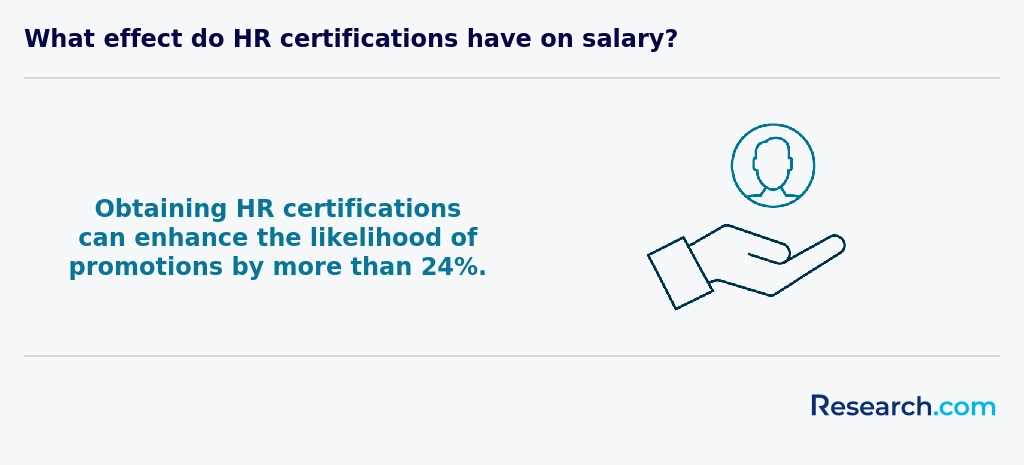
Arizona's workforce development reports highlight that holders of these certifications often see improved job opportunities and salary potential. Additionally, specialty certifications such as Certified Compensation Professional (CCP) are available for those focusing on compensation and benefits.
To write a winning application for a human resources program in Arizona, start by highlighting relevant academic achievements and any work experience related to HR or business management. Admissions committees often look for applicants with strong communication and organizational skills, as these are essential in HR roles.
Include a clear and concise personal statement that explains your motivation for pursuing human resources and how it fits your career goals. Referencing local labor market trends, such as the 13.7% job growth in HR specialists projected by the Arizona Office of Economic Opportunity, can demonstrate awareness of regional opportunities.
Request recommendations from professionals familiar with your abilities. Finally, ensure all transcripts and test scores are submitted accurately and promptly to strengthen your application.
Human resources (HR) careers offer diverse opportunities influenced by global business practices. As companies expand internationally, understanding cultural differences and employment laws worldwide becomes key for HR professionals. In the U.S., including Arizona, this global perspective is increasingly valued because many local businesses engage with international partners.
HR roles in Arizona reflect national trends, with employment in the sector expected to grow by 9% through 2031, according to the U.S. Bureau of Labor Statistics. This growth is partly driven by the need for HR experts who can manage workforces in a globalized economy.
Higher education programs in Arizona often incorporate global HR principles, preparing students to handle diverse work environments and compliance challenges. This approach helps graduates contribute effectively to both regional and multinational organizations.
Gaining practical experience while studying for a human resources degree in Arizona is essential to building job-ready skills. Students often engage in internships offered by local businesses, nonprofits, and government agencies. These internships provide hands-on exposure to HR functions like recruitment, employee relations, and compliance.
Arizona universities typically have strong partnerships with companies in Phoenix, Tucson, and Scottsdale, where the demand for HR professionals is growing steadily. According to the Arizona Department of Economic Security, HR roles are expected to grow by 11% through 2030 in the state, making experience crucial.
Additionally, many programs encourage participation in campus HR clubs and networking events. Students can also seek part-time work or volunteer positions that allow direct work with HR teams. This combination of classroom learning and real-world application strengthens both resumes and professional skills.
Choosing the right concentration within a human resources (HR) degree program in Arizona depends on your career goals and the local job market. Popular concentrations include talent acquisition, employee relations, compensation and benefits, and HR analytics. Arizona's growing industries like healthcare and technology often seek HR professionals skilled in recruitment and data analysis. According to the Arizona Office of Economic Opportunity, HR employment is expected to grow 7% by 2030, aligning with national trends.
Consider programs that offer practical experience or internships in Phoenix or Tucson to build relevant skills. Additionally, verify if the concentration aligns with certifications such as SHRM-CP, valued by Arizona employers.
- 2027 Most Affordable Human Resources Degree Programs Ranking in California
- 2027 Most Affordable Human Resources Degree Programs Ranking in Colorado
- 2027 Most Affordable Human Resources Degree Programs Ranking in Nebraska
- 2027 Most Affordable Human Resources Degree Programs Ranking in Missouri
- 2027 Most Affordable Human Resources Degree Programs Ranking in Minnesota
- 2027 Most Affordable Human Resources Degree Programs Ranking in Michigan
- 2027 Most Affordable Human Resources Degree Programs Ranking in Alabama
- 2027 Most Affordable Human Resources Degree Programs Ranking in Florida
- 2027 Most Affordable Human Resources Degree Programs Ranking in Delaware
- 2027 Most Affordable Human Resources Degree Programs Ranking in New Jersey
See What Experts Have To Say About Studying Human Resources
Read our interview with Human Resources experts

Rick Hackett
Human Resources Expert
Professor, Human Resources & Management
McMaster University

Thomas Kochan
Human Resources Expert
Professor of Management
Massachusetts Institute of Technology


- Human Resources - Alumni.space https://www.alumni.space/en/you-are/human-resources/
- 2025 Most Affordable Online Human Resources Degrees https://www.onlineu.com/most-affordable-colleges/human-resources-degrees
- How to Become an HR Manager | University of Phoenix https://www.phoenix.edu/articles/hr/how-to-become-an-hr-manager.html
- 18 HR Skills Every HR Professional Needs [2025 Guide] - AIHR https://www.aihr.com/blog/hr-skills/
- Choosing a bachelor's in human resource management | edX https://www.edx.org/resources/how-to-choose-a-bachelors-in-human-resource-management
- How to Write an HR Manager Cover Letter - HR University https://hr.university/career/hr-manager/hr-manager-cover-letter/
- Redefining career development: Skills, mobility and retention https://hrexecutive.com/redefining-career-development-skills-mobility-and-retention/
- 4 tips for leveraging alumni networks for recruitment https://www.eaie.org/resource/leveraging-alumni-networks-recruitment.html
- What Degree Might You Need to Pursue an HR Career Path? The Requirements to Know https://www.trident.edu/what-degree-do-you-need-for-hr-requirements-to-know/
- Online Education Vs. Traditional Education In HR - CFR Group https://www.cfr-group.com/online-education-vs-traditional-education-in-hr/