2027 Most Popular Human Resources Degree Programs Ranking in Idaho

Co-Founder and Chief Data Scientist
If you're considering a future in human resources, choosing the right degree program in Idaho is a big step. This article introduces the 2027 Most Popular Human Resources Degree Programs Ranking in Idaho, carefully crafted by the Research.com team of data scientists. It's designed to help you find programs that truly fit your goals and interests.
Reading this ranking can guide you toward programs that offer strong opportunities and a rewarding career. A human resources degree opens doors to meaningful work supporting people and organizations, making it a valuable investment in your future.
Key benefits of getting human resources degree in Idaho
- Graduates with a human resources degree in Idaho can expect strong earning potential, with average annual salaries around $76,060 for roles like Recruitment Coordinator, Employee Relations Specialist, and Human Resources Generalist.
- A degree opens diverse career paths, from recruitment to employee relations, as seen with graduates from Boise State University enjoying a variety of rewarding HR roles in local companies.
- Obtaining an online human resources degree from Idaho State University offers flexibility and convenience, allowing students to balance work and study while gaining the same skills as traditional programs.
- 2027 Most Popular Human Resources Degree Programs Ranking in Idaho
- What can I expect from human resources degree in Idaho?
- Where can I work with human resources degree in Idaho?
What can I expect from human resources degree in Idaho?
The average cost of earning a human resources degree in Idaho varies depending on the institution and program level, but students typically spend between $5,000 and $10,000 per year at public colleges. For instance, graduates from Boise State University often remark on the affordability combined with the quality of their HR education, appreciating how their tuition investment translated into valuable internship opportunities and practical learning experiences.
Private colleges may charge higher tuition, sometimes reaching $15,000 annually, but students there frequently highlight smaller class sizes and personalized mentorship as key benefits. Many HR students in Idaho find that the cost is justified by the hands-on training in compliance with local labor laws and state-specific regulations, which employers actively seek.
Financial aid, scholarships, and work-study options are commonly available, further easing the expense. Graduates recall that balancing coursework with cooperative education programs helped them manage costs while gaining confidence and career-ready skills for Idaho's dynamic job market.
Where can I work with human resources degree in Idaho?
Graduates with a human resources degree from institutions like Boise State University and the College of Western Idaho find diverse and rewarding career pathways throughout Idaho. Many secure positions within the healthcare sector, where they play crucial roles in staffing hospitals and clinics amidst the state's rapidly expanding medical facilities. This hands-on experience fosters a strong sense of purpose as these professionals contribute directly to community well-being.
Manufacturing companies also offer robust opportunities, employing numerous human resources specialists in roles focused on workforce management and safety training. Graduates often describe the dynamic environment in electronics and food production industries as both challenging and fulfilling, giving them a chance to develop versatile skill sets.
Local government agencies provide additional avenues by engaging HR professionals in managing public employee programs and compliance efforts, especially in Boise's metropolitan area. Educational institutions frequently recruit graduates to handle faculty and staff support, enabling these professionals to impact Idaho's growing education sector positively.
Furthermore, expanding technology and engineering firms value HR experts skilled in talent acquisition, enriching the career prospects available to degree holders statewide.
Graduates with a human resources degree in Idaho can expect competitive salaries starting from entry-level roles to more specialized positions. For instance, recent graduates working as Human Resources Assistants at universities like Boise State or the University of Idaho often see mean annual wages around $76,060, reflecting strong demand in the region. Similarly, roles such as Recruitment Coordinator, Employee Relations Specialist, and Human Resources Generalist also offer a mean annual salary close to $76,060, providing a solid foundation for career growth.
Training and Development Coordinators, a key position in many Idaho companies, earn slightly less but still competitive wages averaging $71,980 per year. Graduates recount moving into these roles with enthusiasm, appreciating how their education prepared them to contribute meaningfully to workforce development in Idaho's diverse industries, from technology to manufacturing.
These salary levels, combined with Idaho's steady job growth outlook and affordable living costs, create positive prospects for human resources graduates eager to build rewarding careers near home.
- In-state undergraduate tuition for human resources degrees in Idaho ranges from $7,000 to $9,000 per year, making it more affordable than many other states.
- Entry-level HR professionals in Idaho earn an average salary of around $45,000 annually, increasing to about $70,000 after five to ten years of experience.
- Employment opportunities for HR specialists in Idaho are expected to grow by approximately 7% over the next decade, which is slightly above the national average.
- Idaho schools offer programs focused on practical HR skills such as labor law, compensation management, and talent acquisition, along with certificate and professional certification options.
- Human resources degree programs in Idaho vary from two-year associate degrees to four-year bachelor's degrees, with graduate degree options available for advanced career prospects.
Completing a human resources degree in Idaho typically varies by degree level and enrollment status. An associate degree usually requires about two years of full-time study, offered by community colleges and technical schools. Graduates from these programs often find themselves well-prepared for entry-level HR roles, appreciating the balance between study and work life. For example, students attending colleges like the College of Western Idaho have shared positive experiences about quickly acquiring foundational HR skills that allowed them to enter the workforce confidently.
Bachelor's degrees, such as those provided by Boise State University, take approximately four years full-time. Graduates often highlight how the program's comprehensive curriculum and specialization in human resources management helped them secure positions as HR specialists or recruiters, enriching their career prospects.
Master's degrees in HR or related fields typically add one to two years beyond the bachelor's. Many appreciate how these programs at Idaho's universities accommodate working professionals through flexible scheduling or online courses, enabling students to advance their careers without pausing their employment.
Online human resources degree programs in Idaho offer flexibility unmatched by traditional formats, making them ideal for working professionals or students managing family commitments. Graduates from online programs at institutions like Boise State University often highlight the convenience of studying at their own pace while balancing other responsibilities.
Conversely, on-campus programs, such as those offered at the University of Idaho, provide immersive, face-to-face learning experiences that foster interaction with professors and peers. Graduates value opportunities for internships and campus events that build practical skills and professional networks, contributing to confidence when entering Idaho's growing HR job market.
Tuition typically reflects Idaho's higher education landscape, with online and on-campus costs ranging from approximately $8,500 to over $20,000 annually depending on the institution. Students in on-campus settings benefit from direct feedback through live discussions, while online learners engage through asynchronous lectures and discussion boards, requiring strong self-discipline.
Choosing between these paths depends on individual learning preferences and career objectives, with both routes effectively preparing graduates to meet Idaho employers' expectations for practical HR expertise.
The average cost of obtaining a human resources degree in Idaho varies significantly depending on residency status and the choice between public and private institutions. For in-state students attending popular universities such as Idaho State University or the University of Idaho, the median total cost is approximately $8,829. Graduates from these programs often express satisfaction with the balance of affordable tuition and quality education, which allows them to focus on mastering HR principles without the stress of overwhelming debt.
Out-of-state students face higher expenses, with the median total cost rising to about $39,057. While this is significantly more, many find that the reputation and resources of Idaho's leading public universities justify the investment, especially when considering the career opportunities that a human resources degree can unlock. Several graduates recall how the programs' comprehensive curriculum and supportive faculty contributed positively to their educational experience despite the higher cost.
Private colleges offering human resources degrees tend to have higher tuition rates, often exceeding public university costs by a large margin. However, Idaho residents primarily benefit from lower tuition fees at state schools. Additional costs such as textbooks and living expenses are relatively manageable in Idaho, strengthening the appeal of these programs. For those exploring affordable options, checking out the most affordable human resources programs in Idaho can provide valuable guidance tailored to individual financial circumstances.
Students searching for the average cost of human resources degree Idaho will find that focusing on public institutions maximizes affordability while still delivering thorough training in this dynamic field.
Students pursuing a human resources degree in Idaho benefit from a variety of financial aid options that help ease the cost of education. Graduates from institutions like Boise State University and the University of Idaho often recall how Pell Grants significantly offset their tuition, sometimes covering up to $7,395 annually. Completing the FAFSA is a crucial first step, unlocking access to federal grants, scholarships, and loans tailored to individual financial needs.
Many Idaho residents qualify for the Opportunity Scholarship, which provides up to $3,000 yearly for eligible students enrolled in approved programs, including human resources. Institutional scholarships offered by Idaho's public universities further reduce expenses, rewarding academic achievement and leadership, with recipients expressing relief at the reduced financial pressure.
Working professionals studying human resources appreciate employer tuition reimbursement programs that allow them to advance their careers without accumulating debt. Additionally, federal loans with competitive rates and professional organization scholarships, such as those from SHRM, provide essential support throughout the educational journey.
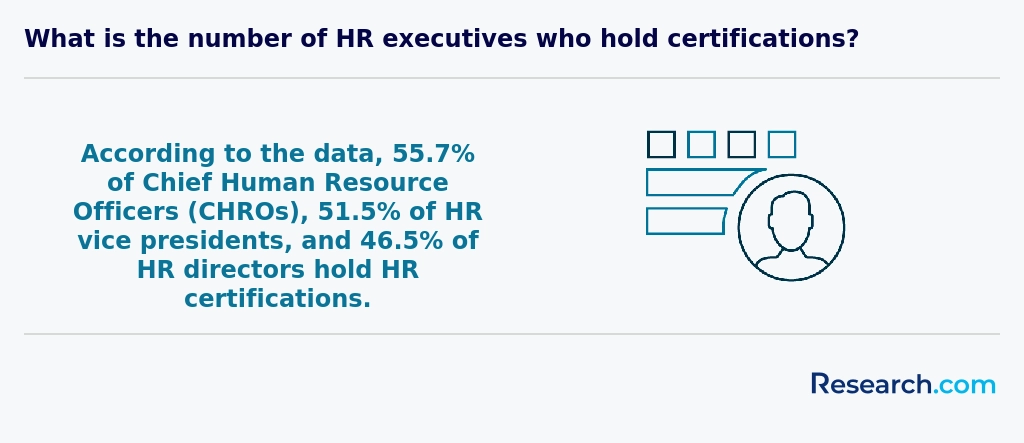
Earning a recognized HR certification can significantly boost the credibility and marketability of Idaho graduates in Human Resources. Certifications such as the SHRM-CP, PHR, and SHRM-SCP validate specialized knowledge in areas like talent acquisition, employee relations, and compliance. Many employers in Boise, Coeur d’Alene, and the Treasure Valley prioritize candidates with these credentials, often offering higher starting salaries and accelerated promotion tracks. Key Certification Options:
- SHRM-CP (Society for Human Resource Management Certified Professional): Ideal for early-career professionals, focusing on operational HR functions and strategic planning.
- PHR (Professional in Human Resources): Emphasizes technical and administrative aspects of HR management and U.S. labor regulations.
- SHRM-SCP (Society for Human Resource Management Senior Certified Professional): Targets senior practitioners responsible for policy development and strategic leadership. Preparation Strategies: 1. Enroll in accredited review courses offered online or on campus. 2. Leverage study groups through local SHRM chapters in Idaho. 3. Use free practice exams and flashcards to reinforce key concepts. For students seeking budget-friendly pathways to certification, consider pairing your HR degree with cost-effective online coursework-our Cheapest Online Human Resources Degree Programs Ranking in Maine highlights programs that help reduce expenses while preparing you for exam success.
To enroll in a human resources degree program in Idaho, most candidates must have a high school diploma or equivalent, such as a GED. Institutions like Boise State University and the College of Idaho typically expect applicants to submit SAT or ACT scores, though some schools have adopted test-optional policies, making access more flexible. Graduates often recall how meeting these standardized testing requirements gave them confidence during the admissions process.
Applicants are also encouraged to complete high school coursework in English, mathematics, and social sciences to prepare for the broad skill set human resources studies demand. Many successful students highlight how strong communication and critical thinking skills, emphasized through these subjects, supported their academic journey at Idaho State University.
For graduate human resource management programs at Idaho universities, applicants generally need a bachelor's degree with a minimum GPA of 2.5 to 3.0. Some institutions recommend or require prior business or management coursework, but those with diverse backgrounds also find pathways to admission. Personal statements and letters of recommendation provide applicants an opportunity to convey their passion and career goals, often making a decisive positive impression. Work experience, while advantageous, is seldom mandatory for undergraduates, allowing motivated students from varied experiences to thrive in Idaho's HR programs.
Human resources degree programs in Idaho typically integrate fundamental business education with specialized HR coursework, providing students at institutions like Boise State University and the College of Southern Idaho with a comprehensive skill set. Graduates often reflect on how essential management principles, organizational behavior, and business communication courses laid a strong foundation for understanding workplace dynamics.
The core HR courses cover critical areas such as Human Resource Management, where students learn practical strategies for recruitment, selection, and retention. Employment Law courses address both state and federal regulations, helping future HR professionals navigate complex compliance issues specific to Idaho's labor market. Compensation and Benefits coursework equips students to design competitive pay structures, while Labor Relations offers insight into union negotiations-a significant aspect in Idaho's diverse industries.
Performance Management and Training and Development classes enable students to foster employee growth and boost organizational productivity. Many graduates recall meaningful internship experiences facilitated by these programs, which helped them apply classroom knowledge to real-life settings within Idaho's agriculture and healthcare sectors, creating engaging and relatable career pathways.
Human resources degree specializations Idaho students often pursue encompass a range of focus areas tailored to meet regional workforce demands. Graduates from institutions like Boise State University commonly select recruitment and talent acquisition, mastering techniques in applicant screening and workforce planning that align well with Idaho's expanding tech and healthcare sectors. Another prevalent concentration is employee relations, where students develop skills in conflict resolution and enhancing workplace culture, vital for the state's numerous small and medium-sized businesses.
Additional tracks include compensation and benefits management, preparing students to design competitive pay and benefits packages while navigating state-specific labor laws. Students at popular colleges experience firsthand how these skills translate into improved employee satisfaction and retention. Training and development is also valued, equipping graduates to create impactful programs supporting ongoing employee growth, a reflection of Idaho's emphasis on workforce upskilling.
Some programs offer labor relations, important for sectors involving collective bargaining. Those weighing costs can compare options in the Cheapest Online Human Resources Degree Programs Ranking in Maine, which may inspire choices about affordable specialization paths in Idaho's competitive landscape.
Choosing the best human resources degree program in Idaho requires careful evaluation of several key factors tailored to local opportunities. Graduates from popular universities and colleges in Idaho often highlight the value of accredited programs that comply with standards set by regional organizations like the Northwest Commission on Colleges and Universities. Such accreditation reassures employers of the degree's quality, boosting graduates' confidence and employability.
Affordability is crucial for many students, and Idaho's public institutions provide competitive tuition compared to national averages, making affordable HR degrees Idaho colleges an attractive option. Community colleges further appeal with low-cost, hands-on curricula focusing on essential HR areas such as employment law and talent management. Students who have balanced work and studies benefit from flexible schedules offered by online or hybrid formats, which accommodate diverse lifestyles.
Personal experiences from Idaho HR graduates emphasize the importance of programs that include internships or cooperative education, linking academic theory with real-world practice. These opportunities in Idaho's growing sectors lead to strong career networks and better job prospects. Prospective students should also explore if programs prepare them for SHRM certification, a pivotal credential.
For those reviewing career outcomes, the median annual wage for HR specialists in Idaho near $56,000 reflects solid returns on investment. Job growth projections support this optimism, and students might consider expanding skills through related medical certifications that pay well to further enhance their career trajectory.
Graduates holding a human resources degree in Idaho find a diverse spectrum of career paths that align well with the state's growing economic landscape. Common roles include Human Resources Specialist positions, where individuals manage recruitment and onboarding, providing a strong foundation as they begin their careers. Many graduates from institutions like Boise State University express satisfaction in advancing to roles such as HR Manager, overseeing organizational policies and labor law compliance. The demand for Talent Acquisition Specialists increases as businesses expand, offering dynamic opportunities to those skilled in sourcing top talent.
Other viable career paths include Compensation and Benefits Analyst roles, requiring expertise in employee remuneration programs, and Training and Development Coordinator positions focused on enhancing workforce skills. Additionally, Labor Relations Specialists play crucial roles in negotiations between unions and employers, particularly in Idaho's manufacturing sector. These jobs illustrate human resources career opportunities in Idaho and present fulfilling, stable employment for graduates.
Students often seek guidance on which bachelor degree is easy to complement their HR studies or broaden their career options further.
The human resources job outlook Idaho graduates face is notably positive, reflecting steady growth in demand for HR professionals across the state. Graduates from prominent Idaho institutions often find themselves well-positioned for roles in cities like Boise and Meridian, where expanding industries such as manufacturing, healthcare, and technology actively seek qualified HR specialists. These environments enable recent graduates to gain valuable experience managing recruitment, compliance, and employee relations within dynamic organizations.
Many graduates express satisfaction with Idaho's competitive wage offerings that align favorably with the state's lower cost of living. Success stories often highlight the advantage of combining a human resources degree with professional certifications like SHRM-CP, which employers consistently prioritize. Such credentials significantly enhance employability within the Idaho human resources career opportunities landscape.
The attainable cost of education at local universities coupled with the robust regional economy creates an encouraging pathway for students pursuing an HR degree. For those evaluating future prospects, exploring highest paying college majors can further clarify potential career rewards.
2027 Most Popular Human Resources Degree Programs Ranking in Idaho
Investing in your education is a significant decision that can shape your future, and the Research.com team understands the importance of making informed choices. To assist prospective students in Idaho, we have meticulously crafted the "2027 Most Popular Human Resources Degree Programs Ranking in Idaho." Our commitment to quality, credibility, and accuracy is reflected in the extensive research and analysis conducted to compile this ranking.
We utilized the following reputable data sources to ensure a comprehensive evaluation of Human Resources degree programs:
By exploring this ranking, readers will gain valuable insights into the most popular and reputable Human Resources programs in Idaho, empowering them to make well-informed educational decisions. For more details on our methodology, please visit our Research.com methodology page.


# 3 position
Idaho State University
Bachelor of Science in Human Resource Management

# 4 position
Idaho State University
Master of Science in Human Resource Development M
Frequently Asked Questions About human resources
Human resources degree students in Idaho can maximize their learning by engaging with both academic and practical experiences offered by local institutions. Idaho universities often provide internships with regional businesses and government agencies, which allow students to apply HR theories in real workplace settings. According to the Idaho Department of Labor, sectors like healthcare and manufacturing are growing rapidly, creating diverse HR opportunities for hands-on training.
Additionally, students should take advantage of networking events through Idaho SHRM (Society for Human Resource Management) chapters. These offer professional guidance and local industry insights. Idaho students can also enhance learning through online HR certifications that complement their degrees, improving job market readiness.
The human resources (HR) field in Idaho is evolving, with several emerging niches gaining attention. One notable area is HR analytics, where professionals use data to improve hiring, retention, and employee engagement. This specialization is growing as Idaho businesses seek evidence-based decisions.
Another rising niche is diversity, equity, and inclusion (DEI) management. Employers increasingly prioritize creating inclusive workplaces, and HR experts skilled in DEI strategies are in demand across Idaho's expanding tech and healthcare sectors.
Additionally, remote workforce management has become key, especially following shifts caused by the COVID-19 pandemic, with Idaho companies embracing flexible work models.
According to the U.S. Bureau of Labor Statistics, Idaho's HR specialist employment is projected to grow by 6% through 2030, reflecting these evolving focuses.
After earning a human resources degree in Idaho, preparing for the job market involves practical experience and networking. Students should seek internships or part-time roles with local companies to develop real-world skills. According to Idaho Department of Labor data, HR jobs in the state are expected to grow by 5% from 2022 to 2032, indicating steady demand.
Professional certifications such as SHRM-CP (Society for Human Resource Management - Certified Professional) can enhance job prospects. Additionally, connecting with Idaho HR organizations and attending local industry events helps build valuable relationships. Familiarity with state labor laws and Idaho's economic sectors, like technology and agriculture, can also provide a competitive edge.
Employers in Idaho highly value human resources graduates who demonstrate strong communication skills. Being able to clearly convey policies and mediate conflicts is essential in this field.
Analytical ability is another key skill, as HR professionals often manage employee data and compliance with labor laws. According to Idaho Department of Labor reports, proficiency in understanding employment regulations and interpreting workforce analytics increases job performance.
Additionally, adaptability and problem-solving are critical. Idaho's growing industries require HR practitioners to navigate evolving workplace challenges, including diversity and remote work management.
Finally, technological literacy, such as familiarity with human resources management software (HRIS), is increasingly sought after. Employers expect graduates to efficiently handle recruitment, payroll, and benefits through digital platforms.
Finding internships in Idaho relevant to a human resources degree involves strategic research and networking. Start by exploring opportunities at local companies in key industries such as agriculture, technology, and healthcare, which are prominent in Idaho. The Idaho Department of Labor reports steady growth in human resources roles, highlighting the availability of internships in medium to large organizations.
Many Idaho universities offering human resources programs, such as Boise State University, provide career services that connect students to internships in the region. Additionally, joining professional groups like the Idaho Society for Human Resource Management can open doors to internship leads.
Online resources such as Handshake and local job boards also list internships tailored to human resources students in Idaho. Early applications and reaching out directly to HR departments can improve chances of securing a placement.
In Idaho, earning a human resources degree significantly enhances career mobility and advancement opportunities. According to the U.S. Bureau of Labor Statistics, Idaho's employment for human resources specialists is projected to grow by 7% from 2022 to 2032, aligning with national growth trends. A degree provides essential knowledge in labor law, employee relations, and organizational management, skills highly valued by Idaho employers.
Graduates often find increased access to diverse roles, from HR generalist positions to specialized fields like compensation analysis or training coordination. Furthermore, professionals with degrees report higher salaries and promotion rates compared to those without formal HR education, based on data from the Idaho Department of Labor.
Studying for a human resources degree in Idaho equips students with skills that span multiple disciplines such as business management, psychology, and law. Many Idaho institutions integrate coursework in organizational behavior, employment law, and labor relations, fostering a well-rounded understanding that suits diverse workplace roles.
Idaho's growing industries demand HR professionals who can collaborate across departments, influencing areas like finance and marketing. According to the Idaho Department of Labor, HR roles require adaptability and strategic thinking to manage workforce challenges in sectors like manufacturing, healthcare, and technology.
This interdisciplinary training increases graduates' employability, preparing them for varied careers beyond traditional HR functions.
When choosing between a thesis and a non-thesis human resources degree program in Idaho, it is important to consider your career goals. Thesis programs often emphasize research skills and are ideal for students who want to pursue doctoral studies or roles in HR research and policy development. Non-thesis options typically focus on practical skills and are suitable for those aiming to enter or advance in HR management roles quickly.
The University of Idaho and Boise State University offer both options, reflecting a trend in the state toward flexible degree paths. According to the Bureau of Labor Statistics, Idaho's human resources employment is expected to grow by 8% through 2031, highlighting the value of practical skills.
Students should also assess their personal interest and time commitment, as thesis programs require a substantial research project, while non-thesis degrees usually involve additional coursework or internships.
Students based in Idaho who want to study human resources abroad have several pathways to consider. While Idaho itself does not offer many in-state study abroad programs focused solely on human resources, students can apply for exchange programs through their home institution's international partnerships. For example, universities like Boise State encourage participation in general study abroad opportunities, which can include business-related fields.
Many U.S. students pursue human resources degrees abroad through accredited online programs or by enrolling in universities with recognized HR curricula worldwide. It is essential to verify program accreditation recognized by the Society for Human Resource Management (SHRM) or the HR Certification Institute (HRCI), as this impacts professional certification eligibility in the U.S.
Additionally, students should research scholarships and financial aid options specifically available for international study at business schools, as cost can be a significant barrier. The Idaho Department of Labor reports rising demand for HR professionals locally, making global experience a valuable asset in this competitive market.
In Idaho, part-time jobs that complement human resources (HR) degree education often include administrative assistant roles, recruitment coordinators, and HR intern positions. These roles offer valuable hands-on experience with employee relations, hiring processes, and office management.
According to the Idaho Department of Labor, administrative support occupations are projected to grow by 2% from 2022 to 2032, providing steady opportunities for students. Many local businesses in Boise and Meridian seek part-time assistants to help with onboarding and benefits administration, tasks central to HR functions.
Additionally, internships with state agencies and nonprofit organizations provide practical exposure to HR information systems and labor law compliance. Such positions enhance students' resumes while they study.
Human resources students in Idaho benefit from various networking opportunities that support their career development. Local chapters of professional associations, such as the Society for Human Resource Management (SHRM) Idaho State Council, host regular events, workshops, and conferences that attract students and professionals alike.
In addition, Idaho's colleges and universities often partner with regional HR businesses to offer internships and mentorship programs. These connections allow students to build industry relationships early in their education.
The state's growing economy, including sectors like technology and manufacturing, creates numerous networking forums focused on human resources, enhancing job prospects. According to the Idaho Department of Labor, HR-related roles are expected to grow by 6% through 2030, emphasizing the importance of such networks for aspiring professionals.
Alumni networks offer valuable support to human resources degree students in Idaho by providing access to professional connections within the state's job market. Graduates often share job openings and internship opportunities, helping current students secure positions in sectors such as manufacturing, healthcare, and technology, which are prominent in Idaho's economy.
Through organized events and mentoring programs, alumni facilitate career guidance based on real-world HR experiences in Idaho. These networks enhance students' understanding of local labor laws and workforce trends, which are crucial for effective human resources management.
According to the Idaho Department of Labor, networking significantly boosts employment success, making alumni connections a key resource for HR students preparing to enter the regional workforce.
Customizing a human resources degree program in Idaho involves selecting electives, internships, and specializations that align with your career goals. Many Idaho institutions offer flexibility through generalist HR tracks or more focused areas such as talent acquisition, labor relations, or compensation management.
Students can also benefit from enrolling in courses related to Idaho labor laws and workplace regulations, which are vital given the state's specific employment standards. For example, Boise State University offers relevant coursework that helps students understand local HR practices.
Additionally, pursuing internships within Idaho companies or nonprofits can provide practical experience and networking opportunities, enhancing job prospects in the state's growing industries according to Idaho Department of Labor statistics.
Human resources students in Idaho often face several challenges during their studies. One common difficulty is limited access to specialized HR programs within the state, as only a few institutions offer dedicated human resources degrees. This can restrict practical learning opportunities and internships, which are vital for career readiness. According to the Idaho Department of Labor, competition for internships in Boise and other urban areas remains high, posing a challenge for students seeking hands-on experience.
Another challenge involves staying current with evolving employment laws specific to Idaho, including wage regulations and labor standards. Students must balance theory with practical knowledge of state and federal compliance, which can be complex.
Additionally, human resources professionals in Idaho face the impact of a small yet growing tech sector, requiring students to adapt to changing workforce demands and technological tools.
With a human resources degree in Idaho, graduates can pursue several well-recognized professional certifications that enhance career prospects. The most widely respected certification is the Professional in Human Resources (PHR), offered by the HR Certification Institute (HRCI), which validates practical knowledge in HR management. Another valuable credential is the Society for Human Resource Management Certified Professional (SHRM-CP), recognized nationwide for emphasizing strategic HR competencies.
Idaho's growing job market for HR professionals, as reported by the Idaho Department of Labor, shows strong demand for certified HR specialists, with competitive salaries often linked to holding such credentials. Additionally, certifications like the Senior Professional in Human Resources (SPHR) and SHRM-SCP target experienced HR leaders seeking advancement.
When applying to human resources degree programs in Idaho, it is essential to craft a clear and focused application. Start by highlighting relevant experience, such as internships or jobs involving employee relations, recruitment, or administrative work. Admissions committees look for candidates who demonstrate strong communication and organizational skills.
Include a well-written personal statement that explains your passion for human resources and your career goals. Use specific examples to show your motivation and understanding of the field. According to U.S. Bureau of Labor Statistics, Idaho's human resources employment is expected to grow moderately, making focused applications critical.
Additionally, ensure your academic record meets program prerequisites, such as courses in business or psychology. Request strong recommendation letters from professionals or professors familiar with your capabilities. Finally, proofread all materials carefully to avoid errors that could lessen your chances.
Human resources (HR) careers increasingly require a global outlook as businesses expand internationally. For students in Idaho, understanding global HR trends is crucial because Idaho companies often engage with diverse workforces and international markets. According to the U.S. Bureau of Labor Statistics, HR specialists and managers are expected to grow by 7% nationally from 2021 to 2031, reflecting steady demand that includes global competencies.
Many HR roles now emphasize cultural awareness, labor laws across countries, and multinational employee relations. Idaho universities offering HR degrees often include courses on international business and cross-cultural management. These skills align with practices seen throughout the U.S. labor market as firms adapt to globalization.
Overall, pursuing an HR degree in Idaho offers foundational knowledge combined with emerging global perspectives needed to succeed in increasingly interconnected workplaces.
Gaining practical experience while studying for a human resources degree in Idaho can significantly enhance your career prospects. Many Idaho colleges and universities offer internships through partnerships with local businesses, allowing students to apply classroom knowledge in real-world settings. For example, Boise State University connects students with employers in industries such as healthcare, technology, and manufacturing.
Additionally, volunteering for HR-related roles in student organizations or local nonprofits is a viable way to develop skills. According to the Idaho Department of Labor, HR job openings are expected to grow by 10% through 2030, increasing demand for candidates with hands-on experience.
Networking events and workshops hosted by Idaho's HR professional associations also provide valuable exposure to industry trends and contacts. These opportunities allow students to build resumes with relevant, practical experiences.
Choosing the right concentration within a human resources degree program in Idaho depends on your career goals and local job market trends. Common concentrations include Talent Acquisition, Employee Relations, and Compensation & Benefits. According to the Idaho Department of Labor, sectors like technology and healthcare are growing rapidly, increasing demand for HR specialists skilled in recruitment and compliance.
Evaluate concentrations offering practical skills and certifications recognized by organizations such as the Society for Human Resource Management (SHRM). Also, consider programs providing internships with Idaho-based companies, which enhance employment opportunities.
Finally, review faculty expertise and alignment with Idaho's economic context to ensure relevant and up-to-date training.
- 2027 Most Popular Human Resources Degree Programs Ranking in Utah
- 2027 Most Popular Human Resources Degree Programs Ranking in California
- 2027 Most Popular Human Resources Degree Programs Ranking in Colorado
- 2027 Most Popular Human Resources Degree Programs Ranking in Arizona
- 2027 Most Popular Human Resources Degree Programs Ranking in Nebraska
- 2027 Most Popular Human Resources Degree Programs Ranking in Kansas
- 2027 Most Popular Human Resources Degree Programs Ranking in Oklahoma
- 2027 Most Popular Human Resources Degree Programs Ranking in Texas
- 2027 Most Popular Human Resources Degree Programs Ranking in Minnesota
- 2027 Most Popular Human Resources Degree Programs Ranking in Iowa
See What Experts Have To Say About Studying Human Resources
Read our interview with Human Resources experts

Rick Hackett
Human Resources Expert
Professor, Human Resources & Management
McMaster University

Thomas Kochan
Human Resources Expert
Professor of Management
Massachusetts Institute of Technology

Chester S. Spell
Human Resources Expert
Professor of Management
Rutgers University

- Human resources | University of Idaho https://www.uidaho.edu/human-resources
- HR's Guide to Effective Career Development https://orangehrm.com/resources/learn-in-depth/hr-guide-to-effective-career-development
- Human Resources - Alumni.space https://www.alumni.space/en/you-are/human-resources/
- HR Success: The Best HR Skills to Have | GBS https://www.galwaybusinessschool.ie/blog/from-aspiring-to-accomplished-your-path-to-hr-success-starts-here/
- HR networking: developing authentic relationships | Reed Learning https://www.reed.com/learning/article/hr-networking:-developing-authentic-relationships
- CourseCareers https://coursecareers.com/blog-posts/how-to-break-into-human-resources
- Human Resource Management Master's Program (without Thesis) | Eastern Mediterranean University Cyprus https://www.emu.edu.tr/en/programs/human-resource-management-masters-program-without-thesis/1544
- 4 tips for leveraging alumni networks for recruitment https://www.eaie.org/resource/leveraging-alumni-networks-recruitment.html
- Unlocking Career Opportunities: How a Degree in Human Resources Can Propel Your Professional Journey https://www.euroeducation.net/articles/unlocking-career-opportunities-how-a-degree-in-human-resources-can-propel-your-professional-journey.htm
- The Future of HR Careers: What Students Should Know https://hrcertification.com/blog/future-hr-careers-students-biid1000163