2027 Most Popular Human Resources Degree Programs Ranking in Michigan

Co-Founder and Chief Data Scientist
If you're a student in Michigan exploring your future in human resources, this article is made just for you. It introduces the 2027 Most Popular Human Resources Degree Programs Ranking in Michigan created by the Research.com team of data scientists to help you find the best programs to fit your goals.
Choosing the right degree can shape your career and open doors to rewarding opportunities. Reading this guide will give you clear insights so you can make a confident, informed decision about your education path in human resources.
Key benefits of getting human resources degree in Michigan
- Human resources degree graduates in Michigan can expect competitive salaries, such as $76,060 annually for roles like Recruitment Coordinator, Employee Relations Specialist, and Human Resources Generalist.
- Career paths are diverse, with graduates from universities like the University of Michigan finding opportunities in recruitment, employee training, and HR management, offering rewarding growth.
- Online human resources degrees, like those from Michigan State University, provide flexible learning schedules and access to valuable resources, making it easier to balance work and study.
- 2027 Most Popular Human Resources Degree Programs Ranking in Michigan
- What can I expect from human resources degree in Michigan?
- Where can I work with human resources degree in Michigan?
What can I expect from human resources degree in Michigan?
The average cost of a human resources degree in Michigan varies widely depending on the type of institution and degree level. Graduates from public universities like Michigan State University or Wayne State University often share that in-state tuition for a bachelor's program typically ranges between $12,000 and $16,000 per year, making it a manageable investment for many Michigan residents. Community colleges offering associate's degrees are even more affordable, with annual costs closer to $5,000, providing an accessible entry point into the field.
Private institutions and out-of-state tuition can push costs higher, sometimes reaching $25,000 annually, but many students find value in scholarships or cooperative education opportunities that help offset expenses. Graduates frequently mention that combining theoretical coursework with internships at local businesses or state agencies, such as those coordinated by Grand Valley State University, delivers practical experience that adds significant long-term value beyond the sticker price.
Where can I work with human resources degree in Michigan?
Graduates with a human resources degree from institutions like Michigan State University or the University of Michigan find abundant opportunities across diverse sectors in Michigan. Many secure roles in automotive giants like General Motors or Ford, applying their skills in recruitment and employee relations to support large, dynamic workforces. Others thrive in healthcare settings such as Henry Ford Health System, where HR professionals help navigate ongoing staffing needs in a rapidly expanding industry.
Employment also extends to education, with HR graduates managing personnel at local school districts and universities, drawing on their training in benefits administration and staff development. Government roles at the state or municipal level offer careers in civil service management and labor relations, tapping into graduates' abilities to handle complex regulatory environments.
Graduates often praise how their hands-on internships in Michigan's job market prepared them for real-world challenges, boosting confidence as they entered roles demanding effective communication and diversity advocacy. Pursuing certifications like SHRM alongside their degree further strengthens Michigan-based candidates' competitive edge in a steadily growing job market.
Graduates with a human resources degree in Michigan can expect competitive salaries in key HR roles. For example, entry-level positions such as Recruitment Coordinators, Human Resources Assistants, and Employee Relations Specialists typically earn a mean annual wage of about $76,060, reflecting solid starting pay for recent grads from institutions like Michigan State University or the University of Michigan-Dearborn. These figures translate to an hourly wage near $36.57, allowing new professionals to start their careers with confidence.
Training and Development Coordinators earn a slightly lower mean annual wage around $71,980, or about $34.60 per hour, offering attractive options for HR graduates focused on employee learning and growth. Many graduates have shared how internships and on-campus career fairs at Michigan colleges helped them land roles paying within these ranges, building financial independence early on.
By gaining experience and additional certifications such as PHR or SPHR, many find that their salaries increase steadily, setting the stage for advancement in Michigan's diverse economic sectors. This practical path ensures HR grads enjoy both financial stability and fulfilling careers in cities like Detroit and Ann Arbor.
- Michigan offers human resources degrees at associate, bachelor's, and master's levels through public and private schools.
- In-state tuition for undergraduate HR programs at public universities ranges from $15,000 to $18,000 per year, while private schools charge $30,000 to $45,000 annually.
- Community colleges provide affordable associate degrees in HR-related fields for around $4,000 to $6,000 per year for in-district students.
- Demand for HR specialists in Michigan is projected to grow by about 7% from 2022 to 2032, reflecting steady job opportunities.
- Entry-level HR salaries range from $45,000 to $55,000, with experienced professionals earning $75,000 or more, and senior managers earning $90,000 to $110,000.
- Professional associations like the Detroit Chapter of SHRM and local internships support career development for HR students in Michigan.
In Michigan, completing a human resources degree depends largely on your chosen level and pace. For example, students at popular institutions like Wayne State University often finish their bachelor's in about four years when enrolled full-time, aligning with Michigan's trend of efficient graduation timelines. Graduates appreciate how focused coursework and local networking opportunities prepare them promptly for the workforce.
Those pursuing associate degrees at community colleges, such as Oakland Community College, typically complete their studies in two years, gaining foundational HR skills for entry-level roles. Many find this timeframe manageable while working part-time or managing family commitments.
Graduate students aiming for a master's or an MBA with HR specialization, as seen at the University of Michigan's Ross School of Business, usually invest an additional one to two years. Flexible schedules including evening and online classes help these students balance studies with professional life, often leading to rewarding promotions in their HR careers.
Choosing accelerated programs or transferring prior credits can further shorten your timeline, making a human resources degree both accessible and achievable within Michigan's educational environment.
In today’s rapidly evolving workplace, staying ahead means understanding emerging trends and developing in-demand skills. As technology transforms HR functions, modern programs are integrating digital tools and data analytics to prepare graduates for a future where agility, innovation, and strategic decision-making are paramount. For instance, universities are now incorporating specialized courses in HR analytics, digital onboarding, and remote workforce management to address the challenges of a hybrid working environment. These advancements not only empower graduates to harness data for strategic talent management but also enhance their ability to drive organizational change in real time. Moreover, as companies increasingly value diversity, inclusion, and employee well-being, HR programs are placing a greater emphasis on cultivating soft skills such as empathy, communication, and leadership. Many institutions have also expanded their mentorship and networking opportunities, connecting students with industry experts who offer critical career insights. Prospective students should take note that programs emphasizing these modern competencies are becoming particularly attractive. For additional information on cost-effective options, check out cheapest human resources schools in michigan to explore programs that balance affordability with innovative curricula. By focusing on these emerging trends and future skills, students can position themselves as versatile HR professionals ready to meet the challenges of the ever-changing global workforce.
Choosing between online and on-campus human resources degrees in Michigan comes down to your lifestyle and learning preferences. Online programs offer the flexibility to study on your own schedule, which is ideal if you're working full-time or managing family responsibilities. For example, graduates from online programs at Michigan universities appreciate avoiding the commute and balancing coursework with their daily routines, saving both time and money.
In contrast, on-campus students at schools like Michigan State University benefit from face-to-face interactions with professors and peers, enhancing networking and collaboration. Many graduates highlight how hands-on experiences and internships available on campus helped them build a professional network and gain practical skills that elevated their job prospects in Michigan's competitive HR market.
Both paths cover essential HR topics and often hold SHRM accreditation, but on-campus students typically access more direct advising and career services. Online learners must be more self-driven but still receive remote support, making each format suited to different learning styles and goals.
The average cost of a human resources degree in Michigan typically centers around $32,336 in total tuition, with in-state students paying approximately $15,262. For many students attending well-known institutions like the University of Michigan or Michigan State University, in-state tuition rates offer a noticeable financial advantage, making a quality education more accessible while keeping debt manageable. Graduates often share how this affordability eased their path through undergraduate or graduate HR programs.
Out-of-state students generally face higher tuition, but Michigan's reputable HR programs remain competitive, with costs reflecting the quality and resources offered. For example, private colleges such as Walsh College or Davenport University, while pricier, provide hands-on HR learning environments that many students find worthwhile for career preparation.
Additional expenses such as books, supplies, and living costs can add to the financial load, but many Michigan students manage these through scholarships or financial aid. Exploring options reduces the burden considerably, especially when looking into state-supported programs. Many students pursuing online HR degrees appreciate flexible tuition structures that help balance education with other life commitments.
Those interested in budgeting for their studies should also consider consulting lists like the cheapest human resources schools in michigan, enabling informed choices without sacrificing quality. Understanding tuition and fees for HR degree Michigan programs helps students pinpoint financial strategies that align with their goals and lifestyles, ensuring a practical approach to their education investment.
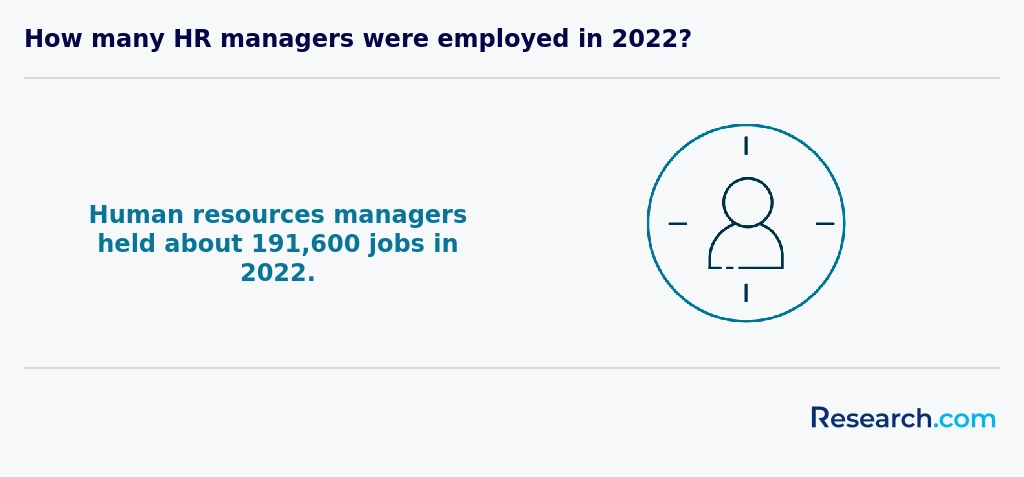
Students pursuing human resources degrees in Michigan can access a variety of financial aid options tailored to ease tuition costs. Graduates from schools like Wayne State University and Michigan State University often share how Pell Grants helped cover thousands in expenses, making their education feel attainable despite initial concerns about cost.
Federal student loans, including Direct Subsidized Loans, provide low-interest borrowing with flexible repayment, allowing students to focus on studies without immediate financial stress. Meanwhile, Federal Work-Study programs offer a practical way to earn while learning, with positions often related to HR departments on campus, giving real work experience alongside financial support.
State-specific aid such as the Michigan Competitive Scholarship and Tuition Incentive Program support in-state learners at public universities and community colleges. Institutional scholarships at these schools frequently reward academic and leadership achievements, reducing yearly costs by up to $5,000, which many successful HR graduates have found invaluable.
Additionally, professional groups like the Society for Human Resource Management (SHRM) offer competitive scholarships, inspiring students to excel in the field. Employer tuition assistance is another powerful resource, especially for those already working in Michigan's HR sector, combining career growth with education funding.
Understanding the return on investment (ROI) of a Human Resources degree is essential for prospective students weighing tuition costs against future earnings. In Michigan, the average annual tuition for public universities ranges from $10,000 to $20,000, while private institutions may charge $30,000 or more. Against this backdrop, HR graduates-such as those entering roles like Training and Development Coordinator-command a mean annual wage of $69,870 (or $33.59 per hour), making the potential payoff substantial. Key ROI considerations:
- Average Total Cost: $40,000–$80,000 for a four-year bachelor’s degree (before aid).
- Average Starting Salary: $55,000–$65,000 for entry‐level HR roles, rising to $70,000+ within five years.
- Typical Payback Period: 2–4 years based on average earnings and living expenses.
- Financial Aid Impact: With 77% of students receiving aid (average $13,500/year), the net cost can drop to $20,000–$40,000, shortening the payback period significantly. To maximize ROI, compare program costs and outcomes. For students seeking cost-effective options without sacrificing quality, our Affordable Human Resources Degree Programs Ranking in Minneapolis, MN highlights institutions that balance affordability with strong graduate success metrics. By evaluating total expenses, average post-graduation salaries, and available financial aid, you can select a program that delivers both academic rigor and a swift financial return-ensuring your investment accelerates your career growth in Michigan’s competitive HR landscape.
To enroll in human resources degree programs in Michigan, you'll first need a high school diploma or equivalent for undergraduate tracks. Many students at universities like Wayne State or Western Michigan University found that maintaining a solid 2.5 GPA and completing core subjects such as English and math were key to gaining admission, even as standardized testing becomes optional. These foundational steps prepare you well for coursework ahead.
For graduate programs, typically offered at institutions such as the University of Michigan-Dearborn, holding a bachelor's degree-often in business, psychology, or related fields-is essential. Graduates recall how sharing relevant professional experience, usually one to two years in HR or a related role, strengthened their applications and sometimes waived the GRE or GMAT requirements.
Submitting a personal statement and recommendation letters is crucial. Many students reflect that these documents allowed them to demonstrate genuine passion and commitment to the HR field, which resonated with admissions committees.
Financially, planning ahead is vital since tuition at Michigan public universities averages around $14,000 annually. Thoughtful budgeting helped graduates confidently navigate their educational journey without unexpected burdens.

Human resources degree programs in Michigan commonly include courses designed to equip you with practical skills tailored to the state's dynamic workforce. At popular institutions like Wayne State University and Michigan State University, you'll encounter classes such as Introduction to Human Resources Management, which prepares you for real-world tasks like hiring and employee relations through case studies based on Michigan companies.
Graduates often highlight how Employment Law coursework helps them confidently navigate Michigan-specific regulations, essential when working with local labor markets. Courses like Recruitment and Selection and Training and Development are hands-on, often featuring projects collaborating with Detroit-based businesses, making the learning highly relevant and engaging.
Labor Relations is especially valuable due to Michigan's strong union presence; students learn negotiation and conflict resolution skills that apply directly to industries such as automotive manufacturing. Additionally, classes in Human Resource Information Systems (HRIS) familiarize you with software tools, ensuring you're prepared for today's tech-driven HR roles.
These courses collectively create a roadmap for success, helping you gain confidence and competence to thrive as an HR professional in Michigan's diverse economy.
Human resources degree specializations Michigan programs commonly include Talent Acquisition and Recruitment, where students learn to design strategies that attract top talent in diverse workforces. Employee Relations and Labor Relations is another key area, focusing on negotiation and conflict resolution-skills especially relevant given Michigan's strong union presence in industries like automotive manufacturing.
Graduates from universities such as Michigan State University appreciate how Compensation and Benefits Management specialization prepares them to develop compliant and competitive compensation packages. Training and Development tracks emphasize building employee growth initiatives that adapt to Michigan's evolving industries, helping students feel confident in real-world workforce development roles.
Diversity, Equity, and Inclusion (DEI) is increasingly prioritized to foster inclusive workplaces reflecting Michigan's diverse population. Students from University of Michigan-Dearborn report positive experiences applying these concepts during internships, seeing firsthand how DEI initiatives improve organizational culture and employee satisfaction.
Those exploring Michigan HR degree program concentrations should also consider practical learning opportunities. For insights on affordability and tailored programs, students often consult rankings like the Affordable Human Resources Degree Programs Ranking in Minneapolis, MN to gauge cost-effective pathways.
Focus first on the degree level that fits your career goals; many graduates from Michigan State University with associate degrees in human resources find entry-level jobs quickly, while those pursuing a bachelor's degree at the University of Michigan unlock broader opportunities and leadership roles. For specialized paths, consider master's degrees or MBAs with HR concentrations that deepen expertise.
Assess the program's accreditation and curriculum rigor carefully. Programs recognized by HR organizations like SHRM give solid industry credibility and apply practical skills, which former students at popular Michigan universities praise for preparing them to manage talent and understand employment law effectively.
Cost and location play a role too. Affordable human resources colleges Michigan-wide offer competitive tuition, and scholarships can ease financial burdens. Many prefer studying close to home to benefit from local networking efforts. Exploring internships or cooperative education options is vital-graduates often credit these experiences for their confidence and ready entry into HR roles.
If you want to accelerate your studies, explore opportunities like accelerated bachelors degrees that let you finish faster without sacrificing quality, an approach some students in Michigan have found rewarding for quicker career entry.
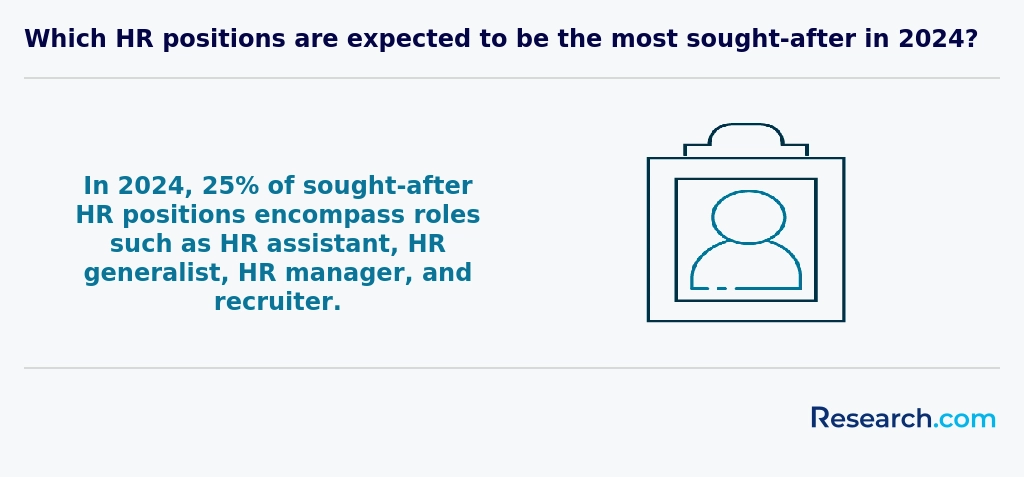
Graduates with a human resources degree in Michigan can pursue varied career paths tailored to the state's strong economic sectors. Many find roles as Human Resources Specialists, managing recruitment and benefits in companies across Detroit's manufacturing hubs or healthcare facilities in Ann Arbor, earning around $60,000 yearly. Those seeking leadership may become HR Managers, developing policies and leading teams in organizations throughout Grand Rapids, where median salaries approach $95,000. Other practical options include Compensation and Benefits Analysts, designing employee packages in fast-growing companies, or Training and Development Specialists, who play a key role in Michigan's evolving automotive and technology industries.
Leveraging the human resources career opportunities in Michigan, graduates from institutions like the University of Michigan or Michigan State University emphasize the benefits of certifications such as PHR or SHRM-CP, which enhance job readiness. Students also appreciate affordable tuition and hands-on learning, and many complement their studies with college courses for seniors online to stay competitive in the job market.
The human resources job outlook in Michigan is steady, with graduates from universities like Michigan State University and the University of Michigan often finding roles in Detroit's corporate offices or healthcare systems in Ann Arbor. These regions provide abundant opportunities due to their thriving business sectors. Many HR graduates share how internships offered through their programs helped them transition smoothly into roles managing employee benefits and recruitment, key skills sought by employers.
Michigan human resources career opportunities frequently favor candidates with hands-on experience and certifications such as PHR or SHRM-CP. The combination of theory and practical training in programs offered by institutions in Grand Rapids or Lansing has empowered students to meet local employer demands efficiently. Graduates appreciate programs that also provide guidance in navigating workplace regulations and talent acquisition challenges.
Cost remains a consideration; public university tuition averaging $12,000 to $15,000 supports accessibility, while private schools may invest higher costs but often include scholarships. Some students interested in advancing further explore non dissertation doctoral programs to deepen expertise without sacrificing time for work. Overall, the Michigan job market for human resources professionals offers promising growth and competitive salaries reflecting local economic conditions.
2027 Most Popular Human Resources Degree Programs Ranking in Michigan
Investing in your education is a significant decision that can shape your future, and the Research.com team recognizes the importance of providing reliable information to guide that choice. To assist prospective students in Michigan, we have carefully developed the "2027 Most Popular Human Resources Degree Programs Ranking in Michigan." Our dedication to quality, credibility, and accuracy is demonstrated through thorough research and rigorous analysis.
We utilized the following reputable data sources to ensure a comprehensive evaluation of human resources degree programs:
By exploring this ranking, readers will gain valuable insights to help them make informed decisions about the best human resources programs in Michigan. For more information about how the ranking was created, please visit our Research.com methodology page.


# 20 position
Walsh College
Bachelor of Business Administration in Human Resource Management

Frequently Asked Questions About human resources
Human resources degree students in Michigan can enhance their learning by combining theoretical coursework with practical experiences. Many universities encourage internships with local businesses in Detroit, Grand Rapids, and other economic hubs, offering students real-world HR challenges. According to the Michigan Department of Labor, internships increase job placement rates by up to 30% in the state's HR sector. Additionally, students should engage with professional organizations like the Michigan HR Chapter of SHRM, which provides networking opportunities and workshops. Participating in case competitions and research projects on Michigan's labor market trends also deepens understanding and application of HR practices specific to the region.
The human resources (HR) field in Michigan is expanding into several emerging niches that reflect current business and social trends. One growing specialty is HR analytics, where data-driven decision-making helps organizations enhance workforce planning and employee retention. According to the Society for Human Resource Management, companies using analytics report 15% higher productivity.
Another rising area is diversity, equity, and inclusion (DEI). Michigan businesses increasingly focus on DEI strategies to foster inclusive workplaces and access wider talent pools. This niche is supported by new HR roles dedicated solely to DEI initiatives.
Additionally, the gig economy's growth in Michigan has created demand for contingent workforce management experts who handle contracts, compliance, and integration of freelancers and part-time workers.
Graduates with a human resources degree in Michigan can enhance their job prospects by gaining practical experience through internships or cooperative education programs offered by many state universities. According to the Michigan Department of Labor and Economic Opportunity, HR specialists in Michigan earn a median annual wage of about $66,000, reflecting a demand for qualified candidates.
Networking is crucial; joining local chapters of the Society for Human Resource Management (SHRM) in Michigan helps students connect with employers and stay informed about industry trends. Additionally, obtaining professional certifications like the SHRM-CP or PHR can significantly boost employability.
Job seekers should also tailor resumes and cover letters to highlight skills such as employee relations, recruitment, and compliance with federal and state labor laws.
Employers in Michigan value several key skills when hiring human resources degree graduates. Strong communication abilities are essential, enabling HR professionals to effectively mediate conflicts and deliver clear guidance. According to the Michigan Talent Economy report, interpersonal skills rank among the top attributes sought by 85% of HR employers in the state.
Additionally, employers look for competency in employment law, ensuring graduates can navigate compliance with federal and state labor regulations. Data analysis skills are increasingly important, with HR roles demanding proficiency in interpreting workforce metrics to support decision-making.
Organizational and problem-solving skills also remain highly valued, as Michigan companies prioritize HR professionals who can manage diverse tasks and improve workplace efficiency.
Finding internships in Michigan related to human resources begins with exploring opportunities at local businesses and organizations. The state's diverse economy, with strong sectors in healthcare, manufacturing, and automotive industries, offers many HR internship possibilities.
Students should utilize university career centers, which often have partnerships with Michigan employers specifically seeking human resources interns. Many schools also provide access to internship databases and connect students to job fairs.
Online resources such as the Michigan Talent Bank and Handshake are valuable for locating HR internships. The Michigan Department of Labor and Economic Opportunity reports that internships in HR fields have grown as companies aim to develop talent pipelines, making it a good time to seek experience in this area.
Networking through local chapters of the Society for Human Resource Management (SHRM) in Michigan can also provide leads and mentorship for internships.
A human resources degree significantly enhances career mobility and advancement opportunities in Michigan's job market. According to the U.S. Bureau of Labor Statistics, employment for human resources specialists in Michigan is projected to grow 6% from 2022 to 2032, indicating steady demand. Earning a degree often opens doors to higher-level positions such as HR manager, recruiter, or training specialist. Additionally, many Michigan employers prefer candidates with formal education in HR due to the increasing complexity of labor laws and organizational compliance requirements.
The degree also provides essential skills in conflict resolution, organizational behavior, and employment law, which are crucial for leadership roles. Graduates from Michigan universities often find that possessing a human resources degree correlates with faster salary growth and promotions compared to those without formal HR education. This educational foundation supports professionals seeking to move from entry-level roles to senior management within diverse industries across Michigan.
Studying for a human resources degree in Michigan equips students with skills that span multiple disciplines, preparing them for diverse workplace roles. Michigan's programs often integrate coursework in business management, labor law, psychology, and communication-a combination vital for navigating complex organizational environments.
According to the Michigan Department of Labor and Economic Opportunity, the state's HR workforce is projected to grow by 7% through 2030, reflecting increased demand for professionals capable of interdisciplinary collaboration. This growth encourages universities to emphasize analytical skills and strategic decision-making alongside traditional HR topics.
Furthermore, many Michigan institutions offer experiential learning opportunities, such as internships with local manufacturers and service firms, providing practical experience across different sectors. This blend of theory and practice positions graduates for roles beyond HR, including project management and employee training development.
When choosing between a thesis and a non-thesis human resources degree program in Michigan, consider your career goals carefully. Thesis programs typically require conducting original research, which can prepare you for roles in HR analytics, research, or further graduate study. Non-thesis programs focus more on practical skills and coursework, suiting those aiming to enter HR management directly. According to the Michigan Association of Human Resources Professionals, demand for research skills in HR is growing, but over 70% of local HR jobs prioritize applied experience.
Also, thesis tracks often take longer to complete. Non-thesis programs may offer more flexibility for working professionals.
Students based in Michigan interested in studying human resources abroad have several pathways to consider. Many Michigan universities with HR programs, including the University of Michigan and Michigan State University, offer study abroad partnerships with institutions in Europe, Asia, and Australia. These programs often include coursework tailored to international HR practices and global labor markets.
Additionally, Michigan students may participate in exchange programs through the Council on International Educational Exchange (CIEE) or Education First, which offer HR-focused internships and academic opportunities overseas. According to the Michigan Center for Workforce Development, global HR expertise is increasingly valued by local employers, making such experiences beneficial.
Part-time job opportunities in Michigan that complement a human resources degree include HR assistant roles, recruitment support, and payroll clerks. These positions offer practical experience in employee relations, compliance, and benefits administration. According to the Michigan Department of Labor and Economic Opportunity, HR-related jobs in the state are projected to grow by 7% through 2030, reflecting steady demand.
Many students find internships or part-time positions in industries like manufacturing, healthcare, and education helpful. For example, universities such as Michigan State and the University of Michigan often partner with local employers to provide students access to relevant opportunities.
Administrative roles within HR departments also help build skills in data management and communication, which are essential for advancing in human resources careers.
Human resources students in Michigan benefit from numerous networking opportunities that support their career development. Professional organizations such as the Michigan HR Association (MHRA) offer events, workshops, and conferences, providing students chances to connect with industry leaders. According to the MHRA, membership can significantly enhance job prospects by facilitating mentorship and peer engagement.
Many Michigan universities hosting HR degree programs maintain strong ties with local businesses, encouraging internships and collaborative projects. For instance, institutions like Michigan State University and the University of Michigan hold career fairs focused on HR roles.
Additionally, regional chapters of national bodies like the Society for Human Resource Management (SHRM) host regular meetings, which are open to students and professionals alike.
Alumni networks play a crucial role for human resources degree students in Michigan by providing valuable connections and career support. These networks often include graduates working across diverse industries in the state, offering mentorship and job leads. According to the Michigan Association of Colleges and Employers, nearly 70% of job placements in HR come through personal and professional contacts, highlighting the network's importance.
Many universities in Michigan facilitate alumni events and online forums, which help current students access real-world insights and internship opportunities. This interaction enhances professional development and increases job market readiness.
Moreover, alumni can offer guidance on state-specific HR certifications and labor laws, which are essential in Michigan's evolving job market.
Customizing a human resources degree program in Michigan to align with your career goals is increasingly feasible due to flexible curriculums offered by many universities. Students can often select electives focusing on areas like talent management, labor relations, or compensation and benefits. For example, Michigan State University and the University of Michigan allow course choices tailored to HR specializations.
Many programs also offer internships or cooperative education options, providing hands-on experience with Michigan-based organizations. According to the Michigan Department of Labor and Economic Opportunity, internships improve employment opportunities within the state's robust manufacturing and service sectors.
Additionally, pursuing certifications such as SHRM-CP or PHR alongside your degree can enhance your qualifications. Some Michigan schools integrate preparation for these certifications into their curriculum, helping students target their career paths in human resources management, recruitment, or training and development.
Human resources students in Michigan often face challenges related to balancing practical experience with academic theory. Many programs emphasize internships, but securing placements in competitive markets like Detroit can be difficult. According to the Michigan Department of Labor and Economic Opportunity, the demand for HR professionals is growing, yet students struggle to gain relevant work experience early.
Additionally, adapting to evolving labor laws in Michigan, particularly around minimum wage increases and employee rights, requires constant learning. Students must stay informed about state-specific regulations to effectively prepare for the workforce.
Another common challenge is navigating the cost of education, as tuition rates in Michigan public universities have risen by over 20% in the past decade, impacting students' financial planning.
With a human resources degree in Michigan, graduates can pursue several respected professional certifications that enhance their career prospects. The Society for Human Resource Management (SHRM) offers the SHRM-CP and SHRM-SCP certifications, widely recognized across the U.S. These credentials validate skills in HR operational roles and strategic leadership.
Another key certification is the Professional in Human Resources (PHR) offered by the HR Certification Institute (HRCI). It focuses on technical and operational aspects of HR management. Michigan employers often prefer candidates with such certifications to address the state's diverse workforce needs.
Certifications typically require passing an exam and ongoing education to maintain credentials, supporting lifelong learning within the HR profession.
To write a winning application for a human resources program in Michigan, start by thoroughly researching the specific schools and their program requirements. Highlight your interest in HR by detailing relevant experience, such as internships or work in organizational roles. Emphasize skills like communication, problem-solving, and leadership, as these are highly valued in HR fields.
Michigan's labor market shows a steady demand for HR professionals, with the Bureau of Labor Statistics projecting a 7% growth in HR specialist jobs statewide through 2030. Mentioning awareness of these industry trends can strengthen your application.
Also, tailor your personal statement to reflect your career goals aligned with Michigan's evolving business landscape. Strong letters of recommendation from academic or professional contacts further enhance your chances.
Ensure your application is clear, well-organized, and free of errors to convey professionalism and dedication.
Human resources (HR) careers in Michigan reflect broader global trends emphasizing adaptability and cultural competence. Worldwide, HR professionals must navigate diverse workforces and evolving labor laws, skills increasingly valued within Michigan's dynamic manufacturing and service sectors. According to the U.S. Bureau of Labor Statistics, Michigan's HR employment is expected to grow by about 7% from 2022 to 2032, mirroring global growth driven by organizations prioritizing talent management and employee engagement.
Global perspectives highlight the importance of understanding international labor standards and cross-cultural communication. Michigan HR programs often incorporate these elements, preparing graduates to operate within multinational companies.
Furthermore, HR technology adoption is a global trend impacting Michigan's job market. Local HR professionals leverage analytics and AI tools for recruitment and workforce planning, aligning skills with global business strategies.
Gaining practical experience while studying human resources in Michigan is vital for career readiness. Many universities in the state, such as Michigan State University and the University of Michigan, offer internship programs that connect students with local businesses and organizations.
Internships allow students to apply classroom knowledge in real workplace settings. According to the Michigan Department of Labor and Economic Opportunity, internships in HR-related roles have grown by 12% over the past five years, reflecting strong demand.
Additionally, students can join campus clubs focused on HR and participate in networking events hosted by the Society for Human Resource Management Michigan Chapter. These provide valuable opportunities for skill-building and mentorship.
Some programs also encourage cooperative education (co-op) placements, combining academic study with paid work experience. This approach helps students develop both practical skills and professional contacts crucial for post-graduate jobs.
Choosing the right concentration within a human resources degree program in Michigan depends on your career goals and the local job market. Common concentrations include talent management, employment law, and organizational development. According to the Michigan Department of Labor, HR professionals with skills in employee relations and compliance are in high demand statewide.
Review the program curriculum to see which concentrations offer practical experience, such as internships at Michigan businesses. Networking opportunities in your chosen focus area can also enhance job prospects.
Consider future industry trends; healthcare and manufacturing lead Michigan's economy and often require specialized HR expertise.
- 2027 Most Popular Human Resources Degree Programs Ranking in Indiana
- 2027 Most Popular Human Resources Degree Programs Ranking in Wisconsin
- 2027 Most Popular Human Resources Degree Programs Ranking in Illinois
- 2027 Most Popular Human Resources Degree Programs Ranking in Minnesota
- 2027 Most Popular Human Resources Degree Programs Ranking in Pennsylvania
- 2027 Most Popular Human Resources Degree Programs Ranking in Iowa
- 2027 Most Popular Human Resources Degree Programs Ranking in Missouri
- 2027 Most Popular Human Resources Degree Programs Ranking in Tennessee
- 2027 Most Popular Human Resources Degree Programs Ranking in Virginia
- 2027 Most Popular Human Resources Degree Programs Ranking in Delaware
See What Experts Have To Say About Studying Human Resources
Read our interview with Human Resources experts

Chester S. Spell
Human Resources Expert
Professor of Management
Rutgers University

Thomas Kochan
Human Resources Expert
Professor of Management
Massachusetts Institute of Technology


- How a Human Resources Management Degree Can Boost Your Career | BSBI https://www.berlinsbi.com/blog/how-a-degree-in-human-resources-can-boost-your-career-a-guide-for-aspiring-professionals
- International HR Perspectives (MHR104) https://www.uis.no/en/course/MHR104
- 4 tips for leveraging alumni networks for recruitment https://www.eaie.org/resource/leveraging-alumni-networks-recruitment.html
- What’s it like to study human resources management? https://www.murdoch.edu.au/news/articles/what-s-it-like-to-study-human-resources-management
- How to Become an HR Intern Without Experience - HR University https://hr.university/career/hr-intern/how-to-become-an-hr-intern/
- Top 10 HR Challenges and Their Solutions | HR Courses https://zoetalentsolutions.com/top-10-hr-challenges-and-their-solutions/
- Traditional vs. Modern Human Resource Management: Typology, Transformation, and Industry 4.0 Implications https://srhformosapublisher.org/index.php/jambak/article/view/316
- Unlocking Career Opportunities: How a Degree in Human Resources Can Propel Your Professional Journey https://www.euroeducation.net/articles/unlocking-career-opportunities-how-a-degree-in-human-resources-can-propel-your-professional-journey.htm
- A Guide to the Human Resources Career Path https://www.galwaybusinessschool.ie/blog/a-guide-to-the-human-resources-career-path/
- What to do after a Bachelor's degree in HR https://www.ipag.edu/en/blog/what-do-after-bachelors-degree-hr