2027 Most Affordable Human Resources Degree Programs Ranking in Minneapolis

Co-Founder and Chief Data Scientist
Looking for an affordable human resources degree program in Minneapolis? This article introduces the 2027 Most Affordable Human Resources Degree Programs Ranking in Minneapolis, crafted by the Research.com team of data scientists. It's designed to help you make an informed decision about which programs offer real value for your investment.
Whether you're starting your career or seeking advancement, a human resources degree can open many rewarding opportunities. Exploring this ranking can guide you to quality education options that fit your budget, setting you up for future success.
Key benefits of getting human resources degree in Minneapolis
- Graduates with a human resources degree in Minneapolis can expect competitive salaries, such as $76,060 per year for roles like Recruitment Coordinator, Human Resources Generalist, and Employee Relations Specialist.
- Career paths for human resources graduates in Minneapolis are diverse, including positions in recruitment, training, and employee relations, offering exciting opportunities for growth and impact in various industries.
- Completing a human resources degree online from a Minneapolis university provides flexibility and convenience, allowing students to balance work and study while gaining practical skills valued by local employers.
- 2027 Most Affordable Human Resources Degree Programs Ranking in Minneapolis
- What can I expect from human resources degree in Minneapolis?
- Where can I work with human resources degree in Minneapolis?
What can I expect from human resources degree in Minneapolis?
The average cost of a human resources degree in Minneapolis dances around $30,000 to $50,000 for a bachelor's program at top-notch institutions like the University of Minnesota's Carlson School of Management. Graduates often describe this investment as a gateway to a vibrant career, where the tuition transforms into real-world advantage. Picture sitting in a classroom on the Twin Cities campus, surrounded by peers energized to master employment law or craft creative compensation strategies-this is where theory meets practice.
Some students recall juggling internships at companies like Target or 3M while learning how to navigate labor relations, turning abstract lessons into tangible skills that future employers eagerly seek. The cost feels justifiable when considering hands-on experiences and the promise of a competitive salary, which, per BLS, starts around $66,000 for HR specialists here. Minneapolis-based learners often reflect on how the price of their degree felt lighter when weighed against networking opportunities and direct access to Fortune 500 corridors. The blend of high-caliber education and city-specific career leverage shines through every tuition dollar spent.
Where can I work with human resources degree in Minneapolis?
Graduates from human resources programs at Minneapolis-based schools often find themselves stepping into vibrant offices at major hubs like Target, U.S. Bank, and Best Buy, where the hum of recruitment and employee development never stops. Imagine starting as a recruiter, sparking connections between talent and opportunity in skyscrapers buzzing with energy right in the Twin Cities. One graduate recalls the thrill of navigating benefits administration at a bustling corporate headquarters, peeling back layers of employee engagement.
Others dive into the healthcare maze, joining Allina Health or Fairview Health Services to orchestrate staffing for roles that save lives daily-both clinical and behind-the-scenes. The anticipation of managing complex labor regulations and payroll across varied institutions brings a unique challenge and pride. Minneapolis grads share the excitement of contributing HR expertise in local government offices, from the City to Hennepin County, balancing policy with people.
Small business and nonprofit adventures offer a different thrill. Here, graduates wear many hats, crafting workforce diversity initiatives or leading volunteer management with heart. The Society for Human Resource Management chapter near the University of Minnesota becomes a favorite launchpad for networking, workshops, and career growth, making the Minneapolis human resources landscape feel like a dynamic, welcoming ecosystem filled with possibilities.
Picture this: a recent human resources graduate from the University of Minnesota stepping into Minneapolis's vibrant business world, landing a role as a Recruitment Coordinator with an average annual wage of $76,060. It's more than just numbers-it's the fuel for their ambitions, paying off student loans while building a career in a city buzzing with corporate energy.
Another graduate, fresh from Augsburg University, dives into Training and Development Coordination, earning around $71,980 per year. They lead employee growth initiatives, shaping company culture one workshop at a time, all while enjoying a paycheck that reflects their specialized skill set.
Human Resources Assistants and Generalists in Minneapolis share similar mean wages close to $76,060, which means steady, competitive salaries that reward dedication early on. These roles provide dynamic entry points into HR careers, combining hands-on experience with meaningful impact.
Graduates find Minneapolis's diverse sectors-from tech hubs to healthcare giants-offering fertile ground to grow both professionally and financially, making the investment in an HR degree an exciting journey with tangible rewards.
- Tuition at public universities in Minneapolis ranges from $10,000 to $15,000 per year for in-state students, while private schools charge between $25,000 and $35,000 annually.
- Entry-level HR professionals typically earn between $50,000 and $60,000 per year after graduation.
- Mid-career HR specialists with certifications like SHRM-CP or PHR can earn $70,000 to $90,000 annually.
- Senior HR managers and directors often make over $100,000 per year in the Minneapolis area.
- The job market for HR specialists is expected to grow by 7-9% over the next decade, matching the national average.
- Local employers such as Target, UnitedHealth Group, and 3M create steady demand for HR professionals.
In Minneapolis, tackling a human resources degree feels like charting your own unique map through time and learning. Graduates from places like the University of Minnesota often recall the energizing challenge of completing a bachelor's degree in about four years-immersed in courses about industrial relations and soaking up roughly 120 credits that shape their HR savvy. For those craving a fast track, community colleges deliver associate degrees in just two years, perfect for jumping into recruiting or labor law roles sooner rather than later.
Many master's graduates share stories of deepening their strategic HR skills in one to two years, sometimes faster if they pick an online or accelerated path. Part-time students, balancing life's chaos, might stretch that timeline but gain invaluable experience along the way. Picture juggling work and study, feeling the rush of building expertise while navigating Minneapolis's vibrant business scene. The predictably flexible rhythms of these programs make earning your degree here feel alive, practical, and entirely doable.
As the HR landscape evolves, graduates must equip themselves with cutting-edge competencies to stay competitive. Today’s employers prioritize professionals who can leverage data, foster inclusion, and navigate digital tools: 1. HR Analytics and Data-Driven Decision Making Building proficiency in HR analytics allows you to transform workforce data into actionable insights. From turnover predictions to performance metrics, programs that integrate analytics coursework prepare you for roles where strategic decisions hinge on real-time data. 2. Artificial Intelligence and Automation AI-powered recruitment tools, chatbots for employee inquiries, and automated onboarding workflows are reshaping HR operations. Seek curricula that cover machine learning basics, resume-screening algorithms, and automated talent-management platforms. 3. Diversity, Equity, and Inclusion (DEI) Leadership Organizations increasingly measure success by their commitment to DEI. Courses on unconscious bias, inclusive hiring practices, and cultural competence equip future HR leaders to design policies that foster equitable workplaces. 4. Remote and Hybrid Workforce Management The rise of distributed teams demands expertise in virtual engagement, digital collaboration platforms, and remote performance tracking. Look for programs offering simulated remote-team projects and training on popular tools like Slack, Zoom, and Microsoft Teams. 5. Employee Experience and Well-Being Modern HR roles emphasize holistic employee experience-from mental health initiatives to benefits personalization. Specialized coursework in wellness program design and employee journey mapping can set you apart in a market that values empathy and strategic care. 6. Technology Integration and HR Information Systems (HRIS) Mastery of leading HRIS software (Workday, SAP SuccessFactors) is non-negotiable. Capstone projects that involve system configuration or data migration exercises accelerate your readiness for tech-driven HR environments. By aligning your studies with these emerging trends, you not only future-proof your career but also enhance your appeal to forward-thinking employers. For additional flexibility and affordability in acquiring these skills online, explore the Cheapest Online Bachelor's in Human Resources Degree Programs Ranking in Kansas.
Imagine sitting in a sunlit classroom at the University of Minnesota, feeling the hum of conversation as future HR leaders exchange internship stories and career aspirations. That's the essence of on-campus human resources degrees in Minneapolis-immersive, buzzing with real-time connections, and filled with those spontaneous hallway chats that spark opportunity. Graduates often recall how tapping into campus career fairs and local business networks shaped their path, a direct line to the city's vibrant corporate landscape.
Flip the script to an online classroom, where a Saint Mary's University student logs in from a cozy nook between work shifts. The flexibility is a lifeline, slicing through the city's notorious traffic jams and family demands. These graduates treasure pacing their studies, diving deep into coursework whenever inspiration strikes-whether at dawn or past midnight. The digital format crafts a different rhythm, one tuned to personal beats but still anchored by rigorous SHRM standards, ensuring their degree shines in Minneapolis' competitive job market.
In Minneapolis, the average cost of a human resources degree typically orbits around $26,828 for total expenses. When narrowing down to in-state students, that figure gracefully dips to about $14,400, making a significant difference for local scholars pursuing their ambitions. Imagine a passionate student navigating the halls of the University of Minnesota Twin Cities, where tuition is balanced so they can focus on mastering HR strategies without clouded financial stress.
Graduates from Minneapolis Community and Technical College often highlight how affordable community college routes gave them foundational skills in human resources without the looming burden of debt. Meanwhile, alumni from private institutions like Augsburg University reminisce about the personalized attention and intimate classroom environments that justified the steeper price tag. For anyone weighing their options, these reflections bring clarity and hope.
Choosing an affordable human resources degree programs Minneapolis has to offer often means balancing tuition with living expenses and the cost of books - expenses that can quickly add up. To ease this, many turn to scholarships, grants, and employer tuition assistance, vital aids that lighten the financial load and nurture motivation. Curious students searching for tailored, budget-friendly options can explore affordable human resources programs in minnesota and find a path that fits both their dreams and wallets.
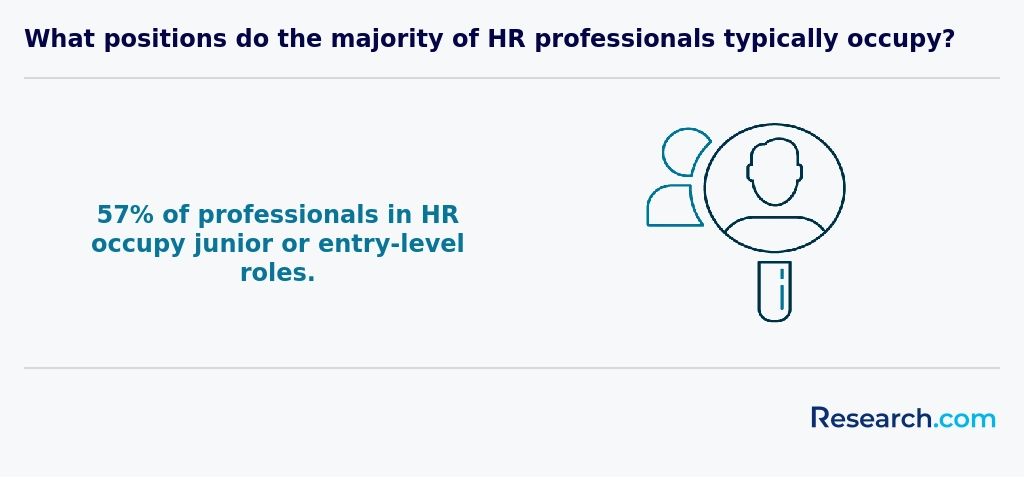
As the Human Resources field rapidly evolves with the integration of new technologies and innovative practices, HR degree programs in Minneapolis are continuously adapting to prepare graduates for a dynamic future. Modern curricula increasingly include modules on digital transformation, artificial intelligence in recruitment, and data-driven decision making, ensuring that students are equipped with both traditional HR skills and cutting-edge technological competencies. These advancements not only make classroom learning more interactive but also enhance career readiness through real-world applications and case studies. Institutions are forging stronger partnerships with local businesses and tech companies, offering students hands-on experience with emerging HR tools and platforms. For prospective students looking to balance quality education with innovative training, exploring opportunities such as affordable human resources programs in minnesota can be an excellent starting point. This fusion of technology and human touch is setting a new standard in HR education, fostering professionals who are ready to lead and innovate in an ever-changing workplace landscape.
Imagine walking through the bustling halls of the University of Minnesota or Augsburg University, clutching a scholarship letter that lights up your path to a human resources degree. Many HR students in Minneapolis tap into a rich mix of financial aid, stitching together support from federal Pell Grants that can cover up to $7,395 a year. These grants are like a steady breeze, easing the heavy sails of tuition costs that often climb between $10,000 and $20,000 annually.
Then there's the Minnesota State Grant Program-think of it as a local guardian angel, offering up to $6,000 annually to those proving their financial need while attending schools in this vibrant city. Graduates often recall the joy of securing these funds, a lifeline that helped them focus on mastering workplace dynamics rather than worrying about bills.
Local scholarships from groups like the Minnesota SHRM chapter are prized gems, awarded to students demonstrating promise in HR careers. And work-study jobs? They're not just paychecks; they're real-world training grounds right on campus or in nearby nonprofits, where students sharpen skills and bankroll their dreams simultaneously.
Stepping into a human resources degree program in Minneapolis means you're already on a path paved with determination and a spark for people-centric leadership. Imagine walking through the halls of the University of Minnesota, where graduates recall how their solid high school foundation in English and social studies wasn't just paperwork-it was the stepping stone for mastering communication and understanding human dynamics.
Many grads describe the thrill of meeting the test-optional policy head-on, where their passion and GPA told the story louder than standardized exams ever could. If you're eyeing a master's, picture yourself drafting that personal statement, reflecting on your first real HR internship in a bustling Twin Cities firm, turning theory into action with every handshake and team meeting.
Old school prerequisites like letters of recommendation and relevant professional experiences are the keys that unlock doors at Minneapolis colleges, blending your unique journey with academic rigor. It's not just about meeting standards; it's about preparing to join a vibrant community hungry for empathetic problem-solvers.
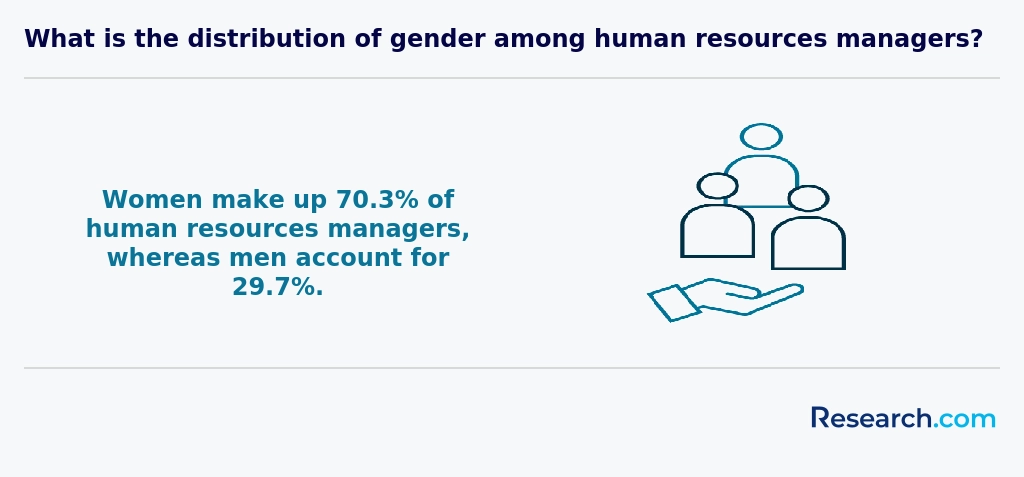
Diving into a human resources degree in Minneapolis means immersing yourself in a vibrant mix of courses that feel like preparing for a thrilling, real-world puzzle. Imagine sitting in a lively classroom at the University of Minnesota, where "Introduction to Human Resources Management" sparks lively debates about the power of people as a company's greatest asset. Graduates often recall the excitement of mastering "Employment Law," transforming dense legal jargon into clear, actionable knowledge that feels like a superpower in protecting employee rights.
Picture discussing workplace dynamics in "Organizational Behavior" at Augsburg University, where stories from internships at companies like Target come alive, revealing the magic behind culture shifts. Minneapolis students thrive while learning "Talent Acquisition and Recruitment," practicing interviewing skills that turn nervous candidates into confident hires. With courses like "Compensation and Benefits," and "Training and Development," the degree becomes a toolkit for designing rewarding, motivating workplaces.
These courses don't just teach; they ignite passion, blending theory with Minneapolis's energetic business scene to prepare students for impactful HR careers.
Minneapolis pulses with dynamic opportunities for those diving into human resources degree specializations Minneapolis programs offer. Graduates from the University of Minnesota often describe their pathway through Talent Acquisition and Recruitment as a gateway to connecting vibrant local industries like healthcare and tech with passionate professionals eager to thrive. Walking through campus halls, they envision themselves designing strategies that capture top talent amidst Minnesota's bustling job market.
Meanwhile, students focusing on Employee Relations and Labor Relations cultivate a keen sense of balance, navigating real-world union negotiations and fostering workplace harmony. These challenging yet rewarding experiences at Minnesota State resonate deeply, especially in a community where labor rights are woven into the cultural fabric.
The best HR concentrations in Minneapolis programs also spotlight Diversity, Equity, and Inclusion, empowering future leaders to sculpt workplaces that celebrate every voice. Those intrigued by the tech side often lean toward HR Information Systems, channeling innovation into managing crucial data.
Tuition varies, but for cost-conscious learners, exploring the Cheapest Online Bachelor's in Human Resources Degree Programs Ranking in Kansas provides insight into accessible paths beyond Minnesota.
Choosing an HR degree in Minneapolis feels like navigating a vibrant urban map dotted with landmarks-each institution a unique path to your career summit. Graduates from local colleges often share stories of hands-on internships with Twin Cities businesses, turning textbooks into real-world triumphs. Their excitement sparks from programs infused with flexibility-night classes or weekend sessions that mold around Minneapolis's bustling lifestyle.
Affordability whispers loudly here; many find solace in affordable human resources degree programs Minneapolis that balance quality and cost, especially at community colleges or state universities, where investment meets opportunity. Imagine yourself, just like them, exploring the layered curriculum certifications accredited by SHRM or ACBSP, systems proven to boost employability within the city's competitive job market.
Think beyond traditional timelines-if you crave efficiency, check out the best online associate degrees in 6 months, blending speed with substance so you're ready to engage this expanding field sooner. Minneapolis's HR programs inviting you into their fold often boast strong job placement figures, fueling graduates' optimism and readiness for the evolving workplace.
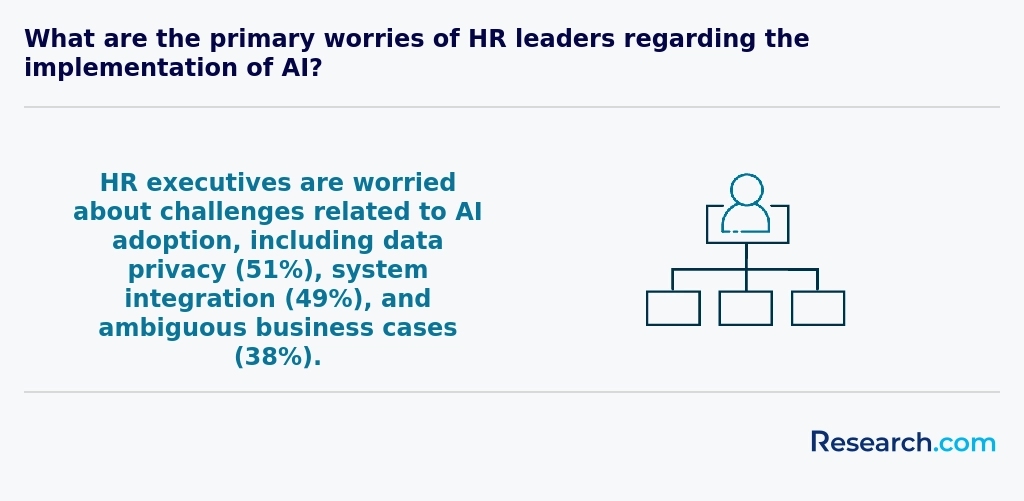
Graduates from Minneapolis universities, energized by hands-on projects and vibrant campus culture, step into a kaleidoscope of human resources careers in Minneapolis. Picture yourself as an HR Generalist, navigating the lively corridors of Twin Cities companies, solving employee puzzles daily. Or imagine championing talent as a Recruitment Specialist, tapping into the city's rich, diverse workforce to find the perfect fit for cutting-edge startups and Fortune 500 giants alike. Some grads thrive as Compensation and Benefits Analysts, crafting pay and perks that resonate with Minneapolis's unique market rhythms, while others ignite growth as Training and Development Coordinators, designing programs that transform skills and unlock potential.
Minneapolis HR degree job opportunities flourish with roles like HR Manager or Director, steering teams in major corporations, or Labor Relations Specialist, especially meaningful in a state with deep roots in collective bargaining and union history. Students often discover that embracing diversity and inclusion in these roles feels not just rewarding but vital, reflecting the city's commitment to equity. Curious about what are some certifications that pay well? Many grads weave those into their career fabric here, bolstering their impact and satisfaction.
The human resources job outlook Minneapolis graduates face spark optimism fueled by a lively economy and strong corporate presence. Imagine walking across the University of Minnesota campus, hearing fresh stories from HR graduates landing roles at Target or UnitedHealth Group-names synonymous with steady employment and growth. These professionals quickly appreciate how their degree opens doors in sectors ranging from government agencies to healthcare administration.
Local students often share excitement about competitive median wages near $65,000, a figure that climbs as certifications like SHRM-CP become part of their toolkit. Envision a recent graduate confidently managing benefits at a Twin Cities nonprofit, knowing their education invested $10,000-$15,000 annually with promising returns. Career fairs hosted by these Minneapolis colleges connect aspiring HR specialists to opportunities that reflect the city's diverse and thriving HR ecosystem.
Many also tap into vibrant networks such as local SHRM chapters, where connections turn into job offers. Those navigating Minneapolis human resources career opportunities often find themselves enriched by practical experience and professional growth. For students weighing future paths, exploring majors that make money helps frame human resources as a smart, rewarding choice in this market.
2027 Most Affordable Human Resources Degree Programs Ranking in Minneapolis
Investing in your education is a significant decision that can profoundly impact your career, and the Research.com team recognizes the importance of making well-informed choices. To support prospective students in Minneapolis, we have carefully developed the "2027 Most Affordable Human Resources Degree Programs Ranking in Minneapolis." Our dedication to quality, credibility, and accuracy is demonstrated through thorough research and detailed analysis involved in the creation of this ranking.
We utilized the following reputable data sources to ensure a comprehensive evaluation of human resources degree programs:
By consulting this ranking, readers will access valuable insights into the most affordable and reputable human resources degree programs in Minneapolis, empowering them to make sound educational investments. For further information on how this ranking was created, please visit our Research.com methodology page.
# 1 position
Capella University
Doctor of Philosophy in Human Resource Management

# 2 position
Capella University
Master of Science in Human Resource Management
# 3 position
Capella University
Bachelor of Science in Human Resource Management
# 4 position
Walden University
MS in Human Resource Management


Frequently Asked Questions About human resources
Human resources degree students in Minneapolis can maximize their learning by engaging with the city's dynamic business environment. Minneapolis hosts many Fortune 500 companies, creating opportunities for internships and practical experience, which are crucial for applying classroom knowledge. According to the Minneapolis Regional Chamber of Commerce, local HR departments actively seek interns, offering students a chance to build professional networks.
Students should also utilize resources like the Minnesota Society for Human Resource Management (SHRM) chapter. They provide workshops, mentorship programs, and networking events that enrich theoretical studies with real-world insights.
Additionally, Minneapolis institutions often collaborate with local businesses to offer experiential learning opportunities and access to HR tech tools, improving student competitiveness in the workforce.
The human resources (HR) field is evolving rapidly, especially in Minneapolis, where businesses seek specialized skills. Emerging niches include HR analytics, which uses data to improve hiring and retention. According to the Society for Human Resource Management (SHRM), 65% of HR leaders in the U.S. now prioritize data-driven decision-making.
Diversity, equity, and inclusion (DEI) roles are also expanding in Minneapolis firms to meet growing community and regulatory demands. Linked to this is employee experience management, focusing on workplace culture and engagement.
Additionally, HR technology specialists are in demand due to increasing reliance on AI and automated systems in recruitment and training.
After completing a human resources degree in Minneapolis, preparation for the job market involves practical steps to enhance employability. Minneapolis has a competitive HR job market, with the U.S. Bureau of Labor Statistics projecting a 7% national growth in HR specialist roles by 2031, supported by local demand in the Twin Cities metro area.
Graduates should pursue internships or cooperative education experiences during their studies, often facilitated by Minneapolis-based institutions like the University of Minnesota. Networking through local HR associations such as the Minnesota HR Conference can provide valuable industry connections.
Additionally, obtaining certifications such as the SHRM-CP (Society for Human Resource Management - Certified Professional) can significantly improve job prospects in Minneapolis, where employers value nationally recognized credentials.
Employers in Minneapolis highly value human resources degree graduates who demonstrate strong communication skills. Clear and effective communication is essential for managing diverse workplace interactions, policies, and conflict resolutions. According to the Society for Human Resource Management (SHRM), interpersonal skills rank among the top qualities sought in HR professionals nationwide, including Minneapolis.
Analytical skills are also critical. Employers expect graduates to interpret data related to hiring trends, employee performance, and benefits administration. The Minneapolis-St. Paul Business Journal highlights that HR professionals able to leverage data-driven decision making have a competitive edge in the local job market.
Additionally, knowledge of employment laws and compliance specific to Minnesota, such as state labor regulations, is crucial. Familiarity with these legal frameworks ensures organizations avoid costly violations and maintain ethical standards.
Finding internships in Minneapolis relevant to a human resources degree involves a strategic approach. Start by exploring the career services at local universities such as the University of Minnesota and Augsburg University, which often have partnerships with Minneapolis businesses.
Minneapolis hosts many major companies with established HR departments, including Target and Best Buy, both known to offer internship programs. Listings on platforms like Handshake and Glassdoor also frequently feature HR internships in the Twin Cities.
Professional organizations like the Minnesota Human Resources Association (MHRA) provide networking opportunities, events, and job boards that can connect students with internships in the field.
Statistics from the Bureau of Labor Statistics highlight a growing demand for HR specialists in Minneapolis, underscoring the value of securing internships in this region early in your education.
A human resources degree in Minneapolis significantly enhances career mobility and advancement opportunities. The Minneapolis-Saint Paul metropolitan area is home to many Fortune 500 companies, increasing demand for HR professionals with formal education. According to the U.S. Bureau of Labor Statistics, HR specialists in Minnesota earn a median annual wage above the national average, reflecting strong local job growth.
Graduates with a human resources degree often access positions in talent acquisition, employee relations, and compensation management. Advanced degrees can lead to leadership roles such as HR managers or directors, which saw a 6% employment increase in the region over recent years, per the Minnesota Department of Employment and Economic Development.
In a competitive job market, having accredited HR credentials also supports networking and professional development through local organizations like the Minnesota Chapter of SHRM.
Studying for a human resources degree in Minneapolis equips students with skills that extend beyond traditional HR functions, preparing them for interdisciplinary roles. Programs often include coursework in business management, psychology, and labor law, reflecting the diverse demands of modern workplaces.
Minneapolis hosts several universities whose HR programs emphasize practical experience and cross-departmental collaboration. According to the Minnesota Department of Employment and Economic Development (DEED), HR professionals in the area frequently interact with finance, marketing, and operations teams, underscoring the need for versatile knowledge.
This interdisciplinary training enhances graduates' abilities to manage complex organizational challenges and contribute to strategic decisions, making them valuable assets across multiple industries in the Minneapolis job market.
Choosing between a thesis and a non-thesis human resources degree program in Minneapolis depends largely on your career goals and learning preferences. Thesis programs emphasize research and academic writing, ideal if you plan to pursue a PhD or work in research-heavy roles. Non-thesis programs usually focus on practical skills and coursework, preparing students for immediate employment or leadership roles in HR.
Minneapolis hosts reputable universities offering both options. According to the National Center for Education Statistics, about 40% of HR graduate students in the region choose thesis tracks, reflecting local demand for advanced research skills. Consider your interest in contributing new knowledge versus gaining applied HR expertise.
Also, thesis programs often require more time and resources. Non-thesis tracks may allow faster degree completion, important if you need a quick return on investment.
Students based in Minneapolis seeking to study human resources abroad have various options through partnerships between local institutions and international universities. Some Minneapolis universities offer study abroad programs, allowing students to spend a semester or year at partner schools in countries such as the United Kingdom, Ireland, or Canada. These programs often include internships or practical experience in human resources.
According to data from the National Center for Education Statistics, over 50% of U.S. students engaging in study abroad choose business-related fields, including human resources. Minneapolis students typically access these opportunities through institutions like the University of Minnesota's Carlson School of Management, which supports global learning experiences.
Additionally, some students pursue online international human resources degrees from accredited foreign universities while living in Minneapolis, blending global coursework with local networking.
Minneapolis offers several part-time job opportunities that complement human resources (HR) degree education. Common roles include HR assistant, recruitment coordinator, and payroll clerk positions. These roles provide practical experience in employee relations, recruiting, and benefits administration, key areas of HR study. According to the U.S. Bureau of Labor Statistics, Minneapolis-St. Paul's HR field is growing at about 7% annually, signaling expanding job prospects.
Part-time roles in local government agencies and nonprofit organizations can also offer exposure to HR compliance and labor laws. These positions help students apply classroom knowledge in real-world settings while building professional networks. Internships with Minneapolis-based firms further enhance students' resumes and practical skills.
Human resources students in Minneapolis benefit from a variety of networking opportunities that support their career growth. The Twin Cities host numerous professional organizations such as the Minnesota Chapter of the Society for Human Resource Management (SHRM MN), which has over 3,000 members. This group regularly offers events, workshops, and conferences specifically geared toward HR professionals and students.
Local universities also facilitate networking through career fairs and alumni events focused on human resources. For example, the University of Minnesota's Carlson School of Management hosts HR-specific student organizations and industry panels with Minneapolis employers. According to the Minnesota Department of Employment and Economic Development, the Twin Cities area employs over 10,000 HR specialists, indicating strong local industry engagement.
Additionally, Minneapolis offers internships and mentorship programs connecting students with HR leaders in diverse sectors such as healthcare, finance, and manufacturing. These real-world connections can help students build valuable professional contacts before graduation.
Alumni networks provide valuable support for human resources degree students in Minneapolis by offering professional connections within the local job market. Many Minneapolis universities report that over 70% of graduates find employment through alumni referrals or networking events.
These networks often host workshops, mentoring programs, and job fairs tailored specifically to HR roles in Minnesota's growing business sectors, such as healthcare and manufacturing.
According to the University of Minnesota's Carlson School of Management, active alumni engagement helps students gain insights into regional HR trends and salary expectations, improving their career readiness.
Access to experienced professionals also enhances internship opportunities, which are crucial for practical learning in human resources.
Customizing a human resources degree program in Minneapolis allows students to align their education with specific career goals. Many local universities offer electives and concentrations in areas such as talent management, labor relations, and organizational development. Selecting relevant coursework helps develop expertise suited to industries prominent in Minneapolis, like healthcare, finance, and manufacturing.
Internships and cooperative education programs available through Minneapolis institutions offer practical experience, improving job readiness. Students can also engage with local HR professional organizations, such as the Minnesota chapter of SHRM, to build networks and gain insights into the regional job market.
Additionally, some programs provide opportunities to pursue certifications like the SHRM-CP or PHR, which are valued in Minneapolis's competitive HR field. Tailoring your curriculum with these elements enhances both skills and employability.
Human resources students in Minneapolis often encounter several common challenges during their studies. One significant difficulty is balancing theoretical knowledge with practical skills, as employers in the Twin Cities increasingly demand hands-on experience alongside academic credentials. According to the Minnesota Department of Employment and Economic Development, HR roles in Minneapolis require proficiency in labor laws and diversity management, which can be complex for students to master.
Another challenge is the rising cost of education. Although Minneapolis offers affordable programs, managing tuition alongside living expenses remains a concern for many. Additionally, students may struggle with networking in a competitive job market where companies prioritize certified HR professionals.
Finally, staying updated on rapidly evolving HR technologies and compliance regulations poses ongoing difficulty, requiring continuous learning beyond coursework.
With a human resources degree, you can pursue several well-recognized professional certifications that enhance your career prospects. The Society for Human Resource Management (SHRM) offers the SHRM-CP and SHRM-SCP certifications, widely respected across the U.S. These credentials demonstrate expertise in HR strategy and operations.
Another prominent certification is the Professional in Human Resources (PHR) from the HR Certification Institute (HRCI), focusing on technical and operational aspects of HR management.
Locally in Minneapolis, employers frequently value these certifications, reflecting national trends. According to the Minnesota Department of Employment and Economic Development, certified HR professionals often see higher salary growth and job stability.
Some specialists also pursue niche credentials, like the Global Professional in Human Resources (GPHR), for international HR roles.
To write a winning application for a human resources program in Minneapolis, start by researching local universities and their program requirements. Many Minneapolis institutions, like the University of Minnesota, emphasize strong academic records and relevant experience. Highlight any coursework or work in business, psychology, or communications, which are valuable in HR fields.
Showcase your understanding of HR trends in Minneapolis, such as employee engagement and diversity initiatives, which are prominent in the region's large corporate sector. Quantify your accomplishments and use clear, professional language. According to the Bureau of Labor Statistics, the Twin Cities area employs a significant number of HR specialists, indicating competitive demand.
Finally, craft a personalized statement explaining why you seek to study in Minneapolis and how the program aligns with your career goals.
The human resources (HR) career is increasingly viewed through a global lens, reflecting the interconnectedness of today's workforce. Professionals with HR degrees in Minneapolis benefit from understanding international labor laws, cross-cultural management, and global talent acquisition strategies. According to the Society for Human Resource Management (SHRM), firms with global operations prioritize HR experts skilled in navigating diverse regulatory environments.
Minneapolis, a hub for multinational companies, offers HR students exposure to global HR practices through internships and partnerships. The U.S. Bureau of Labor Statistics (2023) predicts 7% growth in HR jobs nationally, with rising demand for skills in global workforce management. This global perspective enhances career opportunities locally and beyond.
Gaining practical experience while studying for a human resources degree in Minneapolis is essential for career readiness. Many local colleges, like the University of Minnesota and Augsburg University, offer internship programs through partnerships with Minneapolis-based companies.
Internships provide hands-on experience in recruitment, employee relations, and compliance. According to the Minnesota Department of Employment and Economic Development, the Twin Cities area hosts over 3,000 HR-related job openings annually, creating ample opportunities for students.
Additionally, students can join professional groups such as the Minnesota Human Resources Association, which offers networking and workshops.
Volunteering for student-run HR projects and job fairs can also enhance practical skills while studying.
Choosing the right concentration within a human resources degree program in Minneapolis starts with understanding your career goals. Common concentrations include talent management, labor relations, and HR analytics. Each focuses on different skills, so consider what appeals most to you.
Look into the local job market: the Minnesota Department of Employment and Economic Development reports steady growth in HR roles with an emphasis on data-driven decision making, suggesting analytics concentrations are increasingly valuable.
Additionally, explore internships or partnerships offered by Minneapolis colleges to gain practical experience. This can help clarify which concentration suits your strengths and local industry demands.
Review accreditation and curriculum quality at schools, ensuring the program aligns with SHRM (Society for Human Resource Management) standards. This can improve your employability across Minneapolis and beyond.
- 2027 Most Affordable Human Resources Degree Programs Ranking in Saint Paul
- 2027 Most Affordable Human Resources Degree Programs Ranking in Winona
- 2027 Most Affordable Human Resources Degree Programs Ranking in Duluth
- 2027 Most Affordable Human Resources Degree Programs Ranking in Bellevue
- 2027 Most Affordable Human Resources Degree Programs Ranking in Milwaukee
- 2027 Most Affordable Human Resources Degree Programs Ranking in Lisle
- 2027 Most Affordable Human Resources Degree Programs Ranking in Chicago
- 2027 Most Affordable Human Resources Degree Programs Ranking in Grand Rapids
- 2027 Most Affordable Human Resources Degree Programs Ranking in Saint Louis
- 2027 Most Affordable Human Resources Degree Programs Ranking in Wichita
See What Experts Have To Say About Studying Human Resources
Read our interview with Human Resources experts

Thomas Kochan
Human Resources Expert
Professor of Management
Massachusetts Institute of Technology


Rick Hackett
Human Resources Expert
Professor, Human Resources & Management
McMaster University

- Human Resources - Alumni.space https://www.alumni.space/en/you-are/human-resources/
- Navigating Your Options: Which HR Career Path Is Right for You? https://online.law.tulane.edu/blog/finding-your-hr-career-path
- Human Resources Internships https://careers.slb.com/early-careers/internships/hr-intern
- HR's Guide to Effective Career Development https://orangehrm.com/resources/learn-in-depth/hr-guide-to-effective-career-development
- Traditional vs. Modern Human Resource Management: Typology, Transformation, and Industry 4.0 Implications https://srhformosapublisher.org/index.php/jambak/article/view/316
- Online Education Vs. Traditional Education In HR - CFR Group https://www.cfr-group.com/online-education-vs-traditional-education-in-hr/
- What’s it like to study human resources management? https://www.murdoch.edu.au/news/articles/what-s-it-like-to-study-human-resources-management
- The Great Reinvention of Human Resources Has Begun JOSH BERSIN https://joshbersin.com/2026/01/the-great-reinvention-of-human-resources-has-begun/
- Unlocking Career Opportunities: How a Degree in Human Resources Can Propel Your Professional Journey https://www.euroeducation.net/articles/unlocking-career-opportunities-how-a-degree-in-human-resources-can-propel-your-professional-journey.htm
- International HR Perspectives (MHR104) https://www.uis.no/en/course/MHR104