2027 Most Popular Human Resources Degree Programs Ranking in Colorado

Co-Founder and Chief Data Scientist
Choosing the right human resources degree program in Colorado can feel overwhelming, but it doesn't have to be. This article introduces the 2027 Most Popular Human Resources Degree Programs Ranking in Colorado, crafted by Research.com's expert team of data scientists to guide you in making a smart, informed decision.
Whether you're just starting out or considering a career change, understanding which programs stand out will help you find the best fit for your goals. A human resources degree opens doors to rewarding opportunities, making a real difference in workplaces and communities.
Key benefits of getting human resources degree in Colorado
- Salary for human resources degree graduates: Jobs such as Recruitment Coordinator and Human Resources Generalist in Colorado offer mean annual wages around $76,060, reflecting strong earning potential in this field.
- Career paths overview: Graduates from a popular Colorado university can pursue diverse roles like Employee Relations Specialist or Training and Development Coordinator, enjoying rewarding opportunities in various industries.
- Benefits of online degrees: Completing a human resources degree online from a well-known Colorado college provides flexibility and accessibility, helping students balance work, life, and studies effectively.
- 2027 Most Popular Human Resources Degree Programs Ranking in Colorado
- What can I expect from human resources degree in Colorado?
- Where can I work with human resources degree in Colorado?
What can I expect from human resources degree in Colorado?
The average cost of earning a human resources degree in Colorado feels like a smart investment rather than a steep hill to climb. Graduates from institutions like the University of Colorado Denver or Colorado State University recall tuition ranging from roughly $25,000 to $45,000 for a bachelor's, depending on residency and specific program choices. It's a number that dances alongside the value of hands-on experiences and powerful networking opportunities unique to Colorado's HR ecosystem.
Picture a student navigating the bustling halls of campus, clutching an internship offer from a Denver tech startup alongside textbooks on labor law and organizational behavior - all within reach because the cost aligns well with local mean wages and job growth trends. Many alumni reflect on scholarship aid and flexible payment plans that make this pursuit feel viable, fueling excitement about a future where a $63,000 median salary as an HR specialist in Colorado justifies every dollar spent.
This investment doesn't just stitch together theory and practice; it plants graduates in a thriving career landscape where dynamic industries demand nimble HR skills. The tuition cost resonates as a gateway to personal growth, strategic mastery, and professional journeys that extend far beyond classrooms in the Centennial State.
Where can I work with human resources degree in Colorado?
Graduates from human resources programs at Colorado State University or the University of Colorado often find themselves at the vibrant crossroads of Denver's booming tech scene, where innovative startups and giants like Google eagerly seek HR talent to sculpt dynamic workforces. Picture walking into an office buzzing with creativity and knowing your role in shaping careers fuels that energy.
Others glide into healthcare giants such as UCHealth, navigating the complexities of staffing and benefits with compassion, supporting professionals who save lives daily. The satisfaction of helping healthcare heroes thrive adds meaning beyond just a paycheck.
For those drawn to public service, Colorado's government agencies offer rewarding paths managing recruitment and employee relations, where making policies effective feels like crafting the backbone of community wellbeing. Meanwhile, HR grads in education systems imagine themselves championing diversity and growth at institutions like the University of Colorado, fueling brighter futures one hire at a time.
Non-profits also welcome HR mavens, offering the chance to harmonize volunteer coordination amid Colorado's spirited social services, turning passion into organized impact.
Graduates from human resources programs at Colorado institutions like the University of Denver or Colorado State University often find themselves stepping into roles where the paycheck reflects both their smarts and the state's vibrant economy. Imagine launching your HR career as a Recruitment Coordinator, where the mean annual wage sits around $76,060, a number that makes those late-night study sessions feel worthwhile.
Others take on the dynamic role of Training and Development Coordinators, earning close to $71,980 annually-enough to enjoy Denver's lively arts scene or a weekend escape to the Rockies. For those drawn to resolving workplace puzzles, becoming an Employee Relations Specialist or a Human Resources Generalist also offers a comfortable salary around $76,060 per year, allowing graduates the freedom to invest in certifications or even pursue a master's degree. These figures aren't just numbers but a gateway to stable, rewarding careers perfectly suited for Colorado's diverse industries and growing businesses.
- Annual tuition for in-state students in Colorado public universities ranges from $11,000 to $16,000 for bachelor's degrees in HR-related fields.
- Private colleges usually charge over $30,000 per year, while community colleges offer associate degrees or certificates for about $4,000 to $6,000 annually.
- Entry-level HR salaries in Colorado range from $50,000 to $60,000, with experienced HR managers earning between $90,000 and $110,000 per year.
- The job market for HR roles is expected to grow by 8% over the next decade, especially in cities like Denver, Boulder, and Colorado Springs.
- Many HR programs in Colorado have accreditation from recognized bodies such as SHRM, enhancing degree value in the job market.
- Flexible learning options, including online and part-time programs, are available to accommodate working adults pursuing HR degrees.
Imagine starting your human resources journey at a vibrant Colorado university like the University of Denver or Colorado State University. For most graduates, the classic path unfolds over about four years of full-time immersion, weaving through foundational courses in psychology and labor laws before diving deep into recruitment strategies and HR ethics.
Some adventurous souls speed through with summer classes or accelerated programs, shaving the timeline closer to three years-like a fast track through the mountainous terrain of HR learning. Meanwhile, those balancing jobs and life often choose part-time or hybrid options, stretching their degree completion to three or more years, crafting a study rhythm that fits their unique pace.
Master's level students, often craving leadership roles, dedicate one to two additional years post-bachelor's. With 30 to 45 credits to conquer, these programs, offered by schools such as Regis University, blend academic rigor with flexible formats, sparking excitement for long-term career transformation.
Graduates often recall juggling internships that add time but also invaluable, hands-on experience-making every extra semester feel like a step closer to a dream HR career in Colorado's dynamic job market.
The choice between online and on-campus human resources degrees in Colorado often feels like picking a learning adventure tailored to your lifestyle's rhythm. Imagine a graduate from Colorado State University juggling late-night coursework from a cozy home office, appreciating the freedom to set her own pace while raising a young family. Contrast that with a University of Colorado Boulder student thriving amid lively classroom debates and spontaneous networking moments in bustling campus halls. The former embraces asynchronous lectures and digital collaboration, requiring a fierce self-drive and time wizardry.
On-campus learners, meanwhile, soak up energy from face-to-face faculty interactions and hands-on workshops simulating real HR challenges. They tap into career services and internships that open doors right on campus-vital springboards for Colorado's competitive job market. Tuition often reflects this dynamic: online students save on campus fees but invest in tech tools, while residents pay for immersive experiences and community vibes. Both paths converge on quality curricula approved by SHRM, but their daily beats resonate quite differently in the Centennial State.
Accreditation ensures that a Human Resources degree meets rigorous academic and industry standards, bolstering both employability and transferability of credits. In Colorado, prospective students should verify regional accreditation through bodies like the Higher Learning Commission and look for program alignment with the Society for Human Resource Management (SHRM) and the HR Certification Institute (HRCI). Many top programs integrate SHRM’s HR Curriculum Guidebook and HRCI-approved coursework, preparing graduates to sit for certifications such as aPHR, SHRM-CP, and SHRM-SCP. Programs with strong accreditation and certification support often report higher exam pass rates and greater employer recognition. When comparing costs, students may also explore the Most Affordable Human Resources Degree Programs Ranking in the Northeast, which highlights accredited options offering robust certification prep at competitive tuition rates. Prioritizing accredited, certification-ready programs not only strengthens your foundational knowledge in talent acquisition, employment law, and organizational development but also accelerates your path to professional credentials that are highly valued in today’s job market.
Embarking on a human resources degree journey in Colorado comes with a price tag that often hovers around $41,342 for in-state students, which reflects the median total cost of earning this credential locally. Graduates from institutions like Colorado State University or Metropolitan State University of Denver often recall balancing tuition costs of this range with the vibrancy of campus life and practical HR internships that bring theory to life.
The average cost of human resources degree Colorado can feel like an investment that pays dividends in career opportunities. Those who studied at private schools noted the bigger tuition bills but also appreciated smaller class sizes and deeper networking possibilities. Tackling these financial commitments is usually paired with scholarship hunting and tapping into Colorado-specific financial aid programs to lighten the load.
For students targeting a comprehensive outlook, it's vital to consider all expenses beyond tuition: books, fees, and living costs in vibrant Colorado cities can augment the price of education unexpectedly. The experience of local graduates emphasizes both the challenge and reward of this pursuit, describing real-life moments where classroom lessons intersect with hands-on HR work.
Prospective students encouraged to explore options like the affordable human resources school in colorado find that aligning their ambitions with manageable tuition and costs creates a powerful springboard into the HR profession.

Imagine landing a Pell Grant that feels like a golden ticket while studying human resources at the University of Colorado Boulder, where the cost of tuition can feel daunting at first. That's the kind of relief many graduates recall fondly - federal aid cutting through expenses up to $7,395 a year without needing to be repaid. On the state level, the Colorado Opportunity Fund acts like a trusted sidekick, offering tuition stipends that make attending schools like Metropolitan State University of Denver more affordable and within reach.
Institutional scholarships often become the quiet heroes of the story: tailored awards for HR students with a passion or need, sometimes spotlighting diversity or veteran status, ready to lift spirits and lower financial burdens. Some graduates describe juggling work-study jobs that double as resume builders-supporting campus HR offices while earning a paycheck.
And if you're employed, imagine partnering with an employer who invests in your growth through tuition assistance, turning your job into a launchpad for career leaps in Colorado's dynamic HR landscape.
Looking ahead, the landscape of Human Resources education in Colorado is poised for exciting transformation amid rapid digital advancements and shifting workplace dynamics. As institutions continue to evolve, emerging trends such as the integration of artificial intelligence in recruitment processes, remote work strategies, and data-driven decision-making are set to redefine the HR function. These innovations are not only shaping the curriculum but also equipping students with forward-thinking skills that meet modern industry demands. Additionally, collaborative initiatives between academia and industry are rising, offering more robust internship programs, hands-on projects, and mentoring opportunities that bridge the gap between theory and practice. For students mindful of their budget yet eager to access cutting-edge resources, exploring an affordable human resources school in colorado can prove advantageous as they prepare for the future of work. By staying informed about these evolving trends and technological advancements, aspiring HR professionals can position themselves as valuable assets in an increasingly competitive job market while contributing to a more dynamic, innovative workplace.
Imagine stepping into a bustling University of Colorado Boulder admissions office, clutching your high school diploma and a hopeful heart. That diploma-or its cousin, the GED-is your golden ticket to applying for an undergraduate human resources degree. Admissions officers here and at institutions like Colorado State University peek not just at your transcripts but at test scores and those volunteer hours spent organizing community events in social services or business clubs. They want to see someone ready to master the art of communication and critical thinking, skills sharpened through classes in English or social studies.
Graduate hopefuls eyeing programs at Denver's top colleges must already wield a bachelor's degree-often with a GPA near 3.0-as if it were a shield earned through dedication in business or psychology fields. GRE scores, savvy statements of purpose, and a portfolio boasting HR-relevant work experience are the usual secret ingredients unlocking these advanced doors.
Graduates recount how certifications accredited by the Society for Human Resource Management sprinkled extra sparkle onto their resumes, bridging academic theory with Colorado's booming HR job market. This blend of credentials shapes a future professional ready to thrive in a vibrant community where every handshake and hire tell a story.
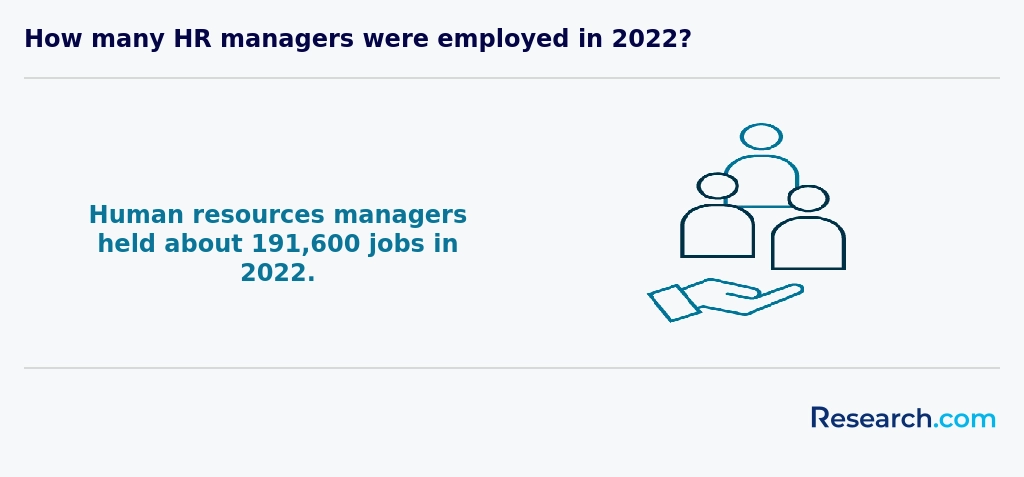
Diving into a human resources degree in Colorado means enrolling in a vibrant mix of courses that shape you into a dynamic HR pro ready for any challenge. Picture sitting in a classroom at a Denver college, energized by discussions on Employment Law and Ethics, where your classmates debate real Colorado labor cases, making the lessons feel alive and urgent.
Graduates often recall the thrill of Recruitment and Selection classes, imagining themselves conducting interviews in booming Denver startups or energy firms. Courses like Organizational Behavior unlock the mysteries behind workplace moods - understanding why a team clicks or why tension rises during busy seasons at Boulder businesses.
At institutions across the state, students explore Compensation and Benefits Administration with enthusiasm, designing competitive pay plans inspired by local industry standards. Incorporating hands-on projects, classes such as Training and Development feel like crafting real employee workshops for Colorado's healthcare sectors.
Many graduates reflect on how Labor Relations sessions felt like strategizing for intense union negotiations in nearby mountain towns, blending theory with the pulse of Colorado's diverse economy. These immersive experiences prepare you for a rewarding HR journey rooted in the unique rhythms of Colorado life.
Imagine diving into a human resources degree in Colorado where you're not just learning HR, but crafting your very own career lens. Graduates from popular colleges here often talk about specializing in Talent Acquisition and Recruitment, where the thrill lies in pinpointing top talent like matching puzzle pieces in Denver's thriving business scene. Others find their rhythm in Compensation and Benefits Management, designing paycheck symphonies that keep employees motivated and loyal.
Exploring Colorado HR degree program focus areas further reveals hands-on experiences with Employee Relations, where grads navigate real workplace conflicts with empathy and grit, or Training and Development, sparking personal growth stories across campuses like the University of Colorado. A rising star among these paths is Diversity, Equity, and Inclusion (DEI), a specialization many say feels like contributing to a broader, meaningful social movement within Colorado's workplaces.
For those curious about costs and options, some students complement their pursuit by checking out the Most Affordable Human Resources Degree Programs Ranking in the Northeast, ensuring smart financial choices while embracing diverse specializations.
Imagine walking through the bustling campus of a Colorado university renowned for its human resources program, where graduates often share how accreditation was their north star in navigating choices. In Colorado's unique job market, selecting from the best human resources degree programs Colorado means leaning into universities accredited by respected bodies, ensuring your diploma carries weight in Denver's competitive HR hubs. Flexibility also blooms here-whether in vibrant on-campus classes or hybrid setups that empower working students to merge life and learning seamlessly.
Picture a graduate explaining how diving into specialized courses on labor law and talent acquisition opened a vivid career path, reflecting the practical focus these programs offer. Colorado's public universities charm with affordable tuition, demonstrating why many seek affordable human resources degrees in Colorado without sacrificing quality. Scholarships and financial aid soften the financial journey, making dreams more attainable.
Networking rings through Boulder's corporate corridors where career services connect you to internships that turn theory into action. For accelerated impact, consider exploring 6 month certifications that pay well, a route some alumni recommend for quick entry into the field.
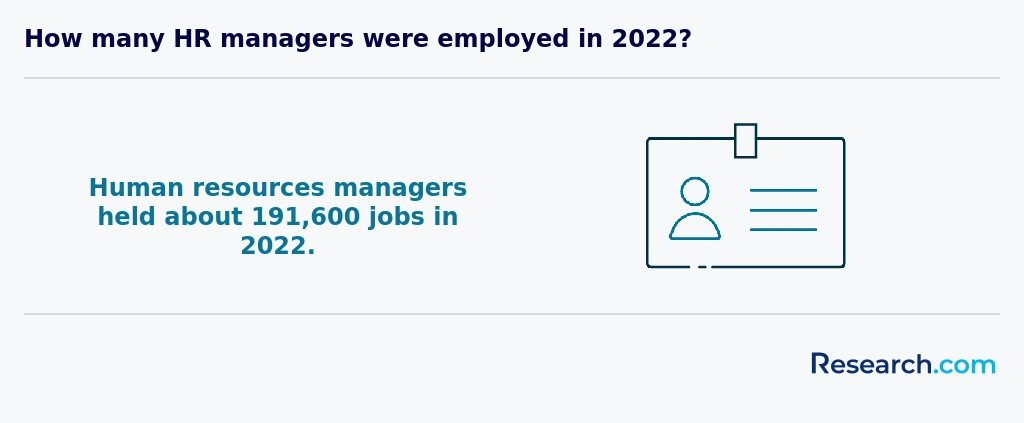
Graduates with a human resources degree from vibrant schools like the University of Colorado Denver or Metropolitan State University of Denver often find themselves steering the pulse of Colorado's diverse industries. Whether sculpting company culture as an HR Manager or crafting enticing compensation packages as a Benefits Analyst, they become the quiet architects behind workplace harmony. Imagine walking into a bustling energy startup in Boulder, where a Training and Development Coordinator sparks innovation by designing programs that boost employee skills and morale. These human resources career opportunities Colorado are not just jobs-they're thrilling missions to connect talent with purpose across tech, healthcare, and government sectors.
For fresh graduates, the real adventure begins with entry-level roles demanding both a degree and certifications like SHRM-CP, pushing them into dynamic HR Specialist positions where juggling recruiting, compliance, and employee relations feels achievable and rewarding. Many graduates recall how hands-on internships at popular Colorado universities turned theory into action, filling their resumes with experiences that unlock doors.
Colorado's evolving job scene offers a playground for innovating labor relations or diving into workforce planning in advanced manufacturing. Those exploring the easiest 2 year degree to get might find these specialized HR paths an inspiring challenge leading towards impactful careers with human resources degree Colorado.
Colorado's human resources job market Colorado is a mosaic of opportunities fueled by the state's vibrant economy and growing businesses. Graduates from well-known institutions like Metropolitan State University of Denver or the University of Colorado Boulder often find themselves stepping into roles that blend recruitment, benefits management, and labor law compliance. Imagine a recent graduate collaborating with a local tech startup, navigating the nuances of diversity management while embracing Colorado's innovative spirit. These experiences anchor HR roles deeply into Colorado's expanding sectors, from healthcare hubs in Aurora to government offices in Denver.
Wages follow suit with vibrant demand; HR specialists report salaries around $66,000 annually, with managers in metro areas like Boulder pushing six figures-an exciting prospect for those pondering ROI on their studies. Many grads recognize that weighing tuition costs against potential earnings is crucial, especially when considering how much is an associate degree or higher education investments. This blend of steady employment and competitive pay ensures the HR degree employment outlook Colorado remains optimistic and full of promise for motivated students.
2027 Most Popular Human Resources Degree Programs Ranking in Colorado
Investing in your education is a significant decision that can shape your future, and the Research.com team understands the importance of making informed choices. To assist prospective students in Colorado, we have meticulously crafted the "2027 Most Popular Human Resources Degree Programs Ranking in Colorado." Our commitment to quality, credibility, and accuracy is reflected in the extensive research and analysis conducted to compile this ranking.
We utilized the following reputable data sources to ensure a comprehensive evaluation of human resources programs:
By exploring this ranking, readers will gain valuable insights into the most popular human resources degree programs in Colorado, enabling them to make well-informed decisions about their educational paths. For more details on how this ranking was created, please visit our Research.com methodology page.

# 3 position
University of Colorado Denver/Anschutz Medical Campus
Master of Science in Human Resource Management


# 5 position
Colorado State University Global
Master of Science in Human Resource Management
Frequently Asked Questions About human resources
Human resources degree students in Colorado can maximize their learning experience by taking advantage of local internship opportunities. Colorado hosts a growing job market in HR, especially in Denver and Boulder, where many companies seek interns to help with recruiting, employee relations, and compliance tasks. Gaining practical experience alongside academic study enhances understanding and employability after graduation.
Networking through professional associations, such as the Colorado Human Resources Association (CHRA), offers students access to workshops, seminars, and mentorships. According to the U.S. Bureau of Labor Statistics, Colorado's HR employment is expected to grow 9% through 2031, making early connections valuable.
Additionally, leveraging university career centers and attending HR-specific conferences can provide students with insights into the industry's latest trends and tools, enriching their academic foundation.
Emerging niches within the human resources (HR) field in Colorado reflect broader national trends while addressing local industry needs. One growing area is HR analytics, where professionals use data to improve recruitment and employee retention. According to the Colorado Department of Labor and Employment, demand for HR specialists with data skills has increased by 12% over the past three years.
Diversity, equity, and inclusion (DEI) roles are also expanding rapidly. Many Colorado companies now seek specialists to develop inclusive workplace cultures, driven by evolving state workforce demographics and legislation.
Additionally, HR professionals focusing on remote workforce management have become vital, especially as hybrid work models solidify post-pandemic. These niches require specialized knowledge often incorporated into Colorado's human resources degree programs.
Graduates with a human resources degree in Colorado should begin preparing for the job market by gaining relevant experience through internships or part-time positions while still in school. The Colorado Department of Labor indicates that HR specialists in the state earn a median wage of around $61,000 annually, making competitive experience valuable.
Networking is essential; joining local chapters of organizations like the Society for Human Resource Management (SHRM) can provide contacts and professional development opportunities. Additionally, obtaining certifications such as the SHRM-CP or PHR can enhance job prospects.
Strong communication and technological skills, particularly with HR software, are increasingly sought after by Colorado employers.
Employers in Colorado seeking graduates with human resources degrees prioritize several key skills essential for workplace success. According to the Colorado Department of Labor and Employment, strong communication abilities top the list, enabling HR professionals to interact effectively with employees and management.
Problem-solving and conflict resolution skills are highly valued, especially given Colorado's diverse workforce across industries such as technology, health care, and hospitality.
Knowledge of federal and state employment laws is critical, as compliance reduces legal risks for employers. HR graduates are also expected to be proficient in HR information systems (HRIS) to manage employee data efficiently.
Finding internships in Colorado that align with a human resources degree requires a strategic approach. Start by exploring career services at universities like the University of Denver or Colorado State University, which often partner with local businesses to offer HR-related internships.
Professional organizations such as the Colorado HR Conference or the Society for Human Resource Management (SHRM) Colorado Chapter also provide networking events and internship listings. According to the Colorado Department of Labor, the demand for HR professionals is growing by 7% through 2031, indicating more internship opportunities.
Additionally, online job platforms targeting Colorado employers can be useful. Target companies in sectors with significant HR needs like healthcare, tech, and manufacturing, especially in metro areas like Denver and Boulder.
A human resources degree in Colorado significantly enhances career mobility and advancement opportunities. With the state's growing economy and diverse industries, HR professionals are in increasing demand. According to the U.S. Bureau of Labor Statistics (BLS) May 2023 data, Colorado's metropolitan areas, such as Denver-Aurora-Lakewood, report employment growth rates for HR specialists and managers higher than the national average.
Possessing a degree demonstrates specialized knowledge in talent acquisition, labor laws, and employee relations, making graduates competitive for leadership roles. Employers in Colorado often prefer candidates with formal education combined with certification, such as SHRM-CP or PHR, to fill managerial positions in HR.
Furthermore, Colorado's businesses value HR graduates who understand local workforce dynamics and compliance with state-specific labor regulations, aiding faster promotion and career progression. Data from the Colorado Department of Labor & Employment highlights HR as a profession with median wages above $70,000 annually, reflecting career growth potential linked to advanced education.
Studying for a human resources degree in Colorado equips students with skills relevant across multiple fields such as business, law, and psychology. Many programs emphasize interdisciplinary coursework, combining management principles with labor relations, employment law, and organizational behavior. This approach prepares graduates for diverse roles in recruitment, compliance, and employee development.
Colorado's growing economy, including industries like tech and healthcare, increases demand for HR professionals skilled in navigating complex workplace regulations and cultural dynamics. According to the Colorado Department of Labor and Employment, the state expects a 10% growth in HR-related jobs through 2030.
Students also benefit from collaboration opportunities with business schools and legal studies, enhancing analytical and communication skills essential for multifaceted human resources roles.
When choosing between a thesis and a non-thesis human resources degree program in Colorado, consider your career goals and learning preferences. A thesis option typically involves conducting original research, which is ideal for students aiming for academic careers or roles requiring strong analytical skills. According to the Colorado Department of Higher Education, universities like the University of Denver offer thesis paths for students interested in deep research.
Non-thesis programs emphasize practical skills, usually involving internships or projects. This option suits professionals seeking direct entry into HR roles, as it focuses more on applied knowledge. Colorado's growing HR sector, with a 5% employment increase projected by the U.S. Bureau of Labor Statistics through 2031, values practical experience.
Additionally, consider time and resource commitments. Thesis tracks often take longer and demand strong writing skills, whereas non-thesis paths may allow faster completion. Reviewing program specifics from Colorado institutions will help align your choice with your professional objectives.
Students based in Colorado seeking to study human resources abroad have several options through partnerships and study abroad programs facilitated by Colorado universities. Institutions such as the University of Denver and Colorado State University often offer exchange programs with universities in Europe, Asia, and Australia, allowing students to earn credits toward their human resources degrees while experiencing international work cultures.
Additionally, many Colorado schools encourage participation in short-term faculty-led programs abroad focusing on global human resources practices. According to the Institute of International Education, over 5,000 Colorado students studied abroad in 2022, with a growing interest in business-related fields including HR.
Costs, visa requirements, and academic transferability vary, so students should consult advisors early. Scholarships for study abroad opportunities in human resources are also increasingly available through Colorado-based education foundations, reducing financial barriers for participants.
Part-time job opportunities in Colorado that complement human resources (HR) degree education often focus on roles that build relevant skills in communication, organization, and employee relations. Common positions include HR assistant, recruitment coordinator, and administrative support roles within business or healthcare settings.
According to the Colorado Department of Labor and Employment, the HR support roles in the state are projected to grow by 7% through 2030, providing increasing opportunities for students to gain practical experience.
Internships and part-time roles in local government, non-profits, or corporate HR departments are valuable for networking and understanding Colorado's unique workforce environment. These jobs help students apply theories learned in class, such as compliance with state labor laws and benefits administration.
Students may also find opportunities working remotely in areas like talent sourcing or employee training support, which are in demand given Colorado's expanding tech and service sectors.
Human resources students in Colorado benefit from numerous networking opportunities that connect them with local professionals and industry leaders. Organizations such as the Colorado HR Society regularly host events, workshops, and conferences where students can meet human resources practitioners. Participating in these events allows students to build relationships, exchange ideas, and explore internships or job openings within the state.
Additionally, many universities in Colorado have partnered with local businesses to offer career fairs focused on HR roles. These fairs often attract recruiters from various sectors, giving students direct access to potential employers.
According to the U.S. Bureau of Labor Statistics, Colorado's HR sector has grown steadily, which enhances networking prospects as companies seek qualified talent. Students who engage in professional associations and campus organizations can gain a competitive edge by expanding their contacts and gaining industry insight early in their careers.
Alumni networks offer valuable support to human resources degree students in Colorado by facilitating professional connections throughout the state's diverse industries. These networks often provide mentoring, internship opportunities, and job referrals, which are essential in Colorado's competitive HR job market. According to the Society for Human Resource Management (SHRM), networking is a top factor in securing HR roles nationwide, and this holds true for Colorado graduates.
Engaging with alumni from institutions such as the University of Denver or Colorado State University can also give students access to local HR events and workshops, improving their skills and industry knowledge. These connections help students transition smoothly from education to careers in Colorado's growing business sectors.
Customizing a human resources degree program in Colorado allows students to align their education with specific career goals. Many Colorado institutions offer electives focused on areas such as talent management, labor relations, or diversity and inclusion. This flexibility helps tailor learning to current HR industry demands.
Students can also select internship opportunities within Colorado's diverse economic sectors, including tech companies in Denver or healthcare organizations in Colorado Springs. According to the Colorado Department of Labor and Employment, the HR specialist role is projected to grow 8% through 2030, emphasizing practical experience's importance.
Additionally, some programs integrate certifications like SHRM-CP, boosting career readiness and marketability.
Human resources students in Colorado often face challenges related to balancing practical experience with academic requirements. Many programs emphasize internships or cooperative education, but securing quality placements can be competitive and limited by regional demand. According to the Colorado Department of Labor and Employment, HR positions in the state are expected to grow by 7% from 2022 to 2032, increasing pressure on students to gain relevant skills swiftly.
Another challenge involves staying current with evolving employment laws. Colorado has recently updated regulations on workplace protections, such as the Healthy Families and Workplaces Act, requiring students to understand complex legal frameworks.
Additionally, affordability and accessibility remain concerns. While some universities offer scholarships, overall tuition costs in Colorado average above the national median for public schools, impacting students who must balance work and study.
With a human resources degree in Colorado, graduates can pursue several respected professional certifications to advance their careers. The most recognized certification is the Professional in Human Resources (PHR), which validates foundational HR knowledge and is highly regarded nationwide. Another key credential is the SHRM Certified Professional (SHRM-CP), offered by the Society for Human Resource Management, a widely respected organization in the field.
Certifications like the Senior Professional in Human Resources (SPHR) target experienced professionals aiming for leadership roles. In Colorado, these certifications can improve job prospects; HR jobs grew by 9% between 2018 and 2028, according to the U.S. Bureau of Labor Statistics. Local employers often prefer candidates with these credentials, reflecting the increasing importance of formal HR expertise.
Applying to a human resources program in Colorado requires clear, focused preparation. Start by researching schools thoroughly to understand their specific admissions requirements and program strengths. Most Colorado universities emphasize a strong academic record, often expecting a minimum GPA around 3.0.
Highlight relevant experience, including internships or jobs related to business or personnel management, as many programs value practical exposure.
Write a personal statement explaining your interest in human resources and how you plan to contribute to Colorado's diverse workforce, which according to the Colorado Department of Labor and Employment is growing steadily in HR roles.
Finally, ensure all application materials are error-free and submitted before deadlines to increase your chances of acceptance.
Human resources (HR) careers in the United States, including Colorado, are increasingly influenced by global trends. As businesses expand internationally, HR professionals must understand diverse labor laws, cultural differences, and global talent management. According to the U.S. Bureau of Labor Statistics, HR specialist jobs are expected to grow 7% nationally from 2021 to 2031, reflecting steady demand.
Colorado's growing economy, with sectors like technology and healthcare, benefits from HR professionals skilled in global workforce strategies. Organizations seek HR graduates who can navigate international regulations and support diverse employee populations.
Global perspectives emphasize adaptability and continuous learning, key skills taught in many Colorado human resources degree programs.
Gaining practical experience while studying for a human resources degree in Colorado is essential for career readiness. Many universities in Colorado offer internship opportunities through partnerships with local businesses, allowing students to apply HR theories in real work environments. For example, Colorado State University and the University of Denver have structured internship programs that connect students with firms in industries like technology, healthcare, and finance.
Additionally, joining professional organizations such as the Society for Human Resource Management (SHRM) Colorado chapter can provide networking events, workshops, and mentorship programs. Colorado's growing job market, especially in urban areas like Denver and Boulder, offers plentiful part-time and graduate internship positions that can help students gain hands-on HR experience. These options are valuable in building a competitive resume before graduation.
Choosing the right concentration within a human resources degree program in Colorado involves assessing your career goals and local job market demands. Common concentrations include talent management, employee relations, and compensation and benefits. According to the Colorado Department of Labor and Employment, HR roles focusing on talent acquisition and labor law compliance are growing faster than average in the state.
Research Colorado's specific labor dynamics and consider programs offering practical internships or partnerships with Denver-area companies. Programs accredited by the Society for Human Resource Management (SHRM) provide relevant industry standards. Additionally, concentrations aligned with Colorado's key industries-like technology and healthcare-may offer better job prospects.
- 2027 Most Popular Human Resources Degree Programs Ranking in Nebraska
- 2027 Most Popular Human Resources Degree Programs Ranking in Kansas
- 2027 Most Popular Human Resources Degree Programs Ranking in Utah
- 2027 Most Popular Human Resources Degree Programs Ranking in Oklahoma
- 2027 Most Popular Human Resources Degree Programs Ranking in Arizona
- 2027 Most Popular Human Resources Degree Programs Ranking in Texas
- 2027 Most Popular Human Resources Degree Programs Ranking in Missouri
- 2027 Most Popular Human Resources Degree Programs Ranking in Iowa
- 2027 Most Popular Human Resources Degree Programs Ranking in California
- 2027 Most Popular Human Resources Degree Programs Ranking in Minnesota
See What Experts Have To Say About Studying Human Resources
Read our interview with Human Resources experts

Thomas Kochan
Human Resources Expert
Professor of Management
Massachusetts Institute of Technology

Rick Hackett
Human Resources Expert
Professor, Human Resources & Management
McMaster University


- B.S. Human Resource Management - MSU Denver https://www.msudenver.edu/management/individualized-degree-human-resource-management/
- How to Become an HR Intern Without Experience - HR University https://hr.university/career/hr-intern/how-to-become-an-hr-intern/
- Redefining career development: Skills, mobility and retention https://hrexecutive.com/redefining-career-development-skills-mobility-and-retention/
- Human Resources - Alumni.space https://www.alumni.space/en/you-are/human-resources/
- What Jobs Can You Get With a B.S. Degree in HR Management? | CSU Global https://csuglobal.edu/blog/what-jobs-can-you-get-bs-hr-management
- What Degree Might You Need to Pursue an HR Career Path? The Requirements to Know https://www.trident.edu/what-degree-do-you-need-for-hr-requirements-to-know/
- Top HR Jobs in Denver & Boulder, CO https://www.builtincolorado.com/jobs/hr
- Unlocking Career Opportunities: How a Degree in Human Resources Can Propel Your Professional Journey https://www.euroeducation.net/articles/unlocking-career-opportunities-how-a-degree-in-human-resources-can-propel-your-professional-journey.htm
- Top 10 HR Networking Groups for Professionals https://www.myhubintranet.com/hr-networking-groups/
- The Great Reinvention of Human Resources Has Begun JOSH BERSIN https://joshbersin.com/2026/01/the-great-reinvention-of-human-resources-has-begun/