2027 Best Human Resources Degree Programs Ranking in the West

Co-Founder and Chief Data Scientist
Choosing the right human resources degree program can shape your future career and open doors to exciting opportunities. In this article, we present the 2027 Best Human Resources Degree Programs Ranking in the West, developed by the Research.com team of data scientists.
This ranking offers clear, data-driven insights to help you make an informed choice about which programs stand out for quality and value. Whether you're starting your educational journey or seeking a program that matches your goals, this guide aims to support your success.
Exploring these top programs can inspire confidence as you pursue a rewarding career in human resources.
Key benefits of getting human resources degree in the West
- Graduates with a human resources degree in the West can expect strong salaries, with roles like Human Resources Generalist and Recruitment Coordinator earning a mean annual wage of around $76,060, offering financial stability and growth.
- Career paths are diverse, including positions such as Employee Relations Specialist and Training and Development Coordinator, which provide opportunities to work in various industries and develop valuable skills.
- Online human resources degrees offer flexibility and convenience, allowing students from the West to study while balancing work or family, just like graduates from well-known online programs who succeed equally in the job market.
- Key benefits of getting human resources degree in the West
- What can I expect from human resources degree in the West?
- Where can I work with human resources degree in the West?
- How much can I make with human resources degree in the West?
- 2027 Best Human Resources Degree Programs Ranking in the West
- Key Findings
- How long does it take to complete human resources degree in the West?
- What's the difference between online and on-campus human resources degree?
- What is the average cost of human resources degree in the West?
- Enrollment Prerequisites and Application Tips
- What financial aid is available to human resources degree students in the West?
- Enrollment Prerequisites for Human Resources Degree Programs in the West
- What are the prerequisites for enrolling in human resources degree program in the West?
- What courses are typically in human resources degree programs in the West?
- What types of specializations are available in human resources degree programs in the West?
- How do you choose the best human resources degree in the West?
- What career paths are available for human resources degree students in the West?
- What is the job market for human resources degree in the West?
- Top Trending Human Resources Rankings
- See What Experts Have To Say About Studying Human Resources
What can I expect from human resources degree in the West?
The average cost of a human resources degree in the Western United States typically ranges between $15,000 and $35,000 per year at public universities, while private institutions may charge upwards of $40,000 annually. Graduates from well-regarded programs at universities in California or Washington often recall investing in these costs but feeling confident that the practical skills gained-such as collaborating on real business projects or completing internships with tech startups-offer strong returns. One graduate shared how the hands-on experience with local companies helped them secure a well-paying role within months after graduation, making the financial investment worthwhile.
Many students in the West find value in programs that integrate emerging trends like HR analytics and remote workforce management, along with foundational courses. These forward-thinking curriculums complement the cost with future-proof skills that meet employer demands in dynamic markets like Seattle or San Francisco.
Financial aid, scholarships, and employer tuition assistance are becoming more common, softening the upfront financial burden and allowing students to focus on gaining expertise without disproportionate stress over expenses.
Where can I work with human resources degree in the West?
Graduates with human resources degrees from Western universities like the University of Washington or San Francisco State University often find themselves stepping into dynamic roles across booming industries. Many begin as recruiters or HR assistants at tech giants or healthcare providers, where they experience firsthand the thrill of shaping workplace culture and supporting employee growth.
Imagine starting your career coordinating talent acquisition in Silicon Valley, learning to navigate the fast-paced environment of startups and established firms alike. Others might engage with public agencies or school districts in Oregon or California, helping to streamline hiring and enhance employee wellness programs-roles that offer a deep sense of purpose and community impact.
Looking ahead, HR graduates can explore emerging fields such as HR technology and data analytics, reflecting a future where AI and employee experience design play major roles. The Western region's blend of innovation hubs and well-established institutions creates a fertile ground for evolving career paths, making it an exciting time to pursue HR studies here.
How much can I make with human resources degree in the West?
Graduates from human resources programs at institutions like the University of Washington and San Diego State University in the West often find starting salaries ranging from $50,000 to over $70,000. For example, entry-level roles such as Human Resources Generalist, Recruitment Coordinator, and Employee Relations Specialist show mean annual wages around $76,060, reflecting a strong regional demand. One recent graduate shared excitement about landing a Training and Development Coordinator position with a salary near $71,980, appreciating both the financial stability and career growth options.
As experience grows, so do earning potentials. Many alumni pursuing certifications alongside degrees have reached salaries exceeding $90,000, especially in metropolitan hubs like Seattle and Los Angeles where companies offer competitive packages. Seeing peers advance into specialist roles with salaries over $100,000 drives a positive outlook on the long-term value of a human resources degree in the West.
With evolving workplace trends, graduates are optimistic about future opportunities in tech-focused HR fields, combining analytics and employee engagement strategies to command higher incomes and impactful careers.
2027 Best Human Resources Degree Programs Ranking in the West
How do we rank schools?
Investing in your education is a significant decision that can shape your future, and the Research.com team understands the importance of making informed choices. To assist prospective students, we have meticulously crafted the "2027 Best Human Resources Degree Programs Ranking in the West." Our commitment to quality, credibility, and accuracy is reflected in the extensive research and analysis conducted to compile this ranking.
We utilized the following reputable data sources to ensure a comprehensive evaluation of human resources programs:
By exploring this ranking, readers will gain valuable insights into the best human resources degree programs available in the Western region, enabling them to make well-informed decisions about their educational paths. For more details on our methodology, please visit our Research.com methodology page.


# 15 position
University of Washington-Seattle Campus
Bachelor of Science in Human Resource Management

# 16 position
University of Colorado Denver/Anschutz Medical Campus
Master of Science in Human Resource Management


# 20 position
Colorado State University Global
Master of Science in Human Resource Management

Key Findings
- Tuition for a bachelor's degree in human resources at public universities in the Western U.S. ranges from $7,000 to $15,000 per year for in-state students, while private universities charge between $25,000 and $40,000 annually.
- Master's programs in Human Resource Management typically cost between $20,000 and $45,000 in total, with financial aid and scholarships often available.
- Employment for HR specialists in the West is projected to grow about 7% from 2022 to 2032, matching the average growth rate for all occupations.
- Starting salaries for HR graduates in the West range from $50,000 to $60,000 annually, with mid-career professionals earning around $58,000 and experienced workers making $80,000 or more.
- Senior HR managers and directors in large companies or metropolitan areas often earn over $100,000 annually.
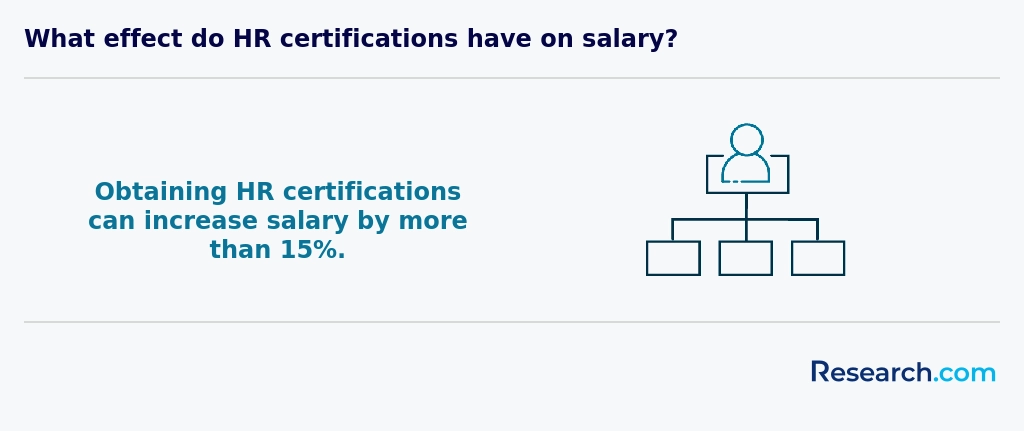
- Professional certifications such as SHRM-CP or PHR are highly valued and can improve career prospects and earning potential.
How long does it take to complete human resources degree in the West?
Completing a human resources degree in the West typically spans diverse timelines depending on the academic path chosen. Graduates from well-known Western universities often share that a bachelor's degree requires about four years of full-time dedication, perfectly balancing core business coursework with specialized HR topics like talent management and employment law. This timeframe feels manageable and rewarding, setting a solid foundation for a dynamic career.
For those embracing advanced opportunities, a master's degree usually extends the journey by one to two years. Many graduates appreciate programs with flexible formats, such as part-time or executive tracks offered at prestigious colleges, which allow them to continue working while deepening their strategic HR expertise. This adaptability ignites enthusiasm and motivation, fitting the busy lives of Western students.
Associate degrees, commonly completed in about two years at community colleges across the West, offer an accessible launchpad into HR with practical skills. Stories from recent graduates highlight the confidence gained through these shorter programs, often leading directly to entry-level roles or further studies.
What's the difference between online and on-campus human resources degree?
Online and on-campus human resources degrees in the Western United States differ mainly in how students experience learning and balance life commitments. Graduates from University of Washington's on-campus program often recall vibrant campus life and face-to-face interactions that sharpen interpersonal skills vital in HR. Their networking at live events and internships on-site creates a supportive, motivating environment that deepens understanding of labor laws and employee relations through real-time collaboration.
Conversely, graduates from online programs at institutions like Arizona State University emphasize flexibility, enabling them to juggle work and family while accessing cutting-edge HR technologies. These students appreciate asynchronous classes, which foster self-discipline and adaptability-traits increasingly prized in modern HR roles. Many online learners feel empowered by managing their own schedules and engaging with diverse peers across the West, though they sometimes miss the immediacy of campus camaraderie.
As technology advances, hybrid models may thrive, blending immersive campus experiences with flexible digital tools, crafting a dynamic HR education that fits the evolving demands and lifestyles of Western students.
What is the average cost of human resources degree in the West?
The average cost of a human resources degree in the West typically centers around a median total of $42,168, reflecting the combined tuition and fees for many programs. Graduates often recall balancing these costs with the practical benefits of earning their degree in a vibrant region home to institutions like the University of Washington or the University of Southern California. Such schools offer pathways that align with the growing demand for skilled HR professionals, making the financial investment feel worthwhile as graduates start their careers. This median cost highlights the distinction between in-state and out-of-state tuition, where in-state students tend to pay closer to $12,468 total, a factor that future students should weigh carefully.
Many students envision themselves thriving on campuses known for strong human resources programs, imagining late-night study sessions followed by rewarding internships that help offset expenses. They often appreciate the value of scholarships and financial planning, realizing that tuition costs are just part of the equation when considering the average cost of human resources degree in the West.
Emerging trends suggest that more flexible learning options, including online degrees, may reshape cost structures soon. Prospective students can explore alternatives such as the best online human resources school in colorado to fit education into busy lives while managing expenses. This evolving landscape promises new opportunities for affordable, quality education in human resources across the Western US.
Enrollment Prerequisites and Application Tips
Prospective students should prepare for a streamlined and informed application process by understanding the key enrollment prerequisites and tips that can help set them apart. Typically, foundational requirements include a strong academic record, standardized test scores (when applicable), and clearly written personal statements that reflect passion for human resources and leadership potential. Applicants are often expected to submit letters of recommendation from academic or professional references who can attest to their skills and commitment to a career in HR. Additionally, some programs may require work experience or a resume that underscores relevant internships or professional roles, providing concrete evidence of practical knowledge in the field. It is also essential to pay attention to deadlines and additional materials, such as supplemental essays or portfolios, that certain institutions may request. Preparing a tailored application that highlights your unique qualifications can significantly boost your chances of acceptance. For further inspiration and to explore how leading institutions structure their enrollment requirements, you might consider reviewing options from the best online human resources school in colorado, which offers insights into a comprehensive application process alongside flexibly designed programs. Remember, thorough research on each institution's specific prerequisites, networking with admissions advisors, and proactive planning are key steps toward not only securing admission but also starting a successful career journey in human resources.
What financial aid is available to human resources degree students in the West?
Students pursuing human resources degrees at universities like the University of California, Berkeley or Oregon State University frequently rely on a blend of federal, state, and institutional financial aid options to manage costs. Federal aid programs such as Pell Grants often provide up to $7,500 annually, easing the financial pressure and sparking optimism among hopeful graduates. Many also tap into Federal Direct Loans, which, despite interest rates between 3% and 7%, offer manageable repayment plans tailored to emerging professionals.
State programs like California's Cal Grant or Washington's College Bound Scholarship have been game-changers for students aiming to specialize in HR, fully or partially covering tuition for those who qualify. Graduates often recall how merit-based scholarships from their institutions rewarded academic achievement and leadership, fostering confidence as they navigated their careers.
Forward-thinking HR students increasingly anticipate expanded opportunities from professional organizations, such as SHRM scholarships focused on diversity and innovation. These evolving aid structures create tangible hope that financing an HR degree in the West will become even more accessible and empowering in the near future.
Enrollment Prerequisites for Human Resources Degree Programs in the West
Before you can embark on a Human Resources degree program in the West, institutions typically require a clear set of admission requirements designed to ensure student success and program fit. Prospective bachelor's candidates should generally prepare to submit:
- Official high school transcripts with a minimum cumulative GPA of 2.5–3.0, depending on the institution.
- SAT or ACT scores, though many schools now offer test-optional pathways, placing greater emphasis on GPA and coursework.
- Evidence of prerequisite coursework, such as Introduction to Business, English Composition, and basic Statistics, to demonstrate readiness for core HR topics.
- A personal statement or essay outlining career goals, experiences with teamwork or leadership, and reasons for choosing Human Resources.
- At least one letter of recommendation from teachers, supervisors, or mentors who can speak to your academic ability and interpersonal skills. For graduate-level HR programs, additional requirements often include:
- A bachelor’s degree from an accredited institution with a 3.0 minimum GPA.
- GRE or GMAT scores if required, though some programs waive testing based on professional experience.
- A current professional résumé highlighting relevant work or internship experience in HR, business, or related fields.
- Two to three letters of recommendation, preferably including one from an HR professional or academic advisor. Deadlines and specific criteria can vary widely between on-campus and online formats. For students seeking cost-effective entry points and flexible prerequisites, our Cheapest Online Bachelor’s in Human Resources Degree Programs Ranking in Illinois highlights programs that balance affordability with accessible admission standards. Always verify individual program requirements on the university’s admissions page and contact enrollment advisors to confirm documentation deadlines and any additional prerequisites.
What are the prerequisites for enrolling in human resources degree program in the West?
Enrolling in a human resources degree program in the Western United States typically means meeting clear academic standards, yet the evolving landscape hints at even more dynamic criteria ahead. Graduates from prominent Western institutions often recall how a strong foundation in core subjects like English and mathematics during high school paved the way for success in undergraduate HR programs. Universities in California and Washington, for instance, expect applicants to maintain a GPA between 2.5 and 3.0, though many hopeful students feel encouraged by the growing acceptance of test-optional admissions policies.
At the graduate level, applicants usually bring diverse undergraduate backgrounds, with some from business or psychology appreciating the interdisciplinary nature HR studies demand. Those pursuing a Master's or MBA in HR at respected Western universities find that relevant work experience and clear communication skills significantly enhance their applications, reflecting the profession's emphasis on empathy and strategy. Alumni often share how submitting personal statements and letters of recommendation challenged them to reflect deeply, fueling a genuine excitement for their future roles.
Looking forward, emerging trends suggest that Western programs may value digital literacy and adaptability more strongly, aligning their prerequisites with the fast-changing world of work and technology integration in HR practices.
What courses are typically in human resources degree programs in the West?
Graduates from well-known universities in the Western U.S. often share how foundational courses like Introduction to Human Resources Management and Organizational Behavior gave them hands-on insight into real workplace challenges. Imagine designing training programs at a tech startup in Silicon Valley after mastering Training and Development classes that focus on innovative learning techniques.
Employment Law courses help students confidently navigate complex U.S. labor regulations, a skill many graduates find invaluable when working with diverse teams in dynamic markets such as Los Angeles or Seattle. Compensation and Benefits classes introduce practical frameworks, enabling students to structure competitive pay packages tailored to local economies.
Many students appreciate how Performance Management and Talent Acquisition courses prepare them to identify and nurture talent, crucial in competitive industries throughout the West Coast. Graduates often report that projects involving Human Resource Information Systems at coastal business schools immerse them in the latest HR software, bridging theory with cutting-edge technology.
Electives like Diversity and Inclusion or Strategic Human Resource Management reflect the evolving workforce realities, resonating deeply with those eager to lead positive change in organizations. This combination of theoretical knowledge and practical application leaves graduates excited and empowered to enter the HR field in the Western job market.
What types of specializations are available in human resources degree programs in the West?
Students pursuing a human resources degree in the West encounter diverse specializations that reflect both traditional strengths and emerging trends in the field. Graduates from well-regarded universities in the region often recount their experiences in Talent Acquisition and Recruitment, where hands-on projects focus on navigating competitive tech markets like Silicon Valley. This specialization prepares students to master recruiting tools crucial for today's fast-paced hiring landscape, a key aspect of human resources degree specializations West offers.
Other graduates share how their focus on Employee Relations and Labor Relations involved real-world simulations of collective bargaining and managing legal labor issues prominent in manufacturing sectors around Washington and Oregon. The growing importance of Compensation and Benefits is frequently mentioned, with students excited about designing innovative pay structures that respond to rising healthcare demands.
With data analytics reshaping HR, the Human Resources Information Systems (HRIS) specialization gains momentum, as students become adept at the software platforms widely used across Western companies. Many also find inspiration in training and Diversity, Equity, and Inclusion programs, feeling empowered to foster equitable workplace cultures. For those weighing costs and career paths, resources like the Cheapest Online Bachelor's in Human Resources Degree Programs Ranking in Illinois can offer insight into affordable options. This focus aligns strongly with HR management focus areas in Western universities, creating pathways that feel both relevant and promising.
How do you choose the best human resources degree in the West?
Choosing the best human resources degree in the West often means balancing accredited programs with specializations that match emerging workforce needs. Graduates from prominent universities in California or Washington often share how internships with Silicon Valley startups or Seattle's corporate hubs gave them hands-on experience that textbooks can't match. Practical experience is key, especially as many students pursue affordable HR degrees in the Western US that still offer strong connections to growing industries.
As the HR field evolves with technology and global workforce trends, selecting programs that emphasize organizational development or recruitment analytics prepares students for future challenges. Smaller class sizes at West Coast colleges foster meaningful faculty interactions, making the learning process more engaging and supportive. For those needing flexibility, exploring one year master programs online can provide accelerated pathways without sacrificing quality or networking opportunities.

What career paths are available for human resources degree students in the West?
Graduates with a human resources degree in the West find an expanding landscape of career paths shaped by evolving industries like technology, healthcare, and finance. Many alumni from well-known universities in the region share how starting as HR assistants or recruiters quickly led them to specialized roles such as talent acquisition specialists or compensation managers. These roles offer a chance to shape company culture while navigating changing workforce dynamics. The West region human resources degree job prospects often include positions emphasizing diversity and inclusion, reflecting the region's progressive values.
Some graduates from programs in California and Washington describe how certifications have enhanced their career trajectory, moving them into leadership roles managing employee relations or innovative learning and development initiatives. For those balancing work and study, flexible online programs allow steady advancement. Emerging trends suggest a growing demand for professionals skilled in new HR technologies and data analytics, boosting opportunities. Curious students can explore online certifications that pay well to complement their degrees and extend their career options.
What is the job market for human resources degree in the West?
The human resources job outlook in the West is vibrant, driven by a strong economy and a diverse range of industries, particularly in tech hubs like Silicon Valley and Seattle. Graduates from well-known universities in California and Washington often share how their HR degrees open doors to roles that integrate talent management with evolving business needs. These experiences reinforce the significant demand for HR specialists who understand regional labor market trends and compliance with local employment laws.
Employment opportunities for HR graduates West of the Rockies are especially promising as companies increasingly prioritize specialized recruitment and retention strategies. Graduates report a real sense of excitement about working in dynamic environments where competitive salary packages and benefits mirror the high living costs of metropolitan areas. These opportunities frequently come with the challenge and reward of shaping inclusive workplace cultures in companies of all sizes.
Many students considering human resources degrees also weigh the cost of education carefully. For example, understanding how much does an associate's degree cost online can help them plan financially, comparing options between public universities with moderate tuition and costly private institutions. This awareness helps underscore the long-term investment value of an HR degree that leads to a thriving career in the West.
Frequently Asked Questions About human resources
Human resources degree students in the West can maximize their learning by engaging deeply with both academic and practical experiences. Institutions such as the University of California system and Arizona State University offer programs emphasizing real-world HR challenges. Students should prioritize internships; the U.S. Bureau of Labor Statistics notes internships improve employment prospects by 20% in HR-related fields.
Participating in local SHRM (Society for Human Resource Management) chapters provides networking and professional development opportunities crucial in Western states where the HR sector grows annually by 5%.
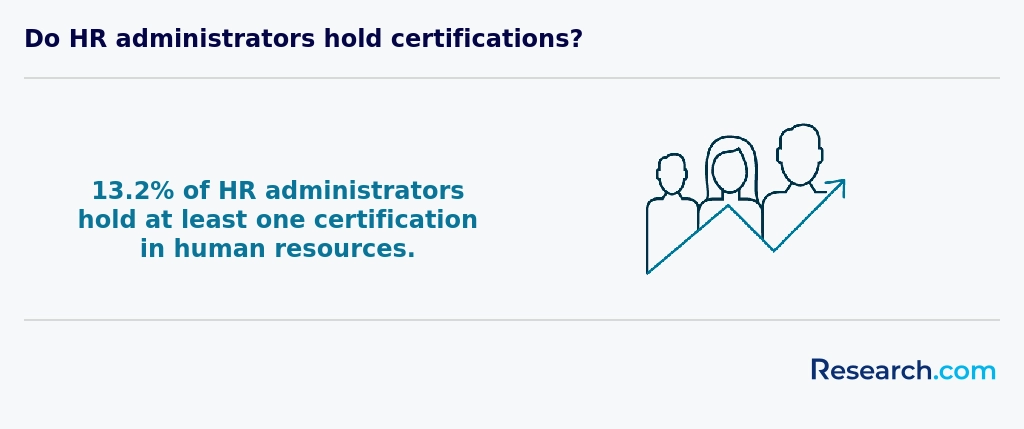
Complementing coursework with certifications like SHRM-CP further enhances knowledge and job marketability.
Engaging with diverse industries across the West helps students understand regional labor laws and cultural dynamics, key to effective HR management.
Emerging niches within the human resources (HR) field in the Western US reflect shifting workplace priorities and technological advances. One growing area is people analytics, where HR professionals use data analysis to improve hiring, retention, and employee engagement. According to the Society for Human Resource Management (SHRM), over 70% of HR leaders in the West emphasize analytics as a vital skill by 2027.
Another expanding niche is diversity, equity, and inclusion (DEI). Businesses increasingly seek HR experts skilled in creating inclusive cultures. The California Chamber of Commerce reports that 65% of companies in the West have dedicated DEI roles or teams.
HR technology management is also critical, as digital tools for remote work and worker productivity grow in importance. These specialized roles require a blend of HR knowledge and IT skills. Professional programs in Western universities are adapting curricula to incorporate these emerging specialties.
After completing a human resources degree in the West, graduates should focus on gaining practical experience through internships or entry-level positions. According to the U.S. Bureau of Labor Statistics, HR specialists in this region can expect a 7% job growth rate from 2022 to 2032, making early work experience critical. Certifications such as SHRM-CP or PHR can enhance a candidate's resume by demonstrating HR knowledge beyond the degree. Networking through local HR associations and attending industry conferences in the West also improves job prospects. Finally, developing strong communication and tech skills remains essential in this evolving field.
Employers in the Western United States highly value human resources graduates who demonstrate strong communication and interpersonal skills. These abilities are essential for managing employee relations and fostering a positive work environment. According to the Society for Human Resource Management (SHRM), 85% of HR professionals in the West emphasize emotional intelligence as a critical asset.
Analytical skills are also in demand, as HR roles increasingly involve data-driven decision-making. Proficiency in HR information systems and understanding labor laws specific to states like California and Washington are important for compliance and efficient management.
Additionally, problem-solving and adaptability stand out as key attributes. These skills help HR graduates address workplace challenges effectively and navigate evolving employment regulations.
Finding internships in human resources (HR) within the Western US involves strategic research and networking. Start by exploring university career centers, which often have partnerships with local businesses seeking HR interns. According to the National Association of Colleges and Employers, internships increase job offers by 20%, making them essential.
Check online platforms like Handshake and LinkedIn, which are widely used by Western universities to post HR internship opportunities. Local chapters of the Society for Human Resource Management (SHRM) also provide valuable networking events and job listings.
Additionally, applying directly to large companies headquartered in the West, such as Google or Salesforce, can open doors to competitive HR internships. Always tailor your application to highlight HR-relevant skills.
In the Western United States, earning a human resources (HR) degree significantly enhances career mobility and advancement opportunities. According to the U.S. Bureau of Labor Statistics (BLS), individuals with formal HR education often qualify for roles such as HR managers, specialists, and recruiters, which require specialized knowledge of labor laws, employee relations, and organizational behavior.
Graduates with HR degrees typically experience faster promotion rates due to their proficiency in both strategic and operational aspects of workforce management. For example, the Society for Human Resource Management (SHRM) reports that HR professionals with degrees are 30% more likely to move into management positions within five years.
The Western region, home to diverse industries including technology and healthcare, offers broad career paths for HR degree holders. Many universities in states like California and Washington provide programs focused on contemporary HR practices, aligning education with regional employment trends and legal requirements. This alignment contributes to graduates' competitive advantage when seeking advancement.
Studying for a human resources (HR) degree in the West equips students with skills applicable across various disciplines. Western universities integrate courses in business, psychology, law, and communications, fostering an interdisciplinary approach. For instance, understanding employment law enables HR professionals to navigate legal compliance effectively.
Many programs emphasize data analytics, preparing graduates to interpret workforce metrics and contribute to strategic decisions. According to the Society for Human Resource Management (SHRM), nearly 80% of HR roles in the U.S. require proficiency in technology and data management. This blending of skills enhances adaptability in diverse organizational roles.
Furthermore, internships and cooperative education experiences common in Western institutions provide real-world exposure, strengthening collaboration between departments such as finance and marketing.
Choosing between a thesis and a non-thesis human resources degree program in the Western US depends largely on your career goals and learning preferences. Thesis programs focus on original research, ideal for students planning to pursue a PhD or a career in academia. These programs typically require 6-12 months to complete the research and writing process.
Non-thesis programs emphasize practical skills and often include more coursework or internships. They suit professionals aiming to enter or advance in HR management roles without a heavy research component. According to the National Center for Education Statistics, 65% of HR graduate students in the West opt for non-thesis tracks due to quicker completion timelines.
Furthermore, funding and faculty support tend to be more available for thesis students, as universities encourage research output. Ultimately, evaluating your desired career path and available resources will guide your decision.
Students in the Western United States seeking to study human resources abroad have several opportunities through established university partnerships and exchange programs. Many Western universities maintain agreements with institutions in Europe, Canada, and Asia that offer specialized human resources curricula. For example, some programs enable students to spend a semester overseas while earning credits toward their US degree.
The Society for Human Resource Management (SHRM) highlights that degrees with international exposure enhance employability, as HR increasingly requires global cultural competence. Additionally, students may consider accredited online programs from foreign universities, offering flexibility without relocation. The National Center for Education Statistics notes that over 300,000 US students study abroad annually, with business fields like HR among the most popular.
Students pursuing human resources degrees in the Western US can benefit from various part-time job opportunities that enhance their practical skills. Common roles include HR assistant positions, recruiting coordinators, and payroll clerks. According to the Bureau of Labor Statistics (2023), entry-level HR jobs in California and Washington often offer flexible part-time schedules, helping students balance education and work.
Internships and temp work within human resources departments also provide real-world experience. Additionally, positions in employee relations support and administrative assistance help develop communication and organizational skills crucial for HR careers.
Such part-time roles complement academic learning by applying theories in workplace settings, improving employability after graduation.
Human resources students in the Western United States benefit from numerous networking opportunities that support their career development. Universities often partner with regional HR associations, such as the California Society for Human Resource Management (CalSHRM), providing students access to industry events, workshops, and conferences. These gatherings facilitate connections with HR professionals active in the local market.
The West is home to major metropolitan areas like Los Angeles, San Francisco, and Seattle, where networking events are frequent and accessible. According to the U.S. Bureau of Labor Statistics, these regions have high concentrations of HR jobs, increasing student exposure to potential employers.
Internships and cooperative education programs at Western universities also help students build professional contacts and gain practical experience before graduation.
Alumni networks play a crucial role for human resources degree students in the Western U.S. These networks connect current students with graduates who work in HR roles across various industries. According to the National Association of Colleges and Employers (NACE), 85% of jobs are filled through networking, highlighting the importance of these connections.
In human resources specifically, alumni can provide mentorship, internship opportunities, and job referrals. Western universities, like those in California and Washington, often have active alumni groups that organize workshops and career fairs tailored to HR students.
Access to experienced alumni also helps students understand regional industry trends and labor market demands, improving their career readiness.
Customizing a human resources degree program in the Western US allows students to align their education with specific career goals. Many universities offer elective courses in areas like labor relations, organizational development, or diversity management, enabling focused expertise. Students can also choose between Bachelor's, Master's, or certificate programs depending on their desired level of specialization and career stage.
Internships and cooperative education opportunities available in states such as California and Washington provide practical experience, which is highly valued by employers. According to the Society for Human Resource Management (SHRM), candidates with targeted HR competencies often see faster career advancement.
Moreover, some programs let students engage in research or capstone projects tied to regional industries, enhancing local job relevance.
Human resources (HR) students in the Western United States face several notable challenges during their studies. One common issue is balancing theoretical knowledge with practical skills, as employers increasingly seek graduates with hands-on experience. According to the Society for Human Resource Management, 65% of employers prefer candidates who have completed internships or cooperative education programs.
Additionally, navigating evolving labor laws and compliance issues presents difficulties, given frequent changes at both state and federal levels. Students must stay updated on regulations such as California's Consumer Privacy Act or Oregon's Healthy Workplace Bill.
Another challenge is mastering technology tools used in HR, like HRIS software, which are crucial for data management and recruitment. Limited access to these technologies during study programs can hinder readiness for real-world roles.
Graduates with a human resources (HR) degree in the Western United States have several professional certification options to enhance their career prospects. The most recognized is the Professional in Human Resources (PHR) certification, offered by the HR Certification Institute (HRCI). This credential validates foundational HR knowledge and is highly regarded in West Coast job markets. Another prominent certification is the SHRM Certified Professional (SHRM-CP), provided by the Society for Human Resource Management, focusing on practical HR leadership skills.
Additional certifications include the Certified Compensation Professional (CCP) and the Certified Employee Benefits Specialist (CEBS), useful for specialization. According to the U.S. Bureau of Labor Statistics, HR specialists in California and Washington earn a median annual wage above the national average, making certifications particularly valuable here.
Writing a winning application for a human resources program in the West requires clear demonstration of relevant skills and experiences. Admissions committees look for candidates with strong communication, problem-solving abilities, and leadership potential. Including examples of teamwork and conflict resolution can strengthen your application, as these are critical in HR roles.
Highlight your academic achievements, especially in courses related to business, psychology, or management. Many Western universities, such as those in California and Washington, value applicants with practical experience, like internships or volunteer work in HR settings.
Additionally, a well-crafted personal statement explaining your motivation and career goals can set you apart. According to the National Center for Education Statistics, programs in the West have seen a 10% increase in applications, making it important to be both clear and concise.
The field of human resources (HR) is increasingly recognized as vital in a globalized economy, especially in Western countries like the United States. HR professionals are expected not only to manage workforce recruitment and compliance but also to contribute to organizational strategy. According to the U.S. Bureau of Labor Statistics, employment in HR management is projected to grow 7% from 2021 to 2031, reflecting steady demand.
Globally, HR careers emphasize cultural competence and adaptability, given the diversity of modern workplaces. Western HR programs often integrate international labor laws and diversity management, preparing graduates for multinational roles.
Human resources degrees in the West typically focus on balancing legal knowledge with interpersonal skills. This combination aligns with global trends toward employee well-being and equity, which are critical factors in sustainable business practices.
Gaining practical experience while studying for a human resources degree in the West is essential for career readiness. Many universities in this region offer internship programs, often facilitated through partnerships with local businesses and government agencies. According to the National Association of Colleges and Employers (NACE), over 60% of HR students in Western states secure internships before graduation, increasing their job prospects significantly.
Additionally, students can join on-campus HR clubs or participate in case competitions, which simulate real-world HR challenges. Some programs also incorporate cooperative education (co-op) where students alternate between study and full-time work.
Choosing the right concentration in a human resources degree program in the Western United States starts with understanding your career goals. Popular areas include talent acquisition, employee relations, compensation and benefits, and HR analytics. According to the U.S. Bureau of Labor Statistics, HR specialists in these regions often require specialized skills depending on their focus.
Research state and regional industry demands. For example, technology firms in California emphasize HR analytics and talent management. Meanwhile, Oregon and Washington show growth in labor relations and benefits administration. The Society for Human Resource Management (SHRM) also recommends evaluating coursework that aligns with HR certification prep, such as PHR or SPHR.
Finally, consider programs offering internships or networking opportunities with companies in your desired concentration. Aligning your studies with market needs in the West boosts employment prospects post-graduation.
Top Trending Human Resources Rankings
See What Experts Have To Say About Studying Human Resources
Read our interview with Human Resources experts

Chester S. Spell
Human Resources Expert
Professor of Management
Rutgers University


Rick Hackett
Human Resources Expert
Professor, Human Resources & Management
McMaster University

References
- HUMAN RESOURCE MANAGEMENT (THESIS / NON-THESIS) - Lisansüstü Eğitim Enstitüsü https://lee.nisantasi.edu.tr/en/human-resource-management-thesis-non-thesis/
- HR Exchange Network https://www.hrexchangenetwork.com/
- Unlocking Career Opportunities: How a Degree in Human Resources Can Propel Your Professional Journey https://www.euroeducation.net/articles/unlocking-career-opportunities-how-a-degree-in-human-resources-can-propel-your-professional-journey.htm
- 18 HR Skills Every HR Professional Needs [2025 Guide] - AIHR https://www.aihr.com/blog/hr-skills/
- HR Career Path 2026: 7-Level Ladder, Salary by Stage, Generalist vs Specialist https://hrdegree.org/careers/hr-career-path/
- What Can You Do With a Bachelor's Degree in HR Management? | CSU Global https://csuglobal.edu/blog/what-can-you-do-bachelors-degree-human-resource-management
- Importance of human resource management in career growth https://isc.strath.ac.uk/blog/importance-of-human-resource-management-career-growth
- Human Resource Development in Education Non-Thesis Master's Program https://eds.metu.edu.tr/en/human-resource-development-education-non-thesis-masters-program
- Choosing a bachelor's in human resource management | edX https://www.edx.org/resources/how-to-choose-a-bachelors-in-human-resource-management
- BBA in Human Resource Management | Georgia Southwestern https://www.gsw.edu/college-of-business-and-computing/hr