2027 Most Affordable Human Resources Degree Programs Ranking in the Northeast

Co-Founder and Chief Data Scientist
Choosing the right human resources degree program can shape your future career and financial well-being. This article shares the 2027 Most Affordable Human Resources Degree Programs Ranking in the Northeast, created by the Research.com team of data scientists.
Designed to guide you through the best value options, the ranking helps you find programs that fit both your goals and budget. Whether you're starting fresh or advancing your skills, earning a human resources degree opens doors to rewarding opportunities.
Explore the list and make an informed decision with confidence.
Key benefits of getting human resources degree in the Northeast
- Salary: Graduates with a human resources degree in the Northeast can expect competitive salaries, such as $76,060 annually for roles like Human Resources Generalist or Employee Relations Specialist, reflecting strong earning potential.
- Career paths: Human resources graduates from popular Northeast colleges often pursue diverse roles in recruitment, training, or employee relations, offering opportunities to grow within dynamic workplaces.
- Online degrees: Earning a human resources degree online from respected Northeast universities allows for flexible learning schedules and practical experience, making it easier to balance work and study while advancing in HR careers.
- 2027 Most Affordable Human Resources Degree Programs Ranking in the Northeast
- What can I expect from human resources degree in the Northeast?
- Where can I work with human resources degree in the Northeast?
What can I expect from human resources degree in the Northeast?
The average cost of a human resources degree in the Northeast varies significantly based on the type of institution. Graduates from public universities often highlight the value of in-state tuition rates, which typically range from $8,000 to $15,000 per year. For example, students attending large state schools like those in New York or Massachusetts share how affordable tuition, combined with targeted scholarships, helped reduce their financial burden while gaining access to quality HR programs.
Conversely, private colleges known for their HR programs in cities like Boston or Philadelphia usually charge between $30,000 and $50,000 annually. Graduates from these institutions report that the higher costs come with advantages such as more personalized faculty attention, smaller class sizes, and extensive internship opportunities with local companies. Many students balance these expenses by working part-time or enrolling in evening and online classes to stretch their budgets.
In every case, proactive financial planning-leveraging scholarships, financial aid, and in-state tuition benefits-proves crucial. Those who navigate this thoughtfully often find the investment worthwhile due to strong job placement rates and the region's robust HR job market.
Where can I work with human resources degree in the Northeast?
Graduates with a human resources degree from schools like Northeastern University or Rutgers often find themselves stepping into roles within Fortune 500 companies, especially in New York and Massachusetts. These settings provide real opportunities to manage hiring, training, and employee relations in fast-paced industries like finance and technology. One graduate shared how their internship at a major tech firm in Boston directly led to a full-time HR coordinator role.
Many also pursue careers in Pennsylvania's manufacturing and education sectors, where HR professionals handle workforce development and ensure compliance with labor laws. Graduates from Temple University frequently highlight the value of internships that prepare them for these specialized roles.
Healthcare institutions are a booming sector in the Northeast, with hospitals consistently needing HR staff to manage benefits and wellness programs. For instance, graduates from the University of Massachusetts have noted strong demand for their skills in healthcare human resources, reflecting region-wide growth in this area.
Public sector and nonprofit roles further expand career choices. Many graduates find fulfilling positions managing employee relations at government agencies or universities in cities like Philadelphia and Boston. These roles often come with the satisfaction of contributing to mission-driven organizations and local communities.
Graduates with a human resources degree in the Northeast can expect competitive salaries that reflect the region's high demand for skilled HR professionals. For entry-level roles such as Human Resources Assistant or Human Resources Generalist, the mean annual wage is approximately $76,060. This is consistent across several key HR roles including Recruitment Coordinator and Employee Relations Specialist, where salaries hover around $76,000 annually, based on recent U.S. Bureau of Labor Statistics data.
Many graduates from well-regarded schools like those in Boston or New York City find these starting salaries encouraging, especially when combined with local opportunities for bonuses and benefits. For example, early career HR coordinators employed by midsize firms in Boston often report salary packages close to this median wage, supplemented by healthcare and retirement benefits.
As you gain experience, these figures tend to increase. Practical skills gained through internships at regional companies or university career centers can significantly boost your earning potential by making you a competitive candidate for mid-level HR positions.
- The average annual tuition for HR degree programs in the Northeast ranges from $20,000 to $40,000 at public schools and can exceed $50,000 at private institutions.
- Entry-level HR positions in the region pay starting salaries between $45,000 and $55,000 per year.
- Experienced HR managers or directors earn between $75,000 and $110,000 annually in the Northeast.
- Employment for HR specialists is expected to grow by about 7% in the next decade, driven by workforce regulations and talent management needs.
- Internships and cooperative education programs are important for improving employability in HR fields.
- Professional certifications like SHRM-CP are widely recognized and valued in the Northeast job market.
Completing a human resources degree in the Northeast typically takes about four years for a bachelor's, especially at well-known schools like Penn State or Boston University. Graduates often share how a full-time schedule helped them finish on time while gaining practical skills through internships in local companies. For those aiming higher, a master's degree usually adds another two years, as is common in programs at institutions such as Rutgers or Northeastern University, where hands-on projects and networking prepare students for leadership roles.
Some students take advantage of accelerated five-year combined bachelor's and master's programs offered by universities like Syracuse, which save time while maintaining a strong educational foundation. Part-time or online options are popular too, especially among working professionals in the region, allowing completion times to stretch from three to six years depending on how many courses they take each term. Community colleges and local public schools also offer two-year associate degrees or certificate programs, enabling quicker entry into the HR workforce or seamless transfer to four-year institutions.
When selecting an affordable HR degree in the Northeast, regional and programmatic accreditation ensures your coursework meets rigorous academic standards. Look for schools accredited by recognized bodies like the New England Commission of Higher Education (NECHE) and programs aligned with the Society for Human Resource Management’s (SHRM) Body of Applied Skills and Knowledge. Graduates from accredited programs can sit for industry‐leading exams such as the SHRM‐CP (Certified Professional) and HRCI’s PHR (Professional in Human Resources), boosting credibility and employability. Many accredited online and on‐campus programs integrate certification prep directly into the curriculum, offering targeted courses in employment law, talent management, and HR analytics. For students balancing budgets and study, the Cheapest Online Bachelor's in Human Resources Degree Programs Ranking in Alabama highlights accredited degrees that deliver both affordability and SHRM‐aligned content, making it easier to transition from graduation to certification success. Earning professional certification early can accelerate career growth, with HR professionals holding SHRM or HRCI credentials often commanding higher starting salaries and leadership roles. Before enrolling, verify that your program maintains a strong track record of certification pass rates and offers dedicated support-such as exam prep workshops or mentor‐led study groups-to help you navigate the credentialing process with confidence.
Online and on-campus human resources degrees in the Northeast differ mainly in flexibility, interaction, and cost. Graduates from online programs at schools like Northeastern University appreciate how they could balance work and family while completing coursework digitally, accessing lectures anytime without commuting through busy Boston traffic. This is ideal if you need flexible scheduling or live far from campus.
On the other hand, graduates from on-campus programs at institutions such as Rutgers University often value the face-to-face discussions and immediate feedback from professors, which helped sharpen their interpersonal skills. These students also benefited from in-person networking events and internships in nearby HR hubs like New York City.
Cost is another practical consideration. Public universities in the region charge roughly $11,000 annually for in-state students on campus, while online formats can reduce expenses by eliminating housing and travel costs. Private colleges cost significantly more regardless of mode. Both options offer rigorous, SHRM-accredited curricula, so your choice hinges on your lifestyle and career networking priorities.
The average cost of a human resources degree in the Northeast varies notably depending on whether students attend public or private institutions. For in-state students at public universities, the total median cost is around $23,000 for the entire program, making these schools an affordable choice for many. Graduates often recall balancing their budgets carefully while benefiting from strong HR programs at well-known public universities in major cities like Boston and Philadelphia. Out-of-state students, however, face a sharper increase, with median total costs reaching about $51,000 or more, reflecting the higher tuition rates and living expenses in the region.
Many students aiming for affordable human resources degree programs Northeast find that exploring hybrid or online formats can reduce costs and offer flexibility. For example, graduates from institutions offering hybrid options share positive experiences, highlighting how online components helped them manage work and studies simultaneously.
Private colleges in the Northeast often charge significantly more, with annual tuition easily surpassing $40,000. Still, many graduates value these programs for their specialized curriculum and strong alumni networks. It's important to factor in living expenses, especially in urban centers where housing and transportation add to the overall budget.
For those looking to expedite their education while controlling costs, reviewing the fastest online human resources programs in pennsylvania can be a strategic move to complete degrees efficiently without sacrificing quality or breaking the bank.
Students studying human resources at Northeastern schools like Rutgers or SUNY find federal financial aid essential in managing tuition costs. Completing the FAFSA opens doors to Federal Pell Grants, which can provide up to $7,395 without repayment, easing financial pressure right away. Many graduates recall using Federal Direct Loans with favorable interest rates to cover gaps, and some balanced their budgets by participating in Federal Work-Study programs, gaining hands-on campus experience while earning.
State programs offer additional relief; for example, the Excelsior Scholarship in New York can dramatically reduce tuition for SUNY students, making education more accessible. Meanwhile, Massachusetts students enrolled in HR programs benefit from MASSGrant, cutting costs at institutions like Northeastern University.
Merit-based scholarships also make a meaningful difference. Many human resources majors at Boston College or Penn State received awards ranging from $1,000 to full tuition by demonstrating leadership or academic excellence, which truly boosted their confidence and financial stability.
Furthermore, scholarships from organizations like SHRM provide $1,000 to $5,000 annually, supporting passionate students dedicated to HR careers. For working adults, employer tuition reimbursement plans often prove invaluable, helping balance job responsibilities with degree completion.
To enroll in a human resources degree program in the Northeast, start by ensuring you have a high school diploma or GED if you're aiming for undergraduate study. Graduates from well-known universities in this region often highlight how solid academic records in English, social studies, and math opened their doors. Taking business or communication electives beforehand can give you a practical edge and help you relate to real-world HR challenges.
Many Northeastern institutions still consider SAT or ACT scores, but with the growing test-optional trend-especially in states like New York and Massachusetts-you can focus more on your overall application strength. For graduate programs, you'll need a bachelor's degree, ideally in business or psychology, though diverse backgrounds have proven successful too.
Experienced HR graduates from schools such as those in Boston or Philadelphia recommend gaining relevant work experience. It not only boosts your application but also enriches your insights during class discussions. Prepare to submit GRE or GMAT scores unless waived, along with interviews and recommendation letters that reflect your professional growth and commitment.
Human resources degree programs in the Northeast typically include core courses that build a solid foundation in employment law, organizational behavior, and HR management principles. Graduates from well-known schools like Cornell or Boston University often highlight how these classes prepare them to handle complex labor regulations common in states such as New York and Massachusetts.
Students also gain practical skills through recruitment and staffing strategy courses, which teach how to identify and attract top talent in competitive markets. Training and development classes focus on adult learning theories, helping future HR managers design effective workforce training programs-an essential skill in technology and healthcare sectors prevalent in the region.
Other important courses include compensation and benefits, performance management, and labor relations with a focus on collective bargaining, reflecting the unionized environments many Northeast industries operate in. Graduates mention how studying ethics, diversity, and HR information systems equips them to make data-driven decisions and foster inclusive workplaces.
Human resources degree programs in the Northeast typically offer specializations designed to address vital areas within HR management. Common options include Talent Acquisition and Recruitment, where graduates often share how mastering hiring techniques directly improved their success in competitive job markets. Others focus on Compensation and Benefits, learning to structure effective reward systems that keep employees motivated and satisfied. Employee Relations and Labor Law is popular in states like New York and Massachusetts, where graduates appreciate the practical training on union negotiations and legal compliance tailored to the region's workforce.
Students looking to enhance their leadership find Training and Development specializations valuable for designing impactful employee growth initiatives. Diversity, Equity, and Inclusion (DEI) attracts those eager to build inclusive company cultures in response to regional demographic trends. When choosing a program, prospective students should compare curriculum details and local industry ties, which often shape these human resources degree specializations Northeast colleges emphasize.
For cost-conscious planners, examining rankings such as the Cheapest Online Bachelor's in Human Resources Degree Programs Ranking in Alabama provides insight into affordable options that maintain quality standards.
Start by verifying program accreditation with bodies like SHRM or ACBSP to ensure quality education and recognition in the HR field. Graduates from schools such as Rutgers University often praise how their accredited programs provided them solid industry credibility and smoother job placement in competitive Northeast markets.
Next, assess the affordability of programs, especially if you're targeting affordable HR degrees in the Northeast. Public universities can offer in-state tuition rates between $10,000 and $25,000 annually, but private options may exceed $30,000. Many students reduce costs by leveraging scholarships or financial aid, so factor these into your budget.
Flexibility plays a big role for busy students balancing work or family. Look for institutions offering hybrid or fully online degrees. For those eager to accelerate their education, some choose a fast-track online associates degree before transferring to bachelor's programs at universities like University of Massachusetts.
Investigate how well the university's career services connect students to local businesses across New York City, Boston, or Philadelphia. Graduates mention that such strong employer networks helped them secure internships and jobs in thriving sectors like finance, healthcare, and technology.
Finally, align your program choice with your specific HR interest, whether it's labor relations, talent acquisition, or analytics. Checking course offerings and faculty expertise ensures your degree matches your career goals while positioning you well for the region's $60,000-$75,000 median HR salaries.
Graduates pursuing human resources career opportunities Northeast often find themselves stepping into roles like Human Resources Specialist, Talent Acquisition Specialist, or HR Manager in metropolitan hubs such as New York or Boston. Many graduates from well-known schools in the region describe transitioning smoothly into these positions thanks to the region's diverse industries, ranging from finance to healthcare, which offer varied experiences and job stability.
Examples from students at public universities with respected HR programs highlight hands-on internships and networking events that open doors to employers seeking Compensation and Benefits Analysts or Training and Development Coordinators. These roles focus on crafting benefit programs or designing workforce skill-building initiatives, which are especially important in fast-evolving workplaces.
For those weighing education options, starting with affordable associate degrees or certificates from community colleges can lead to strong entry points before transferring to bachelor programs. Exploring easiest online degrees available locally can also provide flexible paths to enter the field while gaining relevant work experience.
Jobs with human resources degree Northeast emphasize combining academic knowledge with certifications like SHRM-CP, boosting both employability and salary prospects in this competitive market.
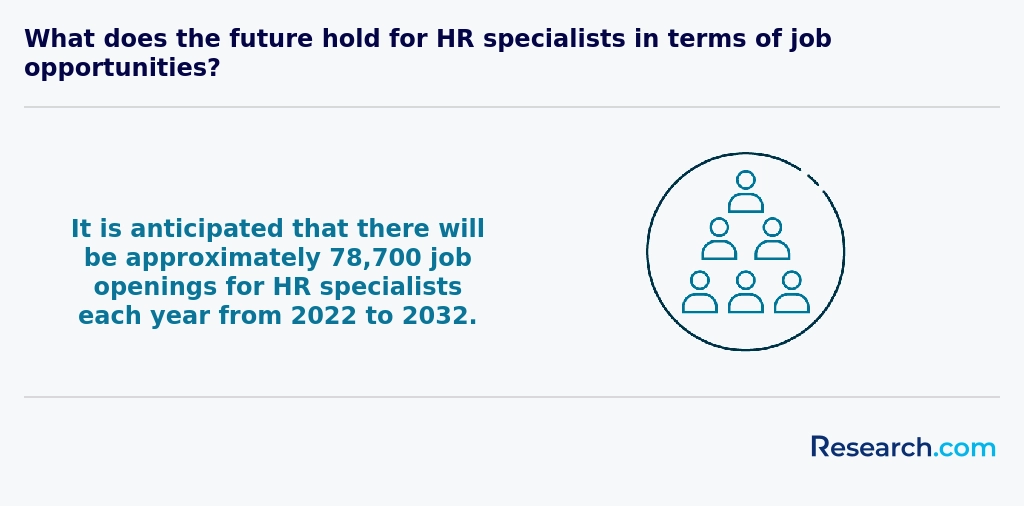
Graduates with a human resources degree in the Northeast face a stable and promising job market. Employment opportunities for HR graduates Northeast show a steady growth rate of about 7% over the next decade, fueled by expanding healthcare and professional services industries. For instance, graduates from well-known public universities often find rewarding roles managing recruitment and compliance within large corporations based in cities like Boston or New York.
Many HR students experience practical career advancement by engaging in internships tied to metropolitan firms, where the average salary ranges between $65,000 and $75,000 - notably higher than the national median. These real-world experiences build confidence and sharpen necessary skills for navigating the strong regulatory environment prevalent in the region.
Cost-conscious students benefit from the relatively affordable tuition at state universities while leveraging networking opportunities for certifications that employers value, such as SHRM-CP or PHR. If you are curious about which majors make the most money, HR remains an excellent choice backed by regional demand and competitive salaries.
2027 Most Affordable Human Resources Degree Programs Ranking in the Northeast
Investing in your education is a significant decision that can shape your future, and the Research.com team understands the importance of making informed choices. To assist prospective students in the Northeast, we have meticulously crafted the "2027 Most Affordable Human Resources Degree Programs Ranking in the Northeast." Our commitment to quality, credibility, and accuracy is reflected in the extensive research and analysis conducted to compile this ranking.
We utilized the following reputable data sources to ensure a comprehensive evaluation of human resources degree programs:
By exploring this ranking, readers will gain valuable insights into the most affordable human resources programs in the Northeast, enabling them to make well-informed decisions about their educational investments. For more details on our methodology, please visit our Research.com methodology page.
# 1 position
Thomas Edison State University
Bachelor of Science in Human Resource Management

# 2 position
Pennsylvania State University-World Campus
Human Resources and Employment Relations Master's

# 3 position
Thomas Edison State University
Master of Science in Human Resource Management
# 4 position
Charter Oak State College
Bachelor of Science in Human Resource Management
# 5 position
Pennsylvania State University-World Campus
Labor and Human Resources Bachelor's
# 6 position
Southern New Hampshire University
Master of Science in Human Resource Management MS in HR


# 12 position
Bryant & Stratton College-Online
Bachelor of Science in Human Resource Management

# 13 position
Johnson & Wales University-Online
MBA in Human Resources


# 20 position
Pennsylvania State University-Penn State Harrisburg
Master of Science in Human Resource Management
Frequently Asked Questions About human resources
Human resources degree students in the Northeast can enhance their learning by engaging deeply with internships and cooperative education programs. Many universities partner with local businesses, providing practical experience that complements classroom theory. According to the National Association of Colleges and Employers, 65% of internships in the region lead to job offers, highlighting their value.
Additionally, students should leverage regional professional organizations such as the Northeast Human Resources Association for networking and mentorship opportunities. Participating in workshops and seminars offered by such groups helps students stay current with HR trends and compliance regulations specific to states like New York and Massachusetts, where HR roles are rapidly evolving.
The human resources (HR) field in the Northeast is evolving with several emerging niches. One key area is HR analytics, which uses data to improve hiring and retention. According to the Society for Human Resource Management (SHRM), 62% of HR professionals in the Northeast are expanding skills in data analysis.
Another growing niche is diversity, equity, and inclusion (DEI). Companies in large metropolitan areas like Boston and New York are investing heavily in DEI roles to meet workforce demands and legal standards. The U.S. Bureau of Labor Statistics notes HR specialists in the Northeast are increasingly responsible for DEI initiatives.
Additionally, employee wellness and remote work management are rising fields due to shifting work environments post-pandemic, especially in tech and healthcare sectors. These trends reflect the dynamic nature of HR careers today.
After completing a human resources degree in the Northeast, graduates should focus on gaining practical experience to stand out in the job market. Internships and cooperative education programs are widely available through many universities and provide valuable on-the-job experience.
Networking is also crucial; consider joining local chapters of professional organizations such as the Society for Human Resource Management (SHRM) which has a strong presence in Northeast cities like Boston and New York. According to the U.S. Bureau of Labor Statistics, HR roles in this region are growing at an annual rate of about 7%, highlighting the importance of staying connected.
Finally, obtaining certifications like SHRM-CP or PHR can increase employability and salary potential, as many employers in the Northeast prefer candidates with these credentials.
Employers in the Northeast seeking human resources degree graduates prioritize several key skills that align with regional labor market demands. Communication remains paramount; HR professionals must effectively interact with diverse workforces across industries common in this area, such as healthcare and finance. According to the U.S. Bureau of Labor Statistics, interpersonal skills directly impact hiring and retention strategies in Northeast organizations.
Additionally, employers highly value expertise in employment law and compliance, given the complex regulatory environment in states like New York and Massachusetts. Analytical skills are also essential for interpreting workforce data to improve organizational performance. Finally, proficiency in HR technology platforms, including applicant tracking systems, is increasingly important as digitization grows in Northeast workplaces.
Finding internships in the Northeast for human resources (HR) students often starts with utilizing university career centers. Many colleges in this region have partnerships with local businesses in cities like Boston, New York, and Philadelphia, offering access to exclusive internship listings.
Students can also explore professional organizations such as the Society for Human Resource Management (SHRM), which frequently posts HR internships nationwide, including opportunities in the Northeast. According to SHRM data, about 35% of HR internships are located in metropolitan areas within this region.
Networking events, job fairs, and platforms like Handshake and LinkedIn provide valuable connections and internship postings tailored to HR majors. Early application and proactive outreach to HR departments increase chances of placement.
A human resources (HR) degree in the Northeast significantly enhances career mobility and advancement opportunities. According to the U.S. Bureau of Labor Statistics, HR specialists in this region benefit from a projected employment growth of 7% from 2021 to 2031, faster than the average for all occupations. Employers in states like New York, Massachusetts, and Pennsylvania often prefer candidates with formal HR education due to complex labor laws and diverse workforces.
Graduates with HR degrees are better prepared for certifications such as SHRM-CP or PHR, credentials that boost promotion potential. Additionally, networking opportunities through regional HR associations support career growth.
Studying for a human resources degree in the Northeast offers strong preparation for interdisciplinary roles by integrating business, psychology, and legal studies. Many programs emphasize collaboration with fields like organizational leadership, labor relations, and data analytics, reflecting the region's diverse economy. According to the National Center for Education Statistics, over 60% of HR graduates from Northeast institutions engage in roles beyond traditional HR, including organizational development and employee wellness.
The Northeast's concentration of industries-finance, healthcare, and technology-demands HR professionals skilled in multiple disciplines. Coursework often includes labor law, conflict resolution, and strategic management, equipping students to address complex workplace challenges.
When choosing between a thesis and a non-thesis human resources degree program in the Northeast, consider your career goals and learning style. Thesis programs focus on research and require writing a substantial paper, ideal for students aiming at academic roles or HR research positions. Non-thesis programs emphasize practical knowledge with internships or projects, suitable for those targeting HR management roles.
In the Northeast, many universities like Rutgers and UMass offer both options. According to the National Center for Education Statistics, about 40% of HR master's graduates in this region choose thesis options, reflecting research demand.
Costs and program length may also differ, with thesis tracks often extending study time by one semester.
Students in the Northeast interested in studying human resources abroad have several avenues through U.S. institutions. Many universities in this region offer study abroad programs tailored to business and human resources fields, partnering with overseas universities in Europe and Asia. For example, schools in New York and Massachusetts often provide semester-long exchanges where students can earn credits toward their human resources degrees.
Additionally, some programs include internships abroad, giving practical HR experience in international settings. According to NAFSA, over 30% of Northeast students participate in international studies, with business-related areas ranking highly. These opportunities help students gain global HR perspectives without leaving regional academic networks.
Part-time job opportunities that complement a human resources degree in the Northeast often include roles such as HR assistant, recruiting coordinator, and payroll clerk. These positions provide practical experience in employee relations, talent acquisition, and benefits administration, aligning well with academic studies. According to the U.S. Bureau of Labor Statistics, the Northeast region saw a 4% growth in HR-related jobs between 2020 and 2023, highlighting expanding opportunities for students seeking relevant work experience.
Additionally, internships at local government agencies or nonprofit organizations offer valuable insights into labor law compliance and organizational development. Such roles enhance skills in communication and problem-solving essential for a successful HR career.
Human resources students in the Northeast have numerous networking opportunities through both academic institutions and professional organizations. Many universities collaborate with Regional SHRM (Society for Human Resource Management) chapters, which host events and workshops connecting students with HR professionals.
The Northeast boasts a strong HR job market, with states like New York and Massachusetts leading employment growth in this sector, according to the U.S. Bureau of Labor Statistics. This growth fosters regular HR conferences and career fairs specifically targeted at students.
Additionally, internships facilitated by colleges often place students in prominent companies based in metropolitan areas, providing invaluable real-world connections that can lead to full-time employment.
Alumni networks play a crucial role for human resources (HR) degree students in the Northeast by providing valuable career connections and mentorship opportunities. Many universities in this region have extensive alumni communities that actively engage with current students, helping them navigate job markets where HR roles have grown 8% since 2020, according to the U.S. Bureau of Labor Statistics.
These networks often organize local events and online forums, allowing students to connect with HR professionals from various industries including finance, healthcare, and technology, which are strong sectors in the Northeast. Access to insider job postings is another significant benefit, often increasing employment chances after graduation.
Additionally, alumni can offer guidance on certifications and continuing education relevant to evolving HR practices, an important advantage in a field that values up-to-date knowledge. According to the National Human Resources Association, 75% of HR professionals in the Northeast leverage alumni contacts during job searches, underscoring the importance of these networks for both students and graduates.
Customizing a human resources degree program in the Northeast allows students to align their education with specific career goals. Many universities offer elective courses in areas such as labor relations, diversity management, and compensation strategies. Selecting internships in local industries like healthcare, finance, or technology can provide practical experience tailored to one's interests.
Students can also pursue certifications alongside their degree, such as the SHRM-CP or PHR, which are highly regarded in the Northeast job market. According to the Bureau of Labor Statistics, HR employment in New York and Massachusetts is expected to grow about 7% from 2022 to 2032, supporting specialized roles.
Researching programs accredited by the Society for Human Resource Management (SHRM) ensures curriculum relevance. Additionally, some institutions offer part-time or online options, allowing working professionals to customize pacing and course focus while maintaining employment.
Human resources students in the Northeast often face challenges tied to the region's competitive job markets and high education costs. According to the National Center for Education Statistics, tuition fees at many Northeastern institutions are among the highest nationally, which can deter or delay degree completion.
Additionally, balancing internships and part-time jobs to gain practical experience while managing academic workloads is a common struggle. Many programs emphasize experiential learning, but limited local HR placements can restrict opportunities.
Students also need to stay current with evolving employment laws in states like New York and Massachusetts, which frequently update labor regulations, adding complexity to coursework and professional preparation.
With a human resources degree, you can pursue several respected professional certifications that enhance career prospects in the Northeast. The most recognized certification is the Professional in Human Resources (PHR), offered by the HR Certification Institute (HRCI). It validates knowledge in technical and operational HR management.
Another popular option is the SHRM Certified Professional (SHRM-CP), provided by the Society for Human Resource Management. This credential emphasizes practical HR skills and strategic knowledge.
Many employers in the Northeast, including New York and Massachusetts, highly value these certifications for HR roles, as noted in regional employment reports by the U.S. Bureau of Labor Statistics from 2023.
Other certifications include the Certified Compensation Professional (CCP) and the Talent Acquisition Specialty Credential, both enhancing specialized HR career paths.
Writing a winning application for a human resources program in the Northeast requires clear focus and thorough preparation. Admissions committees seek candidates who demonstrate strong communication skills, leadership potential, and an understanding of current HR practices nationwide. Highlight relevant experience, such as internships or work in HR-related roles, and emphasize your motivation for pursuing this field.
Research from the National Center for Education Statistics shows that Northeastern universities admit students with diverse academic backgrounds but favor those with a clear career plan in HR. Tailor your personal statement to reflect knowledge of labor markets in the region, which can increase your chances of acceptance.
Additionally, a well-crafted résumé focusing on skills like conflict resolution, recruitment, and employee relations can set your application apart. Strong letters of recommendation from professionals familiar with your capabilities also enhance credibility. Finally, meet application deadlines meticulously and proofread your materials thoroughly to avoid errors.
The human resources (HR) field is increasingly influenced by global trends, making international awareness valuable for students in the Northeast pursuing HR degrees. According to the Society for Human Resource Management (SHRM), HR professionals must understand diverse labor laws and cultural differences as companies expand worldwide. This global perspective helps manage multinational teams more effectively.
In the Northeast, home to major financial and tech hubs like New York City and Boston, local HR graduates often engage with international business practices. The Bureau of Labor Statistics (2023) notes a 7% growth in HR specialist jobs regionally, reflecting demand for skills in global compliance and diversity management.
Schools like Rutgers University and Northeastern offer courses emphasizing international HR strategies, preparing students for careers that extend beyond U.S. borders, aligning with global corporate needs.
Gaining practical experience while studying for a human resources degree in the Northeast is essential for career readiness. Many universities offer cooperative education programs (co-ops) and internships with local businesses, government agencies, and nonprofit organizations. According to the National Association of Colleges and Employers, internships increase job placement rates by up to 60%.
Students often find opportunities through career services offices, which connect them with employers in the region's growing HR market. Additionally, joining student chapters of professional bodies like the Society for Human Resource Management (SHRM) provides networking and real-world project experiences.
Choosing the right concentration within a human resources degree program in the Northeast begins with understanding your career goals. Popular concentrations include talent management, labor relations, and compensation and benefits. According to the U.S. Bureau of Labor Statistics, Massachusetts and New York have some of the highest employment levels for HR specialists in the country, making these areas key for networking and internships.
Next, consider regional industry trends. For example, healthcare and technology sectors are strong employers in the Northeast, influencing HR program emphases at many universities. Schools often tailor concentrations to meet local employer demands, which can improve job prospects after graduation.
Research accreditation and curriculum rigor as well. Look for programs certified by SHRM (Society for Human Resource Management), as this can impact educational quality and recognition.
See What Experts Have To Say About Studying Human Resources
Read our interview with Human Resources experts


Thomas Kochan
Human Resources Expert
Professor of Management
Massachusetts Institute of Technology

Rick Hackett
Human Resources Expert
Professor, Human Resources & Management
McMaster University

- Human Resources - Alumni.space https://www.alumni.space/en/you-are/human-resources/
- 2025 Most Affordable Online Human Resources Degrees https://www.onlineu.com/most-affordable-colleges/human-resources-degrees
- Online Education Vs. Traditional Education In HR - CFR Group https://www.cfr-group.com/online-education-vs-traditional-education-in-hr/
- Navigating Your Options: Which HR Career Path Is Right for You? https://online.law.tulane.edu/blog/finding-your-hr-career-path
- My Favorite HR Resources for Students and Emerging Professionals https://claireiscoaching.com/2022/10/26/my-favorite-hr-resources-for-students-and-emerging-professionals/
- 18 HR Skills Every HR Professional Needs [2026 Guide] https://www.aihr.com/blog/hr-skills/
- Human Resources - Associate Degree - Northeast Wisconsin Technical College https://www.nwtc.edu/academics-and-training/human-resources
- Top 10 HR Networking Groups for Professionals https://www.myhubintranet.com/hr-networking-groups/
- HUMAN RESOURCE MANAGEMENT (THESIS / NON-THESIS) - Lisansüstü Eğitim Enstitüsü https://lee.nisantasi.edu.tr/en/human-resource-management-thesis-non-thesis/
- Human Resource Management Courses Abroad https://www.aeccglobal.com/study-abroad/courses/human-resource-management