2027 Most Affordable Human Resources Degree Programs Ranking in Virginia

Co-Founder and Chief Data Scientist
Are you considering a career in human resources but worried about the cost? We've got you covered. This article presents the 2027 Most Affordable Human Resources Degree Programs Ranking in Virginia, carefully compiled by the Research.com team of data scientists.
Our goal is to help you make an informed choice by spotlighting programs that combine quality education with affordability. A degree in human resources can open doors to rewarding opportunities, and knowing your options is empowering.
Explore the ranking to find the best programs that fit your budget and career aspirations.
Key benefits of getting human resources degree in Virginia
- Salary for human resources degree graduates: Graduates in Virginia can expect competitive wages, with roles like Recruitment Coordinator and Human Resources Generalist earning a mean annual wage of $76,060 and an hourly wage of about $36.57, reflecting strong earning potential.
- Career paths: Many graduates from Virginia universities pursue diverse HR roles such as Employee Relations Specialist or Training and Development Coordinator, enabling them to build rewarding careers in workplaces across various industries.
- Benefits of online degrees: Earning an HR degree online from a Virginia college offers flexibility and convenience, allowing students to balance work and study while gaining valuable skills quickly and effectively.
- 2027 Most Affordable Human Resources Degree Programs Ranking in Virginia
- What can I expect from human resources degree in Virginia?
- Where can I work with human resources degree in Virginia?
What can I expect from human resources degree in Virginia?
When considering the cost of pursuing a human resources degree in Virginia, it helps to know that most public universities like Virginia Commonwealth University and James Madison University offer in-state tuition ranging from about $10,000 to $15,000 per year for undergraduate HR programs. Graduates often reflect on how affordable this made their education, allowing them to focus on gaining hands-on experience rather than stressing about debt.
Private institutions might be more expensive, but many students find scholarships and financial aid targeted specifically to HR studies that can ease the burden. Imagine attending classes where you not only learn recruitment strategies and labor law compliance but also benefit from internship connections with local businesses and government agencies, all while managing your budget prudently.
This balance of cost and quality prepares Virginia HR students to confidently step into roles across healthcare, education, and technology sectors, knowing their education was both practical and accessible to their financial situation.
Where can I work with human resources degree in Virginia?
Graduates from well-known Virginia schools like Virginia Commonwealth University and James Madison University often find themselves stepping confidently into vibrant workplaces across the state. With a human resources degree, you can work in bustling government offices near Richmond or at innovative tech firms in Northern Virginia, where managing cleared personnel and federal compliance is a rewarding daily challenge. Imagine helping a healthcare provider in Fairfax implement wellness programs that truly improve employees' lives-many HR grads share how this hands-on impact fuels their passion.
Others thrive in public school districts or municipal agencies, navigating employee benefits and training programs that make a real difference for communities. The variety of options means you're not just working a job, but contributing to organizations that align with your values. Graduates often describe the excitement of moving into roles that require strategic planning and legal expertise, proving HR degrees in Virginia open doors to careers with meaningful challenges and steady growth.
Graduates with a human resources degree from Virginia universities like George Mason or James Madison often find rewarding salary opportunities right after finishing their programs. Entry-level roles such as Human Resources Assistants or Generalists typically start with a mean annual wage of around $76,060, according to recent U.S. Bureau of Labor Statistics data. This solid baseline reflects the robust demand for skilled HR professionals across the state.
Many graduates share how their internships in Northern Virginia's bustling job market helped them secure higher-paying roles. Positions like Recruitment Coordinator or Employee Relations Specialist also offer similar salaries, averaging about $76,060 yearly. These roles provide excellent stepping stones to management tracks that can scale well beyond six figures with experience and certifications.
One inspiring example comes from a recent graduate who earned a Training and Development Coordinator position, making on average $71,980 annually. This highlights how specialized skills and networking during college can make a difference. For those passionate about building strong workplace cultures, Virginia's HR roles combine meaningful work with dependable earnings that grow with your expertise.
- In-state tuition for a public university bachelor's degree in human resources in Virginia ranges from $10,000 to $15,000 per year.
- Private colleges in Virginia typically charge over $30,000 annually for human resources programs.
- Employment for human resources specialists in Virginia is projected to grow by about 7% from 2022 to 2032.
- Early-career salaries for HR graduates usually range between $50,000 and $60,000 per year in Virginia.
- Mid-career HR professionals can expect salaries between $75,000 and $90,000 with experience and certifications.
- Senior HR managers or directors in Virginia metropolitan areas often earn six-figure salaries.
Completing a human resources degree in Virginia varies based on the level and pace you choose. Many students at community colleges in Virginia find that their associate degree takes about two years of full-time effort-just four semesters-giving them the essential skills to start or advance in HR roles. Graduates from these programs often share how this foundation opened doors to higher education or quick entry into the workforce.
If you're aiming for a bachelor's degree, expect around four years of full-time study, or approximately 120 credit hours. Universities like Old Dominion and James Madison make this path engaging with a mix of general education and specialized HR courses. Many students balance jobs and family life, so part-time enrollment can extend this timeline, yet the flexibility helps keep motivation high and momentum steady.
For those pursuing graduate degrees, such as a master's or MBA with an HR focus, the timeline is usually around two years full-time. Evening and online programs offered by Virginia schools provide options that fit busy schedules, helping you advance your career without compromising your current responsibilities.
Earning a Human Resources degree in Virginia is just the first step toward a thriving HR career; many graduates boost their credentials through industry-recognized certifications and ongoing professional development. Certifications such as SHRM-CP (Society for Human Resource Management – Certified Professional) and HRCI’s PHR (Professional in Human Resources) validate mastery of HR competencies-from talent acquisition and employee relations to strategic planning and labor law compliance. Virginia’s top programs often integrate SHRM-aligned coursework into their curriculum, equipping students with the knowledge required to sit for certification exams immediately after graduation. Beyond foundational certifications, advanced credentials like SHRM-SCP and SPHR (Senior Professional in Human Resources) cater to mid-career professionals seeking leadership roles. Through targeted exam prep courses, study groups, and workshops offered by local chapters of SHRM and HRCI, Virginia graduates can deepen expertise in areas such as compensation and benefits analysis, organizational development, and diversity, equity, and inclusion (DEI) initiatives. Additionally, micro-credentials in HR analytics or conflict resolution-available online and through university extension programs-allow practitioners to refine specialized skills in response to evolving workplace trends. Continuing education also encompasses attendance at industry conferences, webinars, and seminars. Events hosted by the Virginia State University HR Association or the Richmond HR Roundtable, for example, provide invaluable networking opportunities and exposure to emerging best practices. For students exploring alternative formats or out-of-state options, the Affordable Online Human Resources Degree Programs Ranking in Arkansas offers a comprehensive look at flexibility and cost-effectiveness beyond Virginia’s borders. By combining a solid degree foundation with strategic certification and lifelong learning, HR professionals can ensure sustained career growth, higher earning potential, and enhanced credibility within their organizations.
Choosing between an online and on-campus human resources degree in Virginia often comes down to your lifestyle and learning preferences. Online programs provide incredible flexibility, ideal for those juggling work or family. For instance, graduates from online tracks at universities like George Mason have praised the ability to manage coursework around busy schedules without the stress of commuting across the state.
On the other hand, studying on campus at schools such as Virginia Commonwealth University immerses you in face-to-face interactions and vibrant campus life. Graduates share how direct engagement with professors and peers deepened their understanding and built lasting professional networks through internship opportunities and campus events.
Cost might also influence your choice. Virginia's in-state tuition ranges roughly $10,000 to $15,000 annually, with some online programs slightly higher due to added technology support. Both formats benefit from SHRM support and accreditation, ensuring your degree holds weight in the industry.
Ultimately, envision what environment energizes you most: the community buzz of campus or the freedom to learn wherever life takes you.
The average human resources degree cost in Virginia varies, but on median, students can expect to invest around $21,650 if they qualify for in-state tuition, while out-of-state learners might see expenses near $35,594. Graduates from well-known institutions like George Mason University often reflect on balancing tuition fees with the tremendous value of quality education and networking opportunities they gained. For those exploring Virginia affordable HR degree tuition fees, understanding these figures early helps shape a clear financial path.
Many students find that attending a public university offers a more budget-friendly experience without compromising the depth of their learning. However, private universities often provide enhanced resources and smaller class sizes, attracting ambitious individuals willing to make a larger financial commitment. Some graduates speak highly of scholarships and financial aid programs available, which notably ease the burden of higher tuition fees at private schools.
If affordability is a top priority, looking into flexible options makes a difference. For example, online programs based in Virginia can reduce costs notably, making it possible to continue working while studying. Several students have turned to the cheapest online human resources school in virginia as a practical alternative, appreciating the balance between cost, quality, and convenience.

When pursuing a human resources degree in Virginia, financial aid can turn your aspirations into reality. Graduates from institutions like Virginia Commonwealth University often share how the Free Application for Federal Student Aid (FAFSA) opened doors to essential grants and work-study programs, easing their tuition burdens. The Federal Pell Grant is a standout example, providing between $750 and $6,895 annually to students with demonstrated financial need-real help for many aiming to study HR without overwhelming debt.
State-specific support is equally valuable. For instance, the Virginia Tuition Assistance Grant (TAG) offers undergraduates attending private nonprofit colleges significant tuition relief, while the Virginia Commonwealth Award assists in-state students at public universities. Many students have found that combining these aids with institutional scholarships-often merit-based for HR majors-makes education at places like James Madison University more accessible.
Work-study is another powerful resource, offering hands-on experience alongside funding, as reported by HR students balancing studies and campus jobs. Meanwhile, scholarships from organizations such as the SHRM Foundation provide inspiring nationwide opportunities for HR students. Tackling loans only after maximizing grants and scholarships is wise advice echoed by many successful graduates.
To enroll in a human resources degree program in Virginia, you'll first need a high school diploma or an equivalent, like a GED. Imagine yourself preparing applications for well-known institutions such as Virginia Commonwealth University or George Mason University-both highly regarded for their HR programs. Graduates often share how foundational courses in English, math, and social sciences truly set them up for success, helping them feel confident tackling complex HR concepts later on.
Standardized tests like the SAT or ACT may still play a role, though many schools have adopted test-optional policies recently. This flexibility can ease the pressure, especially if you faced challenges during the pandemic. You'll also want to highlight any experience in business or leadership roles during high school, as this passion shines through in applications and interviews.
For master's programs in HR, having a bachelor's degree and sometimes work experience is key. Those focusing on graduate studies often speak about the value of strong recommendation letters and a clear statement of purpose, which helped them gain admission and stand out in competitive applicant pools.
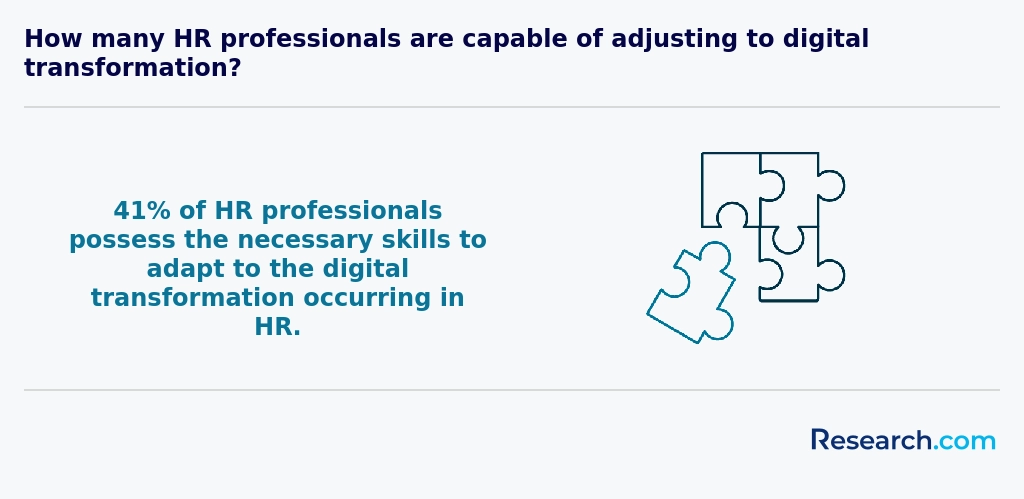
As the landscape of work continues to evolve, Human Resources programs in Virginia are increasingly incorporating innovative technologies and forward-thinking strategies into their curricula. Today’s students are not only mastering traditional HR practices but are also learning how to leverage data analytics, artificial intelligence, and remote collaboration tools to adapt to an ever-changing job market. Trends such as digital transformation in HR operations, the rise of remote work, and the integration of advanced learning management systems are all shaping how organizations manage talent and employee engagement. Furthermore, institutions are embracing hybrid formats that cater to both on-campus and online learners, providing flexible learning options without compromising on the quality of instruction. For instance, many prospective students are exploring options like the cheapest online human resources school in virginia, which combines affordability with innovative course delivery, ensuring that they acquire the skills needed for modern challenges. Looking ahead, graduates who are equipped with both traditional HR expertise and cutting-edge digital skills will be well-positioned to lead in a competitive market. By understanding and adapting to these emerging trends, HR professionals can not only enhance their career prospects but also drive strategic change within their organizations. This future-focused approach is key to maintaining relevance in a dynamic economic environment and ensures that Virginia’s HR degree programs remain responsive to global shifts in business practices.
When pursuing a human resources degree in Virginia, you'll encounter courses designed to give you hands-on skills and a solid foundation in managing people and organizations. For example, graduates from popular Virginia colleges often highlight the value of Introduction to Human Resource Management, where you learn recruitment techniques and how to handle employee relations, preparing you for real hiring scenarios.
Employment Law is another essential course, focusing on Virginia-specific regulations so you understand compliance and protect your future workplace from legal risks. Many students find studying Organizational Behavior inspiring, as it helps you grasp how teams function and thrive, an invaluable skill in any office environment.
Courses like Compensation and Benefits and Training and Development give you tools to motivate employees and plan effective career growth programs, something graduates often describe as energizing and impactful in their internships around Richmond or Charlottesville.
Finally, classes such as Talent Acquisition and Retention and Strategic Human Resources Management prepare you to align HR strategies with company goals, a challenging yet rewarding part praised by recent alumni from multiple Virginia universities.
When exploring human resources management specializations in Virginia, you'll find options that align closely with industry needs and personal career goals. Graduates from popular Virginia universities often share how focusing on Talent Acquisition and Staffing helped them excel in sourcing and retaining skilled candidates amidst competitive markets. Another favored path, Employee Relations and Labor Relations, equips students with the confidence to manage workplace dynamics, union negotiations, and legal compliance, a critical skill in many Virginian public and unionized sectors.
Virginia HR degree concentration options also include Compensation and Benefits Management, where students learn to design equitable pay structures and benefits packages that support employee wellbeing and organizational success. Additionally, some graduates praise the emphasis on Organizational Development and Training, which prepares them to lead impactful change initiatives and foster ongoing workforce development.
Those interested in affordable study choices may want to explore offerings through programs like the Affordable Online Human Resources Degree Programs Ranking in Arkansas, useful for comparing tuition and flexibility. Whether you prefer hands-on experience or strategic roles, these specializations open doors to meaningful careers in Virginia's evolving HR landscape.
Choosing the best human resources degree in Virginia means balancing your career goals with practical factors like cost and flexibility. Graduates from well-known Virginia colleges often highlight how programs with SHRM-aligned curriculum helped them confidently step into leadership roles. If you value accessibility, urban campuses in Richmond or Northern Virginia offer vibrant internship opportunities that connect classroom learning with real-world HR challenges, boosting your employability.
Many students emphasize how affordable HR degrees Virginia 2027 options, including part-time and online studies, unlocked doors while managing budgets and work commitments. For those seeking speed without sacrificing quality, considering accelerated bachelor programs online can be a game-changer, offering intensive but flexible pathways. Remember, accreditation from bodies like ACBSP is a sign of rigorous academics that employers respect. By focusing on these elements, you'll find the right program that feels not just like a degree, but a launchpad for your future in human resources.

Graduates with a human resources degree in Virginia can step into rewarding roles that shape workplaces and impact lives. Many alumni from well-regarded schools like George Mason University and Virginia Commonwealth University share how starting as Human Resources Specialists helped them master recruiting, employee relations, and benefits administration in dynamic regional companies. With Virginia's robust government and tech sectors, opportunities for HR Managers who craft policies and ensure legal compliance are abundant, offering salaries around $105,000 per year. Others thrive as Recruiters, especially in healthcare or federal contractor firms concentrated in Northern Virginia, finding fulfillment in matching talent with purpose.
Popular HR careers also include Training and Development Specialists and Compensation Analysts, roles that empower organizations to grow and maintain competitive edge. Graduates often describe the excitement of applying classroom knowledge to real-life scenarios-designing training programs or negotiating labor contracts. If you seek flexible advancement, consider choosing an easy masters program to build expertise without slowing career momentum. Exploring these possibilities will illuminate your path within human resources career opportunities Virginia offers, inspiring confidence and success.
The human resources job outlook Virginia offers is promising, especially for graduates from well-known institutions like Virginia Tech and George Mason University. Many graduates share how the strong local economy, combined with proximity to government agencies around Washington D.C., opened doors to positions such as HR specialist or recruiter within months of graduating. The vibrant Richmond metropolitan area and Northern Virginia counties give students ample opportunities to connect with employers actively seeking HR knowledge and skills.
Employment trends show that Virginia's diverse sectors-from technology to healthcare-are eager to hire human resources graduates. Starting salaries near $45,000 quickly grow as professionals gain valuable experience and certifications, boosting their careers. Students often remark on the value of affordable in-state tuition options that make pursuing HR degrees within Virginia attractive both financially and logistically. For those weighing their options, understanding the local landscape can help identify career pathways aligned with their passions and strengths.
Many graduates emphasize the advantage of supplementing their degrees with professional certifications. This approach helps them stay competitive in Virginia human resources employment trends and enhances earning potential. If you're exploring majors in college that pay well, human resources in Virginia stands out as a smart and fulfilling choice.
2027 Most Affordable Human Resources Degree Programs Ranking in Virginia
Investing in your education is a significant decision that can shape your career, and the Research.com team recognizes the importance of making well-informed choices. To aid prospective students in Virginia, we have carefully developed the "2027 Most Affordable Human Resources Degree Programs Ranking in Virginia." Our dedication to quality, credibility, and accuracy is demonstrated through thorough research and analysis to ensure a reliable evaluation.
We utilized the following reputable data sources to compile this ranking:
By using this ranking, readers will gain valuable insights into affordable, high-quality human resources degree programs in Virginia, empowering them to make confident and informed educational decisions. For more information on how our ranking was created, please visit our Research.com methodology page.

# 2 position
Strayer University-Virginia
Master of Science in Human Resource Management


Frequently Asked Questions About human resources
Human resources degree students in Virginia can maximize their learning experience by actively engaging in internships offered through local businesses and government agencies. Virginia's diverse economy, including sectors like technology and healthcare, provides a variety of real-world HR opportunities. According to the Virginia Department of Labor, internships improve job placement chances by up to 20% for graduates.
Students should also take advantage of networking events hosted by the Society for Human Resource Management (SHRM) Virginia chapter. These events connect students with professionals and expose them to current industry trends.
Additionally, enrolling in courses that cover Virginia-specific labor laws and workforce demographics can better prepare students for the regional job market.
The human resources field is evolving with several emerging niches gaining momentum, especially in Virginia's dynamic job market. One prominent area is HR analytics, where professionals use data to improve recruitment and employee retention. According to the Society for Human Resource Management (SHRM), HR analytics roles are expected to grow by over 20% nationally by 2028, reflecting increased demand in Virginia's tech and healthcare sectors.
Another growing niche is diversity, equity, and inclusion (DEI). Virginia employers, especially in government and education, are investing heavily in creating equitable workplaces. The Virginia Department of Human Resource Management highlights a 15% annual increase in DEI-related positions.
Additionally, remote workforce management has become a vital area due to hybrid work trends accelerated by the pandemic, requiring new HR skills in virtual engagement and digital compliance.
After earning a human resources degree in Virginia, it is essential to build practical experience and professional connections to enter the job market confidently. Internships or cooperative education programs offered by Virginia universities provide valuable hands-on learning and networking opportunities with local employers.
Certification is another critical step. Pursuing credentials like the SHRM Certified Professional (SHRM-CP) or Professional in Human Resources (PHR) can enhance your credibility and marketability. According to the U.S. Bureau of Labor Statistics, Virginia's HR specialists earn a median annual wage of approximately $65,000, reflecting steady demand in the region.
Engaging with the Virginia State Council of SHRM or regional HR associations helps graduates stay updated on industry trends and job openings. Additionally, leveraging career services at your institution and attending local job fairs can improve your job prospects.
Employers in Virginia highly value human resources graduates with strong communication skills. Effective written and verbal communication allows HR professionals to interact clearly with employees and management. According to the Society for Human Resource Management (SHRM), interpersonal skills and emotional intelligence are critical as HR roles often involve conflict resolution and employee relations.
Virginia's growing industries, including technology and healthcare, emphasize the importance of adaptability and problem-solving skills. Data from the Virginia Employment Commission highlights that analytical abilities help HR specialists manage workforce planning and compliance with labor laws.
Additionally, knowledge of HR technology platforms and proficiency in organizational development are frequently requested by employers across the state.
Finding internships in Virginia relevant to a human resources degree involves targeting multiple local resources. Start by exploring Virginia's universities that offer HR programs, like George Mason University and Virginia Commonwealth University, as they often maintain internship listings for enrolled students. The Virginia Workforce Connection website also provides valuable listings of HR internships across the state.
Additionally, consider connecting with the Society for Human Resource Management (SHRM) Virginia chapters, which frequently post internship opportunities and networking events. According to the Virginia Employment Commission, healthcare, technology, and government sectors are significant employers of HR interns in the state. Actively searching job boards such as Handshake and LinkedIn filtered by Virginia location can also increase internship prospects.
In Virginia, earning a human resources (HR) degree plays a significant role in enhancing career mobility and advancement. According to the U.S. Bureau of Labor Statistics, HR specialists in Virginia earn a median annual wage higher than the national average, reflecting demand for well-educated professionals. A degree in HR often provides necessary knowledge in labor laws, employee relations, and organizational behavior, which are critical for promotion to managerial roles.
Many Virginia employers prefer candidates with accredited HR degrees, especially those with SHRM or HRCI certifications. This preference can accelerate career growth by opening opportunities in sectors like government, healthcare, and technology. The degree also helps graduates adapt to evolving HR technologies and compliance standards, essential for leadership positions.
Studying for a human resources degree in Virginia offers students a strong foundation in HR principles while emphasizing interdisciplinary skills. Many programs incorporate courses in business administration, psychology, and labor law, reflecting the diverse nature of HR roles today.
This interdisciplinary approach equips graduates to navigate areas such as organizational behavior, compliance, and employee relations effectively. According to the Virginia Employment Commission, sectors like healthcare, technology, and government value HR professionals who understand multiple business functions.
Moreover, hands-on experiences through internships and collaborative projects strengthen real-world problem-solving abilities across disciplines, preparing students for varied career paths beyond traditional HR roles.
When choosing between a thesis and a non-thesis human resources degree program in Virginia, consider your career goals first. Thesis programs typically suit students aiming for research roles or doctoral studies, as they emphasize original research and critical analysis. Non-thesis options focus more on practical skills and coursework, ideal for those targeting immediate employment in HR management or consulting.
The Virginia Employment Commission notes that demand for HR specialists in the state is projected to grow by 7% through 2030, indicating a need for both research and applied skills. Public universities in Virginia often offer both tracks, allowing flexibility based on individual preferences.
Another factor is time commitment: thesis programs may require an additional semester or more to complete the research component. Also, assess your interest in academic writing and independent study, as theses demand significant self-motivation. Reviewing Virginia's university program descriptions and connecting with admissions advisors can provide clarity on what best fits your educational and professional development needs.
Students based in Virginia who wish to study human resources abroad have several viable options through their home institutions. Many Virginia universities participate in study abroad programs, allowing students to earn credits toward their human resources degree while gaining valuable international experience.
For example, institutions like Virginia Commonwealth University and the University of Virginia offer partnerships with universities in Europe, Asia, and Latin America. These programs often include courses in business, management, and labor relations relevant to human resources.
Financial aid and scholarships may be available specifically for study abroad semesters, helping to offset costs. It is important for students to consult with their university's study abroad office and human resources department to identify appropriate programs and ensure transferability of credits.
According to the Virginia Department of Education, around 12% of undergraduate students in state universities participate in some form of study abroad, with business-related fields like human resources being a popular choice for international studies.
Part-time job opportunities in Virginia that complement human resources degree education often include roles in recruitment assistance, administrative support, and employee relations. These positions allow students to develop practical skills such as interviewing, onboarding, and payroll processing while studying. According to the Virginia Employment Commission, the demand for HR professionals in the state is projected to grow by 7% over the next decade, indicating strong future career prospects. Many businesses in areas like Richmond and Northern Virginia seek part-time HR interns or assistants, offering a chance to gain experience in compliance and workforce management. Such jobs can enhance both academic learning and employability.
Human resources students in Virginia have several valuable networking opportunities that can enhance their education and career prospects. Many universities in the state maintain strong connections with local businesses and the Virginia HR community, providing students with access to internships, job fairs, and guest lectures from HR professionals.
The Society for Human Resource Management (SHRM) has active chapters throughout Virginia, including in Richmond, Northern Virginia, and Hampton Roads. These chapters host regular events, workshops, and conferences that allow students to meet experienced HR practitioners and alumni.
Additionally, Virginia's proximity to Washington, D.C., offers expanded networking through federal agencies and private companies. According to the Virginia Economic Development Partnership, the HR and professional services sector supports thousands of jobs statewide, making networking an essential tool for entering the field.
Alumni networks offer significant advantages to human resources degree students in Virginia by providing valuable connections within the local HR industry. These networks can help students gain mentorship from experienced professionals, enhancing their understanding of workplace trends and best practices. According to the Society for Human Resource Management (SHRM), Virginia is home to numerous HR organizations, making alumni contacts especially beneficial for networking and job placement.
Students also access exclusive internships and job opportunities through alumni hubs. Networking events hosted by universities often feature Virginia-based HR leaders, giving students firsthand insights into the state's employment landscape. Strong alumni ties improve career prospects by connecting students with employers across diverse Virginia sectors such as government, healthcare, and technology.
Customizing a human resources degree program in Virginia allows students to align their education with specific career goals. Many universities offer elective courses focused on areas such as labor relations, organizational psychology, or compensation management. Choosing relevant internships or cooperative education opportunities within Virginia companies can provide practical experience tailored to your interests.
Additionally, some programs incorporate certifications like the SHRM-CP (Society for Human Resource Management Certified Professional), enhancing job readiness in competitive Virginia job markets. According to Virginia's Employment Commission, HR roles are projected to grow 7% through 2030, emphasizing the importance of specialized skills.
Consult academic advisors to select courses and experiences that fit the evolving needs of industries across Virginia, such as technology, healthcare, or government sectors.
Human resources students in Virginia often face several notable challenges throughout their education. One common difficulty is balancing rigorous coursework with practical experience, as many programs emphasize both theory and hands-on skills needed for compliance with federal and state labor laws.
Additionally, students may struggle with understanding the complexities of Virginia's workplace regulations, which can differ significantly from those of other states. According to the Virginia Employment Commission, adapting to evolving labor standards and diversity policies requires continuous learning.
Financial constraints also affect many students, as tuition and living costs in Virginia can be high relative to average in-state salaries.
With a human resources degree in Virginia, several professional certifications can enhance your career prospects. The most recognized is the Professional in Human Resources (PHR) credential, offered by the HR Certification Institute (HRCI). This certification demonstrates expertise in HR operations and is valued by Virginia employers. Another key option is the SHRM Certified Professional (SHRM-CP), provided by the Society for Human Resource Management, focusing on strategic HR knowledge.
Virginia's growing job market for HR professionals often requires such certifications to advance. According to the U.S. Bureau of Labor Statistics, HR professionals in Virginia earn a median annual salary of about $70,000, increasing with certification and experience. These credentials help demonstrate specialized knowledge in recruitment, labor laws, and employee relations.
When applying to a human resources degree program in Virginia, start by carefully researching the schools' specific admission criteria. Many universities in Virginia, like Virginia Commonwealth University and George Mason University, look for applicants with strong academic records and relevant extracurricular experiences.
Highlight your interest in human resources by discussing any work or volunteer experience related to management, communication, or organizational skills. According to the U.S. Bureau of Labor Statistics, Virginia's demand for human resources specialists is projected to grow by 7% through 2031, making your commitment to the field significant.
Ensure your personal statement clearly explains your career goals and why you chose human resources as a focus. Tailoring your application to each program's values and strengths can increase your chances. Finally, proofread your materials thoroughly to present a professional and polished application.
Human resources (HR) careers are increasingly valued worldwide for managing diverse workforces and fostering organizational success. In the United States, including Virginia, HR professionals play a critical role in compliance with global labor standards and cross-cultural management.
Globally, HR careers emphasize adaptability to international employment laws and cultural differences. This approach enhances collaboration in multinational companies, which are prevalent in Virginia's growing economy. According to the U.S. Bureau of Labor Statistics, HR specialist employment in Virginia is expected to grow 7% from 2021 to 2031, reflecting sustained demand.
Understanding global perspectives helps Virginia-based HR graduates support businesses expanding beyond U.S. borders. They develop skills in diversity management, legal frameworks, and employee relations, aligning with international best practices. These competencies increasingly define successful HR professionals as companies navigate globalization.
Gaining practical experience while studying for a human resources degree in Virginia is essential for career readiness. Many Virginia colleges offer internships with local businesses, nonprofits, and government agencies, allowing students to apply classroom knowledge in real-world settings. According to the Virginia Department of Labor, internships boost employment chances by up to 60% in human resources roles.
Students can also join campus HR clubs or participate in networking events hosted by the Virginia Society for Human Resource Management (VA SHRM). These opportunities expose students to industry professionals and trends. Additionally, cooperative education programs (co-ops) provide paid work experience integrated with academic study.
Choosing the right concentration within a human resources degree program in Virginia depends on your career goals and interests. Popular concentrations include talent management, labor relations, and employee development. According to the Society for Human Resource Management (SHRM), areas like talent acquisition and organizational development are growing rapidly nationwide, including in Virginia's major employment hubs such as Arlington and Richmond.
Research Virginia's local job market to see which specializations employers demand most. For example, Northern Virginia's strong federal and tech sectors increase demand for HR professionals skilled in compliance and workforce analytics.
Also, consider certifications linked to your concentration, such as SHRM-CP, to improve employability.
- 2027 Most Affordable Human Resources Degree Programs Ranking in Delaware
- 2027 Most Affordable Human Resources Degree Programs Ranking in New Jersey
- 2027 Most Affordable Human Resources Degree Programs Ranking in Florida
- 2027 Most Affordable Human Resources Degree Programs Ranking in Alabama
- 2027 Most Affordable Human Resources Degree Programs Ranking in Connecticut
- 2027 Most Affordable Human Resources Degree Programs Ranking in Massachusetts
- 2027 Most Affordable Human Resources Degree Programs Ranking in Missouri
- 2027 Most Affordable Human Resources Degree Programs Ranking in Michigan
- 2027 Most Affordable Human Resources Degree Programs Ranking in Minnesota
- 2027 Most Affordable Human Resources Degree Programs Ranking in Nebraska
See What Experts Have To Say About Studying Human Resources
Read our interview with Human Resources experts

Thomas Kochan
Human Resources Expert
Professor of Management
Massachusetts Institute of Technology

Chester S. Spell
Human Resources Expert
Professor of Management
Rutgers University

Rick Hackett
Human Resources Expert
Professor, Human Resources & Management
McMaster University

- What skills and competencies do you need for a career in HR? https://targetjobs.co.uk/careers-advice/hr-and-recruitment/what-skills-and-competencies-do-you-need-career-hr
- Management | Central Virginia Community College https://centralvirginia.edu/programs-classes/business/management
- 13+ Human Resources Cover Letter Examples (with In-Depth Guidance) https://www.tealhq.com/cover-letter-examples/human-resources
- How to Maximize the Impact of Alumni Networks https://www.careeros.com/resources/how-to-maximize-the-impact-of-alumni-networks
- What to do after a Bachelor's degree in HR https://www.ipag.edu/en/blog/what-do-after-bachelors-degree-hr
- How to Write an HR Manager Cover Letter - HR University https://hr.university/career/hr-manager/hr-manager-cover-letter/
- Redefining career development: Skills, mobility and retention https://hrexecutive.com/redefining-career-development-skills-mobility-and-retention/
- HUMAN RESOURCE MANAGEMENT (THESIS / NON-THESIS) - Lisansüstü Eğitim Enstitüsü https://lee.nisantasi.edu.tr/en/human-resource-management-thesis-non-thesis/
- 2025 Most Affordable Online Human Resources Degrees https://www.onlineu.com/most-affordable-colleges/human-resources-degrees
- Advice on gaining HR experience as a student https://community.cipd.co.uk/discussion-forums/careers-clinic/f/work-experience-internships-mentoring/26333/advice-on-gaining-hr-experience-as-a-student