2027 Best Online Master's in Human Resources Degree Programs Ranking in Minnesota

Co-Founder and Chief Data Scientist
If you're thinking about advancing your career in human resources, earning a master's degree can open many doors. Our article presents the 2027 Best Online Master's in Human Resources Degree Programs Ranking in Minnesota, carefully crafted by the Research.com team of data scientists. This ranking helps you identify quality programs worth considering, all from the comfort of your home.
Reading this guide will give you valuable insights to make an informed choice tailored to your goals. A human resources degree offers rewarding opportunities to grow professionally and personally.
Key benefits of getting online human resources degree in Minnesota
- Graduates with a human resources degree in Minnesota can expect strong earning potential, with roles like Human Resources Manager and Talent Acquisition Manager earning mean annual wages around $154,740.
- Career paths for graduates are diverse, including positions in employee engagement, workforce planning, and compensation management, providing exciting options to match your passion and skills.
- Online human resources degrees from Minnesota universities offer flexibility and convenience, allowing you to balance work and study while accessing quality education that opens doors to rewarding HR careers.
- Key benefits of getting online human resources degree in Minnesota
- What can I expect from online human resources degree in Minnesota?
- Where can I work with online human resources degree in Minnesota?
- How much can I make with online human resources degree in Minnesota?
- 2027 Best Online Master's in Human Resources Degree Programs Ranking in Minnesota
- Key Findings
- How long does it take to complete online human resources degree in Minnesota?
- What's the difference between online and on-campus human resources degree?
- What is the average cost of online human resources degree in Minnesota?
- What financial aid is available to online human resources degree students in Minnesota?
- What are the prerequisites for enrolling in online human resources degree program in Minnesota?
- What courses are typically in online human resources degree programs in Minnesota?
- What types of specializations are available in online human resources degree programs in Minnesota?
- How do you choose the best online human resources degree in Minnesota?
- What career paths are available for online human resources degree students in Minnesota?
- What is the job market for online human resources degree in Minnesota?
- Related Human Resources Rankings for Nearby States
- Top Trending Human Resources Rankings
- See What Experts Have To Say About Studying Human Resources
What can I expect from online human resources degree in Minnesota?
Students pursuing an online human resources degree in Minnesota can expect tuition costs typically ranging from $10,000 to $25,000 for a full bachelor's or master's program, depending on the institution. For instance, graduates from popular universities like the University of Minnesota or Metropolitan State University report paying within this range, often appreciating the value given the quality of curriculum and access to experienced faculty.
Many students choose part-time enrollment to balance work and study, spreading expenses over two or more years without sacrificing program rigor. This practical approach helps manage finances while gaining skills directly applicable to Minnesota's diverse industries.
Graduates recall how affordable tuition paired with online learning flexibility made advancing their careers achievable without overwhelming debt. They credit programs' focus on real-world HR scenarios-such as navigating labor laws in Minnesota's healthcare sector-as key to their positive, confident transitions into professional roles.
To get the best cost-to-benefit outcome, students should verify regional accreditation and explore financial aid or employer tuition reimbursement options offered by many Minnesota schools.
Where can I work with online human resources degree in Minnesota?
Graduates with an online human resources degree in Minnesota find diverse job opportunities across industries. Many start their careers in the Greater Minneapolis-St. Paul area, where companies-from Fortune 500 firms to local businesses-hire HR specialists to manage recruitment, employee relations, and benefits administration. Students from popular institutions like the University of Minnesota and St. Cloud State University often secure positions as recruiters or training coordinators in healthcare systems such as Mayo Clinic or HealthPartners, gaining hands-on experience with talent management in fast-paced environments.
Others explore public sector roles in state agencies, local government, or school districts where they support labor compliance and workforce management. Manufacturing companies also employ HR graduates to oversee workplace safety and employee programs, providing practical challenges in large industrial settings. These paths reflect common success stories of graduates who value the balance between stable employment and meaningful impact in Minnesota's dynamic economy.
How much can I make with online human resources degree in Minnesota?
Graduates with an online human resources degree in Minnesota can expect to earn competitive salaries aligned with local market demand. For example, entry-level roles like Workforce Planning Analyst offer a mean annual wage of approximately $95,600. This is a solid starting point for recent graduates from institutions such as the University of Minnesota or Minnesota State University.
As HR professionals gain experience and pursue advanced roles, salaries increase significantly. Human Resources Managers earn a mean annual wage near $154,740, reflecting higher responsibility and leadership duties in Minnesota's thriving industries. Graduates who complete a master's degree online often qualify for these managerial positions, enjoying the financial benefits and career growth they bring.
Other managerial positions such as Compensation and Benefits Manager or Talent Acquisition Manager also pay around $150,940 to $154,740 annually. Graduates consistently describe feeling satisfied knowing their degree from Minnesota colleges offered practical skills that translated directly to these well-paying roles.
Choosing an online program in Minnesota means tapping into a growing HR job market, especially in metropolitan areas like Minneapolis-Saint Paul, where salaries tend to be higher due to demand.
2027 Best Online Master's in Human Resources Degree Programs Ranking in Minnesota
How do we rank schools?
Investing in your education is a significant decision that can shape your future, and the Research.com team recognizes the importance of making well-informed choices. To guide prospective students in Minnesota, we have carefully developed the "2027 Best Online Master's in Human Resources Degree Programs Ranking in Minnesota." Our dedication to quality, credibility, and accuracy is evident in the thorough analysis and research underlying this ranking.
We utilized the following reputable data sources to ensure a comprehensive evaluation of human resources programs:
By consulting this ranking, readers will gain valuable insights into top-quality online human resources master's programs in Minnesota, empowering them to make strategic educational decisions. For further information on our ranking process, please visit our Research.com methodology page.


# 3 position
Walden University
Master of Human Resource Management

Key Findings
- Tuition for online human resources master's degrees in Minnesota averages between $15,000 and $30,000, with lower rates for in-state students at public universities.
- Minnesota's economy drives steady demand for HR professionals, with growth expected through the mid-2020s in sectors like healthcare and technology.
- Entry-level HR salaries in Minnesota range from $55,000 to $65,000, while experienced professionals can earn around $85,000 or more annually.
- Many online HR programs in Minnesota align with SHRM standards, preparing students for certifications such as PHR and SHRM-CP.
- Most online master's degree programs allow part-time study, typically taking two to three years to complete, with some accelerated options available.
How long does it take to complete online human resources degree in Minnesota?
Completing an online human resources degree in Minnesota typically depends on whether you pursue a bachelor's or master's program and your study pace. For bachelor's degrees, most graduates from schools like the University of Minnesota or Minnesota State University report finishing around four years if studying full-time, based on the standard 120 credit hours. Many working adults in these programs appreciate the flexibility to extend their studies to five or six years part-time, balancing work and family responsibilities without stress.
Master's degree students, often enrolled at institutions such as Hamline University or St. Cloud State University, find that the 30 to 45 credit hour programs can take 18 to 24 months full-time. Graduates frequently share that part-time options stretch up to three or four years, which feels more manageable amid career duties. Some accelerated tracks they choose enable completion in as little as one year, providing a fast, rewarding path forward. These flexible designs let Minnesota learners tailor their studies to real life, making progress without overwhelming pressure.
What's the difference between online and on-campus human resources degree?
Choosing between online and on-campus human resources degrees in Minnesota hinges on how you want to learn and live during your studies. Online programs, such as those offered by several state universities, are built for flexibility. Graduates often recall juggling family duties or full-time jobs while accessing lectures anytime, avoiding heavy metro commutes like those around Minneapolis-St. Paul. This format lets you study without relocating, saving time and money, with tuition roughly 15-20% cheaper than in-person options.
On-campus degrees at institutions like the University of Minnesota create dynamic environments where students benefit from direct faculty interaction and peer networking. Graduates highlight the value of participating in group projects and campus HR resource centers for real-time feedback and skill-building. These experiences foster confidence and connections that can fast-track career growth.
Both program types follow rigorous SHRM-aligned curricula, but success online demands discipline and tech savvy. Your choice should reflect whether you thrive in structured social settings or prefer self-paced learning tied to Minnesota's unique living costs and commuting challenges.
What is the average cost of online human resources degree in Minnesota?
The average cost of an online human resources degree in Minnesota typically centers around a median total expense of about $23,790. This figure reflects the balance of tuition fees from various institutions and aligns well with what recent graduates have experienced in programs offered by well-regarded Minnesota colleges. Public institutions tend to be more affordable, often charging between $12,000 and $25,000 for the entire program, which makes online learning accessible without compromising quality.
Graduates often share how the manageable tuition combined with the flexibility of online courses helped them pursue advanced studies while working full-time. Many students choose popular Minnesota universities known for strong HR programs because they offer a practical curriculum and tuition rates that match the median cost noted above.
It's also important to remember that Minnesota online HR degree tuition and fees can vary widely depending on whether you attend a public or private institution. Private schools often charge between $25,000 and $45,000 total, but financial aid and employer tuition reimbursement programs are commonly available, making these options more affordable. Careful budgeting should also include additional costs such as technology fees and course materials, which can add 5-10% to the total cost.
For those who want to compare costs early on, exploring options like the best accelerated associates degree can offer insights into structuring a degree path that fits both financial and scheduling needs. Adopting a step-by-step financial plan helps ensure that investing in an online human resources degree in Minnesota becomes a positive and manageable journey.
What financial aid is available to online human resources degree students in Minnesota?
Applying for federal financial aid through FAFSA is the first practical step for Minnesota students pursuing an online human resources degree. Many graduates from Minnesota State Colleges, for example, appreciated how Direct Unsubsidized and Grad PLUS loans gave them flexible options without overwhelming immediate repayment demands. Though Pell Grants mainly support undergraduates, these loans provide vital financial relief at the graduate level.
State aid, while more limited, can still support students in unique ways. Workforce development grants in Minnesota have helped some human resources students reduce their tuition at institutions like the University of Minnesota's online programs, especially when entering high-demand sectors. Checking eligibility with the school's financial aid office is essential to uncover these opportunities.
Institutional scholarships and assistantships are another important source. Graduates from Minnesota State Colleges recall how merit-based scholarships and paid assistantships gave them both financial support and valuable professional experience. Employer tuition reimbursement programs in Minnesota also play a key role, often allowing students working in HR to complete their degree with minimal out-of-pocket costs.
Lastly, private scholarships via organizations like SHRM can boost your funding, rewarding both academic excellence and HR experience. Many online students found applying for these awards rewarding, adding to their confidence and financial peace of mind.
What are the prerequisites for enrolling in online human resources degree program in Minnesota?
To enroll in an online human resources degree in Minnesota, you'll need a bachelor's degree from a regionally accredited school, though it doesn't have to be specifically in HR or business. Many graduates from Minnesota State University or the University of Minnesota found that having relevant coursework or professional experience in fields like recruitment or employee relations really helped them meet admission standards and boosted their confidence during the process.
Applicants should prepare to submit official transcripts showing solid academic performance, usually with a minimum GPA around 3.0. For those balancing work and study, programs often consider strong professional experience as a valuable asset-even allowing waivers for GRE or GMAT tests if leadership roles in HR have been demonstrated.
Most Minnesota programs also ask for a resume or CV detailing your HR-related work history, and letters of recommendation from supervisors or professors who can attest to your preparedness. This combination proved reassuring to graduates who appreciated tangible proof of their readiness for graduate coursework.
By focusing on these prerequisites, prospective students save time and money while stepping confidently toward advancing their HR careers in Minnesota's competitive job market.
What courses are typically in online human resources degree programs in Minnesota?
Students pursuing an online human resources degree in Minnesota typically navigate a well-rounded set of courses tailored to local workforce needs. For example, graduates from universities like the University of Minnesota or Minnesota State University often point to Human Resource Management as a practical starting point, where they learn recruitment and workforce planning by simulating hiring processes in Minnesota-based companies.
Employment Law and Labor Relations classes are essential, especially since Minnesota's labor laws provide unique challenges around unions and workplace safety. Graduates recall how studying these laws helped them confidently handle real incidents during internships.
Courses in Organizational Behavior and Strategic Human Resources train students to understand team dynamics and align HR strategies with company goals, skills praised by Minnesota employers. Additionally, classes on Compensation and Benefits prepare learners to design competitive pay packages relevant to local job markets.
Finally, diversity and inclusion receive specific focus, reflecting Minnesota's changing demographics, which graduates find rewarding as they promote genuinely inclusive workplaces post-graduation.
What types of specializations are available in online human resources degree programs in Minnesota?
Online human resources degree specializations in Minnesota commonly include talent acquisition and recruitment, employee relations and conflict resolution, compensation and benefits management, HR analytics and technology, and organizational development. Graduates from well-regarded institutions in Minnesota often share that focusing on recruitment skills helped them confidently navigate the competitive local job market, especially in thriving sectors like healthcare and technology. For example, learning how to attract and retain quality employees translates directly to better job prospects at companies around the Twin Cities.
Another specialization, employee relations, equips students with practical conflict resolution techniques suited for Minnesota's diverse workplaces-from manufacturing plants to educational institutions. Many graduates report feeling empowered to handle real-life disputes effectively, which boosts overall employee satisfaction.
Compensation and benefits management is critical too, since Minnesota businesses must comply with specific labor laws while controlling rising costs. Meanwhile, HR analytics and organizational development offer focused training in data-driven decisions and improving company culture, skills that graduates value highly.
Those planning their studies often research programs combining these specializations with cost-effective tuition. To complement this, exploring certifications that pay well can make a strong career impact.
How do you choose the best online human resources degree in Minnesota?
Start by verifying that the program holds accreditation from respected bodies like the Higher Learning Commission, ensuring your degree is valued in Minnesota's job market. Graduates from popular local universities often praise programs that emphasize current Minnesota workforce needs, such as talent management and employment law tailored to state regulations. Those seeking the best online human resources degree Minnesota often appreciate schools offering flexible, fully online curricula with asynchronous classes, enabling them to balance work and study effectively.
Cost matters, so look for affordable human resources master's programs Minnesota that keep total tuition between $15,000 and $30,000, including potential technology fees. Many graduates share that programs with strong career support and connections to Minnesota businesses helped them secure internships and roles in healthcare or manufacturing sectors. To align your education track wisely, explore college majors that emphasize practical skills and local employment trends.
What career paths are available for online human resources degree students in Minnesota?
Graduates holding an online human resources degree in Minnesota can pursue a variety of career paths tailored to the state's job market. Popular roles include Human Resources Specialist, HR Manager, and Training and Development Manager, with many professionals finding opportunities in sectors like healthcare, manufacturing, and finance. For instance, graduates from prominent Minnesota institutions often move into Compensation and Benefits Analyst or Labor Relations Specialist positions, leveraging their degree to address specific workforce challenges. These roles align well with Minnesota's economic landscape, ensuring steady demand and growth.
Many students appreciate how the flexibility of online programs allows them to work in entry-level HR roles while advancing their education. This hands-on experience is essential for career advancement into leadership positions such as HR Director or Diversity and Inclusion Officer, common among professionals who graduate from Minnesota colleges. For motivated students seeking to accelerate their studies, reputable schools offer fast-track degree programs that help quickly build relevant skills and credentials. Exploring fast track degree programs can be a practical step to boost career progression in this field.
For those considering online human resources careers in Minnesota, focusing on gaining certifications like SHRM-CP alongside the degree enhances employability. Graduates often report positive outcomes after combining academic knowledge with real-world application in Minnesota's diverse industries, making this path a rewarding option for career-focused individuals.
What is the job market for online human resources degree in Minnesota?
The job market for online human resources jobs Minnesota is solid, especially for graduates from well-known universities in the state. Graduates often find employment in metropolitan hubs like Minneapolis-Saint Paul, where companies actively seek HR professionals to handle workforce planning and employee relations. Those with advanced online degrees from Minnesota institutions report feeling confident stepping into roles that emphasize talent development and diversity initiatives.
A common path for graduates involves leveraging flexible online programs to gain their credentials while working, making the transition to HR positions smoother. For example, students balancing family or career obligations appreciate how these programs prepare them for roles demanding strategic HR skills without disrupting their lives. Salaries for HR roles remain competitive, with median figures around $64,000 for specialists.
To maximize opportunities, consider programs that focus on healthcare and technology sectors, both growing fields in Minnesota. Graduates also emphasize the benefit of exploring 1 year master's programs online to accelerate entry into the workforce and reduce costs.
Frequently Asked Questions About human resources
Online human resources degree students in Minnesota can enhance their learning by actively engaging with digital course materials and participating in virtual discussions. Minnesota employers value practical experience, so seeking internships or volunteer opportunities locally can complement academic knowledge.
Utilizing resources offered by the Society for Human Resource Management (SHRM) Minnesota State Council provides networking and professional development opportunities valuable to students.
According to the Minnesota Department of Employment and Economic Development, HR jobs in the state are projected to grow by 8% through 2030, so staying current with local labor market trends through state databases can inform career planning.
Consistently applying learned theories to local workplace practices strengthens understanding and career readiness.
Within the human resources (HR) field, several emerging niches are gaining prominence, driven by technological advances and shifting workforce dynamics. One key area is HR analytics, which uses data insights to improve hiring, retention, and employee engagement decisions. According to the Society for Human Resource Management, organizations adopting analytics report up to 20% higher employee retention rates.
Another growth niche is diversity, equity, and inclusion (DEI) management, especially important in Minnesota's increasingly diverse workplaces. Businesses here are focusing on creating inclusive cultures to boost innovation and legal compliance.
Remote workforce management is also critical as Minnesota companies expand hybrid work models. HR professionals skilled in virtual employee engagement and digital collaboration tools are in greater demand.
After completing an online human resources degree in Minnesota, preparing for the job market involves targeted strategies. Begin by earning professional certifications such as the SHRM-CP or PHR, which enhance credibility and are recognized nationwide. According to the Minnesota Department of Employment and Economic Development, HR specialists in the state can expect a 7% growth rate through 2030, signaling increasing opportunities.
Networking within local HR associations like the Minnesota SHRM chapter is also crucial. Engage in internships or volunteer roles to build practical experience. Craft a tailored resume highlighting skills in labor relations, compliance, and talent management, all highly sought after in Minnesota's business sectors.
Employers in Minnesota prioritize several key skills when hiring human resources degree graduates. Strong communication abilities are essential, as HR professionals must interact clearly with employees and management. Expertise in employment laws and regulations, especially those specific to Minnesota, is highly valued to ensure compliance and reduce legal risks. Analytical skills also stand out, allowing graduates to interpret workforce data and improve organizational efficiency. Additionally, leadership and conflict resolution competencies are important, given the role of HR in managing workplace relationships. According to the Minnesota Department of Employment and Economic Development, demand for HR specialists is projected to grow by 9% by 2030, underscoring the need for these skills.
To find internships in Minnesota relevant to a human resources degree, start by exploring local university career centers. Many institutions offer virtual support for online students, including connections to Minnesota-based companies. The Minnesota Private College Council reports that internships in HR roles are increasingly available in industries like healthcare, manufacturing, and finance.
Additionally, professional organizations such as the Minnesota chapter of the Society for Human Resource Management (SHRM) provide valuable networking opportunities and internship listings. Websites like Handshake and MinnesotaWorks.net often feature internships specifically in HR fields.
Contacting Minnesota businesses directly, especially those with established HR departments, can uncover unadvertised internship options.
Obtaining an online human resources degree in Minnesota can significantly enhance career mobility and advancement opportunities. The state's growing economy, particularly in the Twin Cities, drives demand for skilled HR professionals who understand modern workplace challenges.
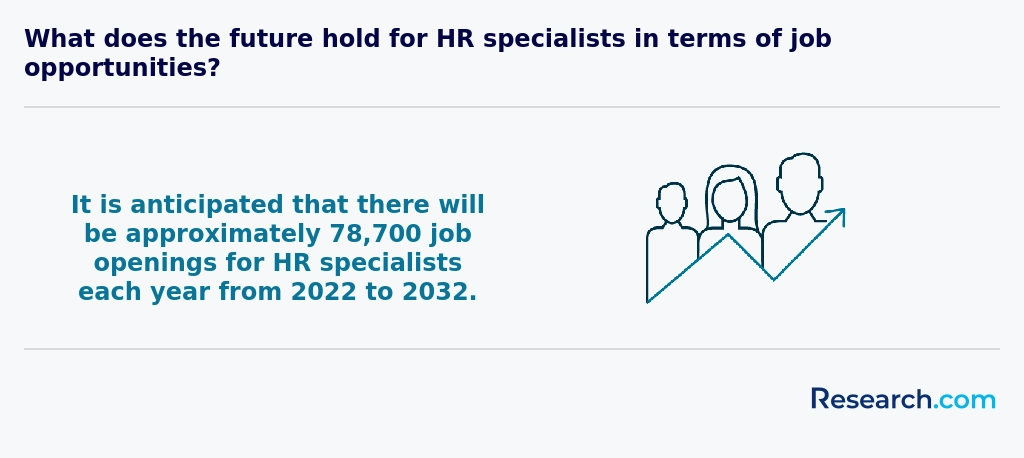
According to the Bureau of Labor Statistics, Minnesota is expected to see a 7% growth in human resources specialist roles between 2022 and 2032, slightly higher than the national average. An online degree offers flexibility while providing essential skills such as employment law, organizational behavior, and talent management.
Professionals with such degrees are better positioned for promotions and salary increases. The Minnesota Department of Employment and Economic Development notes that HR managers earn a median annual wage of over $115,000, reflecting strong advancement potential with relevant credentials.
Moreover, many Minnesota employers value degrees accredited by recognized bodies like SHRM, which online programs often emphasize, helping graduates stand out in competitive job markets.
Studying for an online human resources degree in Minnesota equips students with diverse skills applicable across multiple disciplines. Programs typically integrate courses in business management, organizational psychology, and labor law, reflecting the complex role HR professionals play today. This interdisciplinary approach helps graduates navigate challenges involving employee relations, compliance, and strategic planning.
According to the Minnesota Department of Employment and Economic Development, HR roles in the state often require collaboration with finance, marketing, and operations teams. Online degrees prepare students for these interactions by emphasizing communication and data analysis.
Additionally, Minnesota's growing industries, such as healthcare and manufacturing, demand HR professionals who understand sector-specific needs, thus enhancing interdisciplinary competence.
When choosing between a thesis and a non-thesis online human resources degree in Minnesota, consider your career goals and learning preferences. A thesis option typically suits students interested in research, data analysis, or pursuing a PhD. It involves completing original research and a written dissertation, which can take extra time but builds strong analytical skills. Non-thesis programs focus more on practical skills and coursework, appealing to those aiming for direct professional roles in HR management or consulting.
MN Department of Employment reports a 7% growth in HR specialist jobs by 2030, highlighting demand for practical expertise. Evaluating program requirements and job market demands in Minnesota can guide your decision.
Students in Minnesota interested in studying human resources abroad generally face limited direct options because most international programs require physical attendance. However, many U.S. universities offer online degrees with global perspectives, allowing Minnesota residents to engage with international HR concepts without relocating. Additionally, Minnesota students can explore exchange programs or partnerships between local institutions and foreign universities that sometimes include virtual coursework.
The Minnesota Department of Employment and Economic Development reports that HR specialist roles are growing locally by 7% annually, highlighting local demand that aligns with increasingly global HR skills. While online international degrees are rare, Minnesota learners can pursue accredited programs recognized nationally that incorporate cross-cultural HR training, which is vital for careers in multinational companies.
Part-time job opportunities in Minnesota can effectively complement online human resources degree education by providing practical experience alongside academic learning. Positions such as HR assistant, recruitment coordinator, or payroll clerk are common roles that allow students to apply theoretical knowledge. According to the Minnesota Department of Employment and Economic Development, HR-related jobs are projected to grow by 7% through 2030, indicating a strong local demand.
Many Minnesota businesses, including healthcare, manufacturing, and education sectors, seek part-time HR support to manage staffing, compliance, and employee relations. Engaging in these roles helps students develop communication and organizational skills critical for HR professionals.
Additionally, internships or temporary roles in Minnesota's Twin Cities metro area, the state's largest employment market, offer extensive networking opportunities, enhancing career prospects after graduation.
Online human resources students in Minnesota have access to several networking opportunities that enhance their education and career prospects. Many Minnesota universities offering online HR degrees encourage participation in live virtual events, allowing students to connect with peers and professionals statewide. Local chapters of the Society for Human Resource Management (SHRM) in Minnesota host workshops, webinars, and conferences, providing valuable platforms for professional interaction. According to SHRM Minnesota, over 1,500 members currently engage in such events annually, creating robust networking ecosystems.
Additionally, Minnesota's strong HR job market-projected to grow by 7% through 2030 per the Bureau of Labor Statistics-means students can leverage alumni networks and regional HR associations. These connections help with mentorship, internships, and job placement opportunities in major Minnesota employment hubs such as Minneapolis and St. Paul.
Alumni networks are valuable resources for students pursuing online human resources degrees in Minnesota. These networks provide access to a community of professionals who have completed similar programs, offering mentorship and career guidance. According to the Society for Human Resource Management, connections within alumni communities often lead to job opportunities, internships, and industry insights.
In Minnesota, where the human resources sector is robust due to diverse industries like healthcare and manufacturing, alumni networks can help students tap into local job markets. The Minnesota Department of Employment and Economic Development reports a steady demand for HR professionals, with an estimated 7% growth over the next decade.
Active alumni associations also offer networking events and workshops, enriching students' professional development and enhancing their resumes. These structured opportunities make it easier for online students to build relationships despite geographic separation.
Many online human resources degree programs in Minnesota offer flexible curricula that allow students to tailor their studies to specific career goals. Students often choose from various electives focusing on areas like talent management, labor relations, or organizational development. Some schools also provide options for certificates or specializations within the degree.
Additionally, students can engage in internships or practical projects coordinated through their programs, providing hands-on experience valued by local employers. Minnesota's Department of Employment and Economic Development highlights a growing HR job market, making specialized skills attractive. Always review each program's course structure and advisory support to maximize customization.
Online human resources students in Minnesota often face challenges related to balancing work, family, and study commitments. Many learners are working professionals, which can make time management difficult. Additionally, some students report needing stronger support for developing practical HR skills through virtual platforms.
Technical issues also pose difficulties, especially for students in rural areas with limited internet access. According to the Minnesota Department of Employment and Economic Development, about 17% of rural households lack reliable broadband, affecting online learning quality.
Finally, navigating state-specific HR regulations can be complex. Minnesota's labor laws have unique features, requiring coursework tailored to local legal compliance-something not all programs fully address.
With an online human resources degree, Minnesota students can pursue several respected professional certifications that enhance career prospects. The most recognized is the Professional in Human Resources (PHR) certification offered by the HR Certification Institute (HRCI). This credential demonstrates proficiency in technical and operational HR practices.
Another prominent option is the SHRM Certified Professional (SHRM-CP) credential by the Society for Human Resource Management (SHRM). It focuses on behavioral competencies and HR knowledge.
According to the U.S. Bureau of Labor Statistics, Minnesota employs over 23,000 HR specialists, many of whom benefit from these certifications to advance. These certifications often require passing an exam and continuing education to maintain.
Writing a winning application for an online human resources program in Minnesota requires clear focus and strong preparation. Start by highlighting your relevant work experience and any leadership roles, as these demonstrate practical skills that programs value. Emphasize your understanding of Minnesota's diverse workforce, referencing the state's growing industries like healthcare and manufacturing, which often demand skilled HR professionals.
Include academic achievements and relevant certifications, such as SHRM-CP, to strengthen your profile. Tailoring your personal statement to explain why an online format fits your goals and life situation also helps. Lastly, ensure your application is error-free and meets all deadlines to stand out.
The field of human resources (HR) is increasingly viewed through a global lens, reflecting the interconnected nature of today's workforce. Professionals with HR degrees, including those earned online in Minnesota, benefit from understanding diverse cultural practices and international labor laws. This global perspective is vital as businesses expand across borders, requiring HR experts to manage multicultural teams effectively.
In Minnesota, HR roles are expected to grow by 7% from 2021 to 2031, according to the U.S. Bureau of Labor Statistics. This growth aligns with a rising need for HR professionals who can address compliance, workforce diversity, and talent management in a global context.
Understanding global HR trends enhances career opportunities and prepares graduates to work with multinational corporations, benefiting regional economies in Minnesota and beyond.
Students pursuing an online human resources degree in Minnesota can gain practical experience through internships and cooperative education programs offered by many universities. These opportunities often connect students with Minnesota-based companies in industries like healthcare and manufacturing, sectors that employ a significant portion of HR professionals as reported by the Minnesota Department of Employment and Economic Development.
Additionally, joining local HR associations, such as the Minnesota State SHRM (Society for Human Resource Management), allows students to network and access workshops and mentorships. Many programs also encourage capstone projects that involve real-world HR challenges, providing hands-on experience while studying remotely.
Choosing the right concentration within an online human resources degree program in Minnesota primarily depends on your career goals and industry demands. Concentrations such as talent management, labor relations, or organizational development offer specialized skills tailored to different HR functions. Minnesota's business landscape, including major sectors like healthcare and manufacturing, values expertise in labor relations and compliance due to strong union presence.
Review curriculum options carefully and consider certifications recognized in Minnesota, like SHRM or HRCI. According to the Minnesota Department of Employment and Economic Development, HR roles emphasize strategic planning and employee engagement, so concentrations focusing on these areas may enhance job prospects.
Related Human Resources Rankings for Nearby States
- 2027 Best Online Master's in Human Resources Degree Programs Ranking in Wisconsin
- 2027 Best Online Master's in Human Resources Degree Programs Ranking in Illinois
- 2027 Best Online Master's in Human Resources Degree Programs Ranking in Kansas
- 2027 Best Online Master's in Human Resources Degree Programs Ranking in Colorado
- 2027 Best Online Master's in Human Resources Degree Programs Ranking in Texas
- 2027 Best Online Master's in Human Resources Degree Programs Ranking in Florida
- 2027 Best Online Master's in Human Resources Degree Programs Ranking in Pennsylvania
- 2027 Best Online Master's in Human Resources Degree Programs Ranking in New York
- 2027 Best Online Master's in Human Resources Degree Programs Ranking in Massachusetts
- 2027 Best Online Master's in Human Resources Degree Programs Ranking in California
Top Trending Human Resources Rankings
See What Experts Have To Say About Studying Human Resources
Read our interview with Human Resources experts

Rick Hackett
Human Resources Expert
Professor, Human Resources & Management
McMaster University

Thomas Kochan
Human Resources Expert
Professor of Management
Massachusetts Institute of Technology

Chester S. Spell
Human Resources Expert
Professor of Management
Rutgers University

References
- What to do after a Bachelor's degree in HR https://www.ipag.edu/en/blog/what-do-after-bachelors-degree-hr
- Degrees for Human Resources: A Guide to Starting or Switching Your Career https://www.aihr.com/blog/degrees-for-human-resources/
- Redefining career development: Skills, mobility and retention https://hrexecutive.com/redefining-career-development-skills-mobility-and-retention/
- Top Human Resources Trends to Know in 2025 https://granvillecollege.ca/human-resources-trends-2025/
- The Top 5 HR Challenges Today https://www.apqc.org/blog/top-5-hr-challenges-today
- Online Human Resources Professional Training Course | South Central College https://www.southcentral.edu/workforce/online-human-resources-professional-training-course.html
- Discover The Most Affordable Online Human Resources Degrees https://www.affordablecollegesonline.org/degrees/human-resources-programs/
- What Degree Might You Need to Pursue an HR Career Path? The Requirements to Know https://www.trident.edu/what-degree-do-you-need-for-hr-requirements-to-know/
- Human Resources Professional https://www.southeastmn.edu/continue_education/page.aspx
- The Best Human Resources Course https://coursecareers.com/course/hr