2027 Most Popular Human Resources Degree Programs Ranking in Kentucky

Co-Founder and Chief Data Scientist
Choosing the right human resources degree program in Kentucky can feel overwhelming. Our 2027 Most Popular Human Resources Degree Programs Ranking in Kentucky was created by the Research.com team of data scientists to guide you through this important decision.
This article highlights top programs based on thorough data analysis, helping you find options that align with your goals and interests. Earning a human resources degree opens doors to rewarding careers focused on people and organizational success. Reading this ranking will give you confidence in selecting a program that fits your future aspirations.
Key benefits of getting human resources degree in Kentucky
- Graduates with a human resources degree in Kentucky can expect competitive salaries, such as $76,060 annually for roles like Recruitment Coordinator and Human Resources Generalist, reflecting strong earning potential.
- Career paths include exciting roles in recruitment, training, employee relations, and HR assistance, as shown by graduates from popular Kentucky universities who enjoy diverse opportunities in thriving companies.
- Online human resources degrees offer flexible learning for busy students in Kentucky, allowing them to balance work and study while gaining valuable skills just like graduates from respected online programs.
- 2027 Most Popular Human Resources Degree Programs Ranking in Kentucky
- What can I expect from human resources degree in Kentucky?
- Where can I work with human resources degree in Kentucky?
What can I expect from human resources degree in Kentucky?
Understanding the average cost of a human resources degree in Kentucky often surprises prospective students who expect steep tuition similar to national averages. At universities like the University of Kentucky, graduates commonly report that in-state tuition and fees for a bachelor's program range roughly between $10,000 and $12,000 per year, making it a feasible investment compared to private institutions.
Graduates from Eastern Kentucky University recall balancing the cost against valuable internships embedded in the curriculum, which often translate directly into job offers. This pragmatic, hands-on experience enhances not only skills but also confidence, making the cost seem an investment rather than a burden.
Morehead State University students emphasize how budget-friendly tuition combined with access to cooperative education opportunities can create affordable pathways to earning while learning. Such practical engagement challenges the idea that expensive degrees guarantee better outcomes.
By focusing on local economic factors and leveraging regional support networks, Kentucky's human resources programs demonstrate that quality education and career readiness don't have to come with overwhelming financial strain.
Where can I work with human resources degree in Kentucky?
Graduates from human resources programs at institutions like the University of Kentucky often find themselves stepping directly into roles within Kentucky's robust manufacturing sector. Imagine managing the workforce at Toyota's sprawling plant or navigating employee relations at UPS-these are not distant dreams but tangible career paths fueled by local demand.
Others discover their passion in healthcare, joining major systems such as Norton Healthcare, where HR professionals shape workforce training and benefits. These opportunities offer a sense of fulfillment, knowing your work supports those who care for the community.
Consider the experiences of graduates who chose to serve in education or government agencies across Kentucky. They engage with hiring faculty, crafting professional development programs, or overseeing public workforce policies, impacting everyday lives in meaningful ways.
Even within small and medium-sized businesses, HR graduates find expansive roles that challenge their skills and provide diverse experience. The excitement comes from contributing directly to company growth in a state known for its eclectic economy.
This spectrum of opportunities, grounded in Kentucky's unique industrial and institutional landscape, invites you to visualize a future where your human resources degree becomes the key to a dynamic, fulfilling career.
Graduates with human resources degrees in Kentucky find themselves entering a job market where earning potential challenges some common expectations. For example, those stepping into roles like Recruitment Coordinator or Employee Relations Specialist often earn a mean annual wage of about $76,060, according to recent BLS data. This amount reflects a respectable entry point for many graduates from institutions such as the University of Kentucky or Western Kentucky University, where hands-on experience complements academic learning.
Human Resources Generalists and Assistants also hover around this $76,000 annual salary, which can surprise students anticipating lower initial pay. A graduate working in Louisville may relate to the higher city wages, discovering that their degree opens doors to roles that pay significantly above state averages. Meanwhile, Training and Development Coordinators earn slightly less but still robust, with a mean salary near $71,980, highlighting the diversity of rewarding career paths available right after graduation.
These examples illuminate how studying human resources in Kentucky can translate to real-world financial stability and satisfaction-much more than a generic figure on a career site. The emphasis on practical skills, coupled with local industry demand, means that Kentucky graduates don't just get jobs; they claim positions with meaningful pay and growth potential.
- Tuition for a bachelor's degree in human resources at public universities in Kentucky ranges from $9,000 to $12,000 per year for in-state students.
- Private colleges typically charge over $20,000 annually, not including fees, books, or living expenses.
- Entry-level human resources professionals earn between $45,000 and $55,000 annually in Kentucky.
- With five to ten years of experience, salaries can increase to $65,000 to $80,000 per year.
- The human resources job market in Kentucky is projected to grow by about 7% over the next decade.
- Internships and certifications like SHRM-CP or PHR improve job prospects and are valued by employers.
Completing a human resources degree in Kentucky typically aligns with national standards, yet the experience can feel uniquely personal and varied. Graduates from the University of Kentucky or Western Kentucky University often share that finishing an associate degree takes about two years, providing a solid foundation without overwhelming time commitment.
Many bachelor's degree recipients reflect on a four-year journey immersed in courses like employment law and talent management-an experience that feels both challenging and rewarding as they build real-world skills. Those balancing work and study find part-time or online options offered by Kentucky's programs particularly empowering, even if it stretches completion time beyond the traditional four years.
For master's degree aspirants, the one-to-two-year full-time timeframe can feel intense but worthwhile, especially when accelerated or dual degree programs shorten the path. One graduate described how transferring credits shaved months off their timeline, highlighting how individual choices shape the journey toward a fulfilling human resources career in Kentucky.
Choosing between online and on-campus human resources degrees in Kentucky isn't merely about location-it shapes your entire learning experience. Graduates from the University of Kentucky recall the energy of face-to-face lectures and immediate access to professors, which helped them grasp complex HR topics through lively campus discussions and hands-on internships with local businesses.
Meanwhile, Eastern Kentucky University alumni often praise the flexibility of online programs, balancing studies with full-time jobs or family care. They describe how digital platforms allowed them to engage deeply on their own schedules, though they needed extra effort to tap into local HR networks without the natural in-person connections that on-campus students enjoy.
Consider a working parent in Lexington who values online learning's convenience but must actively seek virtual networking opportunities to gain the same professional ties students build effortlessly in campus career fairs. Both paths prepare you well, but the choice in Kentucky reflects not just your logistics but the nature of your ambitions and daily reality.
As the HR landscape evolves with rapid technological advances and shifting work dynamics, today's programs are increasingly focusing on equipping students with future-proof skills. In addition to core HR principles, innovative curricula now emphasize digital transformation, data analytics, artificial intelligence in recruitment, and remote workforce management. These emerging trends are critical not only for staying competitive in the job market but also for anticipating the future needs of modern businesses. Prospective students should look for programs that integrate modern HR technologies and real-world applications into their coursework. For example, understanding HR information systems and predictive analytics can give graduates a distinct advantage in strategic decision-making and talent management. Furthermore, soft skills such as change management, agile leadership, and adaptability are now just as valuable as technical expertise in navigating today’s hybrid work environments. Students seeking a balance between quality education and cost may explore options that offer strong industry connections and practical learning experiences. Affordable programs that emphasize these trends are available; consider reviewing the most affordable human resources programs in kentucky to find a curriculum tailored to emerging HR demands. Overall, by focusing on both current competencies and future-oriented skills, HR degree programs are preparing graduates to lead in a rapidly transforming workplace while driving innovation in human capital management.
The average cost of obtaining a human resources degree in Kentucky can be surprisingly accessible compared to national expectations. While the median total cost of completing this degree stands around $35,424, in-state students typically benefit from significantly lower expenses, averaging just under $14,500. This notably shifts the narrative for many local students who might initially assume tuition and related expenses would exceed $30,000 or more, especially considering the broader business programs they often fall under.
Graduates from well-regarded public universities such as the University of Kentucky or Western Kentucky University commonly share stories of manageable debt loads and positive financial outcomes, attributing their success not only to affordable tuition but also to scholarships and financial support unique to Kentucky residents. For these students, the blend of quality education and an attainable price tag creates optimism and motivation throughout their studies.
However, the total expenses demand reflection beyond just tuition. Books, supplies, and housing collectively add up, but Kentucky students often discover ways to mitigate costs through state aid programs and employer tuition assistance, which substantially lessen the financial burden. This nuanced view of Kentucky human resources degree total expenses invites prospective students to balance optimism with practical budgeting considerations.
For those carefully weighing options and seeking the most budget-friendly paths to a career in human resources, it's wise to explore the most affordable human resources programs in kentucky. This approach empowers students to plan education costs realistically while aiming for rewarding opportunities in the field.

When students choose to pursue a human resources degree in Kentucky, many find financial aid is not just a fallback but a strategic resource that shapes their college journey. At institutions like the University of Kentucky or Bellarmine University, it's common for graduates to cite Pell Grants as a crucial lifeline-offering up to $7,395 annually to those who qualify. This federal aid eases the pressure of rising tuition without the anxiety of repayment looming afterward.
State-level scholarships such as the Kentucky Educational Excellence Scholarship (KES) often become the unexpected bonus for graduates who met rigorous academic standards in high school, awarding up to $2,500 per year. For many HR students, school-specific scholarships tied to leadership or merit uniquely align with their career ambitions, turning financial support into recognition of their potential.
Employer tuition reimbursement programs also add a personal dimension, enabling working professionals in Kentucky to fund their HR studies while gaining relevant experience. Meanwhile, work-study roles connected to campus HR departments provide not only income but practical skills, proving financial aid extends beyond dollars into career-building opportunities.
To enroll in a human resources degree program in Kentucky, you must first have a high school diploma or equivalent, such as a GED. This foundational step is non-negotiable, seen clearly among graduates from the University of Kentucky and Western Kentucky University, who reflect on how this requirement set the stage for their academic growth. Many programs also expect a minimum GPA of around 2.5 to 3.0, pushing students to maintain steady performance that signals readiness for focused HR studies.
Standardized tests like the ACT or SAT remain part of the equation, though some Kentucky schools are increasingly flexible. Graduates recall how submitting good scores boosted their confidence during admissions at competitive campuses, underscoring the value of going beyond bare minimums.
Moreover, it's not just grades that count. Universities emphasize strong communication, critical thinking, and a basic grasp of business-skills experienced HR students attribute to thriving in teams and navigating complex workplace scenarios in Louisville or Lexington. These real-life competencies often distinguish applicants, revealing the multidimensional nature of preparing for human resources careers in Kentucky.
Kentucky’s Human Resources degree programs often integrate professional certification preparation into their curricula, giving graduates a competitive edge in the job market. Many universities align core courses with the Society for Human Resource Management’s SHRM-CP and SHRM-SCP body of knowledge, ensuring students are well-versed in talent acquisition, employee relations, and strategic planning. Coursework in employment law and HR analytics, for example, directly supports PHR (Professional in Human Resources) exam objectives, allowing students to earn graduate credits while preparing for certification. In addition to classroom instruction, partnerships with industry organizations provide workshops and review sessions led by certified HR practitioners. At the University of Kentucky, students can attend monthly SHRM-certified seminars on topics such as diversity, equity, and inclusion, while Bellarmine University hosts guest lectures from HR leaders in Louisville’s corporate sector. These experiential learning opportunities bolster resumes and expand professional networks long before graduation. For those balancing budgets and credentials, online degree options can offer both affordability and robust certification prep. Prospective students might explore our curated list of Most Affordable Online Bachelor's in Human Resources Degree Programs, which feature courses mapped to SHRM and HRCI exam requirements. Many of these programs also include virtual study groups and mentorship from HR faculty, making remote learners feel connected and supported. Beyond initial certification, Kentucky institutions encourage lifelong learning through continuing education units (CEUs) and post-master’s certificate tracks. Programs at Western Kentucky University and Murray State University offer specialized certificates in areas like HR analytics and talent development, maintaining alignment with evolving SHRM competency models. This structured pathway from bachelor’s degree to advanced credentials exemplifies Kentucky’s commitment to nurturing HR professionals at every career stage.
Human resources degree programs in Kentucky transcend the mere teaching of theory by immersing students in courses like Introduction to Human Resources Management, which unfolds the realities of recruitment and labor law compliance seen daily in workplaces around the state. Graduates from institutions such as the University of Kentucky or Bellarmine University often reflect on how Organizational Behavior brought to life the complex dynamics of motivation and leadership they encountered during internships.
Courses like Employment Law challenge students to navigate the intricate web of federal and state regulations, sparking insightful debates on fairness and employee rights-issues deeply relevant to Kentucky's diverse industries. The practical nature of Compensation and Benefits electrifies learners as they explore crafting pay structures that keep local businesses competitive, while Training and Development sessions inspire future HR specialists by focusing on real-world strategies to foster employee growth.
Many graduates appreciate how Labor Relations and Negotiations simulate the high-pressure scenarios they'll face in Kentucky's labor environment, equipping them with confidence and skill. Such courses reflect a curriculum thoughtfully aligned with both the state's workforce challenges and the aspirations of its students.
What truly defines a human resources degree in Kentucky isn't just the core curriculum but the diversity of specializations that reflect the state's unique economic landscape. Graduates often talk about how focusing on talent acquisition and recruitment has empowered them to navigate Kentucky's competitive labor market, making them vital assets to employers in manufacturing hubs or growing healthcare sectors.
Others gravitate toward employee relations and labor management, inspired by real cases they've studied involving union negotiations in Kentucky's automotive plants. These experiences, especially prevalent in programs at universities like Eastern Kentucky University, deepen their understanding of workplace dynamics beyond textbooks, fostering a sense of resilience and strategic thinking.
The variety doesn't stop there. Compensation and benefits specialists emerge equipped to tackle Kentucky's workforce retention challenges, while those in training and development relish shaping upskilling initiatives that keep local businesses thriving. Some, attracted by the surge in technology use, delve into HR Information Systems, gaining hands-on experience with digital tools crucial for modern HR roles.
Kentucky students interested in human resources management specializations Kentucky will find these tailored tracks at prominent institutions such as the University of Kentucky, where courses also highlight legal and leadership facets of HR. For those weighing investment versus outcome, exploring the Most Affordable Online Bachelor's in Human Resources Degree Programs can reveal options that balance cost with the rich specialization opportunities available.
Choosing the best human resources degree programs in Kentucky means looking beyond surface factors like name recognition. Graduates from the University of Kentucky often reflect on how accreditation and program depth made their education valuable, especially programs aligned with SHRM standards that opened doors to certifications like SHRM-CP. Affordability here isn't just about tuition costs-though public universities typically average around $10,000 annually for in-state students-but also about hidden costs like fees and living expenses that many overlook. One graduate noted how scholarships aimed at HR students eased their financial anxiety and kept them focused.
Flexibility also plays a crucial role. Many working Kentuckians choose online or hybrid options from Western Kentucky University, praising the ability to balance studies with real-world responsibilities. Finally, understanding the local job market is vital; Kentucky's HR roles are growing steadily with decent wages, making strong internship programs particularly impactful for those aiming to stay in-state. For students still unsure, reviewing the top college majors in demand can provide valuable perspective.
Graduates with a human resources degree in Kentucky often find themselves navigating diverse career paths that extend far beyond typical administrative roles. In universities such as the University of Kentucky or Western Kentucky University, students report entering fields like recruitment and talent acquisition, where they actively shape company cultures by identifying the right candidates. Others thrive in employee relations, managing conflicts that, when resolved thoughtfully, turn workplaces into communities of respect and productivity.
Human resources degree job prospects in Kentucky also include training and development specialists who design engaging programs that genuinely boost employee satisfaction and growth. Many graduates discover rewarding roles in compensation and benefits management, crafting fair salary structures that motivate teams. These careers allow graduates to blend analytical skills with empathy, directly impacting workers' lives across healthcare, manufacturing, and government sectors. For those questioning their fit in HR or wondering what is the easiest degree to get, exploring human resources opens unexpected doors in Kentucky's evolving job market.
The human resources job outlook Kentucky presents a landscape where graduates from institutions like the University of Kentucky and Western Kentucky University find themselves stepping into roles that are both challenging and rewarding. These graduates often describe feeling a surge of confidence entering industries such as healthcare and manufacturing, where HR expertise is not just valued but essential for navigating the complexities of workforce management. Unlike the misconception that HR roles are monotonous or purely administrative, the reality in Kentucky reveals dynamic opportunities that involve compliance, employee relations, and talent development.
Kentucky HR degree employment opportunities demonstrate a competitive edge with average wages ranging from $50,000 for entry-level positions to over $90,000 in management as graduates reflect on their swift progression within sectors like government agencies and educational institutions. Many share how their campus experiences equipped them with skills directly applicable to these fields, making the pursuit of a degree feel both pragmatic and inspiring in today's job market.
For those considering extending their education, graduates often explore paths such as an online doctorate no dissertation, blending advanced credentials with flexible study. This reflects a growing trend of lifelong learning tailored to evolving industry demands and personal growth ambitions in Kentucky's vibrant HR job scene.
2027 Most Popular Human Resources Degree Programs Ranking in Kentucky
Investing in your education is a significant decision that can shape your future, and the Research.com team understands the importance of making informed choices. To assist prospective students in Kentucky, we have meticulously crafted the "2027 Most Popular Human Resources Degree Programs Ranking in Kentucky." Our commitment to quality, credibility, and accuracy is reflected in the extensive research and analysis conducted to compile this ranking.
We utilized the following reputable data sources to ensure a comprehensive evaluation of human resources degree programs:
By exploring this ranking, readers will gain valuable insights into the most popular human resources programs in Kentucky, empowering them to make well-informed decisions about their educational futures. For more details on our methodology, please visit our Research.com methodology page.


# 5 position
Sullivan University
Master of Science in Human Resource Leadership

Frequently Asked Questions About human resources
Human resources degree students in Kentucky can maximize their learning by engaging actively with internships offered through local businesses. The Kentucky Cabinet for Economic Development reports a steady growth in HR-related jobs, highlighting the value of practical experience.
Students should also participate in professional organizations like the Kentucky Society for Human Resource Management (KYSHRM). These groups provide networking events, workshops, and certification preparations that align with industry standards.
Additionally, utilizing resources at Kentucky universities, such as career services and mentorship programs, enhances both skills and job placement opportunities. Kentucky also benefits from regional HR conferences, contributing to real-world insights.
The field of human resources is evolving, with several emerging niches gaining importance in Kentucky and across the U.S. One key area is HR analytics, where professionals use data to improve recruitment, retention, and employee performance. According to the Kentucky Workforce Innovation Board, companies increasingly rely on data-driven decisions, creating demand for HR specialists skilled in analytics.
Another growing niche is talent management for remote teams, reflecting shifts in workplace practices. Kentucky employers are adapting to hybrid work models, requiring HR experts who can manage distributed workforces effectively.
Diversity, equity, and inclusion (DEI) roles are expanding as organizations prioritize creating fair and inclusive environments. The Kentucky Chamber of Commerce highlights a rising focus on DEI initiatives in local businesses.
Lastly, employee wellness coordination is becoming crucial, integrating mental health and well-being into HR strategies to boost productivity and reduce turnover.
Preparing for the job market after earning a human resources degree in Kentucky involves strategic steps tailored to the local employment landscape. Start by gaining practical experience through internships or part-time roles, which are highly valued by Kentucky employers, particularly in cities like Louisville and Lexington where HR roles are growing.
The Kentucky Labor Market Information reports HR job openings projected to grow by 7% through 2028, signaling steady demand. Networking is crucial; joining organizations such as the Kentucky Society for Human Resource Management can provide valuable connections.
Additionally, obtaining certifications like SHRM-CP or PHR enhances credibility and increases competitiveness in this region's job market.
Employers in Kentucky highly value human resources graduates who demonstrate strong communication skills. Effective verbal and written communication is essential for managing employee relations and facilitating training programs. According to the Kentucky Chamber of Commerce, interpersonal skills rank among the top attributes demanded by local employers in HR roles.
Analytical abilities are also crucial. Graduates must interpret labor market data and understand regulatory compliance, which is important given Kentucky's specific labor laws and workforce trends reported by the Kentucky Office of Employment and Training.
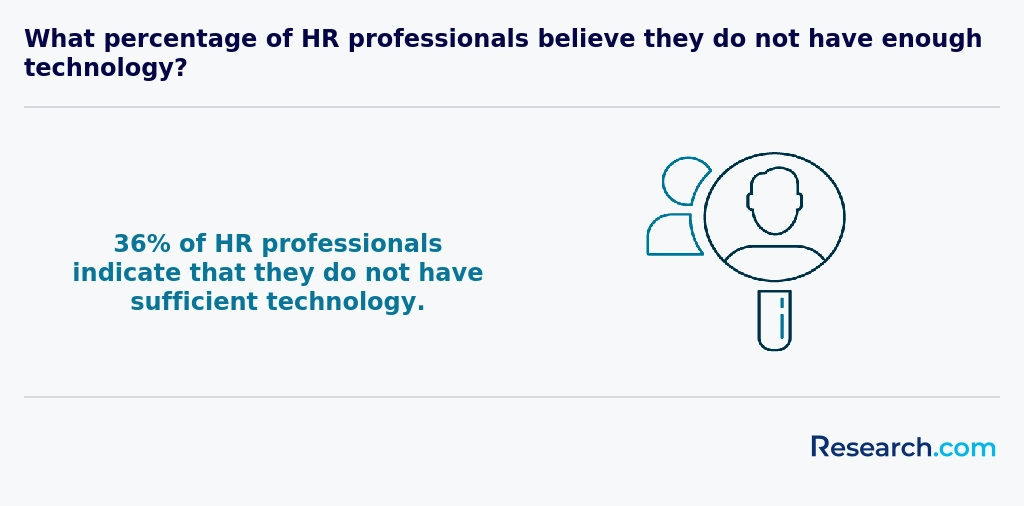
Additionally, knowledge of HR technology, such as applicant tracking systems and payroll software, is increasingly important. Familiarity with these tools can improve efficiency in hiring and benefits administration.
Finding internships in Kentucky for human resources degree students requires proactive research and outreach. Start by exploring career services at local universities such as the University of Kentucky and Western Kentucky University, which often partner with regional businesses to offer internships. According to the Kentucky Chamber of Commerce, sectors like healthcare, manufacturing, and logistics frequently seek HR interns.
Utilize statewide job platforms like Kentucky Education and Workforce Development Cabinet's KY Career Center, which lists internship opportunities tailored to students. Networking through local SHRM (Society for Human Resource Management) chapters can also connect candidates with professionals and organizations offering HR internships.
Keep in mind that many internships are competitive, so early application and a strong resume highlighting relevant coursework and skills are essential for success.
Obtaining a human resources degree in Kentucky significantly enhances career mobility and advancement prospects within the state's job market. Employers in Kentucky increasingly value candidates with formal HR education due to growing labor regulations and diverse workforce needs. According to the U.S. Bureau of Labor Statistics, Kentucky's HR specialist roles are expected to grow about 7% through 2031, aligning with national trends.
A degree in human resources equips students with vital skills in talent management, labor law, and organizational behavior, which are applicable in various industries prevalent in Kentucky, such as manufacturing, healthcare, and education. Graduates often find opportunities to advance into management or specialist roles more quickly than those without a degree.
Moreover, certification opportunities, like the Professional in Human Resources (PHR), can complement a degree and further boost career advancement. Local Kentucky employers frequently prioritize candidates who hold both degrees and certifications, marking formal education as a key factor in promotion potential.
Studying for a human resources degree in Kentucky equips students with skills applicable across multiple disciplines, enhancing adaptability in varied workplace settings. Programs often integrate courses in business law, organizational psychology, and communications, fostering a broad understanding of how HR intersects with management, finance, and legal frameworks.
Kentucky's institutions emphasize experiential learning through internships and partnerships with local businesses, allowing students to engage with real-world challenges in interdisciplinary teams. According to the Kentucky Cabinet for Economic Development, sectors such as manufacturing, healthcare, and education actively seek HR professionals who understand cross-functional collaboration.
The curriculum also covers data analytics and conflict resolution, preparing graduates to work effectively with diverse departments. This interdisciplinary approach aligns with national trends identified by the Society for Human Resource Management (SHRM), highlighting the growing demand for versatile HR experts in the US workforce.
When choosing between a thesis and a non-thesis human resources degree program in Kentucky, consider your career goals and learning preferences. Thesis programs typically require original research and are ideal for students interested in academic, research, or doctoral pathways. Non-thesis options focus more on practical skills and professional coursework, appealing to those aiming for immediate employment in HR roles.
Most Kentucky universities offering HR degrees, such as the University of Kentucky and Western Kentucky University, provide both options. According to the Bureau of Labor Statistics, the HR field in Kentucky expects steady growth, making practical experience valuable.
Also, thesis programs usually take longer to complete, while non-thesis tracks offer faster entry into the workforce.
Students based in Kentucky interested in studying human resources (HR) abroad have several pathways through US university partnerships and exchange programs. Many Kentucky institutions, such as the University of Kentucky and University of Louisville, participate in study abroad programs with universities worldwide, allowing HR students to gain international experience.
These programs often focus on global HR management trends and labor laws, which are essential given HR's growing international scope. According to NAFSA, participation in study abroad enhances HR competencies like cultural awareness and compliance knowledge.
Additionally, Kentucky students can explore semester-long exchanges or short-term faculty-led trips tailored to HR fields. Scholarships and financial aid are often available to support these opportunities, making global study more accessible.
Part-time job opportunities in Kentucky that complement human resources degree education often focus on roles involving administrative support and personnel coordination. Positions such as HR assistant, recruitment coordinator, or payroll clerk provide practical experience with HR policies and employee relations. According to the Kentucky Cabinet for Economic Development, demand in HR-related fields is growing, especially in urban centers like Louisville and Lexington.
Many HR students also benefit from internships or roles in employee training departments, gaining skills in conflict resolution and benefits administration. Kentucky's economy, with strong healthcare and manufacturing sectors, offers diverse settings for such hands-on learning.
These roles enhance resume value and build essential workplace competencies.
Human resources students in Kentucky have access to numerous networking opportunities that can enhance their career prospects. Many universities in the state have active HR-related student organizations and chapters of national bodies like the Society for Human Resource Management (SHRM). For example, the Kentucky SHRM State Council hosts events, workshops, and annual conferences attracting professionals and students alike.
Additionally, Kentucky's proximity to several major metropolitan areas allows students to attend regional HR meetups and job fairs. The Kentucky Chamber of Commerce also offers networking events that include HR topics relevant to local industries.
Engaging in internships facilitated by university partnerships with local businesses remains a vital networking avenue. According to the Kentucky Cabinet for Economic Development, industries such as manufacturing and healthcare-significant employers in the state-regularly seek skilled HR graduates, providing students with connections to potential employers.
Alumni networks play a significant role for human resources degree students in Kentucky by providing valuable professional connections and mentorship opportunities. These networks often connect current students with graduates who work in various HR roles across the state's diverse industries, including healthcare, manufacturing, and education.
Access to an alumni network can increase job placement rates, as many Kentucky HR students find internships or employment through referrals. According to the Kentucky Chamber of Commerce, networking influences over 70% of job opportunities in the region.
Moreover, alumni events and online platforms offer insights into industry trends and continuing education, helping students stay competitive in Kentucky's evolving HR landscape.
Customizing a human resources degree program in Kentucky allows students to align their education with specific career goals. Many Kentucky universities offer elective courses in areas such as talent management, labor relations, and organizational development. This flexibility helps students gain expertise in preferred HR specialties.
Internships and cooperative education placements within local businesses and industries in Kentucky provide practical experience and networking opportunities. According to the Kentucky Center for Statistics, HR-related jobs in Kentucky are expected to grow by 7% through 2030, emphasizing the need for tailored skills.
Additionally, pursuing certifications like SHRM-CP alongside your degree can enhance job prospects and align learning with industry standards.
Human resources students in Kentucky often face challenges related to balancing academic demands with work or family responsibilities. According to the Kentucky Higher Education Assistance Authority, many students are non-traditional and must manage part-time or full-time jobs while pursuing degrees.
Another common challenge is gaining practical experience. Kentucky's job market values internships and hands-on training, but limited local opportunities can make it difficult for students to build relevant skills prior to graduation.
Additionally, staying current with evolving HR regulations is crucial. Students must learn federal and state labor laws, including Kentucky-specific workplace rules, which can be complex.
Finally, financial constraints also affect students, as in-state tuition can be costly without scholarships or aid. Finding affordable options is key for many aspiring HR professionals.
With a human resources degree in Kentucky, you can pursue several respected professional certifications to advance your career. The most recognized certification is the Professional in Human Resources (PHR) credential offered by the HR Certification Institute. This certification validates your knowledge of HR operations and laws, which are crucial in Kentucky's evolving workforce.
Another popular option is the Society for Human Resource Management Certified Professional (SHRM-CP), which focuses on practical skills and strategic HR management. Many Kentucky employers prefer candidates with these credentials, as they demonstrate industry commitment and expertise.
Obtaining such certifications often leads to increased job opportunities and higher salaries; according to the U.S. Bureau of Labor Statistics, the median annual wage for HR specialists in Kentucky is around $58,000, with certified professionals earning more on average.
Applying to a human resources program in Kentucky requires a clear, focused approach. Start by researching accredited universities such as the University of Kentucky or Eastern Kentucky University, both offering recognized HR degrees.
Highlight relevant skills like communication, conflict resolution, and knowledge of employment laws, which are crucial in HR roles. Kentucky's workforce trends show growth in HR jobs by approximately 7% through 2030, according to the Bureau of Labor Statistics.
Include any prior experience, such as internships or work in administration, to demonstrate practical understanding. Tailor your personal statement to reflect your commitment to supporting Kentucky's diverse industries, including manufacturing and health care.
Finally, secure strong recommendations from employers or professors familiar with your professionalism and potential in human resources.
The field of human resources (HR) is expanding globally, reflecting changes in workforce diversity, technology, and regulation. For students in Kentucky considering an HR degree, it is important to understand that HR careers increasingly require knowledge of international labor laws and cross-cultural management.
According to the U.S. Bureau of Labor Statistics, employment of HR specialists is expected to grow 9% nationally from 2022 to 2032, driven by globalization and workforce complexity. While Kentucky-specific data is limited, the state's proximity to major logistics hubs may increase demand for HR professionals skilled in managing diverse teams.
Global perspectives emphasize adaptability and continuous learning, as HR practices vary widely by country. A degree program in Kentucky can prepare students by teaching foundational U.S. HR standards alongside global workforce trends, enabling graduates to work in multinational companies or organizations expanding abroad.
Gaining practical experience while studying for a human resources degree in Kentucky is essential for career readiness. Many universities in Kentucky offer internship programs that connect students with local businesses and organizations. These internships provide hands-on experience in recruitment, employee relations, and HR compliance, improving students' job prospects.
Additionally, students can engage in cooperative education (co-op) programs, which combine classroom learning with paid work experience in HR fields. Joining student chapters of professional associations like the Society for Human Resource Management (SHRM) in Kentucky also offers networking and practical workshops.
According to the Kentucky Chamber of Commerce, internships and co-ops significantly increase employment rates upon graduation, emphasizing their value.
Choosing the right concentration within a human resources degree program in Kentucky requires understanding your career goals and the state's job market. Focus areas like talent acquisition, employee relations, or labor law can shape your expertise.
According to the Kentucky Labor Market Information, HR roles emphasizing compliance and labor relations have seen a 5% growth from 2019 to 2023, reflecting the state's strong manufacturing and healthcare sectors. This suggests concentrations aligned with regulatory knowledge can be advantageous.
Students should also consider program strengths at Kentucky schools, such as the University of Kentucky's emphasis on strategic HR management or Eastern Kentucky University's focus on organizational leadership. Aligning concentration choices with industry demand and institutional expertise increases job prospects upon graduation.
- 2027 Most Popular Human Resources Degree Programs Ranking in Indiana
- 2027 Most Popular Human Resources Degree Programs Ranking in Tennessee
- 2027 Most Popular Human Resources Degree Programs Ranking in Virginia
- 2027 Most Popular Human Resources Degree Programs Ranking in Illinois
- 2027 Most Popular Human Resources Degree Programs Ranking in Missouri
- 2027 Most Popular Human Resources Degree Programs Ranking in Georgia
- 2027 Most Popular Human Resources Degree Programs Ranking in Alabama
- 2027 Most Popular Human Resources Degree Programs Ranking in South Carolina
- 2027 Most Popular Human Resources Degree Programs Ranking in Pennsylvania
- 2027 Most Popular Human Resources Degree Programs Ranking in Michigan
See What Experts Have To Say About Studying Human Resources
Read our interview with Human Resources experts

Rick Hackett
Human Resources Expert
Professor, Human Resources & Management
McMaster University

Thomas Kochan
Human Resources Expert
Professor of Management
Massachusetts Institute of Technology

Chester S. Spell
Human Resources Expert
Professor of Management
Rutgers University

- The Great Reinvention of Human Resources Has Begun JOSH BERSIN https://joshbersin.com/2026/01/the-great-reinvention-of-human-resources-has-begun/
- Employee Alumni Network: 5 Steps To Building Your Own https://eddy.com/hr-encyclopedia/employee-alumni-network/
- A Guide to the Human Resources Career Path https://www.galwaybusinessschool.ie/blog/a-guide-to-the-human-resources-career-path/
- Top Human Resources Trends to Know in 2025 https://granvillecollege.ca/human-resources-trends-2025/
- HR's Guide to Effective Career Development https://orangehrm.com/resources/learn-in-depth/hr-guide-to-effective-career-development
- The Top 5 HR Challenges Today https://www.apqc.org/blog/top-5-hr-challenges-today
- HR or Marketing: Where Should An Alumni Association Live? https://enterprisealumni.com/blog/alumni-association-hr-marketing
- What’s it like to study human resources management? https://www.murdoch.edu.au/news/articles/what-s-it-like-to-study-human-resources-management
- What skills and competencies do you need for a career in HR? https://targetjobs.co.uk/careers-advice/hr-and-recruitment/what-skills-and-competencies-do-you-need-career-hr
- Getting into Human Resources without an HR Degree - UCPath Jobs https://ucpathjobs.org/human-resources/getting-human-resources-without-hr-degree/