2027 Easiest Online Master's in Human Resources Degree Programs Ranking in Minnesota

Co-Founder and Chief Data Scientist
Are you considering advancing your career with a human resources degree but unsure where to start? Our article presents the 2027 Easiest Online Master's in Human Resources Degree Programs Ranking in Minnesota, created by the Research.com team of data scientists to guide students toward the best options. This ranking helps you make an informed decision about which programs offer quality education that fits your lifestyle and goals.
Investing in a human resources degree can open doors to rewarding opportunities. Explore the ranking to find a program that feels right for you and take a confident step forward in your professional journey.
Key benefits of getting online human resources degree in Minnesota
- Salary for graduates: Human resources graduates in Minnesota can expect strong earning potential, with roles like Human Resources Manager and Talent Acquisition Manager earning around $154,740 annually. Compensation and Benefits Managers also earn well, with a mean annual wage of $150,940, reflecting rewarding financial prospects.
- Career paths: Graduates from Minnesota colleges often find diverse opportunities, including roles such as Employee Engagement Manager and Workforce Planning Analyst, offering dynamic career growth and the chance to impact workplace culture positively.
- Online degree benefits: Earning a human resources degree online in Minnesota provides flexibility to balance work and study, enabling students to gain practical experience while advancing their education. Graduates appreciate the ability to learn at their own pace without sacrificing career progress.
- 2027 Easiest Online Master's in Human Resources Degree Programs Ranking in Minnesota
- What can I expect from online human resources degree in Minnesota?
- Where can I work with online human resources degree in Minnesota?
What can I expect from online human resources degree in Minnesota?
Curious about the average cost of an online human resources degree in Minnesota? Students pursuing this path often find tuition ranging between $12,000 and $25,000 for a full bachelor's program, depending on the university or college they choose. For example, graduates from popular schools like the University of Minnesota's Carlson School of Management and Concordia University appreciate how their investment balanced with flexible schedules and robust career support.
These students often share stories of juggling work and studies, grateful for affordable tuition that didn't sacrifice quality. One graduate from a well-known Minnesota college found value in the chance to learn HR laws and talent management in a way tailored to the local market, feeling motivated knowing the price matched the personalized experience.
Many programs also offer financial aid or payment plans that help ease the burden, making it possible to pursue this adventure without financial fear. Exploring HR through Minnesota's online degrees becomes less about the cost and more about the exciting future waiting beyond graduation.
Where can I work with online human resources degree in Minnesota?
Graduates from online human resources programs at Minnesota institutions like the University of Minnesota and St. Cloud State University often find themselves stepping into vibrant career landscapes. Imagine starting your day connecting with healthcare teams at Mayo Clinic or Allina Health, managing recruitment strategies that directly support life-saving work in bustling hospitals and clinics.
Other graduates dive into Minnesota's manufacturing giants such as 3M or Medtronic, navigating the dynamic world of labor relations and workforce development. These roles offer a blend of challenge and impact, fostering skills that make HR professionals indispensable.
For those drawn to education, working within K-12 districts or the University of Minnesota system means shaping the future by supporting educators and staff through recruitment, training, and development. Many grads describe the experience as rewarding and deeply connected to community growth.
Finally, government HR positions across Minnesota provide steady, meaningful careers that truly serve public interests-from social services to public safety departments-all while offering competitive pay and stability. This diversity allows graduates to explore paths that resonate personally and professionally.
Graduates from online human resources programs at popular Minnesota colleges often find exciting salary possibilities waiting for them. For instance, stepping into a role like a Human Resources Manager in Minnesota offers an average annual wage of about $154,740, a thrilling prospect for those ready to lead and innovate in workplaces.
Other specialized positions beckon with competitive paychecks as well. Compensation and Benefits Managers earn around $150,940 yearly, rewarding their expertise in crafting attractive employee packages. Meanwhile, Talent Acquisition Managers and Employee Engagement Managers share similar impressive salaries near $154,740, reflecting their vital roles in shaping workplace culture and talent strategy.
More analytical roles, such as Workforce Planning Analysts, typically command mean annual wages near $95,600. Graduates from universities in Minneapolis or St. Paul often report feeling empowered entering these roles, knowing their education opens doors to diverse, well-paying careers. This blend of solid earnings and meaningful impact makes pursuing an online human resources degree in Minnesota feel like a rewarding adventure.
- Online human resources degrees in Minnesota typically cost between $20,000 and $40,000 for bachelor's programs and $15,000 to $35,000 for master's programs.
- Minnesota employs about 14,000 HR specialists with a projected job growth rate of 7% over the next decade, higher than the national average.
- Entry-level HR graduates in Minnesota earn between $50,000 and $60,000 annually, while mid-career professionals can make $70,000 to $90,000.
- Senior HR managers and directors in Minnesota often earn over $100,000 per year.
- Many online HR programs prepare students for HRCI or SHRM certification exams to improve career advancement opportunities.
Completing an online human resources degree in Minnesota is a journey full of choices and excitement, especially when balancing life's many demands. For example, students enrolled in the University of Minnesota's bachelor's program often find themselves finishing in about four years if studying full-time, diving deeply into subjects while juggling part-time jobs or family. Meanwhile, others attending Metropolitan State University take a more leisurely pace, extending their studies to six years as part-time learners, savoring each course at their own rhythm.
Graduate students pursuing a master's degree at institutions like St. Cloud State University feel the flexibility firsthand, often wrapping up in two years if going full throttle. Yet, many embrace a part-time path that stretches to three or four years, allowing them to advance their careers while gradually expanding their expertise.
These experiences highlight the adaptable nature of Minnesota's programs-accelerated options can even shave the timeline to 12-18 months for those ready to dive in intensely. It's an inviting adventure tailored for every pace and lifestyle.
Imagine juggling your HR coursework while sipping coffee at home, balancing family dinners, or working full-time-that's the freedom online human resources degrees in Minnesota offer. Many graduates from programs affiliated with the University of Minnesota cherish this flexibility, completing assignments on their own schedule without missing out on their daily routines.
On the flip side, those who opted for the on-campus route at colleges like St. Cloud State University describe the energizing buzz of classroom debates and face-to-face interactions with professors and peers. They highlight how attending regular classes and tapping into local internships opened doors to valuable networking and hands-on experience in nearby HR firms.
Cost-wise, online learners often appreciate reduced fees since they avoid campus facility expenses, though Minnesota residents attending in-state campuses benefit from lower tuition rates. Either way, both paths cover essential HR topics-from labor relations to talent management-with online students using dynamic virtual tools to stay engaged.
Ultimately, whether you thrive in a lively classroom or prefer the adventurous challenge of remote learning, Minnesota's HR programs invite you to discover what suits your unique journey.
The average cost of online human resources degree in Minnesota hovers around a median total of $23,790, making it a compelling investment for many eager learners. Graduates from well-regarded institutions in Minnesota often reflect on how their tuition fees translated into access to quality faculty, practical curriculum, and supportive career services. For many, this price balance fits comfortably within what they expect compared to private universities elsewhere, and it aligns well with their long-term career goals.
Students pursuing a Minnesota online human resources degree tuition and fees note that while public universities offer more affordable per-credit rates, programs generally range between $300 and $600 per credit hour. This cost flexibility allows students to pace their studies, balancing work and life. Some graduates recall appreciating the opportunity to tap into strong alumni networks and vibrant local HR communities, enhancing their learning experience beyond the screen.
It's exciting to think how these costs can be offset with financial aids like scholarships or employer tuition reimbursement. Because programs vary, those exploring options sometimes discover short online certificate programs that pay well, which serve as perfect stepping stones during their degree journey. This blend of manageable tuition and smart credentialing often inspires students to dive into new career horizons with genuine confidence.
Imagine unlocking financial support while pursuing your online human resources degree right here in Minnesota. Many graduates from the University of Minnesota share stories of how federal aid, like Pell Grants and Direct Loans, became crucial stepping stones, easing the weight of tuition fees. Applying early through FAFSA opens doors to these benefits, making the journey feel less daunting and more promising.
State-specific aid also lights the path. Minnesota's own State Grant offers a boost, especially for residents attending local schools. At St. Cloud State University, students often discover scholarships and assistantships tailored to business and HR fields, making education accessible without sacrificing quality.
Picture employers cheering your educational pursuit through tuition reimbursement, turning your workplace into a champion of your goals.
And don't forget vibrant professional communities like SHRM Foundation, where scholarships spark excitement and opportunity for many eager HR professionals starting their online degree adventure.
Work experience in HR or related fields can feel like a secret handshake, strengthening your application even if it isn't strictly required. Official transcripts, letters of recommendation, and a personal statement become your storytelling tools, painting your journey and eagerness to thrive in HR. At schools like St. Cloud State University, applicants often submit resumes or professional certification proofs such as SHRM-CP, showcasing real commitment and fueling excitement for their career path in Minnesota's growing HR landscape.

Diving into an online human resources degree in Minnesota feels like unlocking a toolkit tailored for today's dynamic workplaces. Graduates from well-known Minnesota colleges often describe starting with foundational courses on HR management that reveal how critical HR roles shape companies. Imagine understanding the pulse of an organization before moving on to labor relations and employment law, where you explore regional regulations unique to Minnesota's workforce-crucial for navigating local compliance with confidence.
Picture working through talent acquisition classes that bring real-world recruitment challenges to life, honing skills vital in Minnesota's competitive job market. Many graduates share stories of mastering organizational behavior, discovering what truly makes teams click in vibrant workplaces.
Students also embrace courses in compensation and benefits management, crafting pay structures that reflect Minnesota's local economy, alongside performance management training that teaches them to align employee goals with their company's success. Plus, there's a growing excitement around HR analytics, where data-driven decision-making feels like peering into the future of workforce strategy.
Diving into specializations in online human resources degree Minnesota, students often find themselves drawn to areas like Talent Acquisition and Recruitment. Graduates from popular colleges enjoy sharing how this track equipped them to master workforce planning and interviewing, making each hiring decision feel like a strategic win in Minnesota's diverse economy. Others explore Employee Relations and Labor Relations, where managing workplace culture and navigating labor laws become second nature, especially valuable in a state known for active labor unions.
Some adventurous learners gravitate toward Compensation and Benefits, crafting competitive pay structures that truly resonate with Minnesota's growing industries. Organizational Development and Training inspires students to create impactful training programs, turning companies into vibrant spaces of growth. For those ready to embrace leadership, Strategic Human Resources Management weaves leadership, analytics, and business strategy together, opening doors to senior roles. Discovering these human resources degree programs with specializations Minnesota offers can feel like shaping your own career journey. For a wider perspective, many turn to best online degree programs for seniors to see how education adapts across stages of life.
When embarking on the quest for the best online human resources degree Minnesota offers, start by exploring institutions known for their strong HR programs. Graduates from respected Minnesota colleges often share how accreditation from agencies like the Higher Learning Commission gave their degrees credibility, opening doors in competitive job markets.
Consider curriculum that feels alive and relevant-courses in labor relations, benefits, and employment law that resonate with today's HR challenges. Graduates often describe how programs aligned with the Society for Human Resource Management energized their learning and prepared them to ace SHRM certifications.
For many seeking affordable human resources master's programs Minnesota universities balance quality with cost, often coming in below the national average. Flexible schedules with asynchronous options let working professionals dive in deeply without sacrificing life's other adventures.
Students praise programs that connect theory with Minnesota's vibrant job market. Career services helped them confidently navigate a 6% projected employment growth in HR roles, making the journey as exciting as the destination. If you're ready to start, check out this list of best open admission colleges for a broad view of opportunities.
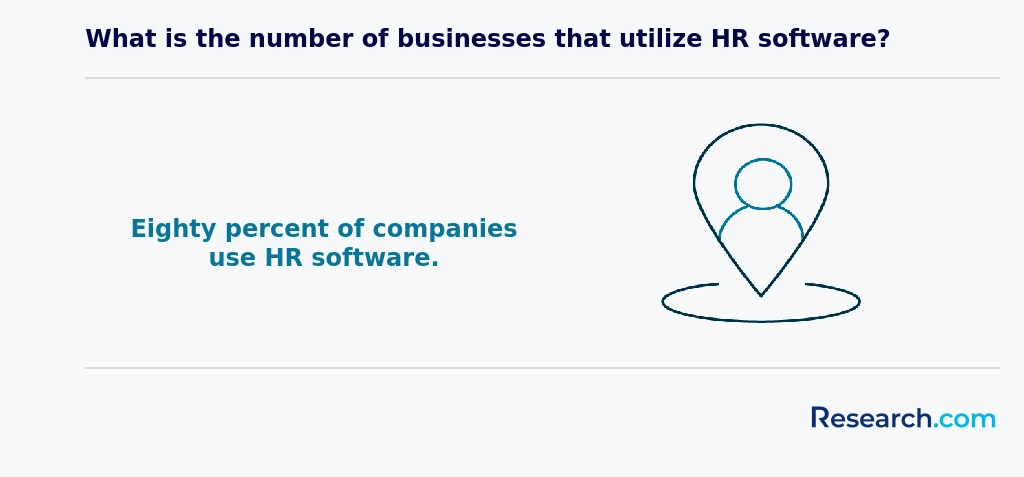
Online human resources careers in Minnesota open doors to exciting roles like Human Resources Specialist or HR Manager, where graduates from universities like the University of Minnesota or St. Cloud State find themselves shaping company culture and driving talent strategies. Imagine coordinating recruitment, benefits, or training programs in thriving sectors such as healthcare or technology, which are prominent in Minnesota's diverse economy. Graduates often share their enthusiasm about leveraging skills they honed during their online studies while balancing work and life efficiently.
Many Minnesota HR degree job opportunities also include niche areas like Talent Acquisition Specialist or Compensation and Benefits Analyst, where professionals design competitive packages that keep companies ahead. Those excited by real-world impact enjoy careers that challenge them daily, often reflecting stories from fellow alumni navigating the dynamic job market locally. For students considering affordable education routes, exploring easiest associate's degree programs can be a strategic first step toward these fulfilling HR paths.
The outlook for online human resources jobs in Minnesota is vibrant and full of promise. Graduates from well-regarded institutions like the University of Minnesota or St. Catherine University often find themselves stepping into roles where they can immediately contribute to innovative HR practices in diverse industries, from healthcare to technology. One graduate shared that earning an online human resources degree allowed balancing work and studies while opening doors to positions in large corporations headquartered in the state.
Such flexibility is crucial, especially when navigating Minnesota's professional landscape, where demand for HR specialists is growing. These positions often focus on recruitment and employee relations, offering dynamic environments for newcomers eager to make an impact. The state's reputation for strong Fortune 500 employers means networking and job placements are within exciting reach.
For those considering a path in HR, exploring the easiest bachelor degree options online could be a savvy start, providing a steady foundation for advancing in this rewarding field with competitive salaries and promising career growth.
2027 Easiest Online Master's in Human Resources Degree Programs Ranking in Minnesota
Investing in your education is a significant decision that can shape your future, and the Research.com team understands the importance of making informed choices. To assist prospective students in Minnesota, we have meticulously developed the "2027 Easiest Online Master's in Human Resources Degree Programs Ranking." Our dedication to quality, credibility, and accuracy is demonstrated through thorough research and analysis.
We utilized the following reputable data sources to ensure a comprehensive evaluation of human resources graduate programs:
By consulting this ranking, readers will gain valuable insights into the easiest online master's options in Minnesota, enabling informed decisions about their educational journeys. For more information on how this ranking was created, please visit our Research.com methodology page.

# 2 position
Walden University
Master of Human Resource Management


Frequently Asked Questions About human resources
Online human resources degree students in Minnesota can maximize their learning experience by actively engaging with course materials and participating in virtual discussions. Given the flexibility of online programs, creating a consistent study schedule helps maintain discipline and progress. Minnesota's strong labor market for HR professionals, with an 8% projected growth through 2030 according to the Bureau of Labor Statistics, underscores the importance of acquiring up-to-date skills through courses focused on state-specific labor laws.
Students should also seek internships or part-time roles locally to apply theoretical knowledge in real-world settings. Networking with Minnesota HR organizations, such as the Minnesota HR Association, offers valuable professional connections and practical insights.
Utilizing campus resources, like academic advising or career services offered online, enhances support and success during the degree program.
Emerging niches in human resources reflect evolving workplace trends and technological advances. In Minnesota, areas like HR analytics are gaining traction, with professionals using data to improve hiring, retention, and employee satisfaction. According to the Minnesota Department of Employment and Economic Development, demand for HR specialists with data skills is expected to grow by 9% from 2022 to 2032.
Diversity, equity, and inclusion (DEI) roles also represent a fast-growing area. Companies increasingly focus on creating equitable workplaces, driving demand for HR experts trained in these topics. Additionally, remote workforce management has become essential, as many Minnesota businesses adopt hybrid work models. These niches require updated education that modern online human resources degrees can provide.
After earning an online human resources degree in Minnesota, preparing for the job market involves several strategic steps. First, build a professional network by joining local HR associations such as the Minnesota HR Conference or SHRM Minnesota. These groups provide valuable contacts and job leads. According to the U.S. Bureau of Labor Statistics, employment for human resource specialists in Minnesota is projected to grow 7% from 2022 to 2032, underscoring the importance of proactive job searching.
Gaining relevant experience through internships or volunteer HR roles can enhance your resume. Additionally, consider obtaining certifications like SHRM-CP, widely recognized by Minnesota employers. Developing strong communication and technology skills also improves employability in this competitive field.
Employers in Minnesota highly value human resources graduates who demonstrate strong communication skills, both written and verbal. These abilities are essential for effective employee relations and conflict resolution. Additionally, proficiency in employment law and regulatory compliance is critical, given Minnesota's specific labor regulations overseen by the Department of Labor and Industry.
Analytical skills are also in demand, as HR professionals often use data to inform hiring and retention strategies. According to the Minnesota Department of Employment and Economic Development, HR roles requiring these competencies continue to grow steadily. Familiarity with HR information systems and talent management software further increases employability in the region.
Finding internships in Minnesota relevant to a human resources degree involves strategic research and networking. Students should start by exploring online job boards such as Handshake and the Minnesota CareerForce website, which frequently list HR internships. According to the Minnesota Department of Employment and Economic Development, the Twin Cities metro area hosts numerous companies with established HR departments offering internships. Connecting with career services at online programs or local universities can also provide leads tailored to human resources students.
Joining professional organizations like the Minnesota SHRM Chapter offers networking opportunities and internship postings specific to HR. Additionally, local government and healthcare institutions often seek HR interns, providing valuable practical experience.
An online human resources degree in Minnesota can significantly enhance career mobility and advancement opportunities within the state's dynamic job market. According to the Minnesota Department of Employment and Economic Development (DEED), employment of human resources specialists is projected to grow by 7% from 2020 to 2030, reflecting steady demand. Completing an accredited online program offers flexibility to working professionals while providing foundational knowledge in talent management, labor laws, and organizational behavior. This education helps candidates qualify for roles in various industries, including healthcare, manufacturing, and finance, which dominate Minnesota's economy. Additionally, advanced degrees often lead to managerial positions with higher salaries and leadership responsibilities.
Studying for a human resources degree in Minnesota equips students with skills that extend beyond traditional HR functions. Programs often integrate coursework in business management, organizational psychology, and labor law, allowing graduates to navigate complex workplace environments effectively. This interdisciplinary approach is essential, as Minnesota's diverse economy demands HR professionals who understand multiple facets of business operations.
According to the Minnesota Department of Employment and Economic Development, sectors like healthcare, manufacturing, and technology rely heavily on adaptable HR specialists. Online degrees emphasize practical applications, including conflict resolution, data analytics, and strategic planning, preparing students for roles that intersect with finance, marketing, and legal teams.
This broad knowledge base enhances graduates' ability to lead cross-functional projects and contribute to organizational growth beyond conventional HR duties.
When choosing between a thesis and a non-thesis human resources degree program in Minnesota, consider your career goals first. Thesis programs emphasize research and often prepare students for doctoral studies or specialized HR research roles. Non-thesis options focus more on practical skills and may include additional coursework or internships, suitable for those aiming directly for HR management positions.
In Minnesota, where HR roles are expected to grow by 7% through 2030 according to the Bureau of Labor Statistics, practical experience can be highly valuable. Universities like the University of Minnesota offer both options, allowing students to tailor their education based on whether they prefer academic research or applied HR practice.
Cost and time commitment also differ; thesis tracks may take longer due to research requirements. Evaluate your personal learning style and career aspirations carefully before deciding.
Students based in Minnesota who want to study human resources abroad while enrolled in online programs have several pathways. Many US universities, including those in Minnesota, partner with international institutions to offer dual degrees or global study options. However, very few wholly foreign institutions provide accredited online human resources master's degrees accessible to Minnesota residents without relocating.
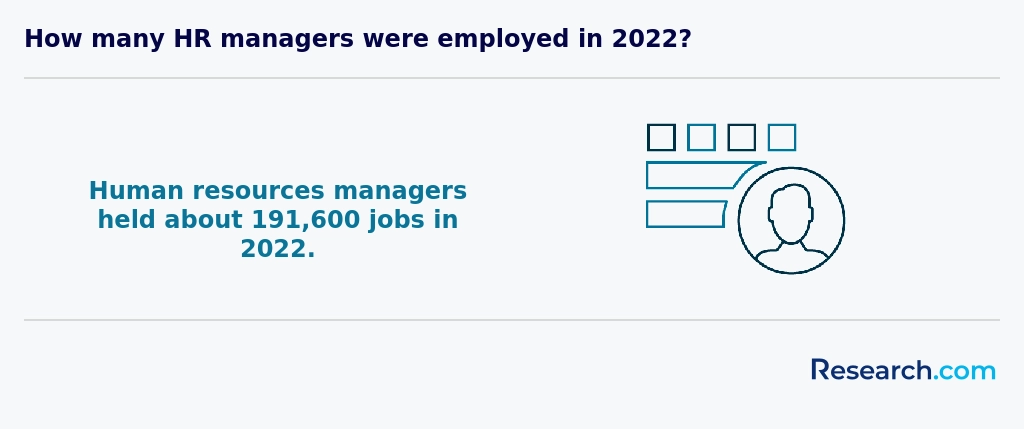
Since Minnesota ranks high in HR employment-24,830 jobs as of 2022 per the Bureau of Labor Statistics-local interest often favors nationally accredited online degrees. Programs typically focus on US labor laws and practices, which differ internationally, making fully overseas HR curricula less common or relevant.
Nonetheless, students can choose hybrid online programs that include short-term study abroad components or global HR electives, combining international exposure with US credentialing. These options prepare graduates to manage global workforces while maintaining compliance with Minnesota and US standards.
Part-time jobs in Minnesota that complement a human resources degree often provide valuable practical experience. Positions such as HR assistant, recruitment coordinator, and payroll clerk are common and help build industry-specific skills. According to the Minnesota Department of Employment and Economic Development, the Twin Cities area hosts numerous businesses seeking HR support, particularly in healthcare, manufacturing, and retail sectors.
Working part-time in these roles allows students to apply concepts from coursework like labor law and employee relations. Additionally, gaining familiarity with HR software systems is often part of these jobs, enhancing technical competencies.
Networking through these roles also aids future job placement upon graduation, as HR fields tend to prioritize industry experience alongside academic credentials.
Online human resources students in Minnesota have several networking opportunities despite the virtual format. Many universities offer access to local HR chapters, such as the Society for Human Resource Management (SHRM) Minnesota State Council, which hosts regular events and workshops. These provide valuable chances to connect with professionals and potential employers.
The Twin Cities metro area alone accounts for over 50% of Minnesota's HR jobs, making local networking highly beneficial. Students can also engage in online forums and LinkedIn groups focused on Minnesota HR trends and job openings.
Additionally, some programs facilitate virtual career fairs and mentorship programs, enhancing student connections within the local HR community.
Alumni networks play a vital role for students pursuing online human resources degrees in Minnesota. These networks provide connections to local HR professionals, which can lead to job opportunities and mentorship. Minnesota's strong HR job market, with a 4% growth projected through 2030 by the Bureau of Labor Statistics, makes networking especially valuable.
Through alumni events, online forums, and social media groups, students gain access to peers and experienced practitioners. This support helps with career guidance, resume building, and interview preparation tailored to the regional market.
Additionally, many Minnesota universities' HR alumni participate in partnerships with local companies, offering internships and exclusive job leads. Such networks enhance student success beyond the virtual classroom.
Customizing an online human resources degree program in Minnesota allows students to align their education with specific career goals. Many universities offer elective courses in areas such as talent management, labor relations, or organizational development. Choosing such electives helps refine skills relevant to desired HR roles.
Students can also pursue certificates in specialized fields like diversity and inclusion or HR analytics, often integrated into the degree. Practical experience opportunities, such as virtual internships or capstone projects, further enhance career readiness.
According to the Minnesota Department of Employment and Economic Development, HR roles in the state are expected to grow by 7% through 2030, emphasizing skills in strategic planning and employee engagement. Tailoring your program around these trends can improve employability.
Online human resources students in Minnesota often face challenges related to balancing work, family, and study commitments. Many professionals enroll while continuing full-time employment, creating time management pressures.
Another common issue is limited networking opportunities compared to traditional programs. Human resources relies heavily on building relationships, and virtual students may miss in-person interactions with peers and faculty.
Technical difficulties can also disrupt learning, especially for those less familiar with online platforms or lacking reliable internet access, which remains an issue in some rural Minnesota areas (U.S. Census Bureau, 2023).
Additionally, staying motivated without face-to-face support requires strong self-discipline, which some students find challenging.
With an online human resources degree, you can pursue several widely recognized professional certifications to enhance your career prospects. Key certifications include the Society for Human Resource Management's SHRM-CP and SHRM-SCP, which focus on knowledge and skills critical to HR practice. These certifications are respected nationwide, including in Minnesota, where the HR field continues to grow.
The Professional in Human Resources (PHR) and Senior Professional in Human Resources (SPHR) certifications offered by the HR Certification Institute are also popular choices. They demonstrate expertise in technical and operational HR management.
According to the U.S. Bureau of Labor Statistics, Minnesota employs over 20,000 HR specialists, where certified professionals often command higher salaries and better job opportunities.
To write a winning application for an online human resources program in Minnesota, start by clearly demonstrating your interest in HR and how the program aligns with your career goals. Highlight any relevant work experience, internships, or volunteer roles that showcase your understanding of HR practices.
Explain why you chose an online format, emphasizing your ability to manage time and learn independently. Minnesota has a growing HR job market, with the Minnesota Department of Employment and Economic Development projecting a 10% growth in HR roles through 2030, making a strong application crucial.
Include specific examples of leadership or conflict resolution skills, as these are essential in HR roles.
Lastly, ensure your personal statement and resumes are well-organized, clear, and free of errors to reflect professionalism and attention to detail.
Human resources (HR) careers are increasingly viewed through a global lens, reflecting the interconnected nature of businesses today. For students in Minnesota pursuing online HR degrees, understanding international HR practices is valuable. According to the U.S. Bureau of Labor Statistics, HR specialists in the U.S. are expected to grow 7% from 2021 to 2031, with Minnesota's regional growth aligning closely to the national average. Globally, HR professionals must manage diverse workforces and comply with various labor laws, making cross-cultural competence essential.
Emphasizing global perspectives in HR education equips graduates to handle multinational workforce challenges. Schools offering online HR degrees in Minnesota often integrate international case studies to prepare students for these dynamics. This prepares candidates for roles in organizations that collaborate across borders, a trend predicted to increase with globalization. Understanding different employment standards and cultural sensitivities is critical in an HR career today.
Gaining practical experience while pursuing an online human resources degree in Minnesota is essential for career readiness. Many universities encourage internships and cooperative education programs with local companies, such as those in the Twin Cities, where HR job growth is expected to increase by 7% through 2030, according to the U.S. Bureau of Labor Statistics.
Students can also engage in virtual internships, allowing flexible schedules alongside coursework. Volunteering with Minnesota nonprofits or joining HR-related student organizations helps build networking skills. Additionally, online simulations and case studies often form part of modern curricula, providing hands-on exposure to HR scenarios without leaving home.
Choosing the right concentration within an online human resources degree program in Minnesota involves assessing your career goals and the local job market. Popular concentrations include talent acquisition, employee relations, and HR analytics, each addressing different workforce needs. Minnesota's HR industry has seen growth in diversity and technology-related roles, according to the Minnesota Department of Employment and Economic Development (DEED).
Students should consider programs that offer practical skills aligned with these trends. For example, focusing on HR analytics can be beneficial due to increasing reliance on data-driven decisions in Minnesota companies. Exploring concentrations with strong internship or networking opportunities in local businesses also enhances job prospects.
- 2027 Easiest Online Master's in Human Resources Degree Programs Ranking in Illinois
- 2027 Easiest Online Master's in Human Resources Degree Programs Ranking in Kansas
- 2027 Easiest Online Master's in Human Resources Degree Programs Ranking in Colorado
- 2027 Easiest Online Master's in Human Resources Degree Programs Ranking in Texas
- 2027 Easiest Online Master's in Human Resources Degree Programs Ranking in Florida
- 2027 Easiest Online Master's in Human Resources Degree Programs Ranking in Pennsylvania
- 2027 Easiest Online Master's in Human Resources Degree Programs Ranking in New York
- 2027 Easiest Online Master's in Human Resources Degree Programs Ranking in Massachusetts
- 2027 Easiest Online Master's in Human Resources Degree Programs Ranking in California
See What Experts Have To Say About Studying Human Resources
Read our interview with Human Resources experts


Rick Hackett
Human Resources Expert
Professor, Human Resources & Management
McMaster University

Chester S. Spell
Human Resources Expert
Professor of Management
Rutgers University

- Most Affordable Online Human Resources Degrees https://www.affordablecollegesonline.org/degrees/human-resources-programs/
- Online Human Resources Associate Degree https://www.uscareerinstitute.edu/online-human-resources-associate-degree
- Online Human Resources Professional Training Course https://www.southeastmn.edu/continue_education/page.aspx
- 2026 Most Affordable Online Human Resources Degrees https://www.onlineu.com/most-affordable-colleges/human-resources-degrees
- Online Bachelor's Degree: Human Resource Management https://www.umgc.edu/online-degrees/bachelors/hr-management
- Online Human Resources Professional Training Course https://www.southcentral.edu/workforce/online-human-resources-professional-training-course.html
- Human Resources https://www.ntcmn.edu/career-paths/business/human-resources/
- What's it like to study human resources management? https://www.murdoch.edu.au/news/articles/what-s-it-like-to-study-human-resources-management
- What Degree Might You Need to Pursue an HR Career ... https://www.trident.edu/what-degree-do-you-need-for-hr-requirements-to-know/
- Business, Human Resources & Computer Technology https://minnesotatraining.com/programs/business-and-management/