2027 Most Valuable Human Resources Degree Programs Ranking in the USA Territories

Co-Founder and Chief Data Scientist
Choosing the right human resources degree program can shape your future career and open doors to exciting opportunities. This article introduces the 2027 Most Valuable Human Resources Degree Programs Ranking in the USA Territories, created by the Research.com team of data scientists to guide you in making an informed decision.
By exploring this ranking, you'll discover programs that combine quality education with strong career prospects. Whether you're just starting or considering a change, learning about valuable degrees can inspire confidence and help you invest in your success.
Key benefits of getting human resources degree in the USA Territories
- Graduates with a human resources degree can expect strong earning potential, with roles like Human Resources Generalist or Recruitment Coordinator offering a mean annual wage around $76,060 and an hourly rate near $36.57.
- Career paths for human resources degree holders are diverse; for example, a graduate from a well-known university in the USA Territories can work in employee relations, training, or general HR management, opening doors to rewarding opportunities.
- Online human resources degrees provide flexibility and convenience, allowing students from the USA Territories to study while balancing work or family, much like graduates from popular online programs who successfully enter the HR field.
- 2027 Most Valuable Human Resources Degree Programs Ranking in the USA Territories
- What can I expect from human resources degree in the USA Territories?
- Where can I work with human resources degree in the USA Territories?
What can I expect from human resources degree in the USA Territories?
When it comes to the cost of earning a human resources degree in the USA Territories, many students find it surprisingly affordable compared to mainland prices. For example, graduates from the University of Puerto Rico often mention that tuition and fees tend to be lower, around $4,000 to $6,000 per year for in-state students. Over a typical four-year bachelor's program, that adds up to roughly $16,000 to $24,000, which many feel is a great investment given the quality of education and local job relevancy.
At the University of Guam, students point out that while the price tag might be a bit higher-closer to $7,000 per year-the inclusion of cultural insights and bilingual training makes it feel truly worth it. Plus, many schools offer scholarships and flexible payment options designed especially for residents of the territories, which helps ease the financial burden.
Overall, students appreciate that these programs balance cost and career preparation perfectly, making it easier to launch a rewarding HR career right at home without piling on debt.
Where can I work with human resources degree in the USA Territories?
If you've got a human resources degree and live in the USA Territories, you're in luck because there are plenty of places to kickstart your career. Many grads from universities like the University of Guam or the University of Puerto Rico find themselves working in government jobs. Think about managing employee benefits or making sure labor laws are followed in local agencies-those roles are pretty stable and come with solid perks.
Others jump into the private sector, especially in booming industries like manufacturing or tourism, which really need HR pros to hire talent and keep the team happy. Graduates often share how exciting it is to help small businesses grow while handling recruiting and training-it's a real chance to make a difference locally.
Don't forget schools and nonprofits. Some grads work behind the scenes at colleges, helping staff stay motivated and supported. Plus, with remote work becoming more popular, you can even work for companies based in the mainland U.S. without leaving your island! It's all about finding that fit where you can thrive.
If you're eyeing a human resources degree in the USA Territories, you'll be happy to know the earning potential looks pretty promising. Graduates landing roles like Recruitment Coordinator, Employee Relations Specialist, or Human Resources Generalist can typically expect a mean annual wage around $76,060. That's a solid paycheck compared to many local opportunities.
For example, HR grads from universities in Puerto Rico or Guam often share stories of starting out close to $70,000 a year in government or healthcare sectors. Training and Development Coordinators do well too, with an average wage near $71,980. These numbers reflect solid career paths that balance stability and growth.
Many grads appreciate how certifications and experience boost their salaries above these averages. Plus, it's encouraging to know that the HR field here is growing steadily, so those first-year dollars could quickly climb with your skills.
This real-world earning info makes pursuing an HR degree in the Territories feel like a smart, rewarding choice for anyone ready to jump in.
- Human resources degrees in USA Territories are offered by some local colleges but are fewer compared to the mainland.
- Annual tuition at public schools like the University of Puerto Rico ranges from $3,000 to $5,000 for residents, with total degree costs between $12,000 and $20,000.
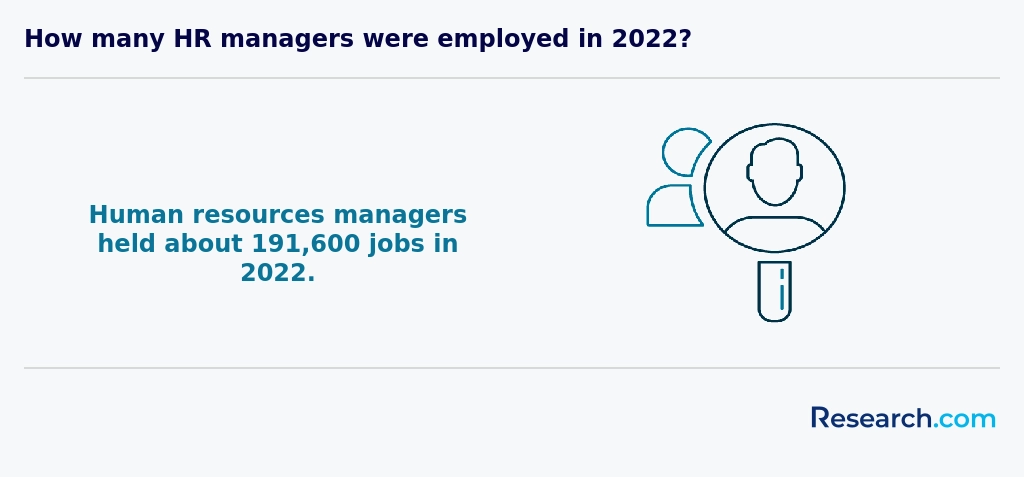
- Job markets in the territories focus on government, education, healthcare, and tourism sectors, with HR specialist employment projected to grow about 9% nationally from 2022 to 2032.
- Starting salaries for HR graduates typically range from $30,000 to $42,000 annually, with potential growth to $55,000 or more over time.
- Many students pursue online or hybrid programs from accredited mainland universities to increase educational options and career prospects.
If you're thinking about earning a human resources degree in the USA Territories, you're looking at around four years for a bachelor's if you go full-time. For instance, graduates from popular places like the University of Guam or the University of the Virgin Islands often share how a full-time schedule helped them finish in about four years, juggling core HR courses and electives smoothly.
Some students go the associate degree route at community colleges, which usually takes about two years full-time. This is a great stepping stone for those who want to start working sooner or plan to transfer into a bachelor's program later.
Graduate degrees, like a master's in HR, usually add another one to two years after finishing your bachelor's. Since not every territory offers these locally, many grads look to online or mainland options.
Keep in mind, part-time study or working while attending can stretch your timeline, but many find the flexibility worth it. Plus, course formats-whether online or on-campus-can make a big difference in how fast you move through the program.
If you're thinking about a human resources degree in the USA Territories, you're probably wondering how online programs stack up against on-campus ones. Online courses, like those offered by the University of Puerto Rico, give you the freedom to study whenever and wherever you want. This is a huge win if you're juggling work, family, or just don't want to deal with a long commute to places like Guam Community College. Many graduates love how they can fit classes around their busy lives without missing out.
On the flip side, traditional on-campus programs bring you face-to-face with professors and classmates-think networking over coffee or jumping into real-time workshops. Students at schools like the University of Guam often say this hands-on vibe helped them build confidence and sharpen people skills, which employers really value. Plus, being on campus means access to resources like libraries and career centers, which can be a big help when starting your HR career.
Costs also differ: on-campus studies can cost more due to tuition and living expenses, while online programs tend to save you money and time. And don't forget, reliable internet is a must for online learning, which some parts of the territories might struggle with. Overall, both paths lead to a solid HR degree, but the style you choose depends on what fits your lifestyle best.
The average cost of a human resources degree in the USA Territories generally runs around $17,000 for the full program, with in-state students often paying closer to $5,780. Many students find this quite affordable compared to mainland costs, especially those attending popular schools like the University of Puerto Rico or Guam Community College. Graduates often share that the lower tuition rates combined with the unique local support make pursuing a degree here a smart investment.
For example, a student attending the University of Puerto Rico might pay roughly $3,500 to $6,000 per year in tuition, which adds up to comfortably align with the average total tuition and fees in the USA territories. That's a huge plus when living costs in these areas are generally lower, making the whole experience easier on the wallet while still getting a quality education.
In smaller territories like Guam or the U.S. Virgin Islands, tuition can vary but still typically remains below mainland averages. The College Board notes that additional expenses-like books, fees, and living costs-can tack on 20% to 40% more overall, so it's smart to budget for those when planning. Luckily, federal financial aid and grants are usually available to help keep things manageable.
Many students looking to fast-track their education also explore options like the best associate's degree online in 6 months, which can be a great way to save money and time while still earning a solid credential in human resources.
All in all, the average cost of human resources degree USA territories vibe is pretty student-friendly, blending affordability with good resources, making it a popular choice for folks aiming to launch their HR careers without breaking the bank.
If you're studying human resources in the USA Territories, there's good news-financial aid options are out there to help lighten the load. Many students I've heard about from universities in Puerto Rico and Guam have found Pell Grants especially helpful, with amounts averaging around $4,500. This can cover a big chunk of tuition, which is awesome when you consider that local tuition often runs between $4,000 and $7,000 a year-much less than mainland schools.
On top of federal aid, territories like the U.S. Virgin Islands and American Samoa offer their own grants and scholarships focused on keeping students in the region. For example, graduates from these areas often mention how programs like the Puerto Rico Higher Education Grant made chasing an HR degree actually feel doable without drowning in debt.
Plus, work-study gigs connected to your field are popular around these islands, giving students a chance to earn while gaining experience. Several colleges even have special scholarships just for HR majors, making the whole path feel more affordable and exciting.
If you're thinking about getting a human resources degree in the USA Territories, the main thing you'll need is a high school diploma or something equivalent, like a GED. It's pretty much the starting point everywhere, whether you're heading to a university in Puerto Rico or a college in Guam. Some grads mention that proving your English skills with tests like TOEFL or IELTS was key, especially since courses are mostly in English, even if local languages are common around you.
Standardized tests like the SAT or ACT aren't always a must anymore-lots of schools have gone test-optional recently-but turning in scores can still give your application a nice boost. You'll also want to gather letters of recommendation and write personal essays to show you're genuinely interested in HR. A few students found that having some background classes in business or communication before jumping into human resources really helped them feel confident and ready.
Many grads talk about how affordable tuition in these territories made their journey smoother, especially at public schools where annual costs hover around $3,500 to $6,000. That balance between solid academic requirements and local-friendly costs makes starting your HR path here pretty doable and exciting!

When you dive into a human resources degree in the USA Territories, expect to get your hands on courses that really prepare you for the real workplace. Graduates from popular local colleges often talk about how core classes like recruitment, staffing, and employee training gave them a solid grip on managing teams. They loved learning about performance evaluations because it felt so relevant to their internships or first jobs in local companies.
One of the coolest parts is how the courses cover legal and ethical standards tied to both U.S. and territorial labor laws. This is a big deal because it helps you navigate the unique rules that affect businesses here. Many grads say studying organizational behavior and psychology helped them understand team dynamics-it made handling conflicts and boosting motivation way easier in their daily work.
Other key courses cover compensation systems and benefits, tailored to the local economy, so you really get what motivates your community's workforce. Plus, with HR tech classes focused on human resource information systems, you'll feel confident dealing with digital tools, a skill every modern HR pro needs.
When you dive into a human resources degree in the USA Territories, you'll find some pretty cool specializations tailored to local needs. Many students love focusing on Talent Acquisition and Recruitment because places like Puerto Rico and Guam really value bilingual skills and cultural know-how when hiring-that real-world edge makes classes feel super relevant. Others get into Employee Relations and Labor Law, which can be tricky but rewarding since labor laws here differ slightly from the mainland. Graduates from popular colleges in the territories often mention how this specialization helped them confidently handle workplace disputes and contracts.
Another favorite is Organizational Development, where students learn to guide companies through change-something quite common in shifting local economies. Compensation and Benefits Management is great too, especially because it accounts for the unique costs of living in places like the US Virgin Islands and American Samoa. Those exploring newer paths dive into HR Analytics or Diversity and Inclusion, which feel really meaningful given the diverse communities around here. Lots of folks who study these fields at well-known territory universities say it's hands-down one of the most rewarding parts of their HR career focus areas in USA Territories journeys.
Also, if you're curious about how HR expertise can lead you to high-paying roles, check out the highest-paying college majors. It's a great resource for planning your future while studying human resources in the territories.
When picking the best human resources degree programs in USA Territories, one key thing grads often mention is finding a school that really gets the local vibe. For example, universities like the University of Puerto Rico or the University of Guam offer programs tailored to the unique HR challenges in the Territories, like local labor laws and workforce diversity. It's not just about learning theory but getting hands-on experience through internships with local agencies or companies, which many grads say made a huge difference.
Cost is another big worry. Tuition in places like Puerto Rico is often way more affordable than mainland schools-think around $3,000 to $6,000 a year-and some students find awesome options among inexpensive online colleges that accept financial aid, making it easier to study without breaking the bank.
Flexibility matters too. Students juggling jobs and family love programs with online or hybrid formats, giving them freedom without sacrificing quality. Picking a degree that balances affordability, local relevance, and flexibility helps you feel confident about your choice and ready to kickstart your HR career in the Territories.

Graduates with a human resources degree in the USA Territories find themselves exploring a variety of exciting career paths. Many jump right into roles like Human Resources Specialist, where they get to manage recruiting, employee benefits, and training programs-think of working in a lively office on Guam helping local businesses find the perfect fit for their teams. Others aim to become HR Managers, overseeing entire HR departments and shaping company policies, which can be especially rewarding at growing institutions like the University of Puerto Rico.
Some graduates focus on keeping workplaces harmonious as Employee Relations Specialists or boosting employee skills as Training and Development Coordinators, which really matters in places like the U.S. Virgin Islands where community feel and teamwork thrive. Plus, there are chances to dive into specialized fields such as recruitment consultancy or compensation analysis, helping companies attract and retain top talent across the islands.
If you're thinking about how to afford this path, many students choose the University of Puerto Rico for its affordable tuition and strong HR programs. For those looking to study from home, checking out the cheapest online college bachelor degree options can make starting your HR career even easier.
Overall, these human resources career opportunities USA Territories offers are diverse and close to home, perfect for anyone excited about making a real difference in local workplaces and economies.
Getting a human resources degree in the USA Territories opens up a job market shaped by local needs and industries like tourism, healthcare, and government services. Graduates from popular universities in Puerto Rico often share how their hands-on internships with local businesses helped them land solid roles in HR departments where knowing both local and federal labor laws is a big plus. The employment outlook for HR degrees USA Territories is steady, especially in places where bilingual skills and cultural understanding really boost career prospects.
Tuition is quite affordable at territorial public universities, making it easier to study HR without racking up debt. Plus, even though salaries might be lower than on the mainland, the lower cost of living balances this out for many grads starting their careers. If you're eyeing a human resources role in these areas, real-life experiences show that networking within local government agencies or tourism companies can really pay off and help graduates thrive in this unique job market.
For more insight on specialized HR education paths, you might check out anchors part-time Ph.D. in economics for ideas on advancing your academic journey.
2027 Most Valuable Human Resources Degree Programs Ranking in the USA Territories
Investing in your education is a significant decision, and the Research.com team is keenly aware of the importance of making well-informed choices. To support prospective students interested in Human Resources, we have carefully developed the "2027 Most Valuable Human Resources Degree Programs Ranking in the USA Territories." Our dedication to quality, credibility, and accuracy is demonstrated through rigorous research and thorough analysis. We relied on multiple trusted data sources to create a reliable and comprehensive ranking:
By reviewing this ranking, readers will obtain valuable insights that enable informed decisions about pursuing Human Resources degrees across the USA Territories. For a detailed explanation of our approach, please visit our Research.com methodology page.
# 1 position
Universidad Ana G. Mendez-Cupey Campus
Master of Science in Human Resource Management
# 2 position
Universidad Ana G. Mendez-Gurabo Campus
Master of Science in Human Resource Management


# 5 position
Universidad Ana G. Mendez-Carolina Campus
Master of Human Resource Management
# 6 position
NUC University
Human Resource Management Master's
# 7 position
Columbia Central University-Caguas
M.A. in Human Resources
# 8 position
Universidad Ana G. Mendez-Cupey Campus
B.A. in Human Resources Management

# 10 position
Universidad Ana G. Mendez-Gurabo Campus
Bachelor of Arts in Human Resources Management
# 11 position
Inter American University of Puerto Rico-Metro
Master of Science in Human Resource Management
# 12 position
Inter American University of Puerto Rico-Aguadilla
Bachelor of Science in Human Resource Management
# 13 position
Inter American University of Puerto Rico-San German
Bachelor of Science in Human Resource Management


# 16 position
Inter American University of Puerto Rico-Arecibo
Master of Science in Human Resource Management
# 17 position
Inter American University of Puerto Rico-Ponce
Master of Science in Human Resource Management
# 18 position
Inter American University of Puerto Rico-Fajardo
Master of Science in Human Resource Management
# 19 position
Inter American University of Puerto Rico-San German
Master of Science in Human Resource Management

# 20 position
Caribbean University-Bayamon
Master of Science in Human Resource Management
Frequently Asked Questions About human resources
Human resources degree students in the USA Territories can enhance their learning by actively engaging with both online and local educational resources. Many accredited institutions in the territories, including branches of mainland universities, offer specialized courses tailored to regional labor laws and cultural practices, which are essential for practical knowledge.
Internships and cooperative education programs with local businesses and government agencies provide critical hands-on experience. According to the U.S. Bureau of Labor Statistics, students who gain real-world HR experience increase their employability significantly.
Networking through local HR associations, such as the SHRM Puerto Rico Chapter, helps students build professional connections and stay updated on industry trends. Lastly, utilizing federal and territorial scholarship opportunities can ease financial burdens and allow students to focus more on their studies.
Emerging niches within the human resources (HR) field in the USA Territories reflect broader trends across the United States but also address unique local workforce needs. One growing area is HR technology management, focusing on digital systems to streamline recruitment and employee management. Another niche is diversity, equity, and inclusion (DEI) roles, which are increasingly important as companies in territories embrace multicultural work environments.
Additionally, talent development specialists who design remote training programs are in demand, especially following shifts caused by the COVID-19 pandemic. Labor relations experts versed in federal and territorial labor laws also play a vital role in navigating workplace compliance. According to the U.S. Bureau of Labor Statistics, HR specialist roles are projected to grow 11% from 2022 to 2032 nationally, with territories expected to experience similar trends.
Graduates with a human resources degree in the USA Territories can improve their job prospects by gaining practical experience through internships or part-time roles during their studies. The local job market values candidates familiar with regional labor laws and cultural diversity. According to the U.S. Bureau of Labor Statistics, HR specialist employment is expected to grow steadily, highlighting the importance of relevant skills and certifications such as SHRM-CP or PHR.
Networking with local professionals via events or industry groups in territories like Puerto Rico or Guam also helps. Staying updated on US federal and territorial employment regulations prepares graduates for HR roles in public and private sectors across the Territories.
Employers in the USA Territories prioritize specific skills when hiring human resources degree graduates. Strong communication abilities are essential, as HR professionals must interact effectively with diverse employee groups. Critical thinking and problem-solving skills help address workplace challenges and improve organizational practices. Knowledge of local labor laws and employment regulations in territories like Puerto Rico and Guam is highly valued, ensuring compliance and reducing legal risks.
Additionally, proficiency in conflict resolution and negotiation is important to manage employee relations smoothly. Data analysis skills are increasingly sought after, enabling evidence-based decision-making. According to the U.S. Bureau of Labor Statistics, HR employment growth in these regions reflects rising demand for these competencies.
Finding internships in the USA Territories for human resources degrees involves tapping into local businesses, government offices, and nonprofits. Many internships are offered through partnerships with universities such as the University of Guam and the University of the Virgin Islands. These institutions often maintain internship databases and career services tailored to human resources students.
Students should also explore opportunities with the territorial governments, which provide valuable experience in public sector HR management. According to the U.S. Bureau of Labor Statistics, HR roles in these regions are growing steadily, increasing demand for practical experience.
Networking through industry events and local chapters of the Society for Human Resource Management (SHRM) can also open doors to internships.
Obtaining a human resources degree in the USA Territories significantly enhances career mobility and advancement opportunities. According to the U.S. Bureau of Labor Statistics, HR specialists and managers in territories such as Puerto Rico and Guam experience steady employment growth aligned with national trends. A formal degree equips graduates with essential skills in labor law, employee relations, and organizational management, critical for navigating the unique labor markets in these territories.
Employers increasingly prefer candidates with accredited degrees, which can lead to higher starting salaries and faster promotion paths. Additionally, degree holders often qualify for professional certifications like SHRM-CP, further boosting career prospects locally and beyond.
Studying for a human resources (HR) degree in the USA Territories equips students with skills applicable across various fields. HR programs integrate knowledge of labor laws, organizational behavior, and communication, fostering an interdisciplinary approach essential for roles in business, healthcare, and government.
Many degree programs in the Territories emphasize understanding diverse cultural and economic environments, which strengthens adaptability in varied professional settings. According to the U.S. Bureau of Labor Statistics, HR specialists in Guam and Puerto Rico are increasingly involved in cross-functional teams, requiring competence beyond traditional HR tasks.
Courses often include management principles, conflict resolution, and data analysis, preparing graduates to contribute effectively in multidisciplinary teams. This broad foundation supports careers that intersect with finance, marketing, and legal compliance, enhancing career flexibility in local and regional markets.
Choosing between a thesis and a non-thesis human resources degree program in the USA Territories depends largely on your career goals. A thesis program focuses on original research, which suits students aiming for academic or research careers. It typically takes longer and demands strong writing skills.
Non-thesis programs emphasize practical skills and coursework, often preferred by those pursuing HR management or specialist roles. These programs usually require internships or projects instead of a research paper.
Enrollment data from the U.S. Department of Education shows that non-thesis options have grown in popularity due to their flexibility and direct application in local workplaces across territories like Puerto Rico and Guam.
Consider your future plans carefully when making this choice.
Students in the USA Territories who wish to study human resources abroad have several viable pathways within the US higher education system. Many accredited universities and colleges in the 50 states offer online and hybrid human resources degree programs accessible from the Territories. These programs maintain academic standards recognized by US employers. Additionally, students may consider enrolling in institutions located in states with significant Puerto Rican, Guam, or US Virgin Islands populations to benefit from cultural familiarity and support services.
Financial aid such as federal student loans and scholarships is often available to Territorial residents attending accredited US mainland schools.
According to the National Center for Education Statistics, enrollment in HR-related programs has grown by 5% nationally, reflecting increasing career prospects for graduates across all US jurisdictions.
Part-time job opportunities in the USA Territories that complement human resources (HR) degree education include administrative assistant roles, recruitment support, and employee relations internships. These positions allow students to develop skills in communication, organizational management, and HR software usage while gaining practical experience.
Several local government agencies, nonprofit organizations, and businesses in Puerto Rico and Guam offer part-time roles that align with HR studies. According to the U.S. Bureau of Labor Statistics, HR occupations in these territories are expected to grow moderately through 2030, increasing job prospects for students.
Internships provided by the University of Puerto Rico and the University of Guam also serve as valuable opportunities to apply HR principles in real-world contexts.
Human resources students in the USA Territories have access to various local and regional networking opportunities that support their career development. Universities like the University of the Virgin Islands and the University of Guam often host career fairs and workshops specifically targeted at HR students. These events connect students with local businesses, government agencies, and non-profits, which is valuable given the unique labor markets in the territories.
Professional associations such as the Society for Human Resource Management (SHRM) offer student memberships, including chapters in nearby regions, providing access to webinars, conferences, and mentoring programs. These resources are crucial for students to build connections beyond their campuses.
Additionally, internships play an important role in networking. Many HR programs partner with employers in the territories' emerging industries, helping students gain hands-on experience and meaningful contacts. The U.S. Department of Labor's reports indicate that internships in these areas have increased by over 10% in the past five years, reflecting stronger ties between education and the local workforce.
Alumni networks provide valuable support for human resources degree students in the USA Territories by connecting them to a broad community of professionals. These networks often facilitate mentorship, job placement, and internships, enhancing career prospects in the local and regional job markets. Since the workforce in the territories is smaller compared to the mainland, strong alumni ties can lead to unique opportunities in government agencies, healthcare, and education sectors. According to the U.S. Bureau of Labor Statistics, networking significantly improves employment chances for HR graduates. Moreover, alumni events and online platforms encourage knowledge sharing about industry trends specific to the territories.
Customizing a human resources degree program in the USA Territories involves selecting courses and experiences that align with your specific career goals. Many institutions allow students to choose electives focused on labor laws, organizational behavior, or talent management, which are crucial given the unique employment regulations in territories like Guam and Puerto Rico. Practical internships or cooperative education opportunities within local businesses or government agencies can provide hands-on experience tailored to regional workforce needs.
Furthermore, some programs offer concentrations such as diversity and inclusion or employee relations, enabling deeper expertise. Consulting academic advisors about available options will help ensure your degree matches the competencies demanded by employers in the USA Territories' labor market.
Human resources students in the USA Territories often face unique challenges due to limited local educational resources. Many territories lack accredited institutions offering specialized HR programs, which can restrict access to quality curriculum tailored to local labor markets. According to the U.S. Department of Education, students may need to enroll in mainland institutions or online programs, creating barriers related to funding and connectivity.
Another challenge involves limited internship and practical training opportunities. The smaller business landscape in territories such as Guam, Puerto Rico, and the U.S. Virgin Islands means fewer HR-specific roles to gain hands-on experience. This can affect students' job readiness and networking.
Additionally, linguistic and cultural diversity in these territories requires HR students to develop specialized skills not always emphasized in standard programs. This includes navigating bilingual workforces and differing labor regulations under U.S. federal and local laws.
With a human resources degree, you can pursue several professional certifications that enhance your career opportunities in the USA Territories. The most recognized credential is the Professional in Human Resources (PHR), offered by the HR Certification Institute (HRCI). It validates essential HR knowledge and skills and is highly valued by employers.
You may also consider the SHRM Certified Professional (SHRM-CP), provided by the Society for Human Resource Management. It emphasizes both technical knowledge and behavioral competencies in HR management.
These certifications often require a combination of education, work experience, and passing an exam. According to the U.S. Bureau of Labor Statistics, HR professionals with certifications tend to earn higher salaries and have better job security, including in U.S. Territories such as Puerto Rico and Guam. Pursuing these credentials can help you stand out in a competitive job market.
Applying for a human resources degree program in the USA Territories requires careful attention to both academic qualifications and relevant experience. Most accredited institutions expect applicants to hold a high school diploma or equivalent, with strong performance in English and social sciences. Highlight any work or volunteer experience related to HR, such as payroll, recruitment, or employee relations. Including tailored personal statements that explain your career goals and interest in HR within the unique economic context of the Territories can strengthen your application.
According to the U.S. Bureau of Labor Statistics, HR roles in these regions are projected to grow moderately, emphasizing the importance of practical skills. Make sure to submit all required documentation before deadlines and consider obtaining letters of recommendation from supervisors familiar with your capabilities.
The global perspective on a human resources (HR) career increasingly values cultural awareness, adaptability, and strategic skills. HR professionals in the USA Territories can benefit from understanding diverse labor laws and workforce trends worldwide, as companies expand internationally. According to the U.S. Bureau of Labor Statistics, HR specialist roles are expected to grow by 9% nationally from 2022 to 2032, reflecting strong demand for skilled personnel who can manage global teams.
In the Territories, such as Puerto Rico and Guam, HR degrees often include coursework on international labor standards and cross-cultural communication, preparing students for multinational environments. This aligns with global HR trends emphasizing employee engagement, diversity, and ethical practices.
Programs accredited by recognized bodies, like the Society for Human Resource Management (SHRM), offer certification paths that enhance global credibility. Since Territories follow U.S. federal employment standards, this foundation helps graduates confidently navigate both local and international HR challenges, making their skills relevant worldwide.
Gaining practical experience while studying for a human resources degree in the USA Territories is essential for career readiness. Many local colleges and universities offer internship programs in collaboration with businesses, government agencies, and nonprofits. These internships provide hands-on experience in recruitment, employee relations, and compliance.
Additionally, students can participate in cooperative education (co-op) programs, which combine academic studies with professional work. According to the U.S. Bureau of Labor Statistics, territories like Puerto Rico and Guam have growing HR job markets where such programs are increasingly available. Volunteering for HR-related roles in community organizations also enhances practical skills.
Utilizing campus career centers to network and attend job fairs can further connect students with local employers, helping build valuable professional relationships before graduation.
Choosing the right concentration within a human resources degree program in the USA Territories requires understanding local workforce needs and your career goals. Common HR concentrations include recruitment, labor relations, training and development, and compensation management. In the USA Territories, economic sectors like tourism, government, and healthcare strongly influence HR demands.
For example, Puerto Rico's Department of Labor highlights labor relations and workforce compliance as crucial due to local labor laws. Candidates should also consider program accreditation and proximity to industries prominent in territories like Guam or the U.S. Virgin Islands. Researching employer preferences and internship opportunities can further guide concentration selection.
See What Experts Have To Say About Studying Human Resources
Read our interview with Human Resources experts


Thomas Kochan
Human Resources Expert
Professor of Management
Massachusetts Institute of Technology

Rick Hackett
Human Resources Expert
Professor, Human Resources & Management
McMaster University

- HR networking: developing authentic relationships | Reed Learning https://www.reed.com/learning/article/hr-networking:-developing-authentic-relationships
- Want a Career in Human Resources? Your In-Depth (2025) Guide https://www.aihr.com/blog/career-in-human-resources/
- Choosing a bachelor's in human resource management | edX https://www.edx.org/resources/how-to-choose-a-bachelors-in-human-resource-management
- Salary Guide for Future HR Managers https://www.allbusinessschools.com/human-resources/salary/
- Online Graduate Specialization in Human Resource Management | Colorado State University Global https://csuglobal.edu/academic-programs/graduate-specializations/graduate-specialization-human-resource-management
- HR's Guide to Effective Career Development https://orangehrm.com/resources/learn-in-depth/hr-guide-to-effective-career-development
- HUMAN RESOURCE MANAGEMENT (THESIS / NON-THESIS) - Lisansüstü Eğitim Enstitüsü https://lee.nisantasi.edu.tr/en/human-resource-management-thesis-non-thesis/
- How to Write an HR Manager Cover Letter - HR University https://hr.university/career/hr-manager/hr-manager-cover-letter/
- Top 10 HR Networking Groups for Professionals https://www.myhubintranet.com/hr-networking-groups/
- How to Become an HR Specialist https://teach.com/careers/business/human-resources-hr/