2027 Best Human Resources Degree Programs Ranking in Maryland

Co-Founder and Chief Data Scientist
Choosing the right human resources degree program can shape your future career in Maryland's dynamic job market. This article introduces the 2027 Best Human Resources Degree Programs Ranking in Maryland, created by the Research.com team of data scientists to help you make an informed decision.
By exploring these top programs, you'll discover options that fit your goals and interests, setting a solid foundation for success in HR. Pursuing a degree in human resources opens doors to meaningful work, growth, and the chance to make a real impact.
Key benefits of getting human resources degree in Maryland
- Human resources degree graduates in Maryland can look forward to competitive salaries, with roles like Recruitment Coordinator, Employee Relations Specialist, and Human Resources Generalist earning a mean annual wage of around $76,060.
- Career paths are diverse, including roles in recruitment, training, and employee relations, as shown by graduates from the University of Maryland who have successfully entered various HR specialties.
- Obtaining a human resources degree online, such as from Towson University, offers flexibility and convenience, allowing students to balance work and study while gaining industry-relevant skills efficiently.
- 2027 Best Human Resources Degree Programs Ranking in Maryland
- What can I expect from human resources degree in Maryland?
- Where can I work with human resources degree in Maryland?
What can I expect from human resources degree in Maryland?
The average cost of pursuing a human resources degree in Maryland varies depending on the institution and program level. Undergraduate tuition at public universities like Towson University typically ranges from $8,000 to $11,000 per year for in-state students, while graduate programs at the University of Maryland Global Campus average around $10,000 to $15,000 annually. These costs often include access to experiential learning opportunities such as internships and partnerships with local businesses and government agencies, which graduates frequently commend for enhancing their career readiness.
Many HR students in Maryland express satisfaction with the value offered by their programs, emphasizing how practical experiences complement coursework in employment law, organizational leadership, and diversity initiatives. This blend of theory and practice prepares students to navigate Maryland's robust HR job market confidently, justifying the investment in education. Additionally, financial aid and scholarships available through these universities help mitigate expenses, making human resources degrees in Maryland more accessible.
Where can I work with human resources degree in Maryland?
Graduates with a human resources degree from institutions like the University of Maryland, College Park, or Towson University find themselves well-positioned for diverse career opportunities across Maryland's thriving economy. Many secure roles within federal, state, and local government agencies, leveraging proximity to Washington, D.C., to work in personnel management and organizational development for departments such as Defense or Health and Human Services.
Others thrive in the healthcare sector, joining established systems like Johns Hopkins Medicine or the University of Maryland Medical System, where they manage recruitment and employee relations in a growing field driven by healthcare demand.
Private sector employment is also robust, especially in biotech hubs in Montgomery County and cybersecurity firms in Baltimore County, where HR professionals support dynamic workforce changes like remote work policies and diversity initiatives.
Additionally, educational institutions provide fulfilling positions focused on faculty and staff development, offering graduates from Maryland colleges platforms to foster impactful career growth in familiar academic environments.
Graduates holding a human resources degree in Maryland often find rewarding career opportunities with competitive salaries. For example, those working as Recruitment Coordinators can expect a mean annual wage of approximately $76,060, reflecting strong demand for talent acquisition skills in the state. Similarly, Training and Development Coordinators earn an average of around $71,980 annually, highlighting the value employers place on professional growth expertise.
Human Resources Assistants and Generalists, common entry to mid-level roles for Maryland graduates, report mean annual wages near $76,060, offering a solid starting income as they establish their careers. Employee Relations Specialists also earn roughly the same, around $76,060 per year, illustrating opportunities in employee engagement and conflict management, fields with growing importance in corporate Maryland.
Graduates from institutions like the University of Maryland and Towson University often share how their HR degrees opened doors to these roles, enabling them to grow professionally while contributing meaningfully to organizations. The positive experiences of these graduates in Maryland's diverse job market underscore the financial and career growth potential for HR degree holders.
- Human resources degree programs in Maryland are offered mainly through accredited universities in business administration or management schools.
- Public universities charge between $10,000 and $15,000 per year for in-state students, with total costs around $40,000 to $60,000 for a four-year bachelor's degree.
- Private institutions may charge over $40,000 annually, excluding additional costs like fees, books, and living expenses.
- Employment for HR specialists in Maryland is projected to grow by about 7% between 2022 and 2032, matching the national average.
- Starting salaries for HR graduates in Maryland generally range from $50,000 to $60,000, with mid-career professionals earning between $75,000 and $90,000 with certifications.
The typical time to complete a human resources degree in Maryland varies by degree level and enrollment status. For example, graduates from Baltimore City Community College and Montgomery College often finish their associate degrees in about two years of full-time study. This pace allows students to quickly enter the workforce or continue their education.
Undergraduates pursuing a Bachelor of Science or Bachelor of Business Administration with a focus in HR, such as those at Towson University or the University of Maryland Global Campus, generally invest four years in full-time study. These programs integrate practical topics like employment law and talent management, preparing students for immediate career impact.
Master's degree students at institutions like Johns Hopkins Carey Business School or the University of Maryland, College Park, typically complete their studies in two years full-time. However, many find flexibility through part-time options, often taking three to four years, balancing work with academics-a decision that brings rewarding professional growth alongside advanced learning.
Online and on-campus human resources degree programs in Maryland cater to distinct student needs while maintaining rigorous academic standards. Graduates from Towson University, for example, often note that on-campus programs provide direct access to faculty and immersive networking opportunities through internships and group projects, enhancing practical experience. This face-to-face interaction is invaluable for those who thrive in dynamic classroom settings and benefit from immediate feedback.
Conversely, online programs offer flexibility that suits working professionals or individuals balancing family commitments. At the University of Maryland, Baltimore County, graduates appreciate the ability to engage with multimedia lessons and participate in asynchronous discussions, allowing them to learn on a personalized schedule without commuting. This adaptability supports students living far from campus and reduces associated costs like housing and travel.
Both modes uphold accreditation and deliver quality education recognized by Maryland employers, though online learners develop strong digital communication skills, increasingly essential in modern HR roles. Ultimately, Maryland students choose based on their lifestyle and career goals, confident that either path leads to competitive employment in the state's stable HR market.
The average cost of obtaining a human resources degree in Maryland varies significantly depending on whether the student attends a public or private institution and their residency status. The median in-state total cost for completing a human resources degree typically amounts to approximately $11,728, while out-of-state students face a median total cost closer to $36,159. These totals include tuition, fees, and living expenses, offering a realistic picture of the financial commitment required for prospective students in Maryland.
Graduates from universities such as the University of Maryland, College Park, or Towson University often recall the value they received from the lower tuition rates offered to in-state students, combined with scholarships and financial aid that helped ease the cost burden. Meanwhile, those who pursued their degrees at private institutions like Loyola University Maryland found that higher tuition fees were offset by a strong support network and the quality of education, which contributed positively to their career prospects.
It is important for students to carefully budget for additional expenses beyond tuition, including books, supplies, and living costs, which can significantly affect the total investment. Maryland residents exploring their options should also consider financial aid opportunities, such as state-specific scholarships, which can help reduce costs considerably. For those interested in comparing detailed affordability by institution, exploring the cheapest human resources schools in maryland provides valuable insight into managing the average cost of human resources degree in Maryland.
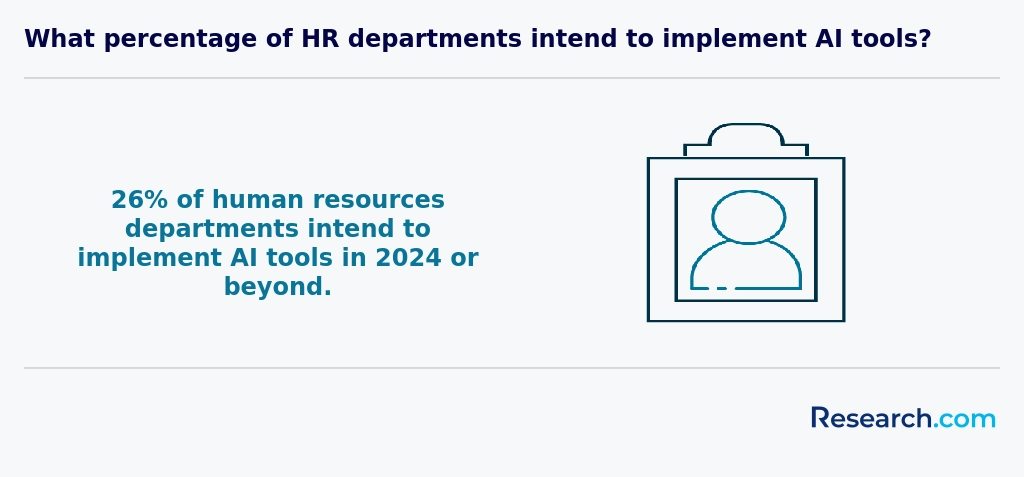
Earning a Human Resources degree in Maryland provides a solid foundation, but supplementing your education with professional certifications can significantly enhance your expertise and marketability. Many graduates pursue credentials such as the SHRM Certified Professional (SHRM-CP), SHRM Senior Certified Professional (SHRM-SCP), or the HR Certification Institute’s Professional in Human Resources (PHR) and Senior Professional in Human Resources (SPHR). These certifications demonstrate mastery of HR functions-from talent acquisition and employee relations to strategic planning-and are widely recognized by employers across corporate, nonprofit, and government sectors. Most certification bodies require applicants to have a combination of education and professional experience, making a bachelor’s degree in HR an essential eligibility criterion. Maryland’s accredited programs integrate core competencies aligned with certification exam content, ensuring you develop skills in workforce analytics, benefits administration, and employment law. Graduates often report higher starting salaries and faster career progression after obtaining these credentials, reflecting the value employers place on certified HR professionals. Continuing education is equally crucial in the dynamic field of HR. Many professionals enroll in specialized workshops, online micro-credentials, and advanced certificates in diversity and inclusion, talent management, or HR analytics. To explore cost-effective degree options that also prepare you for certification success, consider reviewing the Cheapest Online Bachelor’s in Human Resources Degree Programs Ranking in the South. By combining a reputable degree with targeted certifications and ongoing learning, you’ll position yourself for long-term career growth and leadership in human resources.
Human resources students in Maryland benefit from diverse financial aid options that significantly ease the burden of tuition and related costs. Those attending institutions such as the University of Maryland or Towson University frequently access federal aid by completing the Free Application for Federal Student Aid (FAFSA), unlocking grants like the Pell Grant, which offers up to $7,395 annually for eligible low-income students. Graduates often recall the relief this assistance brings, allowing them to focus on their coursework and internships rather than financial stress.
State-specific programs, including the Maryland Community College Promise Scholarship and the Guaranteed Access Grant, provide targeted support to undergraduates pursuing human resources studies at public colleges. Recipients at colleges like Montgomery College share how these scholarships cover full tuition or substantially reduce expenses, fostering a motivating environment to excel.
Institutional scholarships at Maryland universities also play a crucial role by rewarding merit, leadership, or need. Combined with flexible work-study opportunities, these funds enable many students to gain practical experience while managing expenses-turning academic goals into achievable realities.
To enroll in a human resources degree program in Maryland, applicants must meet several essential prerequisites that align with common higher education standards yet cater to local academic expectations. For undergraduate programs at well-regarded institutions like the University of Maryland or Towson University, students typically need a high school diploma or GED with completed coursework in English, math, and social studies. Maintaining a competitive GPA-often between 2.5 and 3.0-is crucial, as graduates attest that consistent academic performance opens doors to their preferred programs.
Many Maryland universities have moved to test-optional admissions, lessening pressure around SAT or ACT scores. However, verifying specific policies at schools such as Morgan State University ensures applicants remain well-prepared. Graduate-level applicants generally require a bachelor's degree from an accredited school, along with transcripts showing strong academic records, recommendation letters, and sometimes relevant work experience. Those aiming for advanced degrees in human resources management or industrial-organizational psychology appreciate that GRE scores are increasingly optional, easing entry hurdles.
Graduates often highlight how articulating clear personal goals through essays helps admission committees understand their passion for human resources. Financial readiness is also emphasized, as Maryland's public institutions average $10,000 annually for in-state students, making early planning and financial aid applications vital components of successful enrollment.

Human resources degree programs in Maryland commonly encompass courses such as Introduction to Human Resource Management, Organizational Behavior, and Employment Law and Labor Relations. Graduates from universities well-known in the state often reflect on how these foundational classes sharpened their ability to navigate complex workplace dynamics and compliance with both federal and Maryland-specific laws, like the Maryland Healthy Working Families Act.
Other core subjects frequently include Compensation and Benefits, Training and Development, and Recruitment and Staffing Strategies. Students appreciate how learning these topics through case studies and internships offered in Maryland institutions prepares them for real-world challenges, such as designing fair pay structures or managing diverse teams in local businesses.
Additionally, advanced electives like HR Analytics and Strategic Human Resource Management help students feel confident handling data-driven decisions and aligning HR practices with business goals. Many graduates recall how these courses made them feel ready to excel in Maryland's competitive job market, fostering both professional growth and rewarding career paths.
Human resources degree specializations Maryland programs typically include focused tracks such as Talent Acquisition and Recruitment, Employee Relations and Labor Management, Training and Development, Compensation and Benefits, Human Resource Information Systems (HRIS), and Diversity, Equity, and Inclusion (DEI). Graduates from institutions like the University of Maryland or regional community colleges often describe how these specializations provided practical skills to navigate legal complexities of hiring or manage conflict resolution effectively within diverse workplaces.
For example, students concentrating in HRIS gain hands-on experience managing digital HR platforms, preparing them for technology-driven roles that are in increasing demand in Maryland's competitive job market. Those pursuing DEI specializations find themselves empowered to implement equitable policies that resonate deeply with Maryland's diverse business environments.
Many students appreciate how these specialized courses align well with their HR career focus options Maryland employers seek, enhancing their employment prospects. To explore cost-effective pathways, consider the Cheapest Online Bachelor's in Human Resources Degree Programs Ranking in the South, offering accessible options for aspiring HR professionals.
Choosing the best human resources degree in Maryland involves evaluating accreditation, curriculum, and practical experience. Graduates from well-regarded institutions in Maryland often praise programs that are accredited by the Society for Human Resource Management (SHRM), ensuring industry-relevant education. Affordable human resources degrees in Maryland, particularly at community colleges, attract students balancing cost and quality, while universities may offer scholarships enhancing accessibility.
Program content should cover employee recruitment, labor relations, and employment law, with hands-on internships in Maryland's diverse job market adding real-world value. Networking opportunities uniquely available near Washington D.C. enable students to connect with local HR professionals and businesses, amplifying career prospects. Success stories from graduates highlight these connections as key to their smooth transition into HR roles.
For those seeking flexible options, consider exploring one year online masters programs that many Maryland schools provide, combining convenience with strong academic standards. Taking these factors into account will guide you toward the best human resources degree programs Maryland has to offer.
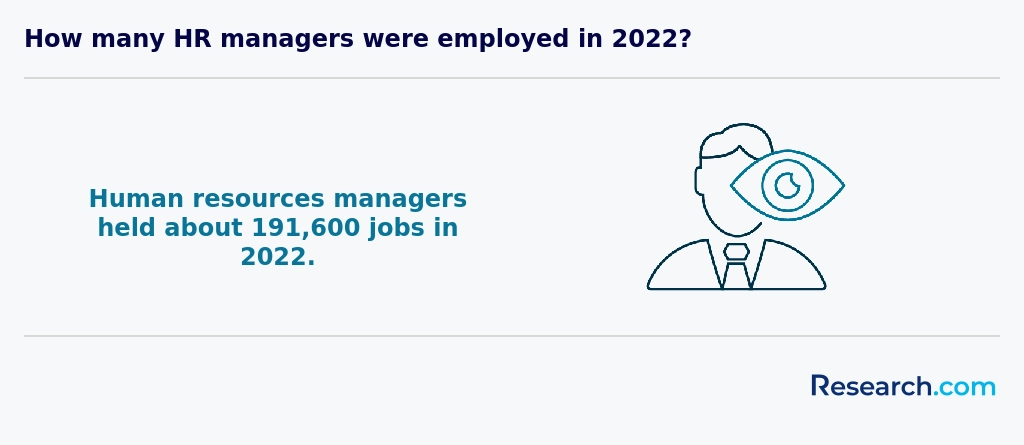
Graduates with a human resources degree in Maryland find a variety of career paths tailored to the state's dynamic job market. Popular roles include recruitment specialists who excel at attracting talent for major organizations, and HR generalists managing employee relations and compliance across diverse industries. Compensation and benefits analysts design attractive salary packages, while training and development coordinators lead workforce skill enhancement programs. Labor relations specialists negotiate effectively with unions, and talent management professionals focus on strategic planning within workforce development. Many graduates from well-regarded Maryland institutions report rewarding careers due to strong ties between their programs and regional employers.
For those exploring jobs with human resources degree Maryland, networking opportunities at prominent colleges enhance career readiness. Students often engage in internships within government agencies or healthcare systems, gaining practical experience crucial for advancing. Moreover, some opt to pursue easy masters degrees that pay well in human resources to boost their expertise and marketability in this competitive field.
The human resources job outlook Maryland reflects a robust and diverse market for graduates, particularly from institutions such as the University of Maryland and Towson University, both known for their well-regarded HR programs. Graduates often find rewarding roles in nearby federal agencies or private contractors, where organizational development and compliance are critical. Many share positive experiences of securing positions quickly, appreciating Maryland's strong healthcare and education sectors that continuously seek skilled HR professionals to manage complex workforce needs.
Employment trends in Maryland human resources employment trends reveal consistent growth around 8% through 2032, with wages above the national average. Graduates benefit from tuition costs typically below $15,000 annually in local public universities, making Maryland an accessible choice. The median annual wage of about $70,000 enhances the appeal of pursuing an HR career here, empowering students to confidently invest in their education.
For students weighing different paths, exploring what type of master's degree makes the most money can supplement their human resources background and increase career advancement potential.
2027 Best Human Resources Degree Programs Ranking in Maryland
Investing in your education is a significant decision that can shape your future, and the Research.com team understands the importance of making informed choices. To assist prospective students in Maryland, we have meticulously crafted the "2027 Best Human Resources Degree Programs Ranking in Maryland." Our commitment to quality, credibility, and accuracy is reflected in the extensive research and analysis conducted to compile this ranking.
We utilized the following reputable data sources to ensure a comprehensive evaluation of human resources degree programs:
By exploring this ranking, readers will gain valuable insights into the best human resources degree programs available in Maryland, helping them make informed decisions about their educational paths. For more details on our methodology, please visit our Research.com methodology page.


# 3 position
Strayer University-Maryland
Master of Science in Human Resource Management

# 4 position
University of Maryland Global Campus
Bachelor of Human resources


Frequently Asked Questions About human resources
Human resources degree students in Maryland can maximize their learning by engaging in internships with local businesses and government agencies. Maryland's strong job market, especially in the Baltimore-Washington corridor, offers many opportunities to gain practical experience. According to the Maryland Department of Labor, internships improve employment prospects by providing real-world skills aligned with coursework.
Students should also take advantage of networking events hosted by organizations like the Maryland Human Resources Management Association. These events connect students with HR professionals and can lead to mentorship and job opportunities.
Additionally, Maryland hosts several SHRM (Society for Human Resource Management) chapters, which are valuable for staying updated on industry trends and professional development. Academic programs linked with SHRM often provide preparation for HR certification exams, increasing graduates' competitiveness in the job market.
Emerging niches within the human resources (HR) field reflect the growing complexity of workforce management, especially in Maryland. One expanding area is HR analytics, which uses data to guide recruiting, retention, and employee performance decisions. According to the Maryland Department of Labor, companies increasingly value HR professionals skilled in data interpretation.
Another niche is diversity, equity, and inclusion (DEI). Maryland's diverse population drives demand for experts who create and manage inclusive workplace policies. This trend is backed by national surveys showing that 74% of employers prioritize DEI initiatives.
Additionally, employee wellness and mental health management are gaining prominence. HR roles now often involve planning support programs that improve workforce productivity and morale, a focus highlighted by recent Maryland business reports.
After completing a human resources degree in Maryland, preparation for the job market involves strategic steps. Networking is crucial; Maryland hosts numerous HR professional associations such as SHRM Maryland, which can connect graduates with local employers.
Internships or entry-level positions within Maryland companies provide practical experience, often emphasized by programs accredited by the Society for Human Resource Management (SHRM). According to the U.S. Bureau of Labor Statistics, Maryland is projected to see a 7% growth in HR specialist jobs through 2030, indicating healthy demand.
Certification, such as the SHRM-CP or PHR, can improve employment chances by validating knowledge and skills valued in Maryland's competitive job market. Graduates should also tailor resumes and prepare for interviews by highlighting state-specific labor laws and diversity initiatives common in local businesses.
Employers seeking human resources degree graduates in Maryland prioritize a mix of technical and interpersonal skills. Strong communication abilities are essential, as HR professionals must effectively handle employee relations and conflict resolution. According to the Maryland Department of Labor, candidates who demonstrate knowledge of labor laws and compliance regulations stand out in this competitive market.
Analytical skills are equally important since HR roles often involve interpreting data on employee performance and turnover. Familiarity with HR software and digital tools is expected, reflecting the increasing role of technology in managing recruitment and payroll.
Moreover, employers value adaptability and problem-solving capabilities, especially given Maryland's diverse industries such as healthcare, government, and education. Leadership skills and ethical judgment further enhance employability for recent graduates.
To find internships in Maryland relevant to a human resources degree, start by exploring resources offered by local universities such as the University of Maryland and Towson University, both of which have strong connections with regional employers. The Maryland Department of Labor's website also lists internship opportunities specifically in workforce and HR management fields.
Networking is crucial; join professional organizations like the Maryland Society for Human Resource Management (SHRM). They often promote internships and entry-level positions.
Additionally, online job platforms such as Handshake and LinkedIn can filter internships based in Maryland's robust healthcare, government, and technology sectors, which extensively employ HR professionals.
Obtaining a human resources degree in Maryland can significantly enhance career mobility and advancement opportunities. According to the U.S. Bureau of Labor Statistics, Maryland's employment of human resources specialists is expected to grow by 7% through 2031, slightly faster than the national average.
A degree equips graduates with essential skills in employee relations, labor laws, and organizational management, which are highly valued by Maryland employers across healthcare, government, and technology sectors. This academic foundation often leads to higher starting salaries and quicker promotions compared to those without formal HR education.
Moreover, many Maryland institutions offer specialized certifications and internships that connect students with the local job market, strengthening their professional networks. These experiences also improve practical knowledge, making graduates more competitive candidates for leadership roles within the state's diverse industries.
Studying for a human resources degree in Maryland equips students with skills applicable across various disciplines such as business, psychology, and law. Maryland's programs emphasize practical training in communication, organizational behavior, and employment law, all essential for interdisciplinary roles.
Institutions often incorporate coursework that bridges HR with finance, data analytics, and management, preparing graduates for diverse workplace challenges. The state's proximity to federal agencies and global companies offers students exposure to complex HR environments.
According to the U.S. Bureau of Labor Statistics, Maryland's HR job market is growing, demanding professionals who can collaborate across departments effectively. This cross-functional preparation enhances career flexibility and advancement opportunities for students.
When choosing between a thesis and a non-thesis human resources degree program in Maryland, consider your career goals carefully. Thesis programs typically focus on research and preparing students for academic or specialized HR roles. They require completing an extensive research project, which can take 6 to 12 months. Non-thesis programs emphasize practical skills and often include internships or capstone projects, making them ideal for those seeking immediate employment in Maryland's competitive job market.
Maryland's Department of Labor reports a steady 5% growth in HR jobs over the next decade, underscoring the value of hands-on experience. According to the U.S. Bureau of Labor Statistics, practical skills often enhance employability more quickly for HR associates in this region.
Students based in Maryland who wish to study human resources abroad have several pathways to consider. Many Maryland universities, such as the University of Maryland Global Campus, offer study abroad programs or partnerships with institutions in countries like the United Kingdom and Australia, enabling students to earn credits toward their human resources degrees overseas.
Another option is enrolling directly in international universities known for their human resources programs while maintaining ties to Maryland through exchange or joint degree agreements. The U.S. Department of Education notes that approximately 14,000 Maryland students participate in study abroad annually, reflecting the state's strong interest in global education.
These international experiences can provide broader cultural perspectives and practical HR skills valued in Maryland's diverse job market, which has seen a 5% growth in HR roles from 2021 to 2023, according to the Maryland Department of Labor.
Students pursuing human resources degrees in Maryland can benefit from various part-time job opportunities that enhance their education and professional skills. Roles such as HR assistant, recruiting coordinator, and payroll clerk are commonly available in local businesses and non-profits. These positions provide hands-on experience with employee relations, benefits administration, and talent acquisition.
Maryland's diverse economy, including government agencies and healthcare organizations, offers relevant entry-level roles. According to the Maryland Department of Labor, employment in human resources roles is expected to grow by 7% through 2030, indicating solid opportunities for students to gain experience.
Internships and campus-based positions also serve as valuable options to complement classroom learning, helping students build networks and apply HR theories in real-world settings.
Human resources students in Maryland benefit from a variety of networking opportunities that enhance their academic and professional growth. The Maryland state hosts several local chapters of prominent organizations like the Society for Human Resource Management (SHRM), which offers events, workshops, and conferences regularly attended by students and professionals.
Universities often facilitate connections through career fairs and alumni networking events, giving students direct access to industry leaders. According to the Maryland Department of Labor, the HR job market in the state is growing steadily, increasing the value of networking.
Additionally, students can engage with HR professionals in Baltimore and the Washington D.C. metropolitan area, a major employment hub with numerous HR-related roles. These combined local and regional resources create robust pathways for students to build meaningful professional contacts early in their careers.
Alumni networks play a key role in supporting human resources degree students in Maryland by providing valuable professional connections and resources. Graduates from Maryland institutions often stay connected, which helps current students access job opportunities in the state's competitive HR market. According to the Maryland Department of Labor, the HR sector in Maryland is projected to grow by 7% through 2030, increasing demand for skilled professionals.
These networks also offer mentorship programs, where experienced alumni guide students through career challenges and development. Such relationships often lead to internships and entry-level positions within Maryland-based companies. Additionally, alumni events and online platforms facilitate knowledge sharing, ensuring students remain updated on industry trends specific to the region.
Customizing a human resources degree program in Maryland allows students to align their education with specific career objectives. Many Maryland universities offer elective courses focusing on talent management, labor relations, or organizational development to tailor learning experiences.
Internships and cooperative education opportunities within Maryland's diverse business sectors provide practical experience and networking advantages. For example, Baltimore and the Washington metropolitan area host numerous companies seeking HR professionals, enhancing local career prospects.
Students can also consider certificate programs in areas like diversity and inclusion or employment law, often available alongside degree tracks, to strengthen specialized skills.
Advisors at Maryland institutions typically assist in selecting coursework and experiences matching individual professional goals, ensuring a customized educational pathway.
Human resources students in Maryland face several challenges that affect their educational experience and career readiness. One major hurdle is keeping up with frequent changes in labor laws and regulations, especially as Maryland has its own specific workplace policies that differ from federal standards. Staying updated requires strong research and adaptability skills.
Another challenge is gaining practical experience. Internship opportunities in Maryland can be competitive, with students needing to balance coursework and real-world training simultaneously. According to the Maryland Higher Education Commission, over 40% of HR students report difficulty securing quality internships.
Additionally, Maryland's diverse economic sectors mean students must develop broad knowledge to serve businesses ranging from government agencies to private industries. This complexity demands a versatile skill set that some programs may not fully address.
With a human resources degree in Maryland, you can pursue several key professional certifications to enhance your career. The most recognized is the Professional in Human Resources (PHR) credential, offered by the HR Certification Institute. This certification validates your expertise in HR operations and is respected across the United States.
Another valuable certification is the SHRM Certified Professional (SHRM-CP), provided by the Society for Human Resource Management. It focuses on both behavioral competencies and technical knowledge relevant to HR professionals. Maryland employers often prefer candidates with these certifications.
According to Maryland's Department of Labor, HR-related jobs are expected to grow by 7% through 2030, highlighting the importance of certifications in competitive job markets.
Applying to a human resources degree program in Maryland requires a strategic approach. Start by thoroughly researching programs that suit your career goals and meet accreditation standards, such as those approved by SHRM (Society for Human Resource Management). Maryland universities often emphasize practical experience, so highlighting internships or relevant work in your application can strengthen your candidacy.
Craft a clear and focused personal statement explaining why you want to study human resources in Maryland. Emphasize understanding of local labor laws and workforce trends, which are critical in this region's diverse job market.
Ensure your application includes strong letters of recommendation and official transcripts demonstrating academic readiness. According to the Maryland Higher Education Commission, competitive applicants typically have a GPA above 3.0.
A human resources (HR) career in Maryland aligns with growing global trends emphasizing strategic workforce management and organizational development. Internationally, HR professionals focus on cross-cultural communication, diversity, and compliance with evolving labor laws. The U.S. Bureau of Labor Statistics forecasts a 7% growth in HR specialist jobs nationally from 2022 to 2032, with Maryland's metropolitan areas contributing notably to this demand due to its diverse economy.
Maryland's proximity to global organizations and federal agencies encourages HR programs to integrate global labor standards and international HR management practices. This prepares graduates for roles demanding knowledge of global recruitment strategies and employee relations across borders.
Gaining practical experience while studying for a human resources degree in Maryland is crucial for career readiness. Many Maryland universities offer internships through partnerships with local businesses and government agencies. For example, the Maryland Department of Labor often provides internship opportunities in talent management and employee relations.
Students can also engage in cooperative education (co-op) programs, which alternate classroom study with paid work experiences. Co-ops give valuable exposure to HR practices in real-world settings.
Additionally, joining professional organizations like the Maryland State Council of SHRM (Society for Human Resource Management) allows students to network and attend HR workshops and conferences, enhancing practical skills.
The University System of Maryland reports that nearly 60% of HR students participate in internships, significantly boosting their job prospects upon graduation.
Choosing the right concentration within a human resources degree program in Maryland depends on your career goals and interests in the HR field. Common concentrations include talent acquisition, employee relations, compensation and benefits, and training and development. Each offers specialized skills suited to different HR roles.
Maryland's labor market shows strong demand for HR professionals skilled in compliance and labor laws due to the state's diverse industries. According to the U.S. Bureau of Labor Statistics, HR managers in Maryland earn a median annual wage above $120,000, reflecting the value of advanced HR expertise.
Research local employers' needs and internship opportunities for hands-on experience. Consulting academic advisors about program curricula aligned with certifications such as SHRM-CP can also guide your choice.
- 2027 Best Human Resources Degree Programs Ranking in New Jersey
- 2027 Best Human Resources Degree Programs Ranking in Ohio
- 2027 Best Human Resources Degree Programs Ranking in Massachusetts
- 2027 Best Human Resources Degree Programs Ranking in Indiana
- 2027 Best Human Resources Degree Programs Ranking in Florida
- 2027 Best Human Resources Degree Programs Ranking in Alabama
- 2027 Best Human Resources Degree Programs Ranking in Missouri
- 2027 Best Human Resources Degree Programs Ranking in Iowa
- 2027 Best Human Resources Degree Programs Ranking in Nebraska
- 2027 Best Human Resources Degree Programs Ranking in Colorado
See What Experts Have To Say About Studying Human Resources
Read our interview with Human Resources experts

Chester S. Spell
Human Resources Expert
Professor of Management
Rutgers University

Rick Hackett
Human Resources Expert
Professor, Human Resources & Management
McMaster University

Thomas Kochan
Human Resources Expert
Professor of Management
Massachusetts Institute of Technology

- The Future of HR Careers: What Students Should Know https://hrcertification.com/blog/future-hr-careers-students-biid1000163
- The Top 5 HR Challenges Today https://www.apqc.org/blog/top-5-hr-challenges-today
- International HR Perspectives (MHR104) https://www.uis.no/en/course/MHR104
- How to Write an HR Manager Cover Letter - HR University https://hr.university/career/hr-manager/hr-manager-cover-letter/
- Human Resources Internships https://careers.slb.com/early-careers/internships/hr-intern
- 18 HR Skills Every HR Professional Needs [2025 Guide] - AIHR https://www.aihr.com/blog/hr-skills/
- Human Resources Jobs and Job Description in Maryland - MD | HR Management Degree and Certification https://www.humanresourcesedu.org/maryland/
- HUMAN RESOURCE MANAGEMENT (THESIS / NON-THESIS) - Lisansüstü Eğitim Enstitüsü https://lee.nisantasi.edu.tr/en/human-resource-management-thesis-non-thesis/
- How a Human Resources Management Degree Can Boost Your Career | BSBI https://www.berlinsbi.com/blog/how-a-degree-in-human-resources-can-boost-your-career-a-guide-for-aspiring-professionals
- SUSSEX-WARREN HUMAN RESOURCE MANAGEMENT ASSOCIATION https://studenthrcommunity.org/