2027 Best Human Resources Degree Programs Ranking in California

Co-Founder and Chief Data Scientist
Looking for the best human resources degree programs in California? This article introduces the 2027 Best Human Resources Degree Programs Ranking in California, created by the Research.com team of data scientists. It helps prospective students like you make informed decisions about which programs truly stand out.
Choosing the right degree can open doors to rewarding career opportunities in HR, where you can make a real difference in workplaces and communities. Explore trustworthy insights and find the program that fits your goals and passions.
Key benefits of getting human resources degree in California
- Salary benefits: Graduates with a human resources degree in California can expect competitive salaries, such as $76,060 annually for roles like Recruitment Coordinator, Employee Relations Specialist, and Human Resources Assistant.
- Career paths: A human resources graduate from a popular California university may pursue diverse roles in recruitment, training, or employee relations, offering exciting opportunities for growth and specialization.
- Online degree advantages: Earning a human resources degree online from a respected California school provides flexibility and convenience, making it easier to balance work and study while opening doors to rewarding HR careers.
- 2027 Best Human Resources Degree Programs Ranking in California
- What can I expect from human resources degree in California?
- Where can I work with human resources degree in California?
What can I expect from human resources degree in California?
The average cost of earning a human resources degree in California varies significantly depending on the institution. For example, public universities like California State University often offer more affordable tuition rates, typically ranging from $7,000 to $10,000 per year for in-state students. Graduates from these programs frequently mention that the reasonable costs combined with strong local industry connections helped them gain internships and job offers quickly after graduation.
Private universities, on the other hand, can cost between $30,000 and $50,000 annually, but many students find that this investment pays off through extensive experiential learning opportunities, including co-op programs and networking events with HR professionals in Silicon Valley and Los Angeles. These real-world experiences boost confidence and readiness, which graduates say make the higher cost worthwhile.
Financial aid and scholarships are common at both public and private institutions, so prospective students should actively explore these options to reduce expenses. Overall, balancing tuition costs with available practical experiences is key when choosing the right HR program in California.
Where can I work with human resources degree in California?
Graduates from human resources programs at well-regarded California universities often find rewarding careers in diverse sectors like technology, healthcare, and government. Many start as HR specialists or recruiters at tech firms in Silicon Valley, managing talent acquisition and employee retention in fast-paced environments. Others secure roles in healthcare systems where they navigate complex staffing regulations in hospitals and clinics, applying knowledge gained through internships or networking events hosted by their colleges.
Public agencies also hire HR graduates to oversee employee benefits and labor relations, offering stability and meaningful impact on workforce compliance. Those who studied at California State University or University of Southern California often mention that hands-on projects prepared them well for these roles.
Additionally, many graduates pursue opportunities in higher education institutions, supporting faculty and staff management at universities. Consulting firms in California seek HR specialists familiar with state-specific labor laws, creating pathways to advisory roles that combine legal expertise and HR skills.
Graduates with a human resources degree in California can expect competitive salaries right out of school. For example, recent alumni from institutions like California State University, Long Beach, or the University of Southern California often start as Recruitment Coordinators or Human Resources Generalists, earning around $76,060 annually, according to BLS data. This level of income reflects California's robust job market and higher living costs.
Those who quickly move into roles like Training and Development Coordinator typically see salaries close to $71,980, which is a solid return for entry-level professionals. Graduates often share how gaining certifications alongside their degree accelerates growth into specialized positions with higher pay.
California's large metropolitan hubs such as Los Angeles and San Francisco bring added opportunities where experience and networking in prestigious programs translate into salaries exceeding $80,000 within a few years. The positive stories from peers highlight that combining a degree from a respected school with practical internship experience can unlock these rewarding career paths in HR.
- Annual in-state tuition at California public universities for HR degrees ranges from $7,000 to $9,000, while private institutions can charge $20,000 to $50,000 or more.
- Community colleges offer more affordable HR-related associate degrees or certificates as entry points into the field.
- Early-career HR graduates in California typically earn between $50,000 and $60,000 per year.
- Experienced HR professionals in California often make over $90,000 annually.
- HR job demand in California is growing due to the state's large economy and diverse industries like technology, healthcare, and entertainment.
- Professional certifications like SHRM-CP or PHR can improve job prospects in California's competitive HR market.
Completing a human resources degree in California varies by level and program flexibility. For example, students at community colleges like Santa Monica College typically finish an associate degree in about two years of full-time study, building a solid foundation in HR essentials. Many graduates find this a manageable start that fits well with balancing work and life.
Those pursuing a bachelor's degree, such as at California State University, Long Beach, often expect around four years of full-time study. These students engage in courses covering employment law, organizational behavior, and talent management, preparing them for dynamic HR roles. Graduates share that staying on track is easier with full-time commitment, yet part-time options allow flexibility when needed.
For advanced skills or leadership paths, master's programs or MBAs with HR specializations at universities like UCLA often take 1.5 to 2 years post-bachelor's. Many students appreciate online or evening classes that allow continued employment. Certificate programs offer a swift alternative, helping professionals quickly gain certifications like SHRM-CP to boost career prospects.
Choosing between online and on-campus human resources degrees in California primarily comes down to flexibility and learning style. Graduates from popular schools like California State University campuses often appreciate how online programs let them balance classes with busy work schedules or family life, accessing coursework anytime without commuting. Conversely, students at traditional on-campus programs, such as those at the University of San Francisco, enjoy the energizing atmosphere of in-person lectures and direct engagement with professors and peers, which builds strong professional networks.
Cost is another practical consideration. In-person programs typically charge around $7,400 per year for in-state students, while online programs can sometimes offer savings but vary by institution. Graduates find that accreditation and curriculum quality, rather than format, hold key value in employer recognition throughout California's job market.
Ultimately, successful HR students in California choose based on how well the program fits their daily life and learning preferences, ensuring they gain both knowledge and confidence to excel in HR roles.
The Human Resources field is rapidly evolving with digital transformation, remote work strategies, and a strong emphasis on diversity and inclusion, and these trends are shaping the future of HR education in California. Prospective students should be aware that modern HR programs increasingly integrate data analytics, artificial intelligence, and HR technology into their curricula, preparing graduates to manage complex workforce challenges in a digital era. For instance, many institutions are now offering specialized courses in HRIS (Human Resources Information Systems) and predictive analytics to help future HR leaders make informed decisions based on real-time data. Moreover, the growing focus on employee well-being and flexible work environments is prompting universities to adapt their programs to include topics such as mental health management, remote workforce solutions, and innovative performance management techniques. These developments not only bolster the curriculum but also make graduates more competitive in today’s job market. As tuition costs remain a concern, especially for traditional programs, exploring alternatives like the cheapest human resources schools in california can offer a cost-effective route to obtaining a quality education. Staying informed about industry trends ensures that your degree remains relevant, and it can enhance your career prospects by aligning your skills with future market demands. In summary, by understanding these emerging trends and choosing a program that embraces innovation and practical application, you can position yourself at the forefront of HR advancements in California.
The average cost of obtaining a human resources degree in California varies considerably depending on the type of institution and residency status. For in-state students at public universities, the median total cost of completing a degree is approximately $15,203. This figure reflects tuition, fees, and associated expenses over the course of the program. Graduates from California State University campuses often share positive experiences about balancing quality education with manageable costs, highlighting how affordable tuition contributes to less financial stress and more time to focus on career-building opportunities.
Community colleges offer an even more affordable route for those pursuing an associate degree or planning to transfer to a four-year institution for a human resources concentration. Students attending these colleges typically pay tuition around $1,500 per year, making them an excellent option to start a human resources education on a budget. Many students appreciate the flexibility and savings community colleges provide, allowing them to work part-time or save for later tuition payments.
Private universities in California present a higher tuition cost, with some programs reaching total expenses near $63,000 or more. While this can seem daunting, many students find value in smaller class sizes, networking opportunities, and specialized coursework. Talking to graduates from private human resources programs reveals that financial aid, scholarships, and employer tuition assistance are vital tools that make this investment more manageable.
To explore options and identify affordable paths, prospective students should consider the cheapest human resources schools in california. Thorough research helps reduce surprises and empowers students to make informed decisions about the average cost of human resources degrees in California.
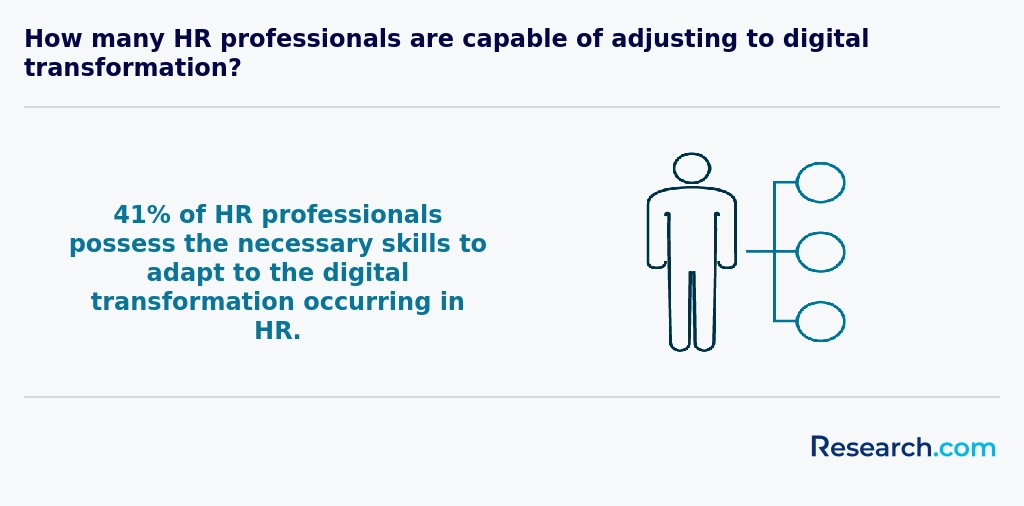
California’s top Human Resources programs consistently deliver strong graduate outcomes, with many institutions reporting employment rates above 90% within six months of graduation. Recent data shows that alumni from leading universities like California State University, Long Beach, and the University of Southern California secure roles as HR Generalists, Talent Acquisition Specialists, and HR Managers at prestigious organizations including Google, Kaiser Permanente, and Bank of America. These outcomes underscore the practical value of accredited curricula and robust career services. On average, graduates experience a 25% salary increase compared to their pre-degree earnings, with entry-level HR positions commanding mean annual wages of $60,000 to $75,000 in metropolitan areas and managerial roles exceeding $95,000. Internship participation rates exceed 80% at the top five programs, reflecting strong partnerships with local businesses and nonprofits. For those seeking cost-effective graduate options, consider our Inexpensive Online Master's in Human Resources Degree Programs Ranking in the South, which highlights master’s programs that combine affordability with high placement success. Beyond immediate employment, alumni report long-term career growth: nearly 70% of HR bachelor’s graduates advance to supervisory or specialized roles within five years, while master’s graduates often move into strategic positions such as HR Business Partner or Director of Talent Management. These statistics reflect the return on investment for students who choose California’s best Human Resources degree programs, demonstrating both financial rewards and meaningful professional development.
Students pursuing human resources degrees in California often rely on a mix of financial aid options to manage costs, especially at schools like California State University, Long Beach, or University of San Francisco. Federal aid through FAFSA is a starting point, offering Pell Grants up to $7,395 for those with financial need, which many find essential in covering tuition or textbooks.
California's Cal Grant program gives substantial support too, awarding up to $12,570 annually for full-time students attending public or private institutions. Many HR students describe how completing the Cal Grant GPA Verification alongside the FAFSA opened doors to this help, easing their stress considerably.
Institutional scholarships and grants from colleges also play a role, rewarding leadership and academic achievement in HR fields. Additionally, work-study and employer tuition assistance programs provide practical income and learning opportunities, making a significant difference for many students juggling school and work.
- Private scholarships from groups like SHRM focus on diversity and leadership, further boosting financial resources.
- Work-study connects students with HR-related jobs, offering hands-on experience plus income.
- Employer tuition reimbursement programs often support students already working in HR roles, lightening the financial load.
To enroll in a human resources degree program in California, most schools require a high school diploma or GED as the foundational step. Many graduates recall submitting these credentials during their application to popular institutions like California State University or University of Southern California.
Standardized tests such as the SAT or ACT are commonly requested, though many universities have become test-optional, especially following COVID-19 adjustments. This change offers flexibility, making it easier for students who may not excel in standardized testing but show strong communication or leadership skills-qualities valued in HR.
For those aiming at community colleges, the entry process is usually simpler, requiring just a high school diploma or GED, making it a helpful first step for those balancing work and studies. Graduates note the affordability here, easing financial stress while preparing for transfer to four-year universities.
Graduate-level programs demand a bachelor's degree and often professional experience. Applicants share that strong recommendation letters and purpose statements can boost their chances, reflecting their passion and readiness for HR careers in vibrant California workplaces.
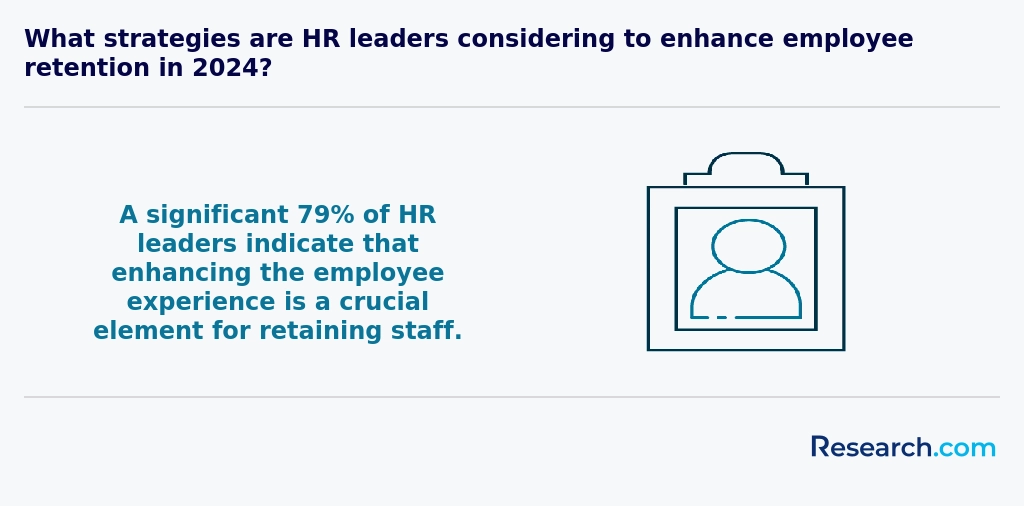
Human resources degree programs in California typically include core courses such as organizational behavior, business communication, and management principles. Graduates from well-known schools often share how these foundational classes helped them understand the dynamics of workplace relationships and improved their ability to communicate clearly in diverse teams.
Specialized HR courses usually cover recruitment techniques, employee training, labor relations, and benefits management. Students often describe hands-on projects where they simulate staffing processes or draft compliance policies, reflecting California's strict employment laws. These practical exercises prepare them for real HR challenges.
Diversity and inclusion are emphasized throughout the curriculum, aligning with California's multicultural workforce. Many students mention how learning to manage performance appraisals and develop inclusive strategies made them confident to contribute meaningfully in modern workplaces.
Electives on emerging topics like HR information systems or international HR broaden students' skills, especially at universities with global business networks. Internships and capstone projects at these institutions provide valuable experience, making students feel equipped and excited for their HR careers in California's competitive job market.
Human resources degrees in California commonly offer specializations that align with the state's dynamic workforce needs and unique legal environment. Graduates from universities like California State University often choose concentrations such as Talent Acquisition and Recruitment, which teaches practical skills for hiring in competitive sectors like tech and entertainment. Many students appreciate how this specialization prepares them to thrive in California's fast-paced job market, making recruitment strategies feel relevant and achievable.
Another popular focus is Employee Relations, where learners develop conflict resolution techniques and understand laws like the Fair Employment and Housing Act. This allows graduates to confidently manage diverse teams and foster inclusive workplaces-real strengths for HR professionals in California's multifaceted corporate settings.
For those interested in compensation, the Compensation and Benefits Management track offers insights into navigating California's complex wage laws and healthcare mandates. Meanwhile, Training and Development and HR Analytics and Technology specializations equip students with skills to boost employee growth and leverage data-driven decisions.
Those looking for cost-effective education options can explore the Inexpensive Online Master's in Human Resources Degree Programs Ranking in the South, which some California students have found helpful to manage tuition expenses while gaining practical knowledge relevant to California's labor market. These human resources degree specializations California students choose align well with career growth and regulatory expertise, making each path a practical investment.
To choose the best human resources degree in California, start by verifying program accreditation, particularly from SHRM or ACBSP, which graduates frequently praise for industry-relevant curriculum. Many find that programs at well-known California universities offer real-world experiences through internships and partnerships with local companies, enhancing job readiness.
Cost is a critical factor, especially for students searching for affordable human resources degrees California offers a wide range of public and private options. Graduates often recommend exploring scholarships and financial aid to manage expenses effectively. Additionally, consider schools offering flexible schedules or online formats, allowing working professionals to balance career and study.
Look also at faculty expertise and alumni success. Graduates from popular California colleges report that strong mentorship and networking opportunities made a significant difference in their careers. For specialization, focus on programs offering coursework in labor law or diversity management to stand out in California's competitive market.
For those seeking accelerated options, numerous students benefit from one year master degree programs, which provide intensive, practical training suited to today's fast-paced environment.

Graduates with a human resources degree in California often find rewarding career paths such as HR specialists or generalists, managing recruitment and employee relations. Many grads from universities like California State University and University of Southern California quickly land roles where they develop employee benefit programs or handle compensation analysis, gaining practical experience in a competitive setting. Exploring jobs with human resources degree in California reveals opportunities as HR managers, who lead departments and ensure legal compliance, often earning salaries exceeding $120,000 annually.
Some graduates leverage specialized certifications or advanced training to pursue roles as benefits coordinators or labor relations specialists, typically in corporations or government agencies around Los Angeles and Silicon Valley. Others transition into strategic roles like talent acquisition directors, using leadership skills to drive workforce planning. Many from public and private institutions appreciate how accessible human resources education can be, especially by understanding how much is an associate's degree to inform their investment in further education.
Graduates with a human resources degree in California enjoy a strong job market due to the state's diverse economy and numerous industries like technology and healthcare. Many students from universities in urban centers like Los Angeles and the Bay Area report quickly securing roles in recruitment, employee relations, and compliance, driven by California's complex labor laws. The ongoing demand for skilled HR professionals supports promising career opportunities with salaries often exceeding $75,000 annually, reflecting the state's elevated cost of living.
Those pursuing a California HR degree career opportunities benefit from exposure to dynamic workplaces including startups and multinational firms in Silicon Valley. Graduates frequently highlight how hands-on internships and collaborations with local companies prepare them to handle challenges in remote and hybrid work environments.
Considering the investment in education, potential students should explore financial options including attending schools that accept pell grants. This can help manage tuition costs at public or private universities while positioning themselves for growth in an evolving human resources job outlook California.
2027 Best Human Resources Degree Programs Ranking in California
Investing in your education is a significant decision that can shape your future, and the Research.com team understands the importance of making informed choices. To assist prospective students, we have meticulously crafted the "2027 Best Human Resources Degree Programs Ranking in California." Our commitment to quality, credibility, and accuracy is reflected in the extensive research and analysis conducted to compile this ranking.
We utilized the following reputable data sources to ensure a comprehensive evaluation of human resources programs:
By exploring this ranking, readers will gain valuable insights into the best human resources degree programs available in California, helping them make confident and informed decisions about their educational paths. For more details on our methodology, please visit our Research.com methodology page.


# 9 position
University of Massachusetts Global
M.S. in Human Resources


# 11 position
Golden Gate University
Master of Human Resource

# 12 position
Fielding Graduate University
Doctor of Philosophy in Human Resource Management

# 13 position
California State University-Dominguez Hills
Bachelor of Science in Human Resource Management


# 15 position
Ashford University
Bachelor of Arts in Human Resources Management


Frequently Asked Questions About human resources
Human resources degree students in California can maximize their learning experience by engaging in internships and cooperative education programs. California's diverse economy offers numerous opportunities in tech, entertainment, and healthcare sectors, providing practical exposure that complements academic study. According to the California Department of Labor, HR roles are expected to grow 10% through 2030, emphasizing the value of hands-on experience.
Joining professional organizations like the Society for Human Resource Management (SHRM) California chapters helps students network and access local HR trends. Additionally, utilizing campus career services and attending HR workshops increases industry readiness. Staying updated on state-specific labor laws, such as California's stringent employee protection regulations, is crucial for relevancy.
Emerging niches within the human resources (HR) field in California reflect evolving workforce needs and technology advancements. One key area is HR analytics, which uses data to improve hiring and employee retention. According to the California Employment Development Department, demand for HR specialists skilled in analytics has grown by 15% over the past five years.
Another emerging niche is diversity, equity, and inclusion (DEI) management. California companies increasingly prioritize DEI initiatives to meet legal requirements and social expectations. Professionals with expertise in DEI policies are sought after, especially in industries like tech and healthcare.
Additionally, remote workforce management has become critical post-pandemic, requiring HR professionals familiar with virtual engagement and digital tools. These niches offer new opportunities for students pursuing HR degrees in California.
Preparing for the job market after earning a human resources degree in California involves several key steps. First, gaining practical experience through internships or part-time roles in HR departments can significantly enhance employability. According to the California Employment Development Department, HR professionals in the state earn a median wage of about $75,000 annually, highlighting strong demand.
Networking is also crucial; joining organizations like the Society for Human Resource Management (SHRM) California chapters connects graduates with industry professionals. Additionally, obtaining HR certifications such as the Professional in Human Resources (PHR) can improve job prospects.
Staying informed on California labor laws and diversity initiatives is essential due to evolving legal requirements.
Employers in California highly value certain skills in human resources degree graduates, reflecting the dynamic workforce of the state. Critical skills include strong communication abilities, allowing HR professionals to effectively manage employee relations and negotiations. Knowledge of California labor laws and compliance is essential due to the state's unique regulations, such as the California Family Rights Act.
Recruiting and talent management are also emphasized, given California's competitive job market. Analytical skills help HR graduates interpret workforce data to improve organizational outcomes. According to the California Employment Development Department, demand for HR specialists is expected to grow by about 9% through 2028, underscoring the importance of these competencies.
Additionally, proficiency with HR information systems and diversity management skills are increasingly important, as California employers prioritize inclusive workplaces.
Finding internships in California relevant to a human resources degree involves strategic use of university career centers, online platforms, and professional networks. Many California universities, such as UCLA and San Diego State University, offer dedicated internship placement services designed for HR students. These centers often maintain partnerships with local businesses, including tech firms and healthcare providers, where HR internships are abundant.
Online job boards like Handshake and LinkedIn list thousands of HR internship opportunities specifically in California. According to the California Employment Development Department, sectors like technology, healthcare, and finance hire most HR interns. Networking through organizations such as the Society for Human Resource Management (SHRM) California chapters also proves valuable for securing internships.
In California, a human resources (HR) degree significantly enhances career mobility and advancement opportunities. The state's dynamic job market, with over 75,000 HR-related positions projected by the Bureau of Labor Statistics (2023), values formal education in HR management as a key differentiator.
Employers increasingly prefer candidates with specialized HR degrees for roles such as HR managers and specialists, which offer median salaries above $85,000 annually in California, per Emsi data (2023). A degree often qualifies graduates for certifications like SHRM-CP or PHR, further boosting prospects.
Additionally, HR degree holders can access diverse industries, from tech to healthcare, facilitating upward mobility through networking and professional skill development.
Studying for a human resources degree in California equips students with skills that extend beyond traditional HR functions. California's diverse economy requires HR professionals to understand business management, labor laws, and organizational psychology, creating an interdisciplinary approach to the curriculum.
Many programs integrate coursework in communication, ethics, and data analysis, preparing graduates for roles that intersect with finance, marketing, and compliance. According to the California Labor Market Info, HR roles in the state are expected to grow by 10% between 2020 and 2030, highlighting demand for adaptable professionals.
Furthermore, California's progressive employment laws mean students study real-world legal frameworks critical for cross-departmental collaboration. This broad training positions graduates to contribute effectively in multidisciplinary teams.
When choosing between a thesis and a non-thesis human resources degree program in California, students should consider their career goals. A thesis option typically involves original research, which suits those interested in academic or research careers.
Non-thesis programs tend to focus more on practical skills and coursework, aligning with professionals aiming for leadership or management roles in human resources.
California's workforce demand for HR specialists is expected to grow by 7% from 2022 to 2032, according to the Bureau of Labor Statistics, highlighting opportunities in various sectors without needing research credentials.
Students should also consider program length, time commitment, and faculty expertise when deciding between these options.
Students in California interested in studying human resources abroad have several pathways through partnerships and exchange programs. Many California universities with strong HR programs, such as the University of Southern California and San Diego State University, offer study abroad options in countries like the UK, Australia, and Germany.
These programs often last a semester or a full academic year, enabling students to earn credits transferable to their home institution. Participation in such programs allows exposure to international HR practices and labor laws, which is valuable given California's diverse workforce of over 20 million people (U.S. Census Bureau, 2023).
Additionally, organizations like CIEE and IES Abroad provide structured HR-focused study abroad experiences tailored for U.S. students. California students can also pursue joint or dual degree agreements, allowing completion of part of their HR education overseas.
In California, part-time jobs that complement a human resources (HR) degree often include HR assistant roles, recruiting coordinator positions, and payroll clerks. These opportunities provide practical experience in employee relations, recruitment, and compensation management, essential areas within HR. According to the California Employment Development Department, the demand for HR specialists in the state is projected to grow 9% from 2022 to 2032, supporting the availability of such roles.
Additionally, internships or part-time roles in administrative support within corporate offices or staffing agencies can enhance skills in data management and communication. These experiences help students apply theory to real-world HR functions, increasing employability after graduation.
Human resources students in California benefit from a range of networking opportunities that can enhance their education and career prospects. Many universities host HR-focused clubs and chapters of organizations such as the Society for Human Resource Management (SHRM), providing students access to industry professionals and events.
California also offers numerous regional SHRM chapters, like Los Angeles and Silicon Valley, where students can attend workshops, conferences, and mixers. These gatherings often feature guest speakers from major companies headquartered in the state, including tech and entertainment industries.
Additionally, internships and cooperative education programs connect students with real-world HR experience while expanding their professional networks. According to the California Employment Development Department, HR roles in the state are projected to grow steadily, underscoring the value of early industry connections.
Alumni networks provide crucial support for human resources degree students in California by connecting them with experienced professionals in the field. These networks often offer mentorship programs, job leads, and internship opportunities, enhancing students' practical knowledge and career prospects.
California hosts a competitive HR job market, with the Employment Development Department reporting steady growth in HR roles, making networking essential for job placement. Alumni can share insights on California-specific employment laws and regulations, which are vital for effective HR practice.
Furthermore, alumni events and online platforms foster lasting professional relationships that help students stay informed about industry trends and continuing education opportunities.
Customizing a human resources degree program in California offers flexibility to align education with specific career ambitions. Many California universities provide elective courses focusing on areas such as labor relations, organizational development, or talent management. Students can select internships within the state's diverse industries, gaining practical experience tailored to their interests.
Additionally, some programs allow specialization certificates in areas like diversity and inclusion or employment law, which are particularly relevant given California's regulatory environment. According to the California Employment Development Department, HR job growth in the state is projected at 9% through 2030, emphasizing the value of targeted skills. Choosing courses and experiences strategically can enhance employment prospects in California's competitive HR market.
Human resources students in California often face challenges balancing academic demands with the state's dynamic job market. According to the California Employment Development Department, competition for HR internships and entry-level positions is intense, requiring students to gain practical experience early. Many struggle with the complexity of California's labor laws, which are among the most comprehensive in the U.S., including AB 5 and updated harassment prevention regulations. Additionally, navigating diverse workplace environments is essential, as California employers prioritize cultural competence. Finally, rising tuition costs and living expenses in cities like Los Angeles and San Francisco add financial pressure on students pursuing HR degrees.
With a human resources degree in California, you can pursue several respected professional certifications that enhance career prospects. The most recognized is the Professional in Human Resources (PHR), offered by the HR Certification Institute (HRCI). This certification requires knowledge of U.S. labor laws, which is highly relevant in California's unique regulatory environment.
Another popular option is the SHRM Certified Professional (SHRM-CP), provided by the Society for Human Resource Management. This credential focuses on practical skills and strategic HR management, useful for California's diverse workforce.
California HR professionals may also consider the California Certified Employee Rights Advocate (CCERA), specific to state employment laws. According to the California Labor Market Info, HR jobs are expected to grow by 10% through 2030, making certifications important for competitive advantage.
To write a winning application for a human resources program in California, begin by clearly demonstrating your understanding of the HR field and its impact on organizations. Highlight relevant experience, such as internships or work in HR-related roles, since California's HR sector grows with over 10% projected job increase through 2030 (Bureau of Labor Statistics).
Emphasize any leadership skills and familiarity with California labor laws, as local regulations heavily influence HR practices. Strong communication skills are essential-make sure your personal statement is concise, well-structured, and error-free. Include measurable achievements to showcase your abilities effectively. Finally, tailor your application to each program's values by researching their curriculum and faculty expertise.
The global perspective on a human resources (HR) career highlights the increasing importance of HR professionals who understand diverse cultures and international labor laws. In California, where businesses often operate internationally, HR graduates benefit from skills that address global workforce challenges.
According to the U.S. Bureau of Labor Statistics, HR specialist jobs in California are expected to grow 11% from 2021 to 2031, reflecting strong demand linked to globalization. California's large multicultural workforce means HR professionals must navigate varied regulations and employee needs.
Many California universities incorporate global HR practices into their curricula, preparing students for careers that span borders. Knowledge of international compliance and cross-cultural communication is crucial in today's connected economy.
Overall, a human resources degree from California provides a solid foundation for an adaptable and internationally aware HR career.
Gaining practical experience while studying for a human resources degree in California is essential for career readiness. Many universities in California offer internships as part of their HR programs, allowing students to work directly with HR departments in local businesses. According to the California Employment Development Department, internships in HR roles have increased by 12% over recent years, reflecting growing industry demand.
Students can also participate in cooperative education (co-op) programs that alternate classroom study with full-time work in HR. Additionally, joining student chapters of professional organizations like the Society for Human Resource Management (SHRM) provides networking opportunities and real-world project experience.
Some California colleges collaborate with leading firms to facilitate hands-on workshops and case studies. These experiences help students apply theoretical knowledge and improve their job prospects post-graduation.
Choosing the right concentration within a human resources degree program in California involves assessing your career goals and the local job market. Common concentrations include recruitment, employee relations, compensation and benefits, and training and development. According to the California Employment Development Department, sectors like technology, healthcare, and manufacturing offer strong HR employment opportunities.
Evaluate which industries are expanding in California and select a concentration aligned with those areas. Also consider certifications like SHRM-CP, which many programs integrate to enhance employability. Research faculty expertise and internship opportunities within California to gain practical experience tailored to your concentration.
- 2027 Best Human Resources Degree Programs Ranking in Arizona
- 2027 Best Human Resources Degree Programs Ranking in Colorado
- 2027 Best Human Resources Degree Programs Ranking in Nebraska
- 2027 Best Human Resources Degree Programs Ranking in Iowa
- 2027 Best Human Resources Degree Programs Ranking in Missouri
- 2027 Best Human Resources Degree Programs Ranking in Indiana
- 2027 Best Human Resources Degree Programs Ranking in Alabama
- 2027 Best Human Resources Degree Programs Ranking in Florida
- 2027 Best Human Resources Degree Programs Ranking in North Carolina
- 2027 Best Human Resources Degree Programs Ranking in Ohio
See What Experts Have To Say About Studying Human Resources
Read our interview with Human Resources experts

Rick Hackett
Human Resources Expert
Professor, Human Resources & Management
McMaster University

Chester S. Spell
Human Resources Expert
Professor of Management
Rutgers University


- How a Human Resources Management Degree Can Boost Your Career | BSBI https://www.berlinsbi.com/blog/how-a-degree-in-human-resources-can-boost-your-career-a-guide-for-aspiring-professionals
- The Top 5 HR Challenges Today https://www.apqc.org/blog/top-5-hr-challenges-today
- How to Become an HR Intern Without Experience - HR University https://hr.university/career/hr-intern/how-to-become-an-hr-intern/
- Tom & Vi Zapara School of Business https://lasierra.edu/schools/business/human-resource-management/
- How to Become an HR Specialist https://teach.com/careers/business/human-resources-hr/
- What Qualifications Do You Need For HR? https://www.jarsolutions.co.uk/blog/2024/02/what-qualifications-do-you-need-for-hr
- Degrees for Human Resources: A Guide to Starting or Switching Your Career https://www.aihr.com/blog/degrees-for-human-resources/
- HUMAN RESOURCE MANAGEMENT (THESIS / NON-THESIS) - Lisansüstü Eğitim Enstitüsü https://lee.nisantasi.edu.tr/en/human-resource-management-thesis-non-thesis/
- Navigating Your Options: Which HR Career Path Is Right for You? https://online.law.tulane.edu/blog/finding-your-hr-career-path
- Human Resource Development in Education Non-Thesis Master's Program https://eds.metu.edu.tr/en/human-resource-development-education-non-thesis-masters-program