2027 Most Popular Human Resources Degree Programs Ranking in San Diego

Co-Founder and Chief Data Scientist
Choosing the right human resources degree program can shape your future career in San Diego's dynamic job market. This article introduces the 2027 Most Popular Human Resources Degree Programs Ranking in San Diego, crafted by the Research.com team of data scientists. Its goal is to help you make an informed decision based on reliable data.
Exploring this ranking allows you to discover reputable programs that match your goals. A degree in human resources opens doors to rewarding opportunities where you can make a positive impact on organizations and people alike.
Key benefits of getting human resources degree in San Diego
- Salary for human resources degree graduates: Graduates in San Diego entering roles like Recruitment Coordinator or Human Resources Generalist can expect a mean annual wage of around $76,060, offering strong financial stability.
- Career paths: A human resources graduate from San Diego State University might explore diverse roles such as Employee Relations Specialist or Training and Development Coordinator, each with rewarding opportunities to grow professionally.
- Online degree benefits: Earning a human resources degree online through institutions like the University of San Diego provides flexible scheduling and the ability to balance work and study, making education accessible and convenient.
- 2027 Most Popular Human Resources Degree Programs Ranking in San Diego
- What can I expect from human resources degree in San Diego?
- Where can I work with human resources degree in San Diego?
What can I expect from human resources degree in San Diego?
The average cost of earning a human resources degree in San Diego varies mainly depending on the type of institution. Graduates from San Diego State University often highlight the benefit of lower tuition rates compared to private schools. For example, public universities may charge around $7,000 to $10,000 per year for in-state students, making it a more affordable option for many. This affordability allows students to manage expenses while balancing part-time jobs or internships.
Private colleges in San Diego tend to have higher tuition fees, sometimes ranging from $20,000 to $30,000 per year. However, these schools often offer specialized HR courses and strong networking opportunities with local businesses, which many graduates find invaluable for launching their careers. Evening and part-time classes at both public and private institutions provide flexibility for working students, easing the financial burden while gaining relevant skills.
Several graduates mention that scholarships, financial aid, and employer tuition assistance significantly reduce costs. Taking advantage of internships available locally also helps build professional relationships that can lead to paid opportunities, further offsetting expenses during the program.
Where can I work with human resources degree in San Diego?
Graduates with a human resources degree in San Diego often land roles in the city's thriving healthcare sector. Many find rewarding positions at major hospitals and research centers affiliated with UC San Diego and San Diego State University graduates, handling recruitment, employee relations, and ensuring compliance with regulations. These environments provide valuable experience managing complex, fast-paced workplaces.
Biotech and pharmaceutical firms are magnets for HR graduates eager to work at companies like Illumina or Thermo Fisher Scientific. Students from local colleges report enjoying the challenge of talent development and benefits administration within this innovative industry.
Defense contractors and aerospace companies also seek HR professionals familiar with government standards. Graduates often leverage their knowledge to support workforce strategies vital to companies such as Northrop Grumman, gaining skills applicable nationwide.
In hospitality and tourism-key San Diego sectors-human resources roles include managing seasonal staffing or enhancing employee engagement at places like the Hotel del Coronado. Graduates appreciate the dynamic, people-focused nature of these jobs.
Tech startups and nonprofits further expand opportunities, where recent graduates engage in diversity initiatives and organizational development, applying academic insights from San Diego State's HR programs directly to real-world challenges.
Graduates with a human resources degree from San Diego State University or the University of San Diego often find that entry-level roles like Human Resources Assistant or Recruitment Coordinator offer mean annual wages around $76,060, according to recent U.S. Bureau of Labor Statistics data. This salary aligns with local reports that place starting salaries near $55,000 to $65,000, illustrating how early-career professionals quickly move toward the national average in San Diego's thriving job market.
Graduates working as Training and Development Coordinators or Employee Relations Specialists benefit from similarly strong earning potential, with mean salaries around $71,980 and $76,060 respectively. These roles provide valuable experience and a pathway to higher compensation, especially in San Diego's biotech and technology sectors where HR expertise is especially prized.
Many graduates describe feeling encouraged as they leverage hands-on experience alongside certifications such as PHR, which often lead to salary increases beyond $85,000. This tangible growth reflects the robust demand for well-prepared HR professionals in local companies and nonprofits. Choosing a San Diego institution known for its strong HR curriculum equips students with practical skills that employers recognize and reward.
- Bachelor's degree tuition in human resources in San Diego ranges from $30,000 to $50,000, while community college programs cost between $5,000 and $15,000.
- Job opportunities for human resources professionals in San Diego are expected to grow by about 7% over the next decade.
- Entry-level salaries for HR graduates in San Diego typically range from $55,000 to $65,000 annually.
- Mid-career HR professionals with certifications like PHR can earn between $80,000 and $100,000 or more per year.
- Many San Diego programs include internships and connections with local businesses to improve job prospects after graduation.
Completing a human resources degree in San Diego typically takes about four years for a bachelor's when studying full-time. Many graduates from local institutions, such as San Diego State University or the University of San Diego, share that balancing coursework and part-time jobs helped them stay motivated while gaining practical skills. They found tackling around 120 credit hours, including HR-specific classes and general education, a manageable pathway to graduation within this timeframe.
For those aiming higher, a full-time master's degree generally requires two years. Many working professionals who choose part-time or online programs from San Diego-area schools appreciate the flexibility, often finishing within three to four years. This approach allows real-world experience to complement studies, making the learning process engaging and directly relevant.
Community colleges in San Diego offer faster routes with certificates or associate degrees that take one to two years. Graduates from these programs emphasize the confidence gained from focused skills, preparing them quickly for career growth or advancement.
As the HR landscape evolves at a rapid pace, San Diego’s aspiring professionals must stay ahead of key industry developments to remain competitive. Incorporating cutting-edge technologies, data-driven decision-making, and a renewed focus on employee experience, the future of HR promises both exciting challenges and rewarding opportunities. Key trends shaping Human Resources education and practice:
- Artificial Intelligence and Automation: From AI-powered applicant tracking systems to automated onboarding workflows, proficiency in tools like chatbots and predictive analytics will be essential. Graduates who master these technologies will be in high demand for roles such as HRIS analysts and talent acquisition technologists.
- People Analytics and Data Literacy: Employers increasingly seek HR professionals who can transform workforce data into actionable insights. Coursework in advanced statistics, data visualization, and HR metrics (e.g., turnover rates, engagement scores) will give San Diego graduates a strategic edge.
- Employee Experience and Well-Being: With remote and hybrid work models now the norm, expertise in designing virtual engagement programs, mental health initiatives, and inclusive policies is critical. Professionals who prioritize holistic well-being will drive retention and productivity across sectors.
- Continuous Learning and Micro-credentials: Short-form certifications in areas like diversity and inclusion, compliance updates, or AI ethics are gaining traction. Students should explore specialized tracks and may compare affordability and format flexibility-such as those highlighted in the Cheapest Online Human Resources Degree Programs Ranking in Texas-to supplement core degrees. By aligning curriculum choices with these emerging trends, San Diego HR graduates can position themselves as forward-thinking leaders, ready to navigate the complexities of tomorrow’s workforce.
Online human resources degrees in San Diego attract many working adults by providing flexible schedules and the ability to study from home. Graduates often share how balancing family and job commitments became smoother since they could access lectures anytime, avoiding commute stress. Conversely, on-campus programs at institutions like San Diego State University offer rich face-to-face interactions and networking possibilities. Many students value the chance to build real connections through campus career fairs and internships with local businesses, enhancing their job prospects after graduation.
Tuition for both online and on-campus HR programs can be similar, but on-campus students should consider extra living and commuting costs. Accreditation remains consistent; for example, SHRM-endorsed programs ensure all graduates meet industry standards, regardless of format. Choosing between formats depends on your lifestyle-if you prefer structured learning and direct contact, on-campus might fit better. For flexibility and self-paced growth, online programs in San Diego provide a practical, supportive environment that suits many professionals aiming to advance their HR careers.
The average cost of a human resources degree in San Diego typically centers around $32,329 in total, with in-state students paying closer to $12,622. Graduates from San Diego State University and other public institutions often find these fees reasonable compared to private universities, where tuition can exceed $50,000 annually. Many human resources students choose community colleges such as San Diego Miramar College or Mesa College initially to minimize expenses while completing foundational courses. These schools offer tuition rates under $2,000 per academic year, providing a budget-friendly way to start a degree.
For students weighing their options, understanding the average cost of human resources degree San Diego involves accounting not only for tuition but additional expenses like books, supplies, and living costs. Graduates reflect on budgeting for $1,500 to $3,000 per year in materials, plus housing and transportation. Despite these costs, many students report satisfaction with their investment, especially when combined with financial aid, scholarships, and employer tuition reimbursement programs that help ease out-of-pocket expenses.
Enrolling in public universities aligns with typical tuition fees found in California, making San Diego a competitive choice nationally for studying human resources. Prospective students keen to find the right program can explore in demand human resources programs in the area to identify affordable and well-regarded pathways that fit their financial goals.
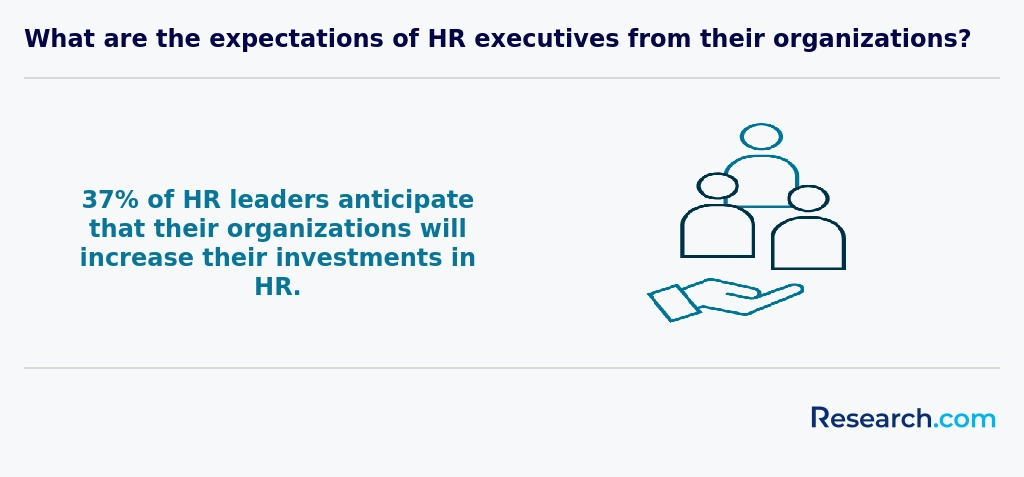
The landscape of Human Resources education is rapidly evolving to meet the demands of a dynamic workforce. In San Diego, innovative programs are integrating advanced technologies such as artificial intelligence for talent analytics, predictive employee engagement tools, and digital transformation strategies to equip students with skills for modern HR practices. These emerging trends are not only reshaping curriculum design but also enhancing real-world learning experiences through virtual simulations and interactive workshops. Institutions are increasingly investing in partnerships with industry leaders to ensure that graduates can navigate challenges like remote work, diversity management, and rapid digital disruption with confidence. For students eager to align their academic journey with market needs, exploring in demand human resources programs offers a valuable pathway to access cutting-edge resources and mentorship opportunities. As the field continues to adapt, staying informed about these innovations will be key to building a future-proof HR career.
Students pursuing a human resources degree in San Diego can access various financial aid options to ease tuition costs and living expenses. Graduates often recommend starting with federal aid by submitting the FAFSA to qualify for Pell Grants, which can cover up to $7,395 annually, and low-interest student loans that offer manageable repayment plans tailored to each student's situation.
California residents benefit from state programs like the California College Promise Grant, which waives community college fees-a popular choice for those beginning their HR studies locally. For those attending four-year institutions such as San Diego State University, the Cal Grant can cover up to $12,570 yearly, helping make quality education more affordable.
Many San Diego colleges also award scholarships specifically for human resources or business majors. Graduates often share how these scholarships, based on merit or need, reduce financial stress significantly. Additionally, professional organizations like SHRM provide scholarships that students can apply for, strengthening resumes and easing costs.
Real-life HR students recommend exploring part-time work or internships around San Diego that offer stipends and practical experience, complementing federal work-study opportunities. These not only support finances but also build relevant skills for future careers in human resources.
To enroll in a human resources degree program in San Diego, students typically need a high school diploma or equivalent, such as a GED. For example, many graduates from San Diego State University found that submitting their high school transcripts and SAT scores (when required) was straightforward, especially since some programs now offer test-optional policies. Community colleges with associate degrees in HR often have open enrollment, making it easier for students to start their studies and build confidence while gaining essential credits.
Those aiming for a bachelor's in human resources should focus on maintaining a strong GPA and gaining leadership experience through extracurriculars or part-time jobs. Graduates frequently share that completing foundational courses in business or psychology was beneficial before tackling advanced HR topics.
For graduate programs like a Master's in Human Resources Management, holding a bachelor's degree with a minimum GPA around 3.0 is crucial. Applicants might also submit GRE/GMAT scores, letters of recommendation, and a statement of purpose, helping them express their passion and career goals clearly to admissions committees in San Diego's top institutions.

Human resources degree programs in San Diego typically include courses that build a solid foundation in workforce management and labor law. Graduates from local universities often praise classes like Human Resource Management, which focus on strategic HR planning and everyday functions essential for managing teams effectively in companies such as Qualcomm or Illumina.
Courses in Employment Law give students practical knowledge of both federal and California-specific labor regulations, essential for navigating real workplace challenges. Many students share how these classes prepared them to confidently handle compliance and employee rights from day one in their careers.
Programs also emphasize Organizational Behavior and Training and Development, showing how to foster a positive company culture and boost employee skills. At schools like San Diego State University, hands-on projects in these courses help make theory tangible, allowing students to simulate real HR scenarios effectively.
Additionally, courses in Human Resource Information Systems (HRIS) teach the use of cutting-edge software to manage employee data, a skill graduates find invaluable in San Diego's tech-driven job market.
Human resources degree specializations in San Diego commonly include Talent Acquisition and Recruitment, Employee Relations and Labor Relations, Compensation and Benefits, Organizational Development and Training, and HR Information Systems (HRIS). Graduates from local universities often share how focusing on Talent Acquisition helped them master candidate sourcing and employer branding, which is crucial as San Diego's competitive job market demands skilled workforce planners. Those who chose Employee Relations appreciate their ability to handle conflict resolution and union interactions, valuable skills given the region's diverse labor environment.
One graduate highlighted how Compensation and Benefits training at a prominent San Diego college enabled them to design competitive pay and incentive programs while managing costs, especially relevant with California's tuition averages. Students focusing on Organizational Development find themselves well-prepared to lead training and change initiatives in innovative San Diego companies. Additionally, HRIS specialization aligns well with the city's tech-driven economy, offering graduates sought-after tech and analytics skills. For those budgeting their education, exploring resources like the Cheapest Online Human Resources Degree Programs Ranking in Texas can provide useful financial perspectives on HR degrees.
The best HR specialization options San Diego provides enable students to align studies with industry needs and personal career goals, boosting confidence and job readiness in a dynamic workforce.
Choosing the best human resources degree programs San Diego means focusing on accreditation and curriculum relevance. Graduates from San Diego State University often highlight the value of its WASC accreditation and practical internships that prepare them for real HR challenges in local companies. Cost matters too, especially since affordable human resources degrees in San Diego, such as those at San Diego Miramar College, allow students to gain essential skills without heavy debt. Many students start there before transferring to four-year universities. Close attention to programs that offer specializations in talent acquisition or labor relations can help tailor your studies to your career goals. Also, check post-graduation employment data-graduates report starting salaries between $55,000 and $75,000, reflecting strong demand in the region. For working professionals, exploring best accelerated online programs for working adults can provide flexibility without sacrificing quality, making it easier to balance education with existing job commitments.

Graduates with a human resources degree in San Diego have access to a range of career paths that fit various interests and skill sets. Many alumni from institutions like San Diego State University find rewarding roles as Human Resources Specialists, handling recruiting and employee relations in the city's diverse industries. Others pursue advanced positions such as Human Resources Managers, where they lead strategic initiatives in growing sectors like biotech and software development. These roles offer median salaries that reflect the expertise required and the local demand for skilled professionals.
Specialized careers are also popular, including compensation and benefits analysis, training and development, and labor relations, allowing graduates to focus on areas they are passionate about. Opportunities in compliance and employee wellness coordination are expanding as companies adapt to evolving labor laws and workplace cultures in San Diego. Public sector roles remain viable, with government agencies seeking HR experts for workforce planning and community engagement.
Students aiming to enter this competitive job market appreciate the affordable tuition options at local colleges and often explore related fields for growth. Many also explore top college courses for seniors online to enhance their qualifications and adapt to evolving career demands with flexible learning options.
Graduates with a human resources degree in San Diego find a promising job market, supported by steady employment growth in sectors like technology and healthcare. Human resources degree employment San Diego is bolstered by major employers such as Qualcomm and UC San Diego, where HR roles are crucial for managing talent and workplace compliance. Many graduates from local universities share positive experiences, noting how their education prepared them well for these dynamic workplaces. For example, a recent graduate from a popular San Diego college found a fulfilling role in a biotech startup's HR department, highlighting the value of practical coursework combined with industry networking.
Tuition costs remain reasonable at public universities in the area, encouraging students to pursue degrees without overwhelming debt. Many also choose to enhance their credentials through certification, which increases hiring potential in competitive markets. For those seeking affordable options, consider exploring cheap online master degree programs to further boost career prospects while managing costs effectively.
The job outlook for human resources in San Diego signals steady opportunities, making it an excellent choice for students aiming to build rewarding HR careers locally.
2027 Most Popular Human Resources Degree Programs Ranking in San Diego
Investing in your education is a significant decision that can shape your future, and the Research.com team understands the importance of making informed choices. To assist prospective students in San Diego, we have meticulously crafted the "2027 Most Popular Human Resources Degree Programs Ranking in San Diego." Our commitment to quality, credibility, and accuracy is reflected in the extensive research and analysis conducted to compile this ranking.
We utilized the following reputable data sources to ensure a comprehensive evaluation of human resources programs:
By exploring this ranking, readers will gain valuable insights into the most popular human resources degree programs in San Diego, helping them make well-informed decisions about their educational paths. For more details on our methodology, please visit our Research.com methodology page.

# 3 position
Ashford University
Bachelor of Arts in Human Resources Management

# 4 position
Ashford University
Master of Science in Human Resources

Frequently Asked Questions About human resources
Human resources degree students in San Diego can maximize their learning by engaging actively with both academic and practical experiences. Enrolling in programs accredited by the Society for Human Resource Management (SHRM) can enhance credibility and access to specialized resources. San Diego offers opportunities for internships at local companies, with the healthcare and biotech sectors being prominent employers of HR professionals.
Students should also join professional organizations like the San Diego HR Association to network and attend workshops. Additionally, utilizing the city's diverse economy allows hands-on experience with varied workforce needs, boosting adaptability in real-world HR challenges.
A 2023 report from the U.S. Bureau of Labor Statistics shows that San Diego's HR employment is growing faster than the national average, making practical exposure even more important.
The human resources field is evolving rapidly, with new specializations emerging to meet modern workforce demands. In San Diego, prominent niches include HR analytics, which uses data to improve hiring and retention strategies. According to the Bureau of Labor Statistics, HR analyst roles are projected to grow by 9% nationally through 2031, reflecting strong demand.
Another growing area is diversity, equity, and inclusion (DEI) management. Organizations in San Diego increasingly prioritize DEI to create more inclusive workplaces, driven by local industry mandates and community standards.
Finally, labor relations and remote workforce management are gaining importance as hybrid work models become widespread. San Diego's robust biotech and tech sectors particularly emphasize these skills, underscoring the need for specialized HR professionals.
Preparing for the job market after earning a human resources degree in San Diego involves strategic steps tailored to the local employment landscape. San Diego's growing industries, including biotechnology and defense, require HR professionals skilled in talent acquisition and compliance with California labor laws.
Graduates should pursue internships or part-time roles during studies to gain practical experience. According to the U.S. Bureau of Labor Statistics, California expects a 7% growth in HR jobs from 2022 to 2032, highlighting opportunities in the region.
Networking through local SHRM (Society for Human Resource Management) chapters or San Diego career fairs can connect candidates with employers. Additionally, obtaining certifications like PHR or SHRM-CP enhances competitiveness in this market.
Employers in San Diego seek human resources degree graduates with strong communication and interpersonal skills. These abilities are essential for mediating workplace conflicts and fostering positive employee relations.
Analytical skills are also highly valued. Human resources professionals must interpret data on employee performance and workplace trends to make informed decisions.
Knowledge of employment laws and compliance is critical, given California's complex regulatory environment. Graduates familiar with local labor laws, such as those from the California Department of Industrial Relations, have an advantage.
Additionally, proficiency in HR technology, including applicant tracking systems and HRIS software, is increasingly important as San Diego companies adopt digital solutions.
Leadership and ethical judgment complete the core skill set employers expect from graduates, enabling them to contribute effectively in dynamic workplace settings.
Finding internships in San Diego related to a human resources degree involves several strategic steps. First, explore local companies in healthcare, biotech, and tourism, as these industries actively seek HR interns. San Diego's Economic Development Corporation reports a steady growth in these sectors, offering numerous internship opportunities.
Use career services at local universities like San Diego State University, which maintains partnerships with businesses for HR internships. Additionally, check platforms such as Handshake and LinkedIn for postings specifically targeting San Diego.
Professional organizations like the San Diego Human Resources Association (SDHRA) provide networking events and internship listings that can be valuable resources.
Applying early and tailoring your resume to HR skills increase chances of securing competitive positions in this active job market.
Obtaining a human resources degree in San Diego significantly enhances career mobility and advancement opportunities. According to the U.S. Bureau of Labor Statistics, the San Diego metropolitan area employs over 4,000 HR specialists, with employment projected to grow 7% through 2031. A degree in human resources provides foundational knowledge and skills highly valued by local employers in diverse sectors such as biotech, healthcare, and technology.
The degree often qualifies graduates for certified roles and specialized positions, increasing prospects for promotions and salary growth. Additionally, connections with San Diego's corporate and nonprofit HR networks foster professional development and job placement. This educational background remains a key asset for advancing in the competitive regional labor market.
Studying for a human resources degree in San Diego equips students with skills that extend beyond traditional HR tasks, preparing them for interdisciplinary roles in various industries. Local programs emphasize collaboration with business, psychology, and legal studies, helping students understand workforce dynamics from multiple angles.
San Diego's diverse economy, including biotech, tourism, and defense sectors, creates demand for HR professionals capable of integrating knowledge from different fields. According to the U.S. Bureau of Labor Statistics, HR specialists in California saw a projected 7% growth from 2021 to 2031, underlining the increasing need for versatile skills.
Many San Diego colleges partner with companies to offer internships, allowing hands-on experience in cross-functional teams. This practical approach enhances communication, problem-solving, and leadership-key traits for interdisciplinary success in modern workplaces.
Choosing between a thesis and a non-thesis human resources degree program in San Diego depends on your career goals and learning preferences. Thesis programs typically involve conducting original research, which may benefit those interested in academic or research-related roles. Non-thesis options focus more on practical knowledge and coursework, appealing to professionals aiming to enter or advance in HR management.
San Diego has diverse HR opportunities, with its metropolitan area employing around 14,000 HR specialists as of 2023 (Bureau of Labor Statistics). If you seek a research-oriented career or potential doctoral studies, a thesis track could be ideal. For immediate workforce entry, a non-thesis program may offer more applied skills.
Students based in San Diego interested in studying human resources abroad have several pathways through U.S. university partnerships and study abroad programs. Many institutions in San Diego, including San Diego State University, offer exchange programs with universities in countries such as the United Kingdom, Australia, and Canada, where students can pursue courses related to human resources management.
These programs typically last one semester to a full academic year, allowing credits to transfer back to students' home institutions. According to the Institute of International Education, about 10% of U.S. study abroad students choose business-related fields, which include human resources.
Additionally, online degree options from international universities provide flexible routes for San Diego residents who want global exposure without relocating. Importantly, the U.S. Department of Education ensures that credits earned abroad from accredited institutions meet American standards, facilitating these international academic experiences.
Part-time job opportunities in San Diego that complement a human resources degree are diverse and valuable for gaining practical experience. Many students pursue roles such as HR assistants, recruitment coordinators, or office managers. These positions help develop skills in employee relations, talent acquisition, and administrative support.
Local companies in industries like biotech and hospitality, significant to San Diego's economy, often seek part-time HR help. According to the San Diego Workforce Partnership, employment in professional and business services, including HR, grew by 4.2% in recent years, creating more entry-level openings.
Internships with nonprofit organizations also provide exposure to HR functions while building networking connections. Such roles enhance understanding of compliance, benefits administration, and training processes while studying.
Human resources students in San Diego have access to diverse networking opportunities that can enhance their academic and professional growth. Local chapters of national organizations, like the Society for Human Resource Management (SHRM), host regular events, workshops, and conferences where students can connect with industry professionals. San Diego also benefits from a strong business community, including many startups and established companies in sectors like biotech and defense, offering numerous internship and mentorship possibilities.
Universities such as San Diego State University and University of San Diego often facilitate networking through career fairs specifically tailored to HR students. According to SHRM San Diego, attendance at local HR networking events has grown by over 15% annually, reflecting a vibrant professional community eager to engage emerging HR talent.
Alumni networks play a crucial role for human resources degree students in San Diego by providing valuable connections within the local job market. These networks often include graduates working in prominent companies like Qualcomm and Scripps Health, creating opportunities for mentorship and job referrals.
Engagement with alumni can increase employment prospects, as 79% of jobs are filled through networking, according to a 2023 SHRM report. In San Diego, human resources professionals benefit from strong ties in industries such as biotech and tourism, sectors prominent in the region's economy.
Moreover, alumni events and online groups foster ongoing professional development and industry insights, helping students stay updated with HR best practices and certification trends.
Customizing your human resources degree program in San Diego involves selecting courses and specializations that align with your career goals. Many colleges offer concentrations such as talent management, labor relations, or HR analytics, allowing you to build expertise in areas with high local demand. For example, San Diego's growing tech and biotech sectors often seek HR professionals skilled in recruitment and employee development.
Internships and cooperative education programs available through San Diego institutions provide valuable hands-on experience and networking opportunities. Additionally, some schools allow students to tailor electives, focusing on compliance, diversity, or organizational leadership to better prepare for specific HR roles.
The U.S. Bureau of Labor Statistics notes that the San Diego metropolitan area employs over 10,000 human resources specialists, highlighting opportunities for skilled graduates.
Human resources students in San Diego often face specific challenges driven by the local job market and educational landscape. One major challenge is gaining practical experience, as competitive internships in HR-related roles are limited due to the concentration of industries like biotech and defense rather than traditional corporate sectors.
Additionally, students must navigate the evolving legal framework on employment laws in California, which requires up-to-date knowledge of complex regulations such as the California Family Rights Act and wage laws. According to the California Labor & Workforce Development Agency, these laws are stricter than federal ones, increasing the learning curve.
Another difficulty is the rising cost of tuition, with California public universities averaging over $7,000 per year for in-state students, posing financial barriers for many aspiring HR professionals. Balancing coursework with part-time work is often necessary to manage expenses.
Graduates with a human resources degree in San Diego have several professional certification options to enhance their careers. The most recognized certification is the Professional in Human Resources (PHR), offered by the HR Certification Institute, focusing on operational HR roles. Another popular credential is the Society for Human Resource Management Certified Professional (SHRM-CP), which is widely accepted across industries in the U.S., including San Diego's growing biotech and tech sectors.
Advanced certifications like Senior Professional in Human Resources (SPHR) and SHRM-SCP are ideal for professionals aiming for leadership roles. Completing any of these certifications can increase salary potential and job opportunities, especially in San Diego, where HR professionals earn a median salary of about $70,000 according to recent Bureau of Labor Statistics data.
Applying for a human resources program in San Diego requires careful preparation to stand out. First, tailor your application to highlight HR-related experience, such as internships or roles involving employee relations or organizational development. Admissions committees often look for candidates demonstrating strong communication and problem-solving skills.
San Diego institutions prioritize applicants who understand local labor laws and diversity practices, reflecting the region's diverse workforce. Including relevant coursework or certifications, like SHRM-CP, can strengthen your profile.
When writing your personal statement, clearly express your career goals and how the program aligns with San Diego's growing job market in healthcare, biotech, and tourism sectors, which demand skilled HR professionals. According to the San Diego Workforce Partnership (2023), HR roles are expected to grow by 7% in the region over the next decade.
The global perspectives on a human resources (HR) career increasingly emphasize cultural awareness, diversity, and strategic impact. In the United States, including San Diego, HR professionals are expected to manage talent in diverse, multinational settings. The Society for Human Resource Management (SHRM) highlights that understanding global labor laws and cross-cultural communication are essential skills.
San Diego's growing biotech and tech sectors offer HR specialists exposure to international workforces and practices. According to the U.S. Bureau of Labor Statistics, HR employment in California is projected to grow 10% by 2032, reflecting global business integration.
For students in San Diego, studying HR provides opportunities to engage with global business trends and improve workforce inclusion, preparing graduates for varied international challenges.
Gaining practical experience during a human resources degree in San Diego is essential for career readiness. Many local universities and colleges offer internship programs connected with regional businesses. These internships provide hands-on experience in recruitment, employee relations, and benefits administration.
San Diego's diverse economy, which includes technology, healthcare, and defense sectors, offers a wide range of HR internship opportunities. According to the San Diego Workforce Partnership, internships can lead to higher employment rates post-graduation.
Additionally, students can engage in part-time HR assistant roles or join campus HR clubs and networking events to build professional skills and contacts within the San Diego HR community.
Choosing the right concentration within a human resources degree in San Diego begins with understanding your career goals. Human resources programs often offer specializations such as employee relations, talent acquisition, or organizational development. Each concentration prepares you for different roles, so consider which aligns with your desired job path.
It is useful to research local labor market trends. According to the U.S. Bureau of Labor Statistics, San Diego's HR sector is growing steadily, especially in tech and healthcare industries, which may influence the demand for specific HR skills.
Additionally, review the curriculum and faculty expertise of programs in San Diego colleges to find concentrations with strong practical training or internship opportunities. This hands-on experience increases employability in the competitive regional job market.
- 2027 Most Popular Human Resources Degree Programs Ranking in Claremont
- 2027 Most Popular Human Resources Degree Programs Ranking in Phoenix
- 2027 Most Popular Human Resources Degree Programs Ranking in San Francisco
- 2027 Most Popular Human Resources Degree Programs Ranking in Denver
- 2027 Most Popular Human Resources Degree Programs Ranking in Wichita
- 2027 Most Popular Human Resources Degree Programs Ranking in Tyler
- 2027 Most Popular Human Resources Degree Programs Ranking in Houston
- 2027 Most Popular Human Resources Degree Programs Ranking in Bellevue
- 2027 Most Popular Human Resources Degree Programs Ranking in Minneapolis
- 2027 Most Popular Human Resources Degree Programs Ranking in Saint Paul
See What Experts Have To Say About Studying Human Resources
Read our interview with Human Resources experts

Thomas Kochan
Human Resources Expert
Professor of Management
Massachusetts Institute of Technology

Chester S. Spell
Human Resources Expert
Professor of Management
Rutgers University

Rick Hackett
Human Resources Expert
Professor, Human Resources & Management
McMaster University

- Degrees for Human Resources: A Guide to Starting or Switching Your Career https://www.aihr.com/blog/degrees-for-human-resources/
- Top 10 HR Challenges and Their Solutions | HR Courses https://zoetalentsolutions.com/top-10-hr-challenges-and-their-solutions/
- Human Resources Internships https://careers.slb.com/early-careers/internships/hr-intern
- International HR Perspectives (MHR104) https://www.uis.no/en/course/MHR104
- New Opportunities for Employees to Seek Higher Education https://www.insidesandiego.org/new-opportunities-employees-seek-higher-education
- Navigating Your Options: Which HR Career Path Is Right for You? https://online.law.tulane.edu/blog/finding-your-hr-career-path
- A Guide to the Human Resources Career Path https://www.galwaybusinessschool.ie/blog/a-guide-to-the-human-resources-career-path/
- HR Exchange Network https://www.hrexchangenetwork.com/
- HUMAN RESOURCE MANAGEMENT (THESIS / NON-THESIS) - Lisansüstü Eğitim Enstitüsü https://lee.nisantasi.edu.tr/en/human-resource-management-thesis-non-thesis/
- CourseCareers https://coursecareers.com/blog-posts/how-to-break-into-human-resources