2027 Most Popular Human Resources Degree Programs Ranking in Duluth

Co-Founder and Chief Data Scientist
If you're considering a human resources degree in Duluth, this article is for you. We present the 2027 Most Popular Human Resources Degree Programs Ranking in Duluth, created by the Research.com team of data scientists. This ranking will help you make an informed choice about which programs stand out.
Reading this article can guide you toward opportunities that align with your career goals. Earning a human resources degree opens doors and builds skills that employers value. Your future in HR starts with the right education, and this ranking aims to support your journey.
Key benefits of getting human resources degree in Duluth
- Graduates with a human resources degree in Duluth can expect strong earning potential, with roles like Human Resources Generalist and Recruitment Coordinator earning a mean annual wage of $76,060 and an hourly wage of $36.57.
- Career paths include exciting opportunities in recruitment, employee relations, and training development, providing a variety of growth options for local graduates from universities such as the University of Minnesota Duluth.
- Choosing an online human resources degree offers flexible scheduling and the chance to balance work and study, as demonstrated by students benefiting from programs at popular institutions in Duluth, making education accessible and convenient.
- 2027 Most Popular Human Resources Degree Programs Ranking in Duluth
- What can I expect from human resources degree in Duluth?
- Where can I work with human resources degree in Duluth?
What can I expect from human resources degree in Duluth?
Imagine stepping onto the vibrant campus of the University of Minnesota Duluth, where the buzz of networking events and internship fairs feels like the first step to your future in human resources. Graduates often recall the thrilling challenge of balancing core courses like employee compensation and HR analytics with hands-on projects that mirror real business puzzles in Duluth's healthcare and manufacturing sectors.
Now, what about the price tag on this transformative journey? Typically, pursuing an HR degree here runs between $12,000 and $15,000 per academic year for in-state students, thanks to public university tuition rates. Private institutions in Duluth might push this closer to $20,000 annually, yet many graduates appreciate how scholarships and work-study options soften the financial load.
One alum reflects on how the investment felt like planting a seed; the return blossomed through job opportunities in employee relations and benefits administration throughout the Duluth metropolitan area. This balance of cost and real-world prep paints a hopeful picture for any aspiring HR professional ready to engage with Minnesota's unique labor landscape.
Where can I work with human resources degree in Duluth?
Graduates from human resources programs at Duluth's universities find themselves stepping into a vibrant workforce where every sector thrives on their skillful touch. Imagine starting your career navigating the bustling halls of St. Luke's Hospital, where healthcare HR teams juggle complex staffing needs and compliance rules-your expertise ensures the heartbeat of the institution stays steady through talent management and employee wellness.
Others dive into the educational realm, supporting the University of Minnesota Duluth or local schools, where understanding union contracts and education law turns HR work into a bridge between staff and institution, fostering growth and harmony. Your knowledge becomes a catalyst for positive change in communities you care about.
Manufacturing giants like Polaris beckon, calling for HR professionals who balance recruitment and compliance amidst the rhythm of factory floors. Meanwhile, local government agencies craft workforce policies that shape the city's future, places where HR graduates can feel the pride of contributing to public service.
From nonprofit ventures to dynamic service industries, Duluth's HR degree holders don't just find jobs-they create careers rich in purpose and connection, weaving themselves into the very fabric of the city's economic life.
Graduates from human resources programs at Duluth's well-regarded institutions often find themselves stepping into roles where the numbers tell a story of promise. Imagine landing a job as a Recruitment Coordinator, where the mean annual wage hovers around $76,060-a salary that fuels both ambition and stability in Duluth's comfortable cost-of-living environment. One recent graduate from a local college shared how this salary allowed a smooth transition into the city's professional rhythm, balancing student loans and weekend lake adventures.
For those drawn to shaping workplace culture, positions like Training and Development Coordinator offer a rewarding $71,980 on average. Another graduate recalled the excitement of applying classroom theories directly to employee growth programs, while enjoying the benefit of competitive pay. Meanwhile, jobs such as Employee Relations Specialist or Human Resources Generalist pull in similar salaries near $76,060, reflecting the robust demand and respect for these careers in Duluth's diverse industries.
All told, a human resources degree here doesn't just open doors-it opens wallets, with salaries that echo the region's mix of economic opportunity and quality of life.
- The average annual cost for a human resources degree in Duluth ranges from $12,000 to $18,000 for in-state public university students, with private and out-of-state tuition reaching up to $25,000.
- Entry-level salaries for human resources graduates in Duluth average around $48,000 per year, increasing to about $70,000 with experience and certifications like PHR.
- Duluth's economy includes industries such as healthcare, education, manufacturing, and tourism, all requiring HR professionals for recruitment and compliance.
- Job growth for human resources specialists in Duluth is projected at about 7% over the next decade, driven by needs in employee development and benefits administration.
- Local networking opportunities and internships are available in Duluth's smaller but active business community, helping students gain practical HR experience.
Picture yourself diving into a human resources associate degree in Duluth, where two years of full-time study unveil the foundations of business and communication like unlocking a treasure chest of opportunities. Graduates from the University of Minnesota Duluth often describe this journey as an exciting sprint-intense but rewarding, a time when theory quickly meets practical skills that can be applied in local workplaces.
Bachelor's degree seekers embrace about four years of immersive learning, navigating courses like employment law and talent management. It's common for Duluth students to weave internships into their schedules, adding real-world sparkle to their academic path. A graduate recalls how balancing coursework with hands-on experience felt like composing a symphony-challenging yet harmonious, filling their resume and their confidence.
Graduate programs take this adventure further, extending study by one to two years or more if part-time. Here, strategic thinking and leadership bloom, often in settings enriched by Duluth's tight-knit educational community. The steady rhythm of credit transfers and class availability occasionally shifts the tempo, but overall, students chart a course fueled by ambition and supported by a vibrant academic environment.
Navigating the application process is a crucial step toward enrolling in a top Human Resources program in Duluth, MN. Aspiring HR professionals should start by thoroughly researching each institution’s admissions criteria and deadlines. Begin by ensuring that you meet the standard prerequisites-such as a verified high school diploma or equivalent and a competitive GPA-and consider taking supplementary courses in business or psychology to strengthen your application. Additionally, engaging in extracurricular activities or volunteer work related to HR can provide useful talking points for your personal statement. It’s also important to prepare well for entrance exams and interviews by practicing industry-specific questions and learning about current HR trends. Many successful candidates report that early engagement with academic advisors and current students offers insights into the unique strengths of each program. For a more comprehensive look at what makes programs stand out, you might want to explore the most popular human resources schools featured on our rankings page. Furthermore, consider reaching out to the admissions offices of your preferred institutions for insider tips and updates on any unique scholarship opportunities. By taking a proactive approach-attending virtual open houses, connecting on social media, and reviewing alumni success stories-you’ll not only enhance your application but also build a network that can support your career growth in the dynamic field of Human Resources.
Imagine juggling a full-time job in Duluth's bustling HR scene while earning your degree-online programs at local institutions make that possible with flexible schedules and virtual classrooms. Graduates recall attending lectures after work, savoring the freedom to pause and replay lessons, fitting study around family dinners and wintertime shoveling. It's the rhythm of life tailored to you, perfect for those who prize autonomy without missing the core curriculum taught by Duluth faculty.
Conversely, on-campus learners at Duluth's renowned colleges dive headfirst into vibrant face-to-face dynamics. Picture walking the hallways where internships bloom thanks to local business ties, exchanging ideas over coffee, and spontaneously networking after class. Graduates cherish the tangible buzz of collaboration, honing soft skills crucial for human resources roles in the community-driven Duluth market. Yet, this requires rhythm and routine-attending scheduled classes and embracing campus life.
The cost dance also sways different steps. Online programs trim commuting and housing costs, offering a leaner financial footprint, whereas on-campus journeys might weigh heavier but reward with enriched practical exposure. Each path pulses with unique beats in Duluth's HR education landscape.
The average cost of a human resources degree in Duluth hovers around $54,808, a figure that stirs a mix of excitement and strategic planning among ambitious students. Those who call Duluth their home enjoy a somewhat friendlier price tag with a median in-state total cost closer to $41,778, making the dream of mastering human resources more tangible without sacrificing quality. Graduates from popular institutions in Duluth often reflect on how this investment paid off, recalling late-night study sessions fueled by determination and career workshops that sparked their passion. This balance of cost and opportunity makes the journey feel like a worthwhile adventure.
Imagine walking through the halls of a well-known Duluth college, chatting with peers who share your drive to thrive in HR, knowing the tuition and fees are an investment in a flourishing future. The average cost of human resources degree Duluth students face may seem daunting at first glance, but many find ways to navigate it through scholarships, financial aid, and part-time work. These realities soften the impact and highlight the excitement of entering a field ripe with possibilities.
For detailed tuition and program info tailored to Duluth's top schools, prospective students often turn to resources such as https://research.com/rankings/human-resources/best-human-resources-duluth-mn, where costs and options are transparently laid out. This empowers students to make confident, informed decisions when tackling the human resources degree tuition and fees Duluth demands.
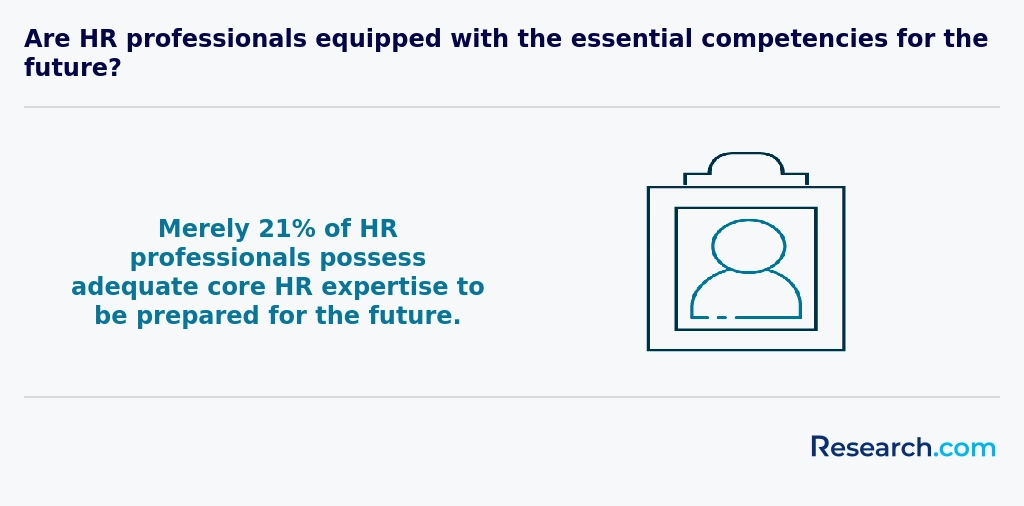
Earning a professional certification can significantly enhance your Human Resources career trajectory by validating your expertise and signaling commitment to employers. Common certifications include the SHRM-CP (Society for Human Resource Management – Certified Professional), PHR (Professional in Human Resources), and CIPD credentials. These credentials require a combination of education and HR experience-often one to four years-plus preparation courses that reinforce core competencies such as talent acquisition, employee relations, and compliance. Most HR degree programs in Duluth integrate certification exam prep into upper-level courses, offering workshops on exam content outlines, practice quizzes, and study groups. Graduates report that hands-on projects-like drafting a compliance handbook or developing a benefits package-mirror certification scenarios, boosting confidence on exam day. Passing a nationally recognized certification can lead to salary increases of 10–20% and open doors to senior roles such as HR Business Partner or Director of People and Culture. For budget-conscious students aiming to combine degree affordability with certification readiness, consider exploring our Low Cost Human Resources Degree Programs Ranking in Saint Paul, MN. These programs often offer integrated certification prep at lower tuition rates, helping you achieve both academic and professional credentials without overstretching your budget. Once certified, maintain your credential through continuing education credits-attend local SHRM chapter events in Duluth, enroll in webinars on emerging HR technologies, or participate in peer-reviewed case study seminars. Ongoing professional development ensures you stay current with evolving labor laws, diversity and inclusion strategies, and HR analytics, positioning you as a strategic asset in any organization.
Imagine walking the vibrant halls of the University of Minnesota Duluth, where human resources students thrive not just on knowledge but on a patchwork quilt of financial aid designed to lighten their journey. Many have danced through the maze of federal Pell Grants, unlocking up to $7,395 a year-pure funds that never demand repayment, like gifts from an unseen mentor. Others have tapped into the Federal Supplemental Educational Opportunity Grant, a lifeline for those whose financial need runs deep.
Graduates recall the steady support from Direct Subsidized and Unsubsidized Loans, quietly fueling their dreams with reasonable interest and repayment options, unlike the shadows cast by private lenders. At the state level, Minnesota's Grant Program acts as a steadfast ally for Duluth residents, smoothing the path through school costs with generous help.
Campus walls whisper tales of departmental scholarships, where dedication to human resources or business excellence turns into tangible rewards. Even the Society for Human Resource Management extends a hand, offering scholarships that echo nationwide encouragement. Meanwhile, work-study gigs provide more than money-they build experience, transforming part-time hours into stepping stones for the future.
Completing the FAFSA early is the secret handshake unlocking these support networks, and Duluth's financial aid offices stand ready to guide every aspiring human resources professional toward their unique financial roadmap.
Imagine you're stepping onto the University of Minnesota Duluth campus, clutching your high school diploma or GED like a golden ticket to a new adventure. This foundational credential is your first handshake with the human resources world here, opening doors to your future colleagues and classrooms.
Picture recent graduates who shared that submitting SAT or ACT scores felt like showcasing their academic passport-though some Duluth schools now say, "No worries," embracing a test-optional mindset to welcome diverse talents. It's a gentle nod toward making education accessible, yet still rooted in solid standards.
Envision crafting your story through letters of recommendation and personal statements, as peers have done, painting their passion for people and workplace culture. It's not just paperwork; it's your character spotlight.
For those targeting a master's journey, think of past students weaving in their bachelor's degrees-some in psychology, others in business-alongside prerequisite courses that sharpen insights into organizational behavior. It's a mosaic of preparation sparking confidence and readiness specific to Duluth's vibrant academic vibe.

Duluth's human resources degrees spark to life with courses that feel like stepping into the heartbeat of every organization. Graduates often reminisce about their first dive into organizational behavior, where they uncover the fascinating dance of teams and leaders in local Duluth businesses-imagine decoding the unwritten rules that keep a hospital or a manufacturing plant humming smoothly. Employment law classes bring the dynamic landscape of workplace rights alive, a critical tool in Duluth's diverse economic tapestry, empowering students to safeguard employees and employers alike against legal slip-ups.
Recruitment and staffing courses feel like crafting the perfect puzzle, assembling talent for Duluth's thriving sectors from healthcare to education. Students cherish hands-on experiences designing training and development plans that boost skills in real Duluth companies, providing a sense of pride knowing they help shape tomorrow's workforce. Compensation and benefits classes teach the art of competitive reward systems critical in this labor environment, while performance management training helps future HR pros build evaluation tools that truly nurture local talent and growth.
Popular Duluth universities embed practical, data-driven insights, turning HR research methods and information systems into exciting explorations of workforce trends. Graduates leave confident, ready to navigate Duluth's multifaceted job landscape with skills that matter.
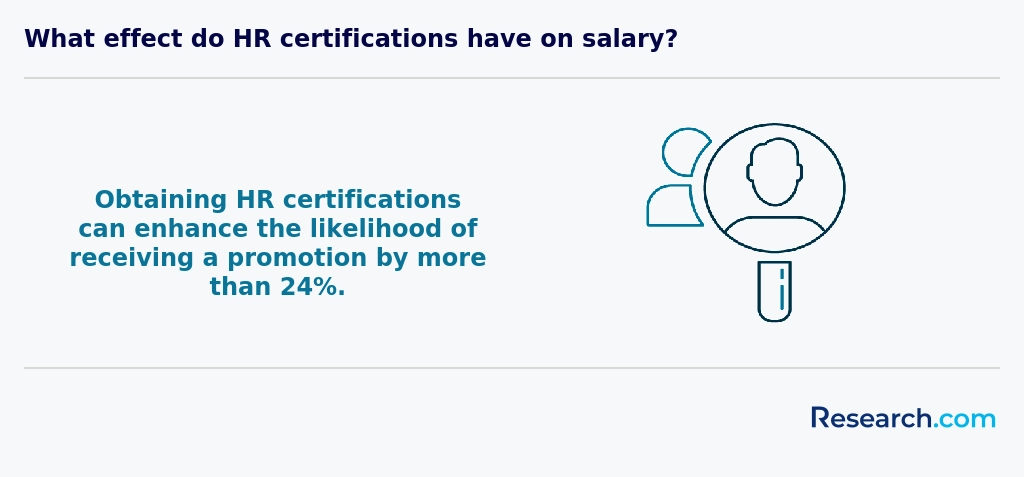
Imagine diving into a human resources degree in Duluth where your passion for people meets hands-on strategies tailored to the vibrant local economy. Graduates from popular colleges often share how the talent acquisition specialization felt like crafting an art form-like piecing together the perfect puzzle of employer branding and recruitment tech. Others recall navigating employee relations, negotiating real-world labor agreements amidst Duluth's diverse service and manufacturing sectors, bringing theory alive through heated yet rewarding conflict resolution exercises. This pulse on the workforce translates into a truly practical education, one that makes the HR landscape in Duluth feel both dynamic and deeply connected to its community fabric.
Many students gravitate toward Duluth HR degree concentration options like compensation strategies, where they unravel the complexity of pay systems alongside data analytics, fueled by the knowledge that local HR specialists earn a solid median salary around $61,000. Another popular path is training and development, embedding leadership growth directly into experiential learning frameworks. Even the digital frontier beckons with Human Resources Information Systems, where managing HR software becomes second nature amidst the city's advancing workplaces. For those considering broader horizons, pushing further can be sparked by exploring the best PhD in accounting online, linking intersecting career possibilities.
Picking the best human resources degree in Duluth feels like mapping your future with a compass finely tuned to the city's unique economic pulse. Graduates from local colleges often share how accreditation sparked confidence-knowing their diploma carries weight not just in Duluth's healthcare hubs but in manufacturing floors and classrooms too. Imagine studying a curriculum designed to align perfectly with SHRM-CP certifications, empowering you with skills that employers in Duluth eagerly seek.
Consider the rhythm of your life. Many find joy in hybrid or evening courses offered by Duluth institutions, balancing family and work without missing a beat. Affordable HR degrees in Duluth often intertwine accessible tuition with scholarship paths that ease financial stress, enabling students to focus on growth rather than bills.
And don't overlook the power of connections. Graduates rave about internship opportunities nestled within Duluth's business community, turning theories into hands-on triumphs. To expand your horizons, compare choices thoughtfully-just as you would while exploring the best business schools in Colorado for undergraduates. This approach grounds your decision in experience and practicality, lighting the way forward.

Imagine stepping into Duluth's vibrant workplaces where human resources jobs in Duluth MN unfold like a tapestry of opportunity. Graduates from local colleges often find themselves weaving careers as Recruitment and Talent Acquisition Specialists, hunting for hidden gems in talent across manufacturing or healthcare sectors. Others thrive as Employee Relations Managers, transforming workplace tensions into harmony in bustling education institutions such as the University of Minnesota Duluth.
Picture a Compensation and Benefits Analyst meticulously crafting salary symphonies that keep Duluth's diverse workforce motivated, while Training and Development Coordinators orchestrate growth journeys that reshape careers with every workshop. HR Compliance Officers become the guardians of fairness, navigating complex labor laws with precision and heart. Versatile HR Generalists juggle these roles seamlessly, especially in smaller Duluth firms where adaptability reigns supreme. Exploring career opportunities with HR degree Duluth grads describe a landscape that shifts with technology and culture, fueled by skills in HRIS and data analytics.
Local students often remark that understanding the balance of affordable education cost and strong job prospects energizes their pursuit of high-paying bachelor's degree jobs and fulfilling human resources careers.

Graduates holding human resources degrees in Duluth find themselves stepping into a job market that hums with steady energy. The city's mix of healthcare giants, manufacturing hubs, and educational institutions creates a mosaic of opportunities where HR professionals become pivotal cogs in the machinery of workforce wellbeing. Recent graduates from the University of Minnesota Duluth often share stories of landing roles swiftly, buoyed by both competitive salaries and the city's growing demand for HR expertise.
With human resources job prospects in Duluth rising steadily, many find that local employers not only seek standard HR skills but increasingly value technological savvy and digital communication know-how. The manageable cost of living here, paired with accessible educational options, makes earning a human resources degree a wise investment. Graduates often highlight how supportive networking groups and local associations helped translate academic success into real-world career momentum.
Those exploring careers in entrepreneurship alongside HR find Duluth's landscape ripe for innovation, where mastering employee relations goes hand in hand with understanding business growth. The Duluth human resources degree salary outlook remains promising, with entry-level roles around $45,000 and seasoned specialists earning up to $75,000.
2027 Most Popular Human Resources Degree Programs Ranking in Duluth
Investing in your education is a significant decision that can shape your future, and the Research.com team understands the importance of making informed choices. To assist prospective students in Duluth, we have meticulously crafted the "2027 Most Popular Human Resources Degree Programs Ranking in Duluth." Our commitment to quality, credibility, and accuracy is reflected in the extensive research and analysis conducted to compile this ranking.
We utilized the following reputable data sources to ensure a comprehensive evaluation of human resources programs:
By exploring this ranking, readers will gain valuable insights into the most popular human resources degree programs in Duluth, helping them make informed decisions about their educational paths. For more details on our methodology, please visit our Research.com methodology page.


Frequently Asked Questions About human resources
Human resources degree students in Duluth can maximize their learning experience by combining academic coursework with practical experience. Enrolling in internships or cooperative education programs offered by local businesses, including industries like healthcare and manufacturing, provides valuable hands-on knowledge.
Networking with professionals through Duluth's human resources associations can also enhance learning and career opportunities. According to the Bureau of Labor Statistics, Minnesota has an increasing demand for HR specialists, which emphasizes the importance of building local connections early.
Utilizing resources at nearby institutions such as the University of Minnesota Duluth, known for its HR-related programs, can further deepen understanding through workshops and seminars.
Emerging niches within the human resources (HR) field reflect significant changes in workplace dynamics, technology, and regulatory requirements. One key area is HR analytics, where professionals use data to guide recruitment, retention, and employee performance strategies. This niche is growing rapidly, especially in Duluth's expanding business sector.
Another developing specialization is diversity, equity, and inclusion (DEI). Organizations increasingly prioritize creating inclusive workplaces, driving demand for HR experts skilled in DEI frameworks. According to the U.S. Bureau of Labor Statistics, employment for HR specialists is projected to grow 7% nationally through 2032, with local Duluth companies mirroring this trend.
Remote workforce management also represents an evolving niche as hybrid work models become standard. Duluth's HR programs are adapting to these trends by integrating these focus areas into their curricula, preparing graduates for the future job market.
After earning a human resources degree in Duluth, preparing for the job market involves several key steps. First, gaining practical experience through internships or cooperative education programs is crucial. Local organizations, including healthcare and manufacturing companies, often seek HR interns, providing valuable opportunities to build skills.
The Bureau of Labor Statistics reports steady growth for HR specialists in Minnesota, projecting a 7% increase from 2022 to 2032. Networking through Duluth-based professional associations like the Minnesota HR Association can enhance job prospects significantly.
Developing technical skills, such as proficiency with HR software and understanding employment laws, is vital to stand out in the competitive US job market.
Employers in Duluth seek specific skills in human resources graduates to meet the region's business needs. Communication remains a top priority, as professionals must effectively interact with diverse teams. According to the Bureau of Labor Statistics, HR specialists with strong interpersonal abilities earn 15% more on average nationwide, a trend echoed in Duluth's competitive job market.
Analytical skills are also vital, enabling graduates to manage employee data and improve hiring processes. Knowledge of labor laws, including Minnesota state-specific regulations, is essential to ensure compliance. Additionally, proficiency in HR software is increasingly demanded, reflecting Duluth's growing digital workplace environment.
Finding internships in Duluth relevant to a human resources degree involves leveraging local resources and connections. Start by exploring career services at Duluth-based colleges like the University of Minnesota Duluth, which often partner with regional employers for internship placements.
Local businesses in Duluth, including healthcare, manufacturing, and retail companies, frequently seek HR interns. According to the Minnesota Department of Employment and Economic Development, Duluth's service sector employs many HR professionals, increasing available internship opportunities.
Students should also consider joining local chapters of HR professional organizations such as SHRM Twin Ports. Networking through these groups can reveal unadvertised internships.
Online local job boards and city economic development sites are additional valuable tools for discovering internships in this field.
A human resources degree in Duluth can substantially enhance career mobility and advancement opportunities. According to the U.S. Bureau of Labor Statistics, HR specialists in Minnesota experience projected growth of 7% through 2030, slightly above the national average. Local employers, including healthcare and manufacturing sectors in Duluth, value candidates with formal HR education for roles involving talent management and compliance.
Graduates with HR degrees often gain access to certifications such as SHRM-CP or PHR, which further improve hiring prospects and salary potential. Additionally, formal education provides crucial skills in employment law, employee relations, and organizational behavior, which employers in Duluth prioritize for leadership roles.
Therefore, obtaining a human resources degree helps professionals in Duluth navigate promotions and transitions within diverse industries by aligning their credentials with regional market demands.
Studying for a human resources degree in Duluth equips students with skills applicable across multiple disciplines, thanks to integrated coursework. Programs commonly include training in business management, psychology, and communications, reflecting the interdisciplinary nature of modern HR roles.
In Duluth, local colleges often incorporate practical experiences, such as internships with healthcare, manufacturing, and education sectors. These opportunities expose students to varied organizational challenges, preparing them for diverse work environments.
According to the Minnesota Department of Employment and Economic Development, the Twin Ports region-including Duluth-shows steady growth in HR-related positions, especially in industries requiring cross-functional knowledge. This regional demand encourages curricula that blend human resources expertise with data analysis and labor law.
Such interdisciplinary training helps graduates navigate complex workplace dynamics and work effectively with professionals from different fields.
Choosing between a thesis and a non-thesis human resources degree program in Duluth depends on your career goals and learning preferences. Thesis programs typically suit students aiming for research roles or doctoral studies, requiring original research and a detailed written thesis. Non-thesis options often focus on practical skills, with coursework and projects instead of extensive research.
In Duluth, where businesses increasingly emphasize applied human resources skills, non-thesis programs may lead more directly to roles in HR management or consulting. According to the U.S. Bureau of Labor Statistics, HR specialists in Minnesota earned a median wage of $67,000 in 2023, showing strong local industry demand.
Additionally, program availability varies among Duluth institutions, so consider course requirements, faculty expertise, and flexibility when deciding.
Students in Duluth seeking to study human resources abroad have several pathways through U.S. higher education institutions offering exchange programs and international partnerships. Many universities facilitate study-abroad opportunities, enabling students to spend a semester or year at partner schools worldwide while earning credits toward their degree.
The University of Minnesota Duluth, for example, supports various global exchange programs, which may include business and management courses relevant to human resources. These programs often cover countries in Europe, Asia, and Latin America.
Additionally, students can pursue dual-degree options or hybrid online/international programs offered by accredited institutions, combining global exposure with local convenience.
According to the Institute of International Education, about 10% of all U.S. business undergraduates engage in study abroad experiences, highlighting growing accessibility in this field.
For students pursuing human resources degrees in Duluth, several part-time job opportunities can enhance their education. Positions such as HR assistant or recruiting coordinator in local companies provide practical experience in employee relations, payroll, and hiring processes. Duluth's diverse economy, including healthcare and manufacturing sectors, offers various roles to develop organizational skills.
Internships at HR consulting firms or nonprofit organizations also allow hands-on involvement with compliance and benefits administration. According to the Minnesota Department of Employment and Economic Development (DEED), HR positions in Duluth grew by 4% from 2021 to 2023, suggesting increasing availability of work-based learning.
Building networks through these roles benefits long-term career development in human resources.
Human resources students in Duluth have access to several valuable networking opportunities. Local institutions, such as the University of Minnesota Duluth, often host career fairs and HR-focused events, connecting students with regional employers from industries like healthcare, manufacturing, and education.
The Duluth-Superior Human Resource Association (DSHRA) provides a platform for students to engage with HR professionals through workshops, seminars, and monthly meetings. Membership often offers access to mentorship programs and internship leads, improving practical experience and professional contacts.
Additionally, Duluth's proximity to the Twin Cities allows students to tap into larger HR networks and attend conferences organized by the Minnesota SHRM chapter, which enhances statewide connections. According to the Bureau of Labor Statistics, Duluth's growing job market supports HR roles, increasing networking events' relevance for career development.
Alumni networks play a significant role in supporting human resources degree students in Duluth. These networks connect current students with graduates who work in local businesses and organizations, offering valuable mentorship and career advice. Research from the National Association of Colleges and Employers highlights that 80% of jobs are filled through networking, emphasizing the practical benefit of strong alumni ties.
In Duluth, alumni often share job openings in the regional HR market, which is growing steadily due to area economic development initiatives reported by the Duluth Economic Development Authority. Students also gain insights into workplace culture and trends through alumni events, enhancing their readiness for careers in HR.
Customizing a human resources degree program in Duluth allows students to align their education with specific career goals. Many regional institutions offer elective courses in areas such as labor relations, organizational development, and employment law, giving students flexibility to tailor their studies. Internships with local Duluth organizations provide hands-on experience and networking opportunities within the city's growing job market.
Students can also pursue certificate programs in specialized HR fields like talent acquisition or compensation management to enhance their expertise. The Bureau of Labor Statistics notes that HR professionals in Minnesota benefit from ongoing education to remain competitive.
Exploring dual-degree options or combining HR studies with business administration can further personalize a program. Consulting academic advisors helps optimize course selection to fit individual ambitions.
Human resources students in Duluth often face several challenges unique to their local educational and employment environment. One common issue is balancing coursework with part-time work, as many students must support themselves during studies. Duluth's relatively small job market for HR internships can limit hands-on experience opportunities, which are crucial for skill development.
Additionally, students may find navigating the complexities of HR laws and regulations challenging, especially given Minnesota's specific labor statutes. According to the Minnesota Department of Employment and Economic Development, understanding state employment trends and compliance is essential but can be difficult without practical exposure.
Lastly, adapting to evolving HR technology demands continual learning, which adds pressure to students already managing academic and personal commitments.
Graduates with a human resources degree in Duluth can pursue several recognized professional certifications to enhance their career prospects. The most prominent is the Professional in Human Resources (PHR) certification, offered by the HR Certification Institute, which validates foundational HR knowledge. Another widely respected credential is the SHRM Certified Professional (SHRM-CP), provided by the Society for Human Resource Management.
These certifications often require a combination of educational background and work experience. According to the Bureau of Labor Statistics, HR specialists in Minnesota, including Duluth, earn a median annual wage above the national average, partly due to such credentials.
For those interested in advanced specialization, the Senior Professional in Human Resources (SPHR) or SHRM Senior Certified Professional (SHRM-SCP) are valuable options, especially for leadership roles.
Local Duluth resources, including community colleges and universities, often offer preparatory courses tailored to these certifications, helping candidates meet eligibility and exam preparation needs efficiently.
When applying for a human resources program in Duluth, it is important to tailor your application to highlight relevant skills and experiences. Start with a clear and concise personal statement explaining your motivation to pursue HR and how this degree aligns with your career goals.
Include any work or volunteer experience related to employee relations, recruitment, or organizational management. Duluth's local workforce trends indicate a growing demand for HR professionals skilled in diversity and inclusion, so mentioning familiarity with these areas can strengthen your application (source: Minnesota Department of Employment and Economic Development).
Emphasize your communication and problem-solving abilities, as these are key in HR roles. Finally, ensure all application materials are error-free and submitted by deadlines to demonstrate professionalism and commitment.
Human resources (HR) careers are increasingly recognized as vital to organizations worldwide, including in Duluth and across the United States. Globally, HR professionals play a key role in managing diverse workforces and navigating complex labor laws. According to the Society for Human Resource Management (SHRM), HR jobs are expected to grow by 7% nationally from 2021 to 2031, reflecting steady demand.
In Duluth, the presence of multinational companies and growing healthcare sectors highlights the need for HR specialists who understand global employment trends and ethical standards. A degree in human resources prepares graduates to manage talent acquisition, employee relations, and compliance with international labor regulations.
US higher education emphasizes practical skills paired with cultural competence, which is crucial as Duluth-based companies expand their global reach. This global perspective ensures students are ready to work in diverse environments and contribute to organizational success worldwide.
Students pursuing human resources degrees in Duluth can gain practical experience through internships offered by local businesses and nonprofit organizations. Duluth's diverse economy, which includes healthcare, manufacturing, and education sectors, provides a variety of HR internship opportunities. Engaging in internships allows students to apply classroom knowledge in real-world settings.
Additionally, many Duluth colleges partner with regional employers to offer cooperative education (co-op) programs that combine paid work experience with academic study. According to the Minnesota Department of Employment and Economic Development, internships in HR often lead to higher employment rates after graduation.
Students can also join professional associations like the Society for Human Resource Management (SHRM) Duluth chapter, which hosts networking events and workshops to connect students with experienced HR professionals.
Choosing the right concentration within a human resources degree program in Duluth involves aligning your career goals with local industry demands. Duluth's economy has growing sectors like healthcare, manufacturing, and transportation, which influence HR roles. Concentrations such as talent acquisition, employee relations, or labor law are relevant depending on these industries.
Researching job trends through sources like the Minnesota Department of Employment and Economic Development (DEED) can help identify which HR skills are most sought after in Duluth. For example, DEED reports a steady demand for HR professionals knowledgeable in compliance and labor relations.
It is also important to consider program accreditation and internship opportunities within Duluth's business community to gain practical experience in your chosen concentration.
- 2027 Most Popular Human Resources Degree Programs Ranking in Saint Paul
- 2027 Most Popular Human Resources Degree Programs Ranking in Minneapolis
- 2027 Most Popular Human Resources Degree Programs Ranking in Winona
- 2027 Most Popular Human Resources Degree Programs Ranking in Milwaukee
- 2027 Most Popular Human Resources Degree Programs Ranking in Lisle
- 2027 Most Popular Human Resources Degree Programs Ranking in Chicago
- 2027 Most Popular Human Resources Degree Programs Ranking in Grand Rapids
- 2027 Most Popular Human Resources Degree Programs Ranking in Bellevue
- 2027 Most Popular Human Resources Degree Programs Ranking in Saint Louis
- 2027 Most Popular Human Resources Degree Programs Ranking in Cleveland
See What Experts Have To Say About Studying Human Resources
Read our interview with Human Resources experts

Chester S. Spell
Human Resources Expert
Professor of Management
Rutgers University

Thomas Kochan
Human Resources Expert
Professor of Management
Massachusetts Institute of Technology


- Online Education Vs. Traditional Education In HR - CFR Group https://www.cfr-group.com/online-education-vs-traditional-education-in-hr/
- How a Human Resources Management Degree Can Boost Your Career | BSBI https://www.berlinsbi.com/blog/how-a-degree-in-human-resources-can-boost-your-career-a-guide-for-aspiring-professionals
- Human Resources https://duluthmn.gov/human-resources/
- HR Exchange Network https://www.hrexchangenetwork.com/
- What to do after a Bachelor's degree in HR https://www.ipag.edu/en/blog/what-do-after-bachelors-degree-hr
- Top 10 HR Challenges and Their Solutions | HR Courses https://zoetalentsolutions.com/top-10-hr-challenges-and-their-solutions/
- HR's Guide to Effective Career Development https://orangehrm.com/resources/learn-in-depth/hr-guide-to-effective-career-development
- 2025 Most Affordable Online Human Resources Degrees https://www.onlineu.com/most-affordable-colleges/human-resources-degrees
- HR networking: developing authentic relationships | Reed Learning https://www.reed.com/learning/article/hr-networking:-developing-authentic-relationships
- SUSSEX-WARREN HUMAN RESOURCE MANAGEMENT ASSOCIATION https://studenthrcommunity.org/