2027 Best Online Bachelor's in Human Resources Degree Programs Ranking in the USA

Co-Founder and Chief Data Scientist
Choosing the right online bachelor's degree in human resources can shape your future career and open doors to exciting opportunities. Our 2027 Best Online Bachelor's in Human Resources Degree Programs Ranking in the USA, created by Research.com's team of data scientists, is designed to guide you through the best options available.
Exploring this article will help you make informed decisions based on reliable data. Whether you're starting fresh or looking to advance, a human resources degree offers valuable skills to support people and organizations effectively.
Key benefits of getting online human resources degree in America
- Salary for graduates: Human resources degree holders can earn competitive salaries such as $76,060 annually as a Recruitment Coordinator or Human Resources Generalist, reflecting strong financial rewards in the field.
- Career paths: Graduates from popular universities often pursue diverse roles like Employee Relations Specialist or Training and Development Coordinator, showcasing flexibility and growth opportunities in HR careers.
- Online degree benefits: Earning an HR degree online offers convenient, flexible learning that fits busy lifestyles, as seen in graduates from well-known universities who successfully advance their careers while studying remotely.
- Key benefits of getting online human resources degree in America
- What can I expect from online human resources degree in America?
- Where can I work with online human resources degree in America?
- How much can I make with online human resources degree in America?
- 2027 Best Online Bachelor's in Human Resources Degree Programs Ranking in the USA
- Key Findings
- How long does it take to complete online human resources degree in America?
- What's the difference between online and on-campus human resources degree?
- Tips for Succeeding in Your Online Human Resources Program
- What is the average cost of online human resources degree in America?
- Return on Investment: Balancing Cost and Career Outcomes
- What financial aid is available to online human resources degree students in America?
- What are the prerequisites for enrolling in online human resources degree program in America?
- What courses are typically in online human resources degree programs in America?
- What types of specializations are available in online human resources degree programs in America?
- How do you choose the best online human resources degree in America?
- What career paths are available for online human resources degree students in America?
- What is the job market for online human resources degree in America?
- Top Trending Human Resources Rankings
- See What Experts Have To Say About Studying Human Resources
What can I expect from online human resources degree in America?
Understanding the average cost of an online human resources degree in America requires looking beyond simple tuition figures. Graduates from well-known programs at universities like Arizona State or Penn State often share that overall expenses-including fees, textbooks, and technology-can range from $20,000 to $40,000 for a full bachelor's degree completed online. This might seem steep, but many find the flexibility offsets financial strain, allowing them to continue working while studying. For instance, one graduate recounts balancing evening shifts while completing interactive video lectures and assignments, underscoring how cost isn't just monetary but also embedded in time management.
Moreover, the opportunity to transfer prior credits or leverage employer tuition assistance reshapes how students approach these costs. Financial aid availability and scholarships targeting HR majors further ease the burden, making these programs accessible to many. Reflect on how investing in this flexible learning path, despite upfront expenses, often leads to rewarding career growth in a field projecting steady demand according to the U.S. Bureau of Labor Statistics.
Where can I work with online human resources degree in America?
Graduates with an online human resources degree in America find themselves stepping into dynamic roles far beyond traditional office walls. Imagine a graduate from a well-known university navigating talent acquisition in a bustling tech startup in Silicon Valley, energized by shaping a company's culture. Another graduate, trained through a distinguished community college, may thrive managing employee relations in a major healthcare system, feeling a profound sense of purpose supporting frontline workers.
Many others secure positions in government agencies, where they play critical roles in civil service recruitment and benefits administration, directly impacting public sector employees' lives. Educational institutions-from large universities to K-12 districts-rely on HR experts to address staffing and retention challenges, offering graduates from respected online programs fulfilling careers grounded in education.
Others choose consulting or staffing firms, where the fast-paced environment demands interpersonal skills honed through practical, coursework-driven experiences common at leading American colleges. Their work touches numerous industries, putting their human capital expertise into action every day. These career paths prove that an online HR degree in America unlocks opportunities rich with fulfillment and influence.
How much can I make with online human resources degree in America?
Graduates from online human resources programs at well-known American colleges often find themselves stepping into roles with solid earning potential right away. Data from the U.S. Bureau of Labor Statistics reveals that common entry-level positions like Human Resources Assistant, Recruitment Coordinator, or Employee Relations Specialist have a mean annual wage of about $76,060. This can feel unexpectedly rewarding compared to the stereotype of HR starting salaries hovering around minimum wage.
For example, a graduate of a respected online HR program at a university like Arizona State or Pennsylvania State often shares the relief and excitement of securing a position with this above-average pay. These roles not only offer decent salaries but also provide the momentum needed to build professional credibility and gain valuable experience.
While some might assume HR careers start with low pay, these figures challenge that notion, especially within metropolitan areas where salaries often exceed the national average. This data-backed reality encourages prospective students to view an online HR degree as a strategic and financially sound investment in their future.
2027 Best Online Bachelor's in Human Resources Degree Programs Ranking in the USA
How do we rank schools?
Investing in your education is a significant decision that can shape your future, and the Research.com team understands the importance of making informed choices. To assist prospective students, we have meticulously crafted the "2027 Best Online Bachelor's in Human Resources Degree Programs Ranking in the USA." Our commitment to quality, credibility, and accuracy is reflected in the extensive research and analysis conducted to compile this ranking.
We utilized the following reputable data sources to ensure a comprehensive evaluation of human resources degree programs:
By exploring this ranking, readers will gain valuable insights into the best online human resources programs available in the USA, enabling them to make well-informed decisions about their educational journeys. For more details on our methodology, please visit our Research.com methodology page.

# 2 position
Amridge University
Bachelor of Human Resource Leadership

# 3 position
Louisiana State University and Agricultural & Mechanical College
Bachelor of Leadership & Human Resource Development

# 4 position
Penn State University Park
Bachelor of Labor and Human Resources


# 12 position
Colorado Christian University
Bachelor of Human Resource Management


# 14 position
Western Governors University
Bachelor of Business, Human Resources Management





# 20 position
Sullivan University
Bachelor of Human Resource Leadership

Key Findings
- Online human resources bachelor's degrees focus on skills in recruitment, employee relations, compensation, and labor law compliance.
- Tuition ranges from $7,000 to $15,000 per year at public universities for in-state students and $20,000 to $40,000 per year at private institutions.
- Employment for human resources specialists is expected to grow about 9% from 2022 to 2032, faster than the average for all jobs.
- Starting salaries for HR graduates typically range from $55,000 to $60,000 per year, with experienced professionals earning between $75,000 and $90,000 annually.
- Senior HR roles such as managers or directors can earn more than $120,000 depending on experience and location.
How long does it take to complete online human resources degree in America?
Completing an online human resources degree in America often defies one-size-fits-all expectations. At many popular schools such as Indiana University or Arizona State University, graduates report that a traditional bachelor's degree typically spans about four years-but this is just the baseline, not a fixed rule. For example, a working adult juggling a full-time job shared how their part-time schedule extended completion to six years, yet the flexibility provided relief rather than frustration.
Others relish accelerated formats, compressing their studies into three years by taking year-round classes, feeling energized by the immersive pace. Meanwhile, associate degrees often serve as stepping stones, lasting roughly two years and opening doors for those who want to test the waters before committing fully. Beyond the bachelor's, master's degree candidates find themselves investing an additional one to two years, deepening expertise and boosting career prospects.
Within this spectrum, students discover that tailored pacing-whether for family life, work, or personal goals-is often the real key to success in human resources education.
What's the difference between online and on-campus human resources degree?
Online and on-campus human resources degrees in America present fundamentally distinct experiences shaped by how education fits into daily life. Graduates from universities like Michigan State or University of Florida often share that online programs brought unmatched flexibility. They could juggle full-time work or family while accessing lectures anytime-a game-changer when balancing priorities.
Conversely, on-campus students at institutions such as Rutgers or Cornell cherish the immersive, face-to-face environment. They describe hallway conversations with professors or spontaneous study groups as crucial to sharpening skills like conflict resolution and networking-intangibles difficult to replicate virtually.
Cost and convenience factor heavily, too. Online learners appreciate saving on commuting and housing, though some encounter tuition rates rivaling in-person programs. Meanwhile, on-campus students find value in campus resources and internship placements facilitated by career centers, directly impacting practical readiness.
Both paths demand internships, but the ways students engage differ-remote versus locally connected. This choice challenges the traditional idea that classroom proximity equals superior HR training, inviting deeper reflection on what truly builds professional competence.
Tips for Succeeding in Your Online Human Resources Program
Success in an online Human Resources program goes beyond mastering coursework-it involves building effective study habits, engaging actively in virtual classrooms, and taking initiative in networking with peers and industry professionals. To excel, students should designate a quiet study area, establish a consistent routine, and leverage digital tools that foster time management and collaboration. Additionally, seeking regular feedback from instructors and participating in discussion forums can enhance comprehension and retention. Many institutions also offer career development resources, so exploring opportunities provided by the best human resources programs can give you a competitive edge through webinars, mentoring sessions, and virtual networking events. Finally, keeping abreast of the latest HR industry trends-such as advancements in HR tech and evolving employment laws-will not only enrich your academic journey but also prepare you for a dynamic career in Human Resources.
What is the average cost of online human resources degree in America?
The average cost of an online human resources degree in America typically centers around $55,040, revealing a nuanced financial landscape for many students. Those studying in-state often benefit from significantly lower costs, with median total expenses near $37,680, while out-of-state learners face a median closer to $56,640. These numbers challenge the simplistic assumption that all online degrees are uniformly affordable or expensive-location and residency status remain critical factors.
Graduates from popular institutions with robust online HR programs, such as those in states like California or Texas, often reflect positively on their investment, noting how affordability combined with quality curriculum cultivated both their confidence and career readiness. One graduate shared that the flat-rate tuition per term enabled her to take full advantage of online courses without additional fees, making it easier to navigate the financial commitment while balancing work and family.
For anyone questioning the average cost of online human resources degree USA options, the overall expenses-tuition plus fees-can vary widely yet remain manageable with proper planning and available financial aid. Many students find scholarships and employer tuition assistance key to unlocking opportunities often thought inaccessible. Exploring best human resources programs can illuminate options that harmonize quality and cost effectively.
Individuals pursuing an online human resources degree total expenses 2027 must weigh the real value beyond sticker price. Private universities often charge more but include rich networking experiences, while public schools leverage state support for more affordable pathways. Understanding these dynamics empowers students to envision not just costs, but possibilities realized through education.
Return on Investment: Balancing Cost and Career Outcomes
Investing in an online Human Resources degree requires a clear understanding of both the upfront expenses and the long-term financial benefits. By evaluating tuition rates, average salaries, and time to payback, students can maximize their education’s value and make strategic decisions. Key ROI considerations include:
- Tuition vs. Earnings: Compare the average total program cost-approximately $48,840-with median HR salaries. For example, Training and Development Coordinators earn around $69,870 annually, yielding a potential payback period of under two years for many graduates.
- Payback Period: Divide total tuition by expected annual salary increase. A four-year bachelor’s that costs $35,880 for in-state students may recoup expenses in less than 18 months based on entry-level HR specialist wages of $62,290.
- Financial Aid Impact: Leveraging scholarships, grants, and work-study can reduce loan debt and shorten the payback timeline. For budget-conscious students exploring regional options, check out our Low Cost Human Resources Degree Programs Ranking in Minnesota. These programs often combine lower tuition with high graduate outcomes, further boosting ROI. Action Steps to Maximize ROI: 1. Research program accreditation and post-graduation employment rates. 2. Apply early for merit-based scholarships and institutional aid. 3. Seek internships or part-time HR roles during study to build experience and offset costs. By focusing on these measures, prospective HR students can ensure their online degree delivers strong career growth and financial returns.
What financial aid is available to online human resources degree students in America?
Students pursuing online human resources degrees in America often find that federal financial aid forms the backbone of their funding strategies. One graduate from a well-known public university recalls how completing the FAFSA unlocked access to Pell Grants, covering nearly half of their tuition. Imagine reducing a $14,000 yearly cost by up to $7,395 without repayment obligations-that's transformative.
State grants also emerged as crucial for many attending institutions like Arizona State University or the University of Florida, where in-state scholarships eased the financial burden significantly. Another graduate describes leveraging institutional scholarships tied to academic merit or HR-related professional experience, which many schools increasingly prioritize for online learners.
Work-study and employment-based tuition assistance, offered by employers recognizing HR as a strategic asset, further lighten the load. Nearly two-thirds of companies support their employees' degrees, showing a growing alignment between education and career progression in human resources.
Finally, professional bodies such as the Society for Human Resource Management (SHRM) often provide scholarships tailored for HR students, enriching the financial aid landscape beyond traditional sources.
What are the prerequisites for enrolling in online human resources degree program in America?
Many hopeful students assume enrolling in an online human resources degree in America involves rigid, daunting hurdles, but the reality often surprises them. Most programs simply require a high school diploma or GED, a baseline familiar to graduates from institutions like Arizona State University or Penn State's world campus. One recent graduate shared how submitting official transcripts from their community college was straightforward, setting a reassuring tone for their journey ahead.
While GPA requirements hover around a modest 2.5, applicants quickly learn that standardized tests like the SAT or ACT are increasingly optional-shifting the focus from test scores to genuine passion for the field. Imagine writing a personal statement that truly reflects your drive to impact workforce dynamics; many students find this exercise both challenging and inspiring.
Some programs may ask for this kind of self-reflection, believing that a student's commitment to human resources shines brightest through their story, rather than through numbers alone. This subtle shift is emboldening countless learners to pursue HR degrees with confidence and clarity.
What courses are typically in online human resources degree programs in America?
Students pursuing an online human resources degree in America often find themselves immersed in a mix of foundational business concepts and specialized HR topics that go beyond theory. Graduates from well-known programs report how courses like Introduction to Human Resource Management and Organizational Behavior vividly illustrate real workplace dynamics, helping them anticipate challenges in leadership and workforce motivation.
Employment Law classes challenge students to apply federal and state regulations to actual hiring dilemmas, turning abstract statutes into practical tools for fair decision-making. Graduates from widely respected colleges mention how Talent Acquisition and Recruitment courses sharpen their skills in evaluating candidates thoughtfully, not just ticking boxes.
Their experiences reveal that training in Compensation and Benefits and Performance Management prepares them to design incentive systems that truly engage employees, fostering loyalty and productivity.
Labor Relations and Negotiation courses push students to navigate union dialogue and conflict resolution, often reflecting workplace situations they later encounter. This comprehensive curriculum-offered by leading American universities-encourages learners to think critically about every aspect of managing the modern workforce.
What types of specializations are available in online human resources degree programs in America?
Exploring online human resources specializations USA reveals a landscape far richer than basic HR management. Graduates from popular American universities often recount how choosing talent acquisition sharpened their skills in recruiting and onboarding, making them vital assets in fast-growing companies. Meanwhile, those focusing on compensation and benefits navigate complex regulations daily, experiencing a unique satisfaction in crafting fair rewards that motivate employees. This firsthand engagement turns theory into transformative workplace impact.
Others embrace employee relations, where managing conflicts and fostering positive environments becomes a real-world exercise in diplomacy and ethics. A surprising number report that training and development specialization dramatically enhanced their confidence to lead initiatives, reflecting a broader industry trend toward continuous learning. Meanwhile, students captivated by emerging HR analytics feel empowered by using data to influence strategic decisions, highlighting a demand that's reshaping traditional roles.
Affordability remains a concern, but public institutions frequently offer competitive tuition, and interested students can explore options via the Low Cost Human Resources Degree Programs Ranking in Minnesota. For those weighing specialized HR degree programs America offers, these pathways are not just academic; they embody evolving identities within a dynamic labor market.
How do you choose the best online human resources degree in America?
Choosing the best online human resources degree in America goes beyond just finding a reputable school; it demands a deep dive into accreditation, curriculum relevance, and the genuine student experience. Graduates from popular colleges often reflect on how programs with SHRM-aligned coursework gave them confidence in real HR challenges, from navigating complex labor laws to managing benefits administration. It's not rare to hear how flexible, asynchronous classes let them balance their careers and studies, fueling a positive learning journey that wasn't just about passing exams but truly mastering HR competencies.
Cost still plays a pivotal role-affordable human resources bachelor's degrees America-wide can still deliver quality. Many students wisely compare tuition fees factoring in financial aid, knowing that a costly degree does not guarantee success but a practical curriculum does. Real-life internship opportunities often tip the scale, connecting theory with tangible work experience at well-known universities.
Reflecting on these points, students exploring options might consider pathways similar to those offered by top universities, or even explore top online associate degrees in 6 months as a fast track into the field.
What career paths are available for online human resources degree students in America?
Career opportunities for online human resources degree in the USA stretch beyond traditional roles and invite graduates to envision themselves as catalysts for organizational success. From Recruitment Specialist positions where graduates from well-known institutions like Penn State or Arizona State University leverage digital tools to attract talent nationwide, to Compensation and Benefits Analysts who design competitive packages that retain top performers, the roles are diverse and dynamic. Many graduates find themselves thriving as HR Generalists, blending employee relations, compliance, and training responsibilities with real impact.
One graduate from a popular college in America described how transitioning into a Training and Development Coordinator role allowed them to innovate employee education remotely, a rewarding challenge that deepened their professional fulfillment. Others excel as Labor Relations Specialists, navigating complex union negotiations with empathy and strategic acumen. The job prospects with online human resources degree in America emphasize this field's ability to evolve and offer meaningful career growth. For those curious about further academic advancement, exploring the easiest phd to get can open additional pathways to leadership.
What is the job market for online human resources degree in America?
The job market for graduates holding an online human resources degree in America reveals a dynamic and promising landscape. Employers across corporate offices, healthcare, and government agencies actively seek professionals with skills in talent acquisition and compliance, recognizing the practical knowledge delivered by accredited online programs at well-known colleges. Many graduates share stories of quickly securing roles such as HR coordinators or recruiters, fueled by the increasing acceptance of online credentials. This optimistic outlook aligns with the broader online human resources degree job outlook USA, where growth parallels average occupation rates.
Understanding this, students often choose institutions known for blending theoretical and applied learning to better prepare for diverse HR roles. They appreciate how real-world HR challenges discussed in class mirror their employment experiences, strengthening confidence in their career paths. Additionally, those exploring the best affordable associate programs online find financial flexibility complements the steady earning potential noted nationally.
Frequently Asked Questions About human resources
Online human resources degree students in America can maximize their learning by actively engaging with course materials and participating in virtual discussions. Research from the Society for Human Resource Management (SHRM) highlights that interaction improves retention and practical understanding.
Building a strong network with peers and instructors through online forums and social media helps students gain insights and professional contacts. Students should also seek internships or virtual practicums to apply theory in real-world settings, which is vital given that the Bureau of Labor Statistics projects a 7% job growth for HR specialists from 2021 to 2031.
Utilizing university resources like career services and staying updated with HR trends through accredited organizations can further enhance knowledge and career readiness.
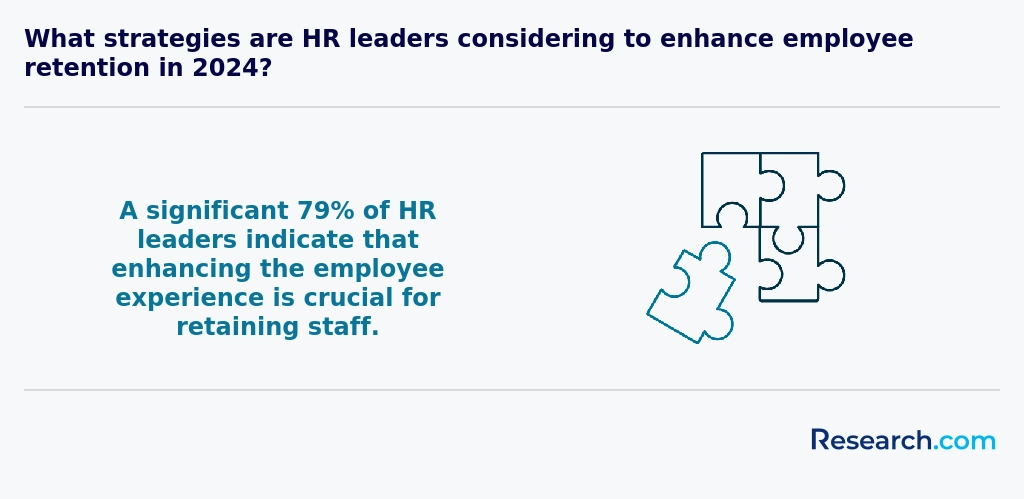
Emerging niches in the human resources field reflect the evolving needs of American workplaces. One significant area is HR analytics, where professionals use data to improve recruitment, retention, and employee performance. According to the Society for Human Resource Management (SHRM), 71% of HR leaders are now prioritizing data-driven decision-making.
Another growing niche is diversity, equity, and inclusion (DEI). Businesses increasingly seek specialists to build inclusive cultures and meet federal compliance standards.
Additionally, the rise of remote work has created demand for experts in remote workforce management. These professionals design policies and maintain engagement for distributed teams. The U.S. Bureau of Labor Statistics expects HR specialist roles to grow 7% by 2032, highlighting these evolving specialties.
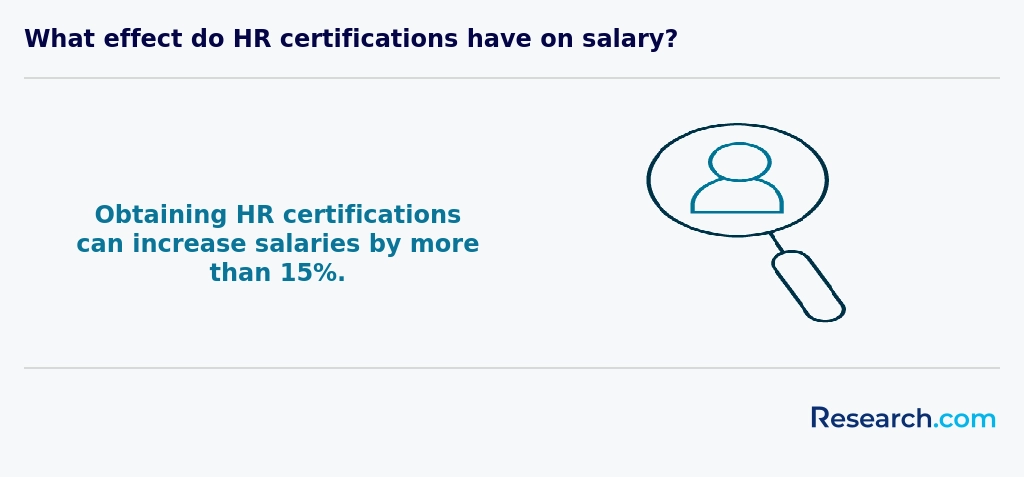
After completing an online human resources degree in America, preparing for the job market involves building both practical skills and professional networks. The U.S. Bureau of Labor Statistics projects a 7% growth in HR specialist jobs from 2021 to 2031, indicating steady demand. Graduates should pursue internships and volunteer opportunities to gain real-world experience. Additionally, obtaining certifications like the Society for Human Resource Management's (SHRM) Certified Professional credential can significantly enhance employability.
Networking through professional associations and leveraging LinkedIn connects graduates with potential employers. Staying updated on HR technology trends and labor laws is also crucial for success.
Employers in America highly value human resources graduates who demonstrate strong communication skills. According to the Society for Human Resource Management (SHRM), effective interpersonal communication is essential for resolving conflicts and fostering a positive workplace culture. Analytical skills are also critical, enabling graduates to interpret data related to workforce trends and employee performance.
Additionally, HR professionals must be proficient in employment law and compliance. Awareness of federal and state regulations, such as those enforced by the U.S. Equal Employment Opportunity Commission, helps avoid legal risks for employers. Leadership and ethical judgment are increasingly important, as HR roles often involve managing teams and sensitive employee information.
Technological proficiency, particularly with HR software and applicant tracking systems, is becoming a baseline expectation in the U.S. market.
Finding internships in the United States relevant to a human resources degree involves leveraging both university resources and external platforms. Many online HR programs partner with businesses, offering students internship placements. The U.S. Bureau of Labor Statistics notes that internships improve job placement rates significantly in HR fields. Students should explore career services offices affiliated with their college, as these often list vetted opportunities. Professional organizations like the Society for Human Resource Management (SHRM) also provide internship listings and networking events.
Online job portals such as Handshake and LinkedIn offer thousands of HR internships nationwide. Applying early and tailoring resumes to HR competencies increases success. Research conducted by NACE in 2023 states over 60% of HR internships convert into full-time roles, emphasizing the value of early practical experience.
Obtaining an online human resources degree in America can significantly enhance career mobility and advancement opportunities. The Society for Human Resource Management (SHRM) reports that professionals with a bachelor's degree in HR earn about 20% more on average than those without. Employers increasingly value degrees that combine HR theory with practical digital skills, which online programs often emphasize to meet current workplace demands.
Online degrees offer flexibility, allowing working adults to upgrade credentials without leaving their jobs. This flexibility supports continuous professional development, crucial in a field where labor laws and workplace practices frequently evolve.
Graduates are often qualified for roles in recruitment, employee relations, and HR management, which have a projected growth rate of 7% from 2021 to 2031, according to the U.S. Bureau of Labor Statistics.
Studying for a human resources degree in America equips students with skills beyond traditional HR tasks, fostering interdisciplinary expertise. Programs often combine business management, psychology, and law to prepare graduates for complex organizational roles. According to the Society for Human Resource Management (SHRM), 89% of employers value HR professionals who understand multiple business functions.
American universities integrate practical training in communications and technology, essential for adapting to diverse workplaces. Courses also cover conflict resolution, ethics, and workforce analytics, promoting versatility across departments.
This interdisciplinary approach enhances graduates' abilities to collaborate with finance, marketing, and operations teams, meeting the dynamic demands of modern organizations.
When choosing between a thesis and a non-thesis human resources degree program in America, consider your career goals carefully. Thesis programs typically focus on original research and suit those interested in advanced study or academic careers. Non-thesis tracks emphasize practical skills through coursework and internships, ideal for professionals aiming to enter HR management roles quickly.
According to the Society for Human Resource Management (SHRM), over 80% of HR professionals value hands-on experience, which non-thesis programs often provide. Additionally, thesis options may require more time to complete, sometimes extending program length by one or two semesters.
Your choice should align with whether you prefer research-oriented work or direct application in the HR field.
Students based in America who want to study human resources abroad have several options through online degree programs offered by international universities. Many foreign institutions provide fully online bachelor's degrees in human resources or related fields, allowing U.S. residents to earn a global credential without relocating. These programs often follow similar curricula to U.S. standards but may include international labor laws and cross-cultural management.
Such degrees can enhance a student's global perspective, an important skill given that 71% of U.S. employers value global competence in HR professionals, according to the Society for Human Resource Management (SHRM). Additionally, credits earned abroad can sometimes transfer to U.S. institutions to continue education domestically.
American students should verify accreditation, as degrees recognized by U.S. accrediting bodies or international equivalents hold more professional value. Partnerships between U.S. and foreign universities also provide exchange and dual-degree opportunities.
Part-time job opportunities that complement human resources (HR) degree education in America include HR assistant roles, recruiting coordinator positions, and administrative support jobs within HR departments. These roles help students gain practical experience in talent acquisition, employee relations, and compliance with labor laws.
According to the U.S. Bureau of Labor Statistics (2023), HR assistants typically earn around $45,000 annually in full-time roles, indicating solid skill development potential in part-time settings. Many universities also report that these jobs improve understanding of HR information systems, which is critical for career advancement.
Other relevant opportunities include payroll clerks and benefits coordinators, which teach essential organizational and communication skills applicable to future HR careers.
Online human resources students in America have access to several valuable networking opportunities despite studying remotely. Many accredited universities offer virtual career fairs and online meetups tailored specifically for HR students. These events allow students to connect with HR professionals and potential employers nationwide.
Professional organizations like the Society for Human Resource Management (SHRM) provide student memberships, which include access to exclusive webinars, local chapter events, and national conferences. In 2023, SHRM reported over 300,000 members, making it a significant resource for networking.
Additionally, students can join online forums, LinkedIn groups, and alumni networks linked to their institutions. These platforms facilitate peer support and professional connections, crucial for career advancement in the competitive HR field.
Alumni networks offer significant advantages to students pursuing online human resources degrees in America. They provide valuable professional connections, enabling students to access mentorship and job opportunities in a competitive HR market. According to the Society for Human Resource Management (SHRM), nearly 70% of HR professionals find jobs through networking, highlighting the importance of such connections.
These networks often host events, webinars, and workshops, fostering continuous learning and career development. For online students, alumni groups create a sense of community that can reduce isolation and increase engagement.
Moreover, alumni can share industry trends and insider knowledge, crucial in a constantly evolving field like HR. Participation in these networks enhances both professional growth and employability in the US human resources sector.
Customizing an online human resources degree program in America typically involves selecting electives and specializations that align with your career goals. Many accredited universities offer concentrations such as talent management, organizational development, or labor relations. According to the Society for Human Resource Management (SHRM), focusing on strategic HR or employment law can improve job prospects significantly.
Students often tailor their curriculum by choosing internships or project-based courses that provide practical experience. Additionally, programs may allow you to engage with HR technology tools like HRIS systems, which are in high demand nationwide.
Understanding accreditation, such as from the Accreditation Council for Business Schools and Programs (ACBSP), helps ensure your degree is recognized by employers.
Online human resources students in America often face challenges related to engagement and networking. According to the National Center for Education Statistics, about 20% of online students report feeling less connected to peers and instructors, which can hinder collaboration skills crucial for HR careers.
Another common issue is balancing coursework with work or family responsibilities. Many students studying HR online are working adults juggling multiple demands, making time management vital but difficult.
Technical difficulties and the need for reliable internet access can also delay progress. The U.S. Department of Education highlights that inconsistent tech support remains a barrier for some students.
Finally, gaining practical experience is challenging, as internships and hands-on projects require extra effort to find and complete remotely.
Graduates with an online human resources degree in the United States can pursue several respected professional certifications to enhance their career prospects. One of the most recognized is the Professional in Human Resources (PHR), offered by the HR Certification Institute (HRCI). This certification validates a candidate's expertise in technical and operational HR management.
Another popular credential is the Society for Human Resource Management Certified Professional (SHRM-CP), which focuses on both behavioral competencies and HR knowledge. According to SHRM, over 95,000 professionals hold these certifications nationwide as of 2023.
Additionally, the Certified Employee Benefit Specialist (CEBS) is available for specialized knowledge in benefits management. These certifications often require a bachelor's degree or equivalent experience, making an online human resources degree a valuable foundation.
Applying to an online human resources degree program in America requires careful preparation to stand out. Start with a clear and concise personal statement that highlights your interest in HR and relevant experiences. Admissions committees often value applicants who understand the practical impact of human resources, so mention any work or volunteer roles involving employee relations or organizational management.
Include strong letters of recommendation from professional or academic contacts who can vouch for your communication and leadership skills. According to the Society for Human Resource Management, effective communication is a key competency for successful HR professionals.
Finally, ensure your application meets all technical requirements and deadlines, providing official transcripts and test scores if applicable. Demonstrating professionalism and attention to detail can markedly improve your chances of acceptance.
Human resources (HR) careers in America are increasingly influenced by global trends such as workforce diversity, technological integration, and international labor standards. The U.S. Bureau of Labor Statistics projects a 7% growth in HR specialist jobs from 2022 to 2032, indicating steady demand in a globalized economy.
American HR professionals often collaborate with international teams and navigate cross-cultural issues. This requires understanding labor laws, employee rights, and benefits from a worldwide perspective, reflecting a need for global competence in HR roles.
Additionally, many U.S. online HR degree programs incorporate global HR management practices, preparing students for multinational environments. This reflects the sector's growing emphasis on adaptability and cultural awareness in human resource management.
Gaining practical experience while studying for an online human resources degree in America is essential to build job-ready skills. Many programs encourage internships, which can often be completed remotely or locally, allowing students to apply HR concepts in real workplaces. According to the Society for Human Resource Management (SHRM), internships increase employment chances by up to 25% in this field.
Additionally, some online degrees integrate virtual simulations and case studies to mimic HR tasks like conflict resolution and recruitment. Volunteer roles in nonprofit organizations also provide valuable experience in managing employee relations and organizational development. Networking through professional groups like SHRM chapters is another effective way to connect with HR professionals and find mentorship opportunities.
Choosing the right concentration within an online human resources degree in America depends on your career goals and interests. Common concentrations include talent acquisition, employee relations, compensation and benefits, and training and development. Each focuses on a different HR aspect, so consider which fits your strengths and long-term plans.
Research from the Society for Human Resource Management (SHRM) shows demand is growing fastest for skills in talent management and technology integration. Concentrations offering these skills may increase your job prospects.
Also, review program accreditation and course flexibility, as these impact education quality and fit for working students.
Top Trending Human Resources Rankings
See What Experts Have To Say About Studying Human Resources
Read our interview with Human Resources experts


Thomas Kochan
Human Resources Expert
Professor of Management
Massachusetts Institute of Technology

Chester S. Spell
Human Resources Expert
Professor of Management
Rutgers University

References
- Human Resources Course with aPHR Certification | Merit America https://meritamerica.org/career-tracks/human-resources/
- Human Resources - Alumni.space https://www.alumni.space/en/you-are/human-resources/
- How to Break Into HR in 90 Days: A Week-by-Week Plan https://coursecareers.com/blog-posts/how-to-break-into-human-resources
- Top 10 HR Challenges and Their Solutions | HR Courses https://zoetalentsolutions.com/top-10-hr-challenges-and-their-solutions/
- Unlocking Career Opportunities: How a Degree in Human Resources Can Propel Your Professional Journey https://www.euroeducation.net/articles/unlocking-career-opportunities-how-a-degree-in-human-resources-can-propel-your-professional-journey.htm
- Human Resource Management Course Level 4 and 5 | Online Business School https://www.onlinebusinessschool.com/human-resource-management-online-course-level-four-and-five/
- What’s it like to study human resources management? https://www.murdoch.edu.au/news/articles/what-s-it-like-to-study-human-resources-management
- 2025 Most Affordable Online Human Resources Degrees https://www.onlineu.com/most-affordable-colleges/human-resources-degrees
- How to Become an HR Specialist https://teach.com/careers/business/human-resources-hr/
- HR's Guide to Effective Career Development https://orangehrm.com/resources/learn-in-depth/hr-guide-to-effective-career-development