2027 Most Affordable Human Resources Degree Programs Ranking in Pittsburgh

Co-Founder and Chief Data Scientist
Are you considering a human resources degree in Pittsburgh but worried about the cost? This article introduces the 2027 Most Affordable Human Resources Degree Programs Ranking in Pittsburgh, created by the Research.com team of data scientists to guide you in finding programs that offer great value.
Choosing the right degree program can shape your future career and financial stability. By exploring affordable options, you can invest wisely in a field full of growth and rewarding opportunities.
Read on to discover programs that align with your goals and budget, making your educational journey smoother and more confident.
Key benefits of getting human resources degree in Pittsburgh
- Salary: Graduates with a human resources degree in Pittsburgh can expect competitive salaries like a Recruitment Coordinator earning around $76,060 annually or an Employee Relations Specialist with the same mean wage, reflecting strong earning potential in the field.
- Career Paths: A human resources graduate from a popular Pittsburgh university might pursue diverse roles such as Human Resources Assistant, Generalist, or Training Coordinator, all offering rewarding opportunities to impact workplace culture and employee growth.
- Online Degree Benefits: Earning a human resources degree online offers flexibility for busy Pittsburgh students and professionals, enabling skill development at a comfortable pace while still accessing quality education from reputable institutions.
- 2027 Most Affordable Human Resources Degree Programs Ranking in Pittsburgh
- What can I expect from human resources degree in Pittsburgh?
- Where can I work with human resources degree in Pittsburgh?
What can I expect from human resources degree in Pittsburgh?
If you're wondering how much a human resources degree in Pittsburgh typically costs, it really depends on where you study. For example, attending the University of Pittsburgh or Carnegie Mellon University-both popular spots for HR programs-can range from about $15,000 to $30,000 per year for in-state students, with out-of-state tuition costs being higher. Graduates often mention that while the investment is significant, the quality of education and connections with local businesses make it totally worth it.
Many students find that scholarship opportunities or financial aid at these schools help ease the burden. Plus, some programs offer flexible online or hybrid options, which can save money on commuting and allow you to work part-time. Imagine juggling a part-time job while learning about talent management and getting real internship experience with local healthcare or tech companies-graduates often say that blend of hands-on work and classroom learning really helped them feel prepared without breaking the bank.
So, while tuition prices might feel steep at first, the real value is in the strong Pittsburgh job market waiting for you after graduation, making it a smart investment for your future in HR.
Where can I work with human resources degree in Pittsburgh?
If you're studying human resources in Pittsburgh, you're in luck-there are plenty of paths waiting for you once you graduate. Many grads from schools like the University of Pittsburgh and Duquesne University find themselves landing roles in healthcare, especially with big names like UPMC. Imagine working in a bustling hospital HR department handling everything from recruiting nurses to managing employee benefits for thousands of staff-that's a real-world scenario here.
Others dive into Pittsburgh's growing tech scene, joining companies like Google or smaller startups. Here, HR pros often focus on cutting-edge stuff like workforce analytics or training programs that keep tech teams sharp and motivated. It's exciting work where you get to be part of innovation every day.
And don't overlook finance or manufacturing-two solid sectors needing HR experts who can juggle compliance, union talks, and employee engagement. Graduates often share how rewarding it feels to help different industries build strong workplaces. With Pittsburgh's mix of companies, your HR degree really opens doors all around the city.
If you're aiming for a human resources degree in Pittsburgh, you can expect some pretty solid salaries once you graduate. For example, graduates landing roles like Recruitment Coordinator or Employee Relations Specialist are often making around $76,000 a year, according to recent data. That's a nice jump from the typical entry-level pay some grads might start with. Meanwhile, Training and Development Coordinators pull in about $72,000 annually, which is nothing to sneeze at either.
Many students from well-known Pittsburgh schools mention how landing these jobs right after graduation feels rewarding-not just financially but professionally too. Imagine kicking off your career with a comfortable salary that lets you enjoy the city's moderate cost of living without too much stress.
The hourly wages, around $34 to $37, also add up well if you're working overtime or on special projects. These figures show that focusing your studies on these specific HR roles can pay off pretty quickly in Pittsburgh's job market.
- Tuition fees for human resources programs in Pittsburgh range from about $10,000 to $20,000 per year for in-state students, with private schools costing over $30,000 annually.
- The Pittsburgh job market shows steady demand for HR professionals, with expected employment growth around 6% to 8% over the next decade.
- Starting salaries in Pittsburgh for HR graduates typically range between $45,000 and $55,000 per year.
- Mid-career HR specialists with certifications like SHRM-CP or PHR can earn between $65,000 and $85,000 annually in Pittsburgh.
- Experienced HR managers in Pittsburgh may earn salaries exceeding $90,000 per year.
- Local internships and SHRM-accredited programs are available, offering practical experience and preparation for certification exams.
If you're thinking about getting a human resources degree in Pittsburgh, most students at popular schools like the University of Pittsburgh or Duquesne University finish their bachelor's in about four years. That's pretty standard if you're going full-time and sticking to the regular class schedule.
For those starting at community colleges, like Pittsburgh Technical College, an associate degree takes around two years and is a great way to jump into entry-level HR roles or transfer later to a four-year program.
Some grads share how they sped things up by taking accelerated courses or evening classes, which a few Pittsburgh schools offer, cutting their bachelor's down to three years. On the other hand, if you're juggling work and school, going part-time might stretch it out, but it keeps things balanced.
Then, if you want to go further, a master's usually adds about 1.5 to 2 years after your bachelor's, with flexible schedules to fit your busy life in the city.
If you're thinking about getting a human resources degree in Pittsburgh, the main difference between online and on-campus programs really comes down to how you want to learn and connect. On-campus programs, like those at the University of Pittsburgh or Duquesne University, give you that classic college vibe-face-to-face time with professors, in-person group projects, and networking events right on campus. Graduates often say how much those real-life connections helped them land internships and jobs through local business partnerships.
Online HR programs offer a totally different vibe. They're great if you're balancing work, family, or just prefer studying from home. Many Pennsylvania universities offer fully accredited online options that match the on-campus courses but use digital tools for lectures and discussions. Students love the flexibility and lower costs-sometimes up to 30% less than going to class. However, it takes self-discipline and being comfy with tech to really thrive in an online setup.
Either way, Pittsburgh's HR scene is buzzing, with plenty of opportunities to connect whether you show up on campus or jump in virtually.
Earning a Human Resources degree is a powerful first step, but integrating industry-recognized certifications can dramatically boost your career trajectory. Certifications such as the SHRM Certified Professional (SHRM-CP), SHRM Senior Certified Professional (SHRM-SCP), HRCI’s Professional in Human Resources (PHR), and Senior Professional in Human Resources (SPHR) are highly regarded by employers and often correlate with higher salaries and faster promotions. Eligibility typically requires a combination of educational background and professional experience-most candidates holding a bachelor’s degree and one to four years of HR-related work qualify for entry-level certification exams. Preparation often involves self-study guides, online courses, and review workshops. Many affordable degree programs now embed exam prep modules into their curricula, helping you save on external training costs. For students exploring cost-effective pathways to certification and advanced credentials, our Affordable Human Resources Degree Programs Ranking in Pennsylvania provides insights into programs that support professional development through exam prep courses, workshops, and mentorship opportunities. Continuing education is equally important-recertification typically requires earning 60 professional development credits (PDCs) every three years through activities like webinars, conferences, and advanced coursework. Employers often sponsor these learning opportunities, and online platforms such as LinkedIn Learning, SHRM eLearning, and local HR chapters in Pittsburgh offer accessible, low-cost courses. By strategically combining your academic degree with certifications and ongoing learning, you’ll not only meet evolving industry standards but also maintain a competitive edge in the dynamic HR job market.
If you're looking into the average cost of human resources degree in Pittsburgh, expect to pay around $34,963 if you're an in-state student, while out-of-state students often see costs near $48,287. Graduates from places like the University of Pittsburgh or Pennsylvania State University often share how these numbers can feel tough at first, but the investment usually pays off with rewarding career opportunities. Public schools tend to be more wallet-friendly, especially if you qualify for in-state tuition, while private universities like Carnegie Mellon or Chatham University might push tuition higher.
Many students agree that managing expenses beyond tuition requires some planning. Think of fees, books, and supplies adding a few thousand dollars more annually. It's the kind of detail that grads remember juggling, but they also highlight how scholarships and financial aid can turn the tide. In Pittsburgh, plenty of folks tap into these resources, making now one of the more affordable human resources degree programs Pittsburgh offers if you know where to look.
For those balancing life and studies, some find it helpful to explore the best online master's in management. This option often comes with flexibility and cost savings that make continuing education a bit easier to handle financially.
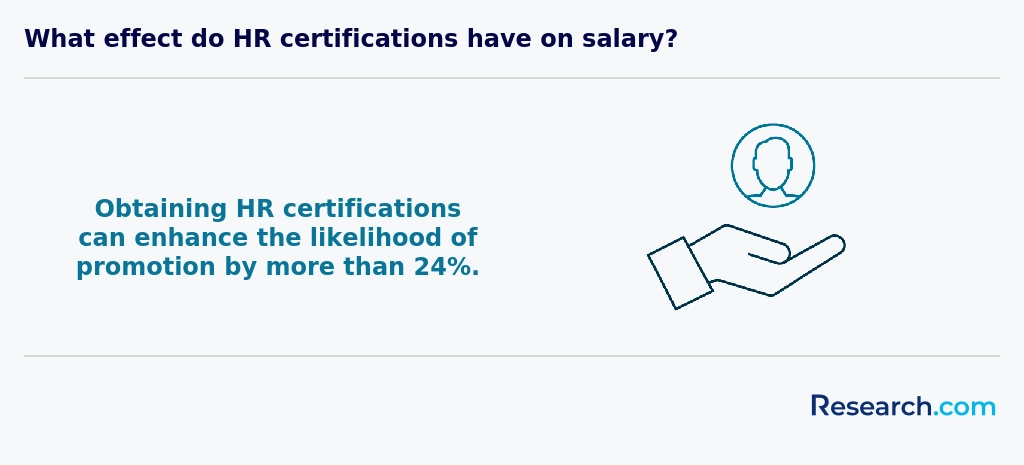
If you're diving into a human resources degree in Pittsburgh, there's good news: a bunch of financial aid options can really take the stress off your wallet. For example, many students at schools like the University of Pittsburgh or Duquesne University lean on Federal Pell Grants and Direct Loans, which come from filling out the FAFSA form. These grants are amazing because you don't have to pay them back, so they're a relief for lots of folks juggling tuition and living costs.
Plus, if you're a Pennsylvania resident, the Pennsylvania State Grant Program can chip in hundreds to thousands of dollars depending on your financial need. It's a nice boost that grads often say made a real difference when they were worrying about bills.
Local scholarships are another great shoutout-groups like the Pittsburgh SHRM chapter and other local organizations offer scholarships just for HR students. This community-based support often feels super personal and encouraging.
And don't forget, universities here often have merit scholarships rewarding leadership or academic grit-something many grads remember helped them stay motivated and afford some extras along the way.
If you're thinking about diving into a human resources degree in Pittsburgh, getting in usually starts with the basics-like having your high school diploma or GED ready. Many grads from local spots like the University of Pittsburgh share how meeting these requirements felt like a natural first step before hitting those HR books. You'll also want to have solid English, math, and social science classes under your belt since HR mixes communication skills with some number crunching and understanding people.
For undergrad hopefuls, tests like the SAT or ACT may play a role. Some students remember aiming for that 1200+ SAT score to feel confident about their chances at Pittsburgh's schools. If grad school is your target, expect to bring a bachelor's degree with a decent GPA-around 3.0 is common in the area-and maybe a few recommendation letters or a statement about why you're passionate about HR.
Community colleges here often keep things more accessible, making it easier to step into HR studies while managing costs. Just don't forget about those transcripts and test scores-they're key. And if you want help with tuition, submitting FAFSA is a smart move, even if it's not officially required for enrollment.
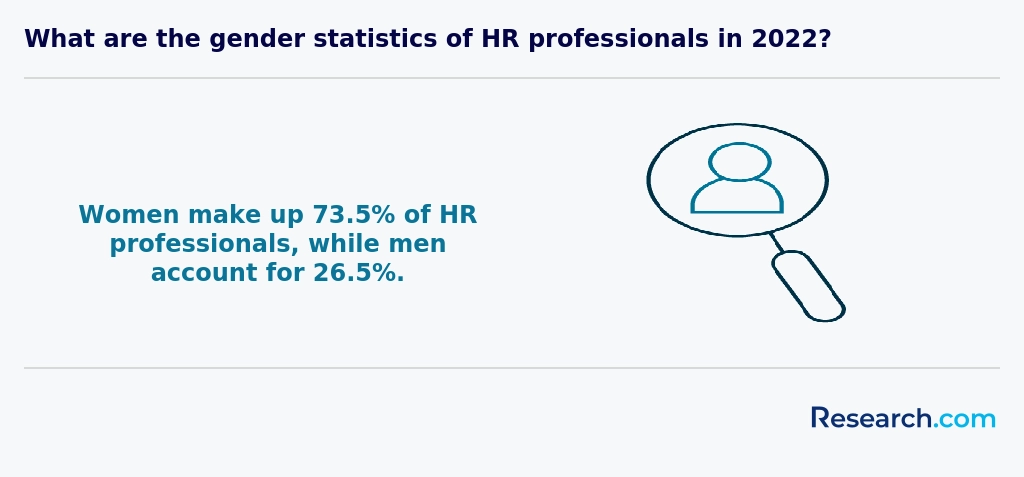
If you're studying human resources in Pittsburgh, expect to dive into courses that really prepare you for the real world. Graduates from popular local schools often say courses like Introduction to Human Resources Management gave them a solid sense of what HR actually looks like day to day-handling employee relations, hiring challenges, and more.
Organizational Behavior is another favorite, helping students understand what motivates coworkers and how leadership styles really shape company culture. Employment Law, a key course especially tailored to Pennsylvania's rules, gives you the confidence to navigate tricky legal waters.
You'll also tackle Recruitment and Staffing, where you learn practical talent-hunting skills, and Training and Development, which feels rewarding as you plan career growth stories for employees. Compensation and Benefits classes show you how to balance budgets and perks, and Labor Relations? That's where you get the lowdown on unions and negotiations-a must for Pittsburgh's diverse industries.
Plus, many grads mention that getting to work on case studies or internships at Pittsburgh companies made these courses feel much more than just theory-it's hands-on learning in a city that's buzzing with opportunity.

When you dive into a human resources degree in Pittsburgh, you'll find plenty of ways to tailor your studies with different specializations. Graduates from local colleges often share how focusing on areas like Talent Acquisition and Recruitment helped them nail down real-world hiring strategies, perfect for Pittsburgh's competitive job market. Others found Employee Relations and Labor Relations especially useful, learning how to manage workplace conflicts and negotiate with unions-skills that come in handy around the city's industrial sectors.
Many students appreciate programs that include Compensation and Benefits, which teach you how to design pay and perks that keep employees motivated. Training and Development is another popular track, loved by those eager to help coworkers grow and lead. Plus, with tech on the rise, Human Resources Information Systems (HRIS) is a hot specialization, blending HR know-how with digital tools.
Whether you're more into corporate HR or nonprofit roles, Pittsburgh HR degree program concentrations offer something for everyone. And if you want flexibility, some schools provide online or hybrid options. If you're curious about expanding your business skills, you might also check out executive MBA programs in Florida for future growth opportunities.
Picking the best human resources degree in Pittsburgh really comes down to what fits your career goals and budget. Graduates from popular Pittsburgh schools often talk about how SHRM-accredited programs, like those at the University of Pittsburgh, gave them a real edge landing HR roles. It's smart to check if the program covers up-to-date topics like labor laws and talent acquisition and offers hands-on experiences like internships. Many students found these practical gigs super helpful to feel confident stepping into their first HR jobs.
Cost is a big deal too. With several options around the city, finding affordable human resources degree programs Pittsburgh offers is totally doable if you compare tuition and financial aid. Plus, consider support services like career counseling that many grads say made job hunting way less stressful after finishing up.
Also, if you're thinking about switching careers, exploring the best trades for career changers might give you some fresh ideas alongside HR. The key is picking a program where you feel excited and ready to dive into Pittsburgh's unique job market.
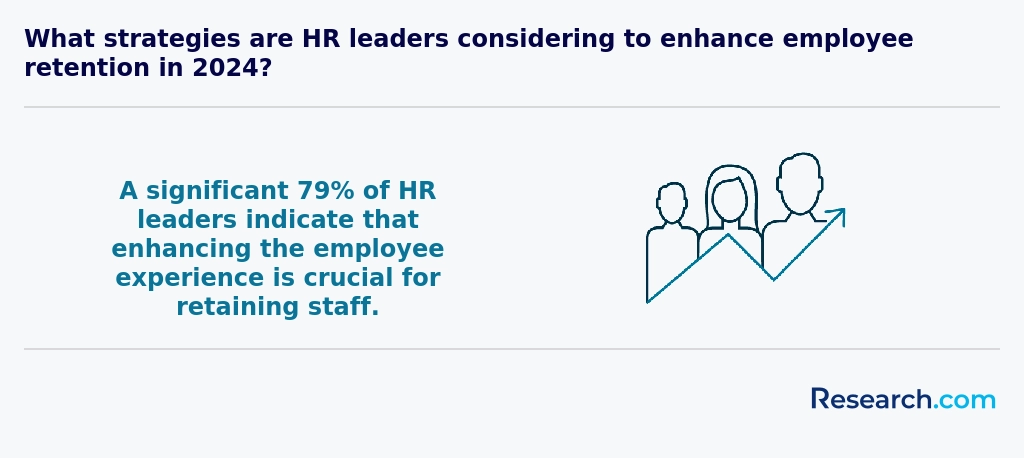
If you're thinking about human resources degree jobs in Pittsburgh, you're in luck because the city's got a vibrant job market across healthcare, tech, manufacturing, and finance. Graduates from local schools like the University of Pittsburgh or Duquesne University often land roles as HR Specialists, diving into recruitment, benefits, and legal stuff in real workplaces. Some also become HR Managers, leading teams and shaping company policies in bigger companies around the city.
Others find their groove as Recruitment Coordinators or Talent Acquisition Specialists, especially with Pittsburgh's booming tech and healthcare hubs. Training and Development roles are popular too, where grads design staff programs to help employees grow. Plus, those interested in compensation become Benefits Analysts, crafting competitive perks that help local companies keep their best folks.
Many graduates from Pittsburgh's programs say their hands-on experience made job hunting exciting, not stressful. If you want to explore options while studying, check out the most affordable human resources schools in pennsylvania, which can make your education journey easier on the wallet.
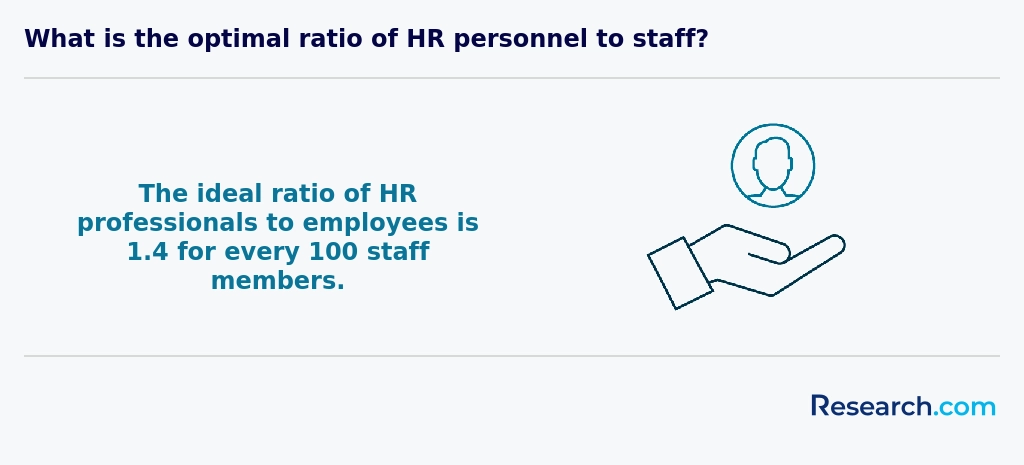
If you're aiming for a human resources degree in Pittsburgh, you're stepping into a solid job market with plenty of opportunities. Pittsburgh's diverse economy-ranging from healthcare giants to tech startups and universities-keeps the demand for HR pros steady. Graduates from local universities often share how their internships at places like UPMC or the University of Pittsburgh helped them land roles managing employee relations and benefits right after finishing school.
The human resources job outlook Pittsburgh is pretty encouraging, with salaries that beat the national average. It's no surprise companies here value HR experts who know the local business climate and labor laws. Plus, technology firms and educational institutions also actively recruit degree holders who are savvy at employee development and innovative recruitment strategies.
Costs of education can be a concern, but many students find Pennsylvania public universities and community colleges offer affordable programs. Many grads appreciate this balance of quality education and accessibility, making it easier to jump into the workforce without heavy debt. For more details on affordable options, check out the Affordable Human Resources Degree Programs Ranking in Pennsylvania.
With such a steady pace in the Pittsburgh HR employment opportunities scene, it's a smart choice for both study and work.
2027 Most Affordable Human Resources Degree Programs Ranking in Pittsburgh
Investing in your education is a significant decision that can shape your future, and the Research.com team understands the importance of making informed choices. To assist prospective students in Pittsburgh, we have meticulously crafted the "2027 Most Affordable Human Resources Degree Programs Ranking in Pittsburgh." Our commitment to quality, credibility, and accuracy is reflected in the extensive research and analysis conducted to compile this ranking.
We utilized the following reputable data sources to ensure a comprehensive evaluation of human resources degree programs:
By exploring this ranking, readers will gain valuable insights into the most affordable and credible human resources programs available in Pittsburgh, empowering them to make well-informed educational decisions. For more details on our methodology, please visit our Research.com methodology page.
# 1 position
University of Pittsburgh-Pittsburgh Campus
B.S. in Human Resources Management Offered on campus and fully


Frequently Asked Questions About human resources
Human resources degree students in Pittsburgh can maximize their learning experience by engaging actively with both academic resources and local professional networks. Pittsburgh hosts several institutions offering HR programs, including the University of Pittsburgh and Duquesne University, where students benefit from faculty expertise and research opportunities.
Internships with Pittsburgh's diverse industries-such as healthcare, technology, and manufacturing-offer practical experience and increase employability. According to the Pittsburgh Regional Alliance, the HR job market in the area is growing, with a 7% projected increase through 2028, highlighting the value of hands-on learning.
Joining local chapters of the Society for Human Resource Management (SHRM) can enhance networking and provide access to workshops and seminars. Additionally, students should utilize Pittsburgh's career services to connect with employers and attend job fairs focused on HR roles.
The human resources field is evolving with emerging niches driven by technology and workforce trends. In Pittsburgh, HR professionals increasingly focus on talent analytics, where data helps improve hiring and employee retention. According to the Society for Human Resource Management (SHRM), companies using analytics report 15% better recruitment outcomes.
Another growing area is diversity, equity, and inclusion (DEI), essential for modern workplaces. Pittsburgh organizations often seek HR professionals skilled in developing DEI programs to foster inclusive environments.
Remote workforce management has become critical post-pandemic. HR specialists manage virtual teams, ensuring engagement and compliance with labor laws. These niches reflect a shift towards tech-savvy and socially aware HR roles, making degrees with such focuses attractive in Pittsburgh's job market.
After completing a human resources degree in Pittsburgh, preparing for the job market involves a combination of practical experience and networking. Gaining internships or cooperative education positions during your studies is critical, as 60% of HR employers in Pennsylvania prefer candidates with relevant experience (Bureau of Labor Statistics, 2023). Pittsburgh's diverse economy, featuring healthcare, technology, and manufacturing sectors, offers many entry points.
Certification programs like SHRM-CP or PHR can enhance your resume and increase employability nationwide. Additionally, joining local HR organizations such as the Pittsburgh HR Association provides valuable networking and job leads.
Strong communication and familiarity with HR software platforms are also in high demand according to recent employer surveys.
Employers in Pittsburgh highly value human resources graduates who demonstrate strong communication and interpersonal skills. These abilities are essential for managing employee relations and resolving workplace conflicts effectively. According to the U.S. Bureau of Labor Statistics, HR specialists in Pennsylvania must also possess organizational skills to handle recruitment, benefits administration, and compliance with labor laws.
Another key skill is proficiency in HR software and data analysis, as technology plays a growing role in workforce management. Local Pittsburgh surveys by the Allegheny Conference highlight that companies seek graduates familiar with performance management systems and applicant tracking software.
Lastly, knowledge of Pennsylvania's employment regulations and diversity initiatives is critical, reflecting both legal requirements and Pittsburgh's commitment to inclusive work environments.
Finding internships in Pittsburgh related to human resources begins with exploring opportunities at local universities such as the University of Pittsburgh and Duquesne University, both of which have strong business programs connected to the HR industry. These institutions often partner with regional companies for internship placements, giving students direct access to relevant roles.
Job platforms like Handshake and Internships.com list HR internships available in the Pittsburgh area. Additionally, professional organizations like the Society for Human Resource Management (SHRM) Pittsburgh chapter provide networking events and job boards specific to HR positions.
The healthcare and technology sectors dominate Pittsburgh's economy, offering numerous HR internship opportunities. According to the Greater Pittsburgh Chamber of Commerce, nearly 20% of internships posted in 2023 were in human resources within these key industries, reflecting local demand for HR talent.
In Pittsburgh, earning a human resources (HR) degree significantly enhances career mobility and advancement opportunities. HR professionals with a degree are often preferred by employers in the region's diverse industries, including healthcare, technology, and manufacturing. According to the U.S. Bureau of Labor Statistics, HR specialist roles in Pittsburgh are projected to grow by 5% through 2030, reflecting steady demand.
Possessing a degree provides foundational knowledge in labor laws, talent management, and organizational behavior, making graduates more competitive. It also opens pathways to certifications like SHRM-CP, which local employers value highly.
Moreover, Pittsburgh's robust network of universities and professional organizations facilitates internships and networking, boosting job prospects and promotions.
Studying for a human resources degree in Pittsburgh equips students with skills that extend beyond traditional HR tasks, fostering interdisciplinary expertise. Programs often integrate coursework in business administration, psychology, and law, reflecting Pittsburgh's diverse economic sectors, including healthcare, technology, and manufacturing.
This interdisciplinary approach prepares graduates to navigate complex workplace environments where collaboration across departments is essential. According to the U.S. Bureau of Labor Statistics, the Pittsburgh metropolitan area supports over 15,000 HR specialists, many working in fields requiring knowledge of labor regulations and organizational psychology.
Local universities emphasize experiential learning, such as internships and case studies, enabling students to apply HR principles in varied contexts effectively.
Choosing between a thesis and a non-thesis human resources degree program in Pittsburgh depends on your career goals and learning preferences. Thesis programs typically focus on research and require you to write an extensive paper. This option suits students interested in academic careers or further study, such as a PhD. Non-thesis programs emphasize practical coursework and often include internships or projects, ideal for those aiming to enter the workforce quickly.
Pittsburgh's universities offer both formats, with tuition varying; according to the National Center for Education Statistics, about 35% of HR graduate students in Pennsylvania opt for thesis tracks. Consider local job market demands: Pittsburgh's HR sector values both research skills and practical experience, so weigh which aligns better with your future plans and time availability.
Students based in Pittsburgh who wish to study human resources abroad have several structured options through US universities offering study-abroad or exchange programs. Many institutions in Pittsburgh, such as the University of Pittsburgh and Carnegie Mellon University, have partnerships with European and Asian universities that include human resources coursework.
These programs typically allow students to spend a semester or a year abroad while earning credits applicable to their degree. Additionally, Pittsburgh students can explore short-term service-learning or internship opportunities focused on international human resources practices. According to NAFSA, over 10% of US college students participate in study abroad, increasing global HR competency.
Students should consult their university's study abroad office to identify accredited programs aligned with HR career goals and ensure smooth credit transfers.
In Pittsburgh, part-time job opportunities can significantly enhance the education of human resources degree students. Roles such as HR assistants, recruiting coordinators, and payroll clerks offer practical experience in workforce management and employee relations. According to the U.S. Bureau of Labor Statistics, the Pittsburgh metropolitan area employs over 3,000 HR specialists, indicating a robust local market for such positions.
Internships and part-time work with local hospitals, universities, and corporate offices are common and valuable. These roles allow students to develop skills in compliance, benefits administration, and talent acquisition while balancing coursework. Gaining hands-on experience helps build a competitive edge for future full-time employment in human resources.
Pittsburgh offers numerous networking opportunities for human resources students, thanks to its vibrant business community and active HR organizations. The Pittsburgh chapter of the Society for Human Resource Management (SHRM) hosts regular events, workshops, and conferences, connecting students with local HR professionals. Membership often provides access to mentorship programs and job fairs tailored specifically to HR roles.
Local universities, including the University of Pittsburgh and Duquesne University, also organize networking mixers and career panels that feature HR experts from the region.
According to the Pittsburgh Business Times, the HR sector in the area is growing steadily, supporting strong peer-to-peer and employer-student connections.
Alumni networks play a significant role in enhancing the educational and professional experiences of human resources degree students in Pittsburgh. These networks provide valuable connections to local HR professionals, increasing opportunities for internships and job placements. According to the Society for Human Resource Management (SHRM), leveraging alumni contacts can boost a graduate's chances of employment by up to 20% in competitive markets like Pittsburgh.
Pittsburgh's strong industrial and healthcare sectors create a vibrant job market for HR graduates. Active alumni often offer mentorship, helping students navigate career paths and develop skills relevant to regional employers.
Moreover, alumni events hosted by institutions such as the University of Pittsburgh and Duquesne University encourage knowledge sharing and networking, fostering community and professional growth among students and graduates alike.
Customizing a human resources degree program in Pittsburgh allows you to align education with specific career goals. Many universities in the area offer electives and concentrations such as talent management, labor relations, or organizational development. This flexibility helps you develop expertise in areas with growing demand in Pittsburgh's job market, which reported a 6% growth in HR roles between 2021 and 2023 according to the Pennsylvania Department of Labor.
Internships and cooperative education opportunities available through local businesses and nonprofits provide practical experience. Additionally, some programs include certifications like SHRM-CP, enhancing your credentials. You can also tailor your studies by choosing online or evening classes, fitting education around your current job or personal commitments.
Human resources students in Pittsburgh often face challenges related to balancing practical experience with academic requirements. Many programs emphasize internships and real-world projects, but local opportunities can be competitive due to the city's high concentration of established HR firms and corporations.
Additionally, students must navigate rapidly evolving labor laws and workforce diversity issues that reflect broader U.S. trends but have unique regional implications. According to the Pennsylvania Department of Labor, the demand for HR professionals in Pittsburgh is expected to grow by 7% through 2028, which increases pressure on students to gain specialized skills.
Another common challenge involves adapting to digital HR technologies, as the field increasingly relies on software for recruitment, payroll, and employee analytics. Students often report needing extra training beyond standard curricula to stay current in these areas.
With a human resources degree in Pittsburgh, graduates often pursue professional certifications to enhance their career prospects. One of the most recognized certifications is the Professional in Human Resources (PHR), offered by the HR Certification Institute. This credential validates foundational HR knowledge and skills.
Another popular certification is the SHRM Certified Professional (SHRM-CP), provided by the Society for Human Resource Management. It focuses on practical knowledge and strategic HR management.
According to the U.S. Bureau of Labor Statistics, over 3,000 HR specialists work in the Pittsburgh area, making certified professionals highly valuable for local employers. Earning these certifications can lead to better job opportunities and higher salaries within Pittsburgh's competitive HR job market.
Writing a winning application for a human resources program in Pittsburgh involves clear presentation and strong support of your interest in the field. Start with a well-crafted personal statement that highlights your motivation, relevant experiences, and career goals. Admissions committees in Pittsburgh universities seek applicants who demonstrate understanding of HR's strategic role, so mention knowledge of local labor market trends and workforce diversity, referencing sources like the Pittsburgh Bureau of Labor Statistics where possible.
Include detailed examples of your leadership, communication skills, and problem-solving abilities, since Pittsburgh's HR roles often emphasize these traits. Additionally, ensure your resume reflects any internships or work experience related to HR or business management.
Pay close attention to application deadlines and requirements as listed on each institution's website in Pittsburgh, such as the University of Pittsburgh or Duquesne University. Strong letters of recommendation from academic or professional contacts within the region can also reinforce your candidacy. Lastly, a clean, error-free application signals professionalism and commitment, increasing your chances of acceptance into competitive local programs.
Human resources (HR) careers in Pittsburgh benefit from global influences that shape the profession's evolving nature. HR professionals today must understand diverse cultural practices, labor laws, and business ethics as companies increasingly operate internationally. According to the U.S. Bureau of Labor Statistics, HR roles emphasize soft skills like communication and cross-cultural management, which align with global workplace trends.
In Pittsburgh, where major firms engage in global markets, HR specialists often handle international workforce issues, including compliance and talent mobility. The Society for Human Resource Management notes that 48% of HR jobs in metropolitan areas require knowledge of global business practices, highlighting the importance of global perspectives in local careers.
Studying HR in Pittsburgh can prepare students to navigate these global challenges, blending local labor dynamics with international insights.
Gaining practical experience while studying for a human resources degree in Pittsburgh can significantly enhance your career prospects. Many local universities such as the University of Pittsburgh and Point Park University offer internship programs that connect students with businesses in the city. These internships provide hands-on exposure to HR functions like recruitment, employee relations, and compliance.
Additionally, Pittsburgh's strong corporate sector, including companies like PNC Financial and UPMC, offers part-time HR assistant roles ideal for students.
Students can also join campus organizations focused on HR or attend professional networking events hosted by the Society for Human Resource Management (SHRM) Pittsburgh chapter, which offers access to mentoring and job shadowing opportunities.
Choosing the right concentration within a human resources degree program in Pittsburgh requires careful consideration of your career goals and the local job market. Pittsburgh's economy features strong healthcare, manufacturing, and technology sectors, each demanding specialized HR skills. Concentrations such as workforce development, employee relations, or compensation and benefits can align with these industries. According to the U.S. Bureau of Labor Statistics, HR managers in Pennsylvania earned a median annual wage of about $125,000 in 2023, with growth expected around 7% through 2031, reflecting steady demand.
Research programs' curricula to ensure they cover areas like labor law, talent acquisition, and organizational psychology. Also, seek schools offering internships or partnerships with Pittsburgh employers to gain practical experience. By analyzing both your interests and local employment trends, you can select an HR concentration that best supports your professional advancement.
- 2027 Most Affordable Human Resources Degree Programs Ranking in Cleveland
- 2027 Most Affordable Human Resources Degree Programs Ranking in Columbus
- 2027 Most Affordable Human Resources Degree Programs Ranking in Washington
- 2027 Most Affordable Human Resources Degree Programs Ranking in Philadelphia
- 2027 Most Affordable Human Resources Degree Programs Ranking in Cincinnati
- 2027 Most Affordable Human Resources Degree Programs Ranking in New York
- 2027 Most Affordable Human Resources Degree Programs Ranking in Virginia Beach
- 2027 Most Affordable Human Resources Degree Programs Ranking in Grand Rapids
- 2027 Most Affordable Human Resources Degree Programs Ranking in Chicago
- 2027 Most Affordable Online Human Resources Degree Programs Ranking in Philadelphia, PA
See What Experts Have To Say About Studying Human Resources
Read our interview with Human Resources experts


Thomas Kochan
Human Resources Expert
Professor of Management
Massachusetts Institute of Technology

Chester S. Spell
Human Resources Expert
Professor of Management
Rutgers University

- A Guide to the Human Resources Career Path https://www.galwaybusinessschool.ie/blog/a-guide-to-the-human-resources-career-path/
- Redefining career development: Skills, mobility and retention https://hrexecutive.com/redefining-career-development-skills-mobility-and-retention/
- Getting into Human Resources without an HR Degree - UCPath Jobs https://ucpathjobs.org/human-resources/getting-human-resources-without-hr-degree/
- The Future of HR Careers: What Students Should Know https://hrcertification.com/blog/future-hr-careers-students-biid1000163
- HUMAN RESOURCE MANAGEMENT (THESIS / NON-THESIS) - Lisansüstü Eğitim Enstitüsü https://lee.nisantasi.edu.tr/en/human-resource-management-thesis-non-thesis/
- Unlocking Career Opportunities: How a Degree in Human Resources Can Propel Your Professional Journey https://www.euroeducation.net/articles/unlocking-career-opportunities-how-a-degree-in-human-resources-can-propel-your-professional-journey.htm
- Human Resource Management Salary, Earnings & Influencing Factors | CBS https://www.cbs.de/en/blog/hr-salary
- Human Resource Management Major | Carlow University https://www.carlow.edu/academic-programs/business-management-degrees/human-resource-management-major/
- Human Resource Management https://www.rmu.edu/academics/certificates/rockwell-school-business/management/human-resource-management
- Navigating Your Options: Which HR Career Path Is Right for You? https://online.law.tulane.edu/blog/finding-your-hr-career-path