2027 Most Affordable Human Resources Degree Programs Ranking in Columbus

Co-Founder and Chief Data Scientist
Exploring your options for a human resources degree in Columbus just got easier. This article presents the 2027 Most Affordable Human Resources Degree Programs Ranking in Columbus, designed by the Research.com team of data scientists. It aims to help you make an informed decision based on comprehensive data and analysis.
Whether you're starting your educational journey or looking to advance your career, understanding affordable programs can relieve financial stress. Reading this ranking will guide you to valuable opportunities and support your path toward a rewarding HR career with confidence.
Key benefits of getting human resources degree in Columbus
- Salary for human resources degree graduates: Jobs like Recruitment Coordinator and Human Resources Generalist in Columbus offer competitive salaries, with mean annual wages around $76,060 and hourly wages near $36.57, providing strong financial stability.
- Career paths: Graduates from popular Columbus colleges often pursue roles such as Employee Relations Specialist or Training and Development Coordinator, enjoying diverse opportunities across hiring, training, and employee management fields.
- Online degree benefits: Earning a human resources degree online from a respected Columbus university offers flexibility and convenience, enabling students to balance work and studies while gaining valuable skills to advance quickly in their careers.
- 2027 Most Affordable Human Resources Degree Programs Ranking in Columbus
- What can I expect from human resources degree in Columbus?
- Where can I work with human resources degree in Columbus?
What can I expect from human resources degree in Columbus?
The average cost of earning a human resources degree in Columbus varies depending on the institution and program level. For example, graduates from Ohio State University often find that tuition and fees for a bachelor's degree in HR or a related field range between $10,000 and $12,000 per year for in-state students. Meanwhile, Columbus State Community College offers more affordable associate degrees with tuition averaging around $4,000 to $5,000 annually. Many students appreciate the balance between quality education and cost, especially with access to scholarships and financial aid programs specific to HR studies in Columbus.
Graduates commonly highlight the value of these programs because they combine classroom learning with real-life internship opportunities in Columbus's diverse industries. This practical experience often helps students justify the costs by increasing job readiness and earning potential upon graduation. Students enrolled at local colleges frequently mention flexible scheduling as a cost-saving factor, which enables them to work part-time and manage expenses without overwhelming debt.
Where can I work with human resources degree in Columbus?
Graduates with a human resources degree from institutions like The Ohio State University often step directly into vital roles within Columbus's healthcare sector. They find rewarding positions at major employers such as OhioHealth or Nationwide Children's Hospital, where HR professionals manage staffing challenges and drive employee development, making a tangible impact on patient care environments.
Many graduates also thrive in the financial services industry, joining teams at companies like JPMorgan Chase or Huntington Bancshares. Their work focuses on recruitment, compensation, and ensuring legal compliance-key factors that keep dynamic businesses running smoothly.
Others leverage their skills in education or public administration, supporting faculty hiring or managing employee programs at Columbus City Schools or local government offices. These roles allow graduates to foster positive workplace cultures that directly benefit community institutions.
Smaller businesses across retail, manufacturing, and tech sectors increasingly seek HR experts who build strong company cultures and boost employee engagement. This diversity offers multiple career pathways where graduates experience professional growth and fulfillment right here in Columbus.
Graduates with a human resources degree in Columbus can expect competitive earnings starting around $64,000 to $76,000 annually, depending on the specific role. For instance, recent graduates working as Recruitment Coordinators, Employee Relations Specialists, or Human Resources Assistants often earn mean annual wages near $76,060, according to the latest BLS data. This salary level reflects the strong local economy and demand for skilled HR professionals in Columbus.
Students from popular institutions like Ohio State University often share how internships and practical experience in Columbus businesses helped them secure these competitive starting salaries. Many entry-level HR roles, such as Training and Development Coordinators, bring mean wages around $71,980, providing a solid foundation for career growth.
Graduates benefit from this local job market, where companies in tech and healthcare sectors, common in Columbus, actively seek HR professionals. Leveraging certifications alongside a degree and gaining direct Columbus work experience can elevate earnings further, offering fulfilling and well-paid career paths in human resources.
- The average annual tuition for human resources degrees in Columbus ranges from $10,000 to $20,000 for in-state students, with private colleges typically charging more.
- Starting salaries for HR graduates in Columbus average around $50,000 per year, increasing to about $72,000 for mid-career professionals.
- Columbus provides diverse accredited colleges offering bachelor's and master's programs in human resources, including public and private institutions.
- The job market for HR specialists in Columbus is expected to grow by approximately 7% over the next decade.
- Many programs include practical skills training and opportunities for co-ops or internships to enhance real-world experience and career readiness.
Completing a human resources degree in Columbus typically ranges depending on your educational goals and schedule. Graduates from Ohio State University often share how their associate degrees took about two years, providing a strong foundation for entry-level HR roles or a stepping stone to further study.
For those aiming for a bachelor's degree, Franklin University students commonly dedicate around four years full-time, with courses in employment law and talent management. Many appreciate the flexible schedules that allow balancing work and study, even if part-time extends completion to 5 or 6 years. This adaptability eases stress while maintaining steady progress toward degree goals.
Master's programs in Columbus can be completed in 12 to 24 months, especially for motivated students leveraging accelerated or evening courses. Graduates often highlight the convenience of hybrid formats that fit working adults' lifestyles, making it easier to gain advanced HR knowledge efficiently without sacrificing income or family time.
While affordability and academic rigor are paramount, the overall student experience plays an equally critical role in shaping a successful HR career. Colleges in Columbus, OH, strive to craft vibrant campus communities where academic learning is deeply intertwined with co-curricular opportunities. Students benefit from engaging clubs, career fairs, industry networking events, and mentorship programs-all of which enrich the educational journey and foster long-lasting professional relationships. For instance, many institutions host HR-specific workshops and casual meet-and-greet events with industry leaders, providing insights that go beyond the classroom. These experiences empower students with soft skills like teamwork, conflict resolution, and leadership, which are essential in today’s dynamic HR landscape. Additionally, campus support services often include counseling, academic advising, and career development centers that prepare graduates for seamless transitions into the workforce. Prospective students keen on balancing quality education with an active campus life can explore options such as the cheapest human resources school in ohio, where affordability meets an enriching student environment.
Graduates from Columbus State Community College who chose on-campus human resources degrees often praise the immediate access to career services and internships, which gave them a valuable edge in local job markets. Being physically present on campus means they benefited from face-to-face mentorship and networking events, crucial for landing initial HR roles in Columbus's competitive environment.
By contrast, online graduates from Franklin University highlight the flexibility to balance work and family, completing coursework asynchronously without sacrificing quality. Online programs, accredited similarly to on-campus options, allow students to study at their own pace, reducing commuting costs while maintaining a solid educational foundation.
When deciding, consider your learning style: if you thrive in structured settings and want direct professor contact, on-campus at places like Columbus State could be ideal. If flexibility and self-motivation are your strengths, online programs may better fit your lifestyle. Either path leads to market-recognized credentials, but hands-on campus internships may provide that extra boost when starting your HR career in Columbus.
The average total cost of a human resources degree in Columbus typically ranges around $40,867, but students can pay significantly less by choosing in-state options, where the median total cost is approximately $11,410. Many graduates from institutions like Columbus State Community College appreciate the affordability of starting their education locally, allowing them to focus more on gaining practical skills without overwhelming debt.
Students pursuing human resources degrees in Columbus often consider both community colleges and private universities to balance costs and career goals. While private universities may charge upwards of $35,000 annually, public schools offer more accessible tuition, especially for residents. This wide range reflects the variations in tuition and fees, but with careful planning, students can navigate these costs effectively.
Beyond tuition, additional expenses such as textbooks, technology fees, and certification exam preparation can add to the overall financial commitment. Graduates recall budgeting for these essentials while taking advantage of scholarships or employer tuition reimbursement programs that helped reduce out-of-pocket expenses substantially.
For those looking for the cheapest human resources school in ohio, it's worth exploring options thoroughly and comparing offers from local colleges. The path to a human resources degree in Columbus is achievable with smart financial strategies, tailored to individual circumstances and supported by accessible resources.
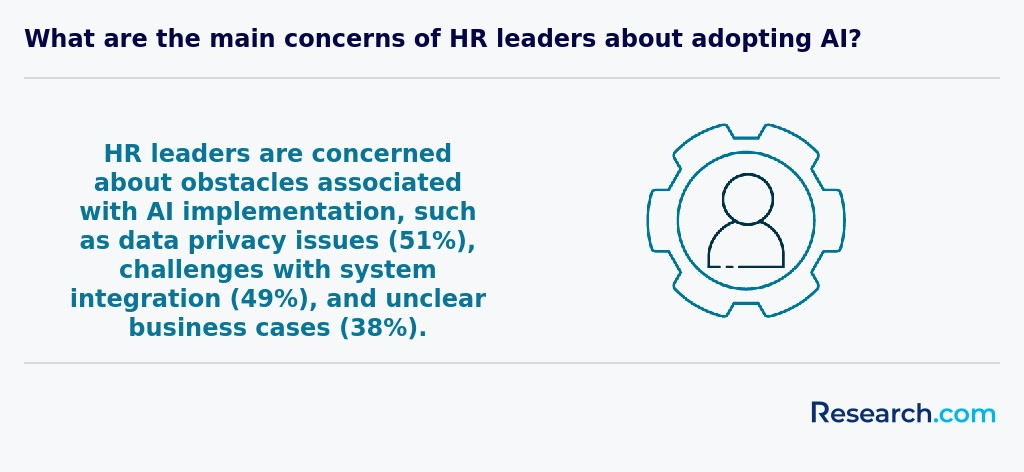
Investing in a Human Resources degree in Columbus, OH, means weighing tuition costs against potential earnings to determine the program’s true value. On average, bachelor’s degree holders in HR from local public universities pay between $10,000 and $20,000 per year in tuition (after in-state discounts and average financial aid), while private institution graduates may invest up to $30,000 annually. Considering the mean entry-level salary of $62,290 for HR specialists and $69,870 for roles like Training and Development Coordinator, most students recoup their undergraduate investment within 3–4 years of full-time employment. Graduate programs often yield even faster payback. A master’s degree in Human Resources from Columbus institutions typically requires 1–2 additional years of study and an extra $15,000–$25,000 in tuition. However, the median annual salary for HR managers-approximately $136,350 nationwide-can shorten the break-even period to just 2–3 years post-graduation. For working professionals seeking cost-effective graduate options, our roundup of the Cheapest Online Master’s in Human Resources Degree Programs Ranking in the South highlights programs that maximize ROI without sacrificing quality. When calculating ROI, factor in ancillary costs such as books, fees, and living expenses (averaging $12,000 per year for on-campus housing). Don’t overlook scholarship and assistantship opportunities, which can reduce net costs by up to 50%. Ultimately, a strategic choice of institution-aligned with career goals and supported by financial aid-ensures that Columbus HR graduates enjoy robust salary growth, a swift tuition payback timeline, and a high return on their educational investment.
Students pursuing a human resources degree in Columbus can access multiple financial aid options tailored to ease their educational expenses. For example, graduates from Ohio State University recall how federal Pell Grants, offering up to $7,395 per year, significantly reduced their tuition costs without the stress of repayment. Completing the FAFSA early ensures eligibility for these crucial funds.
Many Columbus colleges also provide institutional scholarships specifically for business and human resources majors. Graduates often share how merit-based awards or need-based grants helped them focus more on studies than finances. Local employers enhance support through tuition reimbursement programs, which past students valued as a practical way to balance work and education.
Additionally, federal student loans offer lower interest rates than private options, making them a safer borrowing choice, though thoughtful planning is essential to avoid excess debt. Work-study programs at Columbus campuses enable students to earn while gaining experience, something many alumni found rewarding and financially helpful during challenging semesters.
To enroll in a human resources degree program in Columbus, you typically need a high school diploma or equivalent, with a solid foundation in core subjects like English and math. Many applicants find it helpful to maintain at least a 2.5 to 3.0 GPA to meet the requirements of local institutions such as Columbus State Community College or Franklin University.
Standardized tests like the SAT or ACT may be optional, as several schools adopt test-optional policies, allowing graduates to highlight their extracurricular activities or personal essays instead. This flexibility lets prospective students showcase their unique strengths beyond test scores.
Graduate programs demand a bachelor's degree, often recommending a background in business or social sciences. Graduates recall how submitting a detailed resume and a strong personal statement articulating clear HR career goals made their applications stand out at universities like Ohio State.
International students should prepare to prove English proficiency through tests like TOEFL. Additionally, completing prerequisite courses in business or communication can ease the transition for those new to the field.
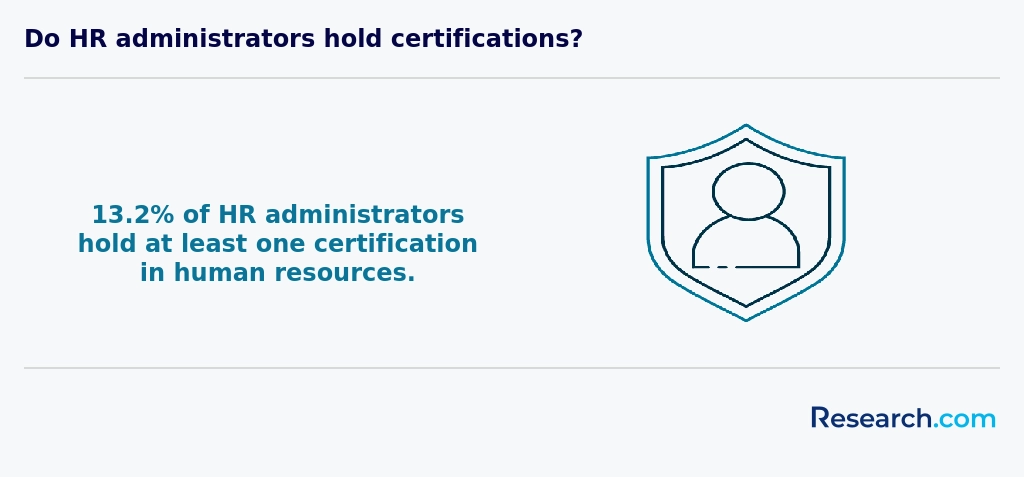
Human resources degree programs in Columbus typically include courses that build practical skills directly applicable to today's workforce. Graduates from local universities share how core classes like Introduction to Human Resource Management prepared them for real-world tasks such as recruitment and staffing-skills they used during internships at Columbus-based companies.
Employment Law courses focus on understanding workplace regulations, which graduates found essential for navigating compliance in their early HR roles. Courses in Organizational Behavior help students grasp team dynamics, a crucial factor when managing diverse groups in Columbus's varied industries like healthcare and technology.
Compensation and Benefits classes teach designing fair pay structures, while Performance Management guides students in setting and evaluating employee goals. Many students appreciated Training and Development courses, as these allowed them to lead workshops during their practicums, boosting their confidence and leadership skills.
Strategic Human Resources course examples showed graduates how to align HR practices with business goals, a key skill for succeeding in Columbus's competitive job market. These programs often emphasize diversity and inclusion, preparing students to manage a workforce as varied as the city itself.
Human resources degree specializations Columbus students often pursue include Talent Acquisition and Recruitment, Employee Relations and Labor Law, Compensation and Benefits, Organizational Development and Training, and Diversity and Inclusion. Graduates from well-known Columbus colleges find that focusing on recruitment, for example, equips them with skills to navigate the city's expanding technology and healthcare sectors. Other graduates highlight how studying Employee Relations prepares them to handle local labor union interactions effectively, a crucial advantage in Ohio's workforce environment.
Specializing in Compensation and Benefits provides practical knowledge for designing pay structures, which aligns with market realities such as the median annual wage of around $62,000 for HR specialists in Columbus. Students concentrating on Organizational Development share how real projects at colleges help build skills in improving employee performance, a valuable asset given Columbus companies' investments in workforce growth. Diversity and Inclusion is another vital specialization, reflecting the city's diverse population and growing emphasis on inclusive workplace culture.
Many students appreciate programs that blend business analytics or psychology, enhancing their insight into workforce dynamics. Affordability is a key factor with options ranging from public institutions costing about $8,000 annually to private colleges costing up to $25,000. For those seeking cost-effective options, the Cheapest Online Master's in Human Resources Degree Programs Ranking in the South is a useful resource to consider while planning their studies.
When selecting the best human resources degree in Columbus, prioritize programs that hold strong accreditation and offer comprehensive curricula covering labor law, organizational behavior, and employee development. Graduates from Ohio State University's Fisher College of Business often share how the program's reputable status and local industry ties helped them secure desirable internships and job placements. Exploring options that combine practical experience with academic rigor enhances employability in Columbus's competitive market. For those seeking the best affordable human resources degree Columbus has options among public universities that balance cost and quality, reducing financial stress while delivering recognized credentials.
Consider the total cost and financial aid opportunities specific to Columbus-area schools. Private institutions may offer advanced networking but often come at a premium, making it essential to evaluate your budget alongside your career goals. Many students benefit from programs that accommodate working professionals by offering flexible schedules or part-time study. For advanced learners, exploring 1 year master programs online can provide a time-efficient route to a higher degree without sacrificing local connections.

Graduates with a human resources degree in Columbus have diverse career paths available, ranging from HR specialists and recruiters to compensation analysts and training coordinators. Many students from local colleges, including those popular for human resources studies, find rewarding roles managing hiring processes or developing policies within major Columbus companies like Nationwide or Cardinal Health. These opportunities offer practical, hands-on experience, ideal for recent graduates eager to apply their classroom knowledge immediately.
Columbus HR degree job opportunities also extend into employee relations and workforce development, especially in organizations focusing on diversity and inclusion initiatives. Graduates often describe the satisfaction of contributing to meaningful equity programs within public agencies or tech firms based in the area. Networking events hosted locally provide strong connections essential to career advancement.
For those exploring additional training, professionals enhance their prospects by pursuing certifications like SHRM-CP. Columbus students interested in exploring multiple pathways often compare human resources with other fields to find the best fit, sometimes turning to resources that rank easiest masters programs for guidance on further education.
The human resources job outlook Columbus remains promising, with a steady 8% growth expected over the next decade. Graduates from popular local colleges benefit from proximity to major employers in healthcare, education, and technology sectors, which actively seek HR professionals. Many graduates share how internships and campus career fairs in Columbus connected them directly with employers needing expertise in talent management and organizational compliance. These real-world experiences combined with their education boost confidence in landing meaningful HR roles quickly.
Competitive salaries, averaging around $32 per hour, reinforce the appeal of earning a human resources degree in Columbus. Graduates highlight the advantage of studying in the area, where smaller companies and large institutions alike value skills in contemporary HR technologies and legal knowledge. For students balancing costs, public universities in Ohio offer tuition between $10,000 and $15,000 annually, making investment in an HR degree accessible and worthwhile.
To navigate Columbus human resources career opportunities effectively, it's helpful to supplement your degree with certifications or practical experience. Learning about which college majors make the most money can also guide strategic decisions during your studies and early career.
2027 Most Affordable Human Resources Degree Programs Ranking in Columbus
Investing in your education is a significant decision that can shape your future, and the Research.com team understands the importance of making informed choices. To assist prospective students in Columbus, we have meticulously developed the "2027 Most Affordable Human Resources Degree Programs Ranking in Columbus." Our dedication to quality, credibility, and accuracy is demonstrated through rigorous research and analysis that underpin this ranking.
We utilized the following reputable data sources to ensure a comprehensive evaluation of human resources degree programs:
By exploring this ranking, readers will gain valuable insights into the most affordable and credible human resources degree options in Columbus, enabling informed and confident educational decisions. For more details on our methodology, please visit our Research.com methodology page.
# 1 position
Franklin University
Master of Science in Human Resource Management

# 2 position
Franklin University
Bachelor of Human Resource Management

Frequently Asked Questions About human resources
Human resources degree students in Columbus can maximize their learning by engaging in internships offered through local employers and university partnerships. The Columbus area hosts numerous companies, including tech and healthcare firms, which provide valuable hands-on HR experience. According to the Bureau of Labor Statistics, the demand for HR specialists in Ohio is expected to grow by 7% through 2030, highlighting the importance of practical skills.
Students should also join professional organizations like the Society for Human Resource Management (SHRM) Columbus chapter to access networking events and workshops. Additionally, they can enhance their education by utilizing resources at Columbus State Community College and Ohio State University, which offer comprehensive HR programs combined with career support.
Emerging niches within the human resources field reflect the evolving needs of organizations in Columbus and across the U.S. One fast-growing area is HR analytics, which uses data to improve hiring, retention, and workforce planning. According to the Society for Human Resource Management (SHRM), HR analytics specialists can boost efficiency by making better-informed decisions.
Diversity, equity, and inclusion (DEI) has become a critical focus. Columbus employers increasingly seek HR professionals skilled in DEI initiatives to foster inclusive workplaces, supported by national trends reported by the U.S. Bureau of Labor Statistics.
Another niche is remote workforce management, which grew since 2020 and remains important in the Columbus region, where many companies have adopted hybrid models. HR roles supporting employee wellness and mental health programs are also expanding rapidly.
Preparing for the job market after completing a human resources degree in Columbus involves strategic planning and skill enhancement. Graduates should focus on gaining practical experience through internships or part-time roles, as Columbus hosts many businesses spanning healthcare, finance, and technology sectors that actively seek HR professionals.
Developing strong competencies in HR software, employment law, and diversity management is crucial. The Columbus metropolitan area reported a 5% annual growth in HR job openings in 2023, according to the U.S. Bureau of Labor Statistics, making adaptability and specialized knowledge important.
Networking by joining local chapters of SHRM (Society for Human Resource Management) or attending Columbus HR events can increase job prospects. Additionally, obtaining certifications like PHR or SHRM-CP enhances credibility and employer appeal in this competitive market.
Employers in Columbus highly value human resources graduates who demonstrate strong communication and interpersonal skills. These abilities are essential for managing employee relations and fostering a positive workplace culture. According to the Columbus Chamber of Commerce, about 72% of HR job postings emphasize conflict resolution and negotiation skills.
Analytical skills also rank prominently, as HR professionals need to interpret workforce data effectively. Knowledge of employment law and compliance is critical, with the Society for Human Resource Management noting that 65% of HR roles in Ohio require familiarity with labor regulations.
Additionally, proficiency with HR software and technology is increasingly important due to the digitization of many HR processes across Columbus organizations.
Finding internships in Columbus relevant to a human resources degree begins with exploring opportunities at local companies and institutions. Columbus hosts major employers such as Ohio State University, Nationwide Insurance, and Cardinal Health, which often offer HR internship programs. Checking their career pages regularly can be a good start.
Students should also utilize resources at their college career centers, which usually partner with employers to list internships and assist with resume and interview preparations.
Additionally, networking events and professional organizations, like the Society for Human Resource Management (SHRM) Columbus chapter, provide connections to internships and career advice specifically in HR.
According to the Columbus Chamber of Commerce, the local HR job market is expected to grow by 5% over the next five years, increasing internship chances as companies prepare future hires.
A human resources degree can significantly enhance career mobility and advancement opportunities in Columbus. Employers increasingly seek candidates with formal education in HR to navigate complex workplace laws and improve employee relations.
According to the U.S. Bureau of Labor Statistics, Columbus has a growing demand for HR specialists with projected job growth of 7% from 2022 to 2032. This demand supports upward movement in roles such as HR manager, recruiter, and compensation analyst.
Local institutions like Ohio State University and Columbus State Community College offer accredited HR programs that provide practical skills recognized by employers in the region.
Holding a degree in HR also improves eligibility for professional certifications like SHRM-CP, which employers in Columbus consider a strong asset for promotions and salary increases.
Studying for a human resources degree in Columbus equips students with skills that extend beyond traditional HR functions, preparing them for interdisciplinary roles in various business settings. Programs often integrate coursework in business administration, organizational psychology, and labor law, reflecting the multifaceted nature of HR careers. According to the Bureau of Labor Statistics, Columbus's growing economy, especially in sectors like healthcare and technology, demands HR professionals proficient in data analysis and strategic planning.
Columbus institutions also emphasize communication and conflict resolution, essential for collaboration across departments such as finance and marketing. This approach helps graduates adapt to roles that require coordination between human capital management and company-wide goals, ensuring they remain competitive in a dynamic job market.
Choosing between a thesis and a non-thesis human resources degree program in Columbus depends on your career goals and learning preferences. A thesis program involves conducting original research, suitable for those considering doctoral studies or careers in HR research and policy development.
Non-thesis programs focus more on practical coursework and internships, which may benefit students aiming for immediate HR roles in local businesses or government agencies. Columbus hosts several employers seeking candidates with applied skills, as reported by the Columbus Chamber of Commerce.
According to the Bureau of Labor Statistics, HR specialists in Columbus earn a median annual wage slightly above the national average, so selecting a program aligned with desired job roles is essential.
Consult academic advisors and review specific course offerings within Columbus institutions to find the program fitting your needs.
Students based in Columbus seeking to study human resources abroad have several paths through U.S. institutions that offer international study opportunities. Many Columbus universities, including Ohio State University, provide exchange programs and study abroad options in partnership with universities worldwide. These programs allow students to earn credits toward their human resources degrees while gaining global experience.
The National Center for Education Statistics reports that over 3% of U.S. undergraduates participate in study abroad annually, often in business-related fields like human resources. Programs commonly focus on international labor laws, cross-cultural management, and global workforce strategies.
Financial aid and scholarships for study abroad are available, helping reduce costs. Students should consult their academic advisors to align abroad coursework with their degree requirements.
Students pursuing a human resources degree in Columbus can benefit from several part-time job opportunities that complement their academic studies. Positions such as HR assistant, recruiting coordinator, or payroll clerk provide hands-on experience in employee relations, recruitment, and compensation management. These roles often exist in local businesses, nonprofit organizations, and universities, offering relevant exposure.
According to the Ohio Department of Job and Family Services, Columbus employers in professional and business services sectors have grown by over 3% annually, increasing demand for HR support roles. Additionally, internships or entry-level roles in Columbus-based firms like Nationwide or Huntington can enhance practical skills.
Such opportunities improve understanding of labor laws, benefits administration, and workforce diversity-critical areas for future human resources professionals.
Human resources students in Columbus benefit from a variety of networking opportunities that connect them with local professionals and organizations. The Columbus chapter of the Society for Human Resource Management (SHRM) offers regular meetings, workshops, and events specifically designed for students and early-career HR professionals. This local SHRM group has over 2,000 members, making it one of the largest professional HR networks in the region (SHRM Columbus, 2024).
Many colleges in Columbus also organize career fairs focused on HR, where students meet recruiters from top employers such as Nationwide, Cardinal Health, and OhioHealth. Internships provide additional hands-on networking, often leading to full-time positions. Local conferences and seminars further enrich connections in the HR community.
Alumni networks in Columbus provide valuable support for human resources degree students by offering professional connections essential for career growth. Graduates from local universities often participate in events and mentorship programs, giving current students access to real-world insights and job opportunities. According to the Columbus Chamber of Commerce, nearly 70% of jobs in human resources are filled through networking and referrals, highlighting the importance of strong alumni relationships.
These networks also facilitate internships and cooperative education placements at prominent Columbus companies, helping students gain hands-on experience. Additionally, alumni can share advice on navigating certifications and continuing professional education needed in this field.
Students pursuing human resources degrees in Columbus can tailor their programs through elective courses focused on specialties such as compensation, labor relations, or organizational development. Many local colleges offer flexible options including online, part-time, or accelerated tracks, allowing students to align studies with work schedules.
Internships and cooperative education placements with Columbus-based companies provide practical experience, enhancing career readiness. According to the Bureau of Labor Statistics, the Columbus metro area expects a 10% growth in human resources management roles from 2022 to 2032, emphasizing skill diversification.
Additionally, certifying through SHRM or HRCI after degree completion further customizes career paths and meets employer demands. Consulting academic advisors can help select courses and extracurricular activities appropriately aligned with specific human resources careers in the Columbus job market.
Human resources students in Columbus face several common challenges during their studies. Many find balancing coursework with part-time jobs or internships difficult, as practical experience is essential in HR education. Additionally, students must navigate complex federal and Ohio state labor laws, which require ongoing study to comprehend and apply correctly.
Another challenge involves mastering the use of HR software and information systems, increasingly demanded by employers in the Columbus job market. According to the Ohio Department of Job and Family Services, HR roles in Columbus have grown by 8% over five years, leading to more competitive internships and job opportunities.
Finally, networking within Columbus's diverse business community can be daunting, especially for students without prior local connections.
With a human resources degree in Columbus, graduates can enhance their credentials by pursuing several recognized professional certifications. The Society for Human Resource Management offers the widely respected Certified Professional (SHRM-CP) and Senior Certified Professional (SHRM-SCP) certifications, which validate expertise in HR practices.
Another key certification is offered by the HR Certification Institute (HRCI), including the Professional in Human Resources (PHR) and Senior Professional in Human Resources (SPHR) designations. These certifications are highly regarded by employers in Ohio and nationwide.
Columbus HR professionals benefit from a local job market growing at a rate of 7.2% annually, according to the Bureau of Labor Statistics, making certifications valuable for career advancement.
To write a winning application for a human resources program in Columbus, start by clearly demonstrating your interest in the field. Emphasize any relevant experience or coursework, such as business or psychology classes. Highlight skills valued in HR, like communication, problem-solving, and organization.
According to the Society for Human Resource Management (SHRM), Columbus has a growing HR job market, with 5,000+ HR-related jobs reported in 2023 by the Bureau of Labor Statistics. Mentioning your local commitment can strengthen your application.
Craft a personal statement that connects your career goals with the program's offerings. Proofread carefully and follow each program's specific application instructions to avoid common errors.
Human resources (HR) careers increasingly involve understanding global business practices. Many HR degree programs in Columbus now integrate international labor laws, cross-cultural management, and global talent acquisition. This reflects the growing need for HR professionals who can operate in diverse environments.
According to the U.S. Bureau of Labor Statistics, HR employment is projected to grow 7% nationally from 2021 to 2031. Columbus's expanding corporate landscape, with companies like Nationwide and OhioHealth, demands HR experts skilled in global workforce strategies.
Moreover, global perspectives prepare students to address challenges like remote work policies and international compliance, essential in today's interconnected economy.
To gain practical experience while pursuing a human resources degree in Columbus, students can explore internships offered by local companies. Columbus hosts a diverse economy with major employers such as Nationwide and JPMorgan Chase, which commonly provide HR internship opportunities. According to the Columbus Chamber of Commerce, internships in HR can enhance skills in recruitment, employee relations, and compliance.
Campus career centers often collaborate with businesses to connect students to paid and unpaid internships. Additionally, students may join on-campus HR clubs or participate in case competitions to apply theoretical knowledge. Volunteering for HR-related nonprofit work in Columbus further develops practical skills.
Choosing the right concentration within a human resources degree program in Columbus requires evaluating your career goals and local job market demands. Concentrations often include talent management, labor relations, or compensation and benefits. According to the U.S. Bureau of Labor Statistics, HR roles in Ohio are expected to grow by 7% through 2031, with an emphasis on talent acquisition and employee development.
Research local employers in Columbus, such as hospitals and tech firms, to identify skills in demand. Networking events and internships can provide practical insights. Additionally, verify that programs align with SHRM (Society for Human Resource Management) standards, enhancing employability.
- 2027 Most Affordable Human Resources Degree Programs Ranking in Cincinnati
- 2027 Most Affordable Human Resources Degree Programs Ranking in Cleveland
- 2027 Most Affordable Human Resources Degree Programs Ranking in Pittsburgh
- 2027 Most Affordable Human Resources Degree Programs Ranking in Grand Rapids
- 2027 Most Affordable Human Resources Degree Programs Ranking in Chicago
- 2027 Most Affordable Human Resources Degree Programs Ranking in Lisle
- 2027 Most Affordable Human Resources Degree Programs Ranking in Washington
- 2027 Most Affordable Human Resources Degree Programs Ranking in Milwaukee
- 2027 Most Affordable Human Resources Degree Programs Ranking in Saint Louis
- 2027 Most Affordable Human Resources Degree Programs Ranking in University Park
See What Experts Have To Say About Studying Human Resources
Read our interview with Human Resources experts


Thomas Kochan
Human Resources Expert
Professor of Management
Massachusetts Institute of Technology

Chester S. Spell
Human Resources Expert
Professor of Management
Rutgers University

- Best Value Human Resource Master’s Programs https://www.humanresourcesedu.org/most-affordable-hr-masters-programs/
- What Degree Might You Need to Pursue an HR Career Path? The Requirements to Know https://www.trident.edu/what-degree-do-you-need-for-hr-requirements-to-know/
- Human Resource Development in Education Non-Thesis Master's Program https://eds.metu.edu.tr/en/human-resource-development-education-non-thesis-masters-program
- What to do after a Bachelor's degree in HR https://www.ipag.edu/en/blog/what-do-after-bachelors-degree-hr
- Human Resource Management https://www.heidelberg.edu/academics/programs/human-resource-management
- What skills and competencies do you need for a career in HR? https://targetjobs.co.uk/careers-advice/hr-and-recruitment/what-skills-and-competencies-do-you-need-career-hr
- Redefining career development: Skills, mobility and retention https://hrexecutive.com/redefining-career-development-skills-mobility-and-retention/
- HR's Guide to Effective Career Development https://orangehrm.com/resources/learn-in-depth/hr-guide-to-effective-career-development
- Online Education Vs. Traditional Education In HR - CFR Group https://www.cfr-group.com/online-education-vs-traditional-education-in-hr/
- International HR Perspectives (MHR104) https://www.uis.no/en/course/MHR104