2027 Easiest Online Human Resources Degree Programs Ranking in the Northeast

Co-Founder and Chief Data Scientist
Choosing the right human resources degree program can feel overwhelming, especially with so many online options in the Northeast. This article introduces the 2027 Easiest Online Human Resources Degree Programs Ranking in the Northeast, created by the Research.com team of data scientists to help you make an informed decision.
Whether you're starting your career or looking to advance, a human resources degree offers valuable skills that employers need. Discover programs designed to fit your lifestyle and goals, making your learning experience both accessible and rewarding.
Read on to explore the best options tailored for you.
Key benefits of getting online human resources degree in the Northeast
- Graduates with a human resources degree in the Northeast can expect competitive salaries, such as $76,060 annually for roles like Human Resources Generalist, Recruitment Coordinator, and Employee Relations Specialist.
- Potential career paths include positions like Training and Development Coordinator or Human Resources Assistant, offering diverse options and growth opportunities in local companies and organizations.
- Online human resources degrees provide flexible learning schedules and allow students to balance work and study, making it easier to earn a respected degree from top schools in the Northeast while gaining real-world experience.
- 2027 Easiest Online Human Resources Degree Programs Ranking in the Northeast
- What can I expect from online human resources degree in the Northeast?
- Where can I work with online human resources degree in the Northeast?
What can I expect from online human resources degree in the Northeast?
The average cost of an online human resources degree in the Northeast varies, but many students find that public universities offer more affordable tuition, especially when enrolled as in-state learners. For example, graduates from public institutions in states like New York and Massachusetts often report manageable costs, thanks to lower tuition rates and financial aid options. Private colleges may charge higher fees, but some graduates appreciate the smaller class sizes and personalized support that come with those programs.
Many students find employer tuition assistance programs helpful, enabling them to pursue degrees without severe financial strain while continuing to work. Graduates recall feeling motivated knowing their investment translated into skill-building in employment law, compensation, and strategic HR management, aligning well with SHRM certification preparation.
The ability to study flexibly online while connecting with local businesses for internships makes these programs particularly valuable. This real-world experience, combined with strong networking opportunities in metropolitan hubs like Boston and Philadelphia, enhances graduates' confidence and job prospects.
Where can I work with online human resources degree in the Northeast?
Graduates with an online human resources degree in the Northeast quickly find rewarding opportunities across a variety of industries. Many secure roles in major metropolitan areas like New York City, Boston, and Philadelphia, where large corporations need HR professionals to handle recruiting, training, and employee relations. For example, graduates from universities such as Penn State or Northeastern University often land positions in healthcare systems or financial companies, benefiting from these sectors' constant demand for skilled HR staff.
Others start careers in government agencies in states like New Jersey or Connecticut, managing public workforce programs and labor relations. Educational institutions, including Ivy League schools and community colleges, also hire HR specialists to support faculty and staff, offering diverse work environments that graduates from local programs appreciate. Additionally, the booming tech scene in Boston presents exciting roles focused on rapid company growth and employee engagement, a path many recent graduates pursue with enthusiasm.
Familiarity with these regional sectors, combined with networking at institutions like Rutgers or Boston University, helps students confidently target employers geared for long-term career growth.
Graduates with an online human resources degree in the Northeast typically enter roles such as Human Resources Assistant, Recruitment Coordinator, or Human Resources Generalist, with mean annual wages around $76,060 according to recent data. Many find these positions in vibrant job markets near renowned universities like Rutgers or Boston University, where flexible online study options align with local employment opportunities.
For example, a graduate working as a Recruitment Coordinator in New York can expect to earn roughly $76,060 annually, providing a strong foundation for early career growth. Those starting as Training and Development Coordinators generally earn slightly less, around $71,980, but gain valuable experience driving employee success and engagement.
Graduates often report feeling encouraged by the competitive salaries and opportunities to expand skills through internships and entry-level roles in healthcare, finance, or education sectors. Pursuing professional certifications post-degree can boost earning potential further in this fast-paced region.
By combining an accredited online degree with strategic networking in the Northeast, graduates efficiently position themselves to capitalize on these well-paying HR roles that match their career ambitions and lifestyle needs.
- Online HR bachelor's degrees in the Northeast usually cost between $15,000 and $35,000, while graduate programs range from $20,000 to $45,000.
- Entry-level HR positions start around $50,000 per year, with mid-career salaries averaging $70,000 to $85,000, and senior roles exceeding $100,000.
- HR job growth in major Northeastern cities like New York, Boston, and Philadelphia is expected to be about 8% over the next decade, above the national average.
- Many online programs include practical training like virtual internships and capstone projects, and are accredited by recognized organizations such as SHRM.
- Financial aid options, including scholarships and employer tuition reimbursement, are commonly available to support online HR students in the Northeast.
Completing an online human resources degree in the Northeast typically takes two years for an associate, four years for a bachelor's, and one to two years for a master's when studying full-time. Graduates from well-known universities such as those in New York or Massachusetts often share how part-time enrollment extended their bachelor's studies by a couple of years, balancing jobs and family while progressing steadily.
Many find accelerated master's programs especially rewarding, finishing in just 12 to 18 months. This flexibility appeals to working professionals in Pennsylvania and nearby states, eager to advance quickly without sacrificing current commitments. Transfer credits also play a crucial role; students who leveraged prior coursework in community colleges reduced their time significantly.
Choosing self-paced or semester-based formats can make a tangible difference. For instance, a self-paced program allowed a graduate at a Massachusetts college to complete core HR courses on their schedule, boosting motivation and confidence throughout the journey.
Online human resources degree programs in the Northeast offer flexibility unmatched by traditional on-campus options. Graduates from institutions like Northeastern University often share how they balanced full-time work with coursework, appreciating the ability to study from home while managing family responsibilities. In contrast, on-campus students at places such as Boston College highlight the value of engaging face-to-face with professors and peers, which enriches networking and classroom discussions.
Cost differences also stand out. Online learners typically save on commuting and housing, with tuition sometimes discounted compared to in-person rates, aligning with expenses reported by graduates attending public universities in the region. However, both formats maintain similar core curricula covering labor relations and employment law, ensuring job readiness.
Career opportunities can differ as well. On-campus students benefit from easier access to internships and career fairs, while online students must proactively seek virtual networking events and rely on digital support services. Success comes down to choosing the format that fits your lifestyle and learning preferences.
The average cost of an online human resources degree in the Northeast typically centers around $33,000 for total tuition, reflecting a balance between in-state and out-of-state rates. For example, graduates from well-known regional programs often share that paying approximately this amount feels manageable when considering the quality and flexibility of studying at respected institutions like those in New York or Massachusetts. Many students find that investing in these programs leads to rewarding career outcomes, making the cost feel justified.
Students pursuing an affordable online human resources degree programs Northeast often explore options at public universities where in-state tuition averages around $32,175, while out-of-state students might pay slightly less depending on specific agreements. Beyond tuition, additional costs such as technology fees or materials may add a few hundred dollars, but many programs include digital resources that help reduce expenses. This practical approach allows students to budget more effectively throughout their education.
It's also helpful to consider financial aid, scholarships, and employer tuition reimbursement programs, which graduates frequently leverage to offset tuition costs. If you're researching options, be sure to check out the best online human resources programs in new york for programs that combine affordability with strong reputations in the field. Many past students highlight that understanding these financial strategies early on reduces stress and creates a positive, confident pathway toward degree completion.
Online human resources students in the Northeast can access a variety of financial aid options to help manage tuition costs. Graduates from SUNY Albany recall that completing the FAFSA was their first step toward securing Pell Grants, which offer up to $7,395 annually without repayment. This direct support eased their financial worries significantly.
Those attending institutions like Boston University often rely on Federal Direct Student Loans, appreciating the flexible repayment options that made long-term budgeting easier while focusing on studies.
State programs are also invaluable. For example, New York's Excelsior Scholarship completely covered tuition at SUNY and CUNY schools for many online HR students, sparking relief and gratitude for affordable education.
Institutional scholarships at universities such as Northeastern University reward merit or financial need, with many recipients reporting renewed motivation from receiving aid each year.
Additionally, working professionals often benefit from employer tuition assistance programs, common in Northeast cities, which lift the burden and encourage career growth while studying.
Professional organizations like SHRM provide scholarships that not only fund tuition but also connect students to vital networks, inspiring confidence in their future HR careers.
Enrolling in an Online Human Resources degree in the Northeast comes with more than just coursework; robust student support and resources ensure you stay on track and connected. From dedicated academic advising to career services tailored for HR professionals, universities in the region are committed to your success. Most programs offer 24/7 technical support for learning platforms, online tutoring for core subjects like employment law and compensation, and access to extensive digital libraries stocked with HR journals and case studies. Career readiness is enhanced through virtual workshops, resume reviews, and mock interview sessions with HR experts. You’ll also benefit from mentorship programs that pair you with alumni working in roles such as Training and Development Coordinator or HR Business Partner. Networking doesn’t stop at graduation-online discussion forums and regional alumni chapters give you opportunities to connect with peers and seasoned professionals at any stage of your career. For those comparing affordability, don’t miss our Cheapest Online Bachelor's in Human Resources Degree Programs Ranking in Illinois, which highlights cost-effective pathways without compromising on support services. Finally, many institutions provide specialized resources such as HR software simulators, virtual career fairs featuring Northeast employers, and workshop series on emerging topics like HR analytics and diversity, equity, and inclusion. By leveraging these support structures, you can maximize your learning experience, overcome common online challenges, and build a professional network that propels your HR career forward.
To enroll in an online human resources degree program in the Northeast, applicants typically must have a high school diploma or equivalent like a GED. Graduates from well-known regional colleges often recall submitting transcripts as proof, especially for bachelor's programs. Many also found that strong skills in English and mathematics, gained through high school courses, helped them feel confident when starting coursework.
Standardized tests such as the SAT or ACT may be requested, though several Northeastern institutions have shifted toward test-optional policies, easing access for diverse students. For those pursuing graduate HR degrees, holding a bachelor's degree from an accredited university-whether related to HR, business, or psychology-is crucial. Many successful applicants emphasize preparing personal statements and securing recommendation letters well in advance, often recalling how these helped showcase their passion and relevant experiences.
Non-native English speakers should be ready to provide TOEFL or IELTS scores to demonstrate language proficiency, which ensures smooth communication during classes. Reaching out to admissions offices at popular schools like those in Boston or New York helps clarify specific requirements, making the application process less intimidating and more manageable.
When embarking on an online Human Resources degree, planning for success is as important as choosing the right program. Students can benefit immensely from a structured approach that includes setting clear study goals, carving out a dedicated workspace, and utilizing all available academic and technical support resources. Engaging actively in virtual study groups and interacting with professors during scheduled live sessions can transform an online course into a dynamic learning environment. Additionally, many programs offer career counseling, mentorship opportunities, and networking events to help bridge the gap between academics and professional success. For those looking to begin their journey on the right footing, exploring the best online human resources programs in new york can provide further insights into programs known for their robust student support and industry connections. By balancing disciplined self-study with available institutional resources, you can maximize your learning outcomes and enhance your career prospects in the competitive field of Human Resources.
Online human resources degrees in the Northeast typically include core courses designed to build practical skills that graduates can immediately apply in their careers. For example, many students at well-known regional institutions find value in classes like Introduction to Human Resource Management and Organizational Behavior, which provide a strong foundation for managing workplace dynamics effectively.
Graduates often highlight how Employment Law and Labor Relations courses prepared them for navigating complex regional labor regulations in New York or Massachusetts. Hands-on classes such as Compensation and Benefits Administration and Training and Development equip students with the tools needed to design employee packages and skill-building programs tailored to local industries.
Strategic Human Resources and Diversity and Inclusion coursework are emphasized in Northeast programs to reflect the region's diverse workforce and competitive business environment. Technical skills are also prioritized; students frequently mention HR Information Systems courses teaching essential software and data analysis, critical for modern HR roles.
Online human resources degree specializations Northeast programs commonly include Talent Acquisition and Recruitment, Employee Relations and Labor Law, Compensation and Benefits, Organizational Leadership and Development, and Diversity, Equity, and Inclusion (DEI). Graduates from well-known colleges in the region appreciate how Talent Acquisition training directly prepares them for competitive job markets like those in Boston and New York, helping them feel confident when recruiting top talent.
Specializing in Employee Relations is popular among students who want to understand complex labor laws and manage workplace dynamics effectively, crucial in Northeast states with strong union activity. Those focusing on Compensation and Benefits often find their skills valued in finance and healthcare sectors common to the area, reporting a strong sense of career readiness after coursework. Several graduates highlight how Organizational Leadership courses improved their ability to foster positive company culture, making them feel empowered stepping into management roles.
Choosing a specialization aligned with your goals can improve job prospects and salary potential. For those budgeting carefully, it's worth exploring options like the Cheapest Online Bachelor's in Human Resources Degree Programs Ranking in Illinois, which many Northeast students consider. These targeted concentrations within human resources management concentrations Northeast online provide practical skills tailored to regional industry demands.
Choosing the best online human resources degree in the Northeast means focusing first on accreditation and curriculum relevance. Graduates from well-known institutions in this region often value programs accredited by SHRM or ACBSP, ensuring their education meets rigorous industry standards. When comparing programs, look for courses that cover essential topics like talent management and labor relations while preparing you for SHRM certifications.
Cost also plays a crucial role. Northeastern students frequently navigate tuition that's higher than the national average but can find affordable human resources degree programs Northeast by exploring public universities or scholarships. One graduate shared how researching in-state tuition options helped manage expenses effectively while still earning a respected degree.
Flexibility and support are key. Many students appreciate online formats that allow them to study asynchronously but also offer chances to engage with instructors and peers, which builds confidence and networking opportunities. Resources like career counseling and internships through schools in the Northeast can ease the transition into HR roles.
For students seeking accelerated options, some consider associate degrees in 6 months online to quickly enter the workforce or pursue further study.
Graduates with an online human resources degree in the Northeast have access to a variety of fulfilling career paths tailored to the region's dynamic workforce. Many find rewarding roles as Human Resources Specialists, managing recruitment and onboarding at major companies headquartered in New York or Boston. Others pursue positions as HR Managers, shaping policies and leading teams within large organizations across the Northeast corridor. Recruiter roles are popular in sectors like finance and technology, where talent acquisition is critical to business growth. Training and Development Manager positions allow graduates from schools such as the University of Massachusetts or Northeastern University to design impactful employee development programs that foster long-term success. Some also achieve satisfaction working as Compensation and Benefits Managers, addressing competitive pay and benefits in high-cost metropolitan areas.
The practical experience gained through these programs equips graduates to thrive in human resources job opportunities in Northeast government and nonprofits, focusing on compliance and diversity. Many students leverage resources like certification programs that pay well to further boost their credentials and career prospects.
The human resources job outlook Northeast is encouraging for graduates with online HR degrees. Many find rewarding positions in cities like Boston and Philadelphia, where universities offering strong HR programs provide excellent networking opportunities. Graduates report that their online credentials gained credibility during the pandemic, allowing smoother entry into diverse roles such as recruitment and benefits management. Employers in these metropolitan areas appreciate candidates who combine their online education with internships or part-time HR roles.
Online HR degree employment prospects Northeast reflect steady growth matching national trends, with a 7% increase expected through 2031. Salaries typically surpass $70,000 annually, especially in Boston and New York, where graduates enjoy a competitive edge due to the metropolitan economy. One graduate shared how balancing an online program from a well-known college in the region alongside freelancing in HR consulting helped build practical skills and confidence.
Cost-conscious students can evaluate tuition against potential earnings, considering the clear benefits of strategic career moves in this region. To explore further career advantages, see what is the highest paying bachelor's degree.
2027 Easiest Online Human Resources Degree Programs Ranking in the Northeast
Investing in your education is a significant decision that can shape your future, and the Research.com team understands the importance of making informed choices. To assist prospective students, we have carefully developed the "2027 Easiest Online Human Resources Degree Programs Ranking in the Northeast." Our dedication to quality, credibility, and accuracy is demonstrated through thorough research and rigorous analysis involved in creating this ranking.
We utilized the following reputable data sources to ensure a comprehensive evaluation of online human resources degree programs:
By exploring this ranking, readers will gain valuable insights into the easiest and most accessible online human resources degree programs in the Northeast, empowering them to make well-informed decisions for their educational and professional advancement. For more information about our methodology, please visit our Research.com methodology page.


# 7 position
Penn State University Park
Master of Human Resources and Employment Relations

# 8 position
Penn State University Park
Bachelor of Labor and Human Resources
# 9 position
SUNY Empire State College
Bachelor of Labor Studies
# 10 position
Lehman College of the City University of New York
Master of Science in Business with a concentration in Human Resource Management




# 18 position
Peirce College
Bachelor of Human Resource Management


Frequently Asked Questions About human resources
Online human resources (HR) degree students in the Northeast can maximize their learning by actively engaging with interactive coursework and virtual networking opportunities. Many accredited Northeastern universities offer specialized HR certifications alongside degree programs, enhancing practical knowledge and increasing job market competitiveness. The U.S. Bureau of Labor Statistics notes that HR employment in the Northeast grew by 7% from 2019 to 2029, signaling strong regional demand.
Students should also participate in local professional HR organizations, such as the New York SHRM chapter, that offer webinars and events tailored to regional workforce trends. Utilizing university career services to secure remote internships in nearby companies helps apply theory to practice effectively.
The field of human resources is evolving rapidly, especially within the competitive Northeast job market. Emerging niches include talent analytics, which uses data-driven tools to optimize hiring and retention. According to the Society for Human Resource Management (SHRM), nearly 70% of HR leaders in the Northeast are investing in these technologies.
Another growing area is diversity, equity, and inclusion (DEI). Northeastern companies increasingly prioritize DEI roles to foster inclusive work environments, reflecting broader social movements. Mental health and employee well-being specialists are also in demand, responding to heightened awareness of workplace stress.
These niches offer specialized career paths for students pursuing online human resources degrees, aligning education with regional industry trends.
After completing an online human resources degree in the Northeast, preparing for the job market involves targeted steps to enhance employability. Start by gaining practical experience through internships or part-time HR roles, which many regional companies in states like New York and Massachusetts offer. The U.S. Bureau of Labor Statistics projects a 7% growth in HR jobs nationwide through 2032, with the Northeast showing strong demand in healthcare and technology sectors.
Networking is essential-join local chapters of professional organizations such as the Society for Human Resource Management (SHRM). Certification, like the PHR or SHRM-CP, can also significantly boost your credentials and salary potential.
Employers in the Northeast prioritize strong communication skills in human resources graduates, as effective interaction across diverse workplaces remains essential. Analytical abilities are also crucial; HR professionals often manage data related to payroll, benefits, and labor laws. According to the U.S. Bureau of Labor Statistics, problem-solving is highly valued since human resources teams address various employee concerns.
Knowledge of local, state, and federal employment regulations, especially in states like New York and Massachusetts, is important for compliance. Additionally, technology proficiency, including experience with HR information systems (HRIS), is increasingly demanded.
A 2023 survey by the Society for Human Resource Management (SHRM) noted that 67% of Northeastern employers seek graduates with strong negotiation and conflict resolution skills.
Finding internships relevant to a human resources degree in the Northeast requires targeted approaches. Start by exploring online job portals like Handshake and Indeed, which feature numerous HR internships in states such as New York, Massachusetts, and Pennsylvania. Many universities in the region partner with local businesses to provide exclusive internship opportunities for students.
Additionally, professional organizations like the Society for Human Resource Management (SHRM) have regional chapters that offer networking events and internship listings. According to the Bureau of Labor Statistics, human resources employment in the Northeast is projected to grow by 7% through 2031, increasing internship availability.
Leveraging university career centers, LinkedIn connections, and attending virtual career fairs can increase your chances of securing internships in HR, giving valuable real-world experience before graduation.
An online human resources degree can significantly enhance career mobility and advancement opportunities in the Northeast. Many employers recognize online degrees from accredited institutions, especially given the region's concentration of Fortune 500 companies and growing industries in healthcare, finance, and technology.
According to the U.S. Bureau of Labor Statistics, the Northeast states like New York and Massachusetts expect a 7% growth in human resources roles through 2031, faster than the national average.
This growth supports upward mobility for certified HR professionals with specialized knowledge often gained in degree programs. Graduates typically qualify for roles in HR management, recruitment, and employee relations, where salaries in the region can exceed the national average by 10-15%.
Studying for an online human resources degree in the Northeast equips students with skills to handle interdisciplinary roles by integrating knowledge from business, psychology, and labor law. Many programs emphasize collaboration with departments like finance, marketing, and management, reflecting regional workforce demands. For example, the Northeast hosts diverse industries-from healthcare to technology-requiring HR professionals to adapt across fields.
According to the Bureau of Labor Statistics, HR-related positions in the Northeast are projected to grow by about 7% through 2030, highlighting the importance of versatile training.
Programs often include courses on organizational behavior and data analysis, preparing graduates to effectively support complex organizational structures.
When choosing between a thesis and a non-thesis online human resources degree program in the Northeast, consider your career goals and learning preferences. Thesis programs typically involve deep research and a formal written project, ideal for students aiming for academic careers or research roles. Non-thesis options often focus on practical skills and coursework, better suited for immediate industry application.
In the Northeast, many universities offer both formats to accommodate diverse student needs. According to the National Center for Education Statistics, approximately 40% of HR graduates in this region opt for thesis programs when targeting research-oriented positions.
Evaluating faculty expertise, available resources, and your personal schedule is essential. Thesis tracks may require more time commitment and self-discipline, while non-thesis programs usually provide a more flexible pace. Understanding these differences helps prospective students make an informed choice aligned with their futures.
Students in the Northeast interested in studying human resources abroad often consider online programs offered through partnerships between U.S. institutions and international universities. These collaborative degrees enable learners to gain global perspectives without relocating. According to the National Center for Education Statistics, about 15% of U.S. higher education institutions in the Northeast have joint international programs.
Many of these programs focus on global HR practices, cross-cultural management, and international labor laws. Institutions like Northeastern University provide access to global electives and study-abroad immersion options integrated with online curricula. This is particularly advantageous for working professionals seeking flexibility.
In addition, accreditation by agencies such as AACSB or SHRM ensures program quality and relevance in the global HR market, enhancing job prospects worldwide.
Part-time job opportunities that complement a human resources degree in the Northeast often include roles such as HR assistant, recruiting coordinator, and payroll clerk. These positions provide practical experience with employee relations, hiring processes, and benefits administration. According to the U.S. Bureau of Labor Statistics, the Northeast region employs approximately 15% of the nation's human resources specialists, highlighting the area's robust market.
Working in entry-level HR roles while studying online helps students apply theoretical knowledge in real-world settings. Internships and part-time positions at local corporations, healthcare systems, and universities are common and valuable. Additionally, remote administrative roles also support skill development relevant to HR functions.
Online human resources students in the Northeast benefit from several networking opportunities, despite the virtual nature of their programs. Many institutions partner with local HR associations such as the Northeast Human Resources Association (NERHRA), providing students access to professional events and conferences. These events often include workshops, panels, and meetups that foster connections with industry experts and peers.
The U.S. Bureau of Labor Statistics notes that the Northeast hosts a dense concentration of HR jobs, especially in cities like Boston and New York, which supports strong regional networking through local chapters of SHRM (Society for Human Resource Management). Virtual career fairs and alumni networks also enhance connections for online students, expanding their professional reach across the region.
Alumni networks offer significant advantages to online human resources degree students in the Northeast. These networks provide access to professional connections, mentorship opportunities, and job leads important for career advancement. According to the Society for Human Resource Management (SHRM), networking remains a key factor in securing HR roles, especially in competitive markets like Boston and New York City.
Many Northeastern universities maintain active alumni groups that organize events and career workshops tailored to human resources professionals. Joining these networks helps students stay informed about regional HR trends and local labor market conditions, which are critical given the Northeast's diverse workforce.
Research shows that human resources graduates who engage with alumni networks have higher employment rates within six months post-graduation, reflecting the network's impact on job placement and career growth.
Many online human resources degree programs in the Northeast offer customizable curricula to align with specific career goals. Students can typically select electives focused on areas like employee relations, labor law, or talent acquisition. Some schools provide concentration options or certificates within their degree programs, enabling specialization.
Internships and capstone projects also allow practical experience tailored to desired industries such as healthcare or technology, prominent sectors in the Northeast. According to the U.S. Bureau of Labor Statistics, HR jobs in this region are expected to grow by 9% through 2030, emphasizing the need for adaptable skills.
Advisors often guide students in choosing courses to match professional goals and regional employment trends.
Online human resources students in the Northeast often face challenges related to balancing work, family, and studies. Many adult learners juggle full-time jobs while pursuing their degrees, which can lead to time management difficulties. Additionally, technical issues such as unreliable internet access can hinder participation, especially in rural or underserved areas of states like Maine and Vermont.
Another common issue is limited networking opportunities compared to on-campus programs. Human resources careers benefit greatly from professional connections, which can be harder to build remotely. According to the National Center for Education Statistics, about 62% of Northeast online students report challenges related to engagement and support during their programs.
Finally, navigating differing state regulations about certification and human resources practices can complicate career planning for students aiming to work locally after graduation.
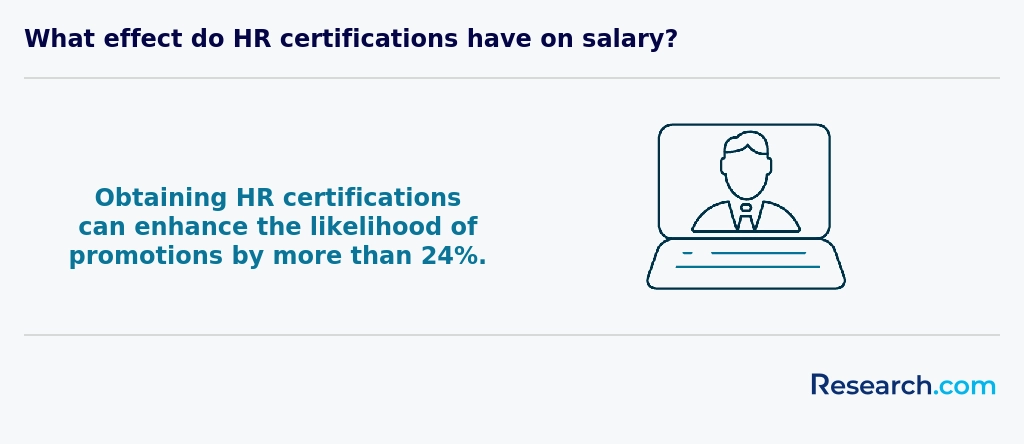
With an online human resources degree, professionals in the Northeast can pursue several respected certifications to enhance their career prospects. The Society for Human Resource Management (SHRM) offers the SHRM-CP and SHRM-SCP certifications, widely recognized across the U.S. These credentials affirm knowledge in HR management and strategy, and many employers in states like New York and Massachusetts prefer or require them. Another key certification is the Professional in Human Resources (PHR) offered by the HR Certification Institute (HRCI), which focuses on practical HR expertise. According to SHRM, over 60% of HR jobs in the Northeast list certification as a preferred qualification.
Writing a winning application for an online human resources program in the Northeast requires clear focus and preparation. Start by carefully reviewing the program's admission requirements, which often include a resume, statement of purpose, and letters of recommendation. Demonstrate your understanding of HR principles and show how your background aligns with career goals. According to the Society for Human Resource Management, HR job growth in the Northeast is expected to increase by 7% through 2030, highlighting demand for skilled professionals.
Highlight any relevant work experience or certifications, such as SHRM-CP. Tailor your essay to emphasize your motivation to contribute to the region's diverse workforce.
The global perspective on a career in human resources (HR) reflects growing demand for professionals skilled in managing diverse workforces. In the United States, including the Northeast, HR roles increasingly require knowledge of international labor laws and cultural differences, emphasizing adaptability.
According to the U.S. Bureau of Labor Statistics (BLS, 2023), HR specialists in the Northeast earn a median salary around $70,000 annually, with demand expected to grow by 6% through 2031. This regional demand aligns with trends worldwide, as globalization drives companies to develop inclusive HR practices.
Many online HR degree programs in the Northeast now include global HR management courses, preparing students for careers that navigate international regulations and workforce diversity.
Gaining practical experience while pursuing an online human resources (HR) degree in the Northeast is vital for career readiness. Many programs encourage students to complete internships at regional businesses or non-profits. These opportunities allow students to apply HR theories in real-world settings.
Additionally, some schools in the Northeast partner with local companies to offer virtual internships or remote projects. According to the U.S. Bureau of Labor Statistics, HR roles in metropolitan areas like Boston and New York City are growing steadily, increasing internship availability.
Joining professional organizations such as the Society for Human Resource Management's Northeast chapters can also provide networking and mentorship, enhancing practical learning.
When choosing a concentration within an online human resources degree in the Northeast, consider your career goals first. Common options include talent acquisition, employee relations, compensation and benefits, and organizational development.
The Northeast has a strong job market for HR professionals, especially in healthcare, education, and technology sectors. For instance, New York City and Boston offer many opportunities for specialists in diversity and inclusion or labor relations.
Review regional labor market data from sources like the U.S. Bureau of Labor Statistics to identify in-demand skills. The BLS projects a 7% growth for HR specialists nationwide through 2031, with Northeast states showing steady demand.
Also, evaluate the curriculum emphasis and faculty expertise of programs you consider. Programs affiliated with SHRM (Society for Human Resource Management) often align well with industry needs.
Choosing a concentration that matches local industry demand will improve your employment chances in the competitive Northeast market.
See What Experts Have To Say About Studying Human Resources
Read our interview with Human Resources experts

Rick Hackett
Human Resources Expert
Professor, Human Resources & Management
McMaster University


Chester S. Spell
Human Resources Expert
Professor of Management
Rutgers University

- Human Resource Management | Major https://wne.edu/academics/undergraduate/human-resource-management.cfm
- Scholarships for HR Managers and Other Human Resource ... https://career-performance.com/human-resources-scholarships/
- 2026 Most Affordable Online Human Resources Degrees https://www.onlineu.com/most-affordable-colleges/human-resources-degrees
- What Can You Do With a Bachelor's Degree in HR ... https://csuglobal.edu/blog/what-can-you-do-bachelors-degree-human-resource-management
- Online Human Resources Associate Degree https://www.uscareerinstitute.edu/online-human-resources-associate-degree
- Why study human resource management? https://eifm.it/why-study-human-resource-management/
- Online Bachelor of Science in Human Resources in NC https://www.montreat.edu/online/human-resource-management/
- Bachelor of Science in Human Resource Management https://www.trident.edu/bachelors-online/human-resource-management-degree/
- Choosing a bachelor's in human resource management https://www.edx.org/resources/how-to-choose-a-bachelors-in-human-resource-management
- Best Online Human Resources Degrees 2026 https://www.accreditedschoolsonline.org/business/human-resources/