2027 Best Human Resources Degree Programs Ranking in Phoenix

Co-Founder and Chief Data Scientist
Choosing the right human resources degree program is an exciting step toward building a rewarding career in Phoenix. This article introduces the 2027 Best Human Resources Degree Programs Ranking in Phoenix, carefully created by the Research.com team of data scientists to guide you in making an informed decision.
By exploring this ranking, you'll discover programs that align with your goals and provide valuable skills for the future. Pursuing a human resources degree opens doors to meaningful work and growth opportunities in a thriving field.
Key benefits of getting human resources degree in Phoenix
- Graduates with a human resources degree in Phoenix can expect strong earning potential, with roles like Human Resources Generalist and Recruitment Coordinator averaging around $76,060 annually, providing financial stability and growth.
- Human resources degree holders can pursue diverse career paths such as Employee Relations Specialist or Training and Development Coordinator, opening doors to dynamic roles in various industries in Phoenix.
- Completing a human resources degree online offers flexibility and convenience, allowing students in Phoenix to balance work and study while gaining the same valuable skills as traditional programs.
- 2027 Best Human Resources Degree Programs Ranking in Phoenix
- What can I expect from human resources degree in Phoenix?
- Where can I work with human resources degree in Phoenix?
What can I expect from human resources degree in Phoenix?
Exploring the cost of a human resources degree in Phoenix reveals an accessible path for many eager learners. Graduates from Arizona State University's downtown campus often share how the average annual tuition for in-state students hovers between $10,000 and $12,000, making quality education surprisingly within reach. Meanwhile, those attending community colleges appreciate an even friendlier price tag-sometimes less than half that amount-allowing them to dive into HR studies without overwhelming financial strain.
Imagine joining a hands-on internship at a local tech firm or healthcare provider, experiences frequently arranged by Phoenix colleges. These opportunities, coupled with affordable tuition, create an inviting environment where students can explore HR practices in action. One graduate recalls gaining confidence managing employee relations tasks during a cooperative education placement that later helped land their first HR role.
This blend of reasonable costs and rich experiential learning in Phoenix's educational landscape encourages students to embrace their HR journey with enthusiasm and optimism.
Where can I work with human resources degree in Phoenix?
Graduates from human resources programs at Phoenix's top institutions often find themselves diving into vibrant career paths across the city's diverse economy. Imagine walking into Banner Health's bustling HR department, where specialists manage recruitment and ensure employee well-being in a thriving healthcare environment. Or picture starting your journey with a tech giant like PayPal, where you collaborate closely on talent acquisition and crafting compensation strategies that drive innovation.
Many alumni from Arizona State University and Maricopa Community Colleges share stories of immersing themselves in the manufacturing sector, handling staffing challenges on large projects or ensuring safety compliance on construction sites. Others enjoy the dynamic pace within small and medium businesses, where their hands-on roles span payroll to organizational development, enhancing their skills in real time.
Public sector roles also attract graduates eager to shape policies and manage labor relations for city agencies or school districts. The excitement of knowing Phoenix's HR field is growing faster than the national average only adds to the sense of opportunity and adventure awaiting new professionals here.
If you've just completed a human resources degree in Phoenix, you're stepping into a world where your earnings can spark genuine excitement. Graduates from local institutions often find themselves drawn to roles like Human Resources Generalist or Recruitment Coordinator, where the mean annual wage hovers around $76,060 according to recent BLS data. Imagine landing a position in a bustling Phoenix healthcare company, starting with that solid salary as you build your expertise.
Others who explore opportunities as Training and Development Coordinators can expect to earn around $71,980 yearly, offering a thrilling path into shaping workforce skills in fast-growing industries like technology or finance. For those passionate about employee relations, the mean wage again sits near $76,060 - proving rewarding for graduates eager to advocate for workplace fairness and engagement.
Many recent graduates from Phoenix's popular universities share stories of landing these roles with confidence, embracing the city's energetic job market. The blend of competitive salaries and vibrant local industries makes the human resources degree a stepping stone to a dynamic career adventure right here in Phoenix.
- Phoenix offers accredited bachelor's and master's programs in human resources and related fields such as business administration with an HR focus.
- Tuition at public universities ranges from $7,000 to $10,000 per year for in-state students, while private schools charge between $20,000 and $30,000 annually.
- Community colleges provide more affordable associate degrees or certificates in HR, generally costing under $5,000 per year.
- Employment for HR specialists in the Phoenix area is growing faster than average, driven by expanding sectors like technology, healthcare, and finance.
- Starting salaries for HR graduates range from $45,000 to $55,000 annually, increasing to $70,000-$90,000 with experience and certifications.
- Local SHRM chapters help connect students and graduates with internships and job opportunities in the HR field.
How long does it take to complete a human resources degree in Phoenix? Graduates often share stories of their journeys at local institutions like Arizona State University or Maricopa Community Colleges. For many, the path begins with an associate degree taking about two years at community colleges-perfect for those eager to dive into HR roles quickly or build a solid foundation before aiming higher.
Bachelor's degree seekers at universities like ASU embrace a four-year adventure filled with learning, growth, and new connections. Some thrill-seekers even challenge themselves through accelerated or year-round study, finishing in as little as three years by embracing summer classes and a full-time course load.
For those hungry to advance further, graduate programs such as a Master's in Human Resources often take two years, sparking excitement as students delve deeper into specialized knowledge and leadership skills.
Each timeline offers flexibility and opportunity, allowing Phoenix students to tailor their learning to fit their energetic, evolving lives.
Earning a Human Resources degree in Phoenix, AZ, is only the first step toward a thriving HR career; obtaining industry-recognized certifications such as the SHRM-CP, PHR, and SPHR can dramatically enhance your employability and salary potential. Many top programs in Phoenix integrate certification prep directly into their curriculum, offering targeted courses, workshops, and mock exams designed to help you master key competencies. Key Certifications: • SHRM-CP (Society for Human Resource Management – Certified Professional): Focuses on HR operational knowledge and applying best practices in recruitment, employee relations, and compliance. • PHR (Professional in Human Resources): Emphasizes technical and operational aspects of HR management, including U.S. labor laws and organizational development. • SPHR (Senior Professional in Human Resources): Aimed at senior-level practitioners, covering strategic HR policy design and execution. How Phoenix Programs Prepare You: • Integrated Coursework: Courses like Employment Law and Strategic HR Management align with certification bodies’ exam content outlines, ensuring you cover all required knowledge domains. • Exam Prep Workshops: Many universities host SHRM- and HRCI-accredited study sessions led by certified faculty, complete with practice questions and time-management strategies. • Peer Study Groups: Collaborative learning environments encourage students to form study cohorts, simulate exam conditions, and share mnemonic techniques for retaining complex legal and benefits information. • Career Services Support: Dedicated advisors help you register for exams, access online test banks, and navigate continuing education requirements to maintain your credential. Benefits of Certification: • Higher Starting Salaries: Certified HR professionals often command starting salaries 10–15% above the market average, with PHR holders earning a median of $80,000 in metropolitan areas. • Employer Recognition: Certifications signal your commitment to the profession, making you a preferred candidate for roles at companies like Intel, American Express, and major healthcare systems. • Networking Opportunities: Certification prep courses and local SHRM chapter events in Phoenix offer direct access to HR leaders and potential mentors. For students exploring a range of cost-effective programs, consider our Affordable Human Resources Degree Programs Ranking in Alabama, which highlights budget-friendly options and scholarship opportunities that can help offset certification exam fees.
Imagine diving into your human resources degree while sipping coffee at a cozy Phoenix café, following lectures on your own time-that's the freedom online programs offer. Graduates from schools like Arizona State University often praise this format for its flexibility, perfect when juggling work or family. You become the captain of your schedule, accessing coursework asynchronously and mastering self-discipline in the vibrant rhythm of city life.
On the other hand, attending an on-campus program at a place like Grand Canyon University immerses you in a dynamic environment, rich with face-to-face collaboration. Graduates recall lively classroom debates and spontaneous networking events that deepen communication skills vital for HR careers. The chance to join student organizations or secure local internships right in Phoenix adds layers of real-world experience that online programs seldom replicate.
Both paths cover the essential HR curriculum-employment law, talent management, labor relations-but your choice shapes how you experience learning, connection, and growth within Phoenix's bustling educational scene.
In Phoenix, the average cost of a human resources degree balances between opportunity and investment, with many students finding ways to navigate expenses while immersing themselves in campus life. The median total cost sits around $25,461, but in-state students enjoy a notable financial advantage, paying closer to $13,701 on average. Imagine a graduate who chose a popular Phoenix community college path; paying just a fraction of that cost while gaining valuable credits toward a bachelor's, they often feel a rewarding mix of pride and excitement as they pursue their ambitions without the heavy burden of debt.
For those attending public universities well known in the Phoenix area, like Arizona State University, the human resources degree tuition and fees Phoenix students face are often reasonable for in-state residents, thanks to many scholarships and financial aid options. These graduates frequently share how the accessible tuition allowed them to focus more on building meaningful connections and internships, fueling their adventurous spirit in corporate environments.
Private universities or out-of-state students can encounter a higher tuition scale, often doubling the costs for their studies. Yet, many find that the richer resources and networking opportunities available there help them grow confidently into their future roles. Additional expenses such as textbooks and fees are part of the journey, but with strategic planning and support programs, the path remains open.
Students eager to explore advanced degrees can also check resources on the cheapest online MBA programs, which some Phoenix-based learners choose to complement their HR expertise without drastically increasing costs.
In essence, discovering the average cost of human resources degree in Phoenix invites an exciting exploration of options, where persistence and careful choice turn challenges into empowering experiences.

Graduates not only benefit from a strong academic foundation but also need to focus on professional readiness to succeed in the competitive HR industry. In this section, we highlight actionable strategies and skill-building resources designed to bridge the gap between classroom learning and real-world application. Emphasize active participation in internship programs, career fairs, and networking events to build lasting professional relationships. Consider investing time in industry certifications and workshops that refine practical skills such as resume writing, interview techniques, and effective communication. Many students have found that engaging with on-campus career centers or online portals enhances their job search and personal branding. Additionally, exploring options like affordable human resources schools in arizona can further improve access to invaluable resources and cost-effective learning opportunities. By proactively seeking mentorship opportunities and staying updated on industry trends, you can position yourself as a well-rounded HR professional ready for a dynamic career in Phoenix and beyond.
Imagine starting your human resources journey in Phoenix and instantly discovering a treasure trove of financial aid options to lighten your load. Many graduates recall how completing the FAFSA unlocked federal grants like the Pell Grant, offering up to $7,395 a year-money that didn't need to be paid back, fueling their passion without the stress of debt.
At local institutions such as Arizona State University and Maricopa Community Colleges, students find scholarships tailored for business and HR fields, often awarded for academic achievements or community involvement. This support not only eases tuition costs but also inspires a sense of belonging and motivation.
Picture working part-time through federal work-study programs, gaining hands-on HR experience while earning. Some even tap into state-funded scholarships via the Arizona Board of Regents, aimed at workforce-focused careers in Phoenix, strengthening the connection between learning and local opportunity.
And for those balancing jobs, employer tuition reimbursement programs often become game-changers, transforming work experience into academic advancement-fueling dreams with real-world support.
Imagine walking through the bustling campuses of Phoenix's top universities, ready to dive into a human resources degree. Your first key to entry is a solid foundation-a high school diploma or GED clears the path for undergrad studies. Recent graduates share how submitting official transcripts felt like unlocking a new chapter, especially when their SAT or ACT scores became part of the puzzle, though many schools in Phoenix have embraced test-optional policies, easing the journey.
If your eyes are set higher, dreaming of a Master's in Human Resource Management, expect to present a bachelor's degree. Many graduates in Phoenix recall how their diverse undergrad backgrounds-from business to psychology-added unique flavor and depth to their HR studies.
Hands-on experience counts too. Students often describe the empowering moment they submitted heartfelt recommendation letters or detailed resumes, showcasing communication skills and tech savvy essential for HR roles. There's a shared excitement around mastering office software, a skill praised by Phoenix programs emphasizing real-world readiness.

Diving into a human resources degree in Phoenix means engaging with courses that bring the workplace to life. Imagine sitting in a lively classroom at a local university, discussing how Employment Law protects real employees you might one day support. Graduates often recall how Principles of Human Resource Management courses opened their eyes to the art of balancing employee relations and talent development in bustling Phoenix companies.
Hands-on learning in Recruitment and Talent Acquisition feels like an adventure-crafting strategies to find the perfect fit for diverse workplaces in healthcare or tech sectors thriving across the city. Others describe how classes like Training and Development transformed their understanding of nurturing team growth, a skill highly valued in Phoenix's dynamic job market.
With a pulse on Phoenix's multicultural environment, Organizational Behavior and Performance Management courses help students explore ways to inspire and evaluate employees, making the HR journey deeply personal and exciting at every turn.
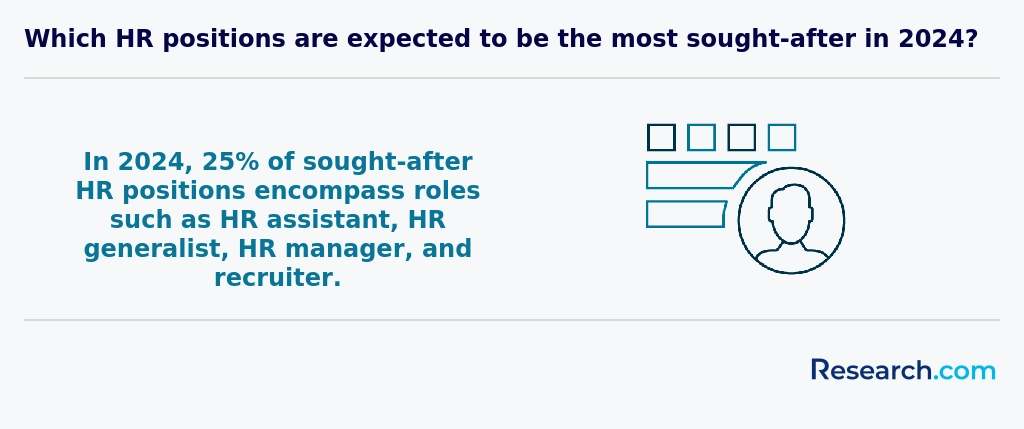
Diving into human resources degree specializations Phoenix offers, students often find themselves captivated by areas like Talent Acquisition and Recruitment. Imagine working alongside thriving companies in Phoenix's tech scene, mastering the art of scouting diverse talent and using cutting-edge recruitment technologies-a real thrill for graduates from local colleges eager to make an impact.
Others navigate the intricacies of Employee Relations and Labor Law, where they translate complex Arizona-specific regulations into smooth workplace harmony. Graduates often share stories of confidently resolving real disputes during internships, enhancing their problem-solving skills and opening doors in Phoenix's evolving labor market.
Compensation and Benefits specialization feels like crafting the perfect reward system to retain top talent in a city with a tightening labor pool. Those studying at popular Phoenix universities express pride in designing competitive packages that keep businesses ahead.
Additional concentrations like Human Resources Information Systems (HRIS) and Organizational Development add high-tech and people-focused flavors, reflecting Phoenix's growing digital landscape. For a comprehensive guide on costs and program choices, exploring best value degrees can spark more adventurous academic journeys.
These varied HR degree concentration options Phoenix students explore offer vibrant paths filled with hands-on learning experiences and career-ready skills.
When exploring the best human resources degree programs in Phoenix, consider what truly fuels your passion and career ambitions. Many graduates from popular Phoenix colleges recall how choosing a program with regional accreditation and SHRM alignment opened doors for them, often leading to internships that bridged classroom theory with real local businesses. Picture yourself gaining hands-on HR experience in sectors thriving here, like healthcare and technology, making your resume shine with practical skills that employers value.
Affordability also shapes the adventure-affordable HR degrees Phoenix Arizona can mean balancing tuition costs with life's other expenses, just like many students who carefully weigh public versus private institutions' price tags. A bachelor's degree is often the key to entry-level roles, but those seeking leadership might chase advanced studies for that extra edge. And, if you're working while studying, flexible course formats at Phoenix institutions can turn learning into an exciting, manageable journey.
Graduates frequently highlight faculty who not only teach but connect you to Phoenix's vibrant industries, opening pathways to corporate jobs for MBA graduates and beyond, enriching your network and future prospects.
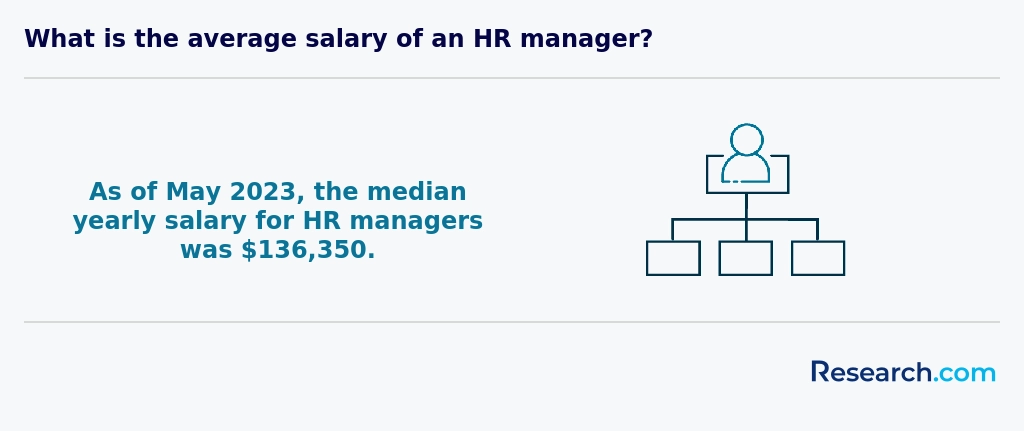
Graduates with a human resources degree in Phoenix often dive into exciting career paths that challenge their skills and spark growth. From entry-level HR Specialist roles, where one juggles recruitment and employee engagement, to the strategic heights of HR Manager positions overseeing entire departments, the possibilities feel limitless. Many find themselves designing innovative training programs or curating competitive benefits packages that truly make a difference in Phoenix's vibrant job market.
Students from well-known Phoenix universities share stories of internships that opened doors to healthcare and technology sectors, where HR plays a vital role in shaping company culture. Exploring the variety of jobs with human resources degree Phoenix offers allows graduates to tailor their journey toward what excites them most.
For those who want to balance work with study, a part-time hospitality management degree can complement HR skills, broadening career horizons even further.
Ultimately, embracing human resources career opportunities in Phoenix means stepping into roles that impact real people and thriving businesses in one of the Southwest's most dynamic landscapes.

The human resources job outlook Phoenix graduates encounter is vibrant and expanding. Imagine joining a city where tech startups, healthcare giants, and retail chains constantly seek talent skilled in employee relations and compliance. Graduates from Arizona State University, known for its accessible tuition rates and strong HR programs, often share stories of landing positions quickly due to the region's competitive yet rewarding job market. The steady demand for HR managers in Phoenix means over 2,300 new roles opening soon, making this an adventurous time to dive into the field.
Exploring Phoenix human resources career opportunities reveals that rapid population growth and industry diversity fuel the need for dynamic HR specialists. As local companies grow, so does the hunger for professionals who can help manage workforce complexities and nurture company culture. Many students find that balancing cost with career potential is easier here than elsewhere, especially when compared to pricier options out-of-state. For tailored guidance beyond Phoenix, learners often compare offerings and requirements through resources like California business school requirements, broadening their horizons.
2027 Best Human Resources Degree Programs Ranking in Phoenix
Investing in your education is a significant decision that can shape your future, and the Research.com team understands the importance of making informed choices. To assist prospective students in Phoenix, we have meticulously crafted the "2027 Best Human Resources Degree Programs Ranking in Phoenix." Our commitment to quality, credibility, and accuracy is reflected in the extensive research and analysis conducted to compile this ranking.
We utilized the following reputable data sources to ensure a comprehensive evaluation of human resources degree programs:
By exploring this ranking, readers will gain valuable insights into the best human resources degree programs available in Phoenix, helping them make informed decisions about their educational paths. For more details on our methodology, please visit our Research.com methodology page.

# 2 position
University of Phoenix-Arizona
Master of Science in Human Resource Management

Frequently Asked Questions About human resources
Human resources degree students in Phoenix can maximize their learning experience by engaging in local internships and networking opportunities. Phoenix hosts a variety of businesses-from tech startups to major healthcare providers-offering practical HR experience during studies. According to the Arizona Commerce Authority, the metropolitan area's labor market for HR specialists is expected to grow steadily through 2028, highlighting robust career opportunities.
Students should also leverage resources at Phoenix-based institutions, like career centers and industry guest lectures, to connect classroom theory with real-world skills. Participating in local HR associations, such as the Phoenix chapter of SHRM (Society for Human Resource Management), enhances professional development and opens doors for mentorships.
Additionally, combining coursework with certifications like SHRM-CP can increase employability by demonstrating expertise beyond the degree.
Emerging niches within the human resources field reflect the growing complexity of workforce management. In Phoenix, specialization areas such as HR analytics are gaining prominence. According to the Society for Human Resource Management (SHRM), HR analytics helps organizations make data-driven decisions, improving recruitment and retention strategies.
Another fast-growing niche is diversity, equity, and inclusion (DEI). Businesses in Phoenix increasingly prioritize DEI officers to foster inclusive workplaces that meet modern ethical and legal standards.
Additionally, remote workforce management is becoming a critical skill, especially post-pandemic, as organizations adapt to hybrid work models.
Understanding these niches can guide students on where to focus their human resources education for future job growth.
Graduates with a human resources degree in Phoenix should focus on gaining practical experience to improve their job prospects. Internships and part-time roles within local businesses provide valuable exposure to HR functions such as recruitment, employee relations, and compliance.
Networking is crucial in Phoenix's competitive job market. Joining professional organizations like the Arizona Society for Human Resource Management (AZSHRM) can connect candidates with industry leaders and job opportunities.
Obtaining certifications such as the SHRM-CP or PHR increases credibility and employability. According to the U.S. Bureau of Labor Statistics, HR specialist roles in Arizona are expected to grow by 7% between 2022 and 2032, demonstrating a steady demand.
Staying updated on local labor laws and Phoenix's evolving workforce demographics adds valuable knowledge that employers appreciate, ensuring graduates are job market ready.
Employers in Phoenix highly value human resources graduates who demonstrate strong communication and interpersonal skills. These abilities are essential for effective conflict resolution and employee relations. Analytical skills are also critical, as HR professionals often interpret workforce data to improve organizational performance.
Knowledge of employment law and compliance with federal and Arizona-specific regulations is a major advantage for job seekers. According to the Arizona Department of Economic Security, understanding legal frameworks helps reduce company risks.
Additionally, proficiency with HR software and technology, such as Applicant Tracking Systems (ATS), is increasingly demanded. Adaptability and cultural competency are important due to Phoenix's diverse workforce.
Employers also look for leadership potential and strategic thinking for roles that influence company policies and talent management.
Finding internships in Phoenix related to a human resources degree involves combining research, networking, and utilizing local resources. Start by exploring internship listings on university career portals such as Arizona State University, which partners with local businesses to offer opportunities in HR fields. Additionally, check websites like Handshake and Indeed, filtering for internships in Phoenix focused on human resources roles.
Networking is vital. Joining local chapters of professional organizations like the Society for Human Resource Management (SHRM) Phoenix Valley chapter can provide access to exclusive internships and events. According to the Greater Phoenix Economic Council, human resources is a growing field in the region, with many companies actively seeking interns to support HR operations.
A human resources (HR) degree in Phoenix significantly enhances career mobility and advancement opportunities within the local job market. According to the U.S. Bureau of Labor Statistics, employment of HR specialists and managers in Arizona is projected to grow faster than the national average through 2031, driven by expanding businesses in Phoenix's metropolitan area.
Possessing a specialized degree demonstrates to employers that candidates have foundational knowledge in recruitment, labor law, and employee relations, which are critical for leadership roles. Furthermore, local Phoenix companies, including those in tech and healthcare, tend to prefer applicants with formal HR education to fill mid- to senior-level positions.
Graduates often benefit from competitive salaries, with Payscale reporting that HR managers in Phoenix earn a median salary above the state average. This degree also provides a path to certifications such as SHRM-CP, which local employers value highly for advancement.
Studying for a human resources degree in Phoenix equips students with a broad skill set essential for interdisciplinary roles. Programs often integrate coursework from business, law, psychology, and communication, reflecting the diverse challenges HR professionals face today. Phoenix's growing economy, with its strong emphasis on healthcare, tech, and manufacturing sectors, offers practical opportunities for students to engage in varied fields linked to HR.
Local institutions emphasize real-world applications and internships, helping students understand how HR intersects with organizational strategy and employee wellbeing. According to the U.S. Bureau of Labor Statistics, Phoenix's HR job market is expected to grow 11% through 2030, underscoring the need for versatile professionals who can navigate multiple disciplines.
Additionally, courses covering labor laws and conflict resolution prepare students to handle complex workplace issues confidently, making them valuable assets in interdisciplinary teams.
When choosing between a thesis and a non-thesis human resources degree program in Phoenix, students should consider their career goals and learning preferences. Thesis programs typically involve conducting original research and writing a substantial paper, which is suitable for those aiming for academic or research-oriented careers. Non-thesis options focus more on coursework and practical skills, catering to professionals who want to enter or advance in HR management roles quickly.
Data from the U.S. Bureau of Labor Statistics indicates Phoenix's HR job growth is robust, increasing by 10% from 2020 to 2030, encouraging practical skill-building. Universities in Phoenix often provide both options, so evaluating program flexibility and faculty expertise can guide decisions. Additionally, financial and time commitments tend to be higher for thesis tracks, which is important for working students to consider.
Students based in Phoenix interested in studying human resources abroad have several pathways to explore. Many U.S. universities, including those in Arizona, offer study abroad programs partnered with institutions worldwide, allowing students to gain international experience while earning credits toward their degrees.
Popular destinations for human resources studies include countries with strong business education reputations such as the United Kingdom, Canada, and Australia. Programs often focus on global HR practices, cross-cultural management, and labor laws different from U.S. standards.
According to the Institute for International Education's 2022 Open Doors Report, business-related fields represent one of the largest categories for U.S. students studying abroad, reflecting interest in HR among them.
Additionally, Phoenix students may consider dual-degree arrangements or internships abroad, which can enhance their global perspective and employability in human resources.
Students pursuing a human resources degree in Phoenix can benefit from part-time jobs that build relevant skills and experience. Positions such as HR assistant, recruiting coordinator, or payroll clerk are common opportunities. These roles provide practical exposure to employee relations, hiring processes, and benefits administration.
Local businesses in Phoenix, including healthcare and technology firms, often seek part-time HR support due to the growing workforce in the area. According to the U.S. Bureau of Labor Statistics, the Phoenix metro area is expected to see a 10% increase in HR roles through 2030, highlighting the importance of gaining early experience.
Internships offered by Phoenix-based companies also complement education by allowing hands-on learning with workforce management software and compliance tasks. Networking in these roles can improve job prospects upon graduation.
Human resources students in Phoenix benefit from robust networking opportunities vital for career development. Local institutions often collaborate with the Arizona HR Association and the Society for Human Resource Management (SHRM) Arizona Chapter. These organizations host regular events, workshops, and conferences, providing over 1,000 HR professionals in the region a platform for connection.
Universities and colleges commonly offer career fairs and mentorship programs linking students to Phoenix-based companies like American Express and PetSmart, both recognized for strong HR departments. Networking events also emphasize practical experiences, such as internships, which 60% of HR students in Arizona pursue during their studies, according to the National Center for Education Statistics.
Alumni networks provide valuable support for human resources degree students in Phoenix by connecting them with experienced professionals and potential employers. These networks offer mentorship opportunities that help students navigate the competitive HR job market. According to the National Association of Colleges and Employers, 85% of jobs are filled through networking, highlighting the importance of alumni connections.
In Phoenix, where the HR field is growing with over 10,000 active HR positions listed in 2023 (Bureau of Labor Statistics), alumni networks can be crucial for internships and job placements. Access to local events and workshops organized by alumni also strengthens students' practical knowledge and professional skills.
Additionally, these networks foster collaboration among graduates, providing insights into regional HR trends and regulations, which enhances students' readiness to enter the workforce in Phoenix's unique business environment.
Customizing a human resources degree program in Phoenix allows students to align their education with specific career goals. Many local universities, such as Arizona State University, offer flexible course options emphasizing areas like talent management, labor relations, and organizational development. Students can choose electives that reflect their interests, whether in recruiting, compensation, or employee training.
Internship opportunities in Phoenix's growing job market help apply classroom knowledge to real-world HR challenges. According to the Arizona Department of Labor, HR employment in the Phoenix metro area is projected to grow by 12% between 2020 and 2030, making specialization valuable.
Additionally, students can pursue certifications alongside their degree, such as SHRM-CP, which Phoenix employers increasingly prefer.
Human resources students in Phoenix often face several challenges while pursuing their degrees. One major difficulty is balancing coursework with the area's growing job market demands, as many students work part-time or full-time while studying. According to the U.S. Bureau of Labor Statistics, Phoenix's HR employment is expected to grow by 13% through 2030, intensifying competition for internships and entry-level positions.
Another challenge is gaining practical experience due to limited local internship opportunities specific to HR in certain industries. Additionally, students struggle with staying current on evolving labor laws in Arizona, which differ from federal regulations. Access to up-to-date legal resources is essential for success in classes and future careers.
Lastly, some students find connecting with networking groups and professional organizations difficult, despite Phoenix hosting active HR chapters like SHRM Phoenix. Such connections are critical for building career pathways in this competitive field.
With a human resources degree, you can pursue several professional certifications that enhance your career prospects. The most recognized certification is the Professional in Human Resources (PHR), offered by the HR Certification Institute. It demonstrates expertise in operational HR management.
Another key certification is the Society for Human Resource Management Certified Professional (SHRM-CP), popular nationwide and valuable in Phoenix's growing job market.
For those focused on talent acquisition, the Associate Professional in Human Resources (aPHR) provides an entry-level credential. Additionally, the Senior Professional in Human Resources (SPHR) suits experienced professionals looking to advance.
According to the U.S. Bureau of Labor Statistics, HR specialists in the Phoenix area earned a median annual wage of around $65,000 in 2023, and certifications can improve earning potential and job opportunities.
Applying to a human resources program in Phoenix requires careful preparation to stand out. Start by thoroughly researching accredited institutions; Phoenix hosts several schools offering HR degrees recognized by the Society for Human Resource Management (SHRM). Highlight relevant work experience or internships in HR or related fields, which can strengthen your application.
Craft a clear and concise personal statement explaining your motivation for pursuing human resources, referencing local labor market trends. According to the U.S. Bureau of Labor Statistics, Phoenix has a growing demand for HR professionals, making your goals timely and relevant.
Focus on showcasing strong communication and organizational skills, crucial for HR roles. Lastly, request professional letters of recommendation that speak directly to your aptitude for managing people and workplace dynamics.
Human resources (HR) careers are increasingly influenced by global trends, even for students studying in Phoenix. The demand for HR professionals who understand diverse cultural, legal, and economic environments is rising. According to the U.S. Bureau of Labor Statistics, employment of HR specialists is expected to grow 7% nationally from 2021 to 2031, reflecting a steady global emphasis on workforce management.
In Phoenix, a growing metropolitan area with many multinational companies, HR professionals often engage with global talent and international labor laws. This exposure enhances opportunities for careers that go beyond local or national roles.
Additionally, degrees with global HR perspectives-such as cross-cultural communication and international labor standards-prepare students to work in various cultural contexts, an asset recognized by employers worldwide. Phoenix-area universities increasingly incorporate these topics into their curricula to meet this demand.
Gaining practical experience while studying for a human resources degree in Phoenix is essential to enhance your skills and employability. Many Arizona universities offer internship programs connected with local businesses and organizations, allowing students to apply classroom knowledge in real-world HR settings. For example, Arizona State University partners with numerous Phoenix firms for meaningful HR internship placements.
Additionally, joining student chapters of professional bodies like the Society for Human Resource Management (SHRM) can provide networking opportunities and hands-on projects. According to the Phoenix Business Journal, internships in the Valley often pay competitively, with typical internships offering $15-$20 per hour, providing financial benefits alongside experience.
Volunteering for events or assisting HR departments in small businesses is another way to build practical skills during your studies.
Choosing the right concentration within a human resources degree program in Phoenix involves understanding your career goals and the local job market. Popular concentrations include talent acquisition, employee relations, and HR analytics. According to the Arizona Department of Labor, Phoenix is experiencing growth in sectors like healthcare and tech, which demand HR professionals skilled in workforce planning and data analysis.
Prospective students should evaluate program curricula, focusing on concentrations that offer practical skills aligned with industry needs. Networking opportunities and internship availability in Phoenix companies can also influence your decision.
Finally, consider future trends such as increasing use of HR technology and diversity management, which are gaining importance in Phoenix's evolving business landscape.
- 2027 Best Human Resources Degree Programs Ranking in San Diego
- 2027 Best Human Resources Degree Programs Ranking in Claremont
- 2027 Best Human Resources Degree Programs Ranking in Denver
- 2027 Best Human Resources Degree Programs Ranking in San Francisco
- 2027 Best Human Resources Degree Programs Ranking in Wichita
- 2027 Best Human Resources Degree Programs Ranking in Tyler
- 2027 Best Human Resources Degree Programs Ranking in Houston
- 2027 Best Human Resources Degree Programs Ranking in Bellevue
- 2027 Best Human Resources Degree Programs Ranking in Saint Louis
- 2027 Best Human Resources Degree Programs Ranking in Minneapolis
See What Experts Have To Say About Studying Human Resources
Read our interview with Human Resources experts


Rick Hackett
Human Resources Expert
Professor, Human Resources & Management
McMaster University

Chester S. Spell
Human Resources Expert
Professor of Management
Rutgers University

- Top 10 HR Networking Groups for Professionals https://www.myhubintranet.com/hr-networking-groups/
- The Top 5 HR Challenges Today https://www.apqc.org/blog/top-5-hr-challenges-today
- Degrees for Human Resources: A Guide to Starting or Switching Your Career https://www.aihr.com/blog/degrees-for-human-resources/
- Student Scholarship Award - SHRM of Greater Phoenix https://shrmgp.org/page/scholarship
- Human Resource Management Certificate | University of Phoenix https://www.phoenix.edu/online-business-certificates/human-resource-management.html
- SUSSEX-WARREN HUMAN RESOURCE MANAGEMENT ASSOCIATION https://studenthrcommunity.org/
- Redefining career development: Skills, mobility and retention https://hrexecutive.com/redefining-career-development-skills-mobility-and-retention/
- HUMAN RESOURCE MANAGEMENT (THESIS / NON-THESIS) - Lisansüstü Eğitim Enstitüsü https://lee.nisantasi.edu.tr/en/human-resource-management-thesis-non-thesis/
- Human Resources - Alumni.space https://www.alumni.space/en/you-are/human-resources/
- HR Exchange Network https://www.hrexchangenetwork.com/