2027 Best Human Resources Degree Programs Ranking in Minneapolis

Co-Founder and Chief Data Scientist
Choosing the right human resources degree program in Minneapolis can shape your future career and open doors to exciting opportunities. This article presents the 2027 Best Human Resources Degree Programs Ranking in Minneapolis, carefully crafted by the Research.com team of data scientists. It's designed to guide you in making a well-informed decision about which programs truly stand out.
By exploring this ranking, you'll discover programs that fit your goals and aspirations, helping you build a rewarding career in human resources. Investing in your education is a positive step toward success and personal growth.
Key benefits of getting human resources degree in Minneapolis
- Salary: Human resources degree graduates in Minneapolis can expect strong earnings, with roles like Human Resources Generalist and Recruitment Coordinator averaging around $76,060 annually, providing financial stability and growth potential.
- Career Paths: Graduates have diverse options, including becoming Employee Relations Specialists or Training and Development Coordinators, thanks to versatile skills gained during their studies at local universities like the University of Minnesota.
- Online Degree Benefits: Earning a human resources degree online offers flexibility for busy students, allowing them to balance work and life while gaining the same valuable skills as traditional students from institutions such as Capella University.
- 2027 Best Human Resources Degree Programs Ranking in Minneapolis
- What can I expect from human resources degree in Minneapolis?
- Where can I work with human resources degree in Minneapolis?
What can I expect from human resources degree in Minneapolis?
The average cost of pursuing a human resources degree in Minneapolis typically ranges between $20,000 and $40,000 annually, depending on the institution and degree level. Graduates from well-known local universities often mention that tuition fees at public colleges tend to be more affordable, allowing students to manage expenses effectively while accessing quality education tailored to the Minneapolis job market.
Students benefit from programs that integrate real-world scenarios, such as internships with major Minneapolis corporations like Target and UnitedHealth Group. These immersive experiences not only complement classroom learning but also enhance career readiness. Graduates report feeling confident transitioning into HR roles due to this practical exposure combined with soft skills training like communication and leadership.
One graduate from a popular Minneapolis institution noted that financial aid and scholarship opportunities significantly alleviated costs, making the investment in their HR degree more manageable. With strong industry connections and local demand for HR specialists growing at a 7% rate through 2031, many find the cost justified by promising employment prospects and professional growth.
Where can I work with human resources degree in Minneapolis?
Graduates with a human resources degree in Minneapolis find diverse employment opportunities across prominent industries. Many secure positions in large corporations headquartered locally, such as Target, U.S. Bancorp, and 3M, where they engage in talent acquisition, employee relations, and workforce development. These roles offer dynamic work environments and steady demand, with over 20,000 HR specialists employed in the Minneapolis-St. Paul area according to Minnesota DEED data.
Healthcare systems like Allina Health and Hennepin Healthcare also provide substantial HR career paths, involving staffing management and benefits administration amid a growing industry. Graduates from the University of Minnesota and local colleges often report rewarding experiences managing faculty and staff in educational institutions, emphasizing employee development and diversity initiatives.
Government agencies offer stable HR roles focused on civil service recruitment and labor relations. Additionally, many SMEs in Minneapolis rely on HR professionals to oversee payroll and engage employees, highlighting the versatility of this degree. Graduates consistently praise the meaningful impact they make across these varied settings, supported by competitive wages above national averages in Minnesota.
Graduates with a human resources degree in Minneapolis typically find starting salaries competitive, with entry-level positions like Human Resources Generalist, Assistant, and Recruitment Coordinator offering mean annual wages around $76,060, according to BLS data. These figures resonate well with students from the University of Minnesota and Augsburg University, where recent alumni share stories of quickly securing roles with strong pay in local firms.
Training and Development Coordinators in Minneapolis earn slightly less on average, around $71,980 annually, yet gain valuable experience that supports career growth. Employee Relations Specialists also report mean wages near $76,060, reflecting the city's robust demand for HR expertise across industries like healthcare and finance.
Graduates express enthusiasm about their earning potential, particularly when combined with local professional certifications such as PHR or SHRM-CP, which many Minneapolis-area employers value highly. The financial rewards, paired with comprehensive benefits offered by larger Minneapolis corporations, make pursuing an HR degree here a promising investment in both career and lifestyle.
- Annual tuition for human resources degrees in Minneapolis ranges from $10,000 to $15,000 at public universities and can exceed $25,000 at private schools.
- The Minneapolis-St. Paul area has a steady demand for HR specialists with a projected job growth of about 7% over the next decade.
- Entry-level HR graduates typically start with salaries around $50,000, while mid-career professionals earn between $65,000 and $80,000 annually.
- Senior HR positions, such as managers and directors, often have salaries above $90,000 in Minneapolis.
- Accredited programs often offer practical internships, and earning certifications like the Professional in Human Resources (PHR) is recommended for career advancement.
- Local HR organizations provide networking and professional development resources for students and graduates entering the field.
Completing a bachelor's degree in human resources in Minneapolis typically requires about four years of full-time study, consistent with national undergraduate standards. Graduates from institutions like the University of Minnesota and Augsburg University often reflect positively on how this timeline allowed them to build a solid foundation while balancing campus life and internships. For example, students appreciate the opportunity to engage in practical experiences early, fostering confidence as they prepare for entry-level roles.
Advancing to a master's degree specializing in human resources or an MBA with an HR focus generally adds one to two years. Schools such as the University of St. Thomas offer flexible scheduling, accommodating working professionals who may take longer if attending part-time. Many alumni highlight this adaptability as a key factor in successfully managing both career and study.
Shorter programs, including associate degrees or certificates offered locally, take one to two years and attract those seeking quicker workforce entry or career shifts. Factors like enrollment status, program format, and transfer credits can significantly affect completion times, making personalized planning essential for Minneapolis students pursuing HR degrees.
Online and on-campus human resources degrees in Minneapolis differ primarily in delivery method and student experience. On-campus programs, such as those at the University of Minnesota, offer face-to-face interaction with professors and peers, fostering strong local networks and access to HR-specific campus resources like internship placements. Graduates often appreciate the structured environment and direct support, which can build confidence through in-person collaboration.
Conversely, online programs provide flexibility for students balancing work or family commitments, enabling self-paced learning without commuting. Many Minneapolis students opt for this route when full-time jobs or geographic constraints limit their availability. While curriculum rigor remains comparable to on-campus options, the online format challenges students to remain self-motivated and independently organized.
Cost differences also influence choice. According to the College Board (2023), public institutions in the Midwest average around $10,500 annually in tuition, with online programs sometimes reducing campus fees and commuting expenses. Graduates report satisfaction both ways, emphasizing that the best choice depends on personal learning style and career goals.
The average cost of a human resources degree in Minneapolis varies significantly based on residency status and institution type. For in-state students at public universities, the median total cost is approximately $14,400 annually. This figure represents tuition and fees, excluding additional expenses. Out-of-state students paying full tuition face a median total cost closer to $26,828, reflecting the higher rate charged to non-residents. These numbers align with reported experiences from graduates of popular Minneapolis institutions, who often highlight how in-state tuition helped reduce their financial stress while completing their degrees.
Human resources students often budget for more than just tuition. Campus fees, textbooks, and living expenses in Minneapolis add a substantial amount to the overall cost. Many students from schools known for human resources programs estimate these additional costs bring annual expenses to a range typically between $20,000 and $40,000. Graduates recall balancing work and study to manage these costs effectively. Having access to scholarships and financial aid significantly improves affordability and enables students to focus more on their education than on finances.
Prospective students should consider the full scope of human resources degree tuition and fees Minneapolis institutions require, including living costs and materials. For those exploring options, reviewing the most affordable human resources programs in minnesota can provide valuable insights to secure a quality education without excessive financial burden.

Our ranking methodology is designed to provide students with a transparent and data-driven overview of Human Resources degree programs in Minneapolis, MN. This section outlines the robust criteria and analytical techniques employed in assembling the 2024 Best Human Resources Degree Programs Ranking. We begin by collecting comprehensive data on academic quality, graduation rates, faculty credentials, and program affordability. Next, we incorporate tangible outcomes such as employment rates, salary statistics, and practical experience opportunities provided by each program, ensuring that prospective students understand the real-world benefits of their education. Quantitative metrics are balanced with qualitative feedback gathered from student and alumni reviews, allowing us to capture the full scope of each institution’s performance. Our process also involves benchmarking against nationally recognized standards and integrating insights from industry experts. This method not only reinforces the credibility of our rankings but also highlights exceptional value when programs offer substantial financial advantages. For example, programs that rank highly in cost efficiency are spotlighted through insights on the most affordable human resources programs in minnesota, ensuring that value-conscious students are well-informed in their decision-making process. By clearly communicating our ranking parameters and analysis, we empower students to make decisions based on transparent, evidence-based evaluations. The detailed methodology also enhances the overall trust and reliability of our rankings, which is crucial for those investing in their future within the dynamic field of Human Resources.
Students pursuing a human resources degree in Minneapolis benefit from multiple financial aid options that effectively lessen tuition burdens. For instance, graduates from the University of Minnesota's Carlson School of Management often leverage Federal Pell Grants, which can provide up to $7,395 annually based on financial need, significantly reducing out-of-pocket costs.
Many also utilize federal student loans, such as Direct Subsidized and Unsubsidized Loans, which help cover expenses upfront but require repayment with interest. State support through the Minnesota State Grant program further assists in-state students enrolled at public institutions, offering varying scholarship amounts reflective of financial need and enrollment status.
Local scholarships, especially at colleges like Hamline University or Augsburg University, reward academic excellence and leadership qualities in HR. Additionally, employer tuition reimbursement programs are popular among Minneapolis professionals balancing work and education, creating a supportive environment for student-employees pursuing HR careers.
Professional bodies like the Minnesota chapter of SHRM enhance opportunities by providing targeted scholarships, aiding students eager to advance in human resources within the Twin Cities.
Our 2024 Best Human Resources Degree Programs Ranking in Minneapolis, MN is driven by a transparent, data-driven methodology that evaluates each program across five core indicators: academic quality, affordability, graduate outcomes, student satisfaction, and industry engagement. First, we collected comprehensive data from sources such as the National Center for Education Statistics (NCES), institutional reports, and employer surveys to ensure accuracy and comparability. Academic quality is measured by faculty credentials, student-to-faculty ratios, and curriculum rigor. Affordability considers tuition rates, available financial aid, and the total cost of attendance, benchmarked against broader market data-drawing insights from our Inexpensive Online Master’s in Human Resources Degree Programs Ranking in Wisconsin to contextualize cost-effectiveness. Graduate outcomes focus on employment rates within 12 months of graduation and average starting salaries, weighted to reflect the strong local job market. Student satisfaction is gauged through alumni surveys, evaluating support services, campus resources, and overall learning experience. Finally, industry engagement assesses partnerships with local businesses, internship opportunities, and professional networking events. Each indicator is scored on a 100-point scale and assigned a weight based on its impact on career readiness: academic quality (30%), graduate outcomes (25%), affordability (20%), student satisfaction (15%), and industry engagement (10%). Programs are then ranked by their composite score, ensuring that prospective students in Minneapolis, MN, can confidently compare and select the Human Resources degree program that best aligns with their goals and resources.
To enroll in a human resources degree program in Minneapolis, candidates typically need a high school diploma or equivalent for undergraduate studies. Admissions teams at prominent institutions such as the University of Minnesota or Augsburg University often require applicants to have completed foundational courses in English, math, and social studies. Graduates recall that submitting SAT or ACT scores, though sometimes optional, strengthened their applications by showcasing academic readiness.
For graduate studies, including Master's programs in Human Resource Management, candidates must hold a bachelor's degree from an accredited university, usually with a GPA above 3.0. Admissions committees value relevant experience in teamwork or communication, often demonstrated through internships or volunteer roles in HR settings-an aspect graduates frequently cite as pivotal in both acceptance and early career success.
International students face additional prerequisites, including English proficiency tests like TOEFL, ensuring they can thrive academically and professionally in Minneapolis. These clear, structured requirements align with the city's commitment to preparing capable HR professionals who feel confident entering the local job market.

Human resources degree programs in Minneapolis commonly include courses designed to build practical and theoretical expertise essential for HR roles. For instance, students at the University of Minnesota often engage with Introduction to Human Resource Management, which covers critical areas like staffing, training, compensation, and labor relations-key skills used daily in workplace environments.
Graduates frequently highlight how courses such as Organizational Behavior and Employment Law help them navigate real-world challenges, from understanding team dynamics to ensuring compliance with workplace regulations. Minnesota State University integrates hands-on projects in Recruitment and Talent Acquisition, allowing students to experience the process of attracting and retaining talent first-hand.
Additional courses like Compensation and Benefits, Training and Development, and Human Resource Information Systems (HRIS) prepare students for the technical and strategic aspects of HR. These programs emphasize adaptability and professional growth, reflecting local employer expectations and the dynamic Minneapolis job market.
The focus on Labor Relations and Negotiation often resonates emotionally with students, as it equips them with conflict resolution skills vital in unionized and diverse workplaces prevalent around Minneapolis.
Human resources degrees in Minneapolis typically offer specializations that align closely with the city's dynamic workforce and industries. Graduates from local universities frequently highlight concentrations like Talent Acquisition and Staffing, which prepares students to recruit effectively within strong sectors such as healthcare and technology. This specialization reflects the growing demand in Minneapolis, where HR specialists earn a median wage near $65,000 annually.
Another key specialization is Employee and Labor Relations, vital for managing the city's unionized work environments in transportation and public services. Programs also emphasize Compensation and Benefits, teaching students to develop competitive pay systems compliant with Minnesota regulations, a crucial skill noted by recent graduates entering the payroll sector.
Organizational Development and Training is popular among those focused on workplace culture and leadership growth, with many Minneapolis colleges integrating these elements into experiential learning. Emerging concentrations in HR analytics and Diversity and Inclusion address data-driven decisions and workplace equity, which reflect current local priorities.
Students considering these options can explore tuition and program details via the Inexpensive Online Master's in Human Resources Degree Programs Ranking in Wisconsin, offering valuable cost comparisons for their studies. Those researching human resources management specializations Minneapolis will find these focused tracks enhance career prospects significantly.
Choosing the best human resources degree in Minneapolis starts with verifying program accreditation from respected bodies such as the Society for Human Resource Management (SHRM) or the Higher Learning Commission (HLC). Graduates from popular Minneapolis universities often report that accredited programs enhanced their confidence and marketability to employers. This accreditation aligns with career certifications like SHRM-CP, making a tangible difference in job readiness.
When comparing curriculum focus, students pursuing the best human resources degree programs Minneapolis find flexibility vital. Programs offering night classes or online options accommodate working professionals balancing job commitments. For example, graduates have praised Seattle-based schools that offer organizational development tracks tailored to future HR strategists.
Cost considerations also influence decisions. With annual tuition at public institutions averaging $10,500 and private schools around $34,000 in Minnesota, many opt for affordable HR degrees in Minneapolis, like community college certificates priced under $5,000. Exploring financial aid and employer tuition reimbursements often eases the financial burden.
Minneapolis's robust corporate network offers substantial internship and job placement opportunities, which many HR graduates credit for their smooth transition into the workforce. Programs connected to local employers provide practical experience highly valued in the job market.
To explore shorter pathways that balance cost and outcomes, consider best 6-month certificate programs that pay well available in the region, which appeal to those targeting rapid skill acquisition and employability.
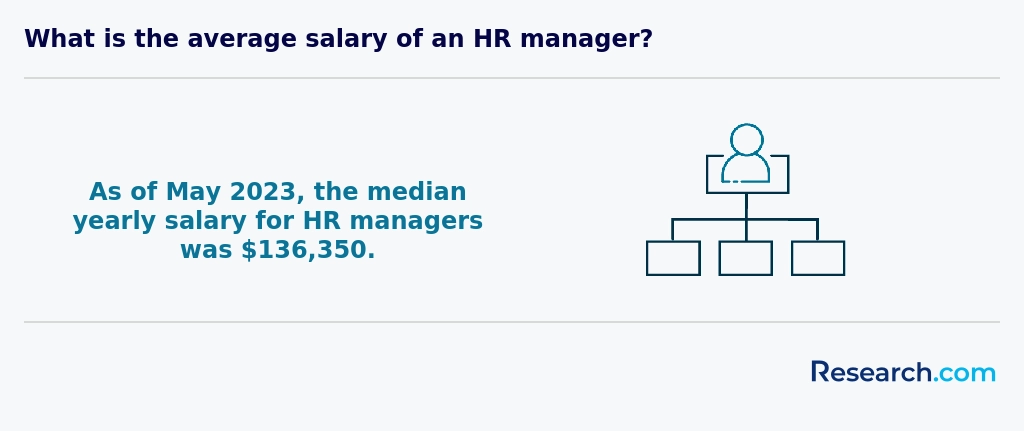
Graduates of human resources programs in Minneapolis find diverse career paths driven by the city's demand for skilled HR professionals. Roles include Human Resources Specialist, responsible for recruitment and placement, with national employment growth expected at 7% through 2031. Many also advance to HR Manager positions, overseeing strategic planning and employee relations with median salaries around $121,220. Others specialize as Compensation and Benefits Analysts, a crucial role in Minneapolis's competitive job market, or as Talent Acquisition Specialists focusing on booming sectors like healthcare and technology. Training and Development Coordinator roles remain popular among graduates aiming to enhance workforce skills, especially within local nonprofits and corporations.
Students from popular Minneapolis colleges reflect positively on the practical experience gained, which aligns well with the robust human resources careers in Minneapolis. Graduates highlight familiarity with Minnesota's labor laws as key to their success in these roles. For those exploring programs, cost considerations are important, and many benefit from the option to find college admission open for flexible learning.
The growing corporate base in Minneapolis ensures steady job opportunities, with HR salaries often exceeding national averages, making Minneapolis HR degree job opportunities appealing to students focused on long-term career growth.
The human resources job outlook Minneapolis presents a favorable environment for graduates with HR degrees, supported by a diverse economy and prominent employers. Graduates from well-regarded local institutions often find opportunities with Fortune 500 companies such as Target, UnitedHealth Group, and 3M, which maintain a steady demand for HR professionals skilled in talent management and organizational development. The median salary for HR specialists in the Minneapolis-St. Paul-Bloomington area, reported at about $67,000 annually, slightly surpasses the national average, reflecting the region's strong labor market.
Students pursuing human resources degrees in Minneapolis benefit not only from competitive wages but also from a robust employment landscape characterized by low unemployment rates near 2-3%. Graduates from popular regional colleges report positive post-graduation experiences, frequently securing roles focused on employee relations and diversity initiatives, areas increasingly prioritized by local employers.
The affordability of tuition at public universities supports access to quality education, preparing students for a thriving job market. For those aiming for advanced credentials and higher earnings, exploring high paying master's degrees can be a strategic choice aligned with Minneapolis's evolving workforce needs.
2027 Best Human Resources Degree Programs Ranking in Minneapolis
Investing in your education is a significant decision that can shape your future, and the Research.com team understands the importance of making informed choices. To assist prospective students in Minneapolis, we have meticulously crafted the "2027 Best Human Resources Degree Programs Ranking in Minneapolis." Our commitment to quality, credibility, and accuracy is reflected in the extensive research and analysis conducted to compile this ranking.
We utilized the following reputable data sources to ensure a comprehensive evaluation of human resources programs:
By exploring this ranking, readers will gain valuable insights into the best human resources degree programs available in Minneapolis, helping them make well-informed decisions about their educational paths. For more details on our methodology, please visit our Research.com methodology page.

# 3 position
Capella University
Doctor of Philosophy in Human Resource Management

# 4 position
Capella University
Master of Science in Human Resource Management
# 5 position
Capella University
Bachelor of Science in Human Resource Management
Frequently Asked Questions About human resources
Human resources degree students in Minneapolis can maximize their learning by engaging with local businesses and internships. The city hosts numerous Fortune 500 companies like Target and U.S. Bancorp, offering valuable real-world HR experience. According to the Minnesota Department of Employment and Economic Development, internships increase graduate employability by over 60%. Participating in professional organizations such as the Minnesota Chapter of the Society for Human Resource Management also enhances networking opportunities and skill development.
Students should leverage Minneapolis's diverse workforce to understand inclusive HR practices. Attending workshops and career fairs at area colleges can connect students to employers actively seeking HR talent.
The human resources field is evolving rapidly, with several emerging niches gaining importance in Minneapolis and nationally. One significant area is HR analytics, where professionals use data to improve hiring, retention, and employee performance. According to the Society for Human Resource Management (SHRM), organizations that use analytics see up to a 50% improvement in employee engagement.
Another growing niche is diversity, equity, and inclusion (DEI). Minneapolis companies are increasingly prioritizing DEI roles to foster fair workplace cultures, reflecting the city's diverse population. The Minnesota Department of Employment and Economic Development reports a rising demand for specialists focusing on equitable hiring and training practices.
Additionally, remote workforce management is critical, as hybrid work models persist. HR professionals skilled in virtual team building and digital communication platforms are becoming essential in the Minneapolis job market.
After earning a human resources degree in Minneapolis, preparation for the job market should start with gaining practical experience. Internships or cooperative education programs offered by local employers like Target, 3M, and UnitedHealth Group provide valuable hands-on learning.
Networking in Minneapolis is crucial. Joining regional chapters of organizations such as SHRM (Society for Human Resource Management) connects graduates to professionals and job leads. According to the Minnesota Department of Employment and Economic Development, the Twin Cities metro area shows steady growth in HR roles, projected at 7% through 2030.
Additionally, obtaining HR certifications like the PHR (Professional in Human Resources) can improve marketability. Many Minneapolis employers prefer candidates with such credentials.
Employers in Minneapolis seek human resources graduates with a strong mix of interpersonal and technical skills. Key abilities include effective communication, conflict resolution, and talent management. According to the U.S. Bureau of Labor Statistics, HR specialists in Minnesota show demand for proficiency in labor law compliance and data-driven decision-making.
Minneapolis companies also value graduates skilled in diversity and inclusion initiatives, reflecting the city's commitment to equitable workplaces. Familiarity with HR information systems (HRIS) and recruiting technology is increasingly important as organizations adopt automation.
Analytical thinking and ethical judgment are critical for handling employee relations and organizational development responsibly.
Finding internships in Minneapolis related to a human resources degree involves leveraging local resources and industry connections. The Minneapolis-Saint Paul metropolitan area hosts numerous large employers, including 3M, Target, and General Mills, which frequently offer HR internships. According to the Minnesota Department of Employment and Economic Development, the Twin Cities region's strong HR job market supports many entry-level opportunities.
Students should utilize university career centers, which often partner with local companies to provide internship listings tailored to HR fields. Additionally, professional organizations like the Twin Cities Chapter of the Society for Human Resource Management (SHRM) provide networking events and internship postings for students.
Online platforms such as Handshake and LinkedIn also list HR internships specifically in Minneapolis, helping students find opportunities that match their academic background.
A human resources degree can significantly enhance career mobility and advancement opportunities in Minneapolis. According to the U.S. Bureau of Labor Statistics, the Minneapolis-St. Paul-Bloomington metropolitan area employs over 18,000 human resources specialists, indicating strong local demand. Graduates with this degree often benefit from a deeper understanding of workforce management, labor laws, and organizational behavior, which are highly valued by Twin Cities employers.
Completing a degree also often leads to higher earning potential; for example, the median annual wage for HR managers in the region exceeds $120,000. Additionally, many Minneapolis companies, including major healthcare and finance firms, prefer candidates with formal HR education for leadership roles. Thus, holding a human resources degree improves both upward mobility within organizations and the ability to transition between sectors locally.
Studying for a human resources degree in Minneapolis offers students a well-rounded education that emphasizes interdisciplinary skills. Programs often integrate courses in business management, psychology, and labor law, reflecting the complex environment HR professionals face. This approach equips graduates to handle diverse workplace challenges effectively.
Minneapolis's strong corporate presence, including headquarters like Target and U.S. Bancorp, allows HR students to gain practical insights through internships and networking. According to the U.S. Bureau of Labor Statistics, the Twin Cities region shows steady growth in HR employment, highlighting demand for versatile professionals.
Students also develop skills in communication, data analytics, and conflict resolution, which are crucial across multiple disciplines. This interdisciplinary training prepares graduates for roles beyond traditional HR, including organizational development and strategic planning.
Choosing between a thesis and a non-thesis human resources degree program in Minneapolis depends largely on your career goals and learning preferences. Thesis programs require original research culminating in a formal paper, ideal for students aiming for academic roles or further graduate study.
Non-thesis programs focus on practical skills and coursework, which suits professionals targeting HR management positions in Minneapolis companies. According to the Minnesota Department of Employment and Economic Development, the Twin Cities metro area offers over 20,000 HR-related jobs, emphasizing practical experience.
Consider your schedule and time commitment, as thesis options often demand more extensive research hours. Employers in Minneapolis generally value work experience and certifications alongside degrees, making non-thesis paths appealing for immediate workforce entry.
Students based in Minneapolis who want to study human resources abroad have several academic options, including exchange programs, study abroad partnerships, and international internships. Many Minneapolis institutions such as the University of Minnesota offer partnerships with universities in Europe, Asia, and Australia where students can take human resources courses while earning credits toward their degree.
Some programs focus on global HR management and labor laws, providing valuable international experience. Additionally, U.S. higher education guidelines require students to remain enrolled and maintain credit hours, so studying abroad typically complements Minneapolis-based degrees rather than replacing them.
According to NACE (National Association of Colleges and Employers), candidates with international HR experience have a competitive edge in the global job market.
Minneapolis offers several part-time job opportunities that complement human resources (HR) degree education effectively. Many local businesses, including healthcare providers and financial institutions, frequently seek HR interns and assistants to help with recruitment, employee relations, and compliance tasks. The Twin Cities region employed over 35,000 HR professionals in 2023, according to the Bureau of Labor Statistics, signaling strong market demand.
Part-time roles such as HR coordinator assistants or talent acquisition interns allow students to apply classroom knowledge in real-world settings while developing crucial skills. Additionally, positions in employee training support and payroll assistance provide practical exposure to HR functions.
Human resources students in Minneapolis have access to a variety of valuable networking opportunities. The city hosts active chapters of national organizations, such as the Society for Human Resource Management (SHRM) Minnesota State Council, which offers regular events, workshops, and conferences. These gatherings enable students to connect with established HR professionals and local employers.
Additionally, Minneapolis is home to several universities with HR programs that facilitate networking through career fairs and alumni events. According to SHRM Minnesota, the local HR sector employs over 15,000 professionals, highlighting strong demand and diverse connections for students preparing to enter the field.
Alumni networks play a crucial role for human resources degree students in Minneapolis by providing access to a wide range of professional connections. Graduates often share job opportunities within major local employers like Target and UnitedHealth Group, both known for strong HR departments.
These networks help students gain insights into current HR trends and practices, especially important in a city with a growing workforce. According to the Minnesota Private College Council, engaged alumni improve student career outcomes by offering mentorship and internship referrals.
By leveraging alumni contacts, students can enhance their chances of employment and professional growth in Minneapolis's competitive HR job market.
In Minneapolis, students pursuing human resources degrees can customize their programs by selecting electives and concentrations that align with their career goals. Many local universities offer flexible coursework in areas like talent management, labor relations, and HR analytics. For example, the University of Minnesota provides options to specialize within HR, enhancing skills tailored to sectors dominant in the Twin Cities, such as healthcare and finance.
Internships with Minneapolis-based companies also allow practical experience crucial for career development. According to the Minnesota Department of Employment and Economic Development, HR jobs in the region emphasize strategic planning and employee relations, areas students can focus on through their curriculum choices.
Additionally, students can engage with professional HR associations in Minneapolis, such as SHRM Twin Cities, to network and access workshops that complement their academic studies and career aspirations.
Human resources students in Minneapolis face several common challenges related to both academic and practical aspects of their education. Balancing coursework with internships or part-time jobs is often difficult, as real-world HR experience is highly valued by local employers. According to the Minnesota Department of Employment and Economic Development, the Twin Cities metro area is projected to grow 7% in HR-related jobs by 2030, increasing competition for these positions.
Additionally, students must navigate complex labor laws and diversity regulations that are specific to Minnesota, requiring a strong grasp of local employment policies. Many also find adapting to evolving HR technologies and data analytics essential but challenging due to fast-paced changes in the industry.
Finally, networking within the Minneapolis HR community is crucial but can be intimidating for new students.
With a human resources degree, graduates in Minneapolis can pursue several key professional certifications that enhance career prospects. The most recognized certification is the Professional in Human Resources (PHR), offered by the HR Certification Institute. It validates foundational knowledge and practical HR skills.
The SHRM Certified Professional (SHRM-CP) credential from the Society for Human Resource Management is another popular option, focusing on strategic and operational HR competencies.
Minneapolis HR professionals also benefit from local networking and study groups supported by the Minnesota HR Association, which help candidates prepare for these exams.
According to the U.S. Bureau of Labor Statistics, certified HR managers earn about 10% more on average, making certification a valuable investment.
Writing a strong application for a human resources degree program in Minneapolis begins with understanding the local educational landscape. Many universities in the area, such as the University of Minnesota, offer competitive HR programs. Highlight your interest in human resources by detailing relevant work or volunteer experience in your personal statement. Admissions committees value evidence of leadership, communication skills, and knowledge of employment laws, which are critical in Minnesota's workforce sector.
Include any certifications like SHRM-CP or PHR to strengthen your profile. According to the Minnesota Department of Employment and Economic Development, HR specialist roles are growing steadily, making clear career goals essential. Tailor your resume to align with course objectives and incorporate data on Minneapolis's labor market to demonstrate informed commitment.
The human resources (HR) field is increasingly global, requiring professionals to understand diverse workforces and international labor laws. In Minneapolis, HR degrees often emphasize skills like cross-cultural communication and global talent management to prepare students for these challenges.
According to the U.S. Bureau of Labor Statistics, HR specialists in the Minneapolis-St. Paul area benefit from the region's strong corporate presence, including multinational companies needing professionals versed in global HR practices.
Minneapolis HR programs frequently integrate case studies involving international mergers and workforce diversity to align with global trends. This approach helps graduates navigate complexities such as compliance with international labor standards and expatriate management.
Overall, HR careers today demand adaptability and understanding of global economic shifts to effectively support organizations with worldwide operations.
Gaining practical experience while studying for a human resources degree in Minneapolis is essential for career readiness. Many local universities offer internships through partnerships with prominent Minneapolis employers, including Target and UnitedHealthcare. These internships provide hands-on exposure to recruitment, employee relations, and compliance practices.
Additionally, students can join student organizations like SHRM (Society for Human Resource Management) chapters to network and participate in real-world projects. Volunteering for HR-related roles in community events or campus administration offers further experience.
According to the Minnesota Department of Employment and Economic Development, human resources roles in Minneapolis grew by 5% between 2020 and 2023, highlighting practical experience as a competitive advantage.
Choosing the right concentration within a human resources degree program in Minneapolis involves aligning your interests with local industry demands. Popular concentrations include talent management, labor relations, and compensation and benefits, each focusing on distinct HR functions.
Minneapolis' diverse economy emphasizes HR expertise in healthcare, manufacturing, and technology sectors. According to the Minnesota Department of Employment and Economic Development (DEED), job growth for HR specialists in the Minneapolis-Saint Paul area is projected at 7% over the next decade, particularly in employee training and development roles.
Consider concentrations that offer practical skills and internship opportunities with local employers to enhance employability after graduation.
Research schools' faculty expertise and the availability of SHRM (Society for Human Resource Management) aligned curricula, which are recognized nationwide and valued by Minneapolis employers.
- 2027 Best Human Resources Degree Programs Ranking in Saint Paul
- 2027 Best Human Resources Degree Programs Ranking in Winona
- 2027 Best Human Resources Degree Programs Ranking in Duluth
- 2027 Best Human Resources Degree Programs Ranking in Bellevue
- 2027 Best Human Resources Degree Programs Ranking in Milwaukee
- 2027 Best Human Resources Degree Programs Ranking in Lisle
- 2027 Best Human Resources Degree Programs Ranking in Chicago
- 2027 Best Human Resources Degree Programs Ranking in Grand Rapids
- 2027 Best Human Resources Degree Programs Ranking in Saint Louis
- 2027 Best Human Resources Degree Programs Ranking in Wichita
See What Experts Have To Say About Studying Human Resources
Read our interview with Human Resources experts

Thomas Kochan
Human Resources Expert
Professor of Management
Massachusetts Institute of Technology

Rick Hackett
Human Resources Expert
Professor, Human Resources & Management
McMaster University


- Human Resources Internships https://careers.slb.com/early-careers/internships/hr-intern
- Degrees for Human Resources: A Guide to Starting or Switching Your Career https://www.aihr.com/blog/degrees-for-human-resources/
- How to Become an HR Specialist https://teach.com/careers/business/human-resources-hr/
- Top 10 HR Challenges and Their Solutions | HR Courses https://zoetalentsolutions.com/top-10-hr-challenges-and-their-solutions/
- Sample letters in human resources https://www.mystudies.com/en-in/business-accountability-management/human-resources/letter-model/
- How to Write an HR Manager Cover Letter - HR University https://hr.university/career/hr-manager/hr-manager-cover-letter/
- Human Resources | Northwest Technical College https://www.ntcmn.edu/career-paths/business/human-resources/
- How a Human Resources Management Degree Can Boost Your Career | BSBI https://www.berlinsbi.com/blog/how-a-degree-in-human-resources-can-boost-your-career-a-guide-for-aspiring-professionals
- Human Resources - Alumni.space https://www.alumni.space/en/you-are/human-resources/
- What skills and competencies do you need for a career in HR? https://targetjobs.co.uk/careers-advice/hr-and-recruitment/what-skills-and-competencies-do-you-need-career-hr