2027 Most Affordable Online Human Resources Degree Programs Ranking in Minnesota

Co-Founder and Chief Data Scientist
For Minnesota students interested in advancing their careers, pursuing a human resources degree online is a smart move. This article presents the 2027 Most Affordable Online Human Resources Degree Programs Ranking in Minnesota, developed by the Research.com team of data scientists to guide you toward quality, budget-friendly options.
Discover programs that fit your lifestyle and financial goals while gaining valuable skills for a growing field. Earning a human resources degree opens doors to rewarding work helping organizations thrive. Let this guide support your journey toward a fulfilling career.
Key benefits of getting online human resources degree in Minnesota
- Human resources graduates in Minnesota can expect competitive salaries, such as $76,060 annually for roles like Recruitment Coordinator, Employee Relations Specialist, and Human Resources Generalist, which reflects strong earning potential in the field.
- Potential career paths include roles in recruitment, training, employee relations, and general HR support, offering a variety of opportunities to grow and specialize within organizations throughout Minnesota.
- Online degrees provide flexibility and accessibility, allowing students to balance work and study while benefiting from the same quality education as traditional programs, as seen with graduates from popular Minnesota universities offering online HR courses.
- 2027 Most Affordable Online Human Resources Degree Programs Ranking in Minnesota
- What can I expect from online human resources degree in Minnesota?
- Where can I work with online human resources degree in Minnesota?
What can I expect from online human resources degree in Minnesota?
The average cost of pursuing an online human resources degree in Minnesota generally ranges from $10,000 to $25,000, depending on the institution and degree level. Graduates from popular schools such as the University of Minnesota or St. Cloud State University often remark on the affordability compared to traditional on-campus programs, which allows them to balance education with work and family commitments without incurring excessive debt.
Many online HR students benefit from competitive tuition rates supplemented by scholarships or financial aid, making the investment feel manageable and worthwhile. One graduate shared how flexible payment plans combined with quality curriculum aligned with SHRM certification helped them progress confidently in their HR career.
This balance of cost efficiency and strong educational value contributes to high satisfaction, as students feel prepared for roles in Minnesota's growing HR market, supported by practical internships and expert faculty. These financial aspects are a critical consideration for those seeking a flexible yet credible pathway into the sector.
Where can I work with online human resources degree in Minnesota?
Graduates with an online human resources degree in Minnesota find diverse career paths across key industries such as healthcare, education, manufacturing, and corporate sectors. Many who studied at institutions like the University of Minnesota or Minnesota State University report quickly securing roles at prominent organizations including Mayo Clinic and Allina Health, where HR professionals manage recruitment and regulatory compliance within large employee populations.
In education, graduates often work in public school districts or the Minnesota State Colleges and Universities system, supporting faculty hiring and workforce training. This hands-on experience in multi-campus environments enhances their skills in employee relations and state compliance.
Manufacturing companies such as 3M and Medtronic also actively hire HR graduates, emphasizing labor relations and safety compliance. Corporate offices in Minneapolis-St. Paul provide opportunities focused on talent acquisition and organizational development, where knowledge of Minnesota's labor laws is critical.
Overall, graduates feel optimistic about their career prospects, appreciating how their online studies prepared them for real-world challenges faced by Minnesota employers.
Graduates from online human resources programs in Minnesota typically secure roles with strong earning potential, reflecting the state's vibrant economy. For example, those entering positions such as Human Resources Assistant, Human Resources Generalist, Recruitment Coordinator, and Employee Relations Specialist can expect mean annual wages around $76,060, according to recent BLS data. Training and Development Coordinators earn slightly less, with an average salary near $71,980.
Many students from Minnesota colleges, including those enrolled at popular institutions offering online HR degrees, report gaining confidence in pursuing these roles thanks to tailored curricula aligned with regional industry demands. In metropolitan areas like Minneapolis-Saint Paul, HR graduates benefit from local corporate hubs, boosting salary prospects and career growth.
Experienced HR professionals in Minnesota can expect salaries to rise well beyond entry levels, often supplemented by bonuses and additional benefits. Graduates who pursue certifications such as SHRM-CP or PHR often find themselves on the higher end of the salary spectrum, validating the investment in specialized training within online degree programs.
- Online human resources degrees in Minnesota are offered by several accredited institutions, combining theory and practical skills for working adults.
- The average tuition for an online bachelor's degree in HR ranges from $20,000 to $40,000, with public universities offering lower rates for in-state students.
- Entry-level HR professionals in Minnesota earn about $50,000 annually, with mid-career salaries ranging between $70,000 and $90,000.
- Employment for HR specialists in Minnesota is projected to grow by 7% over the next decade, slightly above the national average.
- Professional certifications like SHRM-CP and PHR are recognized in Minnesota and can enhance employability and salary when combined with an online degree.
Completing an online human resources degree in Minnesota generally aligns with national averages but offers notable flexibility. Associate degree programs typically require about two years of full-time study. Students at popular institutions like Rasmussen University and Saint Cloud State University often find these programs manageable alongside other commitments due to their structured online formats.
Bachelor's degrees commonly take around four years, but many Minnesota graduates appreciate accelerated options or credit transfers that can reduce this to three years. For example, learners at Metropolitan State University have shared positive experiences balancing work with coursework through these flexible pathways, shortening their time to graduation.
Master's programs usually span one to two years and frequently accommodate working professionals. Graduates from University of Minnesota's Carlson School of Management highlight how part-time study options allow them to progress steadily without sacrificing job performance. These flexible timelines frequently lead to a satisfying work-study balance that Minnesota students value.
The primary difference between online and on-campus human resources degree programs in Minnesota lies in flexibility and interaction. Online programs offer significant accessibility advantages, allowing students-especially working adults or parents-to attend courses from anywhere in the state without commuting to Minneapolis or St. Paul campuses. Graduates from online programs at schools like Minnesota State report appreciating recorded lectures and flexible deadlines, which help balance professional and personal commitments.
On-campus students, however, benefit from face-to-face interactions and immediate networking opportunities in libraries and career centers, enhancing interpersonal skills vital for HR roles. This traditional format fosters real-time discussions that many find engaging and motivating.
Costs between formats show modest differences; online students often save on commuting and campus fees, though tuition rates remain similar. Both formats maintain curriculum standards aligned with SHRM certification requirements, ensuring equivalent academic rigor across Minnesota universities.
Overall, graduates from both modes express satisfaction-online learners value convenience, while on-campus students highlight direct community engagement.
The average cost of an online human resources degree in Minnesota typically centers around a median total cost of approximately $25,545. This median reflects a balance between more affordable public university rates and higher tuition fees at private institutions. Many students at well-known Minnesota State Colleges and Universities have shared positive experiences about managing these costs while benefiting from quality education tailored to workforce needs. These graduates often highlight the value of affordable online options, which make earning a degree feasible without excessive financial burden.
Public institutions within Minnesota usually offer the most affordable online human resources programs Minnesota residents can access, with annual tuition generally ranging from about $6,500 to $9,500 for undergraduate studies. Online master's degrees in human resources, offered at both public and private schools, tend to be more expensive, with annual costs often between $15,000 and $30,000, depending on program prestige and specialization.
Graduates frequently remark on the convenience of online study combined with the state's competitive tuition rates, particularly at recognized universities in metropolitan areas like Minneapolis-Saint Paul. These urban hubs provide extensive networking and employment opportunities, making the investment worthwhile. Prospective students can explore detailed rankings and cost analyses of top programs through resources such as https://research.com/rankings/human-resources/best-human-resources-mn, helping them select affordable online human resources programs Minnesota offers that align with their career goals.

Students pursuing online human resources degrees in Minnesota benefit from multiple financial aid sources that make education more affordable. Federal aid through FAFSA plays a crucial role, especially via Pell Grants which can provide up to $7,395 annually. Graduate students at Minnesota schools also often qualify for Federal Direct Unsubsidized Loans up to $20,500 per year, helping to ease loan burdens with competitive interest rates and flexible repayment plans.
State grants specific to Minnesota residents, such as the Minnesota State Grant Program, deliver targeted need-based funding to students attending institutions like the University of Minnesota or Saint Mary's University. These grants often cover several thousand dollars and complement federal aid effectively, as many online human resources programs at these universities meet eligibility criteria.
Additionally, scholarships from the Minnesota SHRM chapter and local organizations offer both encouragement and financial support to HR students. Graduates frequently share how employer tuition reimbursement programs provided critical assistance, enabling them to study while working in HR fields. Institutional aid, including payment plans and in-state discounts, further empower students to balance education costs with life commitments.
Enrolling in an online human resources degree program in Minnesota typically requires applicants to have completed a high school diploma or equivalent, such as a GED. For example, students pursuing a bachelor's degree at institutions like the University of Minnesota or Minnesota State University often provide high school transcripts demonstrating a GPA around 2.5 to 3.0. While some schools may request SAT or ACT scores, many have moved toward test-optional policies, emphasizing academic readiness shown through transcripts instead.
Graduates from these programs often report that submitting official undergraduate transcripts is key when applying for graduate HR degrees, reflecting their prior academic success. Letters of recommendation and statements of purpose are commonly requested by master's programs to gauge motivation and fit for the HR field, offering applicants a chance to highlight their business or management experience.
Students who thrive emphasize the importance of strong self-discipline and time management when engaging with online platforms, a reality shared by many across Minnesota's respected institutions. Reliable internet and digital proficiency are essential supports in this journey, enabling learners to balance coursework with personal and professional responsibilities.
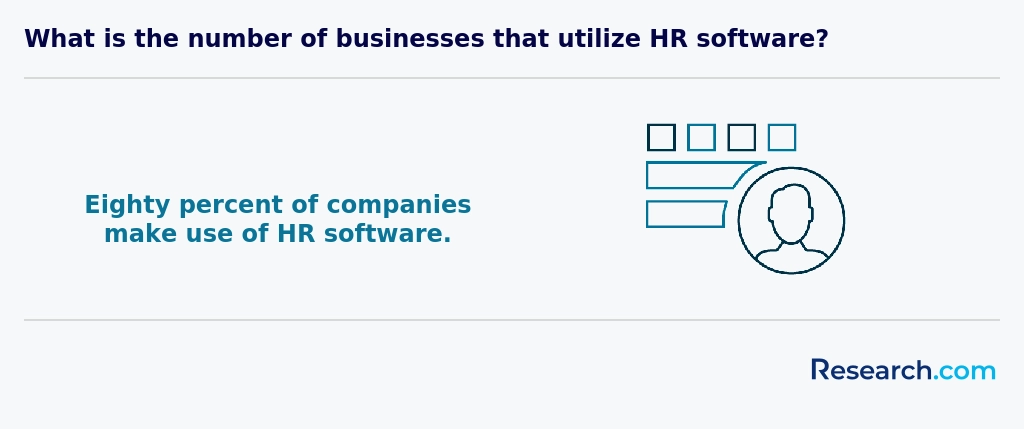
Earning an online Human Resources degree in Minnesota is just the first step toward a thriving HR career; professionals can further distinguish themselves by obtaining industry-recognized certifications and engaging in lifelong learning. Many online programs integrate exam-prep modules for credentials such as the Society for Human Resource Management’s SHRM-CP and SHRM-SCP, or the HR Certification Institute’s PHR and SPHR. These certifications validate mastery of core HR competencies-from talent acquisition and employee relations to strategic policy development-and can lead to salary increases of 10–15% over non-certified peers. To prepare for certification exams, students should look for coursework covering essential topics like employment law, data analytics, and ethics, as well as opportunities for mock testing and peer study groups. Beyond initial certification, maintaining credentials requires ongoing professional development credits (PDCs) through workshops, webinars, and annual conferences hosted by organizations such as SHRM and HRCI. Complementary micro-credentials in areas like HR analytics, diversity and inclusion, or compensation management enable specialists to address emerging workplace challenges and solidify their expertise. For graduates seeking budget-friendly options in other regions that also support certification pathways, explore the Cheapest Online Human Resources Degree Programs Ranking in the Northeast to compare tuition rates, curriculum depth, and certification alignment. Continuous upskilling not only boosts employability but also ensures that HR professionals remain at the forefront of best practices, driving organizational success and advancing their own careers.
Online human resources degree programs in Minnesota typically include a balanced mix of foundational business courses and specialized HR topics essential for effective workforce management. Graduates from popular institutions in the state report that courses like organizational behavior, business communication, and principles of management provide vital context on how HR integrates within broader corporate structures. These core classes lay the groundwork for understanding complex business environments.
Specialized courses often cover talent acquisition, employee training, compensation administration, and Minnesota-specific labor laws. For instance, graduates frequently recall case studies on state employment regulations enhancing their readiness for regional compliance challenges. Practical modules on performance management, diversity and inclusion, and HR technology equip students with actionable skills, as experienced by those from well-known colleges in Minnesota.
Ethical HR practices and workforce analytics are also emphasized, highlighting data-driven decision-making aligned with employer expectations in Minnesota. Many students value how role-playing scenarios and project-based learning prepare them for leadership roles, reflecting the state's growing HR job market projected to expand by 9% through 2030, according to the U.S. Bureau of Labor Statistics.

Online human resources degree programs in Minnesota commonly offer specializations that match the evolving demands of the workforce. Popular focus areas include Talent Acquisition and Recruitment, which equips graduates from institutions like the University of Minnesota with skills to effectively identify and hire top candidates. Compensation and Benefits specialization helps students understand complex pay structures and benefits administration, a crucial knowledge area for those managing employee satisfaction and compliance. Employee Relations is another critical track, emphasizing conflict resolution and labor law, often praised by alumni for its practical impact on workplace culture.
Organizational Development specializations concentrate on leadership training and change management, preparing professionals to enhance company performance. HR Analytics and Technology blends data analysis with HR information systems, an increasingly valuable expertise in Minnesota's data-driven labor market. According to student feedback, these tailored options make programs more relevant and engaging, increasing their appeal. Prospective learners may also explore related opportunities such as accounting degreeinternships to broaden their career scope in business environments.
Choosing the best online human resources degree Minnesota students value involves prioritizing accredited programs, ideally those recognized by the Society for Human Resource Management (SHRM). Graduates from institutions such as the University of Minnesota or St. Cloud State often highlight how SHRM-aligned curricula enhanced their readiness for certification exams like SHRM-CP and improved local job prospects.
Cost remains a decisive factor. In Minnesota, public institutions typically charge between $10,000 and $20,000 annually for an online HR degree, with private schools often costing more. Graduates frequently mention that comparing tuition alongside financial aid options and employer tuition reimbursement was key to managing education expenses effectively.
Flexibility of course delivery is essential for working professionals balancing studies and personal commitments. Fully asynchronous programs offered by Minnesota colleges allow students to learn on their own schedule, a feature many alumni found empowering during busy life phases.
Curriculum specialization in diversity, inclusion, or HR analytics is increasingly important. Minnesota's labor market rewards candidates with practical experience and focused knowledge. Therefore, examining options for internships and student support services is vital. Those seeking affordable human resources programs Minnesota-wide may also explore related pathways like the best value criminal justice programs to compare educational investment and outcomes.
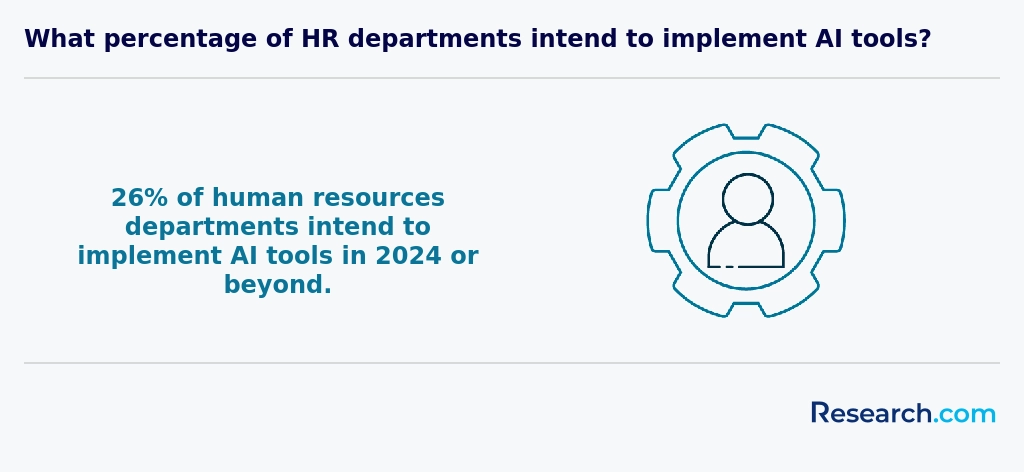
Graduates with an online human resources degree in Minnesota have access to diverse career paths including roles as Human Resources Specialists, HR Managers, Recruitment Coordinators, and Compensation and Benefits Analysts. For instance, HR Specialists focus on recruiting and screening, earning a median annual salary of about $62,000 in Minnesota, while HR Managers oversee policy and organizational HR functions with salaries averaging around $115,000. Popular institutions such as the University of Minnesota and St. Cloud State University equip students with practical skills sought after in Minnesota's healthcare, manufacturing, and technology sectors.
Many graduates highlight that studying online provides the flexibility to balance work and education, enabling smooth career advancement or transitions within the HR field. Those exploring career opportunities with online human resources degree Minnesota often find rewarding roles like Training and Development Specialists, who design employee development programs. Enrollment in certification programs like SHRM-CP further boosts employability and salary potential.
Current students and alumni from Minnesota institutions appreciate that with consistent industry demand, an HR degree supports career growth. For students budgeting their education, the option to explore top paying trade school jobs can complement their financial planning and career strategy.
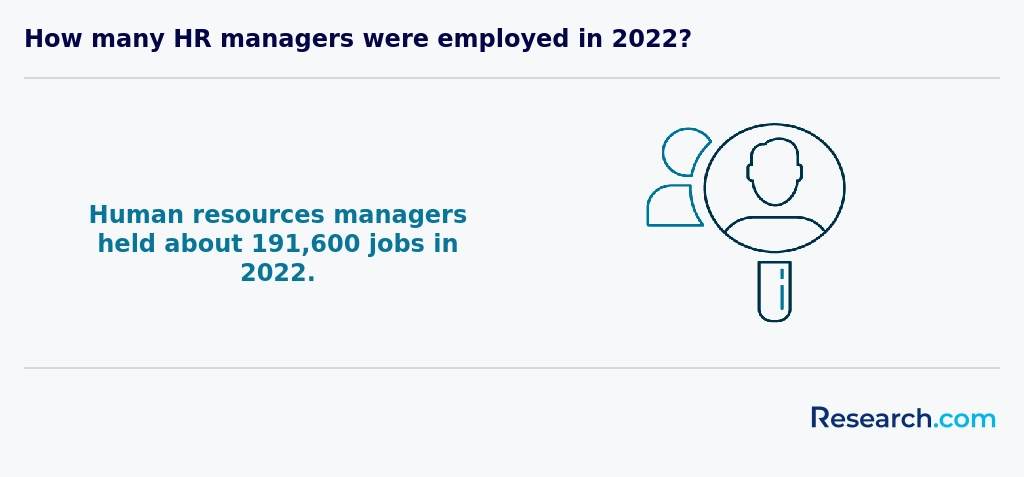
The job market for online human resources degree graduates in Minnesota is notably robust, supported by the state's diverse economy and steady demand for skilled HR professionals. With approximately 8,200 human resources specialists employed statewide and a projected job growth rate of 7% through 2032, Minnesota offers positive employment prospects for individuals who pursue an online HR degree.
Graduates from popular universities and colleges known for their human resources programs in Minnesota often find rewarding roles in healthcare, manufacturing, and education sectors. These roles typically offer starting salaries near $65,000 annually, which is slightly above the national average, with room for significant growth as professionals gain experience or certifications such as SHRM-CP. Many students appreciate the affordable tuition at public institutions, often under $15,000 per year, which enhances the financial viability of earning an online degree locally.
Employers in Minnesota increasingly prioritize candidates who hold flexible online degrees coupled with practical skills in labor laws and talent management. For those researching practical degree programs, it's worthwhile to explore options at the top online colleges for public health degrees, as they often offer parallel benefits in HR education and career support. This growing acceptance and the state's economic environment create a fertile platform for those seeking human resources job opportunities in Minnesota.
2027 Most Affordable Online Human Resources Degree Programs Ranking in Minnesota
Investing in your education is a significant decision that can shape your future, and the Research.com team understands the importance of making informed choices. To assist prospective students, we have meticulously crafted the "2027 Most Affordable Online Human Resources Degree Programs Ranking in Minnesota." Our commitment to quality, credibility, and accuracy is reflected in the extensive research and analysis conducted to compile this ranking.
We utilized the following reputable data sources to ensure a comprehensive evaluation of human resources programs:
By exploring this ranking, readers will gain valuable insights into the most affordable and high-quality online human resources degree programs available in Minnesota, helping them make informed decisions about their educational investments. For more details on our rigorous methodology, please visit our Research.com methodology page.


# 3 position
Walden University
Master of Human Resource Management

Frequently Asked Questions About human resources
Online human resources degree students in Minnesota can enhance their learning by actively engaging with course materials and participating in virtual discussions. Minnesota's job market for HR professionals is growing steadily, with the Bureau of Labor Statistics projecting a 7% increase statewide through 2030, emphasizing the value of practical skills.
Students should seek internships or cooperative education opportunities within Minnesota businesses to gain real-world experience. Networking through local HR associations, like the Minnesota Human Resources Management Association (MNHRA), can provide valuable industry insights and professional connections.
Utilizing university resources such as career services and accessing updated HR software tools will also prepare students for the evolving workplace. Keeping up with Minnesota labor laws and employment trends through state government websites strengthens relevant knowledge and compliance awareness.
The human resources (HR) field is rapidly expanding into specialized niches driven by technology and evolving workforce needs. One emerging area is HR analytics, which uses data to improve hiring and retention. According to the Minnesota Department of Employment and Economic Development, demand for data-savvy HR professionals grew by 12% from 2020 to 2023.
Another niche gaining traction involves diversity, equity, and inclusion (DEI). Minnesota businesses increasingly prioritize DEI roles to create equitable workplaces, reflecting national trends reported by the Society for Human Resource Management.
Additionally, remote workforce management has become essential. HR professionals skilled in managing remote teams are crucial as 30% of Minnesota's workforce embraces hybrid or remote work models, per a 2023 report from the Minnesota Chamber of Commerce.
After completing an online human resources degree in Minnesota, preparing for the job market involves several key steps. Start by gaining practical experience through internships or volunteer opportunities, which Minnesota employers highly value. Networking is crucial; join local chapters of the Society for Human Resource Management (SHRM) to connect with professionals in the state.
Consider obtaining certifications like the SHRM-CP or PHR, which can improve employment prospects nationwide, including Minnesota. The Minnesota Department of Employment and Economic Development reports that HR jobs in the state are expected to grow by about 7% by 2030, highlighting steady demand. Additionally, tailor your resume to reflect Minnesota's business sectors, such as healthcare and manufacturing, where many HR roles exist.
Employers in Minnesota prioritize several key skills when hiring graduates with online human resources degrees. According to the Minnesota Department of Employment and Economic Development, strong communication abilities are essential, enabling HR professionals to effectively interact with employees and management.
Additionally, knowledge of employment laws and regulations is crucial, as Minnesota has specific labor standards that HR staff must navigate accurately. Analytical thinking and problem-solving skills help in managing employee relations and organizational development.
Familiarity with HR information systems (HRIS) also ranks highly, reflecting the increasing role of technology in recruitment and data management. These competencies prepare graduates to meet the demands of Minnesota's dynamic workforce environment.
Finding internships in Minnesota relevant to a human resources degree involves targeted research and networking. Start by exploring opportunities offered through Minnesota's state workforce agencies such as the Minnesota Department of Employment and Economic Development (DEED), which connects students with local employers.
Universities often maintain partnerships with businesses in the Twin Cities and beyond, where HR internships are typically available. Minnesota hosts over 24,000 HR professionals, as reported by the Society for Human Resource Management (SHRM), highlighting a robust job market for practical experience.
Also, check industry-specific job boards like SHRM Minnesota and career centers from Minnesota State Colleges and Universities for updated listings. LinkedIn can be useful for connecting with HR professionals and learning about openings in companies like 3M or Target, which have large HR departments.
Obtaining an online human resources degree in Minnesota can significantly enhance career mobility and advancement within the state's diverse job market. Minnesota's strong economy, featuring industries like healthcare, manufacturing, and retail, consistently demands skilled HR professionals. According to the U.S. Bureau of Labor Statistics, HR specialist roles in Minnesota are expected to grow by 7% from 2021 to 2031, mirroring national trends.
Online degrees offer flexibility for working adults, allowing them to gain credentials without interrupting their careers. Graduates often qualify for higher-level positions in recruitment, employee relations, and talent management.
The degree aligns with certifications such as the SHRM-CP, which Minnesota employers increasingly value for promotion and salary increases.
Studying for an online human resources degree in Minnesota equips students with skills that extend beyond traditional HR functions. Programs often integrate coursework in business management, psychology, and labor law, enabling graduates to navigate complex workplace environments. According to the Minnesota Department of Employment and Economic Development, roles requiring interdisciplinary skills in HR have grown by 12% over the past five years.
Students learn to collaborate with departments like finance and operations, preparing them for strategic decision-making roles. This holistic approach helps graduates address workforce diversity, compliance, and employee development challenges effectively, reflecting the evolving labor market needs in Minnesota.
Choosing between a thesis and a non-thesis human resources degree program in Minnesota depends on your career goals and learning preferences. Thesis programs typically involve original research and are suited for students interested in academic or research-oriented roles. They often require more time and critical analysis skills. Non-thesis programs usually focus on coursework and practical applications, ideal for professionals aiming to advance directly in HR management or related fields.
The Minnesota Department of Employment and Economic Development notes that HR jobs in the state are expected to grow 7% through 2030, favoring practical skills. Consider your long-term plans when deciding.
Students in Minnesota interested in studying human resources abroad through online degrees have limited direct options within the US system, as most international programs require physical presence. However, many American universities with global campuses offer online HR degrees accessible to Minnesotans, combining international curriculum with US accreditation. Institutions like the University of Minnesota encourage exchange programs, though these involve travel, not fully online study abroad.
According to the U.S. Bureau of Labor Statistics, Minnesota's HR job market is growing steadily, increasing demand for flexible education options. Students may consider accredited online programs with international perspectives, often featuring global HR case studies, to gain relevant skills without relocating.
In Minnesota, part-time job opportunities that align well with human resources degree education include roles such as HR assistant, recruitment coordinator, and payroll clerk. These positions provide valuable hands-on experience in employee relations, talent acquisition, and payroll management, key areas in HR.
The Minnesota Department of Employment and Economic Development reports that administrative and support roles are expected to grow by 5% through 2030, reflecting steady demand within the state.
Additionally, internships or part-time roles in workforce development agencies or nonprofit human services organizations can deepen knowledge of labor laws and diversity practices applicable in Minnesota's diverse job market.
Such experiences complement theoretical studies and improve job market readiness for students pursuing online human resources degrees.
Online human resources students in Minnesota benefit from various networking opportunities that bridge virtual learning with local professional communities. Many universities offering online degrees encourage participation in regional chapters of organizations such as the Society for Human Resource Management (SHRM), which has an active Minnesota State Council.
These chapters host workshops, webinars, and networking events where students can connect with HR professionals and potential employers. Additionally, Minnesota's strong presence of Fortune 500 companies creates internship and mentorship opportunities valuable for online learners.
Professional conferences like the Minnesota Workforce Summit offer significant networking platforms where students can gain insights and build connections. According to the Minnesota Department of Employment and Economic Development, HR jobs in the state are projected to grow by 10% through 2030, increasing demand for well-networked professionals.
Alumni networks play a vital role for students pursuing online human resources degrees in Minnesota. These networks connect current students with graduates who have experience in the local HR job market and industry trends. Access to alumni can provide mentorship opportunities, helping students develop practical skills and professional contacts.
The Minnesota HR community is strong, with organizations like the Minnesota Chapter of the Society for Human Resource Management (SHRM) offering valuable networking events. According to SHRM's 2023 report, graduates with active alumni support have a 30% higher chance of securing HR positions within Minnesota's diverse industries.
Additionally, alumni often share job openings and internships exclusive to their network, which is crucial in a competitive market.
Many online human resources degree programs in Minnesota offer flexibility to tailor coursework according to your career goals. Students can often choose from various electives, such as labor relations, talent management, or organizational development, which align with specific HR roles.
Additionally, some programs include opportunities for internships or capstone projects focused on Minnesota's local workforce trends. This provides practical experience in state-relevant industries like healthcare and manufacturing, sectors where HR professionals are in demand according to the Minnesota Department of Employment and Economic Development (DEED).
Advisors commonly assist students in customizing their learning paths, ensuring alignment with professional certifications like SHRM-CP. This approach helps graduates improve job readiness and advance in Minnesota's competitive HR market.
Online human resources students in Minnesota commonly face challenges related to balancing coursework with professional and personal responsibilities. Many learners juggle full-time jobs while studying, which can affect time management and academic performance. Access to hands-on HR experiences, such as internships, may be limited due to the remote nature of these programs.
Technical issues and inconsistent internet connectivity can disrupt learning, particularly in rural parts of the state. According to the Minnesota Department of Employment and Economic Development, effective communication skills are vital for HR roles, yet students sometimes struggle with limited real-time interaction in virtual settings.
Furthermore, navigating updated HR laws specific to Minnesota requires focused study to ensure compliance and relevance in local workplaces.
With an online human resources degree in Minnesota, you can pursue several respected professional certifications that enhance career opportunities. The most recognized is the Professional in Human Resources (PHR), awarded by the HR Certification Institute (HRCI). It demonstrates expertise in technical and operational HR management.
Another popular option is the SHRM Certified Professional (SHRM-CP) from the Society for Human Resource Management. This certification is widely valued in Minnesota's growing HR sector and focuses on strategic HR competencies.
Both certifications require relevant work experience and continuing education, reinforcing practical skills valuable in Minnesota's labor market, where HR professionals are expected to stay current with state and federal regulations.
Writing a winning application for an online human resources program in Minnesota begins with thorough research of the schools you're applying to. Highlight your understanding of Minnesota's unique labor market, which includes sectors like healthcare and manufacturing that heavily employ HR professionals, according to the Minnesota Department of Employment and Economic Development.
Emphasize your relevant experience and skills, such as knowledge of employment laws, workforce planning, or diversity initiatives. Provide clear examples showcasing your leadership or problem-solving abilities.
Tailor your personal statement to explain why an online HR degree aligns with your career goals, reflecting the growing demand for HR specialists in Minnesota, projected to grow 7% from 2020 to 2030 by the U.S. Bureau of Labor Statistics.
Human resources (HR) careers increasingly reflect global trends emphasizing diversity, inclusion, and digital skills. In Minnesota, HR professionals are expected to understand international labor laws and cultural differences as companies engage in global markets. According to the U.S. Bureau of Labor Statistics, HR job growth in Minnesota is steady, with a focus on strategic roles managing workforce globalization.
Globally, HR specialists manage talent across borders, requiring knowledge of worldwide employment standards and remote workforce challenges. Minnesota's growing multinational firms prioritize HR graduates skilled in global communication and technology.
Students pursuing online HR degrees in Minnesota benefit from curricula that integrate global perspectives and U.S. labor regulations, preparing them for diverse HR roles locally and internationally.
Gaining practical experience while pursuing an online human resources degree in Minnesota is achievable through several avenues. Internships or cooperative education programs offered by Minnesota employers allow students to apply classroom knowledge to real-world HR settings. Many online programs encourage or require internships, often facilitated through career services.
Another option is volunteering for local nonprofit organizations or business associations, which can provide hands-on experience in HR tasks such as recruitment or employee relations. According to the Minnesota Department of Employment and Economic Development, HR-related jobs in the Twin Cities metro area grew by 5% from 2020 to 2023, increasing internship opportunities.
Additionally, networking through state-specific HR chapters like the Minnesota SHRM chapter can connect students with mentors and job shadowing experiences. These practical steps complement academic learning and enhance career readiness.
When choosing a concentration within an online human resources degree in Minnesota, consider your career goals and local job market demand. According to the Minnesota Department of Employment and Economic Development, areas like talent acquisition, employee relations, and HR compliance show steady growth in the state. Specializing in these can increase employability.
Evaluate program curricula to ensure they include practical skills, such as knowledge of Minnesota labor laws and use of HR technologies. Minnesota employers value certifications like SHRM-CP alongside degrees, which some programs help prepare you for. Also, consider concentrations that align with industries thriving in Minnesota, such as healthcare and manufacturing.
- 2027 Most Affordable Online Human Resources Degree Programs Ranking in Wisconsin
- 2027 Most Affordable Online Human Resources Degree Programs Ranking in Illinois
- 2027 Most Affordable Online Human Resources Degree Programs Ranking in Missouri
- 2027 Most Affordable Online Human Resources Degree Programs Ranking in Kansas
- 2027 Most Affordable Online Human Resources Degree Programs Ranking in Indiana
- 2027 Most Affordable Online Human Resources Degree Programs Ranking in Ohio
- 2027 Most Affordable Online Human Resources Degree Programs Ranking in Colorado
- 2027 Most Affordable Online Human Resources Degree Programs Ranking in Kentucky
- 2027 Most Affordable Online Human Resources Degree Programs Ranking in Alabama
- 2027 Most Affordable Online Human Resources Degree Programs Ranking in Texas
See What Experts Have To Say About Studying Human Resources
Read our interview with Human Resources experts

Thomas Kochan
Human Resources Expert
Professor of Management
Massachusetts Institute of Technology


Rick Hackett
Human Resources Expert
Professor, Human Resources & Management
McMaster University

- Online Bachelor's Degree: Human Resource Management https://www.umgc.edu/online-degrees/bachelors/hr-management
- What Degree Might You Need to Pursue an HR Career ... https://www.trident.edu/what-degree-do-you-need-for-hr-requirements-to-know/
- What's it like to study human resources management? https://www.murdoch.edu.au/news/articles/what-s-it-like-to-study-human-resources-management
- Online Human Resources Professional Training Course https://www.southeastmn.edu/continue_education/page.aspx
- Human Resources https://www.ntcmn.edu/career-paths/business/human-resources/
- Most Affordable Online Human Resources Degrees https://www.affordablecollegesonline.org/degrees/human-resources-programs/
- 2026 Most Affordable Online Human Resources Degrees https://www.onlineu.com/most-affordable-colleges/human-resources-degrees
- Online Human Resources Associate Degree https://www.uscareerinstitute.edu/online-human-resources-associate-degree
- Online Human Resources Professional Training Course https://www.southcentral.edu/workforce/online-human-resources-professional-training-course.html
- Business, Human Resources & Computer Technology https://minnesotatraining.com/programs/business-and-management/