2027 Most Popular Healthcare Degree Programs Ranking in Charlottesville

Co-Founder and Chief Data Scientist
Choosing the right healthcare degree program is an important step toward a rewarding career. This article features the 2027 Most Popular Healthcare Degree Programs Ranking in Charlottesville, created by the Research.com team of data scientists to guide you through your options.
By exploring this ranking, you'll gain valuable insights into programs that stand out in quality and popularity. Whether you're starting fresh or considering a change, understanding these programs can help you make a confident decision.
Healthcare offers meaningful opportunities to make a real difference-this guide is here to support your journey.
Key benefits of getting healthcare degree in Charlottesville
- Healthcare degree graduates in Charlottesville can expect strong salary prospects, with roles like Patient Care Technician earning about $60,790 annually and Quality Improvement Coordinators earning up to $103,150 per year, offering financial stability and growth.
- Graduates from local institutions can explore diverse career paths, including Medical Assistant, Health Information Technician, and Clinical Research Coordinator, providing rewarding opportunities to make a real impact in patient care and healthcare management.
- Obtaining a healthcare degree online offers flexibility, allowing students to balance work and study, as shown by online graduates from Charlottesville colleges who successfully advance their careers without interrupting their lives.
- 2027 Most Popular Healthcare Degree Programs Ranking in Charlottesville
- What can I expect from healthcare degree in Charlottesville?
- Where can I work with healthcare degree in Charlottesville?
What can I expect from healthcare degree in Charlottesville?
The average cost of pursuing a healthcare degree in Charlottesville, especially at the University of Virginia (UVA), typically runs around $18,000 per year for in-state undergraduate nursing students. This figure covers tuition and fees but does not include housing or personal expenses, which graduate students often find to be higher. Many graduates recall carefully budgeting for these additional costs, balancing part-time work or scholarships to ease financial burdens.
For graduate-level healthcare programs like those in medicine or public health, tuition tends to climb higher, though numerous financial aid options and scholarships can make these costs manageable. Students often share how funding packages helped reduce stress, allowing them to focus on demanding coursework and clinical rotations linked with UVA's medical facilities.
Living and learning in Charlottesville means gaining hands-on experience through affiliated hospitals while managing expenses practically. Graduates emphasize that understanding these costs upfront, exploring aid early, and planning budgets helps turn the investment into a rewarding, career-launching experience in the healthcare field.
Where can I work with healthcare degree in Charlottesville?
Graduates from healthcare programs at the University of Virginia can expect strong local job prospects, often securing roles at the University of Virginia Health System. Many find themselves working as nurses, clinical researchers, or healthcare administrators within this prominent medical center employing over 18,000 people. For example, recent graduates frequently share how hands-on clinical rotations at UVA's facilities directly led to job offers, making their transition into the workforce smooth and encouraging.
Beyond the university hospital, entry-level and specialized positions are available at Martha Jefferson Hospital and various community clinics throughout Charlottesville. Graduates often mention starting as registered nurses or technologists, quickly gaining diverse experience in patient care and healthcare management. The city's healthcare sector continues to grow about 4% annually, reflecting increasing demand for these roles.
Other graduates pursue public health careers at local government agencies such as the Charlottesville Department of Public Health, focusing on community health programs and disease prevention. There are also expanding opportunities in emerging fields like health informatics and telemedicine, fueled by the city's investment in digital health, offering exciting paths for those interested in technology-driven healthcare roles.
Graduates with healthcare degrees from Charlottesville institutions often find competitive salary opportunities locally. For example, those entering roles as medical assistants typically earn about $43,350 annually, a solid starting point for recent graduates from programs affiliated with the University of Virginia or Piedmont Virginia Community College.
Some graduates pursue patient care technician positions, where the mean annual wage reaches approximately $60,790. These roles build valuable clinical experience and often lead to higher-paying opportunities. Similarly, health information technicians earn close to $43,380 per year, combining healthcare knowledge with administrative skills-a practical choice for Charlottesville students looking to diversify their options.
Clinical research coordinator roles, common among those completing specialized healthcare training in the area, also start near $43,350 annually. For graduates focused on quality and management, becoming a quality improvement coordinator is a lucrative step, with salaries averaging $103,150. This reflects the demand at major employers like the University of Virginia Health System where efficient healthcare delivery is crucial.
Charlottesville graduates appreciate that these earnings reflect local market conditions and growing healthcare needs, making their degrees a rewarding investment.
- The University of Virginia offers strong healthcare programs including nursing, public health, and medicine.
- Undergraduate healthcare degrees in Charlottesville cost between $30,000 and $70,000, while graduate programs range from $40,000 to $90,000.
- Entry-level healthcare salaries range from $55,000 to $65,000 annually, increasing to $80,000-$120,000 within five to ten years.
- Healthcare jobs in Charlottesville are growing faster than the national average, especially for nurses, medical technologists, and health services managers.
- Healthcare programs include clinical practicum experiences in local hospitals and clinics, essential for licensure and employment.
- Scholarships and financial aid are available to help reduce the cost of healthcare education.
If you're aiming for an associate degree in healthcare in Charlottesville, plan for about two years. Many graduates from local community colleges appreciate how quickly they gained hands-on skills and entered the workforce. Programs like medical assisting or nursing provide a solid foundation and often fit well with busy schedules.
For a bachelor's degree, expect roughly four years. At the University of Virginia, nursing students often share that the structured four-year BSN program gave them confidence and thorough preparation without unnecessary delays. This timeline fits well for those ready to immerse fully in campus life and clinical experience.
Advanced degrees, such as physical therapy or nurse practitioner programs, typically require an additional two to four years. UVA Health's graduate programs offer flexible pacing-but many students find three years for a Doctor of Physical Therapy strikes a good balance between depth and time invested.
Consider accelerated or part-time options if you have prior healthcare experience. Some locals finish nursing degrees in as little as 12 to 18 months, which can be a huge boost for those eager to advance swiftly.
Graduates of healthcare programs in Charlottesville, VA must navigate state and national certification exams to practice legally and advance their careers. For aspiring nurses, passing the NCLEX-RN or NCLEX-PN is mandatory through the Virginia Board of Nursing, with most BSN and ADN programs offering prep workshops to boost pass rates. Medical assistants should pursue the Certified Medical Assistant (CMA) credential via the American Association of Medical Assistants (AAMA) or the Registered Medical Assistant (RMA) credential through AMT; choosing accredited curricula, like those highlighted in our cheap medical assistant programs, can ensure eligibility for these exams. Health Information Technicians aiming for RHIT or RHIA certification must graduate from CAHIIM-accredited programs and pass respective AHIMA exams. Other roles-such as phlebotomists and EKG technicians-require state-approved training and certification through the National Healthcareer Association (NHA) or equivalent bodies. Most certifications mandate continuing education units (CEUs) every 1–2 years; for example, CNAs in Virginia renew licensure biennially, completing at least 12 hours of CE. Employers often prefer candidates with clear documentation of licensure timelines and examination scores, so maintain digital copies of transcripts, exam results, and renewal certificates. Additionally, some specialization pathways-like nurse practitioners or clinical research coordinators-require graduate-level certification (e.g., ANCC FNP-BC for family nurse practitioners). By understanding these requirements early and selecting an accredited program, Charlottesville students can streamline their path from classroom to clinical practice, avoid licensure delays, and position themselves competitively in Virginia’s thriving healthcare market.
When choosing between online and on-campus healthcare degrees in Charlottesville, understanding the differences helps you plan effectively. On-campus students at local institutions like the University of Virginia benefit from hands-on labs, direct faculty access, and peer collaboration that makes learning tangible and immediate. Graduates often recall how in-person simulations boosted their confidence for clinical work.
Online students, attending programs with flexible schedules, juggle family or jobs while studying through virtual classes and recorded lectures. Many appreciate access to specialized digital tools and telehealth training, which prepares them for modern healthcare environments. However, securing local clinical placements requires proactive effort, sometimes arranging partnerships independently.
Cost-wise, online programs can be more affordable by cutting commuting expenses, but tuition may match or exceed on-campus fees due to added technology resources. The fixed class times of on-campus courses help build routine, while online degrees offer asynchronous access-ideal for those balancing work in Charlottesville's busy healthcare sector.
Investing in a healthcare degree is a major financial decision, and understanding the return on investment (ROI) can help students plan effectively. On average, in-state tuition at Charlottesville public universities totals around $210,444 for a four-year bachelor’s program, while graduates can expect starting salaries of $55,860 as Patient Care Technicians and $41,260 as Health Information Technicians. By comparing average debt loads against entry-level wages, most graduates recoup tuition costs within 4–6 years, depending on specialization and part-time work during study. Key factors influencing ROI:
- Tuition vs. Earnings: Nursing graduates at UVA report median salaries of $70,000, leading to a payback period of roughly 3 years on in-state tuition.
- Loan Repayment: Utilizing federal loan forgiveness programs and income-driven repayment can shorten debt schedules and lower monthly payments.
- Salary Growth: Specialized roles in health informatics and administration often see salary increases of 5–7% annually, boosting long-term ROI.
- Cost Management: Opting for community college pathways or accelerated programs can reduce overall expenses without sacrificing quality. For students seeking cost-effective alternatives, exploring online options can further enhance ROI. For example, the Inexpensive Online Healthcare Degree Programs Ranking in Tucson, AZ highlights accredited programs with lower tuition, flexible schedules, and robust support services-helping future professionals maximize earnings while minimizing debt.
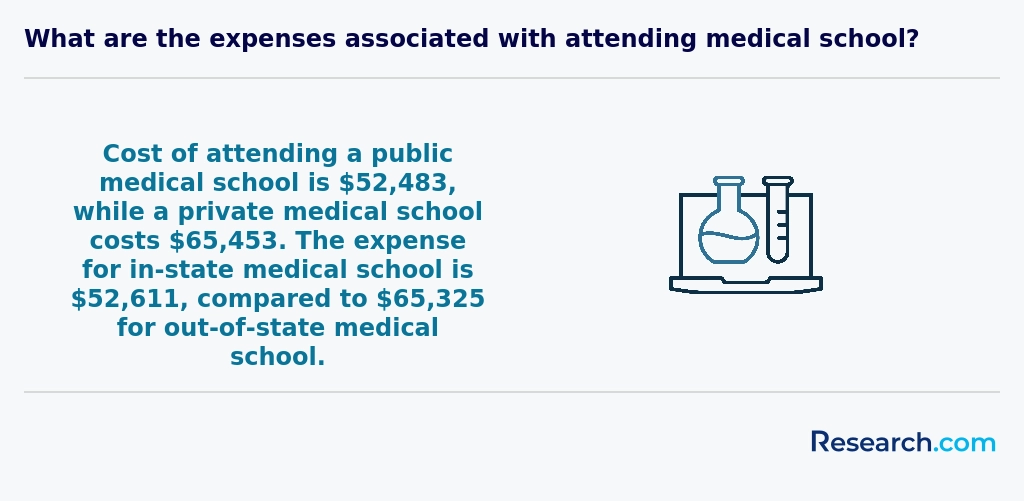
The average healthcare degree cost in Charlottesville reflects a balance between quality education and manageable investment. At the University of Virginia, the median total cost for completing a healthcare degree is approximately $21,803 for in-state students, while out-of-state students face median costs around $75,792. Graduates often describe the financial commitment as significant but worthwhile, considering UVA's strong programs in nursing, medicine, and public health.
For example, students pursuing nursing degrees typically find the tuition affordable relative to their in-state status, which helps ease financial stress. Graduate programs or medical degrees, however, may push expenses toward the higher end, requiring careful budgeting for tuition and living costs. These numbers provide a realistic framework for anyone researching the cost of healthcare degrees in Charlottesville 2027 or planning ahead for nursing or medical careers at UVA.
Beyond tuition, it's vital to account for additional costs such as clinical placement fees, textbooks, and necessary supplies. Many healthcare students at UVA describe how managing these expenses alongside tuition shaped their approach to financial planning, encouraging early exploration of scholarships and loan forgiveness options. Students interested in promoting population health outcomes benefit from tapping into these resources to better manage costs.

Studying in Charlottesville, VA isn’t just about earning a healthcare degree-it’s about immersing yourself in a vibrant community that supports both academic and personal growth. Students here benefit from a unique blend of academic rigor and a thriving social scene. Beyond classrooms and labs, Charlottesville offers networking events, career fairs, and community volunteer opportunities that allow you to connect with industry experts and local healthcare providers, giving you a head start in professional circles. Living and studying in this culturally rich environment means you can take advantage of local initiatives, internships, and hands-on experiences that enhance both your resume and your personal development. These opportunities not only strengthen your academic foundation but also enrich your everyday life-whether you’re exploring historical landmarks, attending local health workshops, or participating in wellness programs. This supportive ecosystem is especially beneficial for students exploring in demand healthcare programs, as it bridges the gap between theoretical knowledge and real-world application. With a campus culture centered on collaboration, innovation, and community engagement, Charlottesville prepares you to not only excel in your studies but also thrive as an integral part of the local healthcare landscape, ensuring you are well-equipped for both a successful career and a fulfilling student life.
Healthcare students in Charlottesville can tap into a variety of reliable financial aid options to ease tuition costs. Graduates from institutions like the University of Virginia often share how federal aid-such as Pell Grants-can cover substantial portions of tuition without the stress of repayment. These grants are especially valuable for those meeting income criteria and pursuing their healthcare degrees full-time.
State grants, including the Virginia Tuition Assistance Grant, frequently reduce expenses for in-state students attending private colleges around Charlottesville. Many students report simply speaking with their campus financial aid office opens doors to these resources, often tailored specifically for local healthcare programs.
Scholarships from local organizations, such as the Virginia Hospital & Healthcare Association, have supported numerous nursing and allied health students-fueling their commitment to the area's healthcare system. Work-study jobs on campuses or nearby clinics provide a practical way to support living expenses while gaining professional experience.
Lastly, students working at Charlottesville hospitals often benefit from employer tuition reimbursement, which graduates say makes balancing work and study manageable while advancing their careers.
Healthcare education is constantly evolving to meet the dynamic demands of the industry, and understanding these emerging trends can help you make a well-informed decision about your future. With rapid technological advancements, programs are increasingly integrating digital health, telemedicine, and artificial intelligence into their curricula to prepare graduates for tomorrow’s challenges. For instance, many local institutions are introducing simulation labs and virtual reality modules that mimic real-life clinical scenarios, ensuring that students gain hands-on experience in a digitally advanced environment. As the healthcare sector shifts towards more data-driven practices, skills in health informatics and digital patient care management are becoming highly sought after. Students are encouraged to explore in demand healthcare programs that not only teach traditional clinical skills but also emphasize emerging digital competencies. Additionally, strong industry partnerships and internship programs are increasingly vital, providing students with opportunities to work alongside experts in innovative healthcare settings. This forward-thinking approach not only boosts employability but also aligns academic training with the future of healthcare, where interdisciplinary expertise and adaptability are key. By keeping a pulse on these trends, prospective students can choose programs that offer a blend of traditional medical training and modern technological insights, ensuring they are well-prepared for a career in a rapidly transforming healthcare landscape.
To enroll in a healthcare degree program in Charlottesville, you'll first need a high school diploma or GED, with strong coursework in biology, chemistry, and often anatomy or physics. Graduates from local institutions like the University of Virginia often reflect on how essential these science classes were to building their confidence before tackling advanced healthcare topics.
A competitive GPA between 2.5 and 3.0 is usually required, but many nursing or allied health programs expect even higher grades due to their rigorous nature. For example, community college students often mention how maintaining a solid GPA opened doors to transfer opportunities at UVA.
Letters of recommendation and a personal statement explaining your passion for healthcare are standard parts of the process. Several students recall how these helped them stand out, especially when paired with volunteer experience or internships in local hospitals or clinics.
Some Charlottesville programs may also require interviews or background checks. Practical exposure is highly valued, so early volunteering in healthcare settings not only boosts your application but provides reassuring real-world insights into your future career.
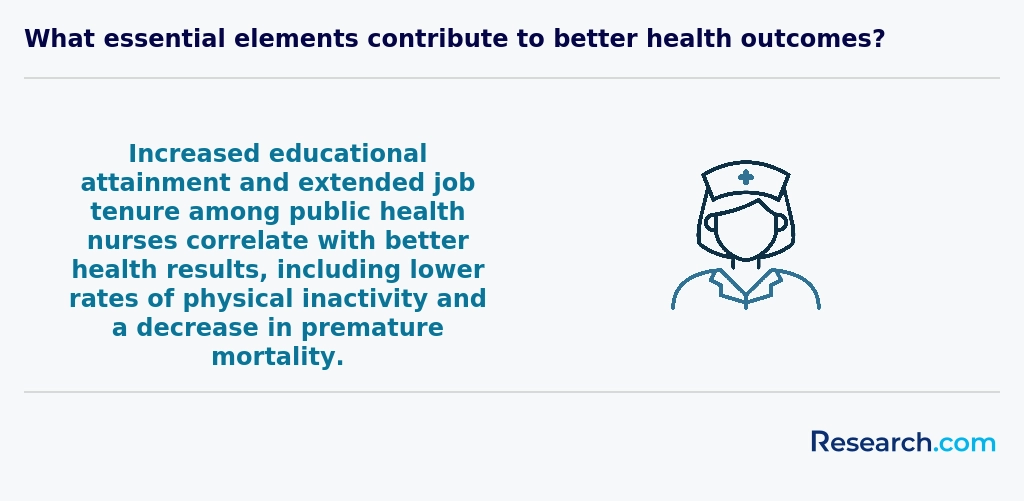
The increasing reliance on accurate medical records and data analytics has positioned medical coding as a crucial career within healthcare. As institutions upgrade their digital systems and focus on compliance and patient care quality, the demand for skilled medical coders is on the rise. Professionals in this field are responsible for translating clinical information into standardized codes that support billing, research, and treatment protocols. This role not only requires attention to detail and a deep understanding of healthcare terminologies but also offers flexible career opportunities and competitive salaries. In Charlottesville, VA, where healthcare programs are evolving to meet regional needs, graduates may also find that a specialized career in medical coding provides an appealing entry point into the broader healthcare industry. For insights into the pathways, responsibilities, and skills needed to excel in this role, you might explore what do medical coders do. This evolving field represents a blend of technology and healthcare, making it an exciting option for students and professionals aiming to leverage their analytical strengths while contributing to vital patient services.
Healthcare degrees in Charlottesville commonly include courses like Anatomy and Physiology, which give students a solid understanding of the human body-something graduates recall as essential when starting clinical rotations. Medical Terminology classes help you quickly communicate with healthcare teams and patients, making hands-on experiences easier to handle.
Health Assessment and Pharmacology courses teach practical skills such as checking vital signs and understanding medications, crucial for nursing-focused programs at local colleges. Pathophysiology deepens your grasp of diseases, preparing you to think critically during patient care.
Many graduates appreciate Healthcare Ethics and Law classes for emphasizing patient rights and regulatory responsibilities, an often overlooked yet vital part of practice. Public Health and Epidemiology courses are frequently included in bachelor's or master's programs and focus on community health, which students find especially meaningful given Charlottesville's diverse population.
Beyond classroom work, clinical practicums or internships at Charlottesville hospitals or clinics provide real-world experience, letting students apply their knowledge and build confidence. This hands-on training is a highlight for many, helping bridge academic concepts with practical healthcare delivery.

Healthcare degree specializations Charlottesville students choose often include nursing, public health, and healthcare administration, each offering distinct career paths. Nursing graduates from the University of Virginia, for example, appreciate access to extensive clinical rotations through the University of Virginia Health System, helping them build confidence and job-ready skills. Many then pursue advanced roles via a nurse practitioner programs online curriculum, blending rigorous training with flexibility.
Public health students focus on community wellness, epidemiology, and health policy, preparing to tackle real-world preventive care challenges in Charlottesville. Graduates feel empowered working on local initiatives addressing public health concerns, reflecting the region's commitment to community health. This specialization aligns well with common healthcare programs in Charlottesville that emphasize practical impact.
Healthcare administration is another practical focus area, with graduates stepping into leadership roles managing hospitals and clinics. They find the solid training enables smooth transitions into managing complex health systems. Other specializations such as physical therapy, occupational therapy, medical laboratory science, and health informatics round out the options, offering varied and in-demand career routes.
Start by pinpointing a specialization that fits your strengths and interests, such as nursing, healthcare administration, or medical laboratory science. Graduates from the University of Virginia often praise the practical clinical rotations tied to the University of Virginia Medical Center, which gave them real-world experience and confidence when stepping into jobs. When searching for the best healthcare degree programs Charlottesville offers, ensure the courses are accredited, like the School of Nursing's CCNE accreditation, to secure licensure eligibility and reliable certification preparation.
Tuition and financial planning are key. Locally, in-state healthcare degrees typically range from $20,000 to $35,000 annually, which is more affordable compared to the national average. This matters especially if you want to avoid heavy debt. Several students found that exploring options like online nursing degrees arkansas internships helped balance their education and work commitments effectively.
Check if the program provides resources like career counseling and job placement assistance, which recent graduates in Charlottesville found crucial for landing positions in growing local healthcare facilities. Finally, consider program length, class sizes, and flexible formats like hybrid courses to match your schedule without compromising on education quality.
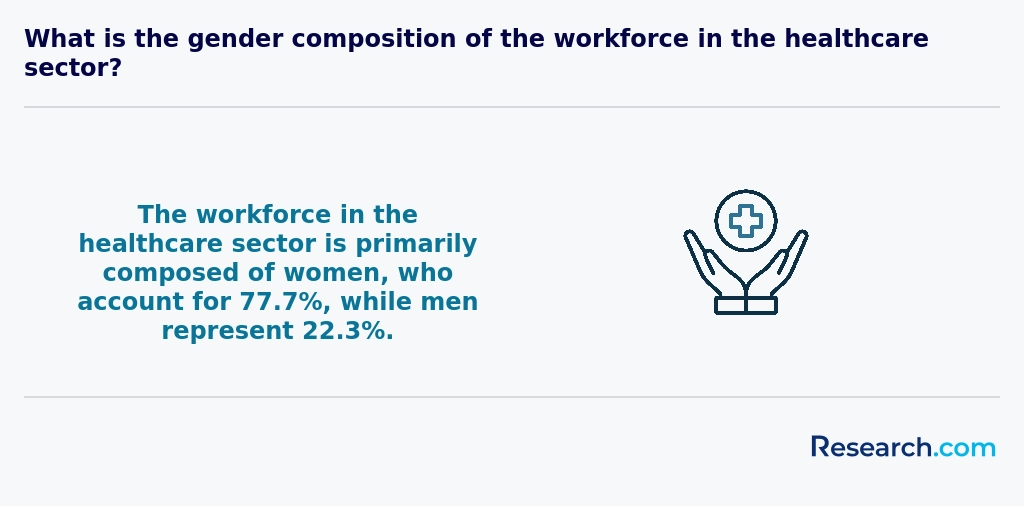
Graduates of healthcare degree programs in Charlottesville find a range of career paths aligned with the region's vibrant medical ecosystem. Many step directly into roles as registered nurses or advance to become nurse practitioners and physician assistants after completing graduate education. These careers benefit from the local demand and median salaries around $115,000 for NPs in Virginia, making them practical choices for those focused on stable employment. Experienced students from the University of Virginia often move into clinical or administrative leadership positions within hospitals or outpatient clinics, leveraging Charlottesville's healthcare infrastructure.
For those seeking diverse options, allied health careers such as physical therapy, occupational therapy, and healthcare administration provide promising alternatives. Practical exposure to medical research through UVA Health's clinical trials or biotechnology initiatives appeals to students interested in contributing to groundbreaking public health projects. When considering your path, it's helpful to explore nursing workforce demographics for a clearer view of local job trends and demands in Charlottesville healthcare degree job opportunities.
Graduates with healthcare degrees in Charlottesville find a resilient job market shaped by strong local employers like the University of Virginia Health System. Many graduates secure roles as registered nurses, medical assistants, or healthcare support staff shortly after finishing their studies, reflecting steady demand for healthcare job opportunities in Charlottesville. Entry-level salaries typically range from $45,000 to $60,000 annually, creating a practical foundation for career growth.
Students at UVA and nearby colleges frequently share positive experiences about internships and clinical placements within local hospitals and outpatient care centers. These hands-on opportunities improve their competitiveness and job readiness. Networking events and partnerships with public health organizations also enhance chances to secure positions aligned with their skills.
Understanding Charlottesville healthcare degree employment outlook is crucial. With local demand fueled by an aging population and expanding healthcare services, graduates benefit from various pathways, including roles in clinical research and public health. Many choose from in demand healthcare programs at regional institutions, balancing cost and quality to position themselves for sustained employment.
2027 Most Popular Healthcare Degree Programs Ranking in Charlottesville
Investing in your education is a significant decision that can shape your future, and the Research.com team understands the importance of making informed choices. To assist prospective students in Charlottesville, we have meticulously developed the "2027 Most Popular Healthcare Degree Programs Ranking in Charlottesville." Our dedication to quality, credibility, and accuracy is demonstrated through comprehensive research and rigorous analysis applied in compiling this ranking.
We utilized the following reputable data sources to ensure a thorough evaluation of healthcare degree programs:
By exploring this ranking, readers will gain valuable insights to confidently choose healthcare degree programs that align with their goals and aspirations. For more details on our methodology, please visit our Research.com methodology page.

Frequently Asked Questions About healthcare
Healthcare degree students in Charlottesville can maximize their learning experience by engaging deeply with both academic and practical opportunities. Local institutions, such as the University of Virginia, offer access to top-ranked healthcare programs and research facilities. Students should take advantage of clinical rotations and internships at nearby hospitals like UVA Health, gaining hands-on skills essential for their future careers.
Networking with professionals through local healthcare organizations and attending relevant workshops are also critical. Charlottesville's strong focus on healthcare innovation provides students exposure to cutting-edge practices and interdisciplinary collaboration.
Staying informed about local healthcare trends and workforce needs helps align education with real-world demands, improving employability upon graduation.
Emerging niches in healthcare are shaping education and career paths in Charlottesville. One growing area is telehealth, driven by advances in technology and increased patient demand. According to the Virginia Department of Health, telehealth usage in the region rose by over 40% from 2020 to 2023.
Another expanding field is health informatics, which combines healthcare with data management. Local healthcare providers are investing in electronic health records and data security, creating demand for professionals with these skills.
Additionally, personalized medicine and genetic counseling are gaining attention as healthcare shifts toward tailored treatments. The University of Virginia Health System supports research and clinical programs in this sector, providing educational opportunities for students.
After completing a healthcare degree in Charlottesville, preparing for the job market involves strategic steps to ensure successful employment. First, gaining practical experience through internships or clinical rotations is crucial. Local healthcare facilities like UVA Health offer valuable opportunities for hands-on learning and networking.
Next, obtaining relevant certifications can boost employability; for example, many positions require Basic Life Support (BLS) or Advanced Cardiovascular Life Support (ACLS) certifications. Additionally, refining soft skills such as communication and teamwork is essential, given the collaborative nature of healthcare.
Job seekers should also leverage Charlottesville's growing healthcare sector, which has seen a steady increase in demand for professionals according to the Bureau of Labor Statistics. Utilizing career services at educational institutions and attending local job fairs can connect graduates with potential employers.
Employers in Charlottesville seek healthcare degree graduates with a strong mix of technical and interpersonal skills. Clinical competence, such as proficiency in patient care and familiarity with electronic health records (EHR) systems, remains essential. According to the Virginia Employment Commission, healthcare roles in Charlottesville increasingly demand knowledge of telehealth technologies and data management.
Communication skills are highly valued, as graduates must collaborate effectively with diverse patients and healthcare teams. Problem-solving abilities and adaptability are critical due to rapid changes in healthcare regulations and technologies.
Additionally, employers emphasize a commitment to ethical practice and cultural sensitivity, reflecting Charlottesville's diverse population. Practical experience, including internships or clinical rotations, also greatly enhances job prospects.
Finding healthcare internships in Charlottesville involves leveraging local resources and connections within the region's medical community. The University of Virginia (UVA) Health System, a major healthcare employer in Charlottesville, offers numerous internship opportunities across various specialties, ideal for students pursuing healthcare degrees. Students should explore UVA's career services and the Health System's official internship programs to apply early.
Outside UVA, you can seek internships through local hospitals like Sentara Martha Jefferson Hospital, which occasionally offers placements for healthcare students. Networking through professional organizations, such as the Virginia Healthcare Workforce Development Authority, can also provide access to internship listings and mentorship.
The Charlottesville Regional Chamber of Commerce and workforce centers often publish healthcare-related internships and part-time roles, providing practical experience in clinical and administrative settings.
A healthcare degree significantly enhances career mobility and advancement opportunities for professionals in Charlottesville. The city's expanding healthcare sector, including major employers such as UVA Health System, demands qualified individuals with formal education. According to the Charlottesville-Albemarle Regional Chamber of Commerce, healthcare jobs are growing faster than many other industries locally, with a projected 15% increase through 2030.
Graduates with healthcare degrees benefit from recognized credentials that open doors to specialized roles and leadership positions. For example, registered nurses with bachelor's degrees often advance more quickly to management or specialized clinical roles. Higher education levels also improve eligibility for competitive certifications and raise earning potential, which aligns well with Charlottesville's average healthcare salary growth.
Employers in the area favor candidates with accredited degrees due to rigorous training in patient care, medical technology, and compliance. This educational foundation supports both horizontal moves within healthcare fields and upward promotions, making a healthcare degree a valuable asset in the local job market.
Studying for a healthcare degree in Charlottesville offers distinct preparation for interdisciplinary roles essential in today's medical field. Local institutions emphasize collaborative learning, bringing together students from nursing, public health, and medical laboratory science programs. This approach mirrors real-world healthcare settings where multiple professionals work as teams.
Programs often include clinical rotations in Charlottesville's major hospitals, such as the University of Virginia Medical Center, providing hands-on experience alongside diverse healthcare specialists. The city's growing healthcare sector, with a projected 10% employment increase by 2030 (Bureau of Labor Statistics), supports rich opportunities for practical training.
Additionally, courses integrate communication and leadership skills, critical for coordinating care among varied disciplines. This prepares graduates to engage effectively in teamwork, improving patient outcomes in interdisciplinary environments.
Choosing between a thesis and a non-thesis healthcare degree program in Charlottesville depends largely on your career goals and learning preferences. Thesis programs typically require original research, appealing to students interested in academic or research careers. Non-thesis options emphasize practical skills and may include internships or projects, catering to those aiming for immediate clinical or administrative roles.
At the University of Virginia, a leading local institution, many healthcare master's students choose thesis tracks if considering doctoral studies later. According to UVA's Graduate School, about 40% of healthcare master's candidates opt for theses, reflecting strong research emphasis in the region.
Consider your long-term plans and consult with academic advisors before deciding.
Students in Charlottesville seeking to study healthcare abroad have several pathways available through US universities' exchange and study abroad programs. The University of Virginia, located in Charlottesville, offers opportunities to gain clinical experience or take specialized healthcare courses in partner institutions worldwide. These programs allow students to explore global health systems while earning credits toward their healthcare degrees.
Healthcare study abroad options commonly focus on public health, nursing, and global medicine. Students can access placements in countries with diverse healthcare models, enhancing their understanding and cultural competence-important in today's interconnected medical field. According to the Institute of International Education, over 15% of US healthcare students engage in international study experiences.
Financial aid and scholarships are often available to support these programs. Additionally, students should verify that foreign coursework aligns with American accreditation standards to ensure degree progression upon return.
Charlottesville offers several part-time job opportunities that effectively complement healthcare degree education. Positions such as medical assistant, pharmacy technician, and patient care technician are common options accessible to students. These roles provide practical experience in clinical settings, improving skills in patient interaction and medical procedures.
Local hospitals like the University of Virginia Health System employ students in various support roles, offering exposure to advanced healthcare environments. According to UVA's employment data, many students balance work and study by securing part-time roles that enhance their resumes.
Additionally, jobs in outpatient clinics and rehabilitation centers allow students to learn about diverse patient demographics. These experiences can be invaluable when pursuing licenses or certifications post-graduation.
Healthcare students in Charlottesville benefit from multiple networking opportunities that connect them with local professionals and institutions. The University of Virginia, a key education provider in the area, hosts regular events and seminars through its School of Nursing and Health Sciences, allowing students to engage with experienced practitioners and researchers.
The Charlottesville-Albemarle Healthcare Alliance frequently holds community health meetings and networking mixers. These events let students meet healthcare leaders and explore internship possibilities.
Local hospitals, including Sentara Martha Jefferson Hospital, often offer volunteer and shadowing programs that serve as valuable networking platforms. According to the Charlottesville Regional Chamber of Commerce, such collaborations have contributed significantly to graduate employment rates in healthcare fields.
Alumni networks play a crucial role for healthcare degree students in Charlottesville by offering valuable career support and professional connections. Graduates from local institutions like the University of Virginia actively engage with current students, providing mentorship and job referrals in the competitive healthcare sector. According to UVA's Alumni Association, over 70% of healthcare graduates find employment within six months thanks to networking opportunities.
These networks also facilitate access to internships and clinical placement sites across Charlottesville's numerous healthcare facilities, including UVA Health System. This practical exposure enhances students' skills and employability, bridging the gap between education and real-world healthcare practice.
Customizing a healthcare degree program in Charlottesville often involves selecting specialized tracks or electives that match your career goals. Many local institutions offer options in areas such as nursing, public health, health administration, or medical technology. This flexibility allows students to tailor learning to emerging healthcare demands in the region. For example, with Charlottesville recognized for its aging population, programs with a focus on geriatric care or community health can be especially relevant (U.S. Census Bureau, 2023).
Additionally, students can benefit from clinical placements or internships at nearby facilities like the University of Virginia Medical Center. These opportunities provide hands-on experience and professional networking, which are critical for career advancement. Academic advisors in Charlottesville's colleges also help students design individualized study plans aligned with industry certifications or graduate study pathways.
Healthcare students in Charlottesville often face several key challenges during their studies. One major difficulty is managing the demanding coursework alongside clinical experiences, which require strong time-management skills. The UVA Health System, a prominent clinical training site, provides valuable hands-on training but can be intense for students balancing academics and patient care.
Financial strain is another common issue. According to the College Board, healthcare programs tend to have higher tuition fees and additional costs for certifications, which can add pressure on students in Charlottesville who rely on loans or part-time jobs.
Lastly, adapting to rapidly evolving healthcare technologies and regulations demands continuous learning, placing extra stress on students preparing for certification exams and licensure.
With a healthcare degree in Charlottesville, students can pursue various professional certifications that enhance their career prospects. Common certifications include Certified Nursing Assistant (CNA), Registered Nurse (RN), and Licensed Practical Nurse (LPN), each requiring additional exams and clinical hours. For graduates aiming for specialized roles, certifications like the Certified Medical Assistant (CMA) or Certified Healthcare Administrator (CHA) are valuable.
Charlottesville's healthcare employers often prefer candidates with certifications recognized by national bodies such as the American Nurses Credentialing Center (ANCC) and the National Healthcareer Association (NHA). These credentials can improve job placement in local hospitals and clinics.
According to the Virginia Employment Commission, annual openings for healthcare support roles in the Charlottesville region are projected to grow by over 15% through 2028, underscoring the demand for certified professionals.
To craft a winning application for a healthcare program in Charlottesville, start by researching local institutions like the University of Virginia, known for its strong health sciences curriculum. Highlight relevant experience, such as volunteer work or internships at UVA Health or local clinics. Many programs value a GPA of 3.5 or higher and strong letters of recommendation from healthcare professionals. Be sure to articulate your career goals clearly and explain why Charlottesville is your preferred location. According to the Charlottesville Regional Chamber of Commerce, healthcare accounts for over 20% of local employment, emphasizing the region's demand for skilled professionals. Tailor your personal statement to reflect this context.
The global perspective on healthcare careers highlights the increasing demand for skilled professionals due to aging populations and chronic diseases. In the United States, healthcare employment is projected to grow 13% from 2021 to 2031, faster than the average for all occupations, according to the U.S. Bureau of Labor Statistics.
For students in Charlottesville, this means strong local opportunities, especially with UVA Health and regional clinics expanding services. Internationally, healthcare careers often require cultural competence and adaptability, skills valued in multicultural settings like Charlottesville.
Global health challenges also encourage interdisciplinary training, blending medicine, technology, and public health-important trends reflected in many U.S. degree programs today.
Students pursuing healthcare degrees in Charlottesville have several opportunities to gain practical experience alongside their studies. Local colleges and universities, such as the University of Virginia, often incorporate clinical rotations, internships, and lab work directly into their healthcare programs. These experiences allow students to apply theoretical knowledge in real-world settings.
Charlottesville boasts a network of healthcare providers, including UVA Health System, offering internship and volunteer positions for students. These placements can be essential for building hands-on skills and professional connections.
According to UVA Health data, over 70% of healthcare students participating in clinical experiences secure employment locally within six months of graduation.
Choosing the right concentration within a healthcare degree program in Charlottesville depends on several factors. Begin by assessing your career goals, whether you're interested in clinical roles, administration, or research. Healthcare fields like nursing, public health, and health information management are popular locally, thanks to Charlottesville's strong medical community and institutions like the University of Virginia Health System.
Look into job market data: According to the Virginia Employment Commission, healthcare occupations in the Charlottesville area are projected to grow by 15% through 2030, especially in nursing and allied health roles. This growth can guide your choice toward in-demand specialties.
Consider program curriculum and partnerships with local healthcare providers for practical experience. Accredited programs with clinical rotations ensure better job readiness.
- 2027 Most Popular Healthcare Degree Programs Ranking in Lynchburg
- 2027 Most Popular Healthcare Degree Programs Ranking in Fairfax
- 2027 Most Popular Healthcare Degree Programs Ranking in Arlington
- 2027 Most Popular Healthcare Degree Programs Ranking in Baltimore
- 2027 Most Popular Healthcare Degree Programs Ranking in Durham
- 2027 Most Popular Healthcare Degree Programs Ranking in Greensboro
- 2027 Most Popular Healthcare Degree Programs Ranking in Pittsburgh
- 2027 Most Popular Healthcare Degree Programs Ranking in Philadelphia
- 2027 Most Popular Healthcare Degree Programs Ranking in Charlotte
- 2027 Most Popular Healthcare Degree Programs Ranking in Wilkes-Barre
See What Experts Have To Say About Studying Healthcare
Read our interview with Healthcare experts

- How to Choose a Health Administration Program https://www.healthadministrationdegrees.com/articles/choosing-a-program/
- How do you Network as a Student? | Medmentor https://medmentor.co.uk/blog/how-do-you-network-as-a-student
- Global Health Perspectives https://globalhealthperspectives.com/
- What to Expect as a Health Science Major https://www.grace.edu/what-to-expect-as-a-health-science-major/
- Networking in Medicine: Build Lasting Connections l Windsor https://www.windsor.edu/networking-in-medicine-building-relationships-from-day-one/
- How to Write Your Cover Letter | NQRTH https://www.nqrth.edu.au/career-planning/how-to-write-your-cover-letter/
- HEALTH MANAGEMENT (THESIS / NON-THESIS) - Lisansüstü Eğitim Enstitüsü https://lee.nisantasi.edu.tr/en/health-management-thesis-non-thesis/
- The Role of Interdisciplinary Studies in Medical Career Training https://georgia-med.com/the-role-of-interdisciplinary-studies-in-medical-career-training.html
- How to Set and Achieve Career Goals in Health and Social Care | Royal Open College https://royalopencollege.org/blog/health-and-social-care/how-to-set-and-achieve-career-goals/
- Crafting the Perfect Cover Letter for Healthcare Roles https://healthcareaustralia.com.au/news/crafting-the-perfect-cover-letter-for-healthcare-roles/