
2027 Most Affordable Healthcare Degree Programs Ranking in Oregon

Co-Founder and Chief Data Scientist
Choosing the right healthcare degree program can be overwhelming, especially when considering cost and quality. This article presents the 2027 Most Affordable Healthcare Degree Programs Ranking in Oregon, created by the Research.com team of data scientists to simplify that decision for you.
By reading this ranking, you'll discover affordable options that don't compromise on value, helping you invest wisely in your future. A healthcare degree opens doors to rewarding careers that truly make a difference. Whether you're just starting out or looking to advance, this guide is here to support your journey.
Key benefits of getting healthcare degree in Oregon
- Healthcare degree graduates in Oregon can earn competitive salaries, such as Medical Assistants making around $43,350 annually and Patient Care Technicians earning about $60,790 per year, offering financial stability and growth.
- Graduates from Oregon State University often find diverse career paths in areas like clinical research coordination, health information technology, or quality improvement, allowing them to choose roles that match their interests and skills.
- Online healthcare degrees from institutions like Portland State University provide flexibility and convenience, enabling students to balance work and study while still accessing quality education and career support.
- Key benefits of getting healthcare degree in Oregon
- What can I expect from healthcare degree in Oregon?
- Where can I work with healthcare degree in Oregon?
- How much can I make with healthcare degree in Oregon?
- 2027 Most Affordable Healthcare Degree Programs Ranking in Oregon
- Key Findings
- How long does it take to complete healthcare degree in Oregon?
- Career Paths and Alumni Success Stories
- What's the difference between online and on-campus healthcare degree?
- Career Paths in Oregon's Healthcare Industry
- What is the average cost of healthcare degree in Oregon?
- Career Paths and Opportunities
- What financial aid is available to healthcare degree students in Oregon?
- Career Advancement and Advanced Degree Pathways
- What are the prerequisites for enrolling in healthcare degree program in Oregon?
- Return on Investment: Evaluating the Value of Healthcare Degrees in Oregon
- What courses are typically in healthcare degree programs in Oregon?
- What types of specializations are available in healthcare degree programs in Oregon?
- How do you choose the best healthcare degree in Oregon?
- What career paths are available for healthcare degree students in Oregon?
- What is the job market for healthcare degree in Oregon?
- Related Healthcare Rankings for Nearby States
- Top Trending Healthcare Rankings
- See What Experts Have To Say About Studying Healthcare
What can I expect from healthcare degree in Oregon?
Thinking about how much it costs to get a healthcare degree in Oregon? Well, it really depends where you study. If you're checking out community colleges like Portland Community College, you're looking at around $5,000 a year for in-district tuition, which is a pretty affordable way to start your journey. Many grads share that this makes it easier to focus on learning hands-on skills without stressing too much about debt.
On the flip side, universities like Oregon Health & Science University offer advanced programs like physician assistant studies or public health degrees that come with higher tuition. These programs tend to cost more but many students feel it's worth it for the specialized training and the career doors it opens.
So, whether you're going for an associate degree at a local college or a specialized degree at a big university, Oregon gives students options that balance cost and quality. Lots of grads feel they got real value, especially when their hands-on clinical experiences helped them land great jobs fast.
Where can I work with healthcare degree in Oregon?
If you're studying healthcare in Oregon, you've got plenty of cool career options waiting for you. Many grads land jobs at big hospital systems like Oregon Health & Science University or Providence Health & Services, where they work as nurses, therapists, or medical techs. Knowing someone from Portland State University who started as a healthcare admin in a hospital, they always talk about the rewarding feeling of making a real difference every day.
Others find their groove in outpatient clinics or urgent care centers, especially with telehealth on the rise-perfect for those who want a faster pace and more variety in patients. Graduates from Oregon State often mention how working in long-term care facilities for seniors is super fulfilling, especially since Oregon's population includes so many older adults needing dedicated care.
And don't overlook public health roles! Lots of folks from the University of Oregon get into community health programs or government health departments. Plus, if research or health tech sounds exciting, Oregon's medical research hubs offer cutting-edge gigs. Basically, your healthcare degree opens doors all over the state!
How much can I make with healthcare degree in Oregon?
If you're thinking about a healthcare degree in Oregon, you're in for some promising salary opportunities. Graduates working as medical assistants can expect to make around $43,350 a year, which is a solid start for entry-level roles. Those who take it up a notch to become patient care technicians can pull in about $60,790 annually-definitely a nice boost as you grow your skills.
Many healthcare grads from universities like Oregon Health & Science University or Portland State report feeling really encouraged by these numbers, especially since positions like health information technicians also offer similar pay, roughly $43,380 per year. If you're aiming higher, say quality improvement coordinator jobs, those salaries jump up to around $103,150 annually. That's a rewarding edge that really reflects the advanced training and effort of degree holders.
Living in Oregon means you could enjoy these wages while experiencing vibrant city life or the laid-back vibe of smaller towns, making your healthcare career not just lucrative but personally fulfilling.
2027 Most Affordable Healthcare Degree Programs Ranking in Oregon
How do we rank schools?
Investing in your education is a significant decision that can shape your future, and the Research.com team understands the importance of making informed choices. To assist prospective students in Oregon, we have meticulously crafted the "2027 Most Affordable Healthcare Degree Programs Ranking in Oregon." Our commitment to quality, credibility, and accuracy is reflected in the extensive research and analysis conducted to compile this ranking. We utilized the following reputable data sources to ensure a comprehensive evaluation of healthcare degree programs:
By exploring this ranking, readers will gain valuable insights into the most affordable healthcare degree programs in Oregon, enabling them to make well-informed decisions about their educational investments. For more details on our methodology, please visit our Research.com methodology page.


Key Findings
- Public universities in Oregon charge around $11,000 to $13,000 per year for healthcare undergraduate programs, while private colleges may exceed $30,000 annually.
- Additional expenses such as fees, textbooks, and living costs should also be considered when budgeting for a healthcare degree.
- Starting salaries for healthcare graduates in Oregon range from $50,000 to $65,000 annually, depending on the discipline and education level.
- Experienced healthcare professionals can earn over $90,000, with advanced roles like nurse practitioners and healthcare administrators earning even more.
- The healthcare job market in Oregon is projected to grow by about 14% through 2030, faster than the national average, creating steady job openings.
How long does it take to complete healthcare degree in Oregon?
If you're wondering how long it takes to finish a healthcare degree in Oregon, it really depends on what path you choose. For example, students at Portland Community College aiming to become Certified Nursing Assistants usually wrap up their certificate in about six months to a year. It's quick and gets you working fast!
On the other hand, if you're aiming for an Associate degree like those offered at Lane Community College, expect around two years of steady, hands-on learning. Graduates often share how those clinical hours felt intense but rewarding, especially when they started helping patients in real settings.
If you're thinking bigger-like a Bachelor of Science in Nursing from Oregon State University-plan for about four years, packed with classroom time and clinical rotations. Many grads say those years fly by once you're juggling study groups, clinicals, and even some fun along the way.
Looking beyond that? Master's programs, popular at places like the University of Portland, take two to three years and really deepen your skills. And if you're going for a doctorate, like a DNP, it could be three to five years. Students often describe these years as challenging but super fulfilling, especially when you realize you're becoming a leader in healthcare.
Plus, lots of Oregon schools offer part-time or accelerated options to fit your lifestyle, so no matter your pace, there's a way to make it work.
Career Paths and Alumni Success Stories
Choosing a healthcare degree not only opens doors to fulfilling educational experiences but also paves the way for diverse and promising career trajectories. Many graduates have leveraged their programs to pursue roles in clinical settings, healthcare administration, research, and technology-driven health informatics. For example, alumni often transition into positions such as nursing managers, healthcare consultants, or clinical research coordinators, each offering unique challenges and opportunities for professional growth. Additionally, networking and continuing education play a key role in shaping long-term success. By engaging with mentorship programs and alumni associations, students can tap into industry insights and job referrals that significantly enhance their career prospects. For further guidance on how prestigious institutions influence career trajectories, check out the top healthcare school in oregon, which provides in-depth profiles on how various programs support student outcomes. Graduates are encouraged to explore specialties that align with their personal strengths and passions, whether that means advancing into management or deepening clinical expertise. This forward-thinking approach not only cultivates versatile professionals but also builds resilient healthcare teams capable of navigating today’s dynamic medical landscape.
What's the difference between online and on-campus healthcare degree?
If you're thinking about getting a healthcare degree in Oregon, the biggest difference between online and on-campus programs comes down to how and where you learn. Online programs, like those from Oregon Health & Science University or Western Governors University, let you watch lectures and do assignments from home, which is awesome if you're juggling work or family. A lot of grads say this flexibility made it possible for them to keep their jobs while earning their degree.
On-campus programs, often found at public universities and community colleges here, mean you're physically in class, doing labs and clinicals face-to-face. Students love the hands-on vibe and instant feedback you get, especially in nursing where practice counts a ton. It's a more structured setting that some people find super motivating.
No matter what, both setups still require clinical hours done locally, so you get real-world experience. Costs can be similar, but online might save you some cash on commuting and housing. Picking what fits your life and learning style is the real game-changer.
Career Paths in Oregon's Healthcare Industry
When exploring a healthcare degree in Oregon, it's important to consider the diverse career paths available to graduates. Beyond traditional roles like Patient Care Technician and Health Information Technician, many professionals pursue specialized positions in healthcare administration, research, or public health policy. These career paths are supported by a blend of technical expertise, hands-on clinical experience, and strong interpersonal skills gained during your studies. For instance, some graduates transition into leadership roles in hospital management or take on innovative research positions that drive change in community health initiatives. Exploring these varied career routes can help you pinpoint a path that aligns with your personal and professional aspirations. As you weigh your options, you might also find inspiration by considering insights from a top healthcare school in oregon, where mentoring programs and industry partnerships play a crucial role in opening doors to a dynamic range of opportunities. Embracing a clear career path early on not only aids in targeted skill development but also enhances your potential to thrive in Oregon’s competitive healthcare landscape.
What is the average cost of healthcare degree in Oregon?
If you're wondering about the average cost of a healthcare degree in Oregon, it usually comes out to around $15,000 for in-state students. This figure covers tuition and gives you a good idea of what many students pay at public universities, which tend to be more affordable than private schools. Graduates from Oregon Health & Science University often share how manageable the costs felt, especially since the programs there balance quality teaching with reasonable tuition.
Community colleges also offer great options for those looking for affordable healthcare degrees Oregon tuition and fees won't break the bank, often ranging from $4,000 to $6,000 annually for associate degrees or certifications. Many students appreciate starting here because they can dive into healthcare careers without massive debt, gaining skills in areas like medical assisting and radiologic technology.
Of course, total costs sometimes go beyond just tuition. Students can expect to budget for extra fees like lab materials, clinical placements, books, and living expenses, especially in urban areas like Portland. But financial aid and scholarships available to healthcare students in Oregon can really help lighten the load.
For anyone curious about where to start, checking out the top healthcare school in oregon is a smart move to find programs that fit your budget and goals.
Career Paths and Opportunities
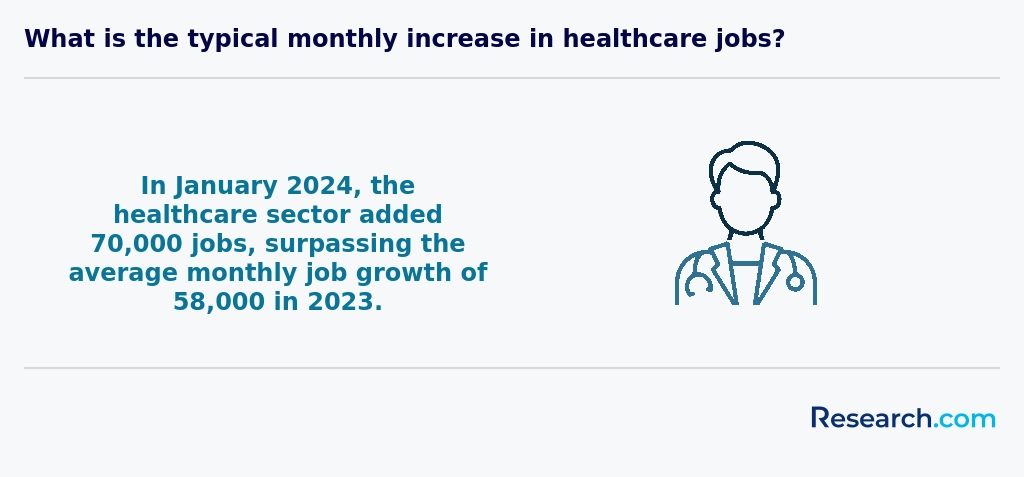
Healthcare degree graduates in Oregon have a wide array of career paths open to them, ranging from clinical roles to administrative positions. Many students find that their education not only provides the technical skills needed for patient care but also opens doors to diverse opportunities within the sector. For example, graduates can pursue jobs as clinical managers, health information specialists, or even roles in telemedicine-a rapidly growing field in today’s healthcare landscape. In addition, there is increasing demand for professionals who can bridge clinical expertise with technology, such as professionals pursuing online classes for medical billing and coding to enhance their technical and administrative skills. Moreover, career trajectories in Oregon often allow flexibility: many healthcare professionals start in entry-level positions and later specialize in areas like public health, healthcare administration, or medical research. This progression is supported by continuous professional development opportunities and industry certifications that keep graduates competitive. These roles not only offer competitive salaries but also contribute significantly to the community by improving patient outcomes and streamlining healthcare operations. Whether choosing a traditional hospital setting, a dynamic outpatient center, or innovative telehealth services, the career paths available to healthcare graduates in Oregon are both varied and rewarding.
What financial aid is available to healthcare degree students in Oregon?
If you're thinking about a healthcare degree in Oregon, there's good news: tons of financial aid options can really ease the money stress. Many healthcare students at places like Oregon Health & Science University find federal aid through FAFSA, unlocking Pell Grants that don't have to be paid back-these grants can chip away at those hefty tuition bills by a few thousand dollars each year.
Oregon residents also score state-specific help, like the Oregon Opportunity Grant, which awards up to $2,600 annually for students in healthcare programs. Graduates often share how these grants helped them stay focused without stressing too much about mounting bills.
- Federal Direct Loans with low interest and flexible payments
- Loan repayment programs from the Oregon Health Authority for nurses and primary care students
- Merit scholarships from OHSU and nursing groups, especially for those committed to working in underserved areas
- Work-study gigs at local hospitals tied to their schools
- Veteran benefits like the GI Bill accepted at many Oregon colleges
Plus, students often mention that payment plans and emergency aid from their schools saved the day when unexpected costs popped up. Checking in early with your school's financial aid office can open doors to even more options tailored exactly to healthcare students in Oregon.
Career Advancement and Advanced Degree Pathways
Graduates with a healthcare degree in Oregon often begin in entry-level roles but can significantly boost their career trajectory through advanced education and specialized certifications. Pursuing a master’s degree in healthcare administration, public health, or nursing leadership opens doors to managerial and policy-making positions. For instance, roles such as Clinical Program Director, Health Services Manager, and Healthcare Consultant typically require graduate-level credentials combined with professional experience. Continuing education through accredited programs also enhances licensure and certification prospects. Certifications like the Certified Healthcare Executive (CHE), Registered Health Information Administrator (RHIA), and Certified Professional in Healthcare Quality (CPHQ) validate expertise and can lead to salary increases of 10–20%. Employers in Oregon’s large hospital systems and outpatient centers highly value these credentials for improving operational efficiency and patient outcomes. For professionals balancing work and study, online master’s programs offer flexibility without compromising quality. To explore cost-effective options, consider the Low Cost Online Master's in Healthcare Degree Programs Ranking in New York, which highlights programs with strong outcomes and affordable tuition. Engaging in professional associations, such as the Oregon Association of Hospitals and Health Systems (OAHHS) and the American College of Healthcare Executives (ACHE), provides networking, mentoring, and leadership development opportunities. By strategically selecting advanced degree pathways and industry certifications, healthcare graduates in Oregon can transition from frontline roles to key leadership positions, driving innovation and policy in a rapidly evolving healthcare landscape.
What are the prerequisites for enrolling in healthcare degree program in Oregon?
If you're thinking about jumping into a healthcare degree in Oregon, the first step is usually having your high school diploma or GED in hand. That's the basic ticket to get started at colleges like OHSU or Portland Community College, where grads often say this was their stepping stone.
Next up, you'll want to have some college science courses under your belt - things like biology, chemistry, and anatomy. Many students find these classes at community colleges super helpful before moving on to nursing programs. It's kind of like building your healthcare toolkit before you start working with real patients.
Hands-on experience is another biggie. Whether it's volunteering at a local clinic or landing a part-time gig assisting patients, that early exposure really helps you understand what the job feels like day-to-day. Oregon graduates often mention how this made their classes click and boosted their confidence when things got intense.
Also, be ready for background checks and showing up-to-date immunizations, especially if you're eyeing clinical programs. It's all about making sure you're safe and ready to care for others without any hiccups.
Return on Investment: Evaluating the Value of Healthcare Degrees in Oregon
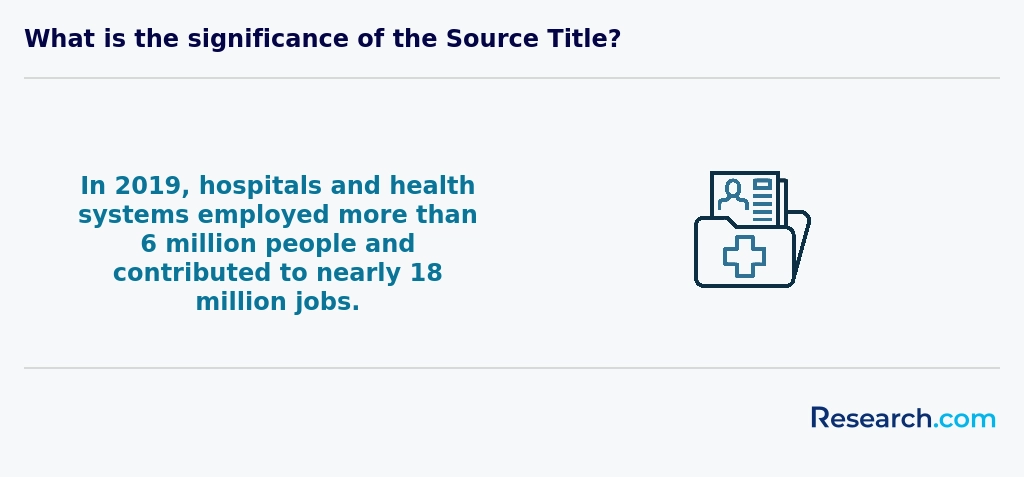
Prospective students often ask how long it takes to recoup tuition costs through post-graduation earnings. By comparing average program expenses with entry-level salaries, you can estimate a realistic payback period. For in-state public bachelor’s programs, the four-year tuition averages $52,483 per year, totaling roughly $210,000. Out-of-state students may invest up to $261,300. With a mean annual wage of $55,860 for Patient Care Technicians, in-state graduates can expect to break even in approximately 3.8 years, while out-of-state graduates may require closer to 4.7 years. Key factors that influence ROI include program length, internship stipends, and specialization choice. For instance, Health Information Technicians earn an average of $41,260 annually, extending the payback period by nearly six months compared to clinical roles. Conversely, specializations in fields such as nursing or clinical research often command higher starting salaries, shortening the break-even timeline. When evaluating programs, consider scholarship and grant opportunities that reduce upfront costs. The Oregon Opportunity Grant and Oregon Promise Grant can lower tuition by up to 50%, directly impacting your ROI. Additionally, some institutions partner with local hospitals to offer paid clinical placements, effectively offsetting living expenses during your final year. For students interested in allied health tracks, exploring a bachelors in kinesiology online can yield competitive salaries with flexible scheduling and accelerated completion options, further enhancing overall value. By analyzing average debt loads against regional salary data, you can make an informed decision that balances affordability with long-term earning potential.
What courses are typically in healthcare degree programs in Oregon?
If you're diving into a healthcare degree in Oregon, expect a mix of solid science classes like biology, chemistry, and anatomy right from the start. Many students at popular schools here, like Oregon Health & Science University or Portland State, often mention how these basics set the stage for everything else, giving them a clear picture of how the human body works.
Beyond that, classes get pretty interesting with subjects like medical terminology-helping you speak the healthcare language fluently-and healthcare ethics, which shows you the real-life decisions you'll face around patients' rights and legal stuff. A lot of grads say these courses helped them feel more confident during their hospital internships.
- Health informatics teaches you about using tech and data to improve patient care, which is huge now.
- Pharmacology basics show how medications work, handy if you're aiming for clinical roles.
- Plus, public health classes spotlight Oregon's unique community needs, making your studies truly local and relevant.
Hands-on clinical experience is a must-have too. Many grads recall how their internships at clinics around Portland or Salem turned textbook theories into real moments with patients-making everything click.
What types of specializations are available in healthcare degree programs in Oregon?
If you're thinking about healthcare degrees in Oregon, there are plenty of specializations to fit what you're looking for. Lots of students from popular schools like Oregon State University and Portland State University rave about their nursing tracks, whether it's becoming a Licensed Practical Nurse or diving into Nurse Practitioner roles. The hands-on experience they get in accelerated BSN programs really pumps up their confidence for the job market ahead.
Other grads love the public health route, especially with the strong focus on tackling real Oregon community challenges-rural and urban alike. Plus, health informatics is becoming a favorite since managing patient data with tech is such a big deal now.
For those more into managing things behind the scenes, healthcare administration programs prepare you for leadership roles in clinics and hospitals. And if you want a more specialized skill set, Allied Health Professions like physical therapy or dental hygiene are solid picks. You can even find online classes for medical billing and coding to get trained quickly. These options show how Oregon healthcare programs and concentrations really cover all the bases.
How do you choose the best healthcare degree in Oregon?
Picking the best healthcare degree in Oregon starts with figuring out what part of healthcare fires you up. Lots of grads from OHSU and Portland State say focusing on nursing was a game-changer because the job market there is booming, with an expected 18% growth. If you're thinking about affordability, community colleges offer some of the most affordable healthcare degree programs Oregon, which is perfect if you're balancing bills and studies. Just watch out for extra fees related to clinical placements.
Many students love programs that are flexible, especially those offering online or hybrid options - it makes juggling work and family way easier. Schools like Portland State often provide those, and some grads found that helped them stay on track without feeling overwhelmed. Don't forget to pick an accredited program; it's crucial for licensing and feeling confident you're getting quality education.
Also, you might want to check out the bachelors in kinesiology online if you want something a bit different with good local demand. Lastly, programs linked to Oregon's hospitals can open doors for internships and jobs - a total win for stepping right into your career.
What career paths are available for healthcare degree students in Oregon?
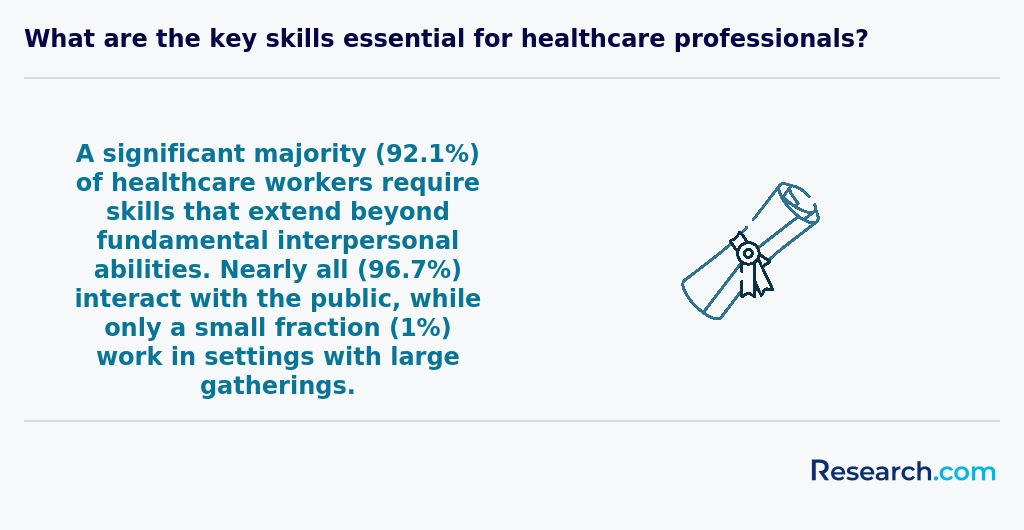
If you're thinking about a healthcare degree in Oregon, there are so many career paths waiting for you. A lot of graduates from popular schools like Oregon Health & Science University and Portland State find themselves becoming registered nurses, which is huge right now because the demand is growing fast. Imagine working in a hospital or community clinic where your skills directly impact lives-pretty rewarding, right? This is exactly why healthcare career opportunities in Oregon feel so promising.
Others dive into healthcare administration, managing operations in hospitals or insurance companies, which is perfect if you enjoy leadership roles. Graduates love sharing how they coordinate care behind the scenes and feel proud knowing their work keeps everything running smoothly. Plus, there are specialized roles like physician assistants or medical technologists, where median wages can be really attractive, often topping $120,000.
Many find joy in allied health fields such as respiratory therapy or health informatics, which have a solid future in Oregon due to current shortages. If affordability concerns you, check out this Low Cost Online Master's in Healthcare Degree Programs Ranking in New York - financial help is definitely out there to make pursuing your dreams easier.
What is the job market for healthcare degree in Oregon?
If you're thinking about a healthcare degree in Oregon, you're in luck because the job market here is pretty solid and growing fast. Graduates from popular schools like Oregon Health & Science University or Portland State tell stories about landing roles quickly, thanks to high demand for nurses, medical techs, and health administrators across the state. The aging population means employers are eager to hire, especially for registered nurses and practical nurses-roles that offer decent pay and plenty of openings.
With Oregon healthcare employment opportunities rising, it's easier to imagine jumping straight into work that feels meaningful and stable. Many grads get hired in hospitals or outpatient clinics right after finishing their programs, which usually cost about $11,000 per year for in-state students-a price many find manageable given the strong career prospects. For those looking to fast-track their education, checking out 1 year graduate programs is also a smart move.
Overall, the healthcare job outlook in Oregon looks bright, making it a great time to study and join the field.
Frequently Asked Questions About healthcare
Healthcare degree students in Oregon can maximize their learning by combining academic coursework with practical experience. Oregon is home to several accredited institutions offering health programs that include hands-on clinical training, which is essential for skill development. For example, students should seek internships or practicums in local hospitals or community health centers, as about 15% of Oregon's healthcare workforce is based in rural areas, demanding versatile skills.
Engaging with state organizations like the Oregon Health Authority can provide insights into regional healthcare challenges. Additionally, utilizing resources such as the Oregon Center for Nursing's workforce data helps students understand job market trends. Balancing formal education with real-world exposure prepares students for competitive healthcare roles within the state.
The healthcare field in Oregon is evolving with new specialized areas emerging rapidly. One of the fastest-growing niches is telehealth, driven by expanding access in rural communities and recent policy support. According to the Oregon Health Authority, telehealth visits increased by over 200% between 2019 and 2022.
Another important area is geriatric care, reflecting Oregon's aging population. The state expects a 28% increase in residents over 65 by 2030, boosting demand for healthcare professionals trained in elderly care.
Behavioral health and integrated care models also see growth, as Oregon invests in expanding mental health services. These niches offer promising opportunities for students pursuing healthcare degrees.
After completing a healthcare degree in Oregon, preparing for the job market involves several strategic steps. First, graduates should pursue relevant licensure or certification required by Oregon's healthcare regulations. For example, nurses must pass the NCLEX-RN exam to practice professionally. According to the Oregon Employment Department, healthcare roles are projected to grow by 16% from 2021 to 2031, indicating strong demand.
Networking through internships, healthcare job fairs, and professional organizations like the Oregon Medical Association can increase employment opportunities. Additionally, crafting a tailored resume that highlights clinical experience and relevant skills is crucial. Continuous education and staying updated with healthcare advances further improve a candidate's competitiveness in Oregon's dynamic healthcare sector.
Employers in Oregon prioritize a blend of technical knowledge and interpersonal abilities in healthcare degree graduates. Clinical competence, including proficiency in patient care and medical technology, remains fundamental. According to the Oregon Employment Department, skills in electronic health records (EHR) management are increasingly vital due to the state's growing adoption of digital systems.
Additionally, strong communication skills are essential. Healthcare professionals must effectively collaborate with multidisciplinary teams and communicate clearly with patients from diverse backgrounds.
Problem-solving and critical thinking are also highly valued, enabling providers to respond to complex health situations efficiently. Given Oregon's aging population, employers often seek graduates trained in geriatric care and public health awareness.
Finding internships in Oregon relevant to a healthcare degree involves several strategic steps. Start by exploring programs offered through accredited institutions such as Oregon Health & Science University and Portland Community College, which often have established partnerships with local healthcare facilities.
Utilize the Oregon Health Authority's resources, which include listings of healthcare providers and internship opportunities within the state. Additionally, consider reaching out to hospitals in Oregon like Oregon Health & Science University Hospital and Legacy Health, as they frequently offer clinical internships to healthcare students.
Networking through career fairs and professional associations like the Oregon Society of Health-System Pharmacists can also be valuable. According to the Bureau of Labor Statistics, Oregon expects healthcare employment to grow 15% from 2021 to 2031, increasing internship availability.
In Oregon, earning a healthcare degree significantly enhances career mobility and advancement within the state's growing medical sector. According to the Oregon Employment Department, healthcare occupations are projected to grow 15% from 2020 to 2030, much faster than average. This growth increases demand for professionals with formal education and clinical training.
A healthcare degree opens doors to various roles, from nursing to health administration, enabling graduates to move into specialized or leadership positions. Many employers in Oregon, including hospitals and clinics, prefer candidates with accredited degrees, which can also lead to higher salary potential and job stability.
Moreover, degree holders benefit from eligibility for professional licenses and certifications required by Oregon's regulatory boards, key factors in career advancement. Overall, formal education remains a critical asset for healthcare professionals seeking to grow their careers within Oregon's competitive healthcare landscape.
Studying for a healthcare degree in Oregon equips students with skills essential for interdisciplinary roles that require collaboration across multiple health professions. Oregon's programs emphasize teamwork, combining knowledge from nursing, public health, social work, and allied health fields to address diverse patient needs. According to the Oregon Health Authority, integrated care models are expanding statewide, creating demand for professionals skilled in cross-disciplinary communication and problem-solving.
Many Oregon colleges include practical experiences in real healthcare settings, fostering collaboration with medical providers, therapists, and community health workers. This exposure helps students understand how different roles contribute to patient outcomes. Additionally, accredited programs align with national healthcare competencies, ensuring graduates are ready for dynamic and evolving team-based care environments.
Choosing between a thesis and a non-thesis healthcare degree program in Oregon depends on your career goals and learning preferences. Thesis programs emphasize original research, ideal if you plan to pursue a PhD or work in research-intensive roles. Non-thesis options often focus on practical skills, suited for immediate entry into healthcare professions.
Oregon's healthcare job market grew by 9% from 2018 to 2028, according to the Oregon Employment Department, making skill relevance important. Programs at schools like Oregon Health & Science University offer both tracks.
Consider timeline and workload too: thesis programs can take longer due to research requirements, while non-thesis paths may be faster but less research-focused.
Students in Oregon interested in studying healthcare abroad have several paths to consider within the framework of US higher education. Many universities in Oregon, such as Oregon Health & Science University (OHSU), offer study abroad partnerships or exchange programs with healthcare institutions worldwide. These programs provide clinical and research experiences while allowing students to earn credits transferable to their Oregon degrees.
Another option is enrolling in accredited international healthcare programs recognized by US licensing bodies. This ensures that students can practice professionally after graduation. The Commission on Graduates of Foreign Nursing Schools (CGFNS) and the Educational Commission for Foreign Medical Graduates (ECFMG) maintain standards for credential evaluation.
For financial assistance, federal financial aid may apply to some study abroad programs linked with Oregon institutions, helping ease costs. Additionally, Oregon ranks in the top 20 states for healthcare employment growth, increasing demand for culturally competent professionals familiar with international healthcare systems (BLS.gov, 2023).
Students pursuing healthcare degrees in Oregon can benefit from various part-time job opportunities that complement their education while building relevant experience. Common roles include medical scribe positions, where students assist physicians by documenting patient encounters. This helps improve medical terminology skills and understanding of clinical workflows.
Other viable options include pharmacy technician assistant roles, which familiarize students with medication management and patient interaction. Oregon's healthcare sector is growing steadily, with the Oregon Employment Department projecting a 16% increase in healthcare-related jobs from 2022 to 2032.
Additionally, certified nursing assistant (CNA) jobs offer hands-on patient care experience, crucial for those planning to advance in nursing or allied health fields. Many healthcare facilities in Oregon actively seek part-time CNAs, providing flexible schedules for students.
Healthcare students in Oregon benefit from numerous networking opportunities that connect them to professionals and peers in the field. Many universities, including Oregon Health & Science University (OHSU), offer student organizations and professional groups focused on healthcare disciplines. These groups often host events, workshops, and career fairs that allow students to build relationships with local healthcare providers.
The Oregon Medical Association and the Oregon Nurses Association also provide membership options for students, offering access to conferences and mentorship programs.
Additionally, clinical placements in Oregon's major hospitals serve as critical networking platforms, letting students engage directly with frontline medical professionals and potential employers.
Alumni networks offer significant advantages to healthcare degree students in Oregon. These networks connect current students with graduates working in hospitals, clinics, and research centers across the state. This access can open doors to internships and job opportunities that are often not widely advertised.
Oregon's healthcare sector, which includes over 50,000 jobs according to the Oregon Employment Department, benefits from strong professional communities. Alumni can provide mentorship, helping students navigate licensing exams and professional certifications specific to healthcare.
Moreover, alumni often share insights about local industry trends and ongoing healthcare initiatives, which can be critical for career planning in Oregon's evolving health landscape.
Healthcare degree programs in Oregon offer multiple ways to customize your education to suit specific career goals. Many institutions provide a range of concentrations such as public health, nursing, health informatics, or healthcare administration.
Students can often select elective courses, clinical practicum placements, or research projects aligned with their interests. For example, Oregon's robust healthcare sector, employing over 190,000 people as of 2023 (Oregon Employment Department), supports diverse opportunities in urban and rural settings.
Additionally, some programs offer accelerated tracks or dual-degree options, allowing students to gain specialized skills faster. Choosing part-time or online formats can also accommodate working professionals aiming to balance study with career commitments.
Before enrolling, prospective students should consult academic advisors and review Oregon licensing requirements to ensure their education matches state regulations and market demands.
Healthcare students in Oregon face several common challenges during their education. One key issue is the high demand for clinical placements, which can delay hands-on training essential for degrees like nursing or medical assisting. According to the Oregon Center for Nursing, this bottleneck affects timely program completion.
Another challenge is managing rising tuition and fees, which researchers at the Oregon Higher Education Coordinating Commission note have increased by over 20% in the past decade. This financial pressure often forces students to seek part-time work, adding stress and reducing study time.
Additionally, time management is difficult as many healthcare students balance rigorous coursework with family or job responsibilities, further intensified by the state's rural geography that limits access to some educational resources.
With a healthcare degree in Oregon, graduates can pursue various professional certifications to enhance their careers. Common certifications include Certified Nursing Assistant (CNA), Registered Nurse (RN), and Licensed Practical Nurse (LPN), all essential for clinical roles. Oregon also supports credentials like Certified Medical Assistant (CMA) and Emergency Medical Technician (EMT) for those interested in allied health fields. According to the Oregon Employment Department, healthcare jobs requiring certification are expected to grow by 14% through 2030, reflecting strong demand.
Advanced certifications such as Certified Health Education Specialist (CHES) and Certified Pharmacy Technician (CPhT) are available for specialized paths. These credentials improve employability and often result in higher salaries statewide.
Writing a winning application for a healthcare program in Oregon requires clear demonstration of your commitment and qualifications. Start by researching the specific program's prerequisites and align your application to meet or exceed these requirements.
Strong academic records in science and healthcare-related courses are essential. Highlight relevant experience such as volunteering or work in healthcare settings. According to the Oregon Office of Health Policy and Research, healthcare occupations are expected to grow by 14% through 2030, so stressing awareness of industry trends can be beneficial.
Craft a compelling personal statement that explains your motivation for a healthcare career in Oregon, mentioning local healthcare challenges or community needs. Lastly, secure strong letters of recommendation from professionals familiar with your work ethic and passion.
The healthcare field is a vital sector globally, offering diverse career opportunities that reflect varied cultural, economic, and regulatory environments. In the United States, including Oregon, healthcare careers emphasize both clinical skills and patient-centered care, aligning with international trends to improve health outcomes worldwide.
Oregon's healthcare workforce mirrors this global demand, with the state projected to add over 25,000 healthcare jobs by 2030, according to the Oregon Employment Department. Careers in nursing, medical assisting, and health information technology are notably growing sectors both locally and worldwide.
Global health perspectives also highlight the importance of interdisciplinary skills, cultural competence, and continuing education. Many healthcare programs in Oregon incorporate these elements to prepare graduates for an interconnected world.
Students pursuing healthcare degrees in Oregon can gain practical experience through various clinical placements required by accredited programs. Many nursing, medical, and allied health programs partner with hospitals and clinics in Oregon, such as Oregon Health & Science University (OHSU), to provide hands-on training. According to the Oregon Health Authority, clinical rotations are essential for developing patient care skills in real-world settings.
Additionally, internships and externships are common, giving students exposure to healthcare environments while supervised by licensed professionals. Volunteer opportunities at local health centers also offer valuable experience. These practical components complement classroom learning and improve students' readiness for licensure and employment.
Choosing the right concentration within a healthcare degree program in Oregon involves evaluating your interests, career goals, and the local job market. Oregon's healthcare sector is growing, with a 16% projected job increase for healthcare practitioners from 2020 to 2030, according to the Oregon Employment Department.
Look for concentrations aligned with in-demand roles, such as nursing, health informatics, or public health. Consider programs accredited by recognized bodies like the Commission on Accreditation of Allied Health Education Programs (CAAHEP), ensuring quality education and better licensure prospects.
Additionally, research clinical placement opportunities offered by schools, as hands-on experience is vital. Connect with local industry professionals or advisors to understand Oregon-specific needs. This approach supports informed decisions linking education to sustainable career paths in Oregon's healthcare landscape.
Related Healthcare Rankings for Nearby States
- 2027 Most Affordable Online Healthcare Degree Programs Ranking in Idaho
- 2027 Most Affordable Online Healthcare Degree Programs Ranking in New Mexico
- 2027 Most Affordable Online Healthcare Degree Programs Ranking in South Dakota
- 2027 Most Affordable Online Healthcare Degree Programs Ranking in North Dakota
- 2027 Most Affordable Online Healthcare Degree Programs Ranking in Nebraska
- 2027 Most Affordable Online Healthcare Degree Programs Ranking in Texas
- 2027 Most Affordable Online Healthcare Degree Programs Ranking in Minnesota
- 2027 Most Affordable Online Healthcare Degree Programs Ranking in Missouri
- 2027 Most Affordable Online Healthcare Degree Programs Ranking in Wisconsin
- 2027 Most Affordable Online Healthcare Degree Programs Ranking in Illinois
Top Trending Healthcare Rankings
See What Experts Have To Say About Studying Healthcare
Read our interview with Healthcare experts

References
- Top 5 Part-Time Healthcare Jobs For Students https://www.sumnercollege.edu/blog/top-5-part-time-healthcare-jobs-for-students/
- Top 3 Reasons to Consider a Career in Healthcare - Roseman University https://www.roseman.edu/student-experience/news/top-3-reasons-to-consider-a-career-in-healthcare/
- How to Create a Healthcare Career Roadmap https://www.ihire.com/resourcecenter/jobseeker/pages/how-to-create-a-healthcare-career-roadmap
- Explore Healthcare Admin Degree Concentrations https://www.baypath.edu/news/bay-path-university-blogs/post/explore-healthcare-admin-degree-concentrations/
- 6 key healthcare challenges affecting students and how to address them - Wellfleet Student https://wellfleetstudent.com/engaging-empowering-student-members/6-key-healthcare-challenges-affecting-students-and-how-to-address-them/
- Health Professions https://www.clackamas.edu/academics/educational-focus-areas-group/health-professions
- 10 Skills Employers Are Looking for in Healthcare Management Jobs https://www.aiuniv.edu/blog/10-top-skills-for-healthcare-management-jobs
- Health Care https://www.ohsu.edu/health/financial-assistance
- 5 Concentrations for a Bachelor’s of Healthcare Administration - Healthcare Administration Degree Programs https://www.healthcare-administration-degree.net/lists/5-concentrations-for-a-bachelors-of-healthcare-administration/
- Best programs to become a health education specialist in Oregon https://clema.ai/oregon/occupations/health-education-specialists


