
2027 Best Online Master's in Healthcare Degree Programs Ranking in Boston, MA

Co-Founder and Chief Data Scientist
Choosing the right online master's program in healthcare can feel overwhelming, especially with so many options available in Boston. This article introduces the 2027 Best Online Master's in Healthcare Degree Programs Ranking in Boston, MA, thoughtfully created by the Research.com team of data scientists. It aims to guide you toward programs that truly stand out. Exploring these top-ranked programs can help you find a path that fits your goals and lifestyle.
Investing in a healthcare degree opens doors to rewarding careers that make a real difference. Reading this article may provide the clarity and confidence you need to take the next step in your education journey.
Key benefits of getting online healthcare degree in Boston
- Healthcare degree graduates can earn competitive salaries, such as Healthcare Consultants with a mean annual wage of $115,530 and Healthcare Compliance Managers earning around $80,190, offering strong financial rewards for your investment.
- Graduates from Boston University explore diverse career paths, including roles in consulting, compliance, and project management, providing many exciting opportunities to grow within the healthcare industry locally and beyond.
- Online healthcare degrees from institutions like Northeastern University offer flexibility and convenience, letting you balance studies with work or family while gaining the same respected credentials as traditional programs.
- 2027 Best Online Master's in Healthcare Degree Programs Ranking in Boston, MA
- What can I expect from online healthcare degree in Boston?
- Where can I work with online healthcare degree in Boston?
What can I expect from online healthcare degree in Boston?
The average cost of an online healthcare degree in Boston typically ranges from $20,000 to $50,000, depending on the institution and program length. Graduates from renowned schools like Northeastern University or Boston University often share how they valued the investment, especially when flexible payment options helped balance work and study life. One graduate vividly recalls juggling night shifts in a local hospital while progressing through an asynchronous online program, appreciating how the cost covered not just coursework but access to cutting-edge resources and faculty expertise.
Another student from a well-known Boston college highlights the feeling of connection to the city's vibrant healthcare scene, even from home. The tuition might initially feel steep, but the hands-on practicums and capstone projects linked with Boston hospitals add tangible value, turning knowledge into experience. These immersive opportunities often lead to thrilling job prospects in a city bustling with healthcare innovators, making every dollar spent a step closer to a rewarding career.
Where can I work with online healthcare degree in Boston?
With an online healthcare degree from Boston's top institutions like Northeastern University or Boston University, graduates find themselves stepping into dynamic roles across the city's vibrant healthcare scene. Imagine joining the bustling teams at Massachusetts General Hospital or Brigham and Women's Hospital, managing clinical operations or pioneering health informatics projects. The energy of these world-class hospitals fuels opportunities for growth and leadership.
Many grads speak of exciting challenges working in outpatient clinics or specialty centers, where they coordinate patient care and integrate cutting-edge technology learned during their studies. Others dive into the innovative biotech corridors of Kendall Square, supporting clinical trials or shaping healthcare policy-spaces where Boston's spirit of research and discovery truly shines.
Public health agencies also beckon, tapping into skills in program management or epidemiology to improve lives citywide. And the fast-growing telehealth startups offer a playground for creativity and systems improvement, perfect for those eager to lead healthcare into the future. Graduates often describe their journey as opening doors to careers that blend passion, impact, and Boston's unique energy.
Diving into an online healthcare degree in Boston can be an exciting adventure, especially when you see the rewarding salaries waiting at the finish line. Graduates from institutions like Northeastern University or Boston University have discovered career paths where a healthcare consultant role can bring in a mean annual wage of around $115,530. Imagine stepping into meetings, making strategic decisions, and knowing your expertise is valued so highly.
Healthcare compliance managers, another popular choice for many online degree holders, earn about $80,190 annually. Picture working in Boston's vibrant healthcare scene, ensuring hospitals and clinics follow crucial regulations, all while enjoying a steady paycheck.
These numbers aren't just abstract-they reflect real stories from graduates who balanced rigorous online coursework with daily life in Boston, later flourishing professionally. Combining Boston's robust healthcare network with an online degree opens doors to careers that not only offer financial security but also a fulfilling sense of impact.
- Online healthcare degrees in Boston include nursing, public health, healthcare administration, and health informatics programs offered by top institutions.
- Tuition for master's degrees ranges from about $25,000 to $45,000, with public universities generally costing less than private ones.
- Healthcare employment in Boston is expected to grow by over 15% in the next decade, driven by many hospitals and research centers.
- Starting salaries for entry-level healthcare managers and nurses average between $70,000 and $80,000 annually in Boston.
- Advanced professionals with specialized degrees can earn more than $100,000 within five to ten years of experience.
- Accreditation from agencies like CCNE or CEPH is essential for program quality and certification eligibility.
But what if you're working full-time, craving flexibility while chasing your goals? Part-time options stretch that adventure to about 3 or even 4 years, allowing you to master coursework without overwhelming your daily routine. Some graduates eagerly embraced this slower pace, thrilled by the chance to truly absorb material and engage with clinical practicum experiences arranged locally.
These programs aren't just about online lectures; they often include hands-on internships that weave real-world healthcare into your education. It's like exploring Boston's vibrant medical community firsthand while learning remotely. The path varies, but many discover their ideal rhythm somewhere in this dynamic range, finding a perfect balance between challenge and achievement.
- Full-time master's programs: 1.5 to 2 years
- Part-time programs: 2 to 4 years
- Clinical practicum inclusion may extend duration
Embarking on an online healthcare master's journey requires not only academic dedication but also strategic planning and proactive engagement with available resources. Start by setting clear goals and creating a structured schedule that accommodates both your studies and personal commitments. Utilize time management tools and designate specific study areas free from distractions to maintain focus and efficiency. Networking is also a key factor to success. Engage in online discussion groups, virtual study sessions, and connect with instructors who can provide tailored guidance. Many programs offer mentorship initiatives and career counseling services that can assist you in mapping out your career trajectory in healthcare. Additionally, take advantage of online platforms dedicated to affordable education options; for instance, explore the numerous opportunities available at affordable online healthcare schools in massachusetts to find programs that align with your financial goals. Finally, continually seek feedback and be open to refining your learning strategies. Regularly reviewing course materials, participating actively in assignments, and reflecting on constructive criticism will help you stay ahead in your academic and professional pursuits. By combining these practices with a commitment to your long-term goals, you can maximize the value of your online healthcare education and confidently enter the competitive healthcare industry.
Choosing between online and on-campus healthcare degrees in Boston feels like opening two doors to exciting yet distinct worlds. Online programs offer incredible flexibility-you can join lectures from your cozy apartment, fitting study sessions between work or family duties. Graduates from Boston universities cherish how this freedom helped them balance life's demands while still diving deep into healthcare theory.
Conversely, stepping onto a bustling campus like Northeastern or Boston University immerses you in a vibrant community. Imagine lively study groups, face-to-face chats with professors, and hands-on clinical lab sessions that make learning tangible and thrilling. Many students rave about the energy of being surrounded by peers equally passionate about healthcare, sparking friendships and lasting networks.
Both paths share rigorous curricula, but online learners often arrange local clinical rotations to gain essential in-person skills. For Boston's healthcare aspirants, this blend means you never miss out on practical training despite studying remotely, turning challenges into rewarding adventures.
Clinical practicum and a culminating capstone project translate online learning into real-world skills. Programs typically include:
- Placement coordination with Boston-area healthcare facilities, ensuring local access to labs, clinics, or hospitals
- A requirement of 100–200 supervised clinical hours, guided by experienced faculty mentors
- Capstone projects focusing on quality improvement, policy analysis, or technology integration, tailored to your specialization
- Ongoing support through virtual seminars, preceptor feedback, and peer discussion boards
- Opportunities to showcase outcomes at a final presentation, bolstering your professional portfolio and networking prospects
For budget-conscious students, consider the cheapest online health science degree, which offers streamlined site placement support and integrated capstone guidance.
Wondering about the average cost online healthcare degree Boston offers? On average, students pursuing online healthcare degrees in Boston face tuition costs that hover around $43,000, with in-state and out-of-state totals often reaching upwards of $67,500. Imagine a graduate from a well-known Boston university, navigating these costs with a sense of accomplishment, knowing their investment opens doors to dynamic healthcare careers in a vibrant city.
Many students find that programs at institutions like Boston University and Northeastern University offer a balance of rigorous academics and rich healthcare connections despite the substantial tuition fees. Graduates often share how these costs were worth the premium access to top-tier faculty and innovative technology platforms that helped turn their aspirations into reality. One can picture the excitement of managing coursework online while tapping into Boston's thriving healthcare network.
The total tuition fees online healthcare program Boston MA vary depending on the degree specifics and credit load, but flexible options like accelerated or hybrid programs can make the journey feel more manageable. For those eager to explore affordable paths, there are resources highlighting affordable online healthcare schools in massachusetts, helping students make informed choices without compromising quality.

Accreditation ensures that an online healthcare degree meets the rigorous standards set by industry bodies and qualifies graduates for licensure exams. Programs accredited by organizations such as the Commission on Accreditation of Healthcare Management Education (CAHME), the Commission on Collegiate Nursing Education (CCNE), or the Council on Education for Public Health (CEPH) signal to employers and certification boards that coursework adheres to best practices. Before enrolling, verify that your chosen program’s accreditation aligns with state licensure requirements and national certification exams. In addition to institutional accreditation, look for specialized certifications embedded within the curriculum-such as Certified Healthcare Financial Professional (CHFP) or Registered Health Information Administrator (RHIA)-that bolster your credentials and marketability. Graduates from accredited programs often report higher job placement rates and smoother transitions into roles requiring professional certification. Financial investment in accredited programs also affects return on investment (ROI). While accredited degrees may carry higher tuition, they typically translate into faster credentialing, access to competitive fellowships, and eligibility for advanced certifications. For insights into more budget-friendly yet accredited options, explore the Cheapest Online Healthcare Degree Programs Ranking in Waco, TX. Ultimately, choosing an accredited online master’s program not only safeguards educational quality but also ensures that your degree is recognized by employers, licensing boards, and professional associations nationwide.
Exploring financial aid options as an online healthcare student in Boston unlocks numerous possibilities to ease tuition worries. Graduates from universities like Northeastern and Boston University often share how completing the FAFSA opened doors to federal loans such as Direct Unsubsidized and PLUS loans, which offered manageable interest rates and flexible terms that fit their busy schedules.
For Massachusetts residents, local treasures like the MassGrant program can feel like a golden ticket-significantly cutting costs for eligible students enrolled in in-state institutions. Imagine receiving that unexpected scholarship from your college, awarded for your academic dedication or healthcare experience, which one Boston student described as a "boost of confidence" that transformed their educational journey.
Some grads recall how their employers in Boston's thriving healthcare scene helped fund their degrees through tuition reimbursement, turning dreams of advancing skills into vibrant realities. Plus, organizations like the American Association of Colleges of Nursing provide private scholarships that feel like a friendly hand guiding you forward in your career adventure.
Navigating an online healthcare program successfully requires proactive strategies, effective time management, and the use of available student resources. To start, establish a dedicated study space and maintain a flexible yet consistent schedule that accommodates both coursework and personal commitments. Engaging actively in online forums, group projects, and virtual seminars can enrich your learning experience and create valuable connections with peers and industry professionals. Many students find that leveraging resources like academic advising and mentorship programs not only enhances their comprehension of course materials but also provides practical insights into the evolving healthcare landscape. For those exploring additional specialized fields-such as pharmacy-it may be helpful to research institutions offering competitive programs; for example, check out cheapest pharmacy schools in california for affordable options. Lastly, regularly seek feedback from instructors and participate in career counseling sessions to ensure you are meeting your academic and professional goals while adapting smoothly to the online format.
Diving into an online healthcare degree in Boston means gearing up with key prerequisites that open doors to this vibrant academic scene. Graduates from well-known Boston institutions often recall how having a bachelor's degree in healthcare, biology, or a related field laid a crucial foundation-like unlocking the first level in their educational adventure. Those with other backgrounds sometimes embrace extra coursework to catch up, turning challenges into rewarding growth opportunities.
Many students share that navigating the sometimes optional GRE adds a dash of excitement or relief, depending on the program's policy. Hands-on healthcare experience is another common stepping stone-imagine spending a year or two immersed in the field before joining top Boston programs, enriching your application with real-world insights.
Technical readiness is the unsung hero here. With reliable internet and confidence using digital platforms, studying remotely from anywhere in Boston feels like embarking on a seamless journey toward success.
Finally, graduates remark how background checks and health screenings, especially for nursing-focused programs, become meaningful rites of passage, ensuring safe and responsible care even through an online lens.

Students often wonder about the real value of investing in an online healthcare degree. Evaluating the return on investment (ROI) means weighing tuition costs against long-term career benefits such as advanced earning potential, professional growth, and increased job security. Many graduates report that completing their programs not only broadened their clinical and administrative skills but also enhanced their financial outlook with competitive salaries and rapid career advancement. A key factor in maximizing ROI is selecting a program that aligns both with your professional aspirations and financial needs. For instance, exploring affordable online healthcare schools in massachusetts can help minimize upfront costs while offering quality instruction and robust career services that facilitate smooth transitions into the demanding healthcare industry. In addition, programs that actively integrate mentorship, networking opportunities, and real-world projects tend to boost graduates' confidence and improve their ability to navigate the complexities of healthcare management and technology. By focusing on both the academic rigor and the practical application of knowledge, these degrees not only secure a solid educational foundation but also provide a measurable return in the form of enhanced career trajectories and long-term financial stability.
Diving into an online healthcare degree in Boston means exploring a vibrant mix of courses that mirror the city's cutting-edge medical scene. Graduates from top Boston universities often describe their journey through core subjects like healthcare ethics and epidemiology as eye-opening, helping them understand real-world dilemmas and disease patterns vital to community health.
Courses such as Health Policy and Management take you behind the scenes of the U.S. healthcare system, unpacking Medicaid and Medicare frameworks that directly impact patient care in Boston's world-class hospitals. Meanwhile, Public Health Principles offer a hands-on feel for tackling local population health challenges, reflecting the city's strong public health focus.
- Biostatistics and Data Analysis sharpen your ability to interpret healthcare data, turning numbers into life-saving decisions.
- Healthcare Quality Improvement empowers you to boost patient outcomes, a skill Boston graduates rave about when working in fast-paced hospital environments.
- Health Informatics and Technology dive into telemedicine and electronic records, crucial for today's digital healthcare landscape.
Many students relish electives like gerontology or mental health that let them specialize, tapping into Boston's rich network of medical institutions and community needs. This dynamic curriculum feels alive and relevant, fueling a sense of adventure as you prepare to make a real difference in healthcare.
Online healthcare degree specializations in Boston invite a thrilling journey through diverse fields that mirror the city's vibrant medical landscape. Imagine diving into Health Informatics, where graduates from institutions like Northeastern University marvel at transforming raw data into life-saving insights, blending cutting-edge technology with patient care. Alternatively, some Boston online master's healthcare program options focus on Healthcare Administration, where learners embrace leadership roles in iconic hospitals such as Massachusetts General, mastering policy and management with real-world impact.
Public Health captivates many, as graduates recall crafting community health initiatives tied closely to Boston's public health organizations, sensing the excitement of making a tangible difference. Other paths include Nursing Leadership and Education, Health Policy and Management, and Mental Health Counseling-each offering fresh challenges and rewards.
Curious students often explore specialized areas like Clinical Research, leveraging Boston's world-class research institutions. For those budgeting carefully, it's wise to compare programs and even check out the cheapest pharmacy schools in California for broader affordability insights.
Choosing the best online healthcare degree in Boston means diving into a vibrant learning scene filled with reputable institutions offering diverse programs. Graduates from Boston's universities often appreciate how accreditation ensures their degrees carry weight in local hospitals and clinics, a crucial factor that shapes their confidence in career-building. Imagine juggling a demanding job while tapping into asynchronous courses that fit your lifestyle, something many learners here celebrate for the flexibility it brings. Boston's healthcare market is buzzing with growth, so programs that connect you with its network unlock surprising doors-students often find mentors or internships through these ties, fueling career momentum.
Looking for affordable options? Exploring affordable online healthcare master's degrees Boston-wide can feel like a thrilling treasure hunt where you balance price with quality. One savvy approach is to compare tuition rates while capitalizing on financial aid, or check out rankings like the Cheapest Online Healthcare Degree Programs Ranking in Waco, TX for perspective on value.
Hands-on curriculum and specializations-whether in nursing leadership or healthcare administration-make your study vibrant and applicable. Boston graduates often recall how internships and capstone projects helped them transform theory into impactful practice, cementing their passion and professional direction in healthcare's dynamic world.
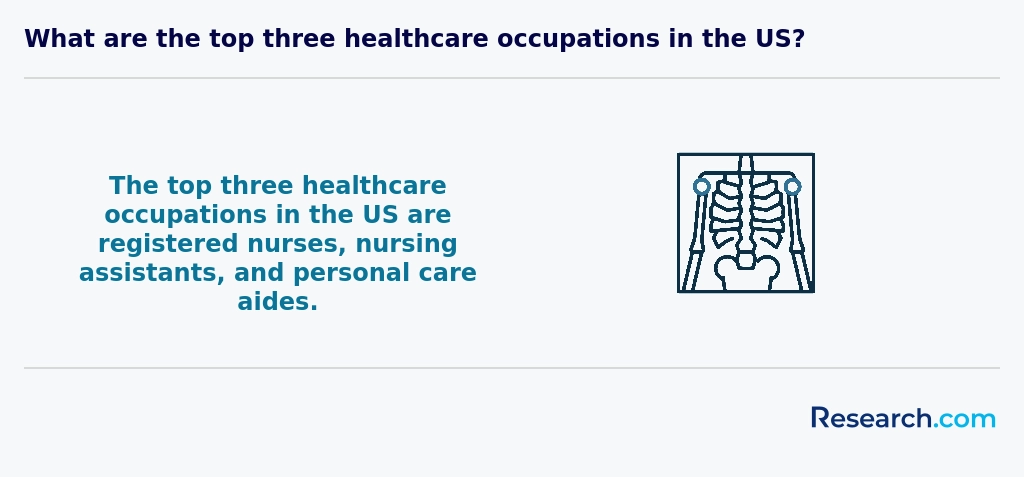
Graduates pursuing an online healthcare degree in Boston find a rich variety of career paths waiting for them. Imagine stepping into healthcare administration roles at renowned institutions like Massachusetts General Hospital, where managing complex systems and improving patient care fuel daily challenges. Nursing leadership also beckons, with opportunities to become nurse practitioners or clinical leaders, roles that many graduates from Boston's top colleges describe as deeply rewarding and impactful.
For those drawn to data and technology, health informatics offers a cutting-edge path. Working as clinical data analysts in Boston hospitals means diving into patient records and shaping future care with digital innovations. Public health roles open doors to community-focused work, influencing policy and urban health programs, often collaborating with government or nonprofits rooted in the city's landscape.
Excitingly, students exploring accelerated online associates business degree options often discover how healthcare career options Boston MA enrich their professional horizon, blending flexibility with booming job prospects.
The job market for online healthcare degree holders in Boston unlocks exciting possibilities for graduates eager to dive into a dynamic healthcare scene. Graduates from renowned institutions like Northeastern or Boston University often find themselves stepping into vibrant roles such as healthcare coordinators or clinical program managers within the city's elite hospitals and biotech firms. These online healthcare jobs in Boston harness the city's growing emphasis on healthcare innovation and flexibility, allowing professionals to balance study and career growth seamlessly.
Imagine working alongside experts at Massachusetts General Hospital, armed with skills gained through an online master's that bridges theory and real-world needs. The Boston healthcare degree employment outlook is bright, with healthcare administration and informatics roles expanding rapidly thanks to state initiatives and a booming research environment. Many graduates report feeling a sense of accomplishment as they transition into impactful positions without uprooting their lives.
For those exploring programs, affordable, flexible options encourage students to pursue advanced education while staying local. This balance is perfect for those curious about the top programs for seniors online, blending career advancement with personal rhythms in a city that rewards expertise and innovation.
2027 Best Online Master's in Healthcare Degree Programs Ranking in Boston, MA
Investing in your education is a significant decision that can shape your career, and the Research.com team recognizes the importance of making informed and confident choices. To help prospective students in Boston, MA, we have carefully developed the "2027 Best Online Master's in Healthcare Degree Programs Ranking." Our dedication to quality, credibility, and accuracy is evident in the rigorous research and analysis behind this ranking.
We utilized the following reputable data sources to ensure a thorough evaluation of healthcare master's programs:
By exploring this ranking, readers will gain valuable insights into the top online healthcare master's programs available in Boston, supporting well-informed educational decisions. For more information on how the ranking was created, please visit our Research.com methodology page.


# 5 position
UMassOnline
Master of Public Health Practice
Frequently Asked Questions About healthcare
Online healthcare degree students in Boston can maximize their learning by leveraging local healthcare resources and virtual networking opportunities. Boston hosts numerous world-renowned hospitals and research centers, such as Massachusetts General Hospital and Boston Children's Hospital, offering valuable online seminars and workshops. Engaging actively in these events enhances practical knowledge and professional connections.
Students should also utilize Boston's vast digital library systems, including those from leading universities like Harvard and Boston University, providing access to extensive healthcare journals and databases. Time management is crucial; dedicating consistent study periods and seeking virtual study groups promote better retention.
According to the Boston Public Health Commission, the healthcare sector employs over 10% of the city's workforce, emphasizing the importance of relevant, up-to-date education aligned with local health trends.
The healthcare field is evolving quickly, creating new opportunities for professionals with advanced education. Emerging niches include health informatics, telehealth administration, and precision medicine.
Health informatics focuses on managing healthcare data using technology. In Boston, the demand for informatics specialists is rising due to the city's strong biotech sector.
Telehealth administration has grown significantly, especially since the COVID-19 pandemic. Boston's healthcare providers increasingly rely on online platforms to reach patients, fueling job growth in this area.
Precision medicine, which tailors treatment to individual genetics, is another niche expanding rapidly with Boston's research hospitals leading advancements.
After completing an online healthcare degree in Boston, preparing for the job market involves several strategic steps. First, gaining relevant certifications such as Certified Healthcare Administrator or Registered Health Information Technician can increase employability in the region's competitive healthcare industry. According to the Massachusetts Executive Office of Labor and Workforce Development, Boston's healthcare sector is expected to grow by 10% over the next decade, emphasizing the need for skilled professionals.
Networking is crucial; joining local organizations like the Massachusetts Health Council or attending career fairs can connect graduates with employers. Additionally, gaining experience through internships or volunteering at Boston's numerous hospitals, including Massachusetts General Hospital, strengthens practical skills.
Finally, leveraging Boston-specific job portals and maintaining an updated LinkedIn profile focused on healthcare roles enhances visibility to recruiters.
Employers in Boston's healthcare sector prioritize a variety of skills when hiring graduates with online healthcare degrees. Strong clinical knowledge combined with critical thinking abilities is essential. According to the Massachusetts Department of Public Health, adaptability and problem-solving skills are increasingly valued, especially as healthcare systems evolve rapidly.
Communication skills rank highly, enabling graduates to collaborate effectively with multidisciplinary teams and communicate with diverse patient populations. Boston's growing focus on digital health also means technical proficiency with electronic health records and telemedicine tools is in demand.
Leadership and project management skills are important for career advancement, aligning with Boston's many healthcare organizations seeking professionals who can manage initiatives efficiently. Employers expect graduates to demonstrate cultural competence, reflecting the city's diverse communities.
Finding internships in Boston relevant to a healthcare degree involves leveraging local resources and partnerships. Boston is home to renowned healthcare institutions such as Massachusetts General Hospital and Boston Children's Hospital, which regularly offer internship programs. Prospective interns should check the websites of these hospitals and universities for application deadlines and requirements.
Connecting with online degree providers is also crucial, as many have established ties with local healthcare networks. Additionally, the Massachusetts Department of Public Health and the Boston Public Health Commission provide listings of healthcare internship opportunities.
Networking events and career fairs hosted by Boston-area colleges can offer valuable leads. According to the Boston Planning & Development Agency, healthcare remains a top employment sector, ensuring steady availability of internships.
An online healthcare degree can significantly enhance career mobility and advancement within Boston's competitive healthcare industry. The city hosts a large healthcare hub, with over 160,000 healthcare jobs as of 2023, according to the Massachusetts Executive Office of Labor and Workforce Development. Employers in Boston increasingly recognize online credentials from accredited institutions, especially when paired with relevant experience.
Such degrees often provide flexible access to advanced knowledge and skills applicable to roles in hospital administration, health informatics, and policy. Graduates report improved job prospects, with salary increases averaging 10-20%, per the U.S. Bureau of Labor Statistics. Additionally, online programs often align with Massachusetts licensing requirements, supporting professional certification and promotion opportunities within the region.
Studying for an online healthcare degree in Boston offers unique advantages for preparing students for interdisciplinary roles. Boston's healthcare ecosystem is robust, featuring world-renowned hospitals and research centers, which encourages collaboration across fields such as medicine, public health, and health administration.
Programs emphasize teamwork, combining coursework in healthcare policy, technology, and management to build versatile skill sets. According to the Massachusetts Department of Higher Education, many Boston institutions integrate practical case studies and virtual simulations encouraging problem-solving with diverse healthcare professionals.
This approach reflects Boston's growing demand for healthcare workers versed in multiple disciplines, driven by its position as a leading hub in biomedical innovation and healthcare delivery.
Choosing between a thesis and a non-thesis online healthcare degree program in Boston depends on your career goals and learning preferences. A thesis option involves conducting original research and writing a detailed document, which is ideal for students interested in clinical research or planning to pursue a PhD. Non-thesis programs usually focus on practical knowledge through coursework and capstone projects, fitting professionals aiming to advance in healthcare administration or policy without engaging in research.
According to Boston University and Northeastern University, programs offering theses often demand more time and critical thinking skills. Non-thesis options may allow faster completion and greater flexibility for working students.
Students based in Boston seeking to study healthcare abroad have several pathways through online degree programs offered by US institutions partnered with international universities. These options allow learners to engage with global healthcare perspectives while remaining in the Boston area. Many programs emphasize telehealth and global health policy, responding to the growing demand in Massachusetts, where healthcare accounts for nearly 15% of the state's employment sector, according to the Massachusetts Executive Office of Labor and Workforce Development.
Additionally, Boston's robust healthcare industry and academic environment support students pursuing joint online programs with international components, often integrating virtual internships or research projects abroad. Such experiences can enhance understanding of diverse healthcare systems without relocating.
Prospective students should consider accreditation and transfer policies to ensure credits earned abroad align with US standards, especially in fields like nursing or public health, where licensing requirements are strict.
Boston's robust healthcare industry offers numerous part-time job opportunities that complement online healthcare degree studies. Positions such as medical scribe, patient care technician, and administrative assistant in hospitals or clinics provide practical experience alongside academic learning. According to the Massachusetts Executive Office of Labor and Workforce Development, healthcare support occupations in Boston grow faster than the state average, with a 12% projected increase over the next decade.
Engaging in roles within major hospital systems like Massachusetts General or Boston Medical Center allows students to understand healthcare operations intimately. These jobs improve skills in patient communication, medical terminology, and electronic health records management, directly enhancing degree coursework.
Boston's healthcare sector employs over 120,000 people, providing ample opportunities for students to balance education and work efficiently.
Online healthcare students in Boston benefit from varied networking opportunities despite studying remotely. Many local universities offer virtual events, workshops, and webinars that connect students with healthcare professionals in the region. For example, Boston's strong healthcare industry, anchored by institutions like Massachusetts General Hospital and Boston Children's Hospital, provides a rich environment for network building.
Professional organizations such as the Massachusetts Health Council and the Boston Public Health Commission often host events open to students. These platforms allow online learners to engage with experts, attend panel discussions, and access mentorship programs.
Additionally, LinkedIn groups and online forums focused on the Boston healthcare sector offer informal networking channels. These resources help students build contacts critical for internships and job placements after graduation.
Alumni networks offer significant advantages for online healthcare degree students in Boston. These networks connect students with graduates who have established careers in the region's robust healthcare sector, including world-renowned institutions like Massachusetts General Hospital and Boston Children's Hospital. Engagement with alumni can provide mentorship opportunities, guidance on job searches, and insights into local industry trends.
According to the Massachusetts Department of Public Health, Boston's healthcare employment grew by 5.8% over the past five years, highlighting increased demand for qualified professionals. Alumni networks help graduates tap into this expanding job market through referral and networking events.
Furthermore, strong alumni systems often facilitate continuing education and career development resources, increasing graduates' chances for advancement in Boston's competitive healthcare environment.
Customizing an online healthcare degree program in Boston allows students to align their education with specific career objectives. Many Boston institutions offer flexible curricula with concentration options such as health informatics, public health, or healthcare administration. This flexibility enables students to focus on areas matching industry demand in Massachusetts, where healthcare jobs grew by 6.3% from 2019 to 2023, according to the Massachusetts Executive Office of Labor and Workforce Development.
Students can also choose electives and participate in virtual internships or practicum experiences to gain practical skills. Some programs provide opportunities to work with Boston-area hospitals like Massachusetts General or Boston Children's, enhancing career readiness. Tailoring your degree helps maximize employability in Boston's competitive healthcare market.
Online healthcare students in Boston often face challenges balancing rigorous coursework with clinical requirements. Many programs require in-person clinical practice, which can be difficult to schedule alongside work or family commitments.
Technical issues also pose hurdles, as reliable internet and familiarity with digital platforms are essential. According to a 2023 survey by the Massachusetts Department of Higher Education, 22% of online students reported connectivity problems affecting their studies.
Additionally, some students experience limited networking opportunities compared to traditional on-campus programs, which may affect mentorship and career development in Boston's competitive healthcare field.
Finally, navigating financial aid and tuition costs remains a concern for many, with Boston's living expenses influencing overall affordability.
With an online healthcare degree, Boston students can pursue various professional certifications that enhance career prospects in the healthcare industry. Common certifications include the Certified Health Education Specialist (CHES), which focuses on health promotion and community wellness. For those interested in healthcare management, the Certified Professional in Healthcare Quality (CPHQ) is a valuable credential recognized nationwide, including in Massachusetts.
The Boston healthcare job market, known for its strength in research and clinical services, increasingly values certifications linked to healthcare informatics and administration. Certifications such as the Registered Health Information Administrator (RHIA) are attainable after degree completion.
According to the Massachusetts Executive Office of Labor and Workforce Development, healthcare occupations are projected to grow by 18% in Boston through 2030, increasing demand for certified professionals.
Crafting a winning application for an online healthcare program in Boston requires clear preparation and attention to detail. Start by thoroughly researching programs to ensure they align with your career goals and meet accreditation standards set by agencies like the Council on Education for Public Health (CEPH).
Highlight relevant experience, such as work or volunteer roles in Boston's healthcare sector, which is notably robust given the city's status as a medical hub with institutions like Massachusetts General Hospital and Boston Children's Hospital.
Strong letters of recommendation from professionals familiar with your healthcare background can enhance your application. Additionally, tailor your personal statement to emphasize your commitment to healthcare improvement in Boston's diverse communities, demonstrating understanding of local health challenges.
Meeting application deadlines and ensuring all documents, including transcripts and test scores when required, are submitted accurately will increase your chances of success.
The healthcare field is increasingly global, with professionals often collaborating across borders to improve patient outcomes. In the US, and cities like Boston, there is a growing emphasis on understanding international health issues, such as pandemics and chronic diseases that affect diverse populations.
Boston is home to renowned medical institutions like Massachusetts General Hospital and Harvard Medical School, which foster global partnerships and research. According to the Massachusetts Department of Public Health, the Boston area attracts a multicultural workforce, enhancing cross-cultural competence in healthcare careers.
Online healthcare degrees offered in Boston reflect this global outlook, incorporating international case studies and health policies to prepare graduates for worldwide challenges. This approach aligns with healthcare trends emphasizing global health equity and technology-driven solutions.
While pursuing an online healthcare degree in Boston, gaining practical experience is essential for career readiness. Many programs collaborate with local hospitals, clinics, and healthcare organizations to offer virtual internships or on-site clinical placements. For example, Boston Medical Center and Massachusetts General Hospital frequently partner with educational institutions for hands-on training.
Students can also participate in simulation labs offered by some universities, which replicate real-world healthcare scenarios remotely. Additionally, Boston's strong healthcare sector employs numerous part-time and volunteer opportunities suitable for working students.
The Massachusetts Department of Higher Education reports over 20,000 healthcare jobs in the Boston area, highlighting plentiful practical opportunities.
Choosing the right concentration within an online healthcare degree in Boston requires careful consideration of your career goals and local job market trends. Boston is a national hub for healthcare and biotechnology, with a 16% growth in healthcare jobs projected through 2030, according to the Massachusetts Executive Office of Labor and Workforce Development.
Popular concentrations include healthcare administration, informatics, and public health. Healthcare administration suits those aiming for leadership roles in Boston's numerous hospitals and healthcare systems. Informatics focuses on data management, a growing field given Boston's emphasis on digital health innovation.
Researching program accreditation and alignment with Massachusetts healthcare needs is essential. Peer-reviewed sources like the Bureau of Labor Statistics and local labor reports provide valuable insights into demand and salary trends across specialties in the region.
- 2027 Best Online Healthcare Degree Programs Ranking in Saratoga Springs, NY
- 2027 Best Online Healthcare Degree Programs Ranking in Dobbs Ferry, NY
- 2027 Best Online Master's in Healthcare Degree Programs Ranking in New York, NY
- 2027 Best Online Healthcare Degree Programs Ranking in South Orange, NJ
- 2027 Best Online Bachelor's in Healthcare Degree Programs Ranking in Utica, NY
- 2027 Best Online Bachelor's in Healthcare Degree Programs Ranking in Philadelphia, PA
- 2027 Best Online Healthcare Degree Programs Ranking in Rochester, NY
- 2027 Best Online Healthcare Degree Programs Ranking in Baltimore, MD
- 2027 Best Online Healthcare Degree Programs Ranking in Adelphi, MD
- 2027 Best Online Master's in Healthcare Degree Programs Ranking in Washington, DC
See What Experts Have To Say About Studying Healthcare
Read our interview with Healthcare experts

- The Value of Healthcare Organization Alumni Associations https://consultqd.clevelandclinic.org/the-value-of-healthcare-organization-alumni-associations
- Health Management Careers https://www.ache.org/Career-Resources/Start-Your-Career/Health-Management-Careers
- Online Health Science Degrees with Financial Aid https://www.edumed.org/online-schools/health-science-degrees/financial-aid/
- How Long Does It Take to Earn a Healthcare Administration Degree Online? https://campus.edu/blog/hash-campus/how-long-does-it-take-to-earn-a-healthcare-administration-degree-online
- EDUCARE – Medical Education and Training Courses https://www.bostonscientific.com/en-US/education.html
- Healthcare Degrees https://teach.com/online-ed/healthcare-degrees/
- How to Succeed in a Difficult Job Market After Graduation https://www.hospitalrecruiting.com/blog/6542/how-to-succeed-in-a-difficult-job-market-after-graduation/
- Alumni Reconnect - Poznan University of Medical Sciences https://pums.edu.pl/alumni-friends/alumni-reconnect/
- Client Challenge https://www.springerpflege.de/nursing-graduates-perceived-future-career-pathway-and-career-shi/50653658
- How to Leverage Your Degree to Make a Successful Shift to Healthcare - https://wecareonlineclasses.com/how-to-leverage-your-degree-to-make-a-successful-shift-to-healthcare/


