
2027 Best Healthcare Degree Programs Ranking in Iowa City

Co-Founder and Chief Data Scientist
Choosing the right healthcare degree program is an important step toward a rewarding career. This article introduces the 2027 Best Healthcare Degree Programs Ranking in Iowa City, created by the Research.com team of data scientists to help you make an informed choice.
By exploring this ranking, you'll discover quality programs that match your goals and interests. Pursuing a healthcare degree opens doors to meaningful work, stability, and growth in a caring field.
We're here to guide you toward opportunities that fit your aspirations and support your future success.
Key benefits of getting healthcare degree in Iowa City
- Healthcare degree graduates in Iowa City can expect competitive salaries, such as Medical Assistants earning around $43,350 annually and Patient Care Technicians making approximately $60,790 per year, offering financial stability and growth.
- Graduates from local colleges often pursue diverse careers, including roles like Health Information Technician or Clinical Research Coordinator, providing multiple pathways to meaningful and impactful healthcare work.
- Obtaining a healthcare degree online, as some Iowa City students do, offers flexible scheduling and the ability to balance work and study, making it easier to advance your career without interrupting your life.
- Key benefits of getting healthcare degree in Iowa City
- What can I expect from healthcare degree in Iowa City?
- Where can I work with healthcare degree in Iowa City?
- How much can I make with healthcare degree in Iowa City?
- 2027 Best Healthcare Degree Programs Ranking in Iowa City
- Key Findings
- How long does it take to complete healthcare degree in Iowa City?
- Student Life and Campus Support: A Key to Success in Healthcare Education
- What's the difference between online and on-campus healthcare degree?
- Additional Resources for Healthcare Education Success
- What is the average cost of healthcare degree in Iowa City?
- Affordable Online Healthcare Degree Options
- What financial aid is available to healthcare degree students in Iowa City?
- Accreditation and Licensure Outcomes
- What are the prerequisites for enrolling in healthcare degree program in Iowa City?
- Accreditation and Licensure Requirements
- What courses are typically in healthcare degree programs in Iowa City?
- What types of specializations are available in healthcare degree programs in Iowa City?
- How do you choose the best healthcare degree in Iowa City?
- What career paths are available for healthcare degree students in Iowa City?
- What is the job market for healthcare degree in Iowa City?
- Top Trending Healthcare Rankings
- See What Experts Have To Say About Studying Healthcare
What can I expect from healthcare degree in Iowa City?
The average cost of pursuing a healthcare degree in Iowa City typically ranges between $25,000 and $45,000 per year, depending on the program and level of study at the University of Iowa. Graduates often recall balancing the investment against the rich clinical experiences offered by facilities like the University of Iowa Hospitals and Clinics, where hands-on training enhances their learning beyond textbooks. Many find this cost worthwhile, considering the College of Nursing's top-20 national ranking and the strong job prospects in the local healthcare sector.
Future students might envision a journey where tuition fees are supplemented by scholarships or assistantships tied to cutting-edge research centers like the Holden Comprehensive Cancer Center. This could ease financial pressure while immersing them in innovative medical environments. Moreover, the supportive licensing guidance available locally helps graduates feel confident transitioning into well-paid roles, making the overall financial commitment feel manageable and rewarding through concrete career outcomes.
Being immersed in Iowa City's vibrant healthcare community creates a realistic pathway where the costs are balanced by access to top-tier education, hands-on clinical learning, and promising employment prospects.
Where can I work with healthcare degree in Iowa City?
Graduates with healthcare degrees from universities in Iowa City often find themselves immersed in a vibrant local job market that continues to expand and evolve. Many begin their careers at the University of Iowa Hospitals and Clinics, where roles range from direct patient care to cutting-edge research. One graduate shared how working at UIHC allowed them to blend clinical skills with innovative healthcare technology, fueling both professional growth and personal satisfaction.
Others take rewarding paths in facilities like Mercy Iowa City or Johnson County Public Health, engaging in community wellness or healthcare administration. Graduates frequently describe the excitement of contributing to public health initiatives, especially as Iowa City's aging population creates growing demand for specialized care and disease prevention programs.
Looking ahead, emerging opportunities in outpatient care centers and research institutions promise even more varied career paths. As healthcare innovation accelerates around Iowa City's academic environments, graduates with healthcare degrees can expect to navigate roles that combine patient interaction with roles in policy, technology, and education, making every day meaningful and impactful.
How much can I make with healthcare degree in Iowa City?
Graduates with healthcare degrees in Iowa City can expect varied earning potential depending on their specialization and experience. For example, those entering roles like Medical Assistants or Clinical Research Coordinators typically earn around $43,350 annually, aligning with entry-level wages seen locally. Meanwhile, Patient Care Technicians report an average salary closer to $60,790, reflecting growing demand for hands-on healthcare support.
Health Information Technicians, often graduates from programs at institutions such as the University of Iowa, make approximately $43,380 per year, blending technical skills with healthcare knowledge. For those aiming higher, the salary outlook shines most brightly for Quality Improvement Coordinators, who can earn an impressive $103,150 annually, showcasing the value of advanced credentials and leadership potential.
Recent graduates often share how local internships and clinical placements in Iowa City hospitals boost their confidence and real-world skills, translating into competitive starting salaries. As healthcare continues evolving, graduates equipped with these in-demand skills can look forward to rewarding careers both financially and personally within this vibrant community.
2027 Best Healthcare Degree Programs Ranking in Iowa City
How do we rank schools?
Investing in your education is a significant decision that requires careful consideration, and the Research.com team recognizes the importance of providing trustworthy guidance. To support prospective students in Iowa City, we have rigorously developed the "2027 Best Healthcare Degree Programs Ranking in Iowa City." Our dedication to quality, credibility, and accuracy is demonstrated through thorough research and analysis.
We utilized the following reputable data sources to ensure a comprehensive evaluation of healthcare degree programs:
By exploring this ranking, readers will gain valuable insights into the top healthcare degree programs in Iowa City, enabling informed decisions about their educational futures. For more details on how this ranking was created, please visit our Research.com methodology page.

Key Findings
- The average total cost for a bachelor's healthcare degree in Iowa City is $25,000 to $35,000 for in-state students, with out-of-state costs reaching $40,000 or more.
- Graduate healthcare programs can have tuition exceeding $45,000 per year depending on the school.
- Entry-level salaries for healthcare graduates start around $55,000 to $65,000 annually, increasing to $75,000 to $90,000 with experience.
- Some specialties, like physician assistants and advanced practice registered nurses, earn over $100,000 per year.
- Iowa City's healthcare job market is growing, with employment projected to increase by about 15% over the next decade.
- Major employers like University of Iowa Hospitals and Clinics provide steady demand for healthcare workers in the area.
How long does it take to complete healthcare degree in Iowa City?
Completing a healthcare degree in Iowa City commonly takes about four years for bachelor's programs, such as those at the University of Iowa, where many graduates vividly recall the balance of rigorous coursework and rewarding clinical placements. These hands-on experiences not only solidify learning but also inspire confidence as students move closer to licensure.
Graduate programs, like the Master of Science in Nursing or Public Health degrees, usually require an additional two years post-bachelor's. Graduates often describe this time as transformative, blending advanced clinical skills with leadership training that prepares them for impactful roles in healthcare.
For those pursuing doctoral paths, such as a Doctor of Nursing Practice, the timeframe extends to three to six more years. Graduates highlight the demanding yet fulfilling journey of combining research and patient care, especially at Iowa City's top institutions.
Excitingly, accelerated BSN tracks enable motivated students to finish in as little as 12 to 18 months, opening doors faster for those eager to start their careers while maintaining high standards. These programs at Iowa City colleges foster a collaborative environment that many graduates describe as encouraging and supportive.
Student Life and Campus Support: A Key to Success in Healthcare Education
Prospective healthcare students in Iowa City, IA, should consider the rich campus experiences that extend beyond the classroom. Engaging with diverse student organizations, mentorship programs, and career services can enrich your academic journey and support your professional growth. Many institutions offer dedicated student support centers where you can explore internships, hands-on workshops, and network with alumni who provide real-world insights into the healthcare industry. Moreover, the vibrant campus life in Iowa City not only fosters academic collaboration but also emphasizes community engagement through health-related volunteer opportunities and research projects. For instance, students are encouraged to review our comprehensive guide on affordable healthcare programs in iowa to discover how these institutions provide a balanced mix of quality education and campus support services. Integrating robust student support with academic excellence ensures that you are well-equipped to transition smoothly into your healthcare career while building lasting connections in both local and national networks.
What's the difference between online and on-campus healthcare degree?
Online and on-campus healthcare degrees in Iowa City differ notably in how students engage with their education. Graduates from the University of Iowa's on-campus programs often reflect on the invaluable hands-on experience gained through direct access to university hospitals and simulation labs. This immersive setting fosters confidence in clinical skills and immediate feedback from instructors, creating a tightly-knit learning community.
Conversely, graduates of online programs praise the flexibility to balance studies with work or family obligations. While they manage their theoretical coursework virtually, they still complete clinical hours locally, which can feel both empowering and challenging as they arrange placements independently. This evolving model supports diverse learners and encourages self-discipline, though it may lack the spontaneous peer collaboration found on campus.
Looking ahead, Iowa City's healthcare education may increasingly blend these approaches. Imagine hybrid models where virtual classrooms combine with state-of-the-art local clinical experiences, maximizing convenience without sacrificing practical training. Such innovation could make healthcare degrees accessible to more students while preserving the warm, supportive culture local on-campus learners cherish.
Additional Resources for Healthcare Education Success
Choosing the right healthcare program is only one part of your educational journey-equipping yourself with the proper support and resources is equally crucial. Prospective students should explore a variety of guides, mentorship programs, and online resource centers to help navigate challenges both in the classroom and in clinical settings. Many institutions now offer comprehensive student support services that include tutoring, career counseling, and alumni mentorship programs, all designed to foster professional growth and academic success. In addition, flexible online options are becoming an increasingly popular way to enhance your skills while accommodating busy schedules. For instance, if you’re interested in expanding your expertise into specialized fields such as ultrasound technology, you may be curious whether traditional classroom settings are necessary. Discover more details on this flexible approach by visiting can i become an ultrasound tech online. By leveraging these resources, you can build a robust network, stay updated on industry trends, and learn essential strategies for managing both academic and personal demands. This proactive approach not only enriches your learning experience but also positions you for success in a competitive healthcare environment.
What is the average cost of healthcare degree in Iowa City?
The average healthcare degree cost Iowa City students face hovers around $11,283 for in-state tuition, positioning it as an accessible option compared to national rates. Graduates from institutions like the University of Iowa often reflect fondly on managing tuition alongside living expenses, noting that smaller tuition increases over time helped them plan financially without overwhelming debt. Out-of-state students pay significantly more, close to $47,241 in total, which emphasizes how residency status shapes educational investment.
Healthcare students report that beyond tuition, the cumulative expenses of lab fees, equipment, and clinical placement create a fuller financial picture. Yet, many find the hands-on experience rewarding and practical, often recalling times in clinical rotations that sparked confidence and a deep sense of purpose. The rich clinical settings of Iowa City's universities foster these moments, making the investment feel tangible and worth the cost.
While Iowa City's healthcare degree tuition fees maintain competitive affordability, students often supplement their education with scholarships, grants, or assistantships, alleviating pressure. For future nursing or allied health students, exploring options like nurse practitioner degrees illinoisscholarships may provide additional financial support and opportunities to thrive.
Affordable Online Healthcare Degree Options
Cost-conscious students in Iowa City can significantly reduce educational expenses by exploring accredited online healthcare programs. Online degrees often feature lower per-credit tuition, no campus fees, and the flexibility to study from home, eliminating relocation and commuting costs. Many institutions also offer asynchronous classes, allowing you to balance work, family, and coursework without sacrificing quality or accreditation. When evaluating online healthcare programs, consider factors such as clinical practicum partnerships, technology requirements, and student support services. For example, some schools provide virtual simulation labs and telehealth practicums that mirror on-campus experiences. Additionally, look for programs with strong job placement rates and career services that assist with resume building and interview preparation. For those interested in health informatics and data management, an excellent option is the affordable bs in health information management. This program blends rigorous coursework in healthcare systems, data analytics, and privacy regulations with real-world practicums, all at a fraction of the cost of traditional on-campus degrees. Graduates leave prepared for roles such as Health Information Technician, Clinical Data Analyst, or Health Informatics Specialist. Ultimately, choosing an online program with transparent tuition structures and comprehensive support can lead to substantial savings while maintaining the same credentials and career opportunities as on-campus counterparts. Investigate accreditation status, peer reviews, and alumni outcomes to ensure you select the most cost-effective yet reputable pathway to your healthcare career.
What financial aid is available to healthcare degree students in Iowa City?
Healthcare students in Iowa City often find relief through a mix of federal aid, state programs, and local scholarships. Graduates from the University of Iowa's College of Public Health frequently share how Pell Grants and low-interest Federal Direct Student Loans helped reduce financial stress during their studies, allowing them to focus more on clinical practice and less on debt worries.
Looking ahead, state initiatives like the Iowa Tuition Grant and the Health Professional Loan Repayment Program are set to expand, rewarding students who commit to working in Iowa's healthcare sector after graduation. This creates a hopeful path for future professionals eager to stay local and make a community impact.
Many students from Iowa City also benefit from work-study opportunities and employer tuition reimbursement programs offered by institutions like University of Iowa Hospitals & Clinics. These programs not only ease tuition costs but provide real-world experience, making education feel more tangible and rewarding.
Private scholarships and grants remain crucial, with organizations actively updating resources through platforms like the Iowa City Education Foundation. This evolving financial landscape offers a promising future for healthcare students pursuing their dreams right here in Iowa City.
Accreditation and Licensure Outcomes
Accreditation and licensure outcomes are critical indicators of program quality and graduate readiness. In Iowa City, leading institutions like the University of Iowa’s Carver College of Medicine hold accreditation from bodies such as the Commission on Collegiate Nursing Education (CCNE) and the Accreditation Council for Business Schools and Programs (ACBSP) for healthcare administration tracks. Kirkwood Community College’s Health Information Technology program is accredited by the Commission on Accreditation for Health Informatics and Information Management Education (CAHIIM). These accreditations ensure that curricula meet rigorous industry standards and that graduates are eligible for professional certification exams. Licensure exam pass rates further demonstrate program effectiveness. For instance, the University of Iowa’s Bachelor of Science in Nursing (BSN) program boasts an NCLEX-RN first-time pass rate of 92%, well above the national average. Graduates of Iowa City’s Health Information Technician programs often achieve RHIA certification pass rates near 85%, reflecting strong preparation in medical coding, privacy regulations, and data management. Prospective students should verify each program’s published pass rates and accreditation status to safeguard eligibility for licensure and employment. Beyond undergraduate credentials, many professionals seek advanced degrees to enhance clinical or administrative careers. Prospective graduate students can explore cost-effective master’s pathways and compare tuition rates; for example, research into the Most Affordable Online Master’s in Healthcare Degree Programs Ranking in Colorado can offer insights into budget-friendly options that still deliver accredited, licensure‐aligned coursework.
What are the prerequisites for enrolling in healthcare degree program in Iowa City?
To enroll in a healthcare degree program in Iowa City, future students typically need a strong foundation in sciences such as biology, chemistry, and physics, along with math skills focused on algebra and statistics. Graduates from the University of Iowa often recall how mastering these subjects prepared them well for challenging coursework and clinical experiences. This academic groundwork isn't just a formality; it builds confidence in handling complex health concepts.
Many programs also value practical experience. Students frequently share how volunteering or internships in local clinics deepened their understanding and sparked passion for patient care. These hands-on opportunities, common at Iowa City colleges, make the learning process feel real and rewarding.
Increasingly, healthcare programs here are adapting to test-optional admissions, reflecting a broader shift towards evaluating commitment and potential beyond standardized scores. Still, a solid GPA and completion of high school or GED are essential.
Looking forward, expect prerequisites to emphasize adaptability, empathy, and real-world experience alongside academic skills, keeping Iowa City at the forefront of healthcare education.
Accreditation and Licensure Requirements
Accreditation and state licensure ensure your degree leads to a valid healthcare career in Iowa.
- Regional accreditation (HLC) plus programmatic accreditation (CCNE for nursing, CAAHEP for allied health) validate program quality.
- Graduates must pass licensure exams such as the NCLEX-RN for nurses or certification exams for allied roles.
- Iowa Board of Nursing requirements include a criminal background check, application fee, and proof of accredited coursework.
- Licenses renew biennially with mandatory continuing education credits in ethics, patient safety, and scope of practice.
- For flexible study options, explore an online nursing school program accredited by CCNE.
What courses are typically in healthcare degree programs in Iowa City?
Healthcare degree programs in Iowa City typically include courses like Human Anatomy and Physiology, offering students a detailed grasp of the body's structure that graduates often describe as foundational when caring for patients. Microbiology and Pathophysiology explore disease processes, helping students connect textbook knowledge with real clinical scenarios encountered during their internships at local hospitals.
Students at the University of Iowa frequently share how courses in Healthcare Ethics and Law challenge them to think critically about patient rights and professional responsibility, sparking meaningful classroom debates that deepen their understanding of complex ethical dilemmas. Pharmacology classes build confidence in managing medications, a skill graduates say is essential during clinical rotations.
Healthcare Management and Policy prepares students to navigate the ever-evolving healthcare landscape, while Introduction to Public Health encourages a forward-looking perspective on community health challenges. Many students appreciate Medical Terminology courses for equipping them with the language needed to communicate effectively in fast-paced clinical environments. These combined experiences make Iowa City's healthcare degrees both rigorous and deeply rewarding.
What types of specializations are available in healthcare degree programs in Iowa City?
Healthcare degree specializations in Iowa City are evolving rapidly, reflecting the dynamic needs of the local population and the healthcare industry at large. Popular tracks like Nursing-encompassing nurse practitioner, anesthetist, and educator roles-continue to attract many students at the University of Iowa, where graduates feel well-prepared to tackle challenges such as ICU nursing stress through hands-on clinical experiences and supportive faculty guidance.
Other sought-after specializations include Public Health and Health Promotion, where students engage with community health initiatives that address rural healthcare disparities and chronic disease management in Iowa's diverse population. These programs often emphasize practical skills, encouraging collaboration with local health departments to create impactful interventions, thus making the learning process relatable and fulfilling.
Students pursuing healthcare administration and management programs benefit from combining business acumen with healthcare system insights, positioning themselves for leadership roles in a growing field. The best healthcare programs Iowa City specialties also extend to emerging areas like Biomedical Sciences and Pharmaceutical Sciences, where innovation promises exciting future career paths for motivated graduates.
How do you choose the best healthcare degree in Iowa City?
Choosing the best healthcare degree in Iowa City means envisioning how your education fits into a rapidly evolving field. Graduates from the University of Iowa often share how the integration of hands-on clinical experiences at UI Hospitals and Clinics sparked their confidence and prepared them for real-world challenges. With Iowa City hosting some of the best healthcare degree programs in Iowa City, students are increasingly prioritizing programs that offer flexibility, such as part-time or online options, which allow them to balance work and study.
Future-focused students look closely at programs offering specialized tracks and practical skills, knowing Iowa's healthcare system values adaptability and innovation. Since affordability remains a concern, many explore scholarships and grants tailored for healthcare education in the area. For those eager to dive into advanced practice, reading detailed online nurse practitioner programs reviews provides valuable insights on how different paths may align with Iowa's workforce demands.
Understanding accreditation and local licensure requirements ensures your degree not only opens doors but equips you to serve Iowa's growing healthcare communities effectively. Graduates frequently reflect with pride on how their chosen programs shaped their ability to meet these dynamic needs.

What career paths are available for healthcare degree students in Iowa City?
Graduates with a healthcare degree in Iowa City find themselves at the crossroads of diverse career paths shaped by the city's dynamic medical landscape. Many step into nursing roles-from Registered Nurses (RNs) to Nurse Practitioners (NPs)-where demand continues to grow with promising salaries and opportunities for advancement. Those attending the University of Iowa Carver College of Medicine often pursue specialties like family or internal medicine, experiencing rewarding careers supported by access to cutting-edge research and clinical training.
Career paths for healthcare degree holders in Iowa City also include rehabilitation fields such as physical and occupational therapy, tapping into the needs of the region's aging population. Administrative and public health roles are increasingly prominent, offering graduates chances to impact healthcare policy and community wellness directly. Medical laboratory and diagnostic technician roles provide hands-on experiences that graduates enthusiastically describe as both challenging and fulfilling.
Students often share that Iowa City's supportive educational environment and nearby clinical settings foster strong job prospects for healthcare degree holders Iowa City. Some start their journey with lpn classes Minnesota to build foundational skills before advancing. These evolving career opportunities mirror the city's commitment to nurturing passionate professionals prepared for a future of healthcare innovation.
What is the job market for healthcare degree in Iowa City?
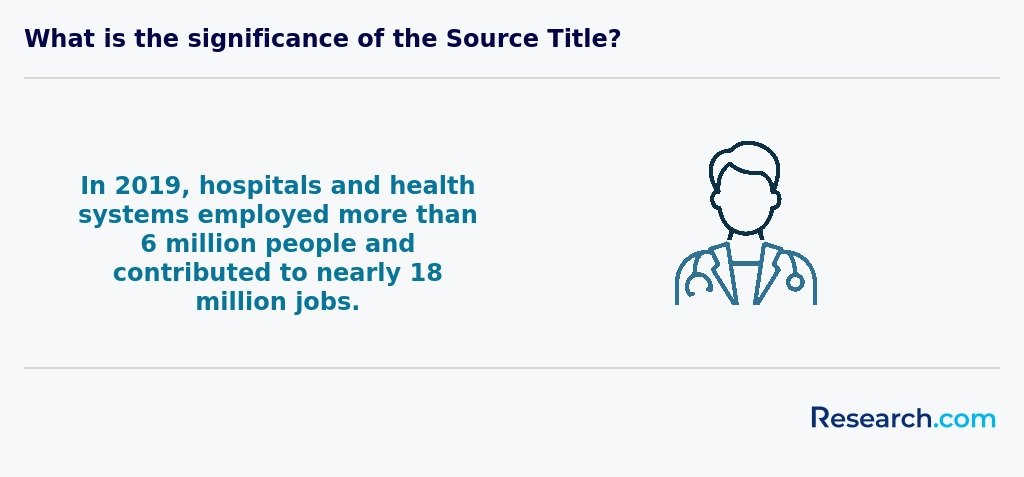
The job market for healthcare degree holders in Iowa City is notably strong, driven by the city's status as a regional healthcare hub and the influence of institutions like the University of Iowa Hospitals and Clinics. Graduates often find themselves entering a workforce with growing demand for roles such as registered nurses, physical therapists, and health services managers. Many graduates from local universities share stories of quickly securing positions with competitive salaries, often between $65,000 and $75,000 annually, making the return on investment for a healthcare degree tangible and encouraging.
Healthcare job opportunities in Iowa City continue to expand as demographic shifts fuel demand for healthcare services. Graduates appreciate the stable unemployment rates in Johnson County, creating an inviting environment for recent degree holders. Those considering healthcare degrees often explore specialties and programs at Iowa institutions that offer practical experience and networking advantages.
Students often weigh the costs, finding tuition manageable compared to the career prospects, especially when exploring affordable healthcare programs in iowa. This accessible education, combined with the strong local market, offers a hopeful outlook for future healthcare professionals in the region.
Frequently Asked Questions About healthcare
Healthcare degree students in Iowa City can maximize their learning by actively engaging in clinical experiences. The city is home to the University of Iowa Hospitals and Clinics, a top-ranked academic medical center where students can observe and participate in patient care. This hands-on experience complements classroom learning and builds vital skills.
Students should also take advantage of research opportunities. The University of Iowa receives over $350 million annually in research funding, much of it in health sciences, allowing students to work alongside expert faculty on cutting-edge projects.
Joining student organizations related to healthcare promotes networking and professional development. Iowa City's healthcare community is collaborative, providing many chances to learn from peers and mentors.
The healthcare field in Iowa City is rapidly evolving, with several emerging niches gaining attention among students and professionals. One promising area is telehealth, which expanded significantly during the COVID-19 pandemic and continues to grow due to demand for remote care services. The University of Iowa Hospitals & Clinics reports increased telemedicine consultations annually, reflecting this trend.
Another niche is healthcare data analytics. With healthcare systems generating vast amounts of data, professionals skilled in analyzing this information can improve patient outcomes and operational efficiency. Programs incorporating health informatics are becoming more popular in the region.
Additionally, mental health and geriatric care are critical growth sectors, driven by Iowa's aging population. These specialties offer rewarding career paths due to increasing community needs and supportive state initiatives.
To prepare for the job market after completing a healthcare degree in Iowa City, students should focus on gaining practical experience. Internships and clinical rotations in local hospitals such as University of Iowa Hospitals and Clinics provide valuable hands-on training. Networking is key; attending career fairs and joining professional organizations like the Iowa Healthcare Collaborative can connect graduates with employers.
Certifications relevant to specific fields, such as CPR or specialized nursing licenses, enhance employability. According to the Iowa Workforce Development, the healthcare sector in Iowa City is projected to grow by 10% through 2030, increasing demand for skilled professionals.
Developing strong communication and technical skills is essential to succeed in healthcare roles.
Employers in Iowa City highly value healthcare graduates who demonstrate strong clinical competence and effective communication skills. According to the Iowa Workforce Development, healthcare roles in the area require proficiency in patient care, data management, and teamwork.
Critical thinking and problem-solving abilities are essential, especially given the complexity of healthcare cases frequently seen in facilities like the University of Iowa Hospitals and Clinics. Additionally, cultural competence and empathy are increasingly important as the local patient population becomes more diverse.
Technology skills, including familiarity with electronic health records (EHR) systems, are also in demand, helping graduates to streamline patient documentation and coordination efficiently.
Finding internships in Iowa City relevant to healthcare degrees involves leveraging local resources and institutions. The University of Iowa Hospitals and Clinics, one of the largest healthcare providers in the state, offers numerous internship opportunities for students in nursing, medicine, and allied health fields.
Additionally, students should explore partnerships between Iowa City's healthcare institutions and educational programs, which often facilitate clinical experience placements.
Job boards and career services at universities provide regularly updated listings specific to healthcare internships. Networking with faculty and attending healthcare career fairs are also effective strategies.
According to the University of Iowa Health Care, over 10,000 students engage in clinical training annually in the region.
Obtaining a healthcare degree in Iowa City significantly enhances career mobility and advancement opportunities within the local medical community. The city is home to top medical institutions, including the University of Iowa Hospitals and Clinics, which employ a large number of healthcare professionals and prioritize degree credentials for promotions.
According to data from the Iowa Department of Public Health, healthcare occupations in Iowa City are expected to grow by 12% through 2030, outpacing many other sectors. This growth creates demand for qualified candidates holding degrees in nursing, health administration, and allied health fields.
Degree holders benefit from access to specialized training and professional networks, which are key to moving into supervisory or specialized clinical roles. Advanced credentials often translate into higher salaries and leadership roles within hospitals and outpatient care centers.
Studying for a healthcare degree in Iowa City offers robust preparation for interdisciplinary roles essential in today's evolving medical environment. The University of Iowa's health sciences programs emphasize collaboration across fields such as nursing, pharmacy, medicine, and public health. This integrated approach equips students with skills to communicate effectively with diverse healthcare teams, enhancing patient outcomes.
The city's recognition as a regional healthcare hub, hosting University of Iowa Hospitals and Clinics-one of the state's largest employers with over 7,500 staff-provides students access to real-world interdisciplinary settings. Research shows graduates from Iowa City's programs are well-prepared for teamwork in clinical, research, and community health contexts.
Choosing between a thesis and a non-thesis healthcare degree program in Iowa City depends largely on your career goals. Thesis programs emphasize research, making them ideal if you plan to pursue a doctorate or work in academic or clinical research. Non-thesis options typically focus more on practical skills and coursework for immediate workforce entry.
In Iowa City, home to the University of Iowa and its strong healthcare research facilities, thesis programs often offer students access to cutting-edge projects and faculty expertise. According to the Iowa Board of Regents, healthcare employment in the area grew by 8% from 2018 to 2023, increasing demand for hands-on skills.
Consider also your time and resources; thesis tracks usually require more time commitment due to the research component. Non-thesis tracks may allow faster completion for those aiming to advance quickly in healthcare settings.
Students in Iowa City interested in studying healthcare abroad have several pathways through partnerships and exchange programs affiliated with the University of Iowa, a leading institution in healthcare education. The university's Carver College of Medicine and College of Public Health offer international clinical experiences and research opportunities in partnership with institutions worldwide.
These programs allow students to gain hands-on experience in diverse healthcare systems, enhancing cultural competence and practical skills. For example, international electives and study-abroad rotations are available in countries such as the United Kingdom, Australia, and Canada, where students can earn academic credit.
According to recent data from the University of Iowa, approximately 10-15% of healthcare students participate in study abroad or international research annually. These experiences are valuable for those seeking careers with a global health focus, improving job prospects in a competitive healthcare environment.
Students pursuing healthcare degrees in Iowa City have access to several part-time job opportunities that provide valuable experience while supporting their studies. Positions such as medical assistants, patient care technicians, or pharmacy aides are common in local hospitals and clinics, including the University of Iowa Hospitals & Clinics, a major regional healthcare employer with over 7,000 staff members. These roles offer hands-on skills and exposure to healthcare environments.
Additionally, administrative support roles in healthcare facilities help students develop organizational and communication abilities relevant to healthcare management. Job openings can be found through university career services and local job boards.
Iowa City offers healthcare students a range of valuable networking opportunities. The presence of the University of Iowa Hospitals and Clinics, one of the largest academic medical centers in the region, provides students access to professional conferences and workshops. These events often feature healthcare leaders discussing innovations and career development.
Students can also join local chapters of national organizations such as the American Medical Student Association and the Iowa Student Nurses Association. These groups facilitate connections with peers and experienced professionals across multiple healthcare fields.
Additionally, Iowa City's numerous community health initiatives and partnerships with regional hospitals enable internships and clinical placements, which are crucial for building professional networks early in one's career, according to the Iowa City Area Development Group. Such opportunities enhance students' exposure to practical experience and industry contacts.
Alumni networks play a crucial role for healthcare degree students in Iowa City by offering vital professional connections. Graduates from institutions such as the University of Iowa often maintain active networks that help current students find internships and job opportunities in local hospitals and clinics.
These networks provide mentoring and career advice, which can be especially important in healthcare fields where hands-on experience and references improve employment chances. According to the Iowa Board of Nursing, many new healthcare professionals secure positions through alumni referrals.
Moreover, local alumni events facilitate collaboration and knowledge sharing, supporting students as they prepare for certifications and adapt to evolving medical practices common in Iowa City's healthcare system.
Students seeking healthcare degrees in Iowa City can tailor their programs through elective courses and specialized tracks offered by local universities. Many institutions provide options in nursing, public health, health administration, and clinical sciences, allowing learners to focus on areas that align with specific career goals.
Practical experience through internships and clinical rotations in Iowa City's robust healthcare sector, including the University of Iowa Hospitals and Clinics, enhances hands-on learning and job readiness. According to the Iowa Workforce Development, healthcare jobs in Johnson County are expected to grow by 12% through 2030, emphasizing the importance of relevant skills.
Additionally, interdisciplinary study opportunities enable students to combine healthcare with technology, management, or research, broadening career pathways.
Healthcare students in Iowa City commonly face multiple challenges related to academic rigor and clinical experiences. Programs such as those at the University of Iowa demand strong time management skills, as students balance coursework, lab work, and clinical rotations. The city's healthcare sector is competitive, requiring students to adapt quickly to diverse patient populations and complex medical conditions.
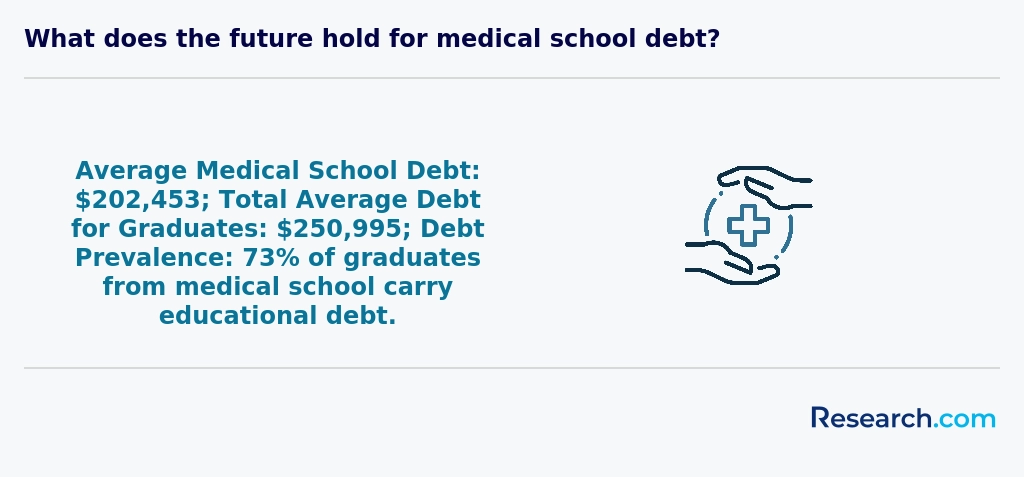
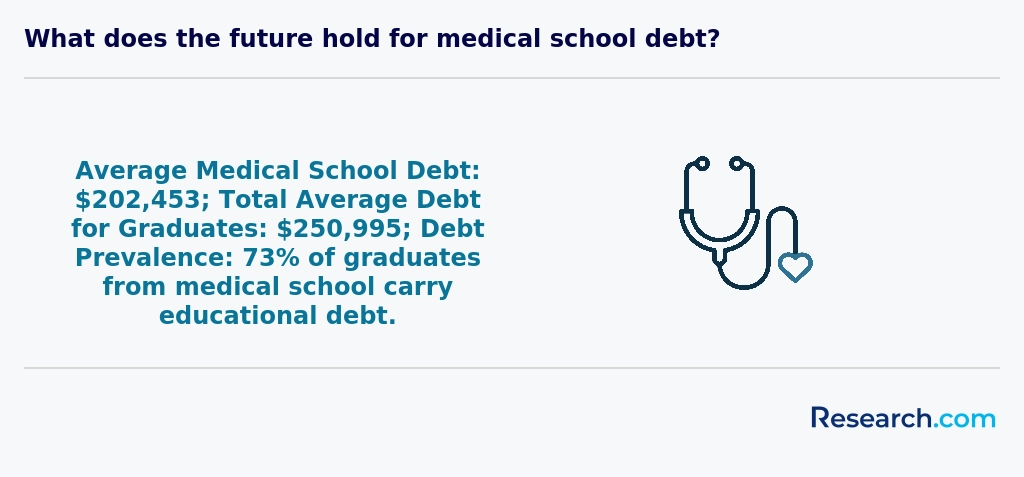
Financial strain is another concern. According to the Iowa College Student Aid Commission, healthcare students often accumulate significant debt due to the extended duration and intensity of their programs. Additionally, access to affordable housing near clinical sites can be limited, increasing living expenses.
Finally, mental health challenges, including stress and burnout, are prevalent. Support services in Iowa City are growing but may not fully meet the rising demand among healthcare students, highlighting the importance of self-care strategies and institutional support.
With a healthcare degree in Iowa City, you can pursue several professional certifications that enhance your career prospects. Common certifications include Certified Nursing Assistant (CNA), Licensed Practical Nurse (LPN), and Registered Nurse (RN) licenses, essential for clinical roles. For advanced specialties, certifications like Certified Medical Assistant (CMA), Emergency Medical Technician (EMT), and Physical Therapy Assistant (PTA) are available.
Additionally, graduates can aim for certifications in healthcare administration, such as Certified Healthcare Administrator (CHA). These credentials often require passing an exam and completing clinical hours.
Iowa City's healthcare industry benefits from institutions like the University of Iowa Hospitals, providing numerous opportunities to gain the experience needed for certification eligibility.
To write a winning application for a healthcare program in Iowa City, start with a strong personal statement. Highlight your genuine interest in healthcare and connect it to experiences relevant to the field. Admissions committees appreciate clear goals and understanding of the profession.
Ensure your academic records demonstrate solid performance, especially in science and math courses. Programs like those at the University of Iowa often expect competitive GPA and prerequisite completion.
Include any healthcare-related volunteering or work experience to show commitment. References from professionals within healthcare or academic mentors strengthen your application.
Lastly, carefully follow each program's specific application instructions and deadlines to avoid disqualification.
Healthcare careers in Iowa City are influenced by global trends emphasizing the importance of cultural competence and technological advancement. Professionals trained locally engage with a diverse patient population, reflecting global health challenges. According to the University of Iowa Hospitals and Clinics, one of the region's top employers, collaboration with international research institutions helps integrate innovative practices into local care.
Globally, healthcare education stresses interdisciplinary skills and adaptability, which aligns with programs offered by the University of Iowa's Carver College of Medicine. The World Health Organization highlights a growing demand for healthcare workers trained to manage chronic diseases and aging populations, trends also seen in Iowa City's community health data.
Understanding global health perspectives enriches a healthcare degree by preparing graduates for diverse environments and emerging health issues.
Gaining practical experience while studying for a healthcare degree in Iowa City is crucial for building skills and enhancing employability. Many programs at institutions like the University of Iowa Health Sciences offer clinical rotations, internships, and laboratory work as part of their curricula. These opportunities allow students to work directly with patients and healthcare professionals in hospitals such as University of Iowa Hospitals & Clinics, one of the largest academic medical centers in the state.
Students can also engage in research projects supported by local healthcare facilities, contributing to advancements in medicine. Volunteering and part-time jobs in healthcare settings are common ways to gain hands-on experience while completing coursework. According to the Iowa Department of Public Health, practical training significantly improves job readiness and professional confidence in healthcare roles.
Choosing the right concentration within a healthcare degree program in Iowa City involves evaluating your interests, career goals, and local healthcare needs. Iowa City is home to the University of Iowa Hospitals and Clinics, a major medical center that influences the region's demand for specialties like nursing, public health, and biomedical research.
Students should consider labor market trends in Iowa, where the Iowa Workforce Development reports steady growth in fields such as allied health professions and health informatics. Understanding these trends can help align your education with job opportunities.
Additionally, exploring program features like clinical placements, faculty expertise, and research opportunities at local institutions supports informed decision-making. Visiting campus resources or speaking with advisors can also clarify which concentration fits best.
Related Healthcare Rankings for Nearby Cities
- 2027 Best Healthcare Degree Programs Ranking in Columbia
- 2027 Best Healthcare Degree Programs Ranking in Saint Louis
- 2027 Best Healthcare Degree Programs Ranking in Omaha
- 2027 Best Healthcare Degree Programs Ranking in Minneapolis
- 2027 Best Healthcare Degree Programs Ranking in Springfield
- 2027 Best Healthcare Degree Programs Ranking in Cincinnati
- 2027 Best Healthcare Degree Programs Ranking in Toledo
- 2027 Best Healthcare Degree Programs Ranking in Memphis
- 2027 Best Healthcare Degree Programs Ranking in Nashville
- 2027 Best Healthcare Degree Programs Ranking in Columbus
Top Trending Healthcare Rankings
See What Experts Have To Say About Studying Healthcare
Read our interview with Healthcare experts

References
- Health Sciences https://educate.iowa.gov/higher-ed/cte/iowa-quality/programs-study/content-areas/health-sciences
- Global Health Perspectives https://globalhealthperspectives.com/
- The Healthcare Student’s Guide to Internships | EduMed.org https://www.edumed.org/resources/student-online-guide-to-internships/
- Global Health Perspectives https://www.denvercollegeofnursing.edu/students/global-health-perspectives.html
- Pre-Med Study Abroad Programs | Go Overseas https://www.gooverseas.com/study-abroad/pre-med
- Pursuing Your Career Goals: Strategies and Examples https://www.ultimatemedical.edu/blog/career-goals-importance-strategies-and-examples/
- Healthcare Administration Certifications https://www.publichealthdegrees.org/careers/healthcare-administrator/certification/
- Health Sciences Study Abroad Programs - Healthcare Abroad https://www.ceastudyabroad.com/academic-discipline/health-sciences
- Patient Care Certification Iowa City Iowa - NPS https://npscerts.com/patient-care-certification-iowa-city-iowa/
- Top 3 Reasons to Consider a Career in Healthcare - Roseman University https://www.roseman.edu/student-experience/news/top-3-reasons-to-consider-a-career-in-healthcare/


