2027 Best Online Bachelor's in Healthcare Degree Programs Ranking in the Northeast

Co-Founder and Chief Data Scientist
Choosing the right healthcare degree program can be challenging, especially with so many options available online in the Northeast. This article features the 2027 Best Online Bachelor's in Healthcare Degree Programs Ranking in the Northeast, created by Research.com's team of data scientists. It's designed to help you make an informed decision about which programs truly stand out.
By exploring this ranking, you'll discover quality programs that match your goals and lifestyle. Pursuing a healthcare degree opens doors to meaningful, rewarding careers that make a real difference. Let's help you take the next step confidently.
Key benefits of getting online healthcare degree in the Northeast
- Salary for healthcare degree graduates: Graduates can expect competitive wages, such as Medical Assistants earning around $43,350 annually and Quality Improvement Coordinators making up to $103,150 annually in the Northeast.
- Career paths: Healthcare degree holders from Northeast universities often find roles as Patient Care Technicians or Health Information Technicians, offering diverse opportunities in clinical and administrative settings.
- Benefits of online degrees: Earning a healthcare degree online from a respected Northeast institution allows flexible scheduling and often speeds up completion, making it easier to balance work and study compared to traditional programs.
- Key benefits of getting online healthcare degree in the Northeast
- What can I expect from online healthcare degree in the Northeast?
- Where can I work with online healthcare degree in the Northeast?
- How much can I make with online healthcare degree in the Northeast?
- 2027 Best Online Bachelor's in Healthcare Degree Programs Ranking in the Northeast
- Key Findings
- How long does it take to complete online healthcare degree in the Northeast?
- Clinical Placements & Practicum Requirements
- What's the difference between online and on-campus healthcare degree?
- Tips for Success in Online Healthcare Programs
- What is the average cost of online healthcare degree in the Northeast?
- Maximizing Your Online Healthcare Education Experience
- What financial aid is available to online healthcare degree students in the Northeast?
- Next Steps: How to Apply and Succeed in Your Online Healthcare Degree Program
- What are the prerequisites for enrolling in online healthcare degree program in the Northeast?
- Continuing Education: Pathways to Advanced Healthcare Degrees
- What courses are typically in online healthcare degree programs in the Northeast?
- What types of specializations are available in online healthcare degree programs in the Northeast?
- How do you choose the best online healthcare degree in the Northeast?
- What career paths are available for online healthcare degree students in the Northeast?
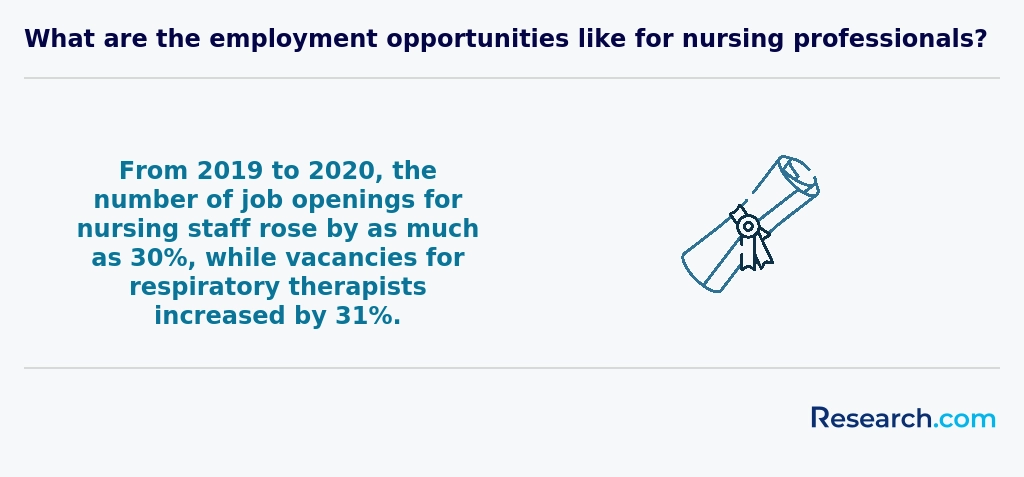
- What is the job market for online healthcare degree in the Northeast?
- Top Trending Healthcare Rankings
- See What Experts Have To Say About Studying Healthcare
What can I expect from online healthcare degree in the Northeast?
The average cost of an online healthcare degree in the Northeast varies but generally ranges from moderate to affordable, especially at public universities where in-state tuition often makes pursuing a degree financially feasible. Graduates from well-known Northeast institutions share how this balance allowed them to focus on learning without the heavy burden of excessive debt. For example, many find that public schools offer competitive tuition rates complemented by scholarships or employer tuition assistance, making quality education accessible.
Students studying nursing or healthcare administration online at prominent Northeast colleges appreciate how their investment aligns with strong regional job prospects, which helps them feel confident about their future. The ability to study flexibly while managing work and home adds to their sense of empowerment. Financial aid options tied to workforce shortages further ease costs, enabling learners to pursue degrees that open doors in hospitals and healthcare systems thriving across states like New York and Massachusetts.
Where can I work with online healthcare degree in the Northeast?
Graduates with an online healthcare degree in the Northeast find themselves stepping into vibrant career paths rich with opportunity. Many alumni from well-known institutions like Northeastern University and the University of Massachusetts have moved into rewarding roles within bustling hospitals and healthcare facilities, managing operations and improving patient care. Imagine working in a major New York City medical center, contributing daily to impactful decisions that enhance community health.
Others embrace dynamic positions in outpatient care centers or physician offices, where their skills in healthcare administration and patient coordination are vital. Graduates often share how their online degree prepared them to thrive in fast-paced environments, helping patients navigate complex healthcare systems with confidence and compassion.
Public health organizations and government agencies in the Northeast also regularly welcome these motivated professionals, fueling innovative health programs that touch lives across Massachusetts and Pennsylvania. The sense of purpose and fulfillment many graduates express comes from knowing their work shapes healthier futures for diverse populations throughout the region.
With strong ties to insurance companies and consulting firms focusing on emerging healthcare trends, online degree holders feel empowered to lead change and make a meaningful impact every day.
How much can I make with online healthcare degree in the Northeast?
Graduates from online healthcare programs in the Northeast can look forward to promising earnings that reflect the region's vibrant healthcare sector. For example, Medical Assistants often begin their careers earning around $43,350 annually, while Patient Care Technicians can expect about $60,790 per year, providing a solid foundation for those entering the field from institutions like Northeastern University or Rutgers.
Health Information Technicians, who play a critical role in managing healthcare data, earn roughly $43,380 annually, demonstrating the value of skills gained through programs at schools such as the University of Massachusetts. Meanwhile, graduates stepping into roles like Clinical Research Coordinators see similar starting wages near $43,350, highlighting diverse opportunities for online degree holders.
Those aiming higher can aspire to become Quality Improvement Coordinators, who typically earn impressive salaries near $103,150 annually. Many graduates from colleges known for their strong healthcare programs find themselves thriving in these leadership roles, fueled by the Northeast's robust hospital systems and innovative healthcare facilities.
The combination of competitive salaries and career growth in the Northeast makes earning an online healthcare degree an inspiring and rewarding investment in your future.
2027 Best Online Bachelor's in Healthcare Degree Programs Ranking in the Northeast
How do we rank schools?
Investing in your education is a significant decision that can shape your future, and the Research.com team fully recognizes the importance of providing reliable guidance. To support prospective students seeking healthcare degrees in the Northeast, we have carefully developed the "2027 Best Online Bachelor's in Healthcare Degree Programs Ranking in the Northeast." Our dedication to quality, credibility, and accuracy is demonstrated through rigorous research and detailed analysis.
We utilized the following reputable data sources to create this ranking:
By consulting this ranking, readers will gain valuable insights into the top online healthcare bachelor's programs in the Northeast, enabling them to make well-informed educational choices. For a deeper understanding of our process, please visit our Research.com methodology page.


# 7 position
Penn State University Park
Nursing, RN to BSN


# 10 position
University of Massachusetts Dartmouth
Bachelor of Medical Laboratory Science - Clinical


# 13 position
State University of New York Polytechnic Institute
Bachelor of Health Information Management




Key Findings
- Tuition for online healthcare bachelor's degrees in the Northeast ranges from $12,000 to over $40,000 annually, depending on whether the institution is public or private.
- Healthcare employment in states like New York, New Jersey, and Massachusetts is projected to grow by about 15% through 2030, higher than the national average.
- Starting salaries for graduates with an online healthcare degree typically range from $50,000 to $65,000, with experienced professionals earning over $90,000.
- Many programs require in-person clinical placements, though coursework can often be completed online, with universities helping secure local clinical sites.
- Accreditation from bodies like CCNE or CEPH is essential for certification eligibility and job prospects in the Northeast healthcare field.
How long does it take to complete online healthcare degree in the Northeast?
Earning an online healthcare degree in the Northeast typically takes about four years of full-time study, a timeline embraced by many students balancing busy lives. Graduates from well-known institutions in New York and Massachusetts often share how flexibility in their programs allowed them to manage both work and family commitments while steadily progressing toward their goals.
For those eager to accelerate their journey, many colleges offer exciting options to finish in as little as two to three years. These accelerated paths empower driven students to take extra credits or attend year-round classes, turning ambition into achievement at an inspiring pace.
Part-time learners frequently find joy in the ability to tailor their education over five to six years, integrating studies with their unique personal and professional lives. Transfer credits and recognition of past experience often lighten the load, helping students at Pennsylvania schools shorten their time to graduation.
This adaptable approach to earning a healthcare degree helps students across the Northeast confidently pursue their dreams on their own terms, transforming ambition into meaningful success.
Clinical Placements & Practicum Requirements
Clinical placements bridge online coursework with hands-on healthcare experience, ensuring you meet accreditation and licensure standards. Most programs require 120–200 supervised hours in settings such as hospitals, outpatient clinics or community health centers.
- Coordinate with your academic advisor to choose approved practicum sites.
- Complete state-mandated immunizations, background checks and health screenings before placement.
- Log clinical competencies and hours through a secure online portal, with regular feedback from on-site preceptors.
- Attend virtual debriefs or seminars to discuss case studies and reflect on practical skills.
To prepare for practicum success:
- Review your program’s placement policies and timelines early.
- Secure professional liability insurance if required.
- Communicate proactively with clinical coordinators about scheduling and site guidelines.
Practicum fees and lab costs can add up-explore support options like medical billing and coding financial aid to help manage expenses.
What's the difference between online and on-campus healthcare degree?
Choosing between online and on-campus healthcare degrees in the Northeast opens exciting possibilities tailored to your lifestyle and goals. Graduates from top institutions around Boston and New York City celebrate the flexibility of online programs, which allow them to balance work, family, and study through digital platforms. This option shines for busy professionals eager to advance their careers without relocating or commuting.
On-campus programs, popular at renowned colleges in Philadelphia and Boston, offer vibrant campus life and hands-on experiences in nearby hospitals. Many students find the face-to-face interaction and immediate feedback energizing, forging strong connections that support their journey into healthcare.
Costs also play a role: online learners appreciate savings on commuting and housing, while on-campus students value access to specialized labs and research facilities. Both paths provide accredited training and local clinical opportunities, enabling you to gain practical skills close to home in the Northeast's thriving healthcare community.
Tips for Success in Online Healthcare Programs
Embarking on an online healthcare degree can be both rewarding and challenging. To help you excel, consider establishing a structured schedule that fits your personal and professional commitments; set aside dedicated study periods and use digital calendars or task management apps to stay organized. Engaging actively in virtual discussions, seeking regular feedback from instructors, and participating in online study groups can enhance your learning experience and build a robust support network. Additionally, take full advantage of the innovative digital tools and resources offered by many online programs. These include interactive simulations, virtual labs, and recorded lectures that can provide flexibility without sacrificing quality education. For instance, exploring options from valuable healthcare schools in massachusetts can offer insights into best practices and advanced learning technologies that are shaping the future of healthcare education. Staying proactive in your learning approach-by setting achievable goals, tracking progress, and adapting to new challenges-will not only enhance your academic performance but also prepare you for the dynamic demands of a healthcare career. Remember, continuous self-assessment and adjustment are the keys to long-term success in the online learning environment.
What is the average cost of online healthcare degree in the Northeast?
The average cost of an online healthcare degree in the Northeast typically ranges around $48,960 for the total tuition, with in-state students paying closer to $36,580 and out-of-state students averaging about $43,772. Many graduates recall balancing these costs with the exceptional educational value and career opportunities that Northeast institutions provide, making the investment worthwhile. Public universities in states like New York and Massachusetts offer more affordable tuition, especially for residents, helping to manage the overall burden while delivering high-quality programs.
For students exploring their options, the total tuition fees for healthcare degree online Northeast reflect not only academic excellence but also the region's vibrant healthcare markets. Graduates often describe the pride they felt completing programs from well-known schools, where access to innovative technology and supportive faculty made online learning rewarding and engaging. These real-world experiences strengthen their credentials and boost confidence entering the workforce.
Financial aid options including scholarships, federal assistance, and employer tuition reimbursement programs can further ease the costs. Prospective students interested in affordable yet respected programs can also review rankings of valuable healthcare schools in Massachusetts to find programs that meet both their budget and career goals.
Understanding the average cost of online healthcare degrees Northeast helps students plan effectively, turning aspirations into achievable success stories in this dynamic field.

Maximizing Your Online Healthcare Education Experience
Students who enroll in online healthcare programs can further enrich their education by adopting deliberate strategies that blend disciplined study with effective resource utilization. One key approach is to develop a structured schedule that allocates specific time blocks to coursework, virtual discussions, and self-paced study, ensuring that the flexibility of online learning translates into steady progress. In addition, engaging actively with digital platforms-such as interactive simulations, discussion forums, and peer group projects-can enhance comprehension and build a supportive learning community. Many institutions also offer virtual tutoring sessions and career advising that help students navigate academic challenges and explore various career pathways in healthcare. Furthermore, prospective students looking to expand their educational opportunities may also consider exploring alternative online programs that combine affordability with quality education. For instance, applicants can review options at cheap pharmacy schools, which offer innovative ways to advance within the healthcare industry while managing costs. Embracing these strategies not only reinforces academic success but also prepares students for the evolving demands of the healthcare field by fostering resilience, adaptability, and practical expertise.
What financial aid is available to online healthcare degree students in the Northeast?
Online healthcare students in the Northeast can gain remarkable financial support through federal aid programs, making their educational dreams more achievable. Imagine a graduate from a prominent Boston university who accessed Pell Grants covering up to $7,395 yearly, easing tuition stress significantly. Federal loans, like Direct Subsidized and Unsubsidized Loans, offer flexible repayment and low-interest rates, giving students the confidence to invest in their future without overwhelming debt.
State-specific programs create even more opportunities. For instance, a nursing student attending a well-known New York college benefited from the Excelsior Scholarship, which covered full tuition at their public institution. Meanwhile, Pennsylvania residents pursuing healthcare found relief through the State Grant Program, supporting both public and private schools.
Northeastern universities deeply value their healthcare learners and extend scholarships based on merit and need. Graduates remember how these awards transformed their journeys, sometimes supplemented by partnerships with local healthcare employers offering tuition reimbursement, fueling motivation to succeed while balancing work and study.
Next Steps: How to Apply and Succeed in Your Online Healthcare Degree Program
For prospective students, understanding the application process and knowing what makes a competitive candidate is essential. Begin by thoroughly researching your program options and verifying that they are accredited and aligned with your career goals. Review the application requirements-such as transcripts, letters of recommendation, and, where applicable, prerequisite courses-and make sure to meet all deadlines. Enhance your application by gaining relevant experience, whether through internships, volunteer work, or online certifications that demonstrate your commitment and insight into the healthcare field. Additionally, leverage available resources like virtual webinars, admissions counseling, and informational sessions hosted by the institutions. For example, many schools offer one-on-one guidance sessions to help you navigate the often complex application procedures, and accessing these can give you a competitive edge. To gain further insights into institution reputations and program quality, consider exploring valuable healthcare schools in massachusetts. This can provide context on how various programs are ranked, helping you make an informed decision that aligns with your academic and professional aspirations. Finally, prepare a compelling personal statement that clearly outlines your passion for healthcare, how the online program fits your lifestyle, and your long-term career objectives. A well-crafted application not only showcases your qualifications but also reflects your dedication to becoming a competent healthcare professional.
What are the prerequisites for enrolling in online healthcare degree program in the Northeast?
Enrolling in an online healthcare degree in the Northeast is an exciting journey that begins with meeting clear and achievable prerequisites. Most programs at popular colleges in this region welcome students who have completed high school and earned a diploma or equivalent, creating a strong foundation for success. Graduates from well-known Northeastern universities often recall how solid preparation in biology, chemistry, and anatomy made complex topics more approachable and boosted their confidence.
Many programs encourage having completed coursework in mathematics like statistics or algebra, which sharpens analytical skills essential in healthcare careers. Some nursing and allied health degrees ask for hands-on experience through clinical observation hours-graduates describe how these real-world moments, gained at local healthcare settings, deepened their understanding and fueled their passion.
Reliable technology and basic digital skills are vital too, as seamless access to online platforms allows students to keep pace and engage fully with their studies. With these prerequisites met, students in the Northeast are empowered, knowing they are well-prepared to thrive and contribute meaningfully in healthcare fields.
Continuing Education: Pathways to Advanced Healthcare Degrees
Graduates of online bachelor’s in healthcare programs often seek to deepen their expertise by pursuing a master’s degree, unlocking leadership roles in clinical practice, health administration, and policy analysis. Whether you aim for a Master of Science in Nursing (MSN), a Master of Healthcare Administration (MHA), or a Master of Public Health (MPH), advanced credentials can significantly boost your earning potential and career trajectory. For those interested in cost-effective options, consider exploring the Affordable Online Master’s in Healthcare Degree Programs Ranking in Wisconsin, which highlights programs combining rigorous curricula with flexible schedules. When evaluating graduate-level programs, prioritize accreditation from bodies such as the Commission on Collegiate Nursing Education (CCNE) or the Commission on Accreditation of Healthcare Management Education (CAHME), and verify state-specific licensure requirements to ensure seamless practice eligibility. Many online master’s programs also integrate capstone projects, internships, or residency experiences that reinforce leadership, evidence-based practice, and data-driven decision-making. By aligning your advanced degree choice with industry demands-such as healthcare informatics, population health, or executive management-you’ll position yourself for roles that shape the future of patient care and health policy.
What courses are typically in online healthcare degree programs in the Northeast?
Online healthcare degrees in the Northeast offer vibrant and engaging courses that empower students to make a real difference. Graduates from universities like Boston University and the University of Pennsylvania often recall starting with foundational subjects such as anatomy, physiology, and microbiology. These classes provide an essential understanding of the human body, creating a solid base for any healthcare career.
Students embrace courses in healthcare ethics and law, which illuminate the compassionate side of medicine by focusing on patient rights and confidentiality. These lessons inspire many to approach their future roles with integrity and respect. Additionally, classes in healthcare management and informatics equip learners with the skills to navigate cutting-edge technology and leadership challenges in bustling Northeast healthcare systems.
Communication courses prepare students to confidently interact with diverse patients and collaborate with interdisciplinary teams-skills invaluable at institutions like New York University. Many find public health, nutrition, and epidemiology classes especially rewarding, as they connect knowledge with community wellness and timely health trends.
Hands-on clinical skills are practiced too, often through local placements arranged by schools, ensuring students feel prepared and confident stepping into their healthcare professions across the Northeast region.
What types of specializations are available in online healthcare degree programs in the Northeast?
Online healthcare degree specializations Northeast offer inspiring and diverse paths to transform your passion for care into impactful careers. Many graduates from popular colleges in the region celebrate how nursing programs empower them to serve patients with confidence-whether through a Bachelor of Science in Nursing or RN to BSN tracks. Others find themselves thriving in health informatics, mastering technology that improves patient records and telemedicine, a rapidly expanding sector in the Northeast's digital healthcare landscape.
Healthcare bachelor programs Northeast specialties also include administration, preparing students for leadership roles in busy hospitals and community clinics. Graduates often share how public health courses connect them directly with local initiatives, making a real difference in their communities. For those drawn to broader opportunities, health sciences programs offer rich concentrations like healthcare policy or rehabilitation sciences.
Students inspired by affordability often explore options like cheap pharmacy schools to balance cost and quality on their journey to excellence.
How do you choose the best online healthcare degree in the Northeast?
Choosing the best online healthcare degree in the Northeast is an exciting journey filled with opportunities for growth and success. Many graduates from well-known universities in this region share how their programs offered flexible, high-quality courses that fit their busy lifestyles while preparing them for real-world healthcare challenges. Look for programs with strong accreditation, like those recognized by CCNE or ACEND, ensuring that your education is respected and valuable in the job market.
Consider how the curriculum connects to current healthcare trends and technologies, alongside clinical placements available at nearby hospitals. These hands-on experiences make learning come alive and build confidence. Many students find encouragement knowing their degree aligns with high-demand careers, with the Northeast's healthcare employment growing steadily.
For those seeking affordable online healthcare degrees in Northeast institutions, public colleges often provide lower tuition with excellent resources. You can also explore financial aid and scholarships to ease your path. To learn more about cost-effective options, check out the Affordable Online Master's in Healthcare Degree Programs Ranking in Wisconsin.
Graduates often highlight the importance of faculty support and student services that make a difference during their studies, enhancing motivation and success. Choosing a program designed to prepare you for local licensure and certification requirements is key to opening doors in this vibrant healthcare community.
What career paths are available for online healthcare degree students in the Northeast?
A healthcare degree in the Northeast opens doors to exciting and impactful career paths, perfectly suited for those eager to contribute to a thriving healthcare landscape. Graduates from renowned institutions often pursue registered nursing, where the demand continues to soar, especially in bustling states like New York and Massachusetts. Many find joy in advancing patient care with a flexible online Bachelor of Science in Nursing program that fits their busy lives.
Others discover their passion in healthcare administration, managing hospitals or insurance firms as they improve vital services in fast-growing cities across the region. Graduates skilled in health informatics thrive by integrating technology and care, supporting innovations like telemedicine that enhance daily lives. For those inspired by wider community impact, careers in public health and health education provide meaningful ways to foster well-being.
These healthcare career opportunities Northeast region graduates experience showcase the power of online education combined with a commitment to service. Many successfully transform their futures by exploring diverse college majors within healthcare that ignite their ambition and enrich communities.
What is the job market for online healthcare degree in the Northeast?
The demand for online healthcare degrees in the Northeast is incredibly promising, with graduates frequently finding rewarding roles across bustling urban centers like Boston and New York City. Many healthcare students from well-known universities in the region describe their experiences as transformative, balancing flexible online study with real-world clinical internships. This dynamic approach allows them to confidently enter hospitals, outpatient care centers, and public health organizations, where the need for skilled professionals only continues to grow. The job outlook for healthcare degrees Northeast is bright, driven by strong regional demand and increased investments in healthcare workforce development. For example, graduates often secure positions with competitive salaries that reflect the Northeast's cost of living, making their efforts worthwhile. Those exploring options may also want to consider programs from trusted open admissions colleges, which help make education more accessible through online formats like open admissions colleges. This creates exciting, achievable pathways for many aspiring healthcare professionals.
Frequently Asked Questions About healthcare
Online healthcare degree students in the Northeast can maximize their learning by actively engaging with regional healthcare networks. Many schools partner with hospitals and clinics across states like New York, Massachusetts, and Pennsylvania, offering virtual internships and clinical experiences. According to the New England Board of Higher Education, 65% of healthcare students in the region participate in such practical training.
Utilizing local healthcare data and trends enhances coursework relevance. The Northeast faces unique challenges, such as aging populations and urban health disparities, which are often included in curricula. Additionally, building connections through online student groups and local professional associations strengthens networking and job prospects.
The healthcare field is rapidly evolving, and several emerging niches are gaining attention in the Northeast. One fast-growing area is healthcare informatics, which combines data analysis with patient care to improve outcomes. According to the Bureau of Labor Statistics, the demand for healthcare data analysts is expected to grow 36% by 2031 nationwide, with strong growth in Northeastern states due to tech investments.
Another promising niche is telehealth, especially after its surge during the COVID-19 pandemic. The Northeast has seen a 25% annual increase in telehealth usage, prompting programs to adapt curricula for virtual care competencies.
Additionally, gerontology nursing is expanding due to the aging population in states like New York and Massachusetts, where seniors represent over 15% of the population. This niche offers stable career prospects in online healthcare degrees.
Graduates with online healthcare degrees in the Northeast should begin preparing for the job market by gaining relevant experience. Internships and clinical placements, often available through partnerships with local hospitals and clinics, play a crucial role. According to the Bureau of Labor Statistics, the Northeast region has a growing demand for healthcare workers, with employment projected to grow faster than the national average through 2030.
Networking is another key step. Joining professional organizations like the Massachusetts Health & Hospital Association or the New York State Nurses Association can provide valuable contacts. Additionally, obtaining certifications recognized by employers in the region, such as CPR or specialized clinical credentials, can improve job prospects.
Finally, graduates should tailor resumes and cover letters to emphasize skills gained through their online program and practical experience, showing readiness for the evolving healthcare environment in the Northeast.
Employers in the Northeast seek healthcare graduates with a strong blend of technical and interpersonal skills. Critical thinking and clinical competency are essential, as 72% of healthcare jobs in this region require proficiency in evidence-based practice, according to the Bureau of Labor Statistics. Communication skills rank high, with many providers emphasizing teamwork and patient interaction abilities.
With the shift towards telehealth accelerated by the COVID-19 pandemic, familiarity with digital health technologies is increasingly valuable. Also, adaptability to fast-changing healthcare environments is crucial, reflecting trends reported by the Northeast Healthcare Workforce Initiative.
Understanding healthcare regulations and ethics is another key area employers prioritize, ensuring graduates can navigate complex legal frameworks in states like New York and Massachusetts.
Finding internships in the Northeast relevant to a healthcare degree involves leveraging both regional resources and institutional support. Many universities with online healthcare programs maintain partnerships with prominent medical centers across states like New York, Massachusetts, and Pennsylvania. These partnerships often provide internship opportunities tailored to healthcare students.
Additionally, students should explore healthcare facilities affiliated with organizations such as the New England Healthcare Institute, which regularly lists internships and entry-level positions. According to the U.S. Bureau of Labor Statistics, the Northeast hosts some of the highest employment levels in healthcare sectors nationally, improving internship availability.
Networking on platforms like LinkedIn and attending local healthcare job fairs can also help secure meaningful internships that complement academic study while complying with COVID-19 safety guidelines.
Online healthcare degrees offer significant advantages in career mobility and advancement, especially in the Northeast, a region known for its dense network of hospitals and healthcare systems. According to the U.S. Bureau of Labor Statistics, healthcare occupations are projected to grow 14% nationally from 2022 to 2032, with states like New York and Massachusetts fueling much of this demand.
Completing an accredited online program enables professionals to earn flexible credentials without relocating, which is crucial in the Northeast's competitive job market. Employers increasingly recognize online degrees from reputable institutions, valuing the combination of practical knowledge and convenience.
Graduates often leverage their degrees to move into specialized roles or leadership positions. Certifications acquired through these programs enhance eligibility for promotions and salary increases in major metropolitan areas such as Boston, Philadelphia, and Hartford, where healthcare pay averages exceed national medians.
Studying for a healthcare degree online in the Northeast prepares students for interdisciplinary roles by emphasizing collaboration across various health professions. Many programs in this region integrate courses in nursing, public health, health administration, and social services, reflecting the complexity of real-world healthcare environments.
Institutions often partner with local hospitals and health organizations, offering students virtual simulations and case studies that mimic team-based care. According to the Northeast Public Health Training Center, approximately 65% of healthcare jobs in this area require strong interdisciplinary communication skills.
Additionally, curricula frequently include training in healthcare technology and policy, equipping graduates to work effectively with diverse teams in clinical and administrative settings.
Choosing between a thesis and a non-thesis healthcare degree program in the Northeast depends largely on your career goals and learning preferences. Thesis programs emphasize research, requiring students to conduct original studies and defend their work. This path suits those considering advanced graduate study or research roles.
Non-thesis programs typically focus on practical skills, using coursework and internships to prepare students for immediate employment in healthcare settings. In the Northeast, where healthcare employment is projected to grow by 16% from 2020 to 2030 (Bureau of Labor Statistics), practical experience often aligns with regional job demands.
Consider your schedule and the level of self-motivation required, as thesis work demands significant time and discipline when studying online. Research programs at reputable institutions to identify which format best complements your ambitions in this expanding sector.
Students in the Northeast seeking healthcare degrees abroad through online programs have several options to consider. Many US institutions in this region, such as those in New York and Massachusetts, offer partnerships with international universities, enabling students to earn degrees with global recognition. For example, some programs include virtual clinical experiences and internships abroad, providing valuable cross-cultural skills.
According to the National Center for Education Statistics, online enrollment for healthcare-related degrees continues to rise steadily, with Northeastern states showing above-average participation.
Students should ensure programs are accredited by recognized bodies like the Commission on Accreditation of Allied Health Education Programs (CAAHEP) to maintain US licensure eligibility.
Part-time job opportunities that complement healthcare degree education in the Northeast are diverse and practical. Many students work as medical assistants or certified nursing assistants (CNAs), gaining hands-on clinical experience while supporting healthcare facilities. According to the U.S. Bureau of Labor Statistics, Massachusetts and New York have some of the highest employment levels for these roles in the region.
Other common positions include pharmacy technicians and healthcare administrative assistants, providing insight into patient care coordination and medication management. These jobs offer flexible shifts suitable for students balancing online coursework.
Volunteering in hospitals or community health centers also enhances professional skills and networking, which is valuable for future healthcare careers.
Online healthcare students in the Northeast benefit from several strong networking opportunities despite remote study formats. Many schools partner with prominent regional hospitals and healthcare organizations, offering virtual events, webinars, and local internship placements. Professional associations such as the Massachusetts Nurses Association and the New York State Nurses Association often provide discounted memberships to students, facilitating access to conferences and professional groups.
The Northeast is home to over 14,000 healthcare establishments, creating ample chances for connections within local industries. According to the Bureau of Labor Statistics (2023), healthcare employment in this region is projected to grow by 12%, further increasing demand for qualified professionals and networking platforms.
Additionally, students can join online student groups and alumni networks specific to their programs, gaining mentorship and career advice from experienced practitioners across states like New York, New Jersey, and Pennsylvania.
Alumni networks provide significant advantages for students pursuing online healthcare degrees in the Northeast. These networks offer access to experienced professionals who can offer mentorship, career advice, and industry insights. Given the strong healthcare industry in the region-including major hospitals and research institutions-connections through alumni can facilitate job placements and internships.
According to the New England Healthcare Institute, healthcare employment in this region is expected to grow by 16% through 2030, making networking crucial for career advancement. Alumni networks also provide continuing education opportunities and updates on industry trends, helping graduates stay competitive.
For students studying online, alumni groups bridge geographic gaps and foster a professional community that supports both personal and career growth.
Customizing an online healthcare degree in the Northeast helps students align their education with specific career goals. Many programs offer flexible elective options, allowing learners to focus on areas like public health, healthcare management, or clinical specialties.
Students can often choose internships and capstone projects tailored to regional healthcare challenges. For example, the Northeast faces unique needs in aging populations and urban health disparities, topics frequently emphasized in local coursework.
Additionally, some universities enable students to work with regional healthcare providers remotely, providing practical experience while supporting local systems.
Research from the New England Board of Higher Education highlights that 65% of online healthcare students in the region customize studies to boost employability in emerging fields.
Online healthcare students in the Northeast often face several challenges during their studies. Access to reliable internet can be a problem, especially in rural areas of states like Maine and Vermont, where broadband coverage remains lower compared to urban centers. According to the Federal Communications Commission, nearly 15% of Northeastern rural households lack high-speed internet, impacting online learning.
Another key challenge is securing clinical placements. Healthcare programs require hands-on experience, but local sites can be limited or highly competitive due to high population density and health regulations in the region. Students may need to travel far or adjust schedules to meet practical requirements.
Time management also proves difficult, particularly for working adults balancing jobs and family commitments. Online courses offer flexibility, yet the rigorous curriculum in healthcare demands consistent engagement and discipline, which not all students find easy to sustain.
With an online healthcare degree, graduates in the Northeast can pursue various professional certifications that enhance career opportunities. Common options include Certified Medical Assistant (CMA), Registered Health Information Technician (RHIT), and Certified Professional in Healthcare Quality (CPHQ). These credentials are highly valued by employers across states like New York, Massachusetts, and Pennsylvania, where healthcare employment is projected to grow by over 15% through 2030 according to the Bureau of Labor Statistics.
Other popular certifications include Emergency Medical Technician (EMT) and Licensed Practical Nurse (LPN), which often require additional state-specific licensing in the Northeast region.
For those focused on health administration, the Certified Healthcare Administrative Professional (cHAP) is a recognized option. Many Northeastern universities align their online healthcare programs to help students meet certification eligibility requirements.
Writing a winning application for an online healthcare program in the Northeast requires clear focus and preparation. Start by thoroughly researching accredited institutions in the region, as many employers value programs recognized by organizations like the Commission on Collegiate Nursing Education (CCNE) or the Accreditation Commission for Education in Nursing (ACEN).
Highlight your relevant healthcare experience, whether in volunteering or clinical settings, emphasizing any work related to Northeast healthcare initiatives. According to the New England Healthcare Institute, regional healthcare employment grew by 7% between 2018 and 2023, showing strong demand for qualified professionals.
Craft a compelling personal statement explaining your motivation, goals, and how the program aligns with career advancement in the Northeast healthcare market. Finally, secure strong recommendation letters from healthcare supervisors or educators familiar with your skills and dedication.
The global demand for healthcare professionals continues to grow, driven by aging populations and rising chronic diseases. In the United States, especially in the Northeast, this trend is reflected by a 15% projected job growth in healthcare occupations from 2021 to 2031, according to the U.S. Bureau of Labor Statistics.
Online healthcare degrees offer access to globally relevant skills, as healthcare systems worldwide face similar challenges. Many programs in the Northeast emphasize evidence-based practice and cultural competence to prepare students for diverse patient populations.
Graduates with an online degree from accredited Northeast institutions often meet licensing requirements that enable international career opportunities or work with global health organizations. This broad perspective makes healthcare a dynamic and evolving field for students everywhere.
Gaining practical experience in an online healthcare degree program in the Northeast involves a blend of clinical placements, internships, and local partnerships. Many accredited programs require students to complete hands-on clinical hours at nearby healthcare facilities, which can include hospitals, clinics, or community health centers. The Northeast, home to some of the nation's top medical centers like Massachusetts General Hospital and Johns Hopkins Bayview, offers diverse placement opportunities.
Students should consult their institution's career or clinical coordinators early to secure local sites that align with their study schedules. According to the U.S. Bureau of Labor Statistics, the demand for healthcare professionals in states like New York and Massachusetts is growing by over 15% through 2030, highlighting the importance of practical training in these regions.
Choosing the right concentration within an online healthcare degree in the Northeast involves understanding both your career goals and regional healthcare needs. The Northeast has a high demand for specialized roles such as healthcare administration, nursing leadership, and health informatics, according to the Bureau of Labor Statistics (2023).
Consider concentrations that align with growing job markets. For example, health informatics is expanding rapidly due to increased digital recordkeeping across hospitals in states like New York and Massachusetts. Nursing-related concentrations remain strong due to ongoing workforce shortages reported by the Massachusetts Department of Public Health.
Review program curricula to ensure they offer relevant clinical or administrative skills. Accreditation and partnership with local healthcare facilities can influence the quality of practical training. Lastly, reflect on your long-term aspirations to select a concentration that suits your professional development and fits the Northeast's evolving healthcare landscape.
Top Trending Healthcare Rankings
See What Experts Have To Say About Studying Healthcare
Read our interview with Healthcare experts

References
- Global Health Perspectives https://www.denvercollegeofnursing.edu/students/global-health-perspectives.html
- Healthcare Management https://ntcc.edu/academics/programs-study/health-sciences/healthcare-management
- Niche Markets in Healthcare: How to Find & Target https://nechayadvisors.com/blog/niche-markets-in-healthcare
- Science Prerequisites for Health Professions https://online.une.edu/science-prerequisites/
- Global Perspectives – Healthcare Beyond Borders https://www.cedars-sinai.org/international-stories/healthcare-beyond-borders.html
- Applying for Aid https://www.northeastcollege.edu/tuition-and-financial-aid/applying-for-aid
- Online Healthcare Degree Programs1 https://www.ultimatemedical.edu/campuses/online/
- Advancing Your Career in Healthcare: Tips and Strategies https://www.sunshinecarenetwork.com/blog/advancing-your-career-in-healthcare-tips-and-strategies
- How to Set and Achieve Career Goals in Health and Social Care | Royal Open College https://royalopencollege.org/blog/health-and-social-care/how-to-set-and-achieve-career-goals/
- Course Benefits https://www.premedprojects.co.uk/hospital-work-experience-benefits