
2027 Best Healthcare Degree Programs Ranking in Fullerton

Co-Founder and Chief Data Scientist
Choosing the right healthcare degree program in Fullerton can feel overwhelming. To make this easier, the article presents a 2027 Best Healthcare Degree Programs Ranking in Fullerton created by Research.com's team of data scientists.
This ranking helps you identify programs that stand out, so you can confidently explore your options. Pursuing a healthcare degree opens doors to a rewarding career focused on helping others and making a real difference.
Reading this article offers valuable insights, empowering you to take the next step toward a fulfilling future in healthcare.
Key benefits of getting healthcare degree in Fullerton
- Healthcare degree graduates in Fullerton can earn competitive salaries, such as Medical Assistants making around $43,350 annually and Quality Improvement Coordinators earning up to $103,150 per year.
- Graduates from Fullerton State often find diverse career paths in clinical roles, patient care, and healthcare coordination, opening doors to rewarding and stable jobs.
- Online healthcare degrees from local universities offer flexibility and convenience, allowing students to balance studies with work or family while still gaining hands-on experience.
- Key benefits of getting healthcare degree in Fullerton
- What can I expect from healthcare degree in Fullerton?
- Where can I work with healthcare degree in Fullerton?
- How much can I make with healthcare degree in Fullerton?
- 2027 Best Healthcare Degree Programs Ranking in Fullerton
- Key Findings
- How long does it take to complete healthcare degree in Fullerton?
- Student Life and Campus Community
- What's the difference between online and on-campus healthcare degree?
- Clinical and Internship Opportunities
- What is the average cost of healthcare degree in Fullerton?
- Return on Investment for Healthcare Degrees in Fullerton, CA
- What financial aid is available to healthcare degree students in Fullerton?
- Student Success Strategies in Healthcare Programs
- What are the prerequisites for enrolling in healthcare degree program in Fullerton?
- Licensing and Certification Requirements
- What courses are typically in healthcare degree programs in Fullerton?
- What types of specializations are available in healthcare degree programs in Fullerton?
- How do you choose the best healthcare degree in Fullerton?
- What career paths are available for healthcare degree students in Fullerton?
- What is the job market for healthcare degree in Fullerton?
- Top Trending Healthcare Rankings
- See What Experts Have To Say About Studying Healthcare
What can I expect from healthcare degree in Fullerton?
The average cost of a healthcare degree in Fullerton varies, but students at institutions like California State University, Fullerton (CSUF), often report tuition and fees around $7,000 to $9,000 per year for in-state residents. This affordability makes pursuing a healthcare path here feel like an exciting adventure rather than a financial burden. Graduates from CSUF often recall balancing their studies with clinical placements at nearby hospitals, finding the investment well worth the rich, hands-on experiences.
Out-of-state students may pay higher tuition, sometimes reaching $18,000 per year, yet many find scholarships and financial aid help ease the journey. These costs translate into access to dynamic coursework in anatomy, healthcare ethics, and public health along with invaluable internships at places like St. Jude Medical Center-offering a vivid glimpse into real-world healthcare.
Many students share how the combination of affordable education and immersive training in Fullerton sparks confidence and excitement about stepping into rewarding healthcare careers.
Where can I work with healthcare degree in Fullerton?
With a healthcare degree in Fullerton, the city practically becomes your playground for exciting career adventures. Graduates from institutions like California State University, Fullerton, often find themselves stepping into bustling hospitals such as St. Jude Medical Center, where they dive into roles like registered nurses or healthcare administrators, making a real impact every day.
Others discover their calling in outpatient care centers, joining therapy or counseling teams that provide vital support to patients. Imagine working in a specialty clinic, helping someone regain mobility or manage mental health challenges-these roles are growing rapidly!
Community health organizations in Fullerton also beckon graduates eager to improve public wellness through education and outreach programs. The satisfaction of seeing your efforts boost local health is truly rewarding.
Plus, healthcare administration offers dynamic opportunities behind the scenes-managing hospitals or insurance operations, ensuring everything runs smoothly. It's a path where your skills keep the whole system thriving.
And for those curious about academia or research, Fullerton's universities open doors to enriching projects blending education with healthcare innovation, creating a perfect mix of learning and discovery.
How much can I make with healthcare degree in Fullerton?
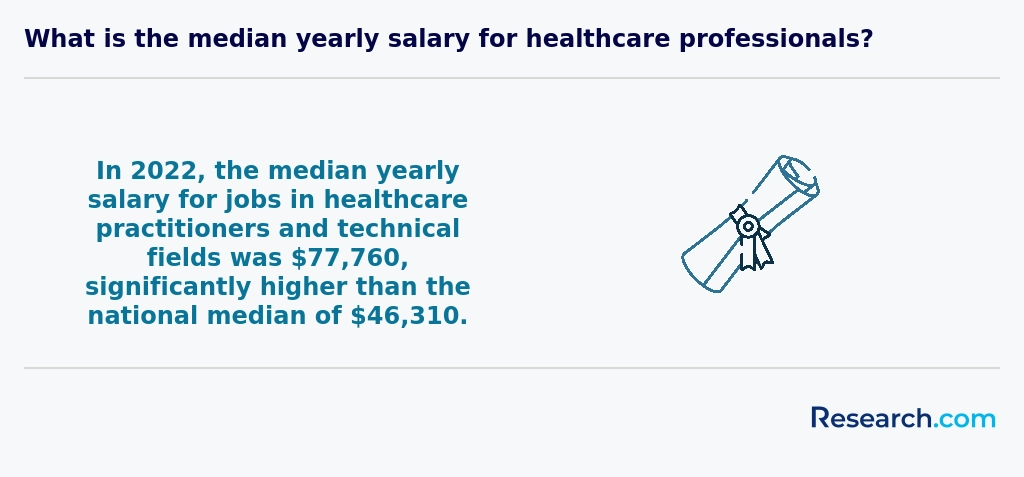
Graduates with healthcare degrees from colleges in Fullerton often find exciting salary opportunities that fuel their ambitions. For example, medical assistants typically earn a mean annual wage of about $43,350, a starting point that reflects the practical skills they've honed through hands-on training.
Some grads venture into roles like patient care technicians, where the mean annual wage rises to approximately $60,790, translating to nearly $30 an hour-enough to support a dynamic lifestyle while gaining invaluable clinical experience. Health information technicians, who manage crucial medical records, also earn around $43,380 yearly, providing a solid foundation for tech-savvy healthcare professionals.
Imagine a clinical research coordinator embarking on studies at a local university, earning a similar $43,350 annually while contributing to breakthroughs in medical science. For those aiming higher, quality improvement coordinators command impressive salaries near $103,150, a rewarding climb that matches their leadership and strategic skills.
These figures represent more than just paychecks; they tell stories of graduates embracing Fullerton's vibrant healthcare community, fueled by nearby medical centers and the city's growing demand for skilled professionals.
2027 Best Healthcare Degree Programs Ranking in Fullerton
How do we rank schools?
Investing in your education is a significant decision that can shape your future, and the Research.com team understands the importance of making informed choices. To assist prospective students in Fullerton, we have meticulously crafted the "2027 Best Healthcare Degree Programs Ranking in Fullerton." Our commitment to quality, credibility, and accuracy is reflected in the extensive research and analysis conducted to compile this ranking.
We utilized the following reputable data sources to ensure a comprehensive evaluation of healthcare programs:
By exploring this ranking, readers will gain valuable insights into the best healthcare degree programs available in Fullerton, empowering them to make well-informed decisions about their educational and career paths. For more details on our methodology, please visit our Research.com methodology page.

# 3 position
Marshall B Ketchum University
Master of Medical

Key Findings
- Healthcare degree costs in Fullerton range from $7,000 to $15,000 per year at public schools, with private colleges charging over $25,000 annually.
- Entry-level salaries for healthcare graduates are typically between $55,000 and $65,000 per year, with experienced professionals earning up to $100,000 or more.
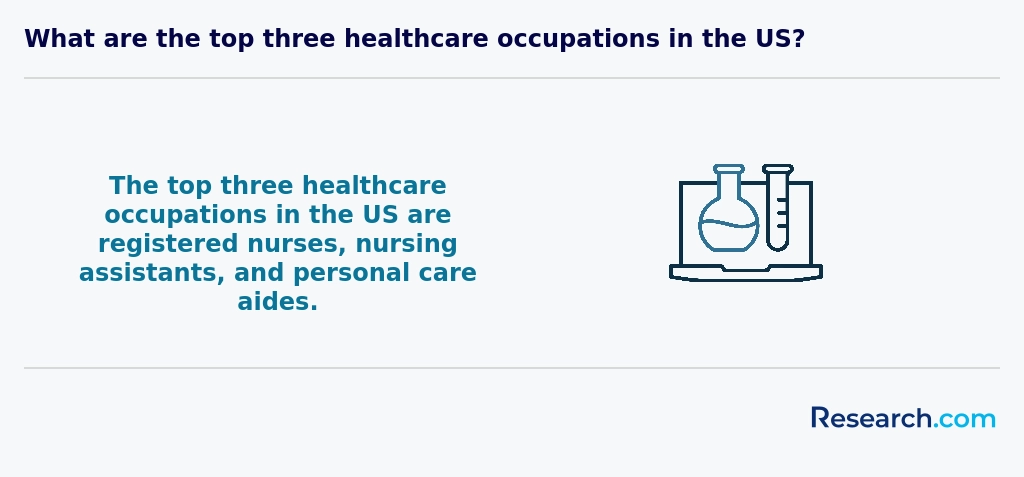
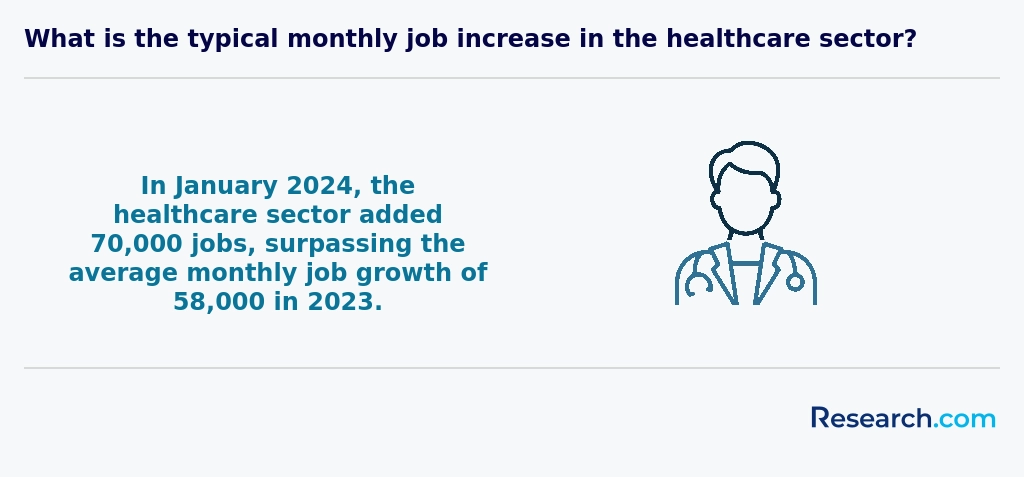
- Healthcare jobs in Fullerton are expected to grow by nearly 15% over the next decade.
- Key employers include hospitals, outpatient centers, and public health organizations in the region.
- Proximity to Orange County healthcare hubs offers graduates numerous job and clinical placement opportunities.
- Verification of program accreditation is essential for ensuring education quality and certification eligibility.
How long does it take to complete healthcare degree in Fullerton?
Diving into a healthcare degree in Fullerton often means embarking on a journey where time shapes your experience as much as the curriculum itself. Graduates from Fullerton College recall how their associate degrees unfolded over two energetic years, packed with hands-on roles preparing them to step confidently into medical assistant or technician jobs. Meanwhile, those adventurous souls tackling bachelor's degrees at California State University, Fullerton savor about four years of blending rigorous coursework with eye-opening clinical practice, emerging ready for nursing or health sciences careers.
For the bold looking beyond, graduate programs stretch that timeline by two to four years as students deepen their expertise in nurse practitioner studies or healthcare administration. Fullerton's vibrant educational scene embraces various paces, from full-time immersion to part-time balance, letting students mold their path. Graduates frequently share how flexible schedules and accelerated options transformed challenges into opportunities, making the passage toward their healthcare dreams feel both achievable and fulfilling.
Student Life and Campus Community
For many students, the journey toward a healthcare degree is not just an academic challenge-it’s a full personal and community experience. Immersing yourself in a vibrant campus life in Fullerton means accessing a range of student support services, wellness programs, and interactive study groups that go beyond the classroom. Students often highlight how extracurricular activities, mentorship programs, and student-driven health initiatives empower them to build networks that are invaluable for both personal growth and career advancement. By engaging in campus organizations that focus on volunteer work and professional networking, students learn firsthand how teamwork, leadership, and community service play vital roles in their overall education and future success. Moreover, prospective students looking for financial and programmatic advantages often compare options, such as exploring the insights shared by most affordable healthcare schools in california, to make smart, well-informed decisions that align with both budget and career aspirations. Emphasizing a healthy balance between rigorous academic programs and a supportive, engaging campus culture, Fullerton’s educational institutions strive to provide an environment where students can thrive both during their studies and throughout their professional journeys.
What's the difference between online and on-campus healthcare degree?
Choosing between online and on-campus healthcare degrees in Fullerton sparks a real adventure in education. Imagine walking the halls of a bustling campus like Fullerton College, surrounded by fellow students and hands-on labs that bring textbooks to life. Graduates often recall the thrill of real-time interactions with instructors and peers, sharpening skills side-by-side in well-equipped simulation centers. These in-person experiences are priceless for mastering clinical practicum required to meet healthcare accreditation standards.
On the flip side, online programs offer a flexible pathway, welcoming those juggling work or family. Picture studying from home while balancing a busy schedule, using virtual simulations and arranging local clinical placements in Fullerton neighborhoods. Many students feel empowered by this adaptability, although some healthcare specialties still call for essential face-to-face skill assessments.
Tuition varies too-while online learning can save commuting costs, Fullerton's community colleges typically offer affordable healthcare certificates, roughly $1,500-$3,000 per semester, no matter the format. This blend of flexibility and practical training highlights the unique choice every future healthcare worker in Fullerton gets to explore.
Clinical and Internship Opportunities
Fullerton’s healthcare degree programs stand out for their comprehensive clinical training and high-quality internship placements, ensuring students gain real-world experience before graduation. Through partnerships with leading institutions such as UCI Medical Center, St. Jude Medical Center, and local community clinics, students complete structured rotations that cover acute care, outpatient services, and public health settings. These hands-on experiences not only reinforce classroom learning but also help build professional networks critical for post-graduation employment. Many programs feature state-of-the-art simulation labs equipped with advanced manikins and diagnostic tools, allowing students to practice patient assessment, emergency response, and interprofessional collaboration in a controlled environment. Faculty-supervised simulations mimic complex scenarios-such as trauma care and chronic disease management-so students develop confidence and critical thinking skills before entering clinical sites. Feedback sessions and debriefings further refine students’ technical abilities and communication strategies, directly translating into improved patient outcomes. Internship coordinators work closely with students to match their interests-be it pediatrics, mental health, or health informatics-with appropriate clinical sites. Typical internships span 120–200 hours and often lead to employment offers upon program completion, thanks to active engagement with hospital HR teams and local health agencies. Alumni frequently cite these internships as pivotal, noting how their supervisors mentored them and introduced them to professional associations like the American Health Information Management Association (AHIMA) and the California Nursing Students’ Association. For students evaluating advanced or online pathways, it’s essential to consider both cost and quality. If you’re seeking affordable online options for a master’s degree while continuing clinical work in California, explore the Cheapest Online Master's in Healthcare Degree Programs Ranking in Massachusetts to compare tuition rates, program flexibility, and accreditation standards. By integrating robust clinical experiences with accredited online coursework, Fullerton’s healthcare graduates emerge well-prepared, qualified, and competitive in today’s dynamic healthcare landscape.
What is the average cost of healthcare degree in Fullerton?
Exploring the average cost of a healthcare degree in Fullerton reveals an exciting journey through diverse options. Graduates from California State University, Fullerton, often recall their manageable tuition costs combined with enriching hands-on experiences. In-state students pay around $7,470 total for their degree, a figure that blends base tuition with essential fees for labs and clinical skills-fundamental for building confidence in real healthcare settings. This balance between affordability and quality shines through many success stories.
Community college students pursuing healthcare certificates or associate degrees enjoy even more accessible pricing, enhancing their educational adventure. Paying roughly $1,200 annually, they appreciate the chance to step into the healthcare field without overwhelming expenses. Some graduates emphasize how this path made advanced studies more affordable, allowing them to upgrade their skills progressively.
While private institutions can offer specialized healthcare tracks, their costs often range much higher, sometimes between $20,000 and $40,000 annually. This variety encourages students to weigh investment versus opportunities carefully. Imagine the excitement of selecting a program that fits both your passion and budget, knowing additional expenses for books, uniforms, and clinical transport add approximately $2,000 to $4,000 overall.
For those delving deeper into healthcare degree program expenses in Fullerton, connecting the dots between costs and outcomes is crucial. You might find that examining detailed expenses reminds you of handling governmental financial records, where every number tells a unique story about your educational path.
Return on Investment for Healthcare Degrees in Fullerton, CA
Investing in a healthcare degree is not just about immediate costs-it’s about long-term returns. On average, students in Fullerton spend between $6,300 and $6,800 on an associate degree and approximately $40,000 to $50,000 on a bachelor’s program. Considering a starting salary of $41,260 for Health Information Technicians and $55,860 for Patient Care Technicians, graduates can expect to recoup their associate degree costs within 1–2 years and bachelor’s degree costs within 3–4 years, depending on job placement and work hours. When comparing program costs, those seeking an affordable him online degree can leverage lower tuition rates and avoid relocation expenses, further shortening the payback period. Additionally, accelerated and part-time options enable students to continue earning while completing coursework, reducing overall debt accumulation. Beyond quantitative measures, the qualitative benefits amplify ROI. Graduates report higher job satisfaction, stable employment, and access to employer-sponsored benefits such as tuition reimbursement and continuing education grants. Over a 20-year career span, a healthcare professional in Fullerton can earn $1.2 million to $1.5 million, making the initial investment a strong financial decision. Finally, alumni success stories underscore the value of strategic program selection. By choosing accredited programs with robust clinical partnerships and strong job placement services, students can maximize their ROI through quicker employment and higher starting wages. Prospective students should evaluate program outcomes, faculty expertise, and industry connections to ensure their educational investment yields the greatest returns.
What financial aid is available to healthcare degree students in Fullerton?
Imagine starting your healthcare journey at Cal State Fullerton, knowing that financial hurdles don't have to block your path. Many students unlock federal aid by applying for FAFSA, opening doors to grants like the Federal Pell Grant, which can cover up to $7,395 a year without the stress of repayment. This kind of support feels like a breath of fresh air for aspiring nurses or public health students.
Some local grads recall how Cal Grants helped them soar-providing as much as $12,570 annually when attending California's state universities or community colleges. It's like having a helpful guide cheering you on as you climb toward your career goals.
Scholarships from Cal State Fullerton's own College of Health and Human Development, plus opportunities through local nonprofits and healthcare providers, add extra fuel to this exciting journey. Many students also gain hands-on experience and income through work-study programs at nearby clinics, enriching both their wallets and resumes.
For those balancing work and classes, employer tuition assistance in the Fullerton healthcare scene offers another rewarding option-turning your job into a stepping stone for growth and learning.
Student Success Strategies in Healthcare Programs
Prospective healthcare students often seek practical advice on how to excel during their studies and transition smoothly into the workforce. In this section, we highlight essential strategies that can empower students to overcome academic challenges and make the most of their educational experience. First, it is crucial to establish a structured study routine that balances coursework, clinical practice, and personal commitments. Effective time management not only enhances learning outcomes but also reduces stress during busy semesters. Building a robust support network with peers and mentors can provide valuable insights and encourage collaboration. Participating in study groups, attending workshops, and seeking guidance from experienced professionals can all boost your skills and confidence. Additionally, career services at local institutions often organize internships and networking events that offer real-world exposure to the healthcare field. For those pursuing flexible learning pathways, such as degree programs that enable remote study, exploring specialized online offerings can be especially beneficial. Students interested in learning about specialized roles may consider checking out ultrasound tech online as a way to expand their career options without compromising on quality. Lastly, staying updated with the latest industry trends and technologies is key to remaining competitive in the ever-evolving healthcare landscape. Regularly attending seminars, following reputable healthcare publications, and engaging in online courses can further sharpen your expertise. These success strategies not only enhance academic performance but also prepare you for a rewarding career in the dynamic field of healthcare.
What are the prerequisites for enrolling in healthcare degree program in Fullerton?
Diving into a healthcare degree in Fullerton means stepping into a world where strong foundations matter. Graduates from local community colleges often share how meeting requirements like a high school diploma or GED was just the beginning of their exciting journey. They recall mastering biology and chemistry, subjects that sparked their fascination with the human body and set the stage for deeper learning.
Universities in Fullerton usually ask for a minimum GPA between 2.5 and 3.0, which challenges students to stay committed and organized. Imagine a nursing student balancing coursework while preparing for clinical placements-passing prerequisite classes like anatomy with a "C" or better feels like unlocking new chapters of real-world healthcare.
Many recall submitting immunization records and background checks as important steps to protect patients and themselves during internships. Some even wrote personal essays sharing their passion and dreams, connecting their past experiences with future goals. These prerequisites shape students ready to embrace the thrill and responsibility of healthcare education in Fullerton.
Licensing and Certification Requirements
After earning a healthcare degree, graduates must obtain state licensure and relevant certifications to practice in California.
- California Board of Vocational Nursing and Psychiatric Technicians (BVNPT) issues the Licensed Vocational Nurse (LVN) license. Candidates must complete an approved program such as lpn programs and pass the NCLEX-PN.
- Registered Nurses (RNs) must hold a Bachelor of Science in Nursing (BSN) or associate degree, then pass the NCLEX-RN and apply through the California Board of Registered Nursing (BRN).
- Basic Life Support (BLS) and Advanced Cardiovascular Life Support (ACLS) certifications from the American Heart Association are often required by employers.
- Specialized roles (e.g., medical assistants, health information technicians) may require additional exams or credentialing through organizations like the American Health Information Management Association (AHIMA).
Understanding these steps ensures career readiness and compliance with California regulations.
What courses are typically in healthcare degree programs in Fullerton?
Diving into a healthcare degree in Fullerton means experiencing a vibrant mix of courses that build both deep knowledge and practical skills. Imagine spending mornings unraveling the complexities of human anatomy and physiology at California State University, Fullerton, where graduates recall marveling at the intricate design of the human body before moving on to microbiology labs that bring microscopic worlds to life.
Healthcare students also explore medical terminology, mastering the language that unlocks clear communication in bustling hospital wards. Ethics classes challenge them to thoughtfully navigate tough decisions, preparing them for real-world moments they'll face during clinical rotations. Pathophysiology and pharmacology courses at Fullerton College often spark curiosity, revealing how diseases develop and how treatments impact patients, making each lesson feel like solving a vital puzzle.
Many graduates glow when recounting their internships, where classroom theory meets patient care, especially in the heart of Orange County's dynamic healthcare scene. Courses in healthcare administration or public health open up doors for those eager to influence systems and communities, rounding out a curriculum built for adventure and purpose.
What types of specializations are available in healthcare degree programs in Fullerton?
If you're exploring healthcare degree specializations in Fullerton, you'll find an exciting range of options that match the vibrant community's needs. Many students at popular colleges here dive into Nursing, gaining hands-on skills that prepare them for roles from bedside care to advanced practice nursing. These graduates often speak of the rewarding experience managing patient care with the latest medical technology.
Others are drawn to Health Administration, mastering how to lead hospitals and clinics with a keen eye on healthcare policies and finance. Public Health fascinates curious minds wanting to improve Orange County's community health through epidemiology and prevention strategies. Meanwhile, Healthcare Informatics offers an adventurous blend of healthcare and IT, perfect for those eager to innovate patient data management.
For the tech-savvy, Radiologic and Imaging Sciences open doors to mastering X-rays and MRI technologies, a specialty praised by many Fullerton graduates for its dynamic career prospects. Many also explore additional programs like physical therapy assisting, benefiting from accredited courses that launch fulfilling careers. To gauge success rates, students often check NCLEX pass rates in Florida to compare outcomes and feel confident in their choices at local institutions.
How do you choose the best healthcare degree in Fullerton?
Choosing the best healthcare degree in Fullerton means diving into what excites you most about the field-whether it's the hands-on work of nursing or the strategic side of public health. Graduates from California State University, Fullerton often share how their programs' strong connections with local hospitals gave them real-world experience that transformed their passion into a career. Exploring affordable healthcare degrees in Fullerton is just as thrilling; many students find balancing costs with quality easier by seeking financial aid or part-time options.
Imagine studying with peers who juggle evening courses, much like working professionals do, making it possible to keep earning while learning. Those aiming for specialized roles might discover pathways like the X-ray technician certification, opening doors to unique career adventures. Veterans of allied health programs recall how faculty mentorship and internship opportunities made their journey not only educational but deeply inspiring.
What career paths are available for healthcare degree students in Fullerton?
Exploring healthcare career opportunities in Fullerton reveals a vibrant landscape where graduates leap into roles like Registered Nurse, tapping into the dynamic hospital scene around Cal State Fullerton. Many find themselves exhilarated by hands-on patient care, while others take a strategic leap into healthcare administration, navigating the operational heartbeat of local clinics and hospitals with confidence. Graduates from popular Fullerton colleges often share stories of thrilling lab work as Medical Technologists, where each test unlocks vital clues in patient diagnoses.
The journey doesn't stop there-some adventure-seeking graduates dive into roles as Physical Therapist Assistants at outpatient rehab centers, witnessing firsthand the triumph of recovery. Public Health Workers also thrive in the community, shaping wellness programs that impact lives across Orange County. Those eager to extend their expertise often pursue healthcare leadership, understanding that a Bachelor's or higher degree from Fullerton institutions unlocks these doors. To explore specializations further, students can even consider accredited nurse practitioner programs wisconsin, expanding horizons beyond the local scene.

What is the job market for healthcare degree in Fullerton?
The healthcare job opportunities in Fullerton present an exciting landscape for graduates eager to make a difference. With local hospitals like St. Jude Medical Center and Fullerton Community Hospital creating robust demand, many graduates find themselves stepping confidently into roles ranging from registered nurses to healthcare administrators. Those completing programs at popular institutions such as Fullerton College often share stories of how hands-on training paired with real-world clinical experiences prepared them to thrive in this growing market.
Fullerton's competitive wages, particularly for Registered Nurses earning around $95,000 annually, inspire graduates to embrace the challenge of Southern California's healthcare environment. The city's expanding elderly population and state health initiatives mean steady and diverse employment prospects, fueling enthusiasm among healthcare students and professionals alike.
For those exploring pathways beyond traditional degrees, community college students benefit from affordable programs and certifications that open doors quickly. Prospective students might also consider accredited nurse practitioner programs Texas for further specialization, blending enthusiasm with practical career growth in healthcare degree employment outlook.
Frequently Asked Questions About healthcare
Healthcare degree students in Fullerton can maximize their learning experience by combining academic study with hands-on clinical practice. Many local institutions, including California State University, Fullerton, emphasize experiential learning through partnerships with nearby hospitals and clinics. This approach allows students to apply theoretical knowledge in real-world settings, enhancing job readiness.
Apart from coursework, engaging in internships and volunteer opportunities within Fullerton's healthcare community can build valuable networks and practical skills. According to the California Employment Development Department, the healthcare sector in Orange County is projected to grow by 12% through 2028, highlighting the importance of practical experience.
Students should also utilize campus resources such as academic tutoring, mentorship programs, and career services to support their success and professional development.
The healthcare field in Fullerton is rapidly evolving, with emerging niches offering new career opportunities. One significant area is telehealth, which has grown by over 50% nationally since 2020, driven by technological advancements and patient demand for remote consultations. This trend is also evident in Fullerton's healthcare institutions.
Another growing specialty is healthcare data analytics, focusing on improving patient outcomes through data-driven decisions. The use of electronic health records creates a demand for professionals skilled in both healthcare and IT.
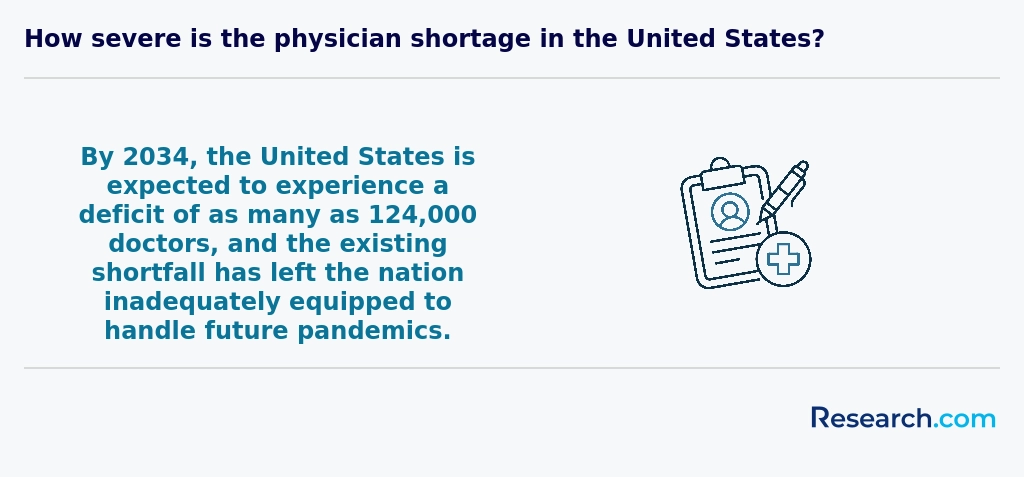
Additionally, mental health services are expanding, with Fullerton reflecting the national shortage of providers, encouraging interest in counseling and psychiatric nursing degrees.
Preparing for the job market after completing a healthcare degree in Fullerton involves targeted steps to increase employability. Start by gaining hands-on experience through internships or clinical rotations offered by local healthcare facilities, such as St. Jude Medical Center. These experiences build practical skills and professional networks.
Additionally, obtaining relevant certifications, like CPR or Certified Nursing Assistant (CNA), boosts your resume. According to the California Employment Development Department, healthcare jobs in Fullerton are expected to grow by about 12% through 2028, indicating strong demand.
Networking through local healthcare associations and job fairs also improves job prospects. Finally, strong communication and technological skills are essential in Fullerton's evolving healthcare sector.
Employers in Fullerton seek healthcare degree graduates with a balanced mix of technical and interpersonal skills. Clinical competence, including proficiency in patient care and familiarity with electronic health records (EHR), is essential. According to the Bureau of Labor Statistics, healthcare employers value graduates who demonstrate strong critical thinking and problem-solving abilities.
Communication skills stand out as crucial, enabling professionals to effectively collaborate with diverse healthcare teams and patients. Cultural competence also ranks highly, reflecting Fullerton's diverse population. Additionally, time management and adaptability are important, given the fast-paced nature of local healthcare settings.
Data from the California Employment Development Department highlights that graduates with experience in healthcare technology and patient advocacy are more competitive. These skills enhance job readiness and improve patient outcomes across Fullerton's medical facilities.
Finding internships in Fullerton for healthcare degrees involves a strategic approach combining local resources and academic support. Fullerton is home to several healthcare facilities, such as Placentia-Linda Hospital and St. Jude Medical Center nearby, which often offer internships for students. Students should start by contacting their university's career services; for example, California State University, Fullerton, provides internship placement assistance specifically for healthcare programs.
Additionally, online platforms like Handshake connect students with local healthcare internship postings. Engaging with professional organizations, such as the California Nursing Students' Association, can expand opportunities through networking events in the region.
The California Employment Development Department reports strong growth in healthcare jobs in Fullerton, implying a growing demand for interns. Early applications and proactive communication with healthcare providers are essential steps for securing relevant experience.
Obtaining a healthcare degree in Fullerton significantly enhances career mobility and advancement opportunities within the region's growing medical sector. According to the California Employment Development Department, Fullerton's healthcare employment is projected to grow by over 15% through 2030, reflecting strong demand for qualified professionals.
A degree provides essential clinical knowledge and technical skills that employers require, increasing eligibility for roles such as registered nurses, medical technologists, and healthcare administrators. Additionally, many healthcare positions in Fullerton offer increased salaries and responsibilities to candidates holding associate's or bachelor's degrees.
Furthermore, advanced degrees and certifications can accelerate promotions and leadership roles. Local healthcare facilities like St. Jude Medical Center often prioritize degree holders for specialized positions, reinforcing the advantage of formal education. State licensure requirements also mandate degrees for many healthcare careers, ensuring continued career growth and mobility.
Studying for a healthcare degree in Fullerton offers students a strong foundation for interdisciplinary roles in the US healthcare system. Programs often emphasize collaboration between nursing, public health, and health administration disciplines, reflecting the integrated nature of modern care.
Fullerton benefits from proximity to major healthcare hubs like Orange County, providing students with clinical experiences that require teamwork across various specialties. According to the California Employment Development Department, healthcare professions in Orange County are projected to grow by over 15% through 2028, underscoring the demand for versatile professionals.
Academic curricula incorporate case studies and group projects, fostering communication skills critical for working in multi-professional environments. Networking through internships and local hospital partnerships further equips graduates to navigate interdisciplinary settings successfully.
Choosing between a thesis and a non-thesis healthcare degree program in Fullerton depends on your career goals and learning preferences. Thesis programs often suit students aiming for research roles or pursuing advanced degrees like a PhD. They involve designing and completing original research, which can be time-intensive but rewarding.
Non-thesis options typically focus more on practical skills and coursework, ideal for those seeking immediate entry into healthcare professions or leadership roles. In Fullerton, local healthcare employers value hands-on experience, often gained through non-thesis tracks.
Data from the California State University system highlights that approximately 60% of healthcare graduates in Fullerton choose non-thesis paths to enter the workforce quicker.
Students based in Fullerton seeking healthcare degrees abroad have several pathways through U.S. institutions with international partnerships. Many California colleges, including those near Fullerton, offer study abroad programs in healthcare fields, enabling students to gain clinical experience or research opportunities in countries like the UK, Australia, or Ireland. According to NAFSA: Association of International Educators, healthcare is among the top fields for U.S. study abroad participation, reflecting growing global demand for healthcare professionals.
Fullerton's close proximity to universities with extensive international ties, such as California State University, Fullerton (CSUF), can facilitate exchange programs. Students can benefit from global perspectives, essential in today's interconnected medical landscape.
It is important to verify if foreign clinical experiences meet U.S. accreditation standards, especially for nursing and medical programs, to ensure smooth licensure upon return.
Students pursuing healthcare degrees in Fullerton have several part-time job options that can enhance their education. Common roles include certified nursing assistants (CNAs), medical assistants, and pharmacy technicians. These positions provide practical experience in patient care and healthcare operations.
Fullerton's proximity to multiple medical centers, such as St. Jude Medical Center, offers abundant opportunities to gain hands-on experience. According to the California Employment Development Department, healthcare support roles in Orange County are expected to grow by 12% through 2028, reflecting robust demand.
Working part-time in local clinics or community health programs also helps students build essential communication and clinical skills, complementing their academic studies effectively.
Healthcare students in Fullerton benefit from multiple networking opportunities that enhance their education and career prospects. California State University, Fullerton (CSUF) hosts various healthcare-related student organizations and events, allowing students to connect with peers, faculty, and local healthcare professionals. These organizations often collaborate with regional hospitals and clinics, providing valuable internships and volunteer options.
Additionally, Fullerton's proximity to large healthcare systems in Orange County offers access to health fairs, workshops, and professional conferences, such as those organized by the Orange County Health Care Agency. According to the agency, Orange County employed over 90,000 healthcare workers in 2023, amplifying local networking potential.
Students can also join statewide associations focused on healthcare careers that hold regular meetings and online forums. These networks support professional growth and job placement throughout California.
Alumni networks offer significant support to healthcare degree students in Fullerton by connecting them with experienced professionals. These networks often provide mentorship, career guidance, and exclusive job opportunities in the local healthcare sector. According to the California Workforce Development Board, healthcare employment in the Fullerton area is expected to grow by 15% through 2030, increasing the demand for qualified graduates.
Students gain access to workshops, networking events, and internships facilitated by alumni who understand industry requirements. This practical support helps bridge the gap between academic training and real-world experience.
Additionally, these connections can improve students' chances of securing positions at prominent local institutions such as St. Jude Medical Center.
Customizing a healthcare degree program in Fullerton allows students to align their education with specific career goals within the vast medical field. Many local institutions offer flexible curricula where students can select concentrations such as public health, health administration, or clinical specialties. This helps develop specialized skills suited to roles in hospitals, clinics, or research facilities.
Additionally, students in Fullerton benefit from practical learning opportunities, including internships and partnerships with nearby healthcare providers like St. Jude Medical Center. These experiences enhance real-world understanding and improve job prospects. According to the California Employment Development Department, healthcare occupations in Fullerton are projected to grow by over 15% through 2028, emphasizing the value of tailored education.
Healthcare students in Fullerton often face significant time management challenges. Balancing demanding coursework, clinical rotations, and sometimes part-time work can be overwhelming. According to data from the California Employment Development Department, healthcare programs here require extensive hands-on experience, which adds to students' workload.
Financial concerns are another common issue. Tuition fees and related expenses can strain many students, especially those without substantial financial aid or scholarships. Fullerton's rising cost of living further impacts students' budgets.
Additionally, students must navigate high academic standards and rigorous licensing exam preparations. Studies show that success rates for healthcare certifications in Orange County hover around 70-85%, underscoring the competitive nature of these programs.
With a healthcare degree, professionals in Fullerton can pursue a variety of certifications that enhance their qualifications and career prospects. Popular certifications include Certified Nursing Assistant (CNA), Registered Nurse (RN) licensure, and credentials in medical coding such as Certified Professional Coder (CPC). Many graduates also pursue certifications like Certified Health Education Specialist (CHES) or Certified Medical Assistant (CMA).
In California, obtaining these certifications often requires passing state or national exams and completing supervised clinical hours. According to the California Department of Public Health, healthcare professions in Orange County-including Fullerton-are expected to grow by over 15% from 2020 to 2030, increasing demand for certified professionals.
Other specialty certificates such as Emergency Medical Technician (EMT) or Patient Care Technician (PCT) can also complement a healthcare degree, helping candidates stand out in a competitive job market.
When applying for a healthcare program in Fullerton, start by thoroughly researching local institutions like California State University, Fullerton, which offers well-regarded health-related degrees. Highlight your academic achievements, relevant volunteer or work experience, and a clear motivation for pursuing healthcare. Admissions committees value applicants who demonstrate a commitment to community health, especially given Fullerton's diverse population and growing healthcare needs.
Be sure to tailor your personal statement to reflect an understanding of the healthcare challenges in the area. Use concise language and provide concrete examples of your skills and experiences that align with program goals.
Prepare strong letters of recommendation from professionals familiar with your healthcare aspirations. Additionally, check specific program requirements and deadlines carefully, as California institutions typically require standardized test scores and immunization records.
Healthcare careers are increasingly valued worldwide due to aging populations and advances in medical technology. In the United States, including Fullerton, healthcare jobs are expected to grow 13% from 2021 to 2031, faster than most other fields, according to the U.S. Bureau of Labor Statistics. This growth reflects global trends where healthcare needs rise with demographic shifts.
Internationally, healthcare professionals must often navigate different regulations, cultural practices, and healthcare systems. For students in Fullerton, understanding these global perspectives can enhance adaptability and career opportunities.
Local institutions support this by offering programs aligned with global healthcare standards, preparing graduates for diverse environments.
Gaining practical experience during a healthcare degree in Fullerton is essential for career readiness. Many local institutions, including California State University, Fullerton and community colleges, offer clinical internships and lab work as part of their programs. These opportunities allow students to apply theoretical knowledge in real healthcare settings.
The City of Fullerton is home to multiple hospitals and clinics, such as St. Jude Medical Center, which provide internship and volunteer options. According to the California Employment Development Department, healthcare internships in this area have grown by 8% annually, reflecting demand for hands-on training.
Additionally, students can seek externships, volunteer roles, or part-time jobs in healthcare facilities nearby. These practical experiences help build skills and professional networks vital for entering the healthcare workforce.
Choosing the right concentration within a healthcare degree program in Fullerton involves understanding both your interests and the local job market. Fullerton is part of Orange County, where healthcare employment grew by approximately 7% from 2019 to 2023, reflecting a strong demand for diverse healthcare professionals, according to the California Employment Development Department.
Students should explore concentrations like nursing, public health, or healthcare administration, depending on their career goals. Researching the curriculum and clinical opportunities offered by Fullerton institutions can help align education with practical experience.
Consider certifications or licensure requirements in California that vary by specialization and impact future employment.
Related Healthcare Rankings for Nearby Cities
- 2027 Best Healthcare Degree Programs Ranking in Anaheim
- 2027 Best Healthcare Degree Programs Ranking in Irvine
- 2027 Best Healthcare Degree Programs Ranking in Los Angeles
- 2027 Best Healthcare Degree Programs Ranking in La Jolla
- 2027 Best Healthcare Degree Programs Ranking in San Diego
- 2027 Best Healthcare Degree Programs Ranking in Riverside
- 2027 Best Healthcare Degree Programs Ranking in Las Vegas
- 2027 Best Healthcare Degree Programs Ranking in Phoenix
- 2027 Best Healthcare Degree Programs Ranking in Tempe
- 2027 Best Healthcare Degree Programs Ranking in Oakland
Top Trending Healthcare Rankings
See What Experts Have To Say About Studying Healthcare
Read our interview with Healthcare experts

References
- Trends and opportunities in healthcare across emerging markets - Inizio https://inizio.com/insights/trends-and-opportunities-in-healthcare-across-emerging-markets/
- Healthcare Careers & Accredited Degree Programs https://www.healthcaredegree.com/
- Health Sciences Study Abroad Programs - Healthcare Abroad https://www.ceastudyabroad.com/academic-discipline/health-sciences
- How do you Network as a Student? | Medmentor https://medmentor.co.uk/blog/how-do-you-network-as-a-student
- Health - Orange County Community Colleges: Career Education https://occommunitycolleges.org/lp/health-sector/
- Health Management Careers https://www.ache.org/Career-Resources/Start-Your-Career/Health-Management-Careers
- Experiential Learning to Enhance Global Health Collaboration and Student Opportunity https://annalsofglobalhealth.org/articles/10.5334/aogh.4537
- Healthcare Assistant Cover Letter Templates | myPerfectCV https://www.myperfectcv.co.uk/cover-letter/examples/healthcare-assistant-cover-letter
- Unlocking potential: Expanding experiential learning through simulation https://www.pagethink.com/insights/unlocking-potential-expanding-experiential-learning-through-simulation
- Job-Ready Healthcare Skills for 2026 https://cliniwave.in/blogs/latest-article/job-ready-healthcare-skills


