2027 Easiest Online Master's in Healthcare Degree Programs Ranking in Connecticut

Co-Founder and Chief Data Scientist
Are you considering advancing your career with a healthcare master's degree but unsure where to start? Our article introduces the 2027 Easiest Online Master's in Healthcare Degree Programs Ranking in Connecticut, developed by Research.com's skilled data scientists.
This carefully crafted ranking helps you explore programs that balance quality and accessibility, making your educational journey smoother.
By reading this, you'll gain clear insights to confidently choose a program that fits your lifestyle and goals. A healthcare degree opens doors to meaningful work and growth opportunities, and we're here to support your path.
Key benefits of getting online healthcare degree in Connecticut
- Graduates with an online healthcare degree in Connecticut can earn competitive salaries, like Healthcare Consultants with a mean annual wage of $115,530 and Healthcare Compliance Managers averaging $80,190, ensuring strong financial prospects.
- Career paths are diverse, ranging from consulting to compliance roles, as seen with graduates from University of Connecticut who find rewarding opportunities in hospitals, insurance, and government agencies.
- Completing a healthcare degree online offers flexibility and convenience, allowing students from Connecticut to balance studies and work while gaining skills that employers value, as experienced by many from online programs at UConn.
- Key benefits of getting online healthcare degree in Connecticut
- What can I expect from online healthcare degree in Connecticut?
- Where can I work with online healthcare degree in Connecticut?
- How much can I make with online healthcare degree in Connecticut?
- 2027 Easiest Online Master's in Healthcare Degree Programs Ranking in Connecticut
- Key Findings
- How long does it take to complete online healthcare degree in Connecticut?
- Supplemental Certifications and Career Advancement Opportunities
- What's the difference between online and on-campus healthcare degree?
- Typical Courses in Online Healthcare Degree Programs in Connecticut
- What is the average cost of online healthcare degree in Connecticut?
- What financial aid is available to online healthcare degree students in Connecticut?
- Expert Tips for Succeeding in Your Online Healthcare Program in Connecticut
- What are the prerequisites for enrolling in online healthcare degree program in Connecticut?
- Certification and Continuing Education Opportunities
- What courses are typically in online healthcare degree programs in Connecticut?
- What types of specializations are available in online healthcare degree programs in Connecticut?
- How do you choose the best online healthcare degree in Connecticut?
- What career paths are available for online healthcare degree students in Connecticut?
- What is the job market for online healthcare degree in Connecticut?
- Related Healthcare Rankings for Nearby States
- Top Trending Healthcare Rankings
- See What Experts Have To Say About Studying Healthcare
What can I expect from online healthcare degree in Connecticut?
The average cost of an online healthcare degree in Connecticut varies significantly based on the type of institution chosen. Public universities such as the University of Connecticut generally offer more affordable tuition rates for in-state students, often making the financial investment manageable for working adults and those balancing family commitments. Graduates from these programs frequently express satisfaction with the value received relative to the tuition paid, highlighting how the blend of affordability and quality education supports their career advancement without overwhelming debt.
Conversely, private institutions like Yale School of Nursing may charge higher fees, reflecting their specialized curricula and extensive resources. However, many students find this investment worthwhile due to access to cutting-edge research opportunities and strong professional networks. Financial aid and scholarships are commonly utilized by graduates to offset costs, emphasizing the importance of exploring all funding sources within Connecticut's educational landscape.
Typically, students report that with diligent use of employer tuition assistance and state scholarships, the overall expense becomes manageable, allowing them to focus confidently on their studies and future roles within Connecticut's robust healthcare system.
Where can I work with online healthcare degree in Connecticut?
Graduates with an online healthcare degree in Connecticut frequently secure positions within the state's extensive hospital systems, such as those affiliated with prominent institutions like the University of Connecticut and Yale University. Nurses, healthcare administrators, and clinical managers from these programs often report feeling empowered by their ability to apply advanced skills remotely, which enhances their work-life balance while serving dynamic hospital environments.
Beyond hospitals, alumni typically find rewarding roles in outpatient care centers and physician offices, where they manage patient coordination and health information in bustling urban and suburban settings. Connecticut's community health organizations also provide meaningful opportunities, employing graduates to develop impactful public health initiatives that address local population needs.
Those graduating from well-known Connecticut colleges express satisfaction working in skilled nursing facilities and long-term care homes, meeting the demand driven by the state's aging population. Their expertise in healthcare administration and compliance positions them as vital contributors to patient safety and regulatory adherence.
Additionally, the thriving healthcare insurance industry in Connecticut offers diverse career paths, enabling graduates to engage in case management and policy development, further broadening their professional horizons within the state.
How much can I make with online healthcare degree in Connecticut?
Graduates from online healthcare degree programs in Connecticut often find rewarding salary prospects aligned with the state's robust healthcare sector. For example, healthcare consultants with degrees from respected institutions like the University of Connecticut typically earn a mean annual wage of approximately $115,530, reflecting strong demand for their expertise in improving care delivery and compliance.
Healthcare compliance managers, another common career path for online degree holders, report mean annual earnings around $80,190. Graduates from programs at institutions such as Central Connecticut State University frequently secure these roles within hospital systems and large healthcare organizations.
These salaries highlight the financial advantages of pursuing specialized online education in Connecticut. Graduates recount that their programs' focus on practical skills and regional healthcare challenges prepared them well for roles commanding competitive pay. Such earnings, often surpassing initial expectations, underscore the positive impact of advanced qualifications obtained through flexible, well-regarded Connecticut online programs.
2027 Easiest Online Master's in Healthcare Degree Programs Ranking in Connecticut
How do we rank schools?
Investing in your education is a significant decision that can profoundly impact your career and personal growth, and the Research.com team recognizes the importance of making well-informed choices. To support prospective students seeking accessible master's programs in healthcare in Connecticut, we have carefully developed the "2027 Easiest Online Master's in Healthcare Degree Programs Ranking in Connecticut." Our dedication to quality, credibility, and accuracy is demonstrated through thorough research and precise analysis underpinning this ranking.
We utilized the following reputable data sources to ensure a comprehensive and reliable evaluation of healthcare programs:
Readers will benefit from clear insights into the most accessible online master's healthcare programs in Connecticut, helping them identify programs that match their goals and circumstances. For an in-depth understanding of how this ranking was created, please visit our Research.com methodology page.


Key Findings
- Online healthcare degrees in Connecticut range from associate to master's levels and offer flexible fully online or hybrid options.
- Bachelor's degree tuition typically costs between $25,000 and $45,000, while master's programs range from $30,000 to $55,000.
- Healthcare jobs in Connecticut are expected to grow by about 17% through 2030, which is higher than the national average.
- Entry-level graduates usually earn between $50,000 and $60,000 annually, with experienced professionals making over $90,000.
- Licensing and certification vary by job but are generally achievable through programs that include clinical or practical training.
How long does it take to complete online healthcare degree in Connecticut?
Completing an online healthcare degree in Connecticut typically depends on the program level and enrollment status. Undergraduates pursuing a Bachelor of Science in Nursing (BSN) or Health Sciences usually spend about four years as full-time students. However, many find encouragement in accelerated programs at institutions like the University of Connecticut, which can reduce this period to two or three years for those with prior credits or relevant experience.
Graduate-level students often enroll in online master's programs such as Nursing (MSN) or Healthcare Administration, finishing in one to two years full-time. Those balancing work and study appreciate part-time options at Sacred Heart University, which extend completion to three or more years but offer essential flexibility. Graduates report feeling empowered by these adaptable schedules that accommodate demanding careers.
Doctoral studies, including the Doctor of Nursing Practice (DNP), typically require three to five years, incorporating clinical practice hours that add to the timeline. Many students remark that this hands-on training is vital, bringing real-world relevance to their academic experience and preparing them thoroughly for professional challenges in Connecticut's healthcare system.
Supplemental Certifications and Career Advancement Opportunities
In today’s competitive healthcare landscape, supplementing your online master’s degree with targeted certifications can be the key to unlocking advanced career opportunities. Earning additional credentials not only deepens your expertise but also demonstrates a commitment to continuous learning and quality patient care. For instance, many graduates enhance their qualifications by pursuing specialized programs that focus on areas like health informatics, epidemiology, or patient safety. Moreover, professionals often explore medical certifications that pay well to differentiate themselves in an increasingly dynamic job market. These supplemental courses and certifications typically offer flexible, online learning modules that can easily complement your master’s curriculum. They also pave the way for leadership roles and increased earning potential by equipping you with hands-on skills and up-to-date industry knowledge. Embracing these additional educational opportunities can be a strategic move to further your career, boost your resume, and ultimately, serve as a catalyst for long-term success in the healthcare field.
What's the difference between online and on-campus healthcare degree?
Online healthcare degree programs in Connecticut provide essential flexibility for students balancing work and family, as experienced by graduates from institutions like the University of Connecticut and Quinnipiac University. These programs allow learners to access lectures and materials remotely, fitting study into busy schedules without relocating. However, clinical and lab requirements still necessitate hands-on training at local hospitals or healthcare facilities, which online programs coordinate to ensure compliance with accreditation and state licensing standards.
Conversely, on-campus programs at colleges such as Yale School of Nursing offer immersive experiences with direct access to faculty and campus labs, fostering immediate feedback and networking opportunities among peers. Graduates from these programs often highlight the benefit of face-to-face mentoring and the vibrant campus environment.
Cost considerations also differ; while tuition may be comparable, online students in Connecticut save on commuting and housing expenses, crucial for managing finances. Both options require clinical practice, but online formats enable students to complete this locally, offering a practical balance between convenience and comprehensive education.
Typical Courses in Online Healthcare Degree Programs in Connecticut
Students considering an online Healthcare degree in Connecticut benefit greatly from a clear understanding of the curriculum structure. Most programs are designed to bridge core healthcare concepts with modern digital applications, ensuring that graduates are well-prepared for both clinical and managerial roles. Typical courses often include: • Foundations of Healthcare: Courses covering the basics of medical terminology, anatomy, and physiology, setting a solid groundwork for more advanced study. • Healthcare Ethics and Law: Modules that explore ethical decision-making, patient rights, and regulatory standards critical in today’s healthcare environment. • Health Informatics and Digital Technologies: Classes focused on managing electronic health records, data analytics, and telemedicine practices, reflecting the integration of technology in healthcare delivery. • Healthcare Management and Administration: Courses that discuss strategic planning, budgeting, and leadership in healthcare facilities, essential for future healthcare executives. • Evidence-Based Practice and Research Methods: Subjects designed to equip students with the skills to analyze clinical data, implement best practices, and contribute to ongoing healthcare research initiatives. • Clinical Simulation and Virtual Labs: Interactive sessions that mimic real-world scenarios, providing practical experience in patient care and crisis management without leaving the digital classroom. This comprehensive curriculum not only meets academic rigor but is continually updated to reflect emerging trends in healthcare technology and management, ensuring that graduates remain competitive in Connecticut’s ever-evolving job market.
What is the average cost of online healthcare degree in Connecticut?
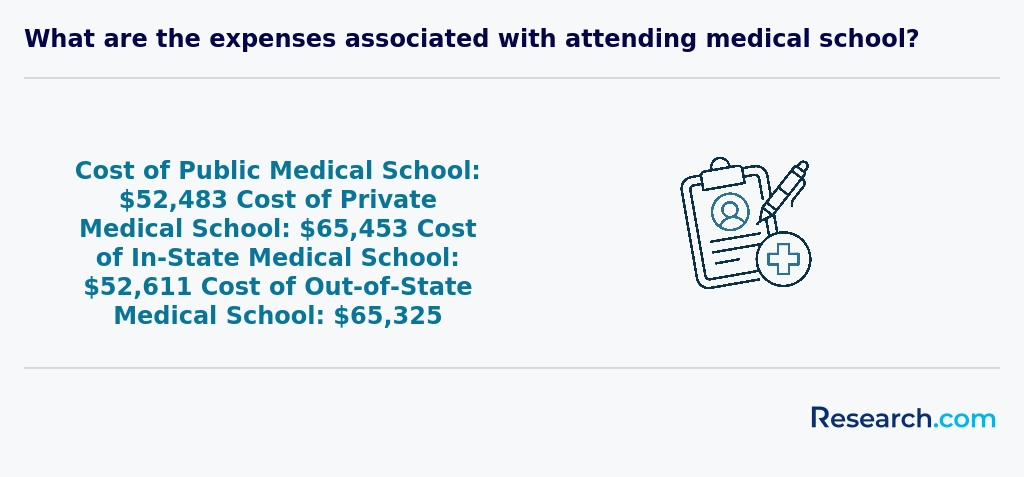
The average cost of an online healthcare degree in Connecticut is shaped significantly by residency status and program level. Median in-state total costs tend to be around $40,700, reflecting tuition and associated fees, while out-of-state students may encounter similar rates. Graduate students pursuing an online healthcare master's degree often find tuition charged per credit hour, ranging from $600 to $1,200 for 30 to 40 credits, which aligns with the median total cost of approximately $26,910 for complete programs. These figures emphasize the substantial but manageable investment required for healthcare education in the region.
Students at popular Connecticut institutions report that while the upfront costs are considerable, the value derived from quality instruction and flexible scheduling is highly rewarding. Many appreciate the ability to balance coursework with professional commitments, thus fostering positive outcomes both academically and personally. One graduate described how opting for an accelerated online healthcare master's degree reduced the overall expense and completion time, allowing a quicker return to full-time healthcare roles.
Additional expenses such as textbooks, software, and technology fees, typically ranging from $1,000 to $2,000 annually, should also be anticipated. For those exploring cost-efficient pathways, resources like employer tuition reimbursement programs or flexible payment plans can mitigate financial burdens. Prospective students serious about advancing their careers should consider investing in not just tuition but also in continuous education options, including programs focused on medical certifications that pay well.
Understanding the average cost online healthcare degree Connecticut candidates face aids in budgeting effectively and making informed decisions in pursuing impactful education within the state's healthcare sector.
What financial aid is available to online healthcare degree students in Connecticut?
Students pursuing online healthcare degrees in Connecticut can access a range of financial aid options designed to ease the cost burden. Many graduates recall the relief of securing federal aid through the FAFSA, enabling access to federal loans with manageable interest rates. Although Pell Grants are typically unavailable to graduate students, federal loan programs remain a vital resource.
State aid, like the Roberta B. Willis Scholarship Program, offers additional help to Connecticut residents, especially those enrolled in eligible healthcare programs. Graduates from institutions such as the University of Connecticut often benefit from institutional scholarships tailored specifically to online nursing and healthcare students, making advanced education more attainable.
Employer tuition reimbursement programs are another key support system. Healthcare professionals working in Connecticut frequently receive partial or full funding from employers, allowing them to advance their skills without financial strain. This tangible support resonates strongly with working students balancing careers and studies.
Professional organizations also provide scholarships and emergency grants, offering extra financial relief for graduate healthcare students statewide. These combined opportunities create a hopeful environment where pursuing an online healthcare degree in Connecticut feels both supported and achievable.
Expert Tips for Succeeding in Your Online Healthcare Program in Connecticut
Online learning offers a flexible path to advancing your career while balancing work and life commitments. However, success requires strategic planning and proactive engagement. Here are expert-backed tips designed specifically for Connecticut students pursuing an online Healthcare degree: • Develop a Structured Schedule – Treat your online classes like traditional in-person sessions. Carve out dedicated study time in your daily calendar to stay on top of lectures, assignments, and virtual discussions. • Leverage Available Technology – Familiarize yourself with digital tools and virtual simulation labs offered by your institution. Using these resources effectively can bridge the gap between theoretical concepts and clinical practice. • Engage Actively with Faculty and Peers – Online programs often incorporate discussion boards, webinars, and group projects. Active participation not only deepens understanding but also builds a network of professional contacts in Connecticut’s healthcare community. • Prioritize Self-Discipline and Time Management – With flexible scheduling comes the responsibility to manage distractions and meet deadlines. Utilize planning apps and set personal milestones to track progressive learning goals. • Utilize Student Support Services – Reach out to academic advisors, career counselors, technical support, and online tutoring when challenges arise. Many Connecticut institutions offer robust support systems tailored to help online learners succeed. • Seek Mentorship and Peer Collaboration – Connecting with alumni or current students can provide insider insights into navigating coursework and clinical applications. Mentorship is invaluable for sharing practical tips that enhance both academic and professional growth. By integrating these best practices, you can maximize your learning experience and ensure your online Healthcare program serves as a strong foundation for a thriving career in Connecticut's dynamic healthcare industry.
What are the prerequisites for enrolling in online healthcare degree program in Connecticut?
Enrolling in an online healthcare degree in Connecticut demands meeting several essential prerequisites that reflect both academic preparedness and professional readiness. Most programs require applicants to have a high school diploma or GED for undergraduate studies, while master's programs expect a bachelor's degree, often in health sciences or a related field, from an accredited institution. Graduates from well-known Connecticut institutions report that submitting official transcripts and demonstrating foundational knowledge in subjects like anatomy and chemistry were critical steps in their application process.
Additionally, applicants frequently need letters of recommendation and a personal statement outlining their career ambitions, which help programs gauge motivation and commitment. Some graduate programs insist on current licensure, such as a Registered Nurse certification, boosting practical credibility. For those enrolled at popular colleges like University of Connecticut or Yale's online offerings, background checks and immunization records are mandatory, especially to qualify for clinical placements.
Many students find that including relevant healthcare work experience enhances their applications, often offsetting standardized test requirements like the GRE. These prerequisites ensure candidates are well-prepared to succeed in Connecticut's fast-growing healthcare sector, which is projected to expand by 10% by 2030.

Certification and Continuing Education Opportunities
After earning your online master’s in healthcare, pursuing specialized certifications can amplify your credentials and expand career prospects in Connecticut’s competitive healthcare landscape. Key certification pathways include: • Certified Professional Coder (CPC) and Certified Coding Specialist (CCS): These credentials, offered by the AAPC and AHIMA respectively, validate expertise in medical coding accuracy, compliance, and reimbursement processes. Graduates often report salary increases of 10–15% upon earning a coding certification. • Registered Health Information Administrator (RHIA) and Registered Health Information Technician (RHIT): These AHIMA certifications focus on health information management, data governance, and privacy regulations-essential for roles in hospital administration and informatics. • Certified Healthcare Financial Professional (CHFP) and Certified Revenue Cycle Professional (CRCP): Offered by HFMA, these certifications demonstrate mastery of healthcare finance, revenue cycle management, and regulatory changes, equipping graduates for leadership in budgeting and operations. Beyond these core credentials, continuing education plays a pivotal role in staying current with evolving technologies and regulations. Many Connecticut professionals enhance their skill sets through online workshops, webinars, and certificate programs in telehealth management, digital health innovation, and population health analytics. To strengthen your qualifications further, consider complimentary training in medical billing and coding. Explore our guide to the best accredited medical billing and coding schools online and select a program that aligns with your career goals. By strategically layering certifications onto your master’s degree, you not only meet licensure and employer requirements but also position yourself for accelerated advancement, higher earning potential, and a distinct competitive edge in Connecticut’s dynamic healthcare sector.
What courses are typically in online healthcare degree programs in Connecticut?
Online healthcare degree programs in Connecticut commonly include comprehensive courses that prepare students for the complexities of the state's healthcare environment. Graduates from institutions like the University of Connecticut and Sacred Heart University often recall how courses such as Healthcare Organization and Delivery helped them visualize managing a hospital's daily operations or coordinating community health initiatives within Connecticut's unique system.
Healthcare Policy and Ethics are also central, enabling students to navigate both federal regulations and Connecticut-specific laws, which graduates find essential when working in local clinics or public health departments. Practical courses like Health Informatics give students experience with electronic health records and emerging technologies, skills highly valued in Connecticut's advanced healthcare facilities.
Additionally, courses in Healthcare Finance and Budgeting, given Connecticut's higher-than-average per capita spending, empower students to confidently manage financial planning for health organizations. Leadership, public health, and legal compliance classes further round out a curriculum designed to foster skilled professionals who feel prepared and optimistic about impacting local patient care.
What types of specializations are available in online healthcare degree programs in Connecticut?
Online healthcare degree specializations in Connecticut provide students with tailored pathways that reflect the state's growing healthcare demands. Popular options include Healthcare Administration, focusing on managing medical facilities and improving patient services, and Nursing specializations such as Nurse Practitioner or Clinical Nurse Specialist, which many graduates from prominent Connecticut colleges find rewarding as they prepare for advanced certifications. Students often report how the Nursing specialization's practical application aligns closely with clinical experiences in state hospitals, enhancing their confidence and competence.
Public Health is another key specialization, emphasizing community wellness, epidemiology, and health education. Graduates from these programs often describe their satisfaction in contributing to policy development and prevention strategies locally. Health Informatics combines healthcare with IT, preparing students to optimize medical data systems in real-world settings. Occupational and Physical Therapy specializations equip learners with skills to support patient rehabilitation, often reflecting success stories from Connecticut's rehabilitation centers. Those exploring best accredited medical billing and coding schools online also benefit from specialized tracks, which provide diverse opportunities in the local job market for healthcare master's program options Connecticut offers.
How do you choose the best online healthcare degree in Connecticut?
Choosing the best online healthcare degree in Connecticut requires prioritizing program accreditation from recognized bodies such as the Commission on Collegiate Nursing Education (CCNE). Graduates from well-regarded institutions in the state often highlight how accreditation ensured their degrees met licensure requirements and boosted their confidence during job searches. Selecting programs with diverse specializations, including health informatics or healthcare administration, allows students to tailor learning to their career goals. For example, students at popular Connecticut colleges benefit from clinical placements through local healthcare partnerships, enriching their education beyond theory.
Cost is another crucial factor. Connecticut's online graduate healthcare degrees tend to have higher tuition compared to national averages, making the search for affordable online healthcare master's Connecticut programs vital. Many successful graduates recommend exploring financial aid options and employer tuition reimbursement to manage expenses. Additionally, prospective students appreciate programs with robust technology and support services that facilitate interaction with faculty and peers despite remote settings.
To assess program value, review graduation and career placement rates, reflecting real outcomes. Aligning your choice with Connecticut's growing healthcare job market enhances employment prospects. For a detailed comparison of affordable options, consider reviewing the Most Affordable Online Healthcare Degree Programs Ranking in North Carolina, as insights can guide neighboring Connecticut students in finding cost-effective, quality options.
What career paths are available for online healthcare degree students in Connecticut?
Graduates of online healthcare degree programs in Connecticut often pursue diverse career paths that align with the state's robust medical landscape. Many find rewarding opportunities as Registered Nurses (RN) or Advanced Practice Registered Nurses (APRN), roles that require licensure but offer extensive job security, especially as healthcare demands rise in aging communities. Professionals from institutions like the University of Connecticut and Quinnipiac University report thriving in healthcare administration, overseeing critical hospital operations and policy compliance. Others specialize as Health Informatics Specialists, a growing field leveraging technology to enhance patient care, particularly in Connecticut's expanding healthcare IT sector. Public health analysts and epidemiologists also provide essential services to local health departments, designing effective community health initiatives. These examples underscore the strong healthcare job opportunities with online degree Connecticut, empowering students to contribute meaningfully within clinical, administrative, and public health settings. Prospective learners interested in accelerated options might explore what 6 month certificate course can lead to a higher salary online to complement their healthcare expertise.
What is the job market for online healthcare degree in Connecticut?
The job market for online healthcare degree holders in Connecticut remains robust, driven by the state's increasing healthcare demands and aging population. Graduates from well-known institutions in Connecticut, who obtained their degrees through online formats, often find rewarding roles in hospitals, clinics, and healthcare administration. Many have reported smooth transitions into nursing or allied health professions, appreciating the flexibility to study while maintaining employment.
Specifically, the demand for healthcare professionals offering patient care and management continues to rise, with regional employers favoring candidates who hold accredited programs meeting state licensure standards. Those pursuing online healthcare jobs in Connecticut benefit from practical clinical experiences arranged through local healthcare centers, enhancing employability. The median registered nurse salary in Connecticut is approximately $77,000, which demonstrates the economic value of these qualifications in the local market.
Tuition costs, which typically range from $15,000 to $40,000 for online healthcare degrees, offer financially manageable paths compared to on-campus programs, especially when factoring in savings on commuting and housing. Prospective students seeking guidance on program difficulty may find answers by exploring what is the easiest masters degree to get online, helping them make informed decisions on their education journey.
Frequently Asked Questions About healthcare
Online healthcare degree students in Connecticut can maximize their learning by actively engaging with interactive course materials and participating in virtual discussions. Access to Connecticut's robust healthcare network, including partnerships with local hospitals and clinics, offers valuable clinical placement opportunities that enhance practical skills.
Students should utilize available state resources like the Connecticut Department of Public Health, which provides up-to-date healthcare data and regulatory information to supplement studies. Additionally, setting a consistent study schedule helps manage the rigorous curriculum of healthcare programs.
According to the U.S. Bureau of Labor Statistics, Connecticut expects a 12% growth in healthcare jobs by 2030, making hands-on learning critical for future employment. Networking through online student groups and industry webinars also supports career readiness.
The healthcare field in Connecticut is rapidly evolving, with several emerging niches attracting attention. One notable area is telehealth, which grew by over 200% nationwide since 2020 and remains popular in Connecticut due to its rural communities and busy urban centers. Another expanding niche is healthcare data analytics, driven by the need to improve patient care and reduce costs through big data.
Personalized medicine and genomics are also gaining momentum, leveraging genetic information to tailor treatments. Connecticut hosts research centers supporting this growth. Lastly, mental health services are increasingly integrated into healthcare systems, responding to rising demand across the state. These niches offer promising career paths for online healthcare graduates.
After earning an online healthcare degree in Connecticut, graduates should focus on building a strong professional network. Joining state healthcare associations such as the Connecticut Hospital Association can provide valuable connections and job leads.
Certification is also crucial. Many healthcare roles require licenses or certifications recognized in Connecticut, including credentials from the Connecticut Department of Public Health. Graduates should verify specific requirements for their desired careers.
Internships and practicums, often included in degree programs, offer practical experience that employers highly value. Connecticut healthcare employers favor candidates with hands-on training.
Finally, utilizing state job boards like the Connecticut Department of Labor's website can help graduates find local healthcare positions efficiently.
Employers in Connecticut seek healthcare graduates who combine strong clinical expertise with effective communication skills. According to the Connecticut Department of Public Health, professionals who demonstrate adaptability in fast-changing medical environments tend to excel. Technical proficiency with electronic health records and telehealth platforms is increasingly critical, particularly given the state's growing reliance on digital care delivery.
Graduates must also show problem-solving abilities and teamwork skills, as healthcare often involves coordinated care with multidisciplinary teams. Ethical judgment and cultural competency are essential to serve Connecticut's diverse population effectively. These core skills align with national trends while reflecting specific workforce needs documented by the Connecticut Hospital Association.
Finding internships in Connecticut relevant to a healthcare degree involves several focused strategies. Start by exploring partnerships between your online program and local hospitals, clinics, or public health organizations. Many healthcare institutions in Connecticut, such as Yale New Haven Health and Hartford HealthCare, offer internship opportunities, which provide hands-on experience critical for degree completion.
The Connecticut Department of Public Health and other state agencies often list internship openings specifically designed for healthcare students. Additionally, networking through professional bodies like the Connecticut Hospital Association can reveal opportunities not widely advertised.
Students should also use online internship platforms tailored to healthcare careers, ensuring locations are within Connecticut. According to the Bureau of Labor Statistics, the healthcare sector in Connecticut is growing steadily, increasing the availability of practical training positions.
Finally, contacting your program's career services can provide personalized guidance and connections to local internships fitting your field of study.
An online healthcare degree in Connecticut significantly enhances career mobility by offering flexible education options that fit around work and personal commitments. Graduates gain credentials recognized by employers statewide, increasing opportunities for advancement in hospitals, clinics, and public health agencies. According to the Connecticut Department of Labor, healthcare jobs in the state are projected to grow 14% from 2020 to 2030, faster than the national average, highlighting rising demand for qualified professionals.
The accessibility of online programs allows students to acquire specialized skills, which can lead to higher-paying roles such as healthcare administration or nurse practitioner positions. Additionally, many online degrees offer current healthcare trends and technology training relevant to Connecticut's evolving medical landscape, supporting career growth.
Studying for an online healthcare degree in Connecticut equips students with skills needed for interdisciplinary roles by emphasizing collaboration across medical, administrative, and community sectors. Connecticut's healthcare education often integrates coursework in public health, management, and informatics, reflecting the state's diverse healthcare needs. According to the Connecticut Department of Public Health, this approach supports the state's workforce demand, which includes growth in healthcare occupations by over 15% through 2030. Programs also incorporate case studies and virtual simulations, preparing graduates to work effectively with professionals from nursing, social work, and health technology, vital in improving patient outcomes and care coordination.
Choosing between a thesis and a non-thesis healthcare degree program in Connecticut depends on your career goals and learning preferences. A thesis program requires research, writing, and often contributes to academic knowledge, which suits students aiming for doctoral studies or research careers.
Non-thesis programs typically focus on practical skills and coursework, ideal for professionals seeking advancement in clinical or administrative roles. According to Connecticut's Department of Public Health, the demand for healthcare administrators and public health professionals is growing, favoring applied knowledge.
Online options offer flexibility, but confirm if faculty support research if considering a thesis track. Evaluate program requirements carefully to align with your future plans and available time.
Students based in Connecticut who wish to study healthcare abroad through online degrees have several options. Many U.S. institutions offer accredited online healthcare programs designed for flexible, remote learning, allowing Connecticut residents to access global perspectives without relocating.
While fully international online healthcare degrees are rare, partnerships between American universities and foreign institutions are increasing. These programs often include virtual internships or study-abroad opportunities, enhancing global healthcare understanding.
Connecticut's Department of Higher Education highlights that students should verify program accreditation, especially from bodies recognized by the U.S. Department of Education, ensuring quality and licensure eligibility.
The state's healthcare sector grew by 3.1% in 2023, signaling strong demand for skilled professionals, which global-focused studies can support.
Students pursuing online healthcare degrees in Connecticut can benefit greatly from part-time work that aligns with their academic goals. Popular roles include medical assistants, pharmacy technicians, and patient care aides. According to the Connecticut Department of Labor, healthcare support occupations are projected to grow by 14% through 2030, reflecting strong demand.
Working as a medical scribe or administrative assistant in healthcare facilities offers experience with electronic health records and patient management. These roles not only enhance learning but also improve employability after graduation. Many hospitals and clinics in Connecticut, including Yale New Haven Health, offer flexible positions suited to student schedules.
Additionally, telehealth support jobs have expanded, providing remote work options. These part-time opportunities complement online healthcare studies by allowing students to apply theoretical knowledge in practical settings while maintaining academic focus.
Online healthcare students in Connecticut have access to several valuable networking opportunities that can enhance their education and career prospects. Many institutions offer virtual events, webinars, and online discussion groups where students connect with faculty, alumni, and healthcare professionals. These platforms help build a professional network despite the physical distance.
Additionally, Connecticut boasts a strong healthcare sector, with Hartford and New Haven among key hubs. Organizations such as the Connecticut Hospital Association provide conferences and workshops that online students can attend to expand industry contacts.
Statewide professional groups, including the Connecticut Nurses Association and public health forums, also welcome student members, offering mentorship and local insights. Leveraging LinkedIn groups focused on Connecticut healthcare can further broaden connections.
Alumni networks offer significant advantages for online healthcare degree students in Connecticut. These networks connect students with professionals who understand the local healthcare landscape, including major employers like Yale New Haven Health and Hartford HealthCare. Engaging with alumni helps students access job opportunities, internships, and mentorship, which are vital in a competitive field.
Connecticut's healthcare sector employs over 200,000 individuals, making networking essential for career growth. Alumni often share insights on licensure requirements and continuing education specific to the state, aiding career planning. Overall, these networks provide practical support that complements online learning.
Customizing an online healthcare degree program in Connecticut involves selecting coursework and specializations that align with your career goals. Many universities offer flexible options such as concentrations in health administration, nursing leadership, or public health. This flexibility lets you develop skills tailored to the state's healthcare demands, including areas like aging population care, which is growing rapidly in Connecticut as reported by the Connecticut Department of Public Health.
Additionally, you can often choose electives or internships focused on Connecticut's healthcare systems, improving practical experience. Working professionals may also benefit from degree programs offering part-time schedules or accelerated tracks to fit their busy lives. Accreditation by organizations like CAHME ensures program quality relevant to the healthcare industry standards.
Online healthcare students in Connecticut face several notable challenges. One of the primary difficulties is securing quality clinical placements. Since healthcare education requires hands-on experience, students often struggle to find local sites that accept online learners. The state's smaller population and limited number of healthcare facilities can intensify this issue.
Another challenge is maintaining consistent access to reliable technology and high-speed internet, especially in rural areas of Connecticut where connectivity may be weaker. This can hinder participation in live lectures and virtual labs.
Additionally, online students sometimes experience feelings of isolation due to less face-to-face interaction with peers and instructors, which can affect motivation and engagement. According to the Connecticut Office of Higher Education, these factors contribute to a higher attrition rate in distance learning healthcare programs compared to in-person formats.
With an online healthcare degree from Connecticut institutions, you can pursue several professional certifications to boost your career. Popular options include becoming a Certified Professional in Healthcare Quality (CPHQ) or a Certified Healthcare Administrative Professional (cHAP). These certifications are widely recognized in the US healthcare industry.
Connecticut's healthcare sector employs over 150,000 people, emphasizing the demand for qualified professionals holding such credentials, according to the Connecticut Department of Labor.
Other valuable certifications include Registered Health Information Technician (RHIT) and Certified Medical Manager (CMM). Each certification requires passing an exam and often specific work experience.
These credentials can enhance job prospects and salary potential within hospitals, insurance companies, and public health organizations across Connecticut.
To write a winning application for an online healthcare program in Connecticut, start by thoroughly researching each school's specific requirements. Most programs expect a strong academic record, relevant healthcare experience, and clear career goals. Highlighting any experience in Connecticut's healthcare sector, which employs over 180,000 workers, can strengthen your application (CT Department of Labor, 2023).
Emphasize your motivation for advancing your healthcare career, linking personal goals with Connecticut's growing need for qualified professionals. Include a well-crafted personal statement that demonstrates your understanding of healthcare challenges in the state. Letters of recommendation from healthcare employers or professors familiar with your skills also bolster your chances.
Finally, ensure all documents are complete and submitted before deadlines, as Connecticut's top online programs often have competitive admissions. Proofread carefully to reflect professionalism and commitment.
The healthcare field is recognized globally as vital to improving quality of life and managing public health challenges. In the United States, and specifically Connecticut, healthcare careers offer strong job security and growth, with the U.S. Bureau of Labor Statistics projecting a 16% increase in healthcare occupations from 2021 to 2031.
Connecticut's healthcare sector generates over $29 billion annually and supports nearly 200,000 jobs, indicating substantial local demand. Online healthcare degrees allow students to join a worldwide network of professionals committed to patient care and innovation.
Globally, healthcare is increasingly interdisciplinary and data-driven, requiring professionals to adapt to diverse populations and technologies. For students in Connecticut, earning an online degree aligns with these trends and opens doors to careers in hospitals, research, policy, and more.
Gaining practical experience while studying for an online healthcare degree in Connecticut is essential for career readiness. Many programs require clinical placements or internships, which students can complete in local hospitals, clinics, or community health centers. Connecticut's strong healthcare network, including Yale New Haven Health and Hartford HealthCare, offers numerous opportunities for supervised practice.
Students should proactively seek partnerships their online school may have with these providers, as schools often assist in placement. Additionally, volunteering in healthcare settings or joining professional associations like the Connecticut Nurses Association can enhance hands-on experience.
Clinical hours gained this way also meet state licensure requirements, making practical experience a critical part of education in Connecticut.
Choosing the right concentration within an online healthcare degree program in Connecticut begins with understanding your career goals. The state's healthcare sector, driven by hospitals like Yale New Haven and Hartford HealthCare, offers diverse opportunities from nursing administration to health informatics.
Consider Connecticut's growing demand for healthcare managers and public health officials, which the Bureau of Labor Statistics projects to increase by over 15% in the next decade. Research the job market to align your specialization with local needs.
Evaluate program accreditation and faculty expertise to ensure quality education. Many Connecticut schools offer flexible concentrations tailored to regional healthcare trends, enhancing employability.
Lastly, review resources like the Connecticut Department of Public Health and local labor reports to guide your choice effectively.
Related Healthcare Rankings for Nearby States
- 2027 Easiest Online Master's in Healthcare Degree Programs Ranking in New York
- 2027 Easiest Online Master's in Healthcare Degree Programs Ranking in Massachusetts
- 2027 Easiest Online Master's in Healthcare Degree Programs Ranking in Pennsylvania
- 2027 Easiest Online Master's in Healthcare Degree Programs Ranking in Maryland
- 2027 Easiest Online Master's in Healthcare Degree Programs Ranking in Maine
- 2027 Easiest Online Master's in Healthcare Degree Programs Ranking in Virginia
- 2027 Easiest Online Master's in Healthcare Degree Programs Ranking in West Virginia
- 2027 Easiest Online Master's in Healthcare Degree Programs Ranking in Kentucky
- 2027 Easiest Online Master's in Healthcare Degree Programs Ranking in North Carolina
- 2027 Easiest Online Master's in Healthcare Degree Programs Ranking in South Carolina
Top Trending Healthcare Rankings
See What Experts Have To Say About Studying Healthcare
Read our interview with Healthcare experts

References
- Niche Market Opportunities Research Among Healthcare Professionals (A Decision Analyst Case History https://www.decisionanalyst.com/casestudies/nichemarketopportunities/
- Networking in Medicine: Build Lasting Connections l Windsor https://www.windsor.edu/networking-in-medicine-building-relationships-from-day-one/
- Niche Markets in Healthcare https://ultrariskadvisors.com/niche-markets-in-healthcare/
- How to Create a Healthcare Career Roadmap https://www.ihire.com/resourcecenter/jobseeker/pages/how-to-create-a-healthcare-career-roadmap
- Trends and opportunities in healthcare across emerging markets - Inizio https://inizio.com/insights/trends-and-opportunities-in-healthcare-across-emerging-markets/
- Welcome to the Health Professions Alumni Association! https://www.upstatefoundation.org/chpalumni
- Online Medical Programs at CHCP - Start Now! https://www.chcp.edu/degrees-certificates/online/
- How a Strong Alumni Network Can Benefit Students https://www.pacificu.edu/blog/how-strong-alumni-network-can-benefit-students
- Best Healthcare Degrees & Programs | Accredited Schools Online https://www.accreditedschoolsonline.org/healthcare/degrees/
- Overcoming Common Challenges in Nursing School: Tips for Success - American Healthcare Institute https://amhealthinstitute.com/blog/overcoming-common-challenges-in-nursing-school-tips-for-success/