2027 Most Affordable Online Bachelor's in Healthcare Management Degree Programs Ranking in the West

Co-Founder and Chief Data Scientist
Choosing the right healthcare management degree can feel overwhelming, especially with so many options available. Our 2027 Most Affordable Online Bachelor's in Healthcare Management Degree Programs Ranking in the West was carefully crafted by the Research.com team of data scientists to guide you through this process.
By exploring this ranking, you'll discover affordable programs that fit your goals and lifestyle. Earning a healthcare management degree opens doors to meaningful careers, helping you make a real difference in the industry while building a stable future.
Take this first step confidently-your education journey starts here.
Key benefits of getting online healthcare management degree in the West
- Healthcare management degree graduates in the US often enjoy competitive salaries, with median wages around $100,000 per year for health services managers, reflecting strong earning potential in the field.
- Graduates from Western universities have diverse career options, including hospital administration, healthcare consulting, and policy planning, offering exciting pathways to make a real difference in healthcare systems.
- Online healthcare management degrees offer flexibility and convenience, allowing students to balance work and study while gaining the same respected credentials as traditional programs from well-known Western schools.
- 2027 Most Affordable Online Bachelor's in Healthcare Management Degree Programs Ranking in the West
- What can I expect from online healthcare management degree in the West?
- Where can I work with online healthcare management degree in the West?
What can I expect from online healthcare management degree in the West?
Imagine diving into an online healthcare management degree in the West, where affordability meets ambition. Many graduates from California State University campuses share how tuition under $7,000 a year turned their dreams into reality without drowning in debt. This cost-clear path invites students from bustling Seattle to sunny Nevada to engage fully in their studies without financial stress clouding their focus.
Living rooms become strategy war rooms, where asynchronous lectures and live virtual sessions simulate boardroom decisions in top healthcare organizations. With practical skills in budgeting and data analysis taught at surprisingly low tuition rates, students feel empowered to take on real-world healthcare challenges immediately.
Picture completing a capstone project while sipping coffee at home, knowing your degree is CAHME-accredited - a signal to future employers that you're not just qualified but industry-ready. Across Western states, this blend of quality education and accessible pricing fuels a sense of excitement and confidence among aspiring healthcare leaders.
Where can I work with online healthcare management degree in the West?
Graduates from online healthcare management programs at universities like the University of Southern California and Oregon State find themselves stepping into dynamic roles where every decision shapes a patient's experience. Picture managing bustling hospital wings in Los Angeles or coordinating smooth operations at a growing outpatient center in Seattle-these careers are not just jobs; they're daily opportunities to lead change.
Some alumni describe transforming sleepy nursing homes in Portland into centers of compassionate innovation, fueled by their knowledge of policy and leadership. Others thrive in the intricate dance of health insurance companies in San Francisco, balancing care plans and claims with sharp strategic insight. Public health agencies in California seek managers who can translate data into community wellness, making a tangible difference in millions of lives.
Consulting gigs add a layer of excitement, offering graduates from Western colleges a chance to enhance healthcare tech and compliance across diverse settings. Embracing the vibrant health ecosystems of the West, these graduates feel empowered, knowing their online degree unlocked a gateway to varied, impactful careers.
Graduates from online healthcare management programs in the West often find themselves stepping into roles where salaries reflect both ambition and opportunity. Imagine a recent graduate from a well-regarded Western university landing a coordinator role in Seattle - entry-level pay hovers around $60,000 to $75,000, enough to start building a professional life in a booming healthcare market. Moving up the ranks, with five to ten years under their belt, these managers commonly see their earnings climb between $90,000 and $120,000, unlocking a lifestyle aligned with vibrant West Coast cities like San Francisco or Portland.
Picture a senior healthcare executive navigating the complex corridors of a major Los Angeles hospital, pulling in upwards of $130,000 annually. These figures highlight how regional demand and living costs shape rewards for graduates who blend online education with hands-on internships or part-time roles. The West's healthcare landscape is a fertile ground for those with a keen eye on growth and a passion for managing systems that impact millions daily.
- Online healthcare management degrees in the Western US are fully accredited and focus on healthcare administration, policy, and leadership.
- Annual tuition ranges from $8,000 to $15,000 for in-state public university students and $20,000 to $40,000 for out-of-state or private schools.
- Healthcare administration jobs in the West are growing at a rate of about 28% through 2031, faster than the average for all occupations.
- Starting salaries for graduates are around $60,000 per year, with experienced professionals earning over $100,000 in cities like Los Angeles and Seattle.
- Programs often include virtual internships, career fairs, and training on healthcare technology, policy, and ethics.
- Many programs have regional accreditation and some have specialized CAHME accreditation to ensure quality and improve job prospects.
Imagine juggling work, family, and studies while earning your online healthcare management degree somewhere like the University of Washington or Arizona State University. For many in the West, a full-time bachelor's degree takes around four years-a rhythm familiar yet flexible enough to adapt to life's unpredictability.
Some graduates share stories of stretching their journey beyond five years, opting for part-time enrollment to balance paychecks with tuition bills. This slower pace doesn't dull the excitement; it's a tailored marathon, not a sprint. Meanwhile, associate degrees breeze by in about two years, perfect for those stepping onto the healthcare management path with momentum and a hunger to build foundational skills.
Others accelerate their trajectory with programs that break traditional semester molds-year-round courses that press you forward in an energizing whirlwind. The compressed three-year schedules at institutions like CSU-Long Beach let driven students transform ambition into achievement faster, with the added perk of smoothly transferring prior credits.
Across the West, the time it takes to earn a degree flexes fluidly with life's ebbs and flows, powered by dedicated advisors and online tools that keep progress alive, inspiring students to envision a future where their healthcare management journey feels truly their own.
Imagine juggling a full-time job in Seattle while earning a healthcare management degree from Arizona State University online-no commute, no rigid schedule, just flexibility and the quiet hum of a late-night study session. That's the allure of online programs in the West: tailored to the busy and the committed, where tuition often ranges between $7,500 and $13,000 annually, a welcome saving compared to on-campus fees.
Now picture walking through the bustling hallways of Oregon State University, grabbing coffee with professors, or accessing career counseling in person. On-campus students thrive on immediate interactions and structured routines, soaking in the campus vibe while networking face-to-face. Campus life offers internships at local healthcare providers, enriching hands-on experiences hard to replicate virtually.
Both paths share accreditation by CAHME, so graduates boast respected credentials-whether their classroom is a sunlit campus room or their own cozy living space. The choice? A dance between flexibility and immersion, shaped by your life rhythm and ambitions in the scenic West.
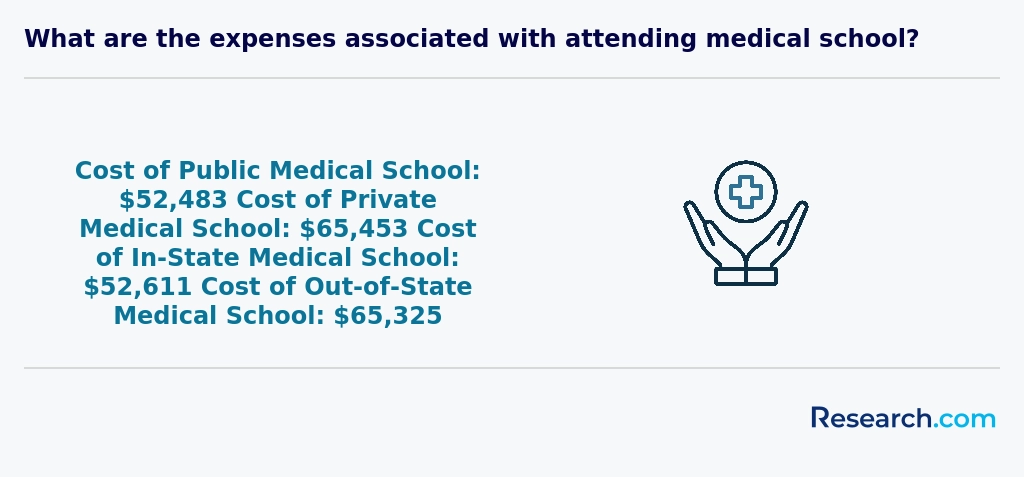
Embarking on an online healthcare management degree in the West typically means pacing through a financial landscape where the median total cost nods toward $42,000. Graduates from well-known public universities in states like California or Washington recall the balancing act between tuition and life, as affordable healthcare management bachelor's programs West often hover between $6,000 to $10,000 annually for online courses, especially if you're an in-state student. However, community chatter also reflects the reality that private schools tend to command higher fees, sometimes leaping beyond $30,000, but this can come bundled with richer networking opportunities and specialized curriculum tailored for ambitious leaders in healthcare.
Imagine a student weaving through their studies wondering about the average cost online healthcare management degree West brings; many find comfort in the knowledge that financial aid, tailored scholarships, and state grants sweeten the deal, gently lowering the real expenses. Indeed, the freedom of online study slashes transportation headaches and housing costs, making the investment feel more manageable.
Considering a degree built on about 120 credit hours, public institutions often price courses between $300 and $500 per credit hour. The experience shared by several graduates from popular colleges in the region highlights how choosing part-time enrollment can stretch out payments but ease cash flow, turning education into a sustainable journey.
Those who envision their future in healthcare administration are wise to explore how this education can advance their path-as seen in a healthcare management mba degree career path-aligning passion with practicality in a dynamic, evolving field.
Imagine unlocking your online healthcare management degree at a renowned Western school like the University of California or Arizona State without drowning in debt. Many graduates have sailed this journey, tapping into federal financial aid through FAFSA, grabbing Pell Grants that can ease up to $7,395 off their tuition bills. These grants feel like gentle hands lifting the weight off low-income students pursuing their dreams.
Other grads at bustling West Coast campuses found that state grants, such as California's Cal Grant, turn the abstract into tangible savings, making the cost of digital lectures and virtual labs much friendlier. It's like the state reaching out with a secret handshake to those who qualify.
Scholarships from healthcare societies and nonprofit groups add another layer of sweet relief, rewarded to those who demonstrate grit and vision in healthcare management. One cohort remembered how association awards bolstered their confidence and wallets alike.
Then there's the steady lifeline of employer tuition assistance, especially in sprawling hospital systems where working professionals juggle shifts and studies. These programs transform daunting tuition into manageable goals, fueling ambitions without financial panic.
Finally, institutions often offer flexible payment plans or their own aid, allowing students to breathe easier each term, turning daunting fees into well-paced steps toward leadership in healthcare.
Picture this: a graduate from a well-known Western university shares how the journey to enrolling was like preparing a treasure map. The first "X" marks the high school diploma or GED-a non-negotiable compass guiding admission. Along the way, they needed a sturdy GPA shield, typically ranging from 2.5 to 3.0, to prove they could navigate academic storms.
Others tell of proving their worth through college-level badges-biology or statistics courses-that opened doors to advanced standing. Imagine balancing a work shift while crafting a personal statement that combines passion with real-world healthcare hustle on the West Coast's competitive stage.
Though some institutions once demanded SAT or ACT scores, many programs in the West now toss standardized tests aside, inviting diverse pioneers aboard their digital ships. Letters of recommendation and work experience in healthcare add splashy colors to applications, painting stories of resilience and readiness from bustling urban hospitals or serene rural clinics.
Meanwhile, the financial terrain demands attention. In-state tuition at public Western schools offers a welcoming valley between $7,000 and $12,000 annually, while private institutions tower as majestic peaks, sometimes exceeding $20,000. Students who navigate scholarships and aid emerge with wallets lighter but spirits lifted.
Imagine diving into a blend of healthcare law, ethics, and the fast-paced world of healthcare systems-all from your favorite coffee spot in California or Arizona. Online healthcare management degrees in the West bring courses that fuse business savvy with medical fluency, shaping leaders ready to juggle policy shifts and ethical puzzles. Graduates from California State University often share how mastering healthcare information systems-handling electronic health records like digital detectives-gave them a thrilling edge in real hospital settings.
Financial management courses feel less like math drills and more like strategic games, where Arizona students learn to optimize budgets that could impact thousands of patients. Leadership modules spark excitement, teaching students to inspire teams and innovate in medical organizations, a skill celebrated by those balancing remote study with demanding jobs.
Public health and community health classes root their learning in the vibrant, diverse populations unique to Western states, making every lesson feel like a step toward tangible change. This curriculum doesn't just teach-it electrifies ambition with practical, Western-flavored expertise.
Picture yourself diving into an online healthcare management degree in the West, where the pulse of the industry beats strong with specialized tracks that mirror real-world needs. Graduates from leading programs in California and Oregon describe the thrill of mastering Health Information Management, where handling complex patient data systems feels like unlocking a vital code to better care, all while ensuring HIPAA compliance. Many find themselves energized by Healthcare Policy and Administration, navigating laws and ethics, building the leadership skills needed to influence hospitals or nonprofits in bustling cities or rural communities.
Others in Western online healthcare management specializations in the West share excitement over Long-term Care Management, stepping into roles that support aging populations with empathy and innovation, from assisted living centers to rehab facilities. The financial wizards relish Healthcare Finance, turning budgeting puzzles into clear strategies that keep medical organizations thriving. Meanwhile, those drawn to direct patient outcomes thrive in Clinical Practice Management, overseeing clinical operations with a hands-on heart. For those eager to advance swiftly, exploring accelerated mba healthcare management online programs in the West can amplify these specializations.
Choosing an online healthcare management degree in the West means diving into a mix of practicality and vision. Graduates from popular universities in California or Washington often rave about programs that blend real-world healthcare law with the dynamic pulse of regional healthcare systems. Imagine balancing a flexible schedule around work while absorbing lessons that directly reflect the vibrant hospitals and clinics nearby-this anchoring of theory in local practice breathes life into study, making it feel less like a chore and more like a meaningful journey.
Affordability is not just a number but a relief valve for many students juggling life's demands. Many who picked affordable online healthcare management degrees in the West found themselves relieved to discover programs at community colleges or state universities that trimmed costs without trimming substance. The secret is in the details-technology fees, accreditation by CAHME, and robust student support all play into the overall value.
One graduate shared how strong industry connections transformed a simple internship into a career launchpad, thanks to the university's local reputation. If you seek similar outcomes, explore flexible programs with active ties to healthcare employers. For those hunting options without breaking the bank, check out affordable mba healthcare management programs that align cost and quality, ensuring your investment grows into opportunity.
Graduates armed with an online healthcare management degree in the West unlock a kaleidoscope of career paths that transform healthcare landscapes. Imagine steering the daily whirlwind in bustling hospitals or orchestrating the seamless flow of clinics along the West Coast, where managers from universities like those in California and Washington turn classroom theory into real-world leadership. These graduates thrive as healthcare administrators, health information managers, or policy analysts shaping the delicate balance between care quality and operational efficiency.
With the surge in online healthcare management job opportunities West Coast programs open doors beyond conventional walls-consulting remotely from Oregon, or reshaping public health strategy in sprawling metropolitan hubs. The pulse of innovation beats strongest here, as graduates meld tech savvy and policy know-how, fueled by the vibrant, competitive spirit of Western schools.
Dreamers seeking a path here often discover affordable programs tailored to these ambitions; many find their stride through an affordable healthcare administration degree online accredited, harnessing both affordability and prestige while launching impactful healthcare management careers in the Western US.
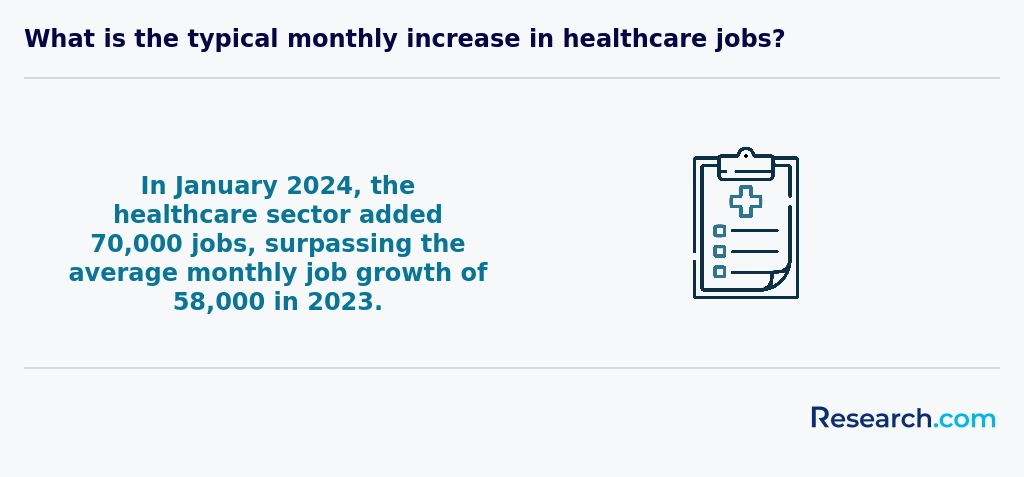
Graduates holding an online healthcare management degree in the West find themselves stepping into a vibrant job market where opportunities bloom like the coasts are wide. Imagine alumni from well-regarded institutions such as the University of Washington or Arizona State University sharing stories of swift transitions into leadership roles within sprawling hospital systems or agile health tech startups. The demand for these versatile professionals shines brightly across cities like Seattle and Denver, where healthcare infrastructure evolves rapidly to meet growing populations. This surge fuels strong prospects that make online healthcare management jobs in the West not just a possibility but a promising reality.
Picture yourself navigating roles like Health Services Manager or Healthcare Consultant, salaries reflecting the region's high standards of living, with California graduates boasting median wages near $120,000. Many find their education's flexibility paired with real-world scenarios, from scrutinizing healthcare policies to mastering finance and information systems, offers a distinct edge. Employers prize this blend, often rewarding career progress with substantial pay bumps-insights echoed in recent healthcare mba salary trends.
Those exploring healthcare management degree employment prospects West often celebrate the blend of practical learning and a robust market. Graduates speak of how their degrees unlocked doors within insurance firms, community clinics, or public health organizations, turning ambitions into tangible leadership paths. The online format enables working adults to juggle studies with life's demands, a balance that feels less like sacrifice and more like strategic advancement.
2027 Most Affordable Online Bachelor's in Healthcare Management Degree Programs Ranking in the West
Investing in your education is a significant decision that can shape your future, and the Research.com team understands the importance of making informed choices. To assist prospective students in the Western United States, we have meticulously crafted the "2027 Most Affordable Online Bachelor's in Healthcare Management Degree Programs Ranking in the West." Our commitment to quality, credibility, and accuracy is reflected in the extensive research and analysis conducted to compile this ranking.
We utilized the following reputable data sources to ensure a comprehensive evaluation of healthcare management programs:
By exploring this ranking, readers will gain valuable insights into the most affordable and high-quality online healthcare management programs in the West, empowering them to make confident and informed educational decisions. For more details on our methodology, please visit our Research.com methodology page.
# 1 position
Western Governors University
Bachelor of Business Administration in Healthcare Management

# 2 position
Colorado Christian University
Bachelor of Healthcare Administration


# 6 position
Northern Arizona University
Bachelor of Health Sciences, Allied Health, Medical Assisting


# 8 position
Weber State University
Bachelor of Health Administration

# 9 position
Montana State University Billings
Bachelor of Health Administration

# 10 position
Colorado Technical University-Colorado Springs
Bachelor of Healthcare Management

Frequently Asked Questions About healthcare management
Students pursuing online healthcare management degrees in the West can enhance their learning by actively engaging with digital resources and virtual collaboration tools. According to the Western Interstate Commission for Higher Education (WICHE), Western states have rapidly expanded online program offerings, making it crucial for students to participate in discussion forums and synchronous sessions to deepen understanding.
Building connections with peers and instructors via video conferences helps simulate in-person interactions, which improves knowledge retention. Additionally, students should leverage local healthcare networks for internships or practical experience, as hands-on learning complements online theory effectively.
Utilizing library access and current healthcare databases supported by their institutions ensures access to up-to-date industry standards and research findings, particularly important given the fast evolution of healthcare policy in the West.
Emerging niches within the healthcare management field reflect shifts in technology and patient care trends in the Western United States. One rapidly growing area is telehealth management, driven by a 2023 report from the California Health Care Foundation showing a 150% increase in virtual care visits since 2020.
Another key niche is data analytics in healthcare. Managers skilled in interpreting big data help organizations improve patient outcomes and reduce costs, especially relevant in tech hubs like Seattle and the Bay Area.
Additionally, population health management is expanding, focusing on preventive care models tailored for diverse Western populations.
After completing an online healthcare management degree in the West, preparing for the job market involves several key steps. Graduates should start by gaining relevant experience through internships or volunteer positions in hospitals, clinics, or public health organizations. According to the Bureau of Labor Statistics, healthcare management roles in the Western US are projected to grow by 32% from 2020 to 2030, much faster than average.
Networking is essential; joining professional associations like the American College of Healthcare Executives (ACHE) can provide valuable industry connections. Additionally, obtaining certifications such as Certified Healthcare Manager (CHM) can boost employability. Familiarity with regional healthcare regulations and digital health technologies is increasingly important in this evolving sector.
Employers in the Western US seek healthcare management graduates with strong leadership and communication skills. These professionals must efficiently manage teams and coordinate between healthcare staff and administration. According to the Bureau of Labor Statistics, healthcare management roles are projected to grow 28% from 2021 to 2031 in the US, highlighting a rising demand for skilled managers.
Data analysis abilities are also critical, as managers interpret patient care metrics and financial reports to improve operations. Familiarity with health information technology, including electronic health records (EHR), is increasingly valued.
Problem-solving and regulatory knowledge, especially regarding HIPAA and Medicare policies, are essential for compliance and quality control. The Western healthcare market's complexity makes adaptability another sought-after skill.
Finding internships in the Western US for healthcare management students involves targeted research and networking. Start by exploring partnerships your online program might offer; many universities in California, Washington, and Oregon collaborate with local hospitals and clinics.
Use platforms like Handshake and LinkedIn to filter internships by location and healthcare focus. According to the California Health Care Foundation, around 15% of healthcare facilities in the West frequently offer internships and entry-level positions tailored to management roles.
Contact state health departments and regional healthcare associations such as the California Hospital Association, which often list internship opportunities or host career fairs.
Volunteering is another pathway, providing hands-on experience and connections to management professionals. Early outreach, clear goals, and active follow-up improve your chances of securing competitive internships in healthcare management across the Western states.
An online healthcare management degree significantly enhances career mobility in the Western US, where the healthcare sector is one of the fastest-growing industries. According to the U.S. Bureau of Labor Statistics, healthcare managerial roles are expected to grow by 28% through 2031, much faster than the average for all occupations. This growth translates into more advancement opportunities for degree holders.
Completing a healthcare management program online provides flexibility for working professionals to upskill without interrupting their careers. Graduates often move into leadership roles, such as healthcare administrators or practice managers, which typically offer higher salaries and greater responsibility.
Regional employers increasingly value accredited online degrees, recognizing their rigor and relevance to current healthcare challenges. Additionally, many Western states host large medical centers and managed care organizations, creating a dynamic job market for professionals with management expertise.
Studying for a healthcare management degree in the Western United States equips students with skills relevant across multiple disciplines. Programs typically blend courses in business administration, public health, and medical technology, fostering an interdisciplinary approach.
This integration prepares graduates to work effectively with clinical staff, policymakers, and IT professionals. According to the Western Interstate Commission for Higher Education (WICHE), about 60% of healthcare administrators in the West hold degrees with cross-disciplinary training.
Online programs further emphasize real-world scenarios and case studies, promoting collaboration and critical thinking necessary for complex healthcare environments.
Such education aligns with Western healthcare industry needs, where innovation and coordinated care are priorities.
Choosing between a thesis and a non-thesis healthcare management degree program in the West depends largely on your career goals and learning preferences. Thesis programs typically involve in-depth research, ideal for students aiming for roles in policy development, consulting, or pursuing further graduate studies. Non-thesis tracks focus more on practical skills and coursework, suited for professionals targeting management positions within hospitals or health systems.
According to the Western Interstate Commission for Higher Education (WICHE), over 60% of online healthcare management degrees in Western states offer both options. Consider program flexibility, time commitment, and whether you prefer hands-on projects or scholarly research before deciding.
Students in the Western United States seeking online healthcare management degrees have several reputable options within domestic universities. Many public universities in states like California, Washington, and Oregon offer affordable accredited programs that combine business principles with healthcare policy. These programs often feature flexible schedules ideal for working professionals.
The U.S. Department of Education's College Scorecard reports that online healthcare management bachelor's degrees from Western institutions have average annual tuition ranging from $7,000 to $15,000 for in-state students. Additionally, schools frequently provide resources tailored for remote learners.
While true international study abroad options are limited for fully online programs, some institutions partner with international organizations to enrich curricula with global healthcare perspectives. This allows Western students to gain broadened insights without relocating.
Students pursuing online healthcare management degrees in the Western US can benefit from various part-time jobs that align with their studies. Common roles include medical administrative assistant, patient coordinator, and health information technician. These positions offer practical exposure to healthcare operations and data management, enhancing classroom learning.
According to the Bureau of Labor Statistics (2023), healthcare support occupations in Western states are projected to grow by over 15% through 2030, reflecting strong demand for related roles. Part-time employment in clinics or hospitals can provide valuable networking and real-world experience.
Additionally, internships with healthcare nonprofits or public health departments often accommodate flexible hours, valuable for students balancing coursework.
Online healthcare management students in the West benefit from various networking opportunities tailored to their unique needs. Many Western universities offer virtual career fairs and online alumni events that connect students with industry professionals and peers. Organizations like the Healthcare Financial Management Association (HFMA) and the American College of Healthcare Executives (ACHE) have active regional chapters in states such as California and Washington, providing virtual meetups, webinars, and mentorship programs.
Additionally, LinkedIn groups focused on healthcare management in the Western US allow students to engage with hiring managers and experts. According to the U.S. Bureau of Labor Statistics, healthcare management is among the fastest-growing fields in the region, increasing demand for professional networks to facilitate career growth.
Alumni networks offer significant benefits to students pursuing online healthcare management degrees in the West. These networks provide access to experienced professionals who can offer mentorship, career advice, and job opportunities. According to the National Association of Colleges and Employers (NACE), 85% of job openings are filled through networking, highlighting the importance of strong alumni connections.
In Western states like California and Washington, where healthcare management roles are growing rapidly, alumni networks can help students navigate local industry trends and employer expectations. They also facilitate connections with healthcare organizations, improving graduate employment rates.
Through virtual events and social media groups, online students can engage with alumni despite geographic barriers. This ongoing interaction supports professional growth and lifelong learning.
Customizing an online healthcare management degree in the Western US involves selecting electives, specializations, and practical experiences aligned with your career goals. Many universities in states like California and Washington offer concentrations in areas such as health informatics, policy, or administration. According to the National Center for Education Statistics, these options help tailor your education to sectors showing strong growth. Additionally, internships or capstone projects often provide real-world exposure. Flexible scheduling and part-time options enable working professionals to balance studies with employment, making it easier to acquire targeted skills while maintaining a career in healthcare management.
Online healthcare management students in the Western US often face challenges related to balancing work, family, and study. Many learners juggle full-time jobs while pursuing degrees, which can lead to time management difficulties. According to the National Center for Education Statistics, nearly 70% of online students work at least part-time, intensifying this struggle.
Technical issues also affect students, especially when courses use complex healthcare software or data systems. Limited access to reliable internet in rural parts of the West further complicates participation. Additionally, some students report feeling isolated due to reduced face-to-face interaction, impacting networking opportunities crucial in healthcare management careers.
Lastly, navigating accreditation and verifying program quality is another challenge, as the Western US hosts many online options with varied reputations, making it important for students to carefully research before enrollment.
With an online healthcare management degree, graduates can pursue several professional certifications to enhance their careers. Popular options include the Certified Healthcare Manager (CHM) and the Fellow of the American College of Healthcare Executives (FACHE). These certifications demonstrate leadership skills and industry knowledge.
The Certified Professional in Healthcare Quality (CPHQ) is another valuable certification, especially relevant in quality control and patient safety roles. The demand for healthcare managers with these credentials is growing in Western states like California and Washington, where healthcare sectors are expanding rapidly.
According to the U.S. Bureau of Labor Statistics, healthcare management jobs in the West are projected to grow by 18% through 2030, highlighting the importance of professional certification for career advancement.
To write a winning application for an online healthcare management program in the West, start by clearly demonstrating your passion for healthcare administration. Highlight relevant work experience or internships, especially those involving healthcare settings or leadership roles.
Strong academic records matter; maintain a GPA of 3.0 or higher, as many Western US public universities recommend this. Include a well-crafted personal statement outlining your career goals and how the degree aligns with industry needs in regions like California and Washington, which lead in healthcare growth.
Finally, secure letters of recommendation from professionals familiar with your work ethic and healthcare knowledge. According to the Western Interstate Commission for Higher Education, well-rounded applications have higher acceptance rates in competitive programs.
Healthcare management is a rapidly growing field valued worldwide for its role in improving health services. In the US and Western countries, demand for skilled healthcare managers is high due to expanding populations and complex healthcare systems. According to the U.S. Bureau of Labor Statistics, employment of medical and health services managers is projected to grow 28% from 2021 to 2031, much faster than average for all occupations.
Global perspectives recognize healthcare management as essential for efficient healthcare delivery, cost control, and patient safety. Leaders trained in Western academic institutions often gain skills applicable in international contexts, making online degrees especially valuable for flexible learning.
Students pursuing online healthcare management degrees in the West benefit from access to updated curricula emphasizing leadership, policy, and technology, reflecting current trends found in reports from organizations such as the American College of Healthcare Executives.
Gaining practical experience while studying for an online healthcare management degree in the West is essential to strengthen your resume and enhance job readiness. Many programs offer virtual internships or practicums in partnership with regional healthcare providers, allowing students to apply theory in real-world settings.
Additionally, students often secure part-time roles in hospitals, clinics, or insurance companies, especially in states like California and Washington where healthcare industries grow rapidly. According to the Western Healthcare Alliance, approximately 30% of online students engage in internships during their studies.
Participating in professional associations such as the American College of Healthcare Executives also provides networking and mentorship opportunities. These experiences complement academic knowledge and improve leadership skills critical in healthcare management careers.
Choosing the right concentration in an online healthcare management degree program in the Western U.S. depends on your career goals and regional healthcare demands. Popular specializations include health informatics, hospital administration, and public health management. According to the California Employment Development Department, healthcare occupations in California are projected to grow 16% from 2022 to 2032, emphasizing strong local job prospects.
Consider programs offering coursework aligned with state-specific regulations and industry needs. A focus on health informatics, for example, is beneficial given Washington State's investment in digital healthcare systems. Research program accreditation and faculty expertise to ensure quality education.
- Niche Markets in Healthcare: How to Find & Target https://nechayadvisors.com/blog/niche-markets-in-healthcare
- Challenges and Opportunities in Healthcare Management - European Society of Medicine https://esmed.org/challenges-and-opportunities-in-healthcare-management/
- Full time Healthcare Management jobs in Europe https://jobs.healthcare-management.uk/jobs/europe/full-time/
- 5 Healthcare Management Master's Concentrations - Healthcare Management Degree Guide https://www.healthcare-management-degree.net/list-articles/healthcare-management-masters-concentrations/
- Online Health Science Degrees with Financial Aid https://www.edumed.org/online-schools/health-science-degrees/financial-aid/
- Potential Healthcare Management Career Paths https://www.coloradotech.edu/degrees/studies/healthcare/articles/healthcare-management-career-paths
- Healthcare Administration Certifications https://www.publichealthdegrees.org/careers/healthcare-administrator/certification/
- Top Healthcare Management Conferences for Students https://www.asiapacific.edu/blog/mba/top-healthcare-management-conferences-students/
- Healthcare management skills students need for global careers https://gbs.edu.mt/blog/healthcare-management-skills-students-need-for-global-careers/
- The Value of Healthcare Organization Alumni Associations https://consultqd.clevelandclinic.org/the-value-of-healthcare-organization-alumni-associations